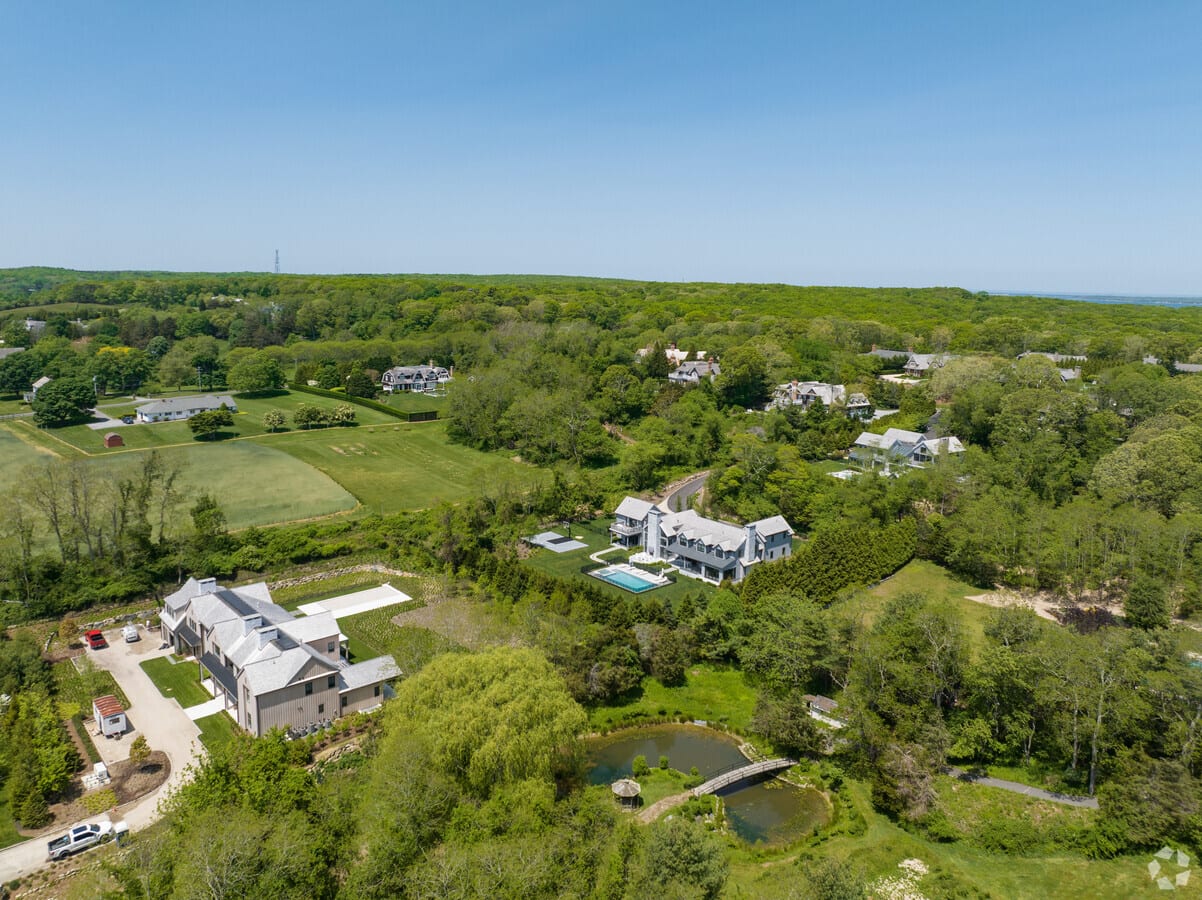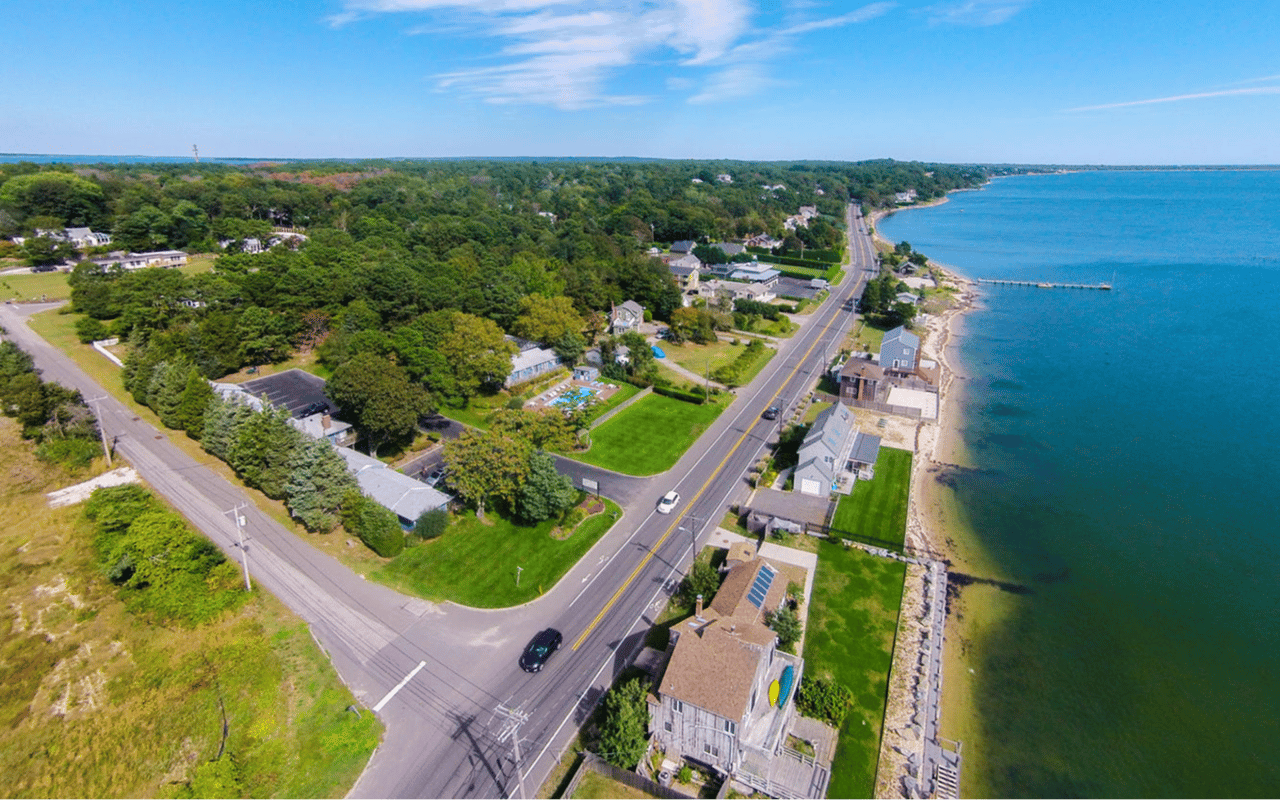
From Montauk Highway you can see a tall gray monopole behind Sagaponack Village Hall. In the East Hampton Press, 27east called it "a recognizable feature in the village." The pole was meant to end the village's long run of dropped and missed calls. On October 21, 2026, Verizon Wireless came to the Village Board and said the tower leaves coverage gaps it can't fill alone. It asked to add 14 small cell facilities around the village.
That request changes the deal residents thought they had. The tower was approved as one structure that four carriers would share. Verizon's proposal means future coverage could go up on roadside poles, one carrier at a time. The village attorney has already said this first application could become the model for every carrier that follows.
One pole, four carriers: the plan in 2024
Sagaponack spent years with service that 27east described as notoriously poor. Residents, workers, police and emergency responders all dealt with dropped and missed calls. Mayor Bill Tillotson said he often switched between an AT&T phone and a Verizon phone to finish a single conversation. The village said it had received nearly 700 emails from residents asking for a tower.
The site was not settled right away. Before the board chose the land behind Village Hall, it had also looked at the Old Stove Pub parcel, and early designs included a tower disguised as a pine tree. In February 2024, the village signed a 55-year lease with Connecticut-based Homeland Towers. The East Hampton Star reported that the board then waived the local setback rule. That put the tower about 30 feet from the rear property line and less than 100 feet from a neighboring house. The approved design was a plain gray pole, not a fake tree. Its overall height could reach 107 feet if emergency communications equipment were added.
The lease made the pole a source of income for the village:
- Rent: the greater of $2,200 a month or 40 percent of gross revenue
- Projected total: more than $6 million over the life of the lease
- Expected tenants: Verizon, AT&T, Dish Network and T-Mobile
The four carriers were the whole point. One structure on village land would carry everyone's equipment, so one hard-fought approval would fix service for customers of every carrier.
A tower the village owns but doesn't run
The pole went up. Service didn't follow in the same way. In a later report, 27east found that reliable service still hadn't reached most residents or the people driving through. Homeland Towers regional manager Ray Vergati said Verizon, as the sponsoring carrier, had not finished its post-activation testing and adjustments. He said AT&T was expected to join the tower within six months and that Homeland was waiting to hear back from T-Mobile. He also spelled out what that meant in the meantime: "With Verizon's current installation, only Verizon customers will benefit with increased and reliable coverage in the area."
The mayor described where the village stood in the same article:
"We're just renting a piece of space, so we have no say in it. We'd love them to be hooked up. It's a safety matter, really, because right now, if somebody needs an ambulance, it's a problem."
That is the core problem. The village picked the site, signed the lease and collects the rent. Whether a phone in the village gets a signal depends on each carrier's equipment and each carrier's schedule. Tillotson said he sends residents who ask about service to their own provider.
What Verizon asked for on October 21
Verizon's request makes the most sense alongside the tower's history. According to 27east's account of the meeting, Verizon's Matthew Claro told the board that the company's equipment on the tower is at full capacity, "completely exhausted from a Verizon Wireless standpoint 100 percent." He said the 14 small cells would take load off the tower and add coverage closer to the ocean.
Here is how the two approaches compare, based on what each side has said:
| Village Hall monopole | Proposed small cells | |
|---|---|---|
| Location | Village-owned land behind Village Hall | Spread throughout the village |
| Structures | One pole, roughly 100 feet | 14 facilities: 8 on existing poles, 6 on new poles |
| Carriers | Built for up to four to share | Verizon's application |
| Village's role | Landlord with a 55-year lease | Reviewing a special-use application |
The board objected to the six new poles. Some would stand on the opposite side of the street from existing poles. "I've looked at all the sites, and I think the public is going to find them objectionable," Tillotson said, according to 27east. He said the best option would be a layout that needs no new poles.
Village Attorney Brian Egan raised the concern that explains the board's caution. If the village gives Verizon this relief, he said, it would be in "a tough spot not to grant that same relief to other carriers" on the tower. The tower was meant to hold four carriers. Whatever the board decides for Verizon, it may face the same request from the others.
Egan also asked the carrier to explain the tower's performance. "We are concerned that it is not because the signal seems not to be achieving what the original pitch to the public was," he said.
What small cells look like next door
East Hampton Town is in the middle of a small-cell rollout.
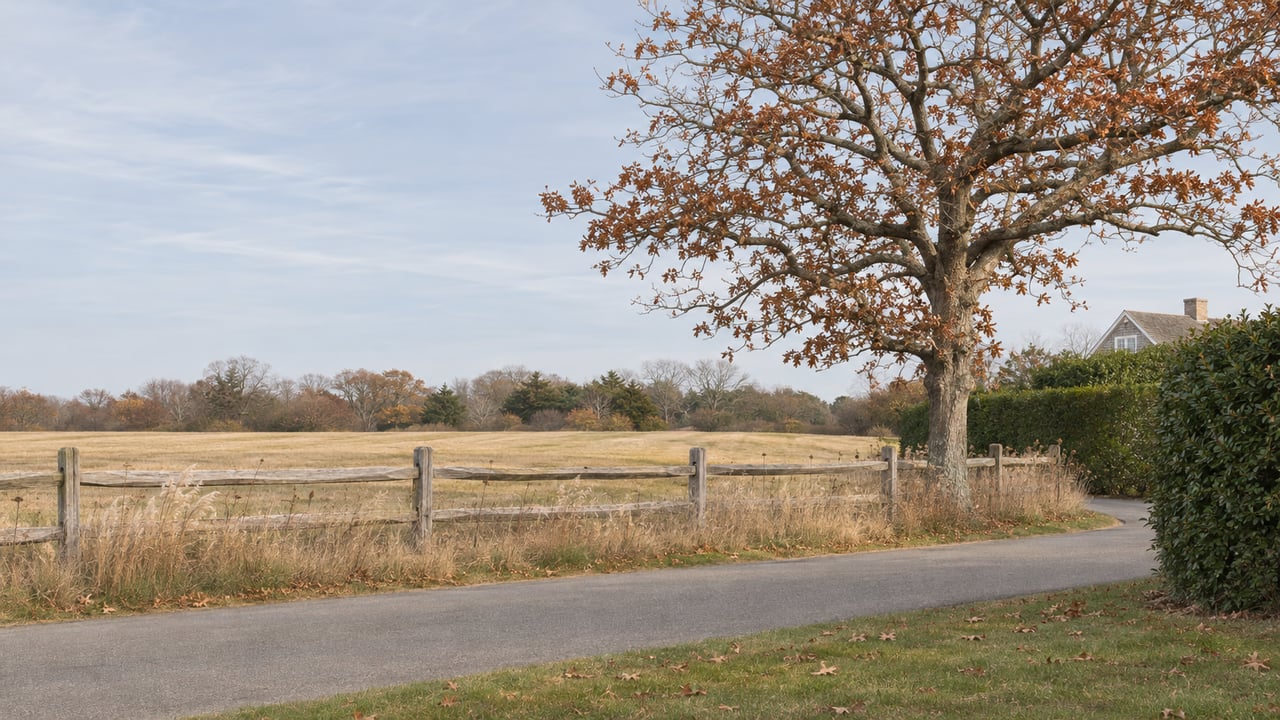
Arium Networks, formerly Crown Castle, is installing small cell poles in the public right of way across the town, with 192 sites planned. In October, the East Hampton Star reported that residents in East Hampton and Wainscott had complained about where the poles went, how they looked, noise, and getting little notice in advance. A week later, the Star followed the town's planning director, Tina Vavilis LaGarenne, on a tour of finished sites. One stop was a 38-foot pole at 1 Wainscott Stone Road, at the corner of Sayre's Path, beside farmland that runs toward the ocean.
East Hampton officials have described how little say the town has. "The town has a permitting process that they go through to make sure they're following federal regulations, but the federal government does maintain a lot of jurisdiction over it," Vavilis LaGarenne told the Star. "The town has limited authority over what we can and cannot do when a company wants to site one." The Star also reported that small-cell applications in the town get a 10-day administrative review. As of late October 2026, 18 of the 192 sites were finished.
The service results have been good in at least one place. In 2025, the Star described the rollout as starting with T-Mobile, with up to three carriers possibly sharing poles. Each small cell reaches an estimated 500 to 1,000 feet. On Napeague, where calls used to drop, the town supervisor said calls now carry along the full stretch since small-cell equipment went in.
That short range is why Verizon wants 14 facilities and not one more tall structure. It is also why the location of each pole matters so much to the people who live beside it.
November 18 at Village Hall
The Village Board voted unanimously to hold a public hearing on Verizon's plan.
- When: Wednesday, November 18, 2026, at 3 p.m.
- Where: Sagaponack Village Hall, the building in front of the tower
- What: Verizon Wireless's special-use application for 14 small cell facilities, 8 on existing poles and 6 on new poles
The October 21 agenda that set the hearing is posted on the Village of Sagaponack's Agenda Center. The board has said it would prefer that any approved facilities go only on existing poles.
If you own in Sagaponack and want to know how service at your address could affect a sale or a summer rental, Michael Petersohn can go through it with you. Request a Personal Market Consultation.