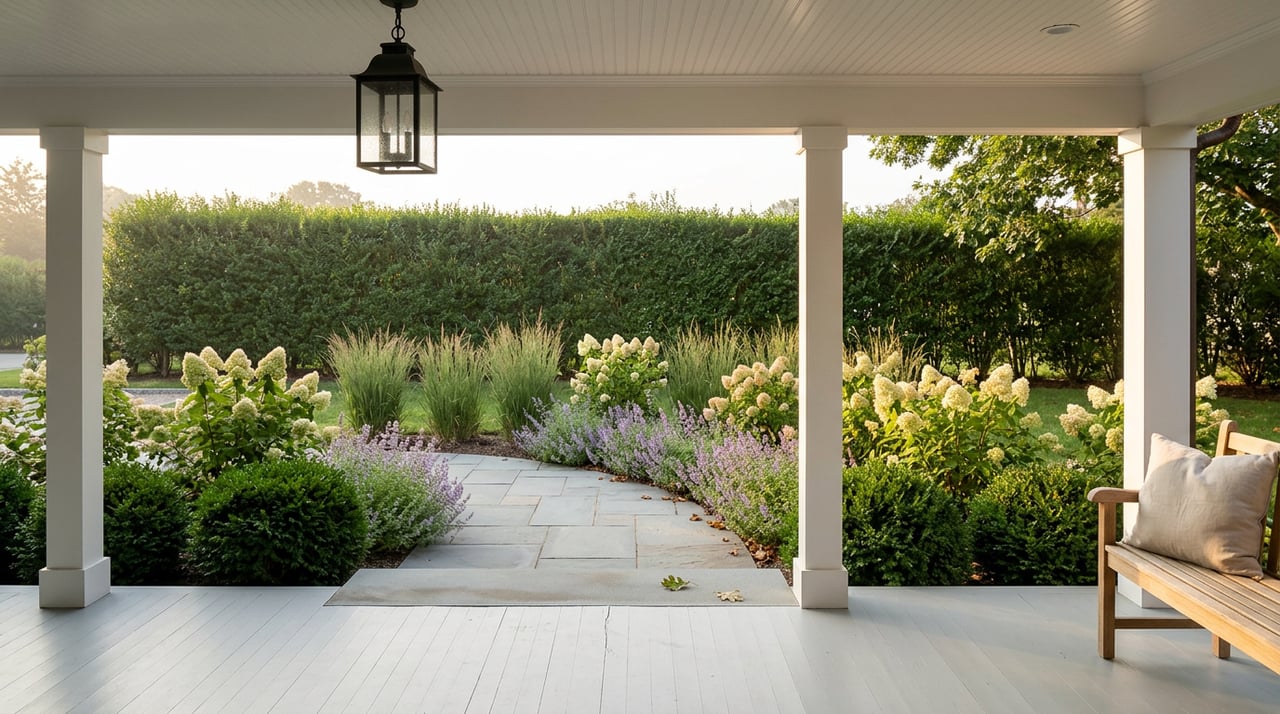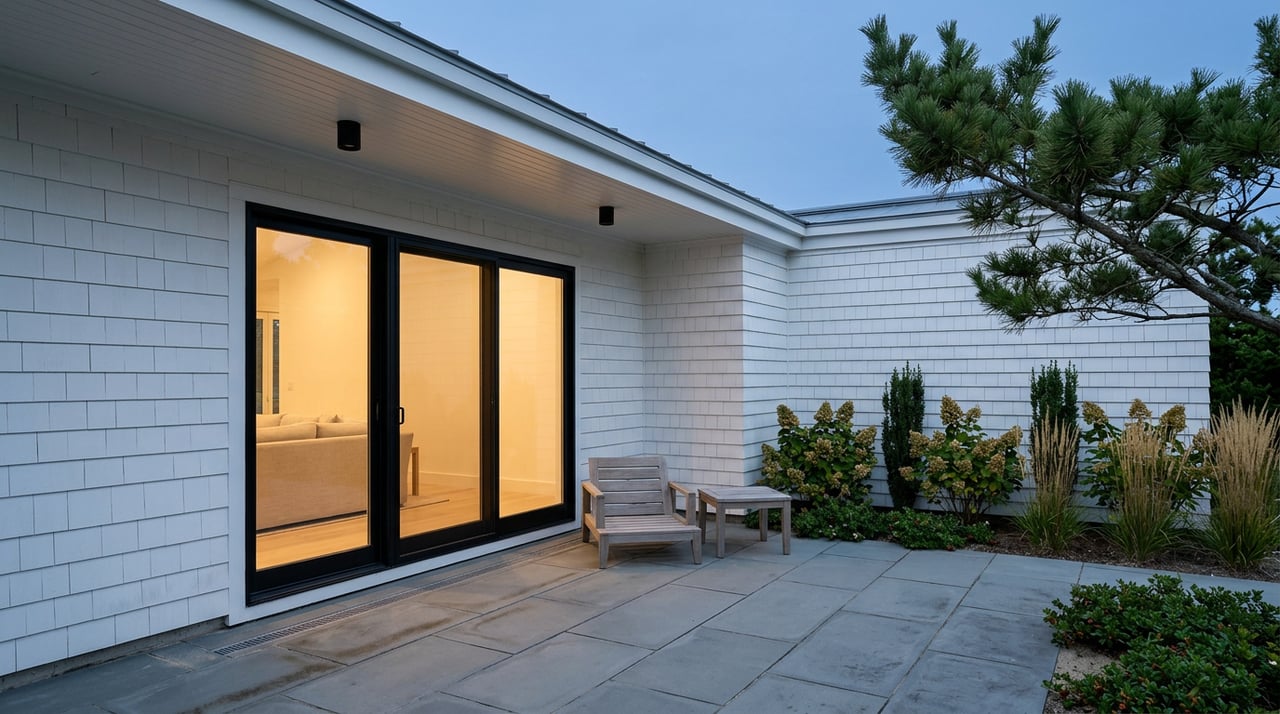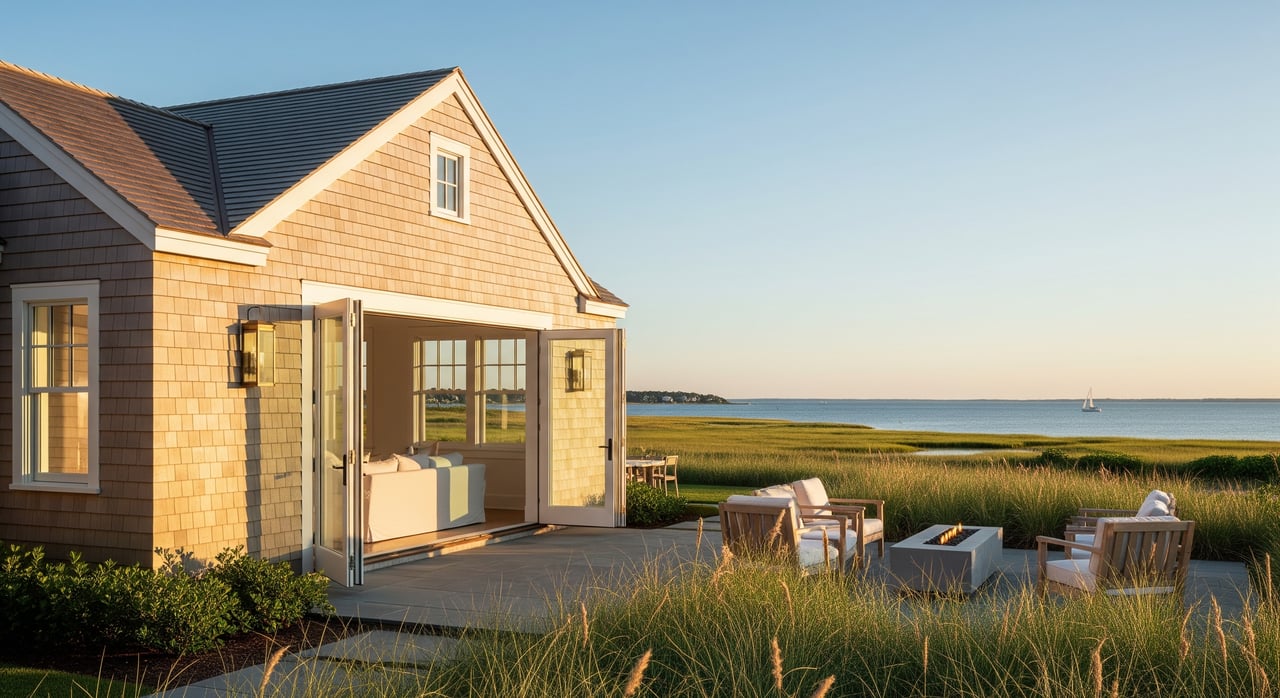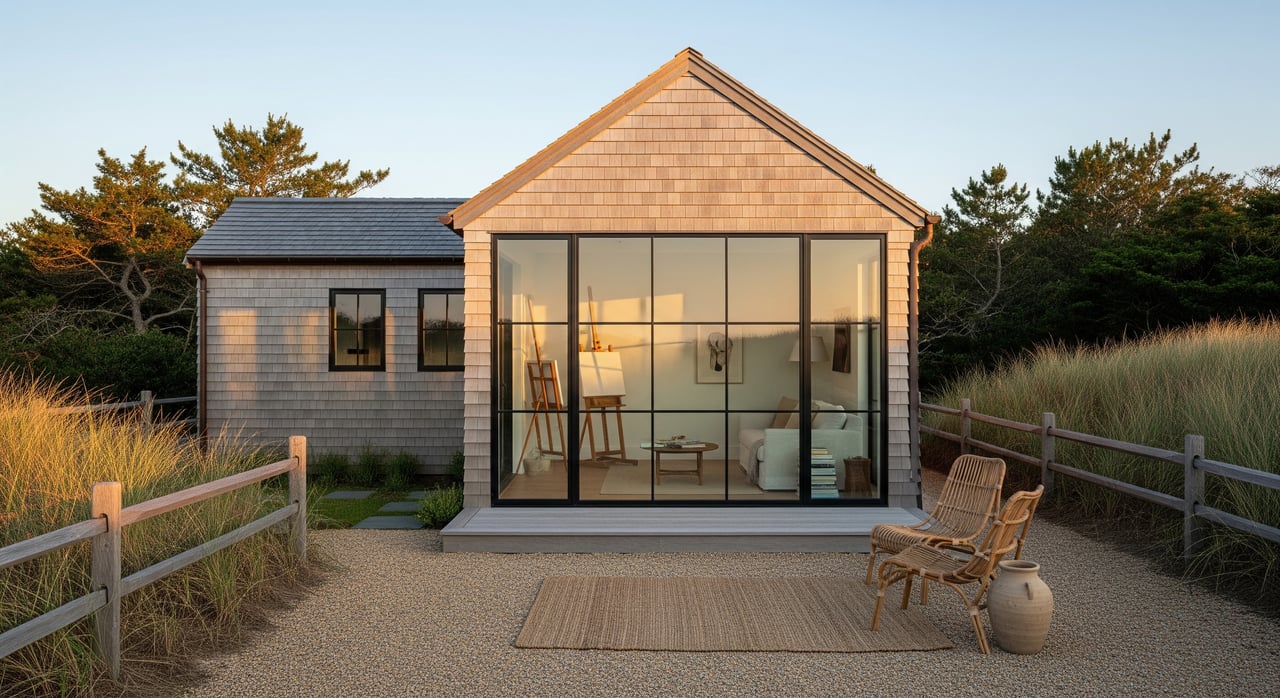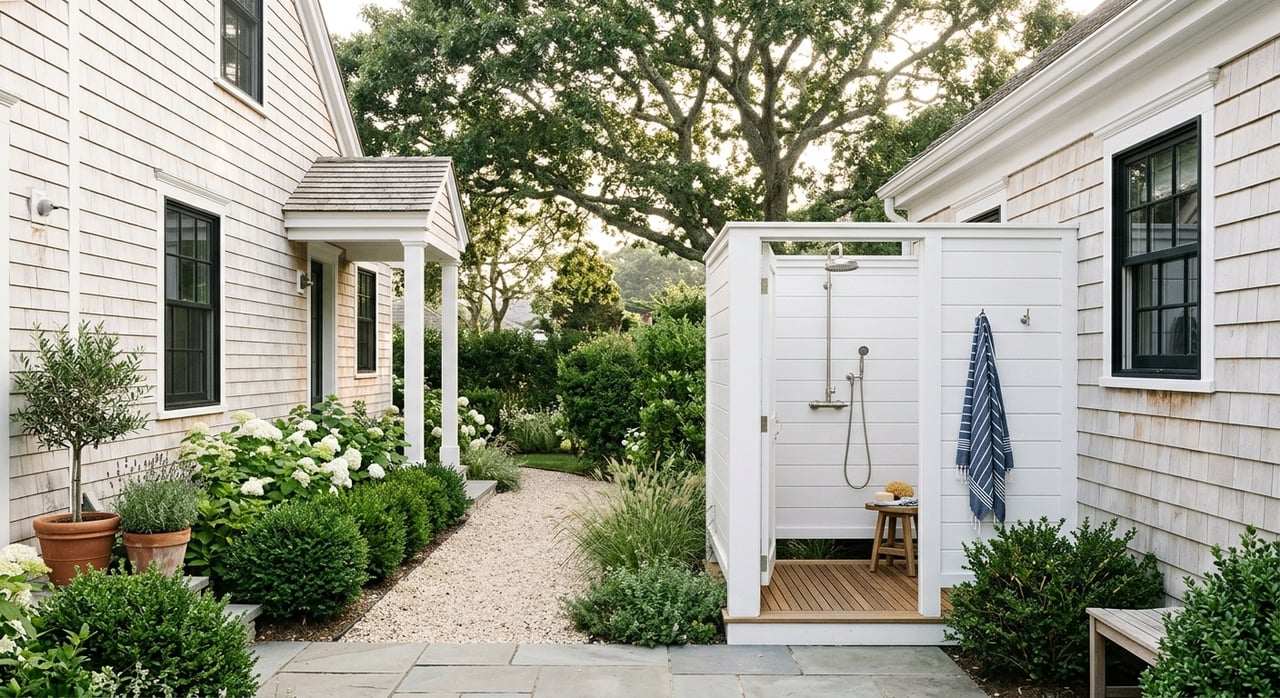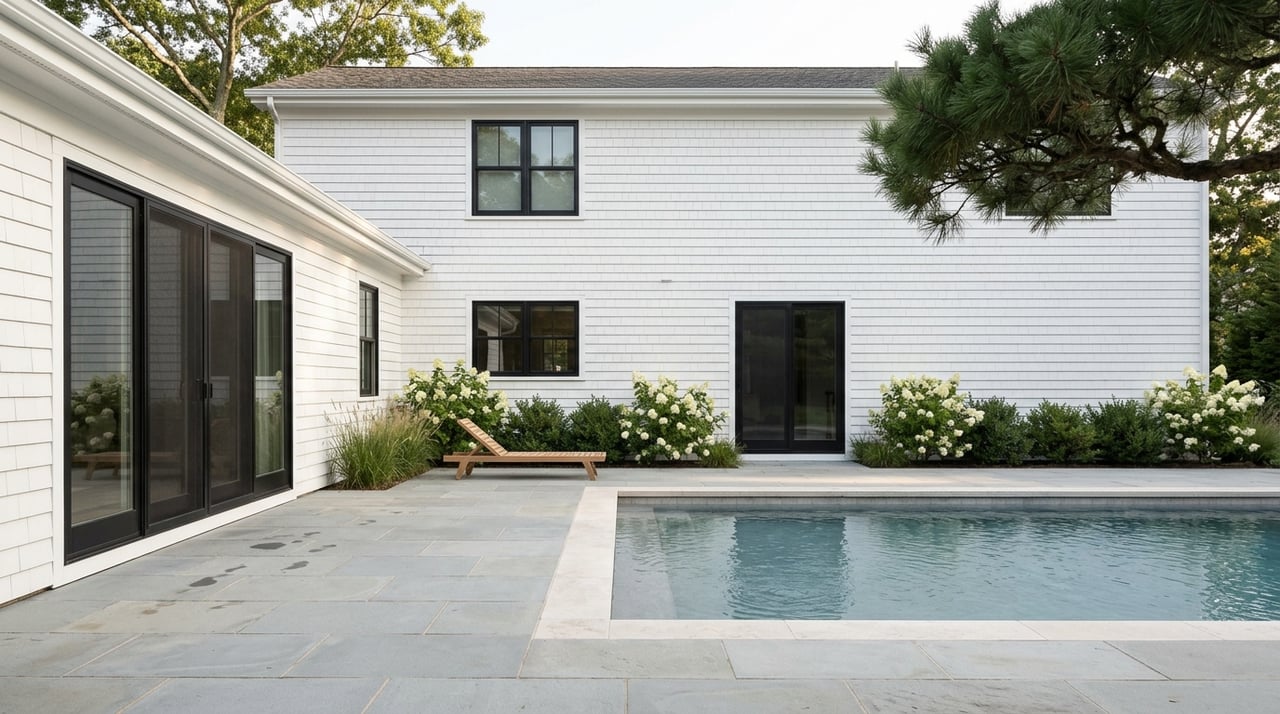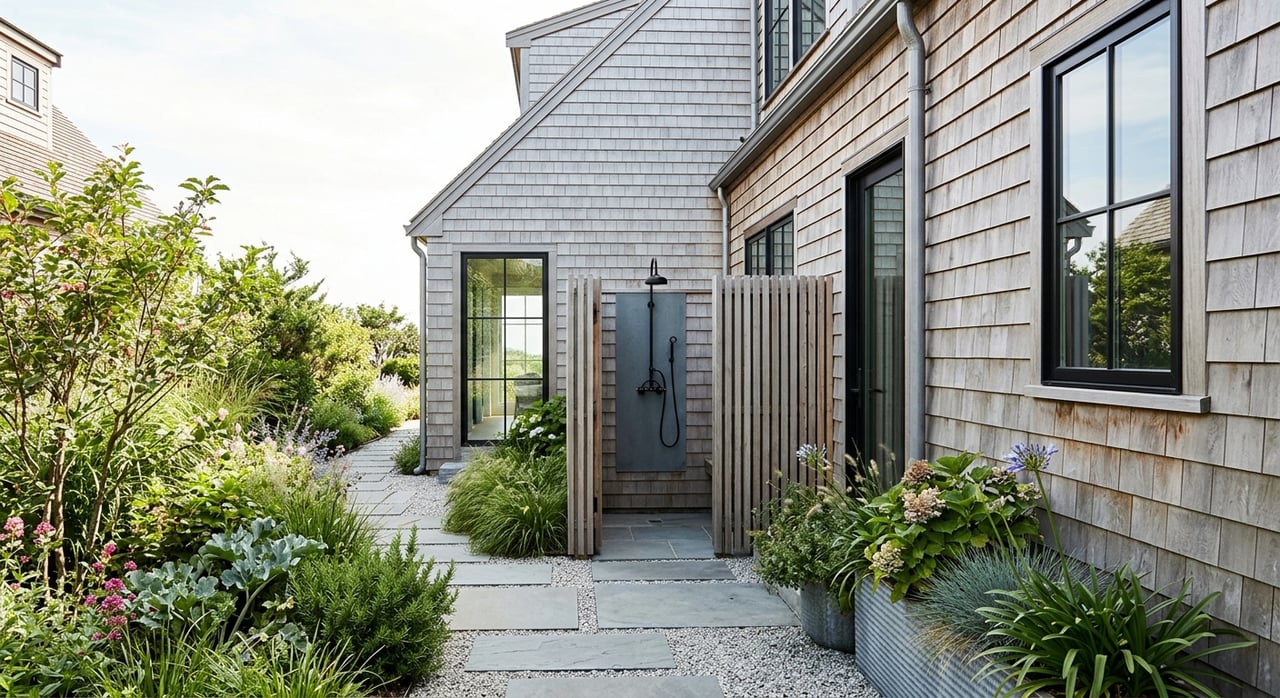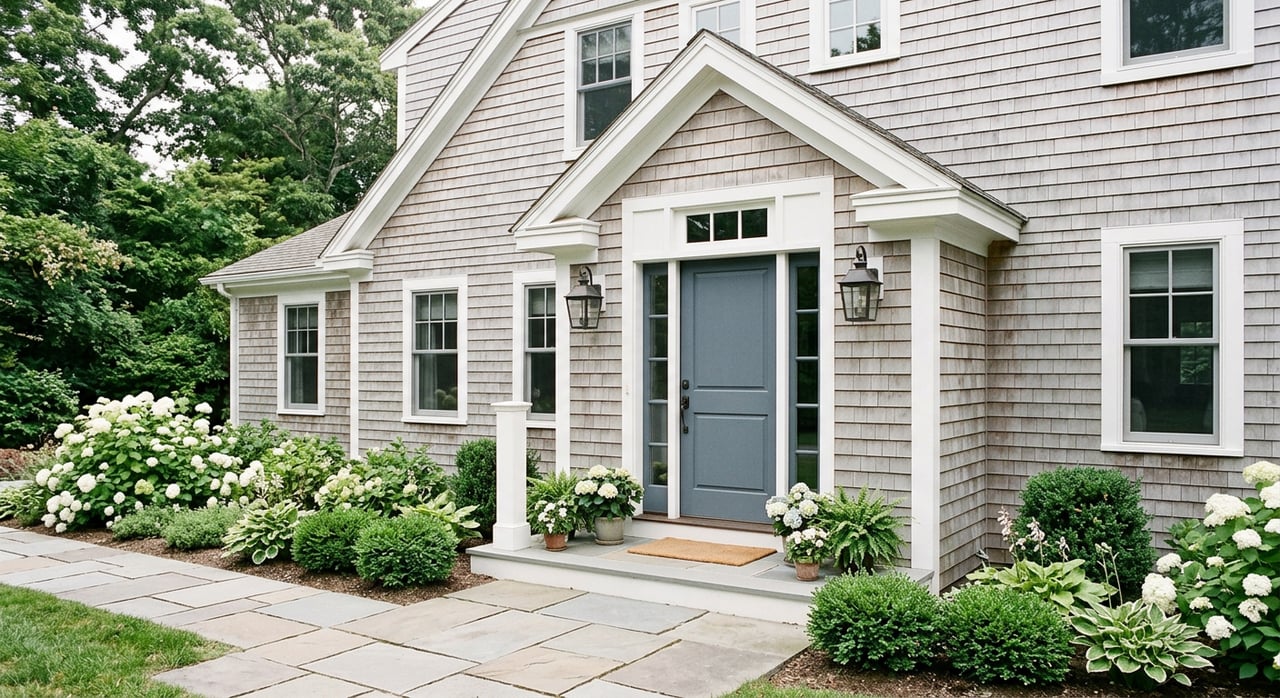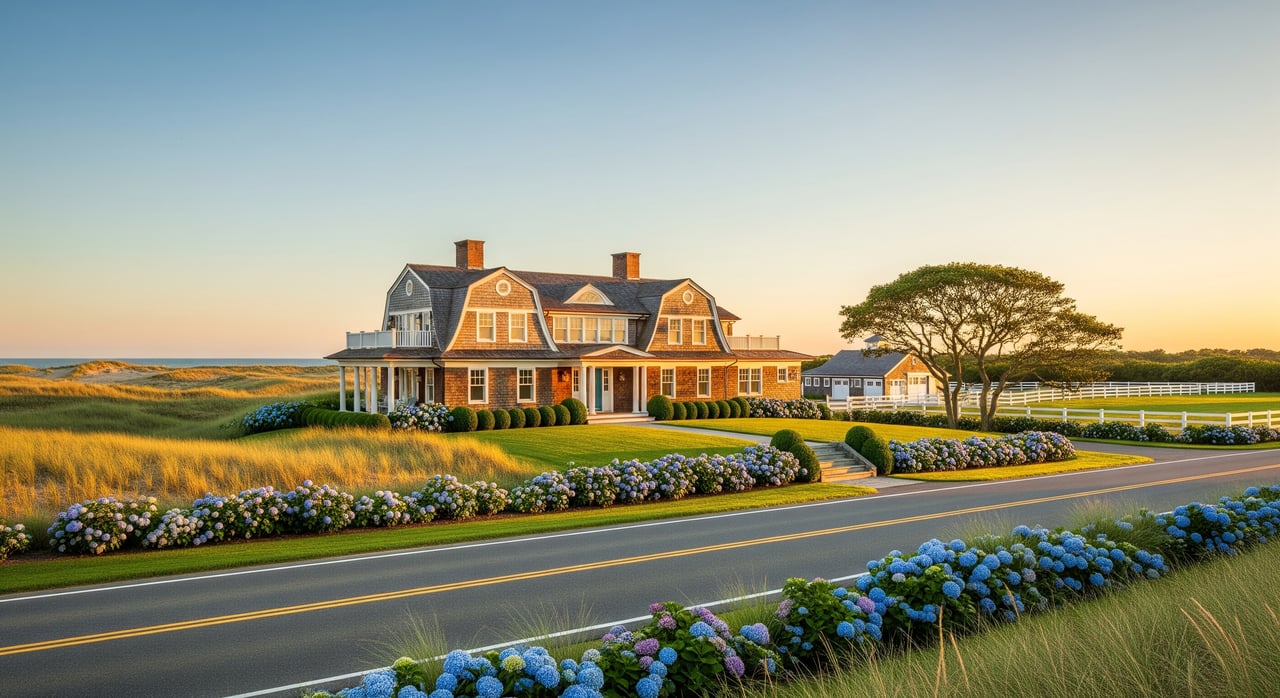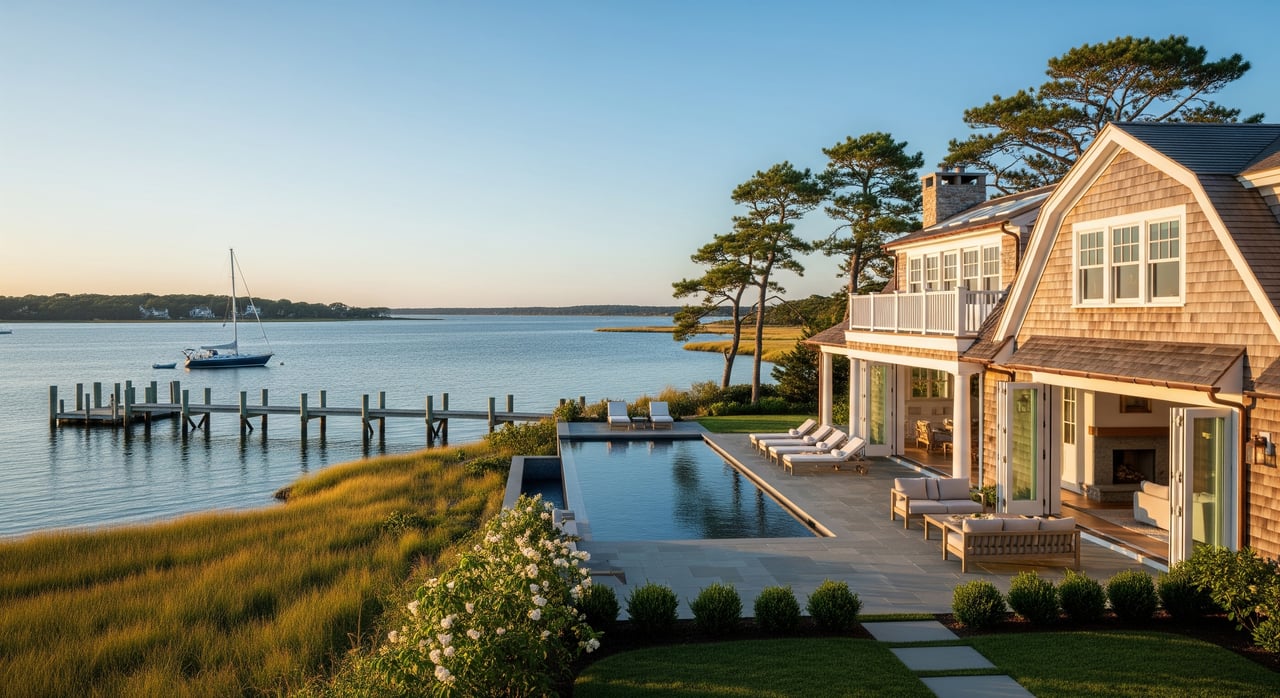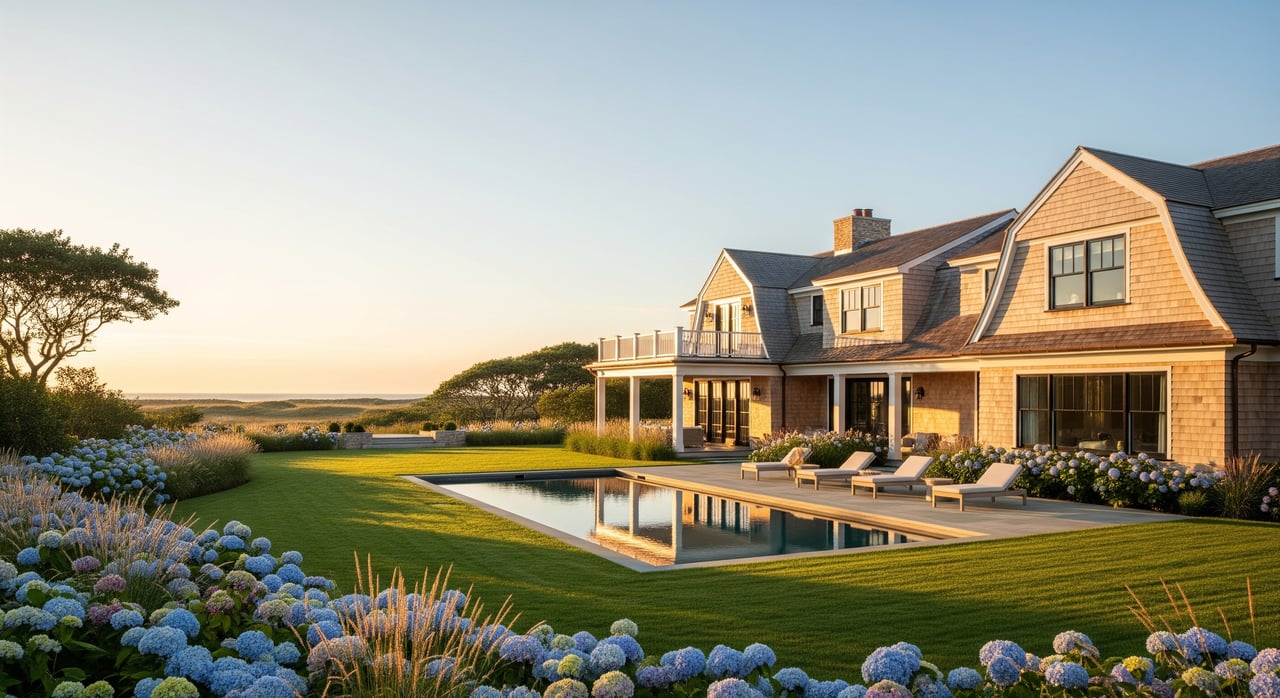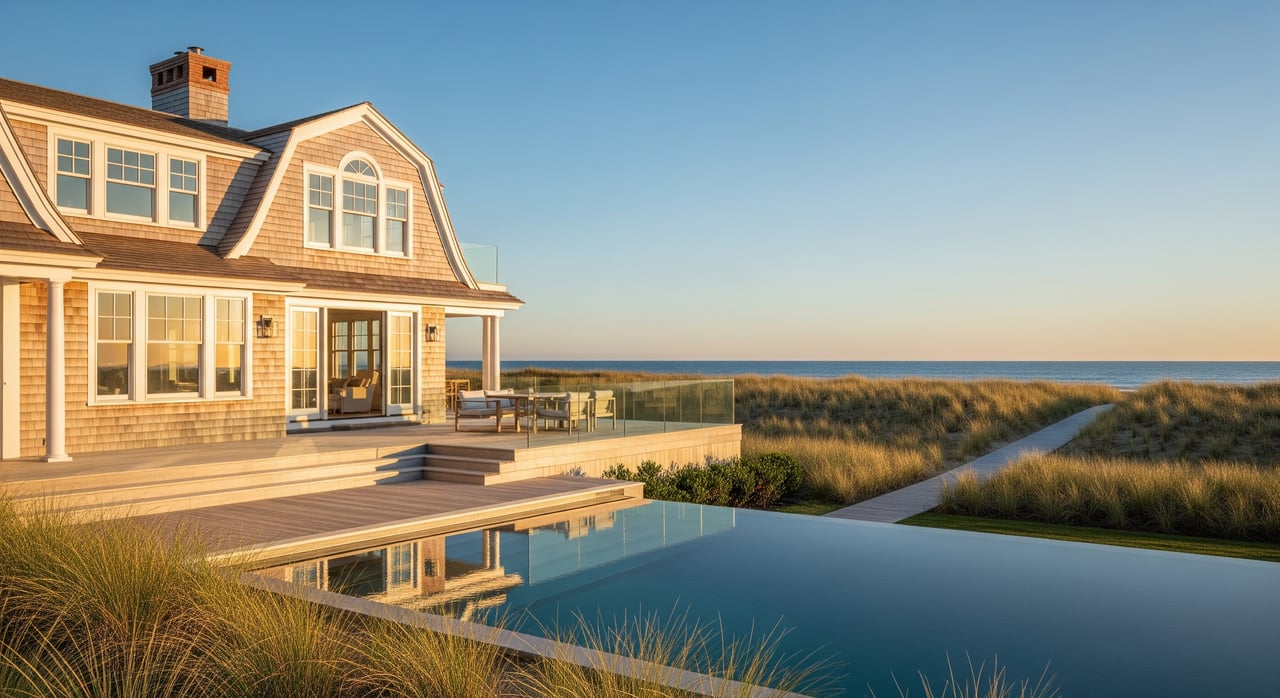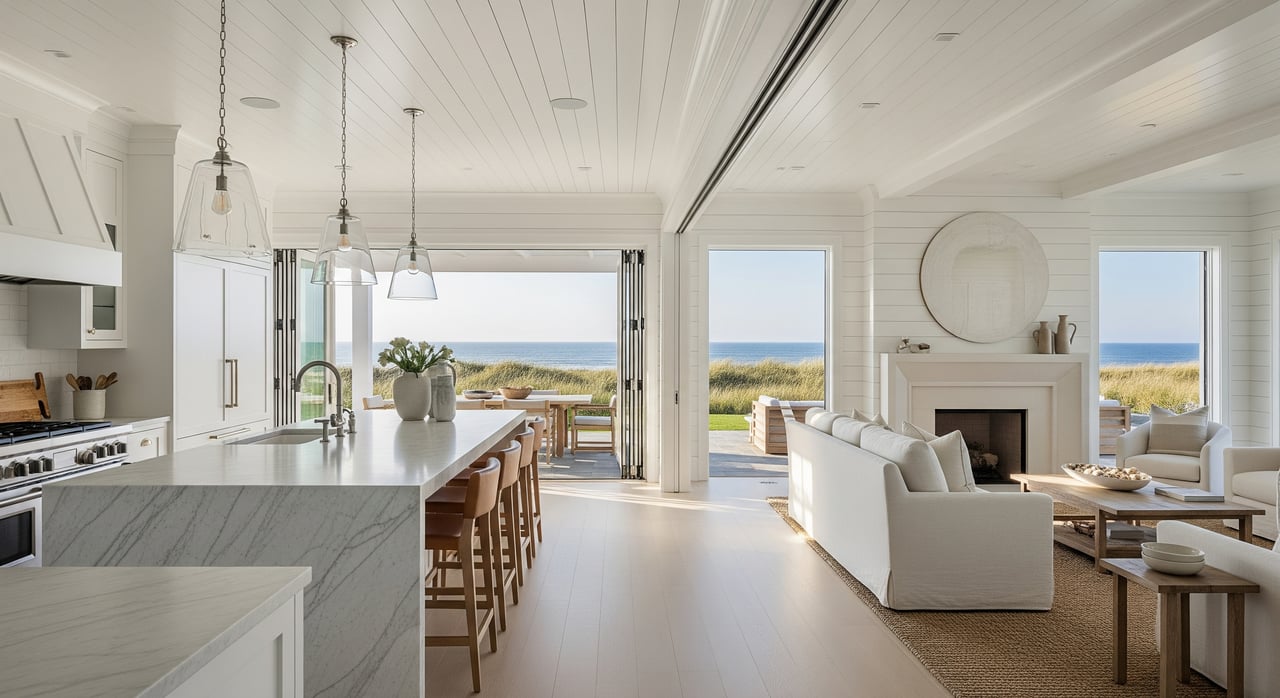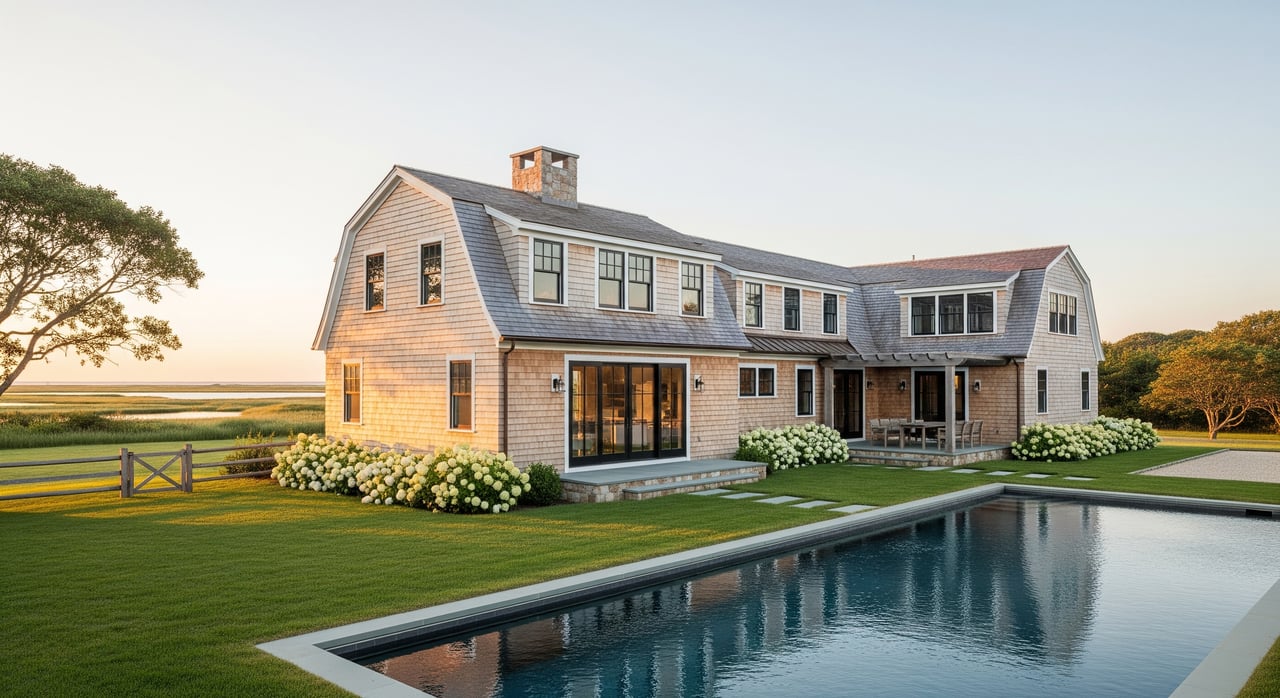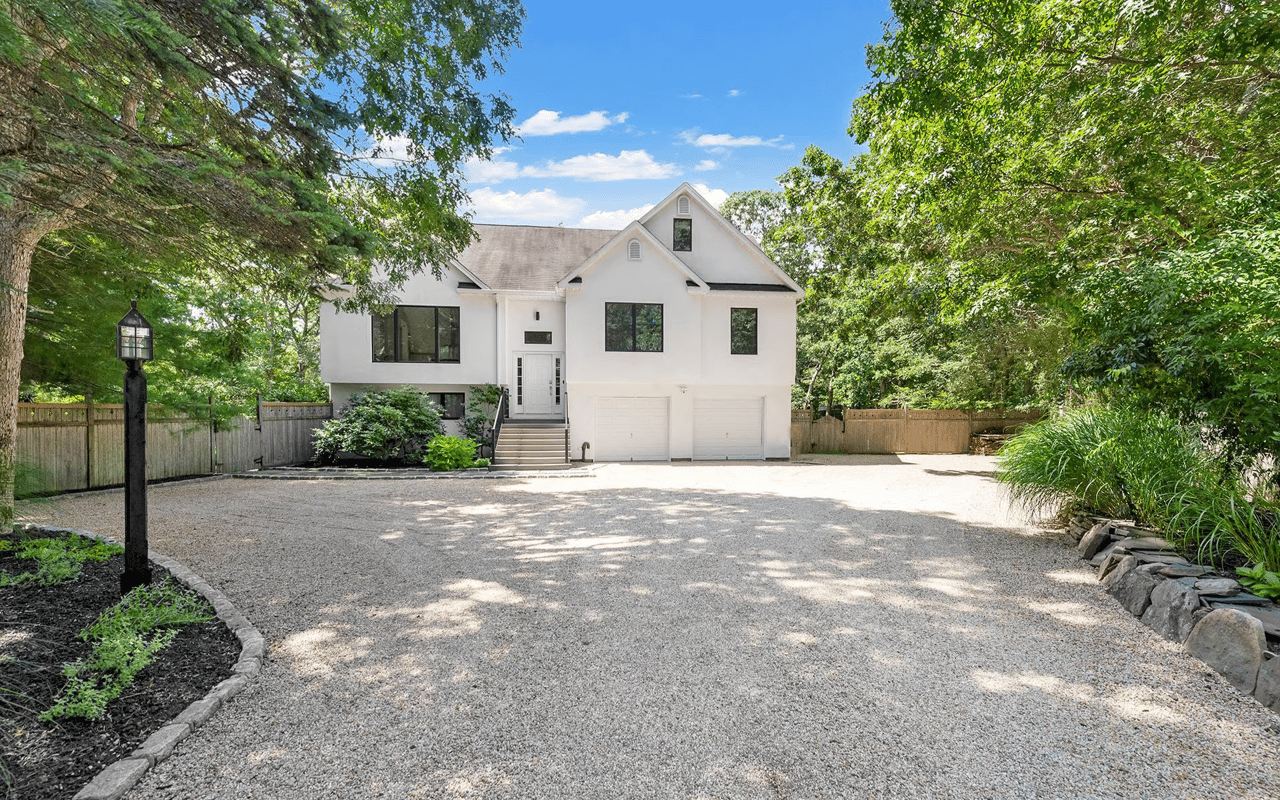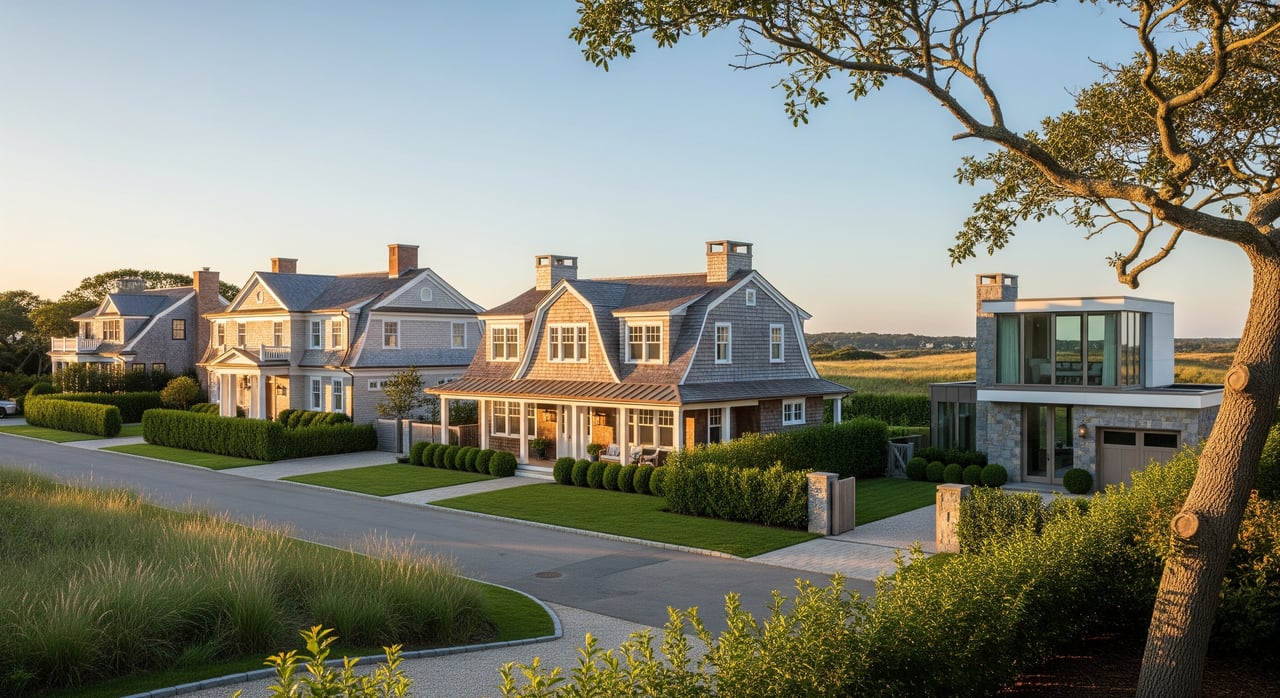
If you are looking at Quogue, you are not shopping in a typical Hamptons market. This is a village where scarcity, preservation, and regulation shape both the feel of the place and the way homes trade. If you want to understand why values hold at a premium here, and why some properties outperform others, the answer starts with Quogue’s preservation ethos. Let’s dive in.
Preservation Shapes the Market
In Quogue, preservation is not just a local talking point. It is built into the village’s review process and land-use framework.
The village says the Quogue Historic District was listed on the National Register in 2016 and includes more than 250 contributing structures. Applicants are now asked to identify whether a project sits within the district or affects a contributing structure, which means historic context can directly affect planning, renovation, and approval paths.
That broader preservation posture also shows up in other parts of the process. The Building Department points residents to zoning maps, the historic district map, and FEMA flood maps, while the village code incorporates New York State building code rules and flood-hazard mapping.
Subdivision materials go even further by asking for parkland dedications and scenic or other open-space easements. Add in the Quogue Wildlife Refuge’s 305 acres of conserved land, and you get a village where protected character is part of the physical and regulatory landscape.
Why Scarcity Matters in Quogue
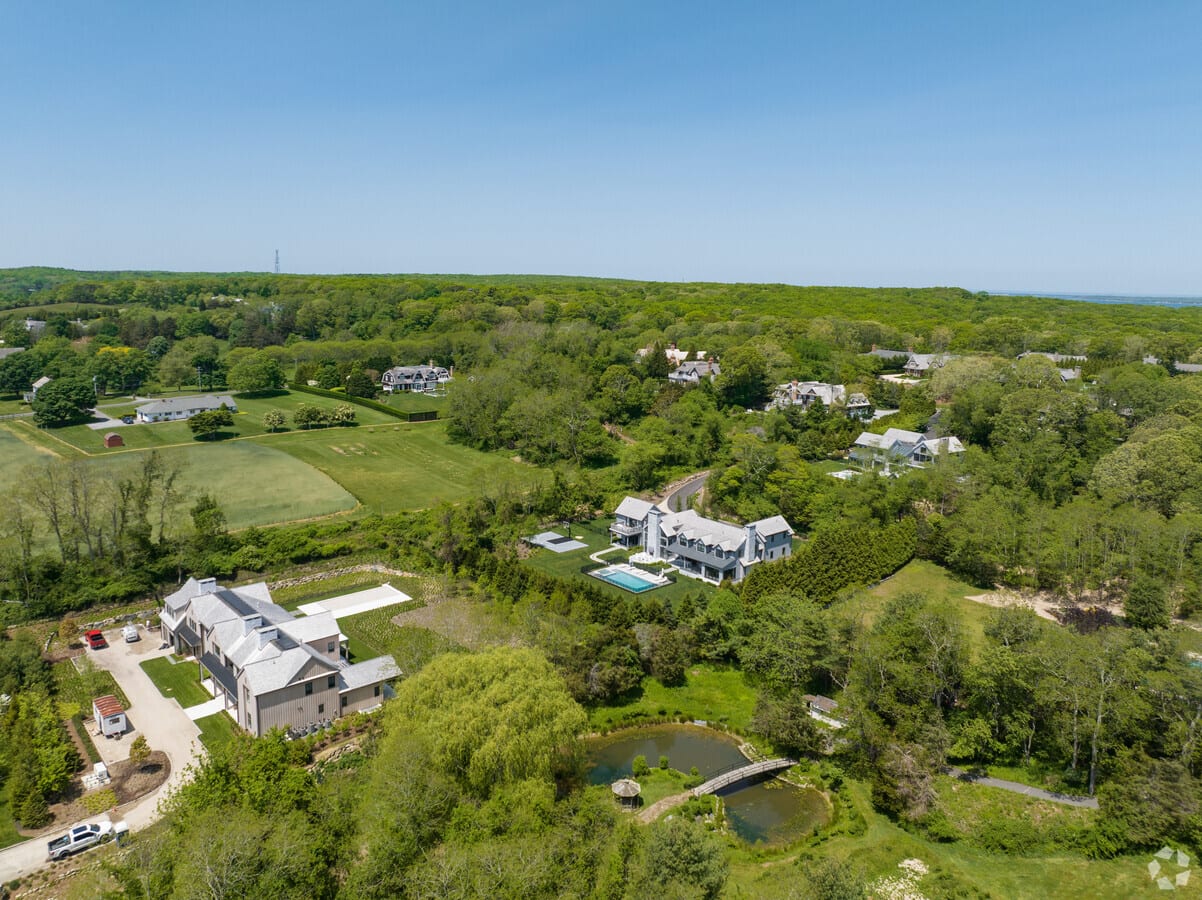
Quogue’s housing stock is unusually limited. According to the ACS profile, the village has 1,457 housing units across about 4.2 square miles, with just 297 households.
That alone suggests a very small market, but the deeper story is how that housing is used. Census Reporter’s 2024 ACS profile indicates that 80% of units are vacant, 79% of occupied units are owner-occupied, and 98% of structures are single-unit homes.
Those figures point to a seasonal, low-turnover market rather than a typical year-round housing pattern. The same profile notes a median owner-occupied value of about $1.81 million and says only 0.9% of residents moved in the prior year.
For buyers and sellers, this matters because low turnover tends to make available inventory more selective and price discovery more property-specific. In a market like Quogue, each listing can stand on its own merits in a way that is less common in larger, more active villages.
Home Values Reflect a Premium Market
Recent sales data show that Quogue continues to command high prices, even with limited transaction volume. Redfin reports a May 2026 median sale price of $2,560,967.
That figure was down 3.4% year over year, but context matters. There were only two sales in May 2026, homes averaged 120 days on market, and Redfin classified the market as not very competitive with an 87.9% sale-to-list ratio.
Thin volume can make headline pricing look more volatile than the underlying market really is. In a place with so few trades, one or two unique properties can move the median meaningfully.
The premium is still clear when you compare Quogue with the broader county. New York State tax data show Suffolk County’s 2025 residential median sale price at $695,000, which means Quogue’s recent median sold price was about 3.7 times the county median.
How Preservation Supports Value
Preservation can support value in a few practical ways. First, it helps protect the physical character that draws buyers to Quogue in the first place.
Second, it limits how easily the housing supply can change. When a village has historic review considerations, flood-related constraints, open-space priorities, and a low-intensity zoning pattern, large-scale change becomes less likely.
That matters because values are often strongest where supply is both desirable and hard to replicate. In Quogue, buyers are not only purchasing a home. They are also buying into a setting where the surrounding built environment is less likely to shift dramatically.
That said, preservation does not create value equally across every property. It tends to favor homes that already fit the village’s framework over homes that require more regulatory accommodation to reach their full potential.
Which Quogue Homes Tend to Command More
The village zoning chart helps explain why certain property types often attract stronger pricing. Residential districts generally require minimum lot sizes ranging from 20,000 to 87,000 square feet, frontage minimums from 100 to 200 feet, lot coverage caps of 15% to 25%, and a 32-foot height limit.
The chart also states that no structure may be closer than 50 feet to a body of water. Those standards put clear limits on how much can be added, expanded, or reconfigured on many sites.
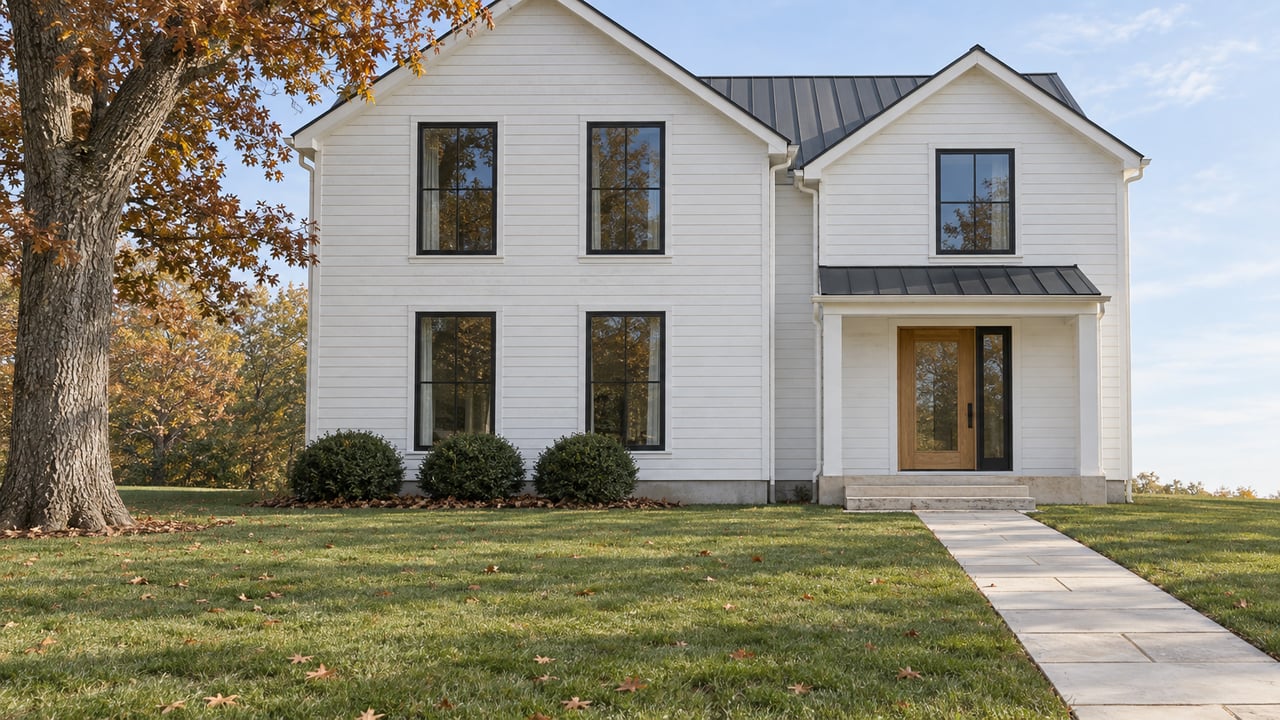
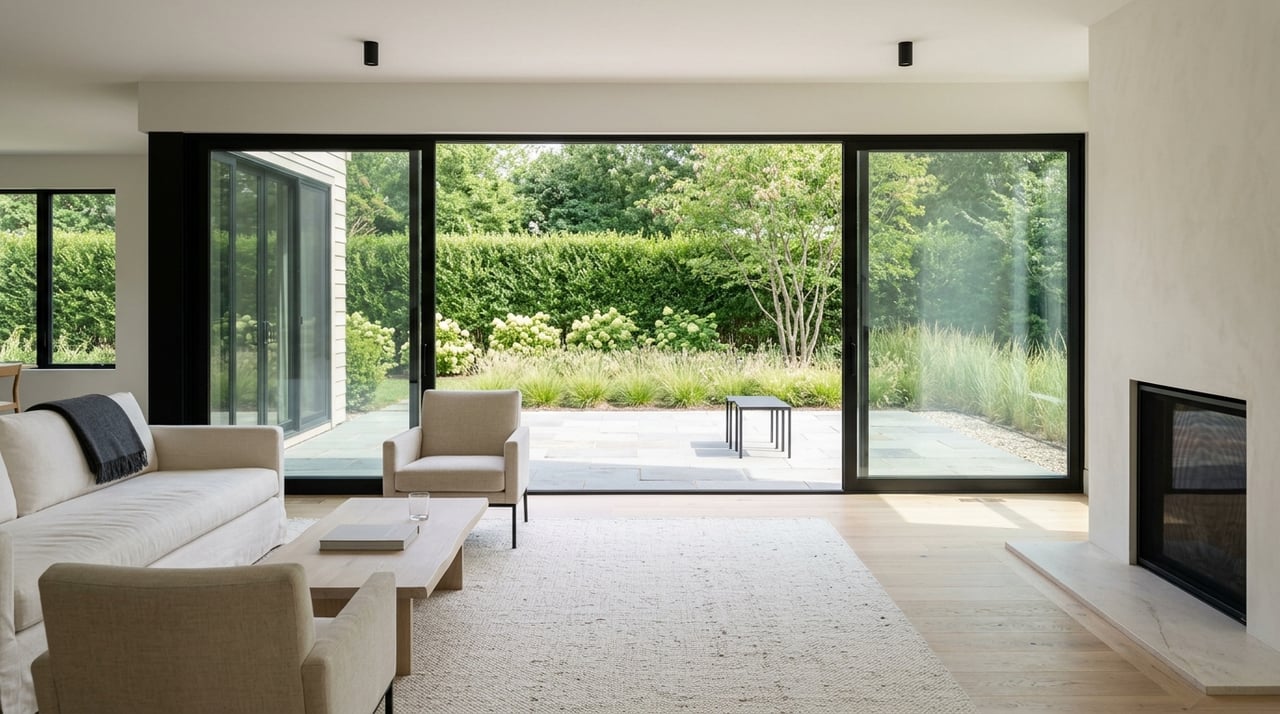
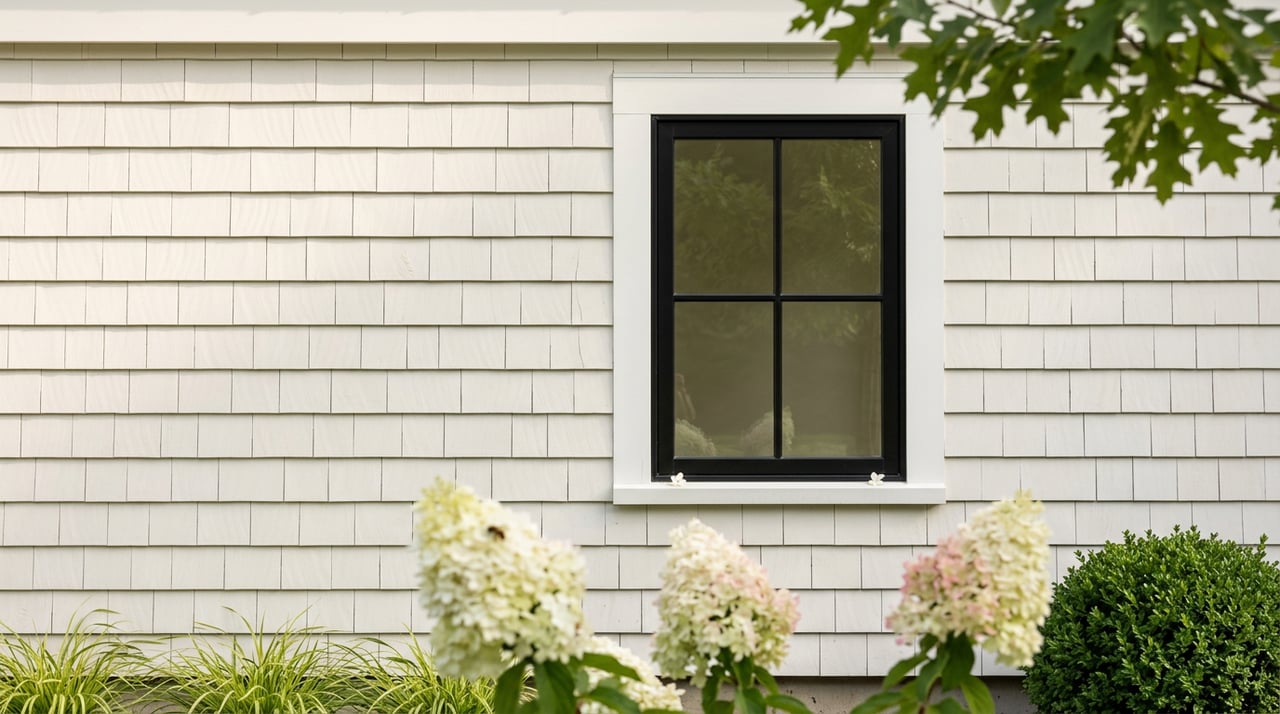
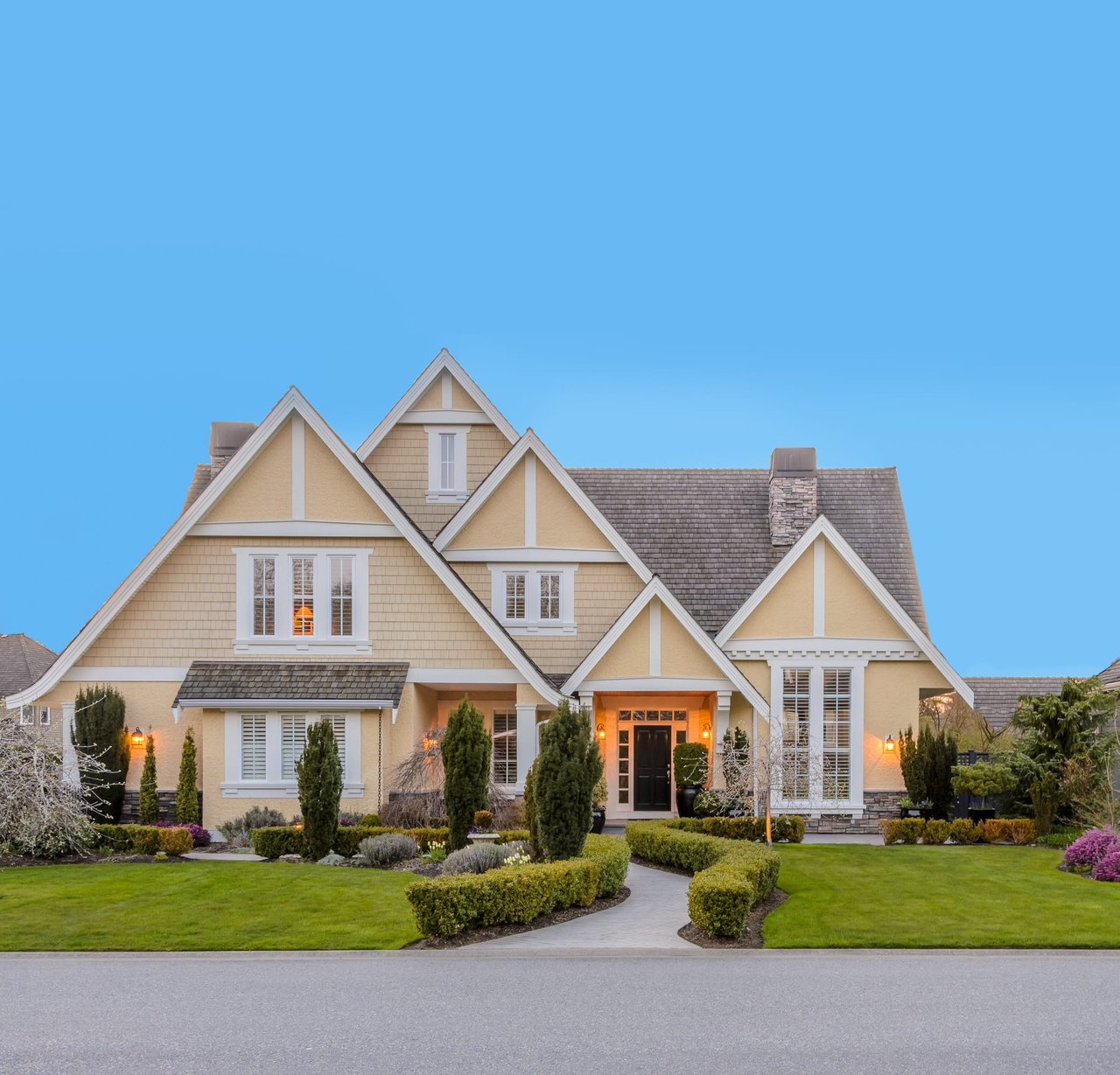
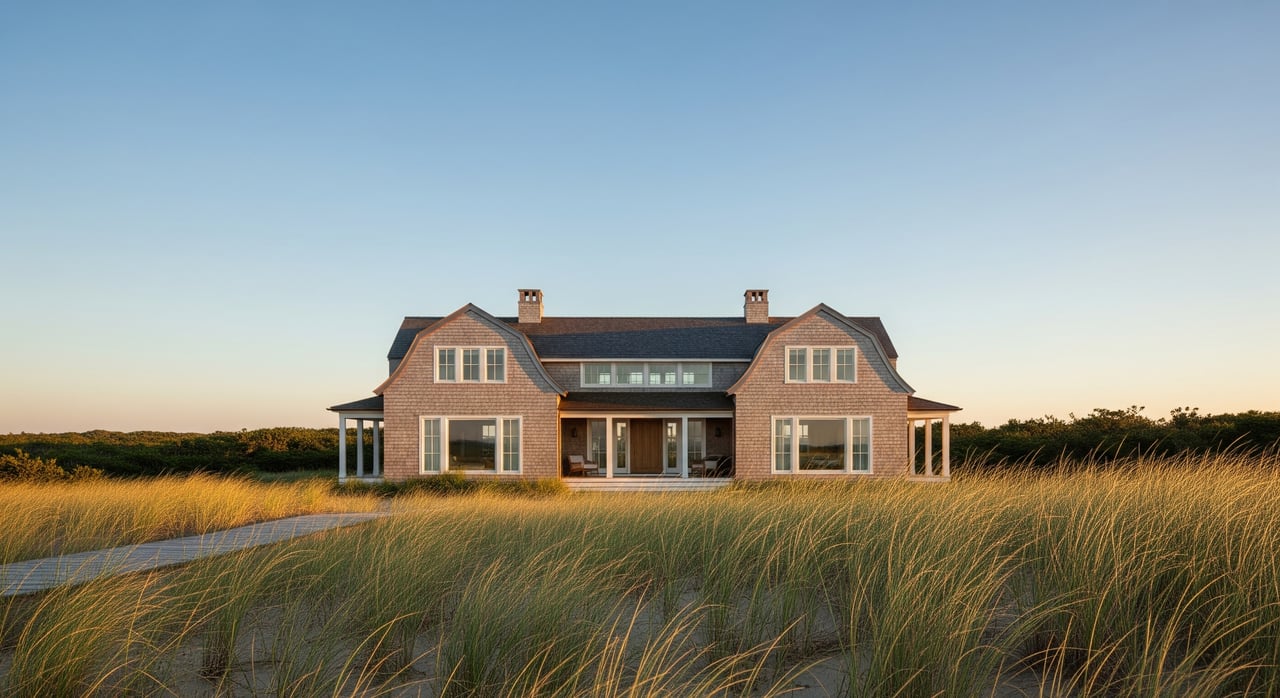
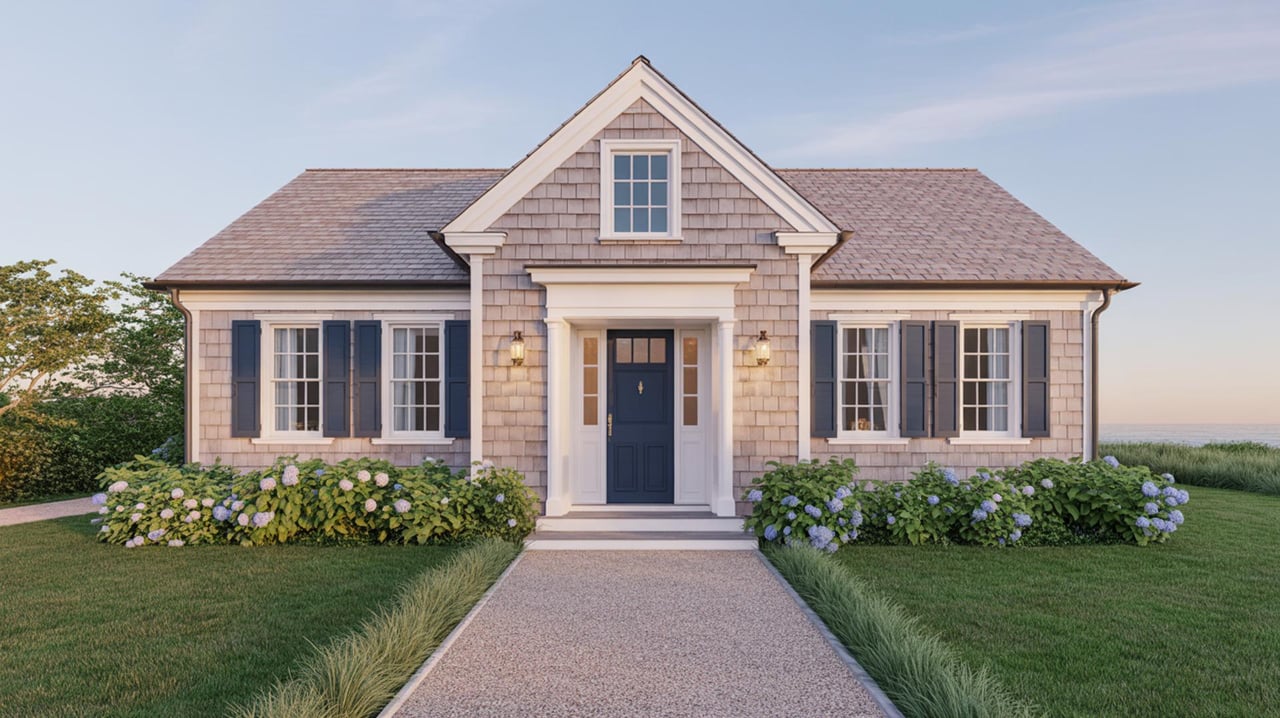
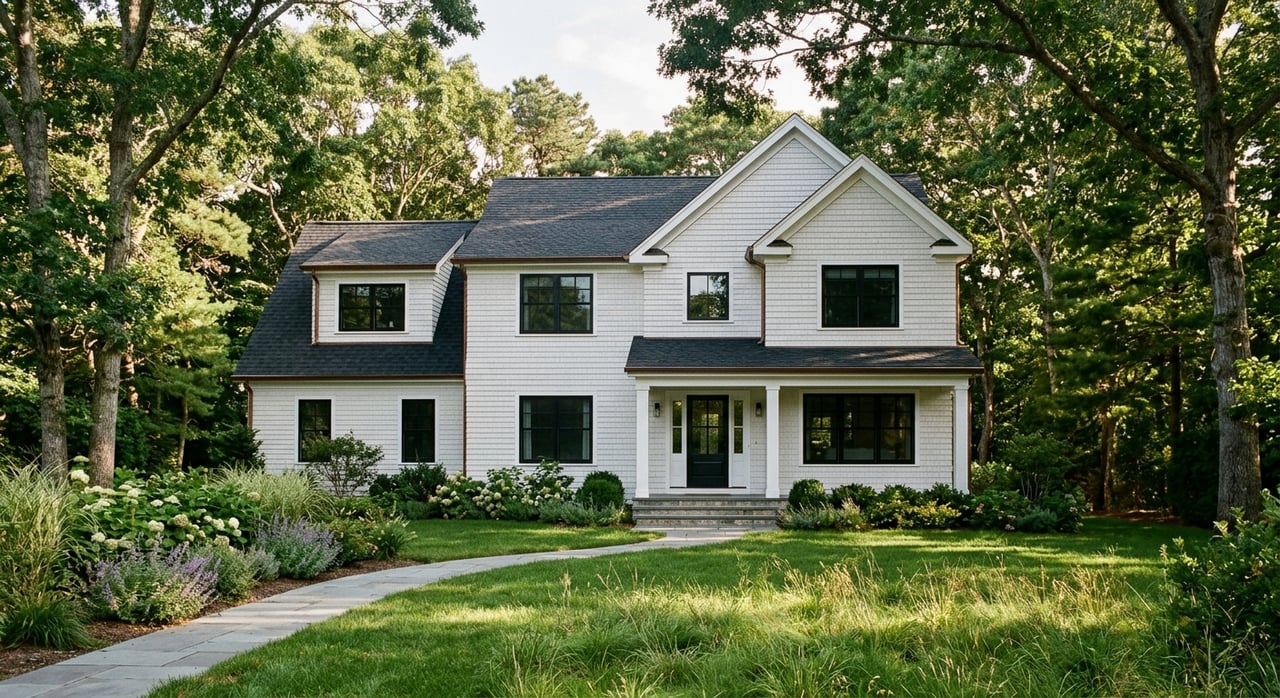
In practical terms, conforming single-family homes on larger lots are well positioned because they already align with the village’s low-density template. Renovated historic homes can also command a premium because they pair architectural character with compliance and limited replacement competition.
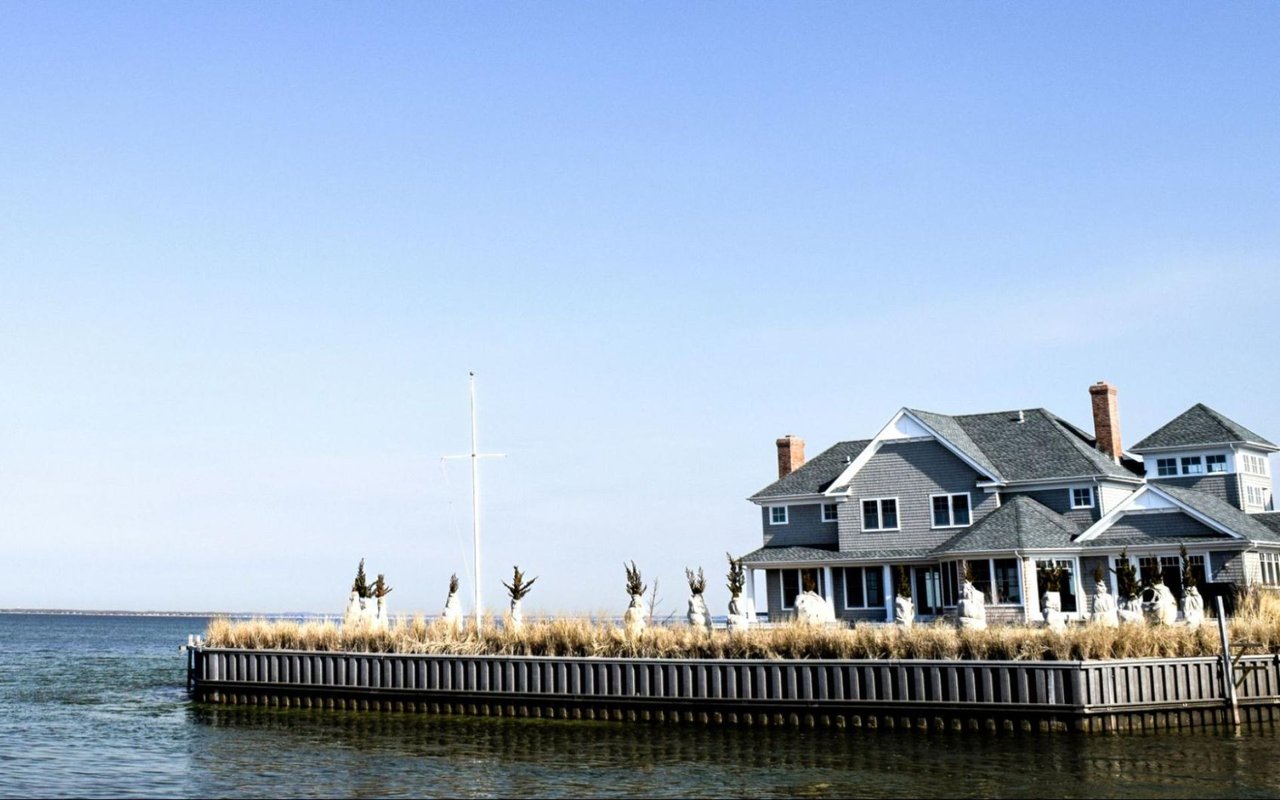
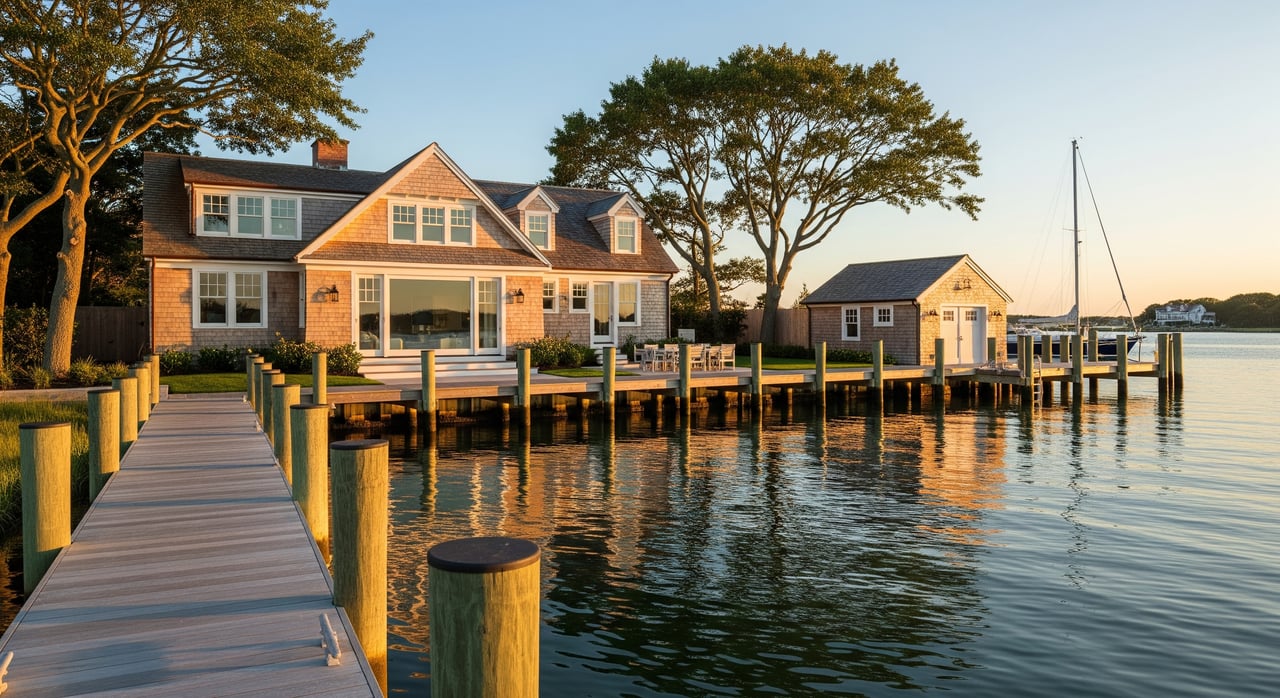
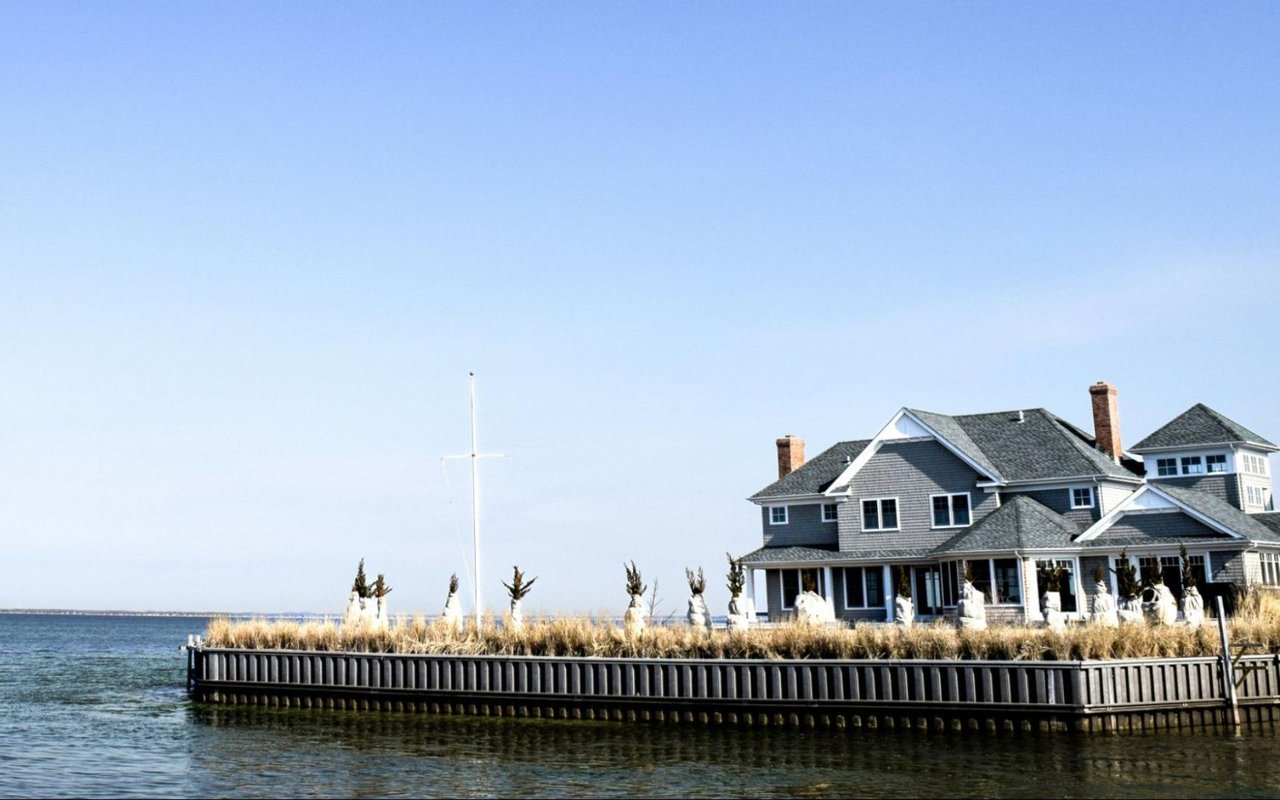
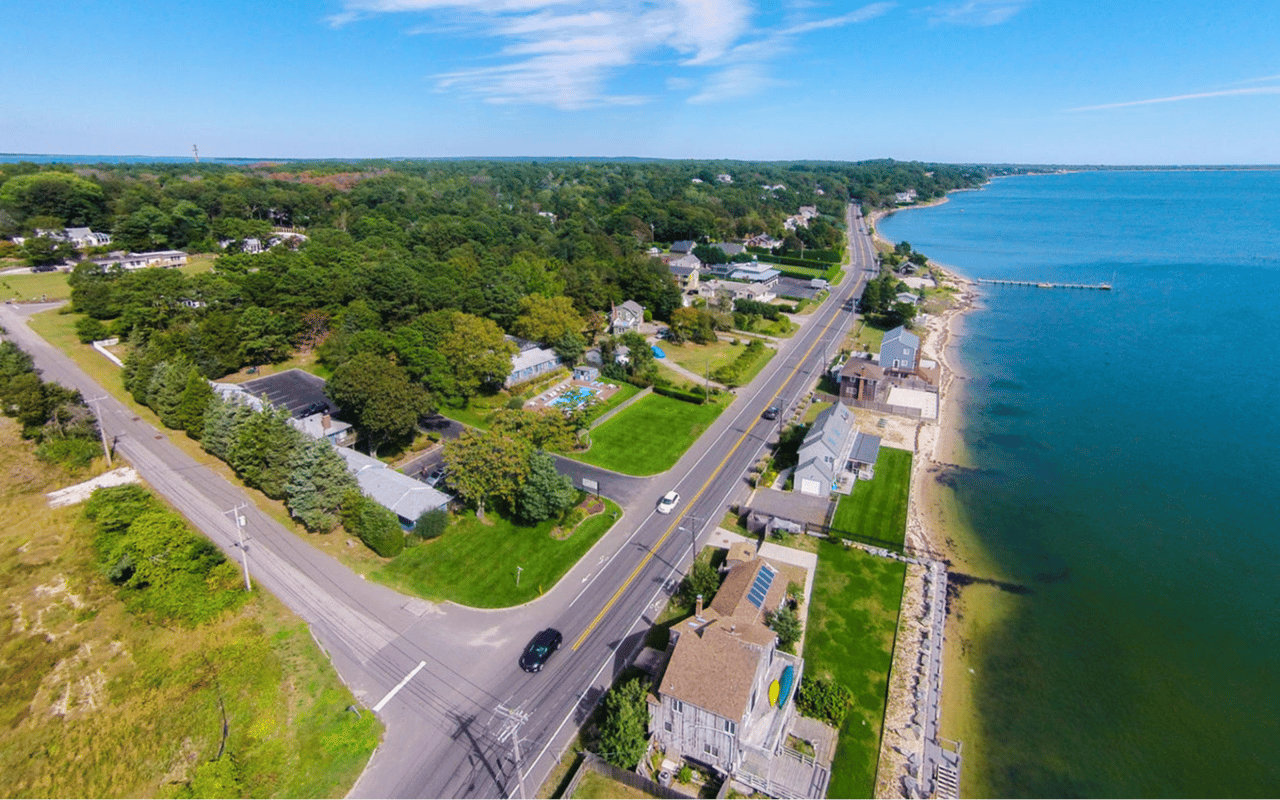
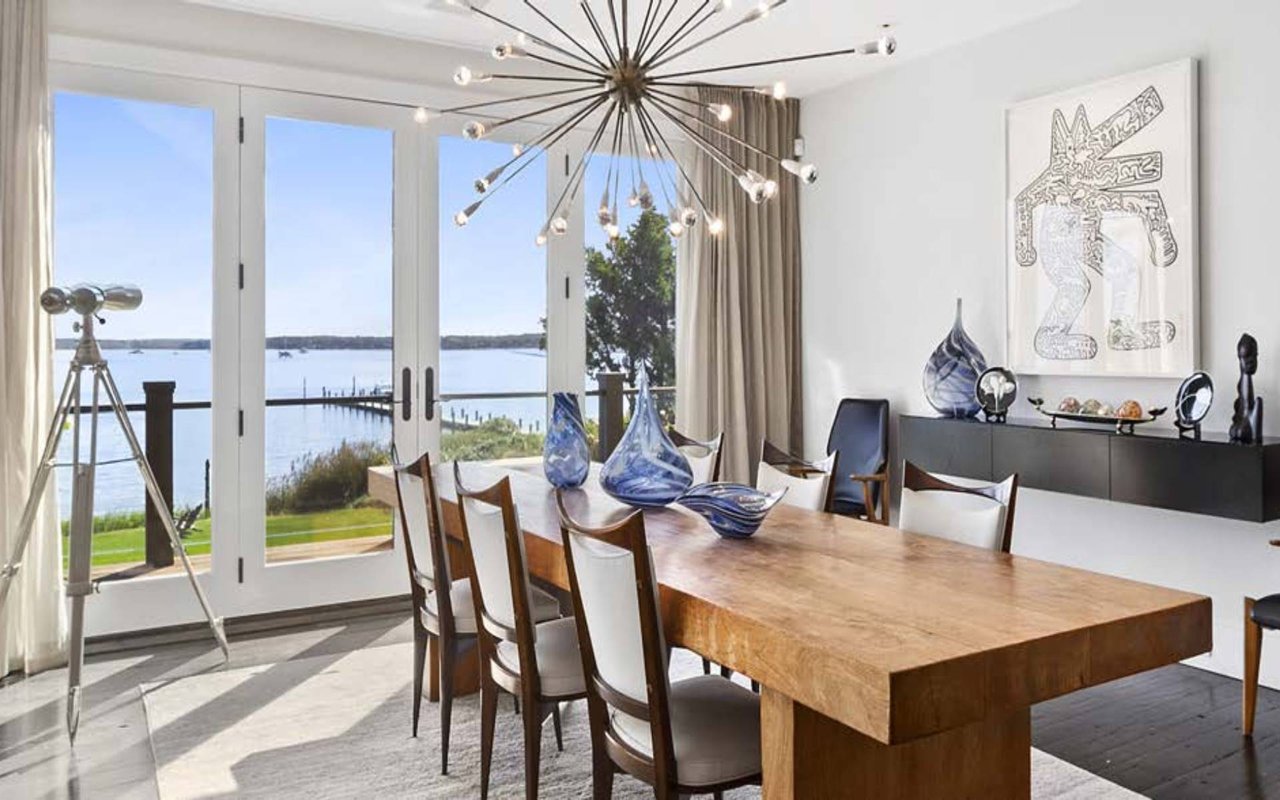
Well-sited waterfront parcels may be especially valuable, but they also come with tighter physical and regulatory considerations. The premium can be substantial, yet so can the importance of due diligence.
Flood and Dune Rules Affect Flexibility
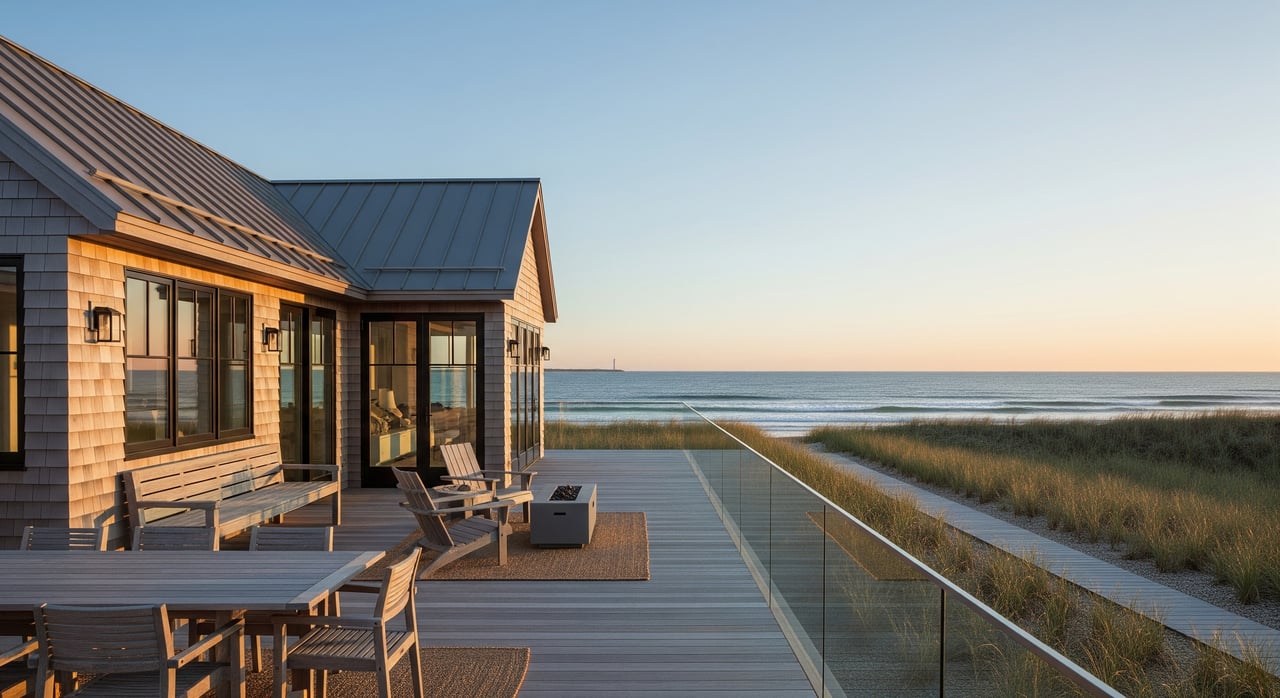
In waterfront and coastal settings, resilience rules are part of the value conversation. The village notes that Chapter 95 incorporates FEMA flood maps, and Quogue has also used board resolutions to establish design specifications for dune and waterfront walkways.
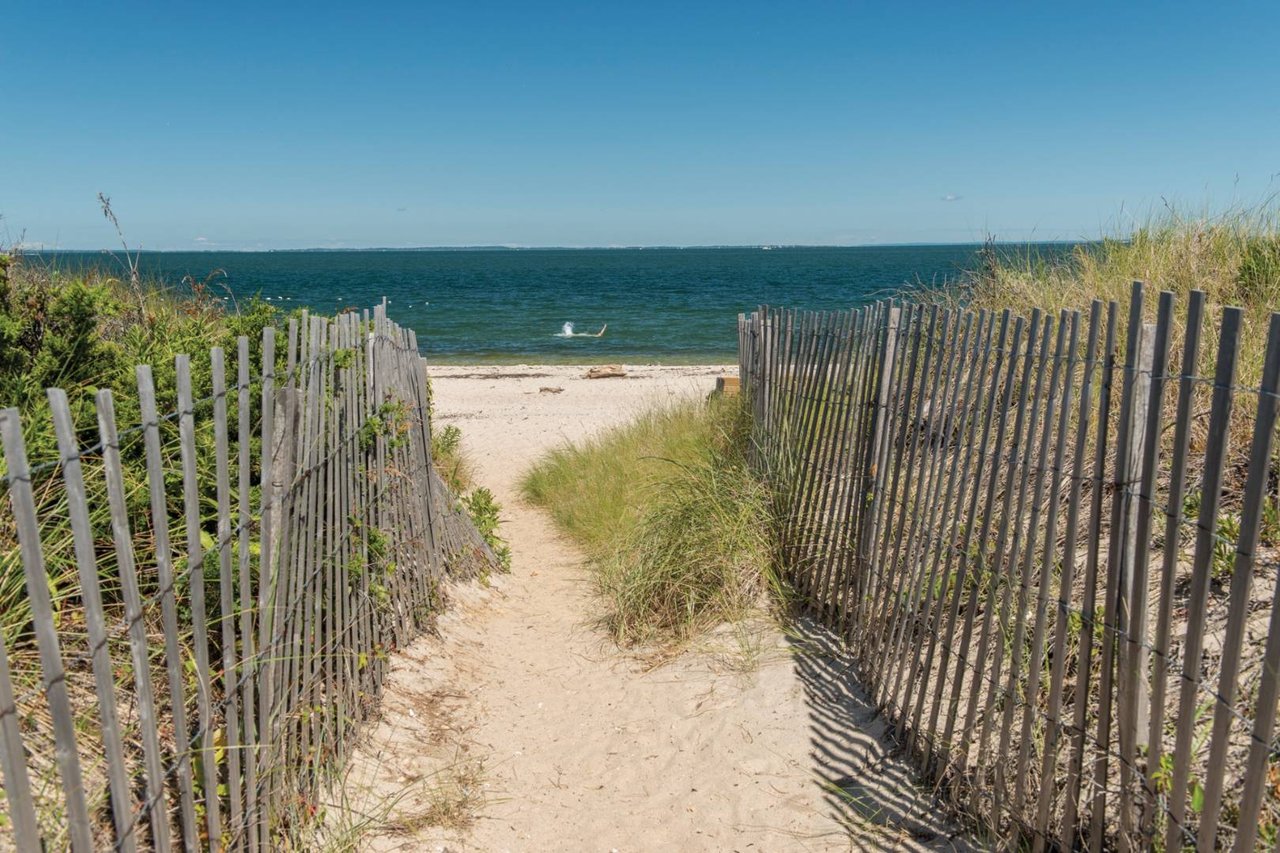
Those specifications include elevated construction, open risers, low-voltage lighting, and a ban on retaining walls that restrict sand movement. Rules like these help preserve coastal function and village character, but they can also increase the complexity of certain improvements.
For buyers, that means two homes with similar locations may not offer the same long-term flexibility. A property that is easier to maintain, improve, or insure within the rule set may deserve a different pricing lens than one with more friction.
For sellers, understanding this distinction is important when positioning a home. In Quogue, value is not just about square footage or style. It is also about how cleanly a property fits within the village’s compliance environment.
Why Some Properties Trade at a Discount
Not every Quogue property benefits from preservation in the same way. The current framework suggests that homes needing more regulatory exceptions, more flood-management coordination, or more adaptation to nonconforming lot conditions may face a narrower buyer pool.
That does not mean these homes lack value. It means buyers may price in the cost, time, or uncertainty tied to future changes.
This is especially relevant in a market where replacement, enlargement, and subdivision are constrained. If a property has unusual lot geometry or added site limitations, a buyer may compare it against more straightforward alternatives and adjust accordingly.
In a thin market, these differences can have an outsized impact. Two homes with similar headline specs may perform very differently once site planning and village rules enter the conversation.
What Buyers Should Watch Closely
If you are buying in Quogue, preservation should be part of your investment analysis from the start. Before focusing only on finishes or asking price, it helps to evaluate how the property fits the village framework.
A few factors deserve close attention:
- Whether the home is in the historic district or affects a contributing structure
- Whether the lot is conforming under current zoning
- How flood mapping may affect future work or carrying costs
- Whether waterfront setbacks or dune rules limit expansion plans
- How much of the property’s value depends on changes that may be hard to approve
In Quogue, lifestyle and asset value often intersect. The homes that feel easiest to own over time are often the ones that already align with local rules and preservation goals.
What Sellers Can Learn From This
If you are selling in Quogue, the preservation story around your property can be a real strength when framed correctly. Buyers in this segment often value scarcity, setting, and long-term stability as much as the home itself.
That means your marketing and pricing strategy should do more than showcase design and amenities. It should also explain where your property sits within the village context and why that matters.
For example, a conforming lot, a thoughtfully renovated historic residence, or a well-sited property with fewer improvement constraints can be meaningful differentiators. In a market with thin volume, those details can help support pricing discipline and sharper buyer interest.
The Long View on Quogue Values
Based on the current rule set and market structure, Quogue’s future value path is more likely to be shaped by preservation, compliance, and resilience than by major new supply. The subdivision process already asks for open-space easements and agency sign-offs, while flood, dune, and historic-district rules make broad densification unlikely.
That does not guarantee appreciation for any single property. Real estate remains highly specific, especially in a village where so few homes trade.
Still, the overall pattern is meaningful. In Quogue, long-term value is most likely to accrue to properties that already fit the village’s low-intensity template, while homes requiring more accommodation may trade at a relative discount.
If you are thinking about buying or selling in Quogue, a clear read on preservation, zoning, and market structure can give you a sharper edge. To talk through how these factors may affect a specific property or pricing strategy, connect with Michael Petersohn.
FAQs
How does Quogue’s preservation ethos affect home values?
- Quogue’s preservation ethos can support values by protecting village character, limiting major new supply, and favoring properties that already fit local zoning, historic, and flood-related rules.
Why are Quogue home prices so high compared with Suffolk County?
- Recent sales data show Quogue pricing at a significant premium, with a May 2026 median sale price of $2,560,967 compared with Suffolk County’s 2025 residential median sale price of $695,000, reflecting scarcity, low turnover, and a high-value housing stock.
Which property types tend to command a premium in Quogue?
- Conforming single-family homes on larger lots, renovated historic houses, and well-sited waterfront parcels are the most likely to command a premium because enlargement, replacement, and subdivision are more constrained.
What should buyers review before purchasing a home in Quogue?
- Buyers should review whether a property is in the historic district, whether the lot conforms with current zoning, how flood maps affect the site, and whether waterfront or dune rules may limit future plans.
Why do some Quogue properties sell for less than similar homes?
- Properties with nonconforming lot geometry, higher flood-management friction, or greater regulatory constraints may trade at a discount because buyers often factor in added cost, time, or uncertainty.
Is Quogue a high-volume real estate market?
- No. Quogue is a thin-volume market with very limited turnover, which means pricing is often highly property-specific and monthly sales data can shift meaningfully based on just a few transactions.