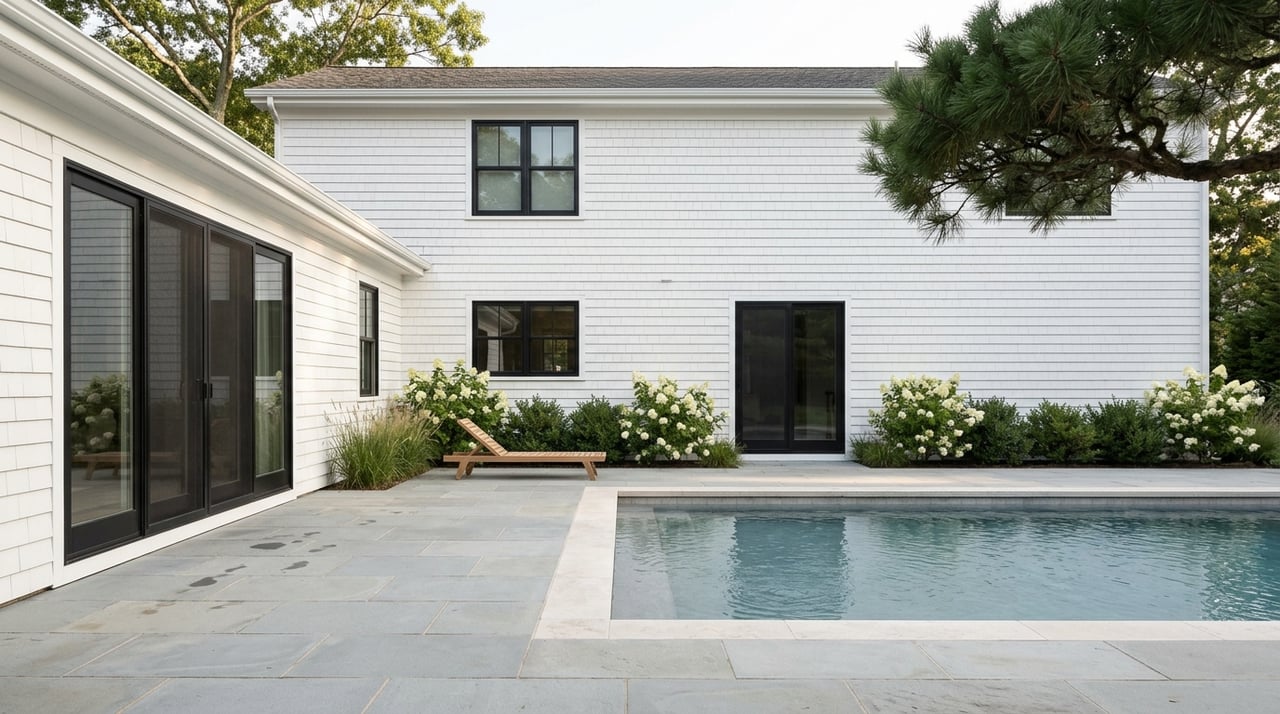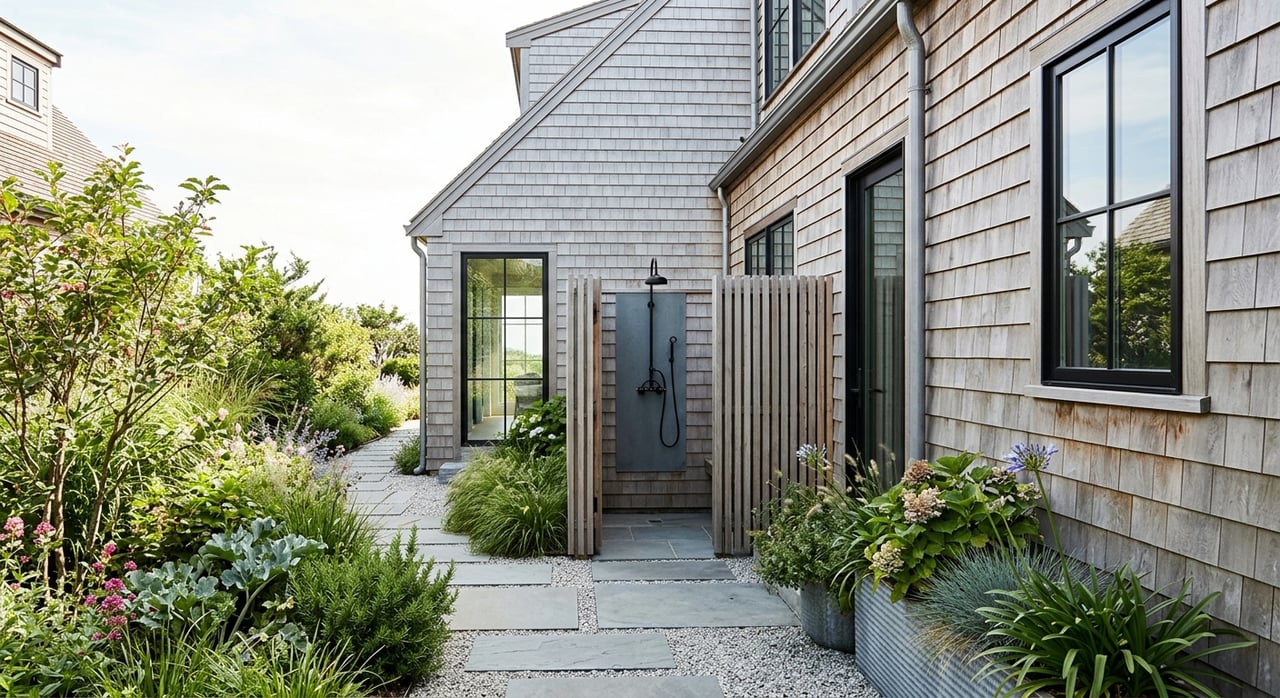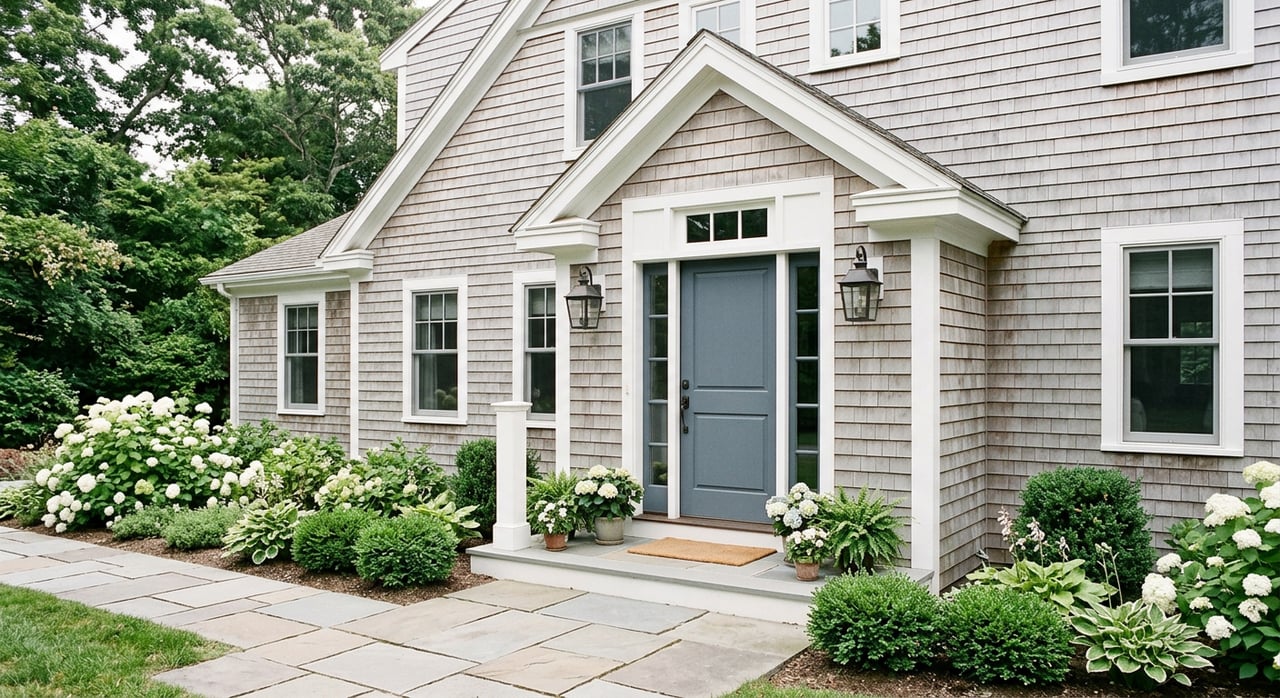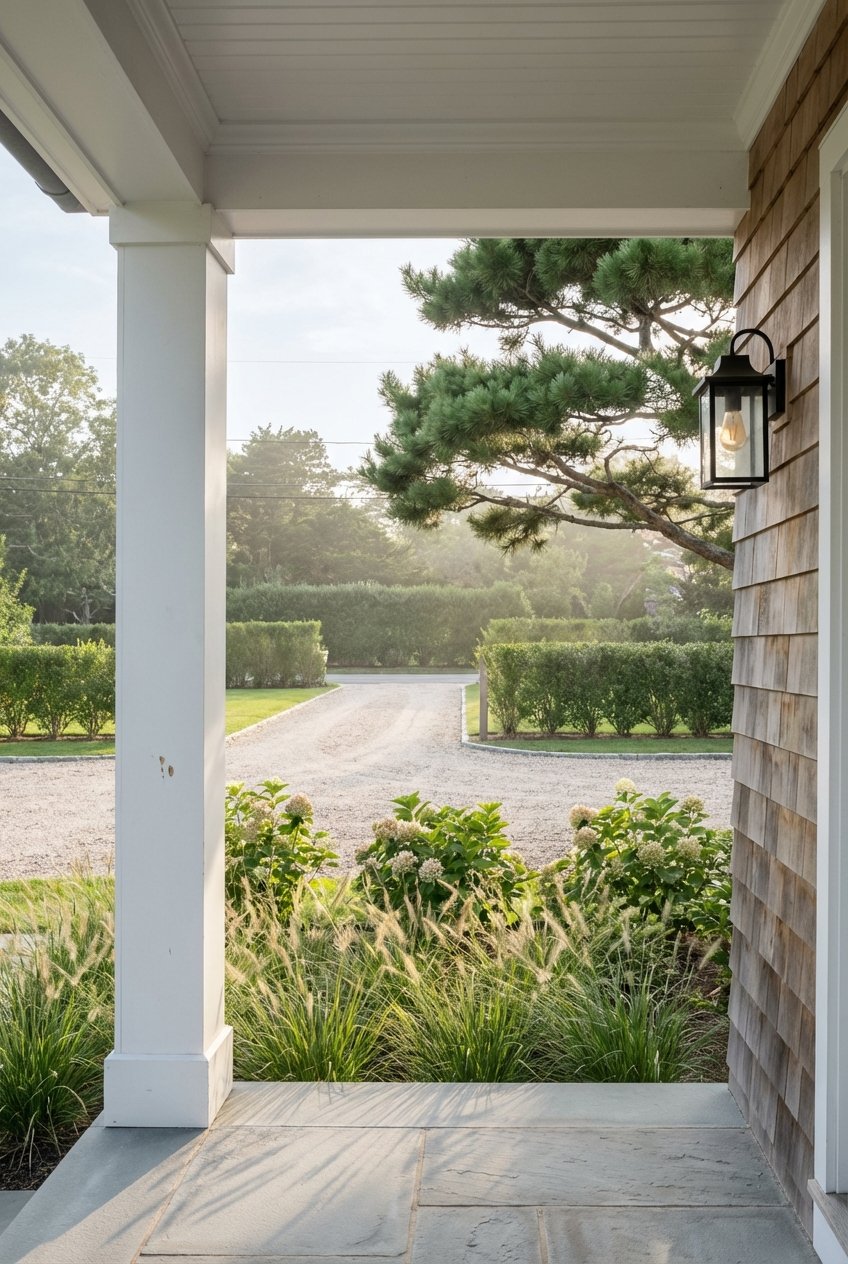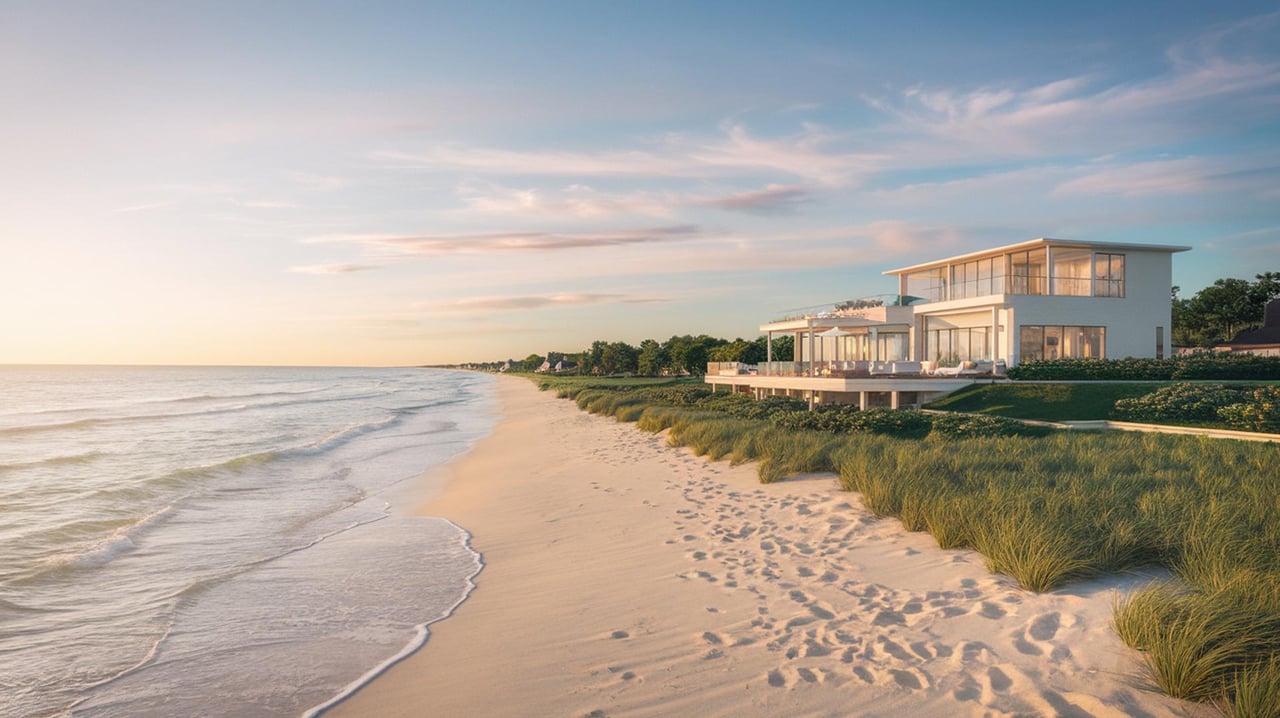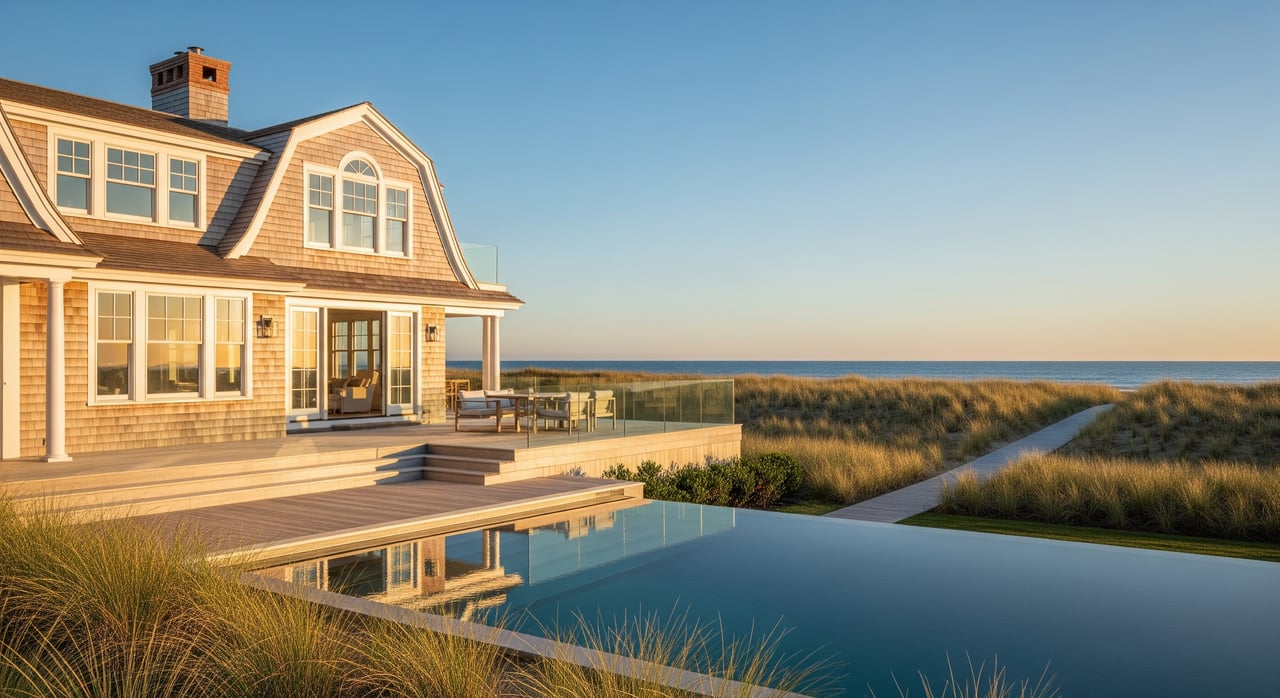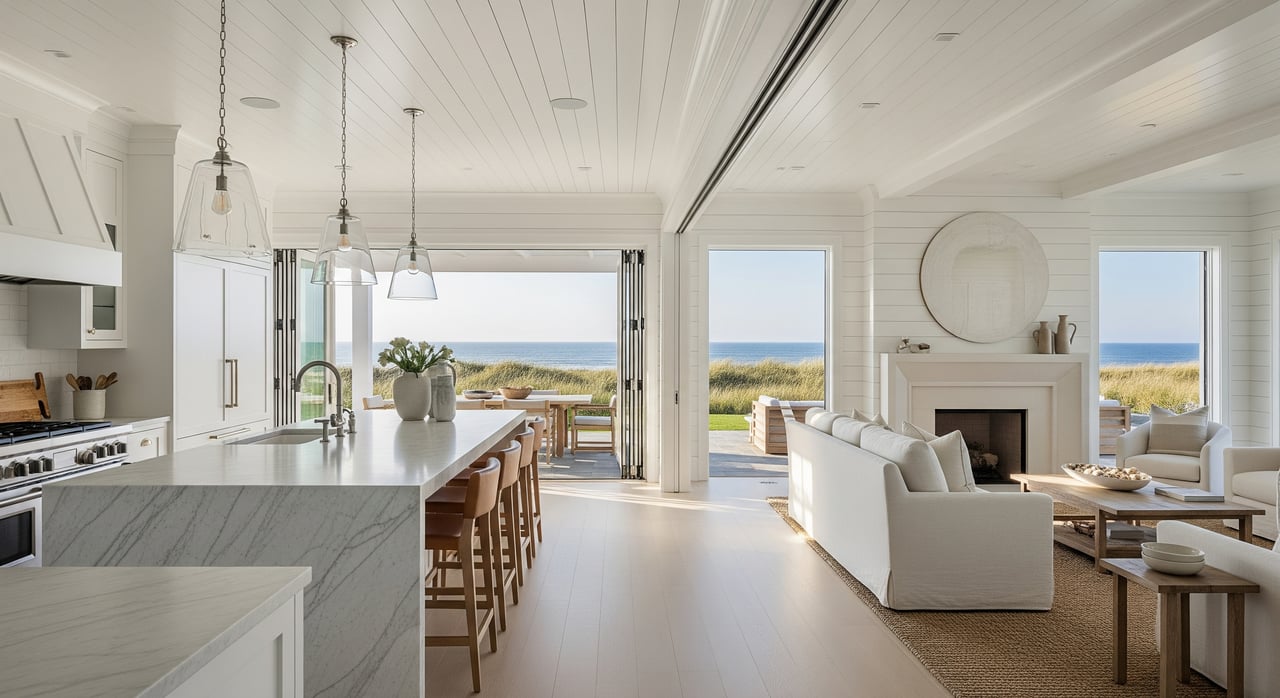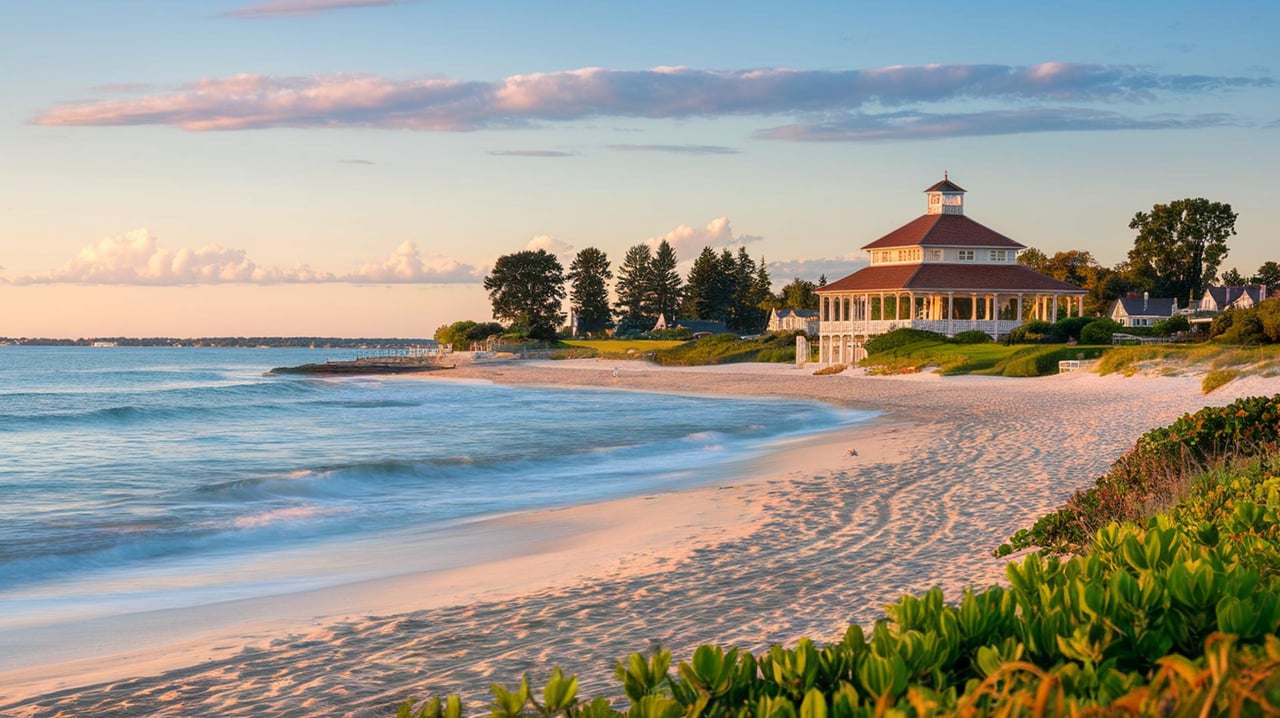
Want buyers to compete for your Noyac or North Sea home this season? Selling along the South Fork means showcasing coastal lifestyle while answering practical questions about permits, flood risk, and maintenance. You want a smooth sale, strong offers, and confident buyers. This guide shows you how to prepare, price, and market your property so it stands out and closes with fewer surprises. Let’s dive in.
Know your Noyac and North Sea buyers
When you tailor your listing to real demand, you get more qualified showings. In Noyac and North Sea, buyers often fall into a few groups with different priorities.
- Second-home and seasonal buyers from the NYC area want quick beach access and an easy summer commute. They respond to move-in-ready homes and clear water access.
- Local full-time residents may be upsizing or downsizing within the South Fork. They value practical systems, low maintenance, and transparent records.
- Boating and paddle-sport buyers focus on deeded beach access, private docks, or mooring rights. Clear documentation is key.
- Investors look at rental performance within Town of Southampton rules and neighborhood characteristics. Clean financials and compliance build trust.
- Retirees seek a quiet coastal setting and proximity to services, with straightforward upkeep.
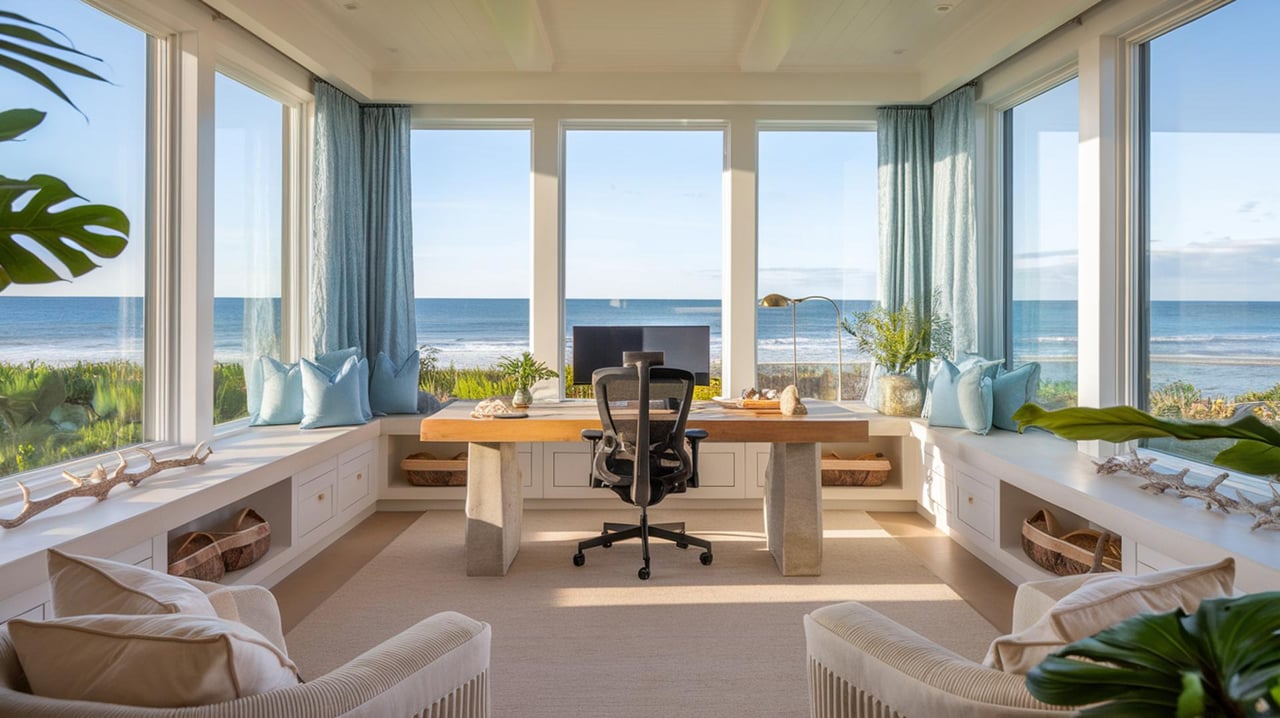
If your home offers water access or views, position those benefits prominently while providing the documentation buyers request.
Time your listing for peak interest
Spring and early summer are traditionally the busiest listing windows across the South Fork. Out-of-market buyers often start searching in late winter through spring for summer occupancy. Listing earlier in spring can increase showings.
Off-season buyers, including investors and full-time residents, stay active too. If your timing is flexible, a fall launch can capture serious, less seasonal demand. Waterfront or near-water properties can command premiums, but they also attract more scrutiny on flood risk, insurance cost, and upkeep. Be ready with answers and records.
Elevate curb appeal for coastal homes
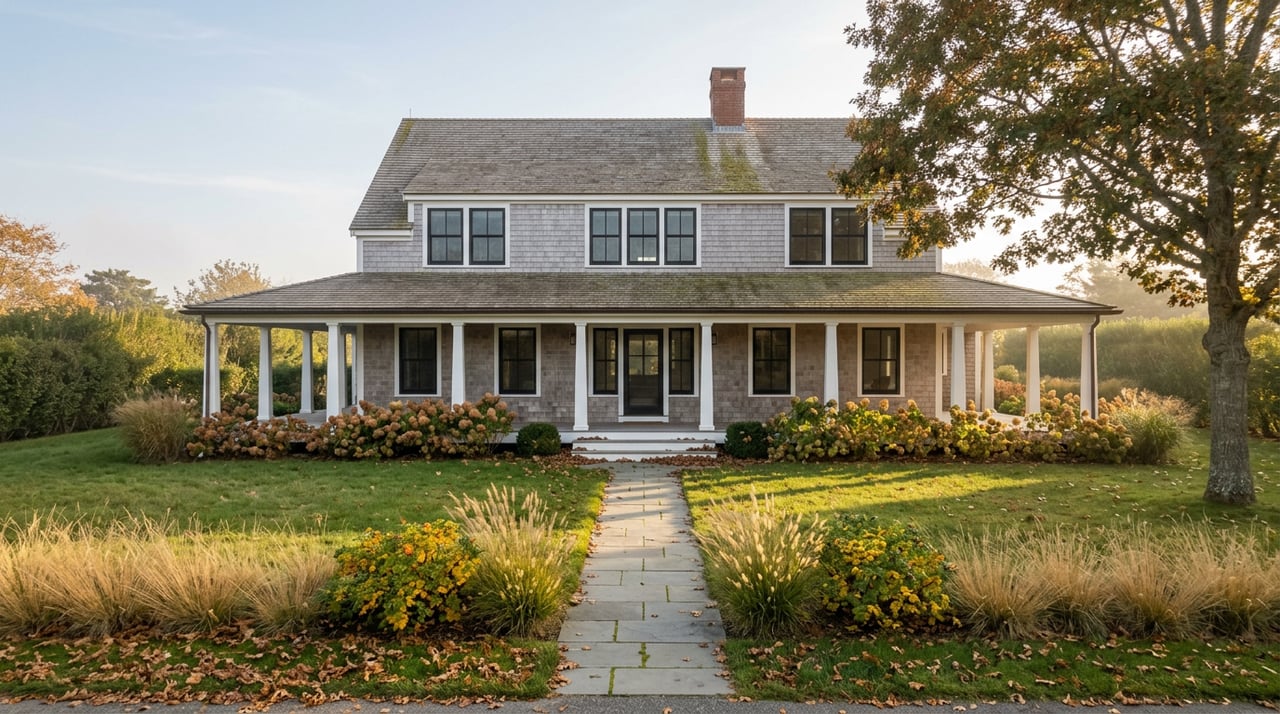
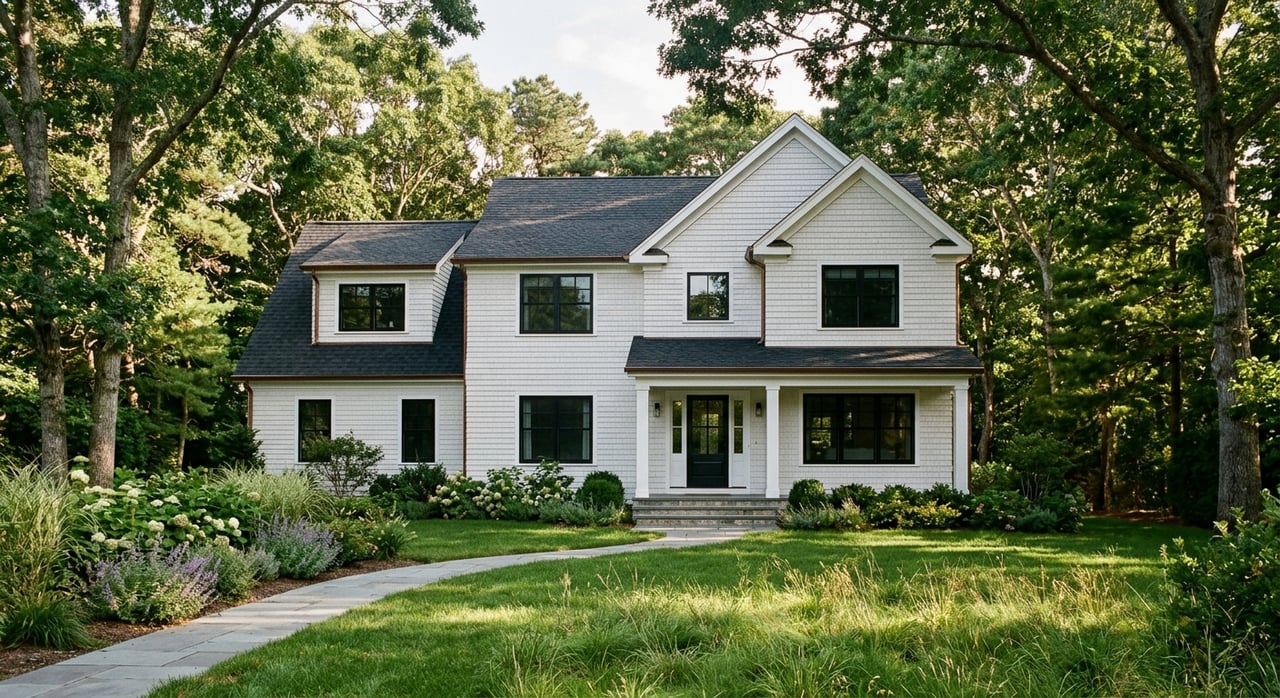
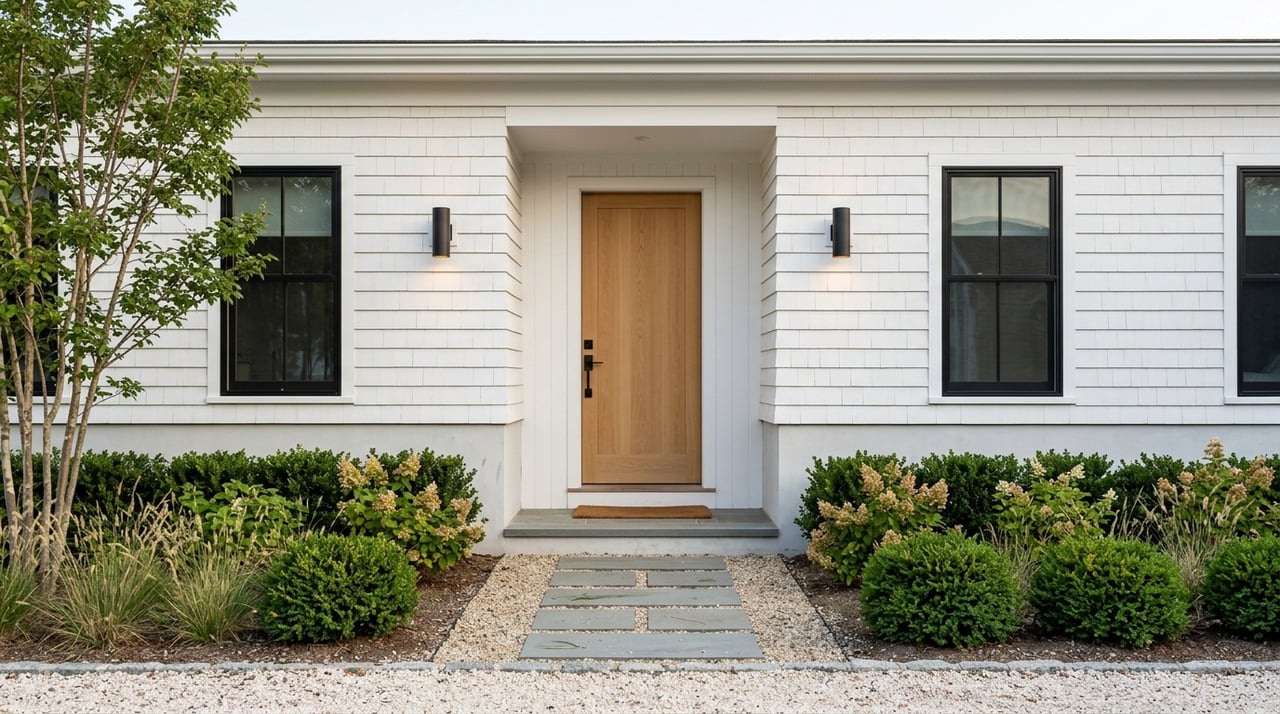
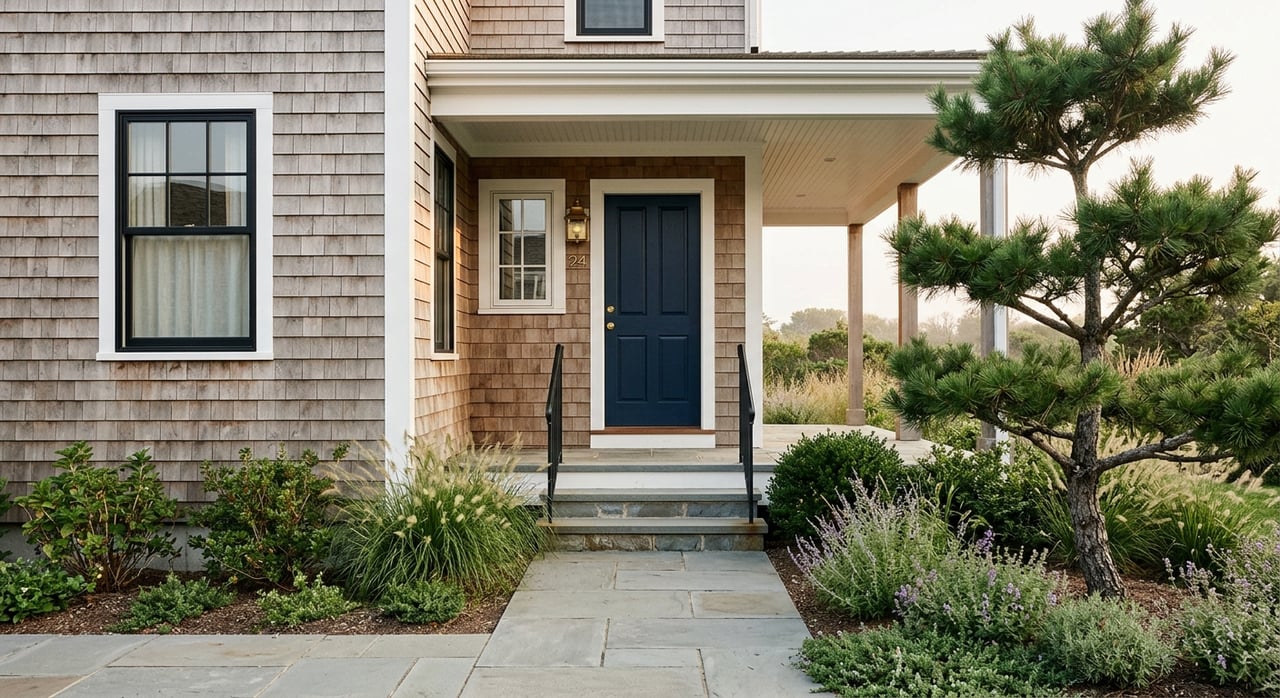
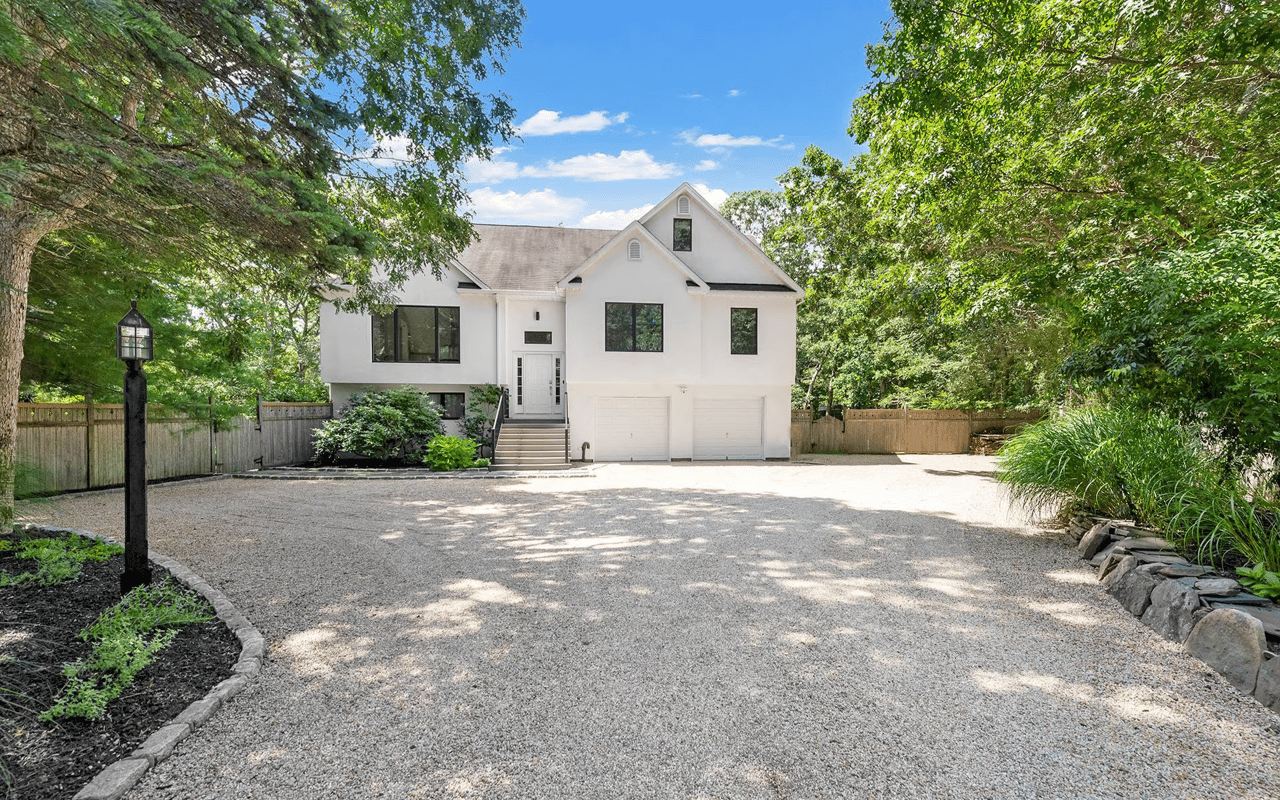
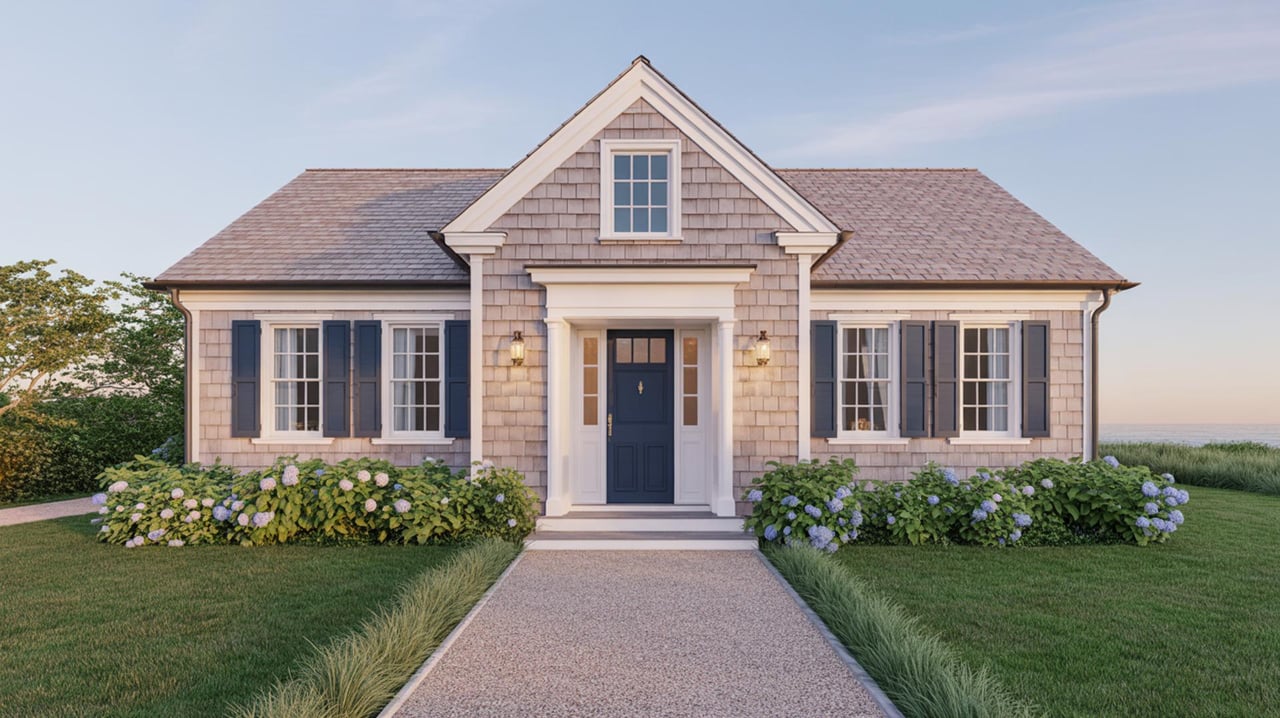
First impressions matter, especially near the water where salt and sun leave their mark. A clean, well-maintained exterior signals pride of ownership and reduces buyer concerns.
- Power-wash siding, decks, walkways, and docks to remove salt residue and mildew.
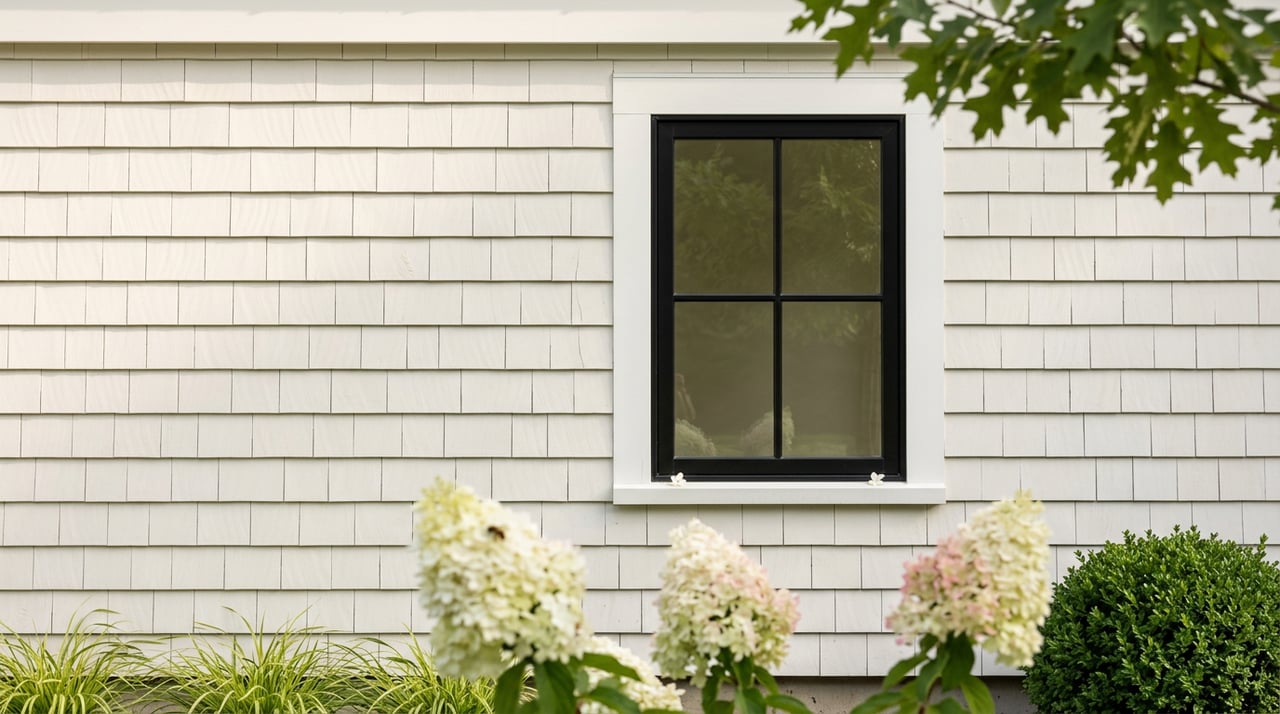
- Refresh trim, shutters, and the front door with coastal-appropriate colors. Choose mildew- and salt-resistant finishes where possible.
- Replace or refinish weathered deck boards and railings. Use stainless or marine-grade hardware where visible.
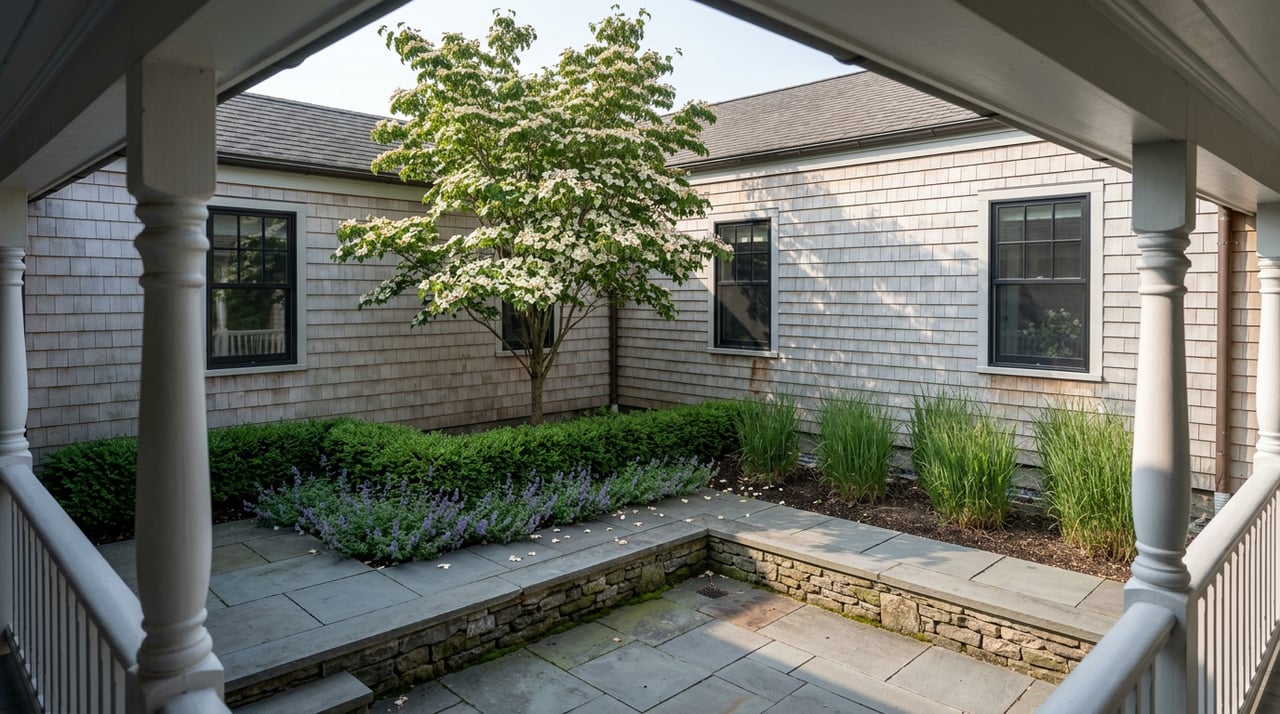
- Tidy landscaping with salt-tolerant, native plantings. Trim to improve sightlines to water while respecting privacy and local rules.
- Clean exterior lighting and update house numbers for clear visibility.
A crisp exterior sets the tone for the rest of the showing.
Stage interiors for light, air, and flow
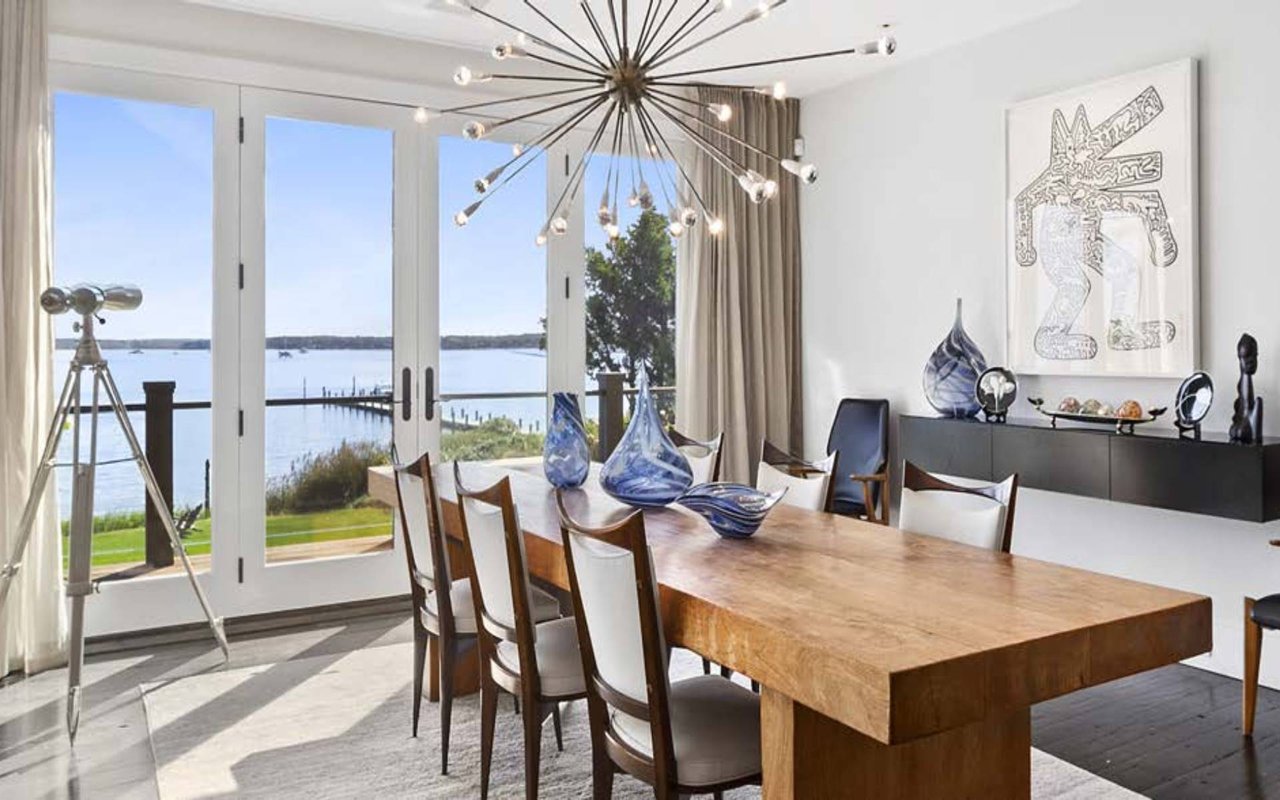
Inside, buyers want clean, bright rooms that highlight views and indoor-outdoor living. Small upgrades can make a big impact.
- Deep clean and address any mildew or mold. Improve ventilation in bathrooms and attics.
- Neutralize decor and declutter. Keep sightlines open to windows and patios.
- Replace rusted fixtures or corroded HVAC components. Update tired ceiling fans.
- Apply fresh, neutral paint and install modern lighting. Choose corrosion-resistant finishes.
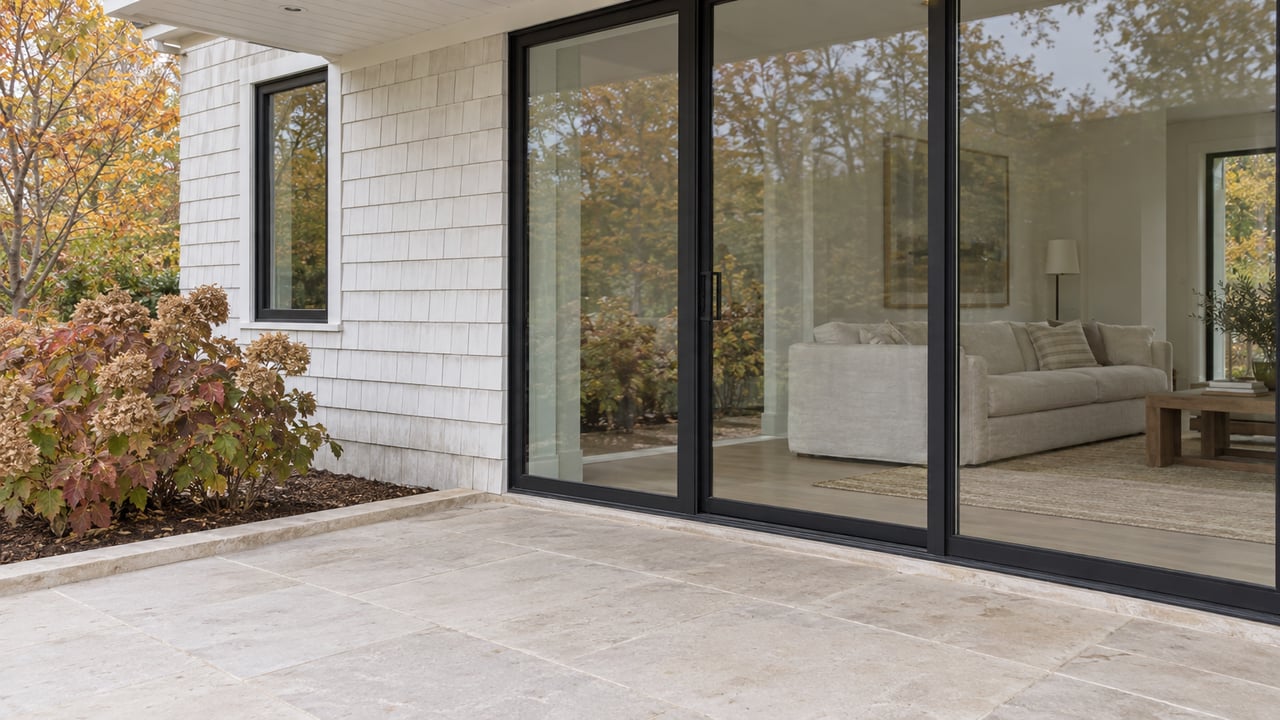
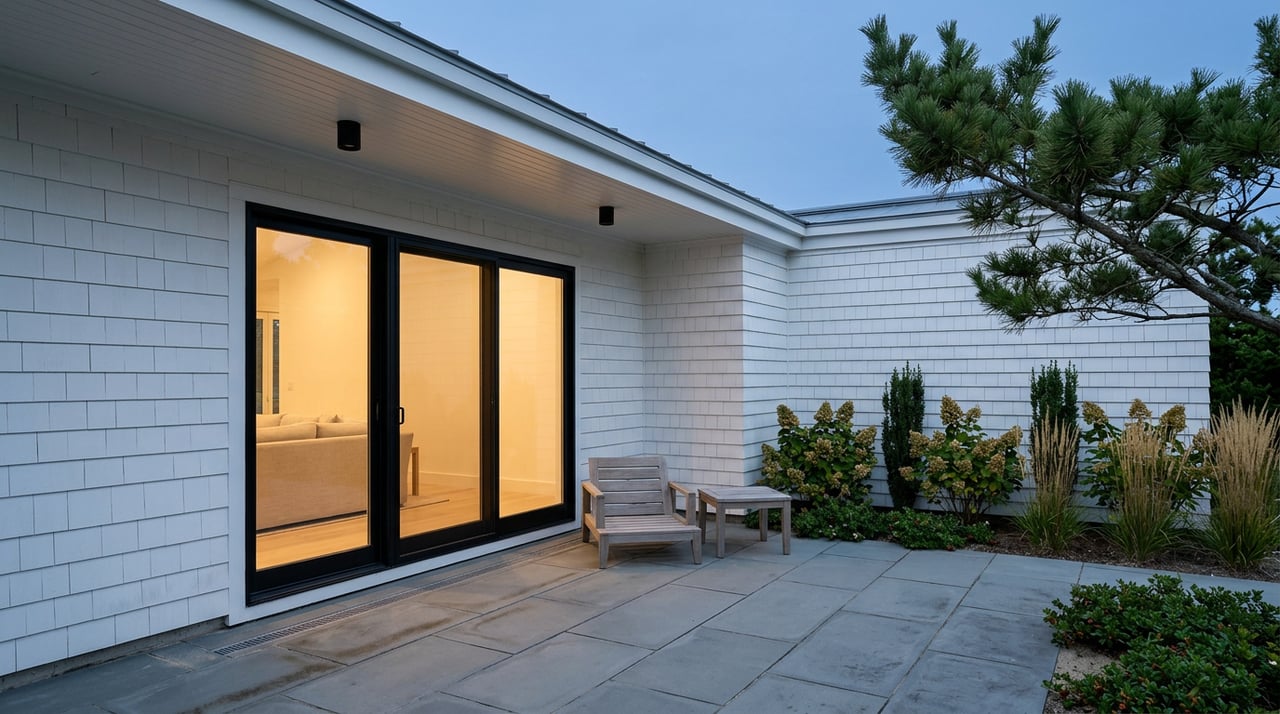
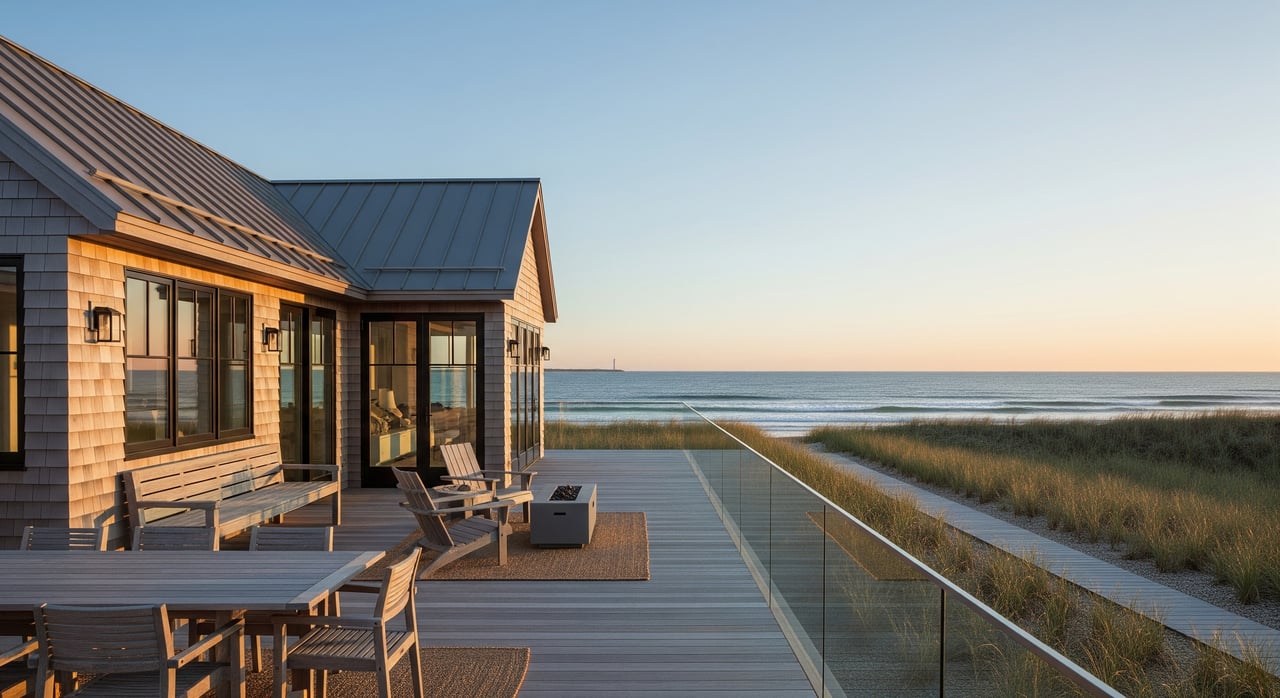
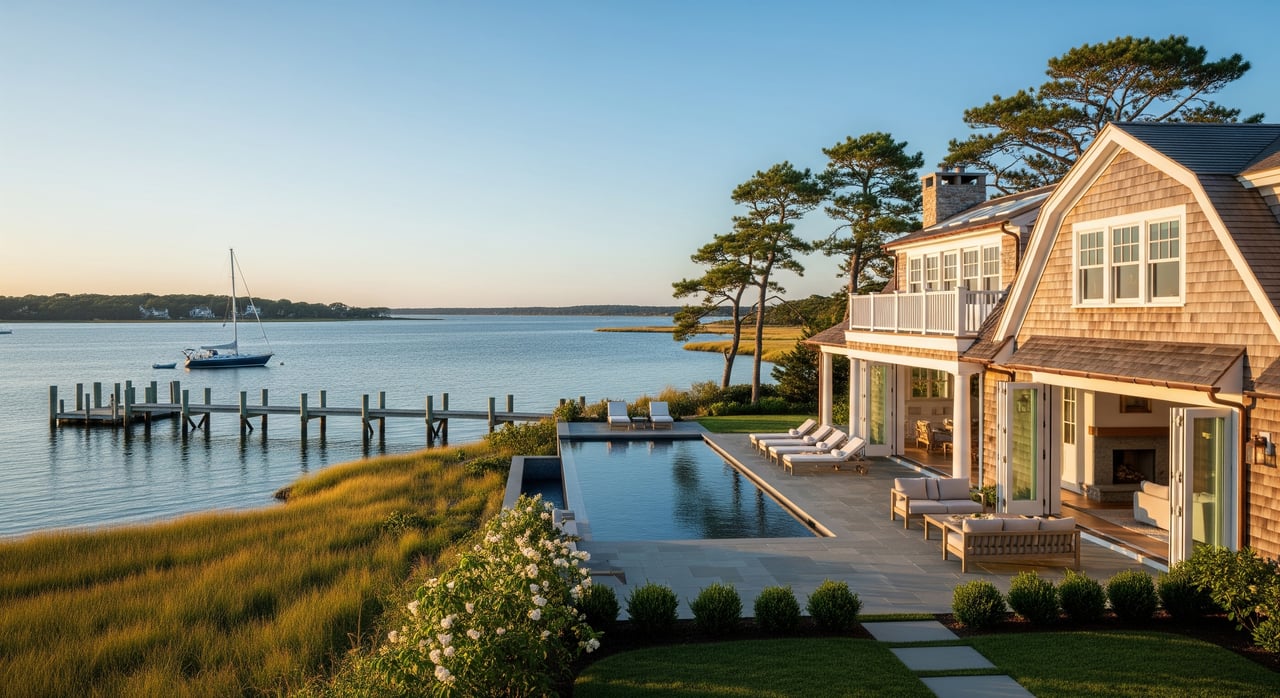
- Stage patios, terraces, and beach or dock entries as extensions of living space with simple, durable furniture.
Show a home that feels easy to live in, easy to maintain, and ready for summer.
Get waterfront and access details right
If your property includes shoreline structures or water access, documentation and condition are essential. This is where serious buyers focus.
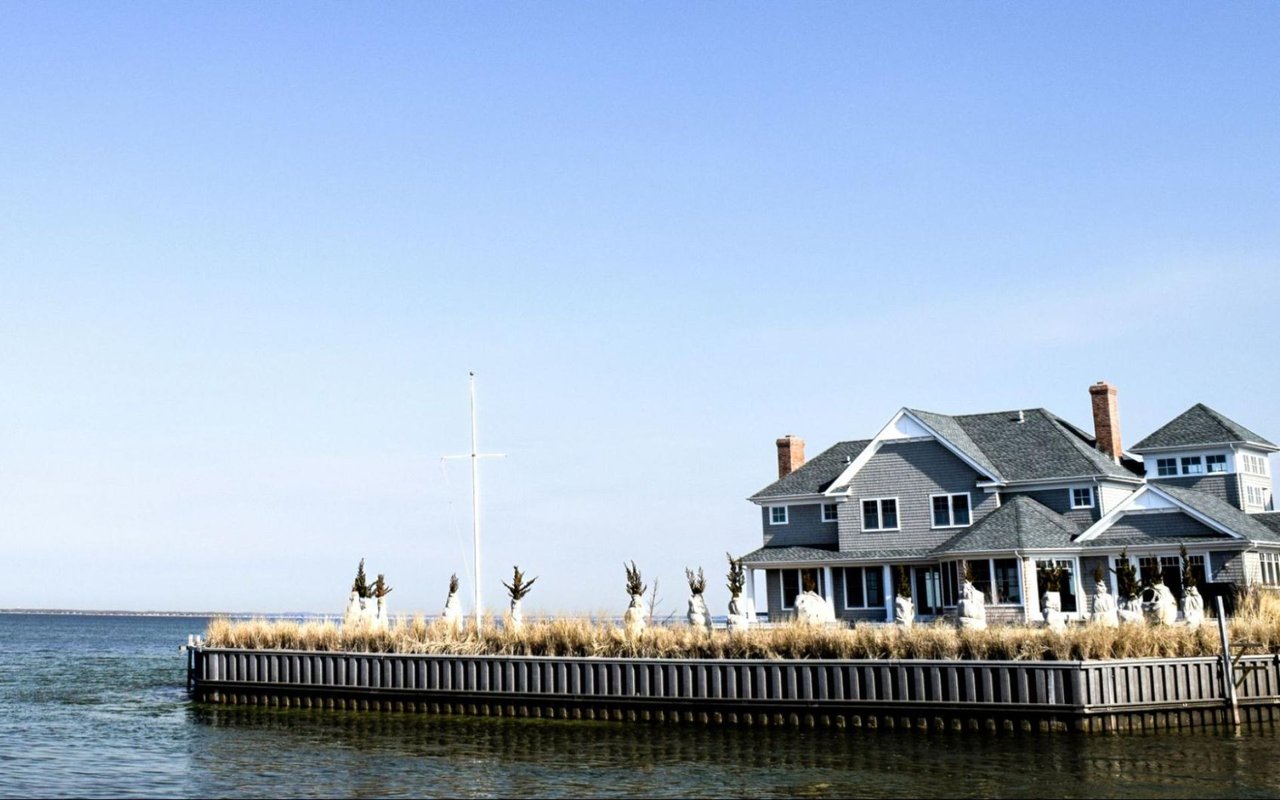
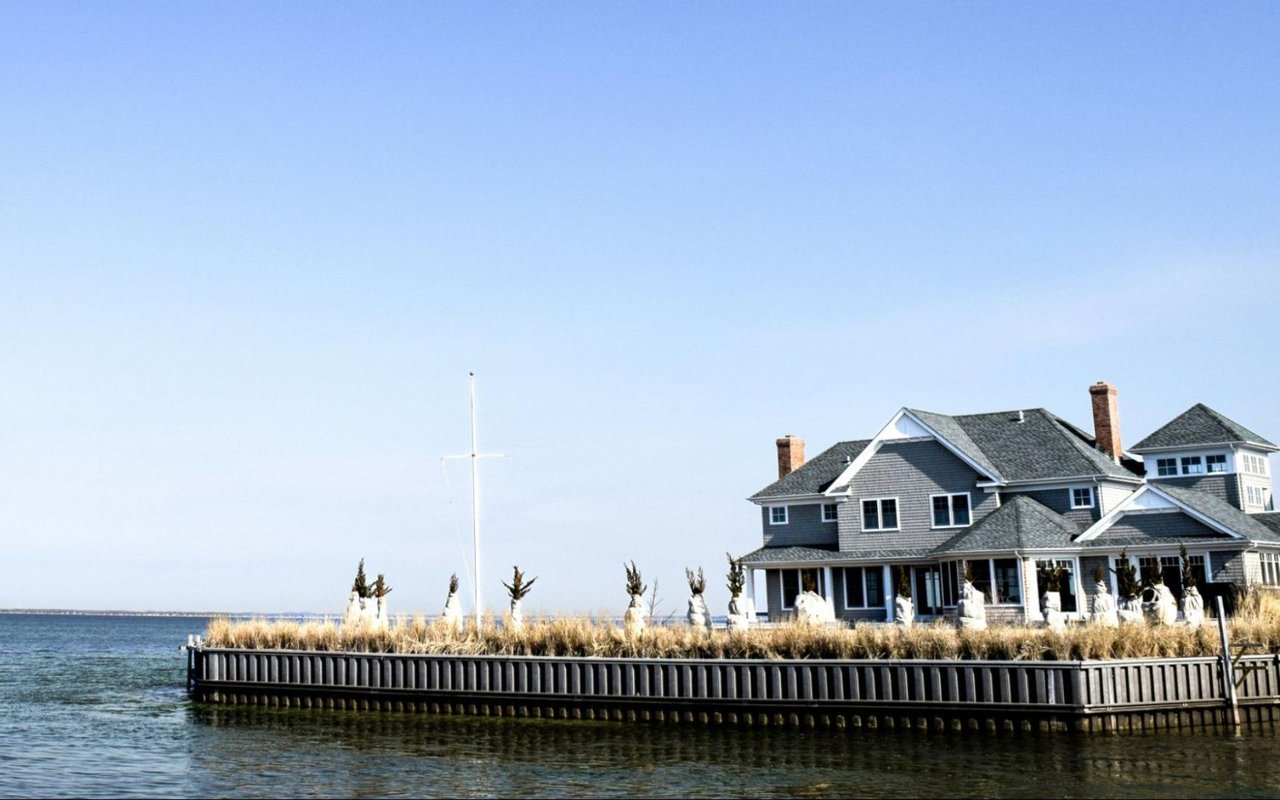
- Assemble permits for docks, bulkheads, seawalls, or other shoreline structures. If permits are missing, disclose the status early.
- Repair loose boards, rusted fasteners, or failing pilings. Present mooring and boat access clearly.
- Remove debris from the shoreline and confirm legal access to any private beaches.
- Provide an elevation certificate if you have one. Buyers, lenders, and insurers often request it for waterfront properties.
Clear, complete records reduce friction and can protect value.
Prep systems, safety, and service records
A well-documented home inspires confidence and supports stronger offers. Be proactive with systems and safety checks.
- Service HVAC, hot water, and any propane or oil systems. Keep recent service receipts available.
- Confirm smoke and carbon monoxide detectors are current. If you have a working fireplace, ensure the chimney is in passable condition.
- Consider a termite or wood-destroying insect inspection. Buyers often request one.
- Identify any oil tanks, active or abandoned, and be ready to disclose or remediate if needed.
If you have a septic system or private well, records are critical. The Suffolk County Department of Health Services oversees on-site wastewater systems, and buyers commonly ask for permits, installation or repair records, and pump-out or inspection history. If your system is older or unpermitted, plan ahead and gather documentation.
Pricing strategy tailored to water and risk
Pricing in Noyac and North Sea should rely on very recent comparable sales. Segment comps by waterfront, near-water, and inland so you compare like with like.
- Adjust for lot size, water frontage length, degree of view, elevation and flood risk, septic versus sewer, condition of any bulkhead or dock, and the presence of deeded beach rights or private access.
- Remember that permitted, well-maintained shoreline structures typically command a premium. Unpermitted or deteriorated structures can reduce value.
- Consider seasonality. Spring often lifts activity and showings, while off-season buyers can be decisive if your home stands out.
A data-first approach helps you balance lifestyle value with asset performance.
Market the lifestyle with premium presentation
Your marketing should do two things: help buyers imagine the lifestyle and answer their due-diligence questions. Quality visuals and detailed information make a difference, especially for out-of-area buyers.
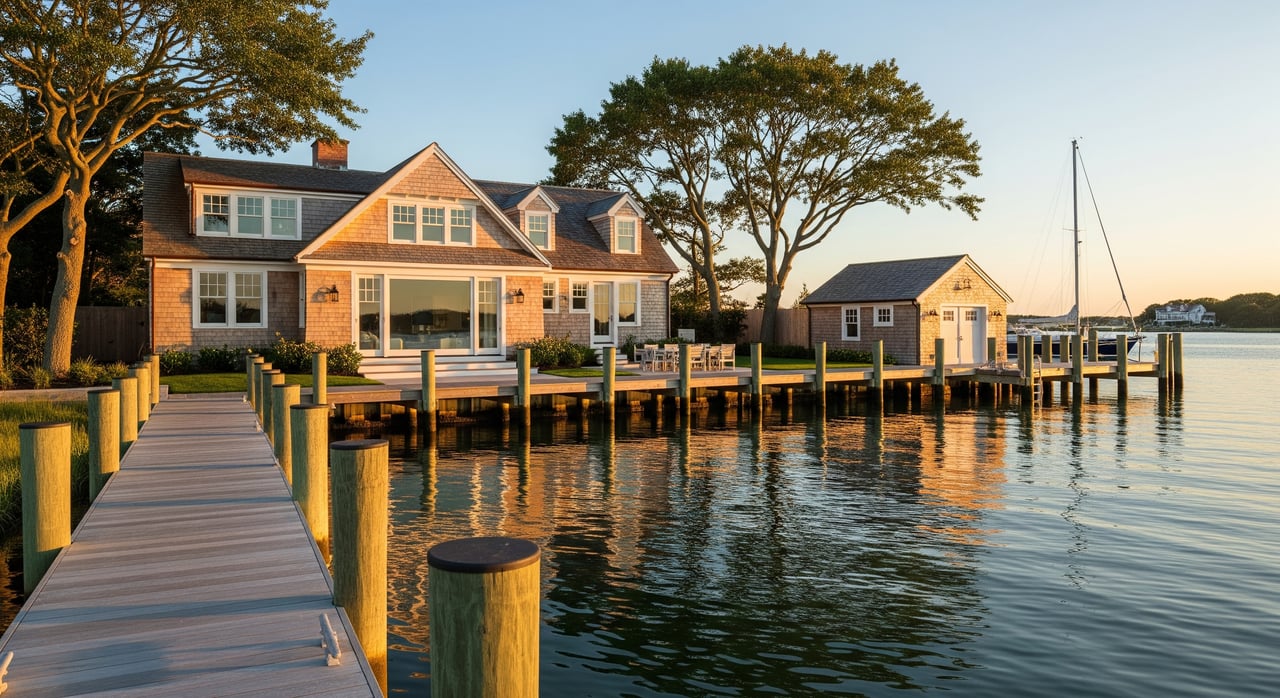
- Hire a professional photographer with coastal experience. Plan sessions at optimal light and add twilight images for water reflections.
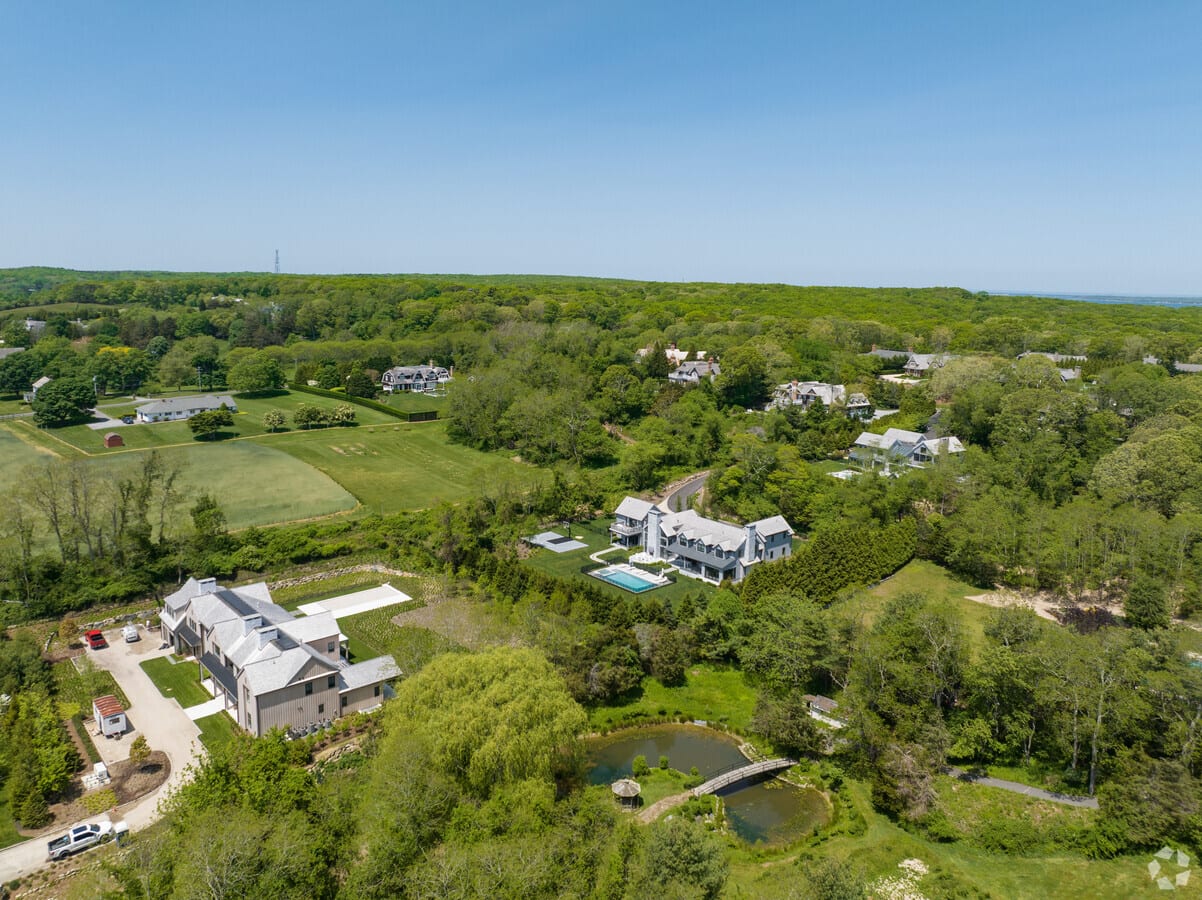
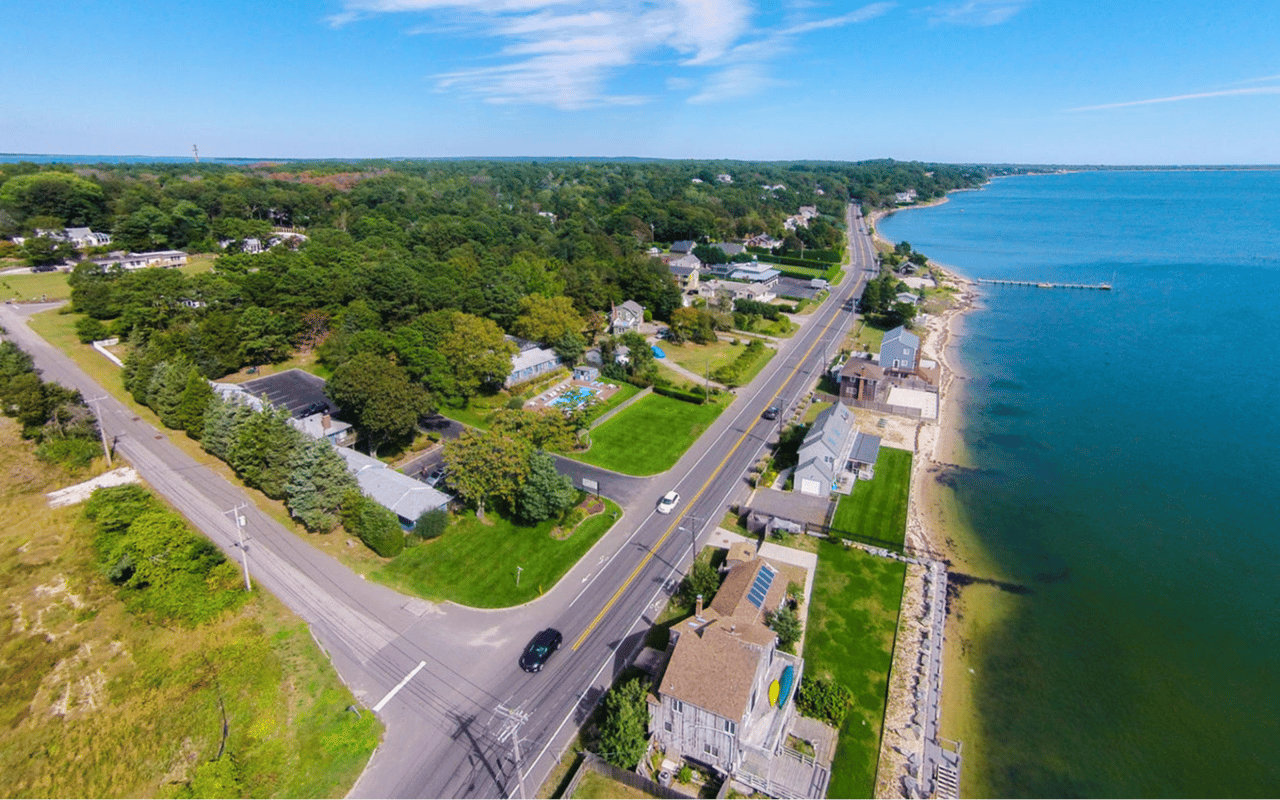
- Use drone photography or video to show lot layout, shoreline, orientation, and proximity to amenities. Confirm local rules and avoid flying over private property without permission.
- Provide floor plans, accurate room measurements, and a virtual tour. These assets improve confidence for remote shoppers.
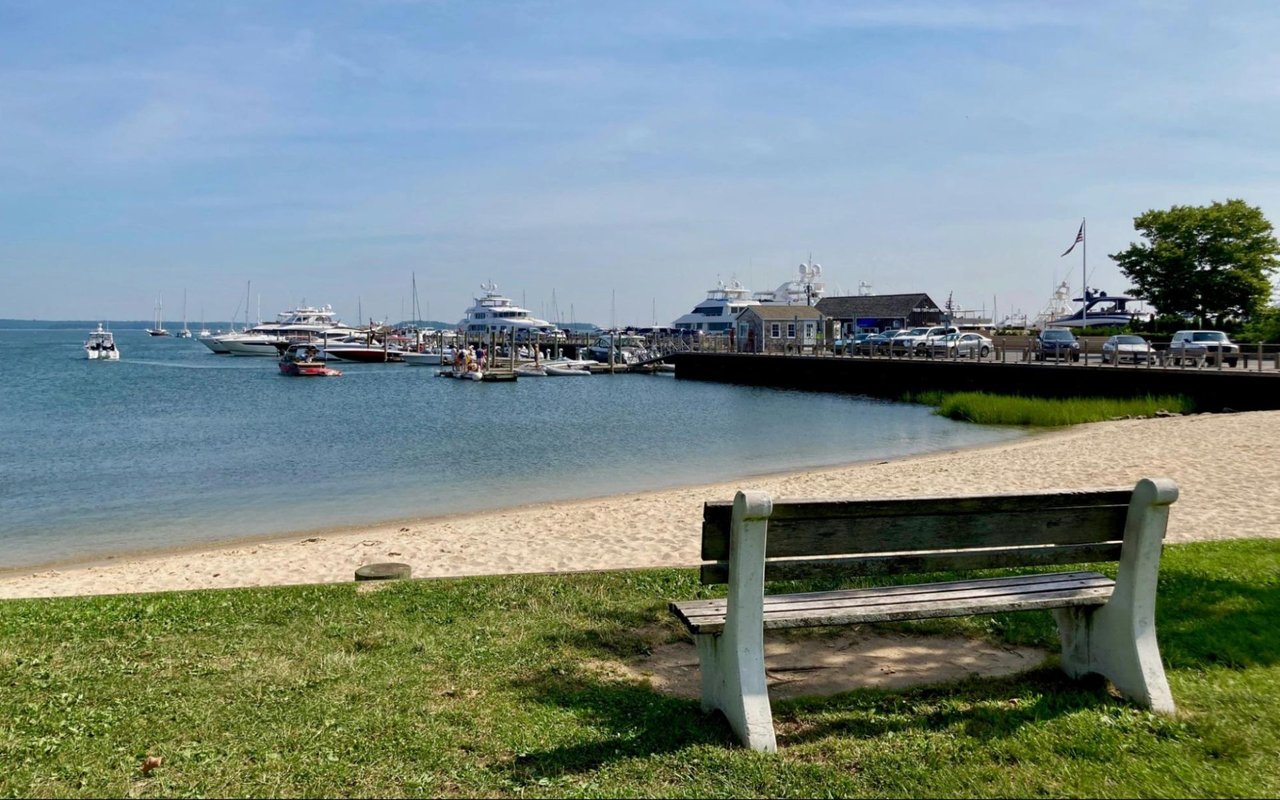
- Highlight community amenities in captions and copy, including beach rights, boat launches, marinas, and nearby villages.
- Time private showings to capture sunrise or sunset views where possible.
This style of marketing tells a complete story while removing risk for buyers.
Prepare a thorough showing packet
Make it easy for buyers to say yes. A concise, accurate information packet answers common questions up front.
- Flood zone information and any elevation certificate
- Recent utility bills for seasonal and annual use
- Septic and well records with related permits and service dates
- Copies of permits and approvals for shoreline structures, additions, pools, or major renovations
- HOA or beach association documents and schedules, if applicable
- Rental history if accurate and compliant with Town rules
The more you can verify, the more serious the offers you attract.
Step-by-step pre-listing plan
Follow these practical steps to get market ready without overthinking it.
- Clean, repair, and document. Address obvious deferred maintenance inside and out, then keep receipts and before-and-after photos.
- Solve moisture and ventilation issues. Professionally remediate any mildew or mold and improve airflow in baths and attics.
- Update septic and well records. Schedule service, pump-out, and inspections if due, and organize SCDHS permits.
- Compile shoreline and building permits. Gather approvals for docks, bulkheads, additions, decks, pools, and major renovations.
- Book professional media. Capture photos, drone footage, and a 3D tour at the best times of day.
- Set pricing with current comps. Segment by waterfront status and adjust for elevation, permits, frontage, and condition.
This checklist aligns your presentation with what buyers value most.
Anticipate buyer questions and answer early
Most coastal buyers arrive with a similar set of questions. Prepare clear, factual responses to keep momentum.
- Is the property in a FEMA flood zone, and what are typical flood insurance costs?
- Are there elevation certificates or records of past storm or flood events?
- Who maintains the dock or bulkhead, and are permits current?
- Is the septic system up to code, and when was it last serviced or pumped?
- Do any HOA, beach association, or short-term rental rules apply?
- Are there deeded beach or water access rights?
- What are typical utility and tax costs, including seasonal variations?
When you have answers and documentation ready, you signal transparency and reduce negotiation friction.
Work with a data-first local advisor
You deserve a plan that blends lifestyle storytelling with disciplined market analysis. A local specialist who understands Noyac and North Sea can help you segment comps, address flood and permit questions, craft premium media, and reach qualified buyers across the tri-state and beyond through institutional marketing channels.
If you are considering a sale, let’s build a custom strategy that protects your time and maximizes your result. Connect with Michael Petersohn for a personal market consultation.
FAQs
When is the best time to list a Noyac or North Sea home?
- Spring and early summer draw the most activity, while serious off-season buyers often search in late fall and winter for the next season.
How should I price a waterfront vs near-water property?
- Use recent comps segmented by location and adjust for frontage, view, elevation, septic type, dock or bulkhead condition, and beach access rights.
What coastal prep adds the most appeal before listing?
- Power-wash exterior surfaces, refresh paint and hardware, fix corrosion, address mildew or mold, and stage indoor-outdoor spaces with clean, neutral decor.
What documents reassure buyers of a waterfront home?
- Permits for docks and bulkheads, elevation certificate if available, septic and well records, utility bills, surveys, and any HOA or beach association documents.
How do flood zones and insurance affect my sale?
- Flood zone status can impact mortgage and insurance; providing flood information and an elevation certificate early improves buyer confidence.
What should I disclose about septic systems in Suffolk County?
- Share permits, installation or repair records, and recent service or pump-out history; buyers commonly request these items during due diligence.
Can I market short-term rental potential in Southampton?
- Yes, if accurate and compliant with Town rules; confirm current requirements and provide any rental registration or permit documentation you have.