Looking for Hamptons value without the highest Hamptons price tag? If you want coastal living, outdoor access, and long-term upside, Springs in East Hampton deserves a close look. You might be comparing hamlets and wondering where lifestyle and numbers intersect. In this guide, you’ll learn why Springs stands out for buyers, the real costs to plan for, key regulations to know, and the due diligence steps that protect your investment. Let’s dive in.
Why Springs offers strong value
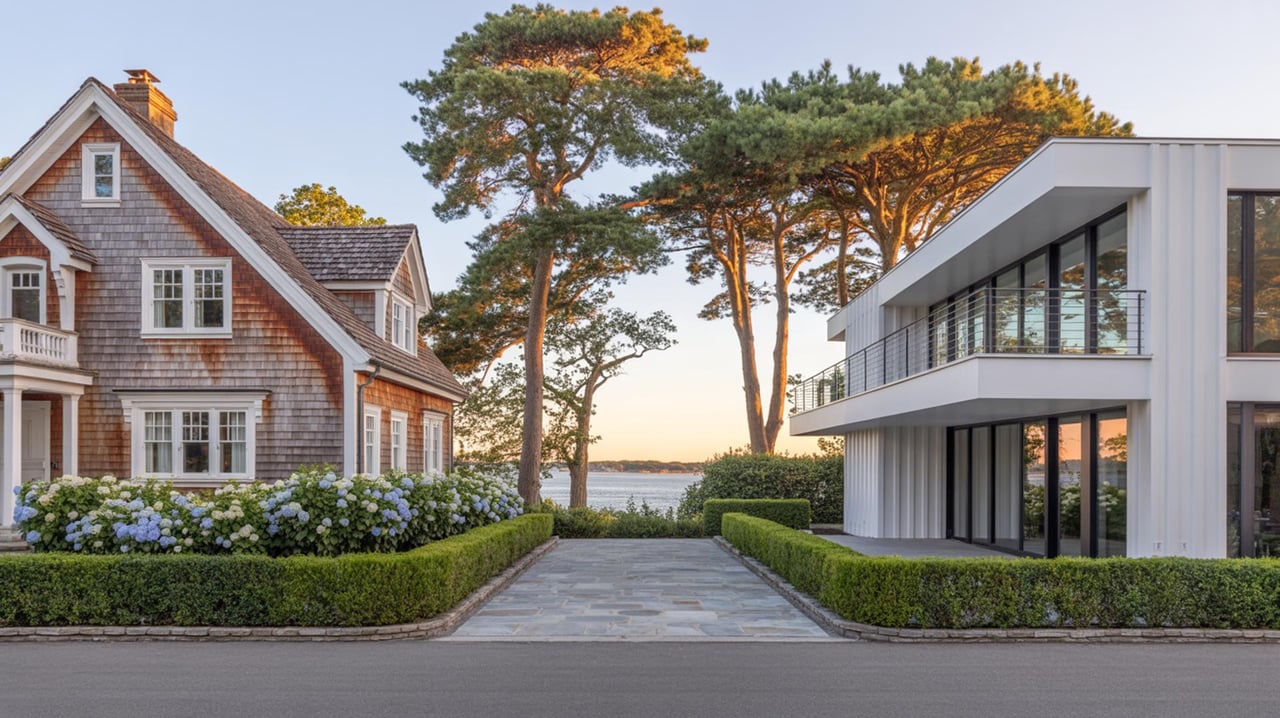
Springs is known for more approachable price points compared with the most expensive East Hampton micro-markets. You’ll find a wider mix of property types here, from modest cottages and ranches to mid-century homes and new construction. That variety creates real entry points for first-time Hamptons buyers, year-round residents, and second-home seekers.
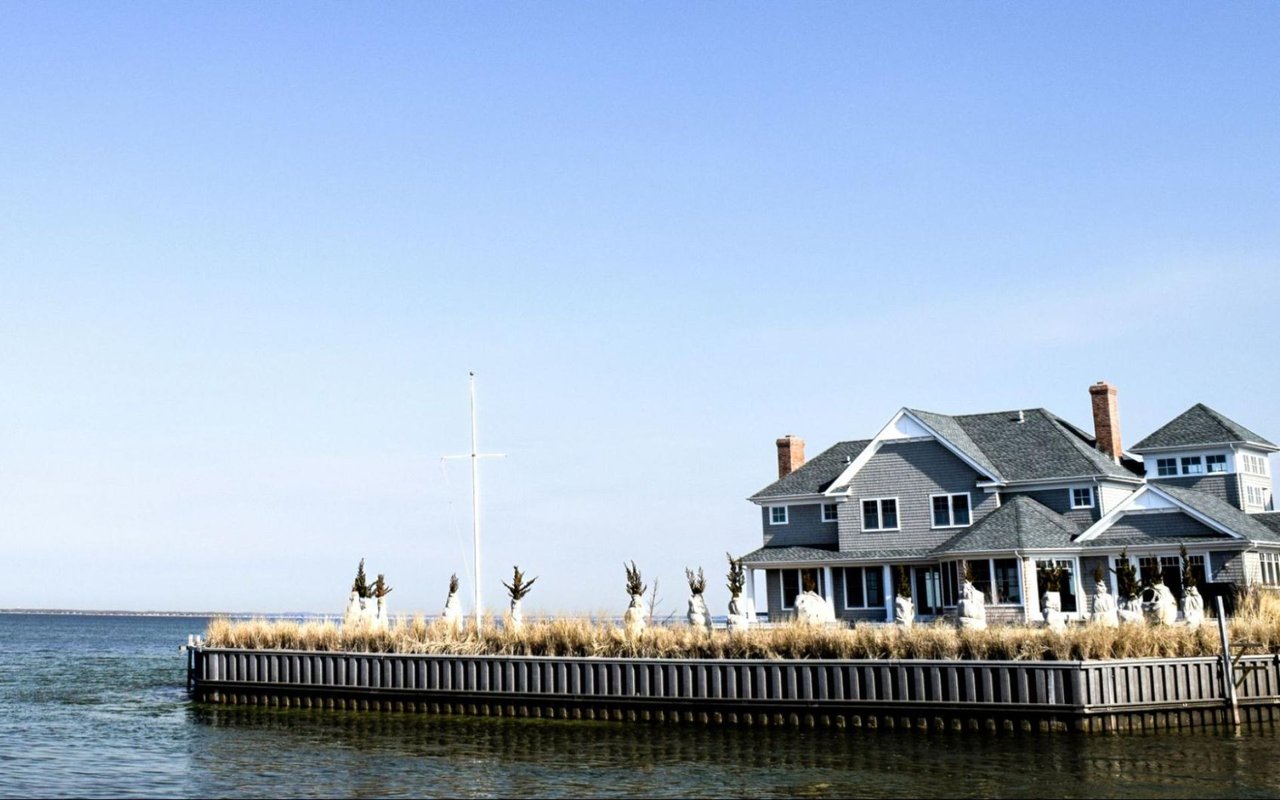
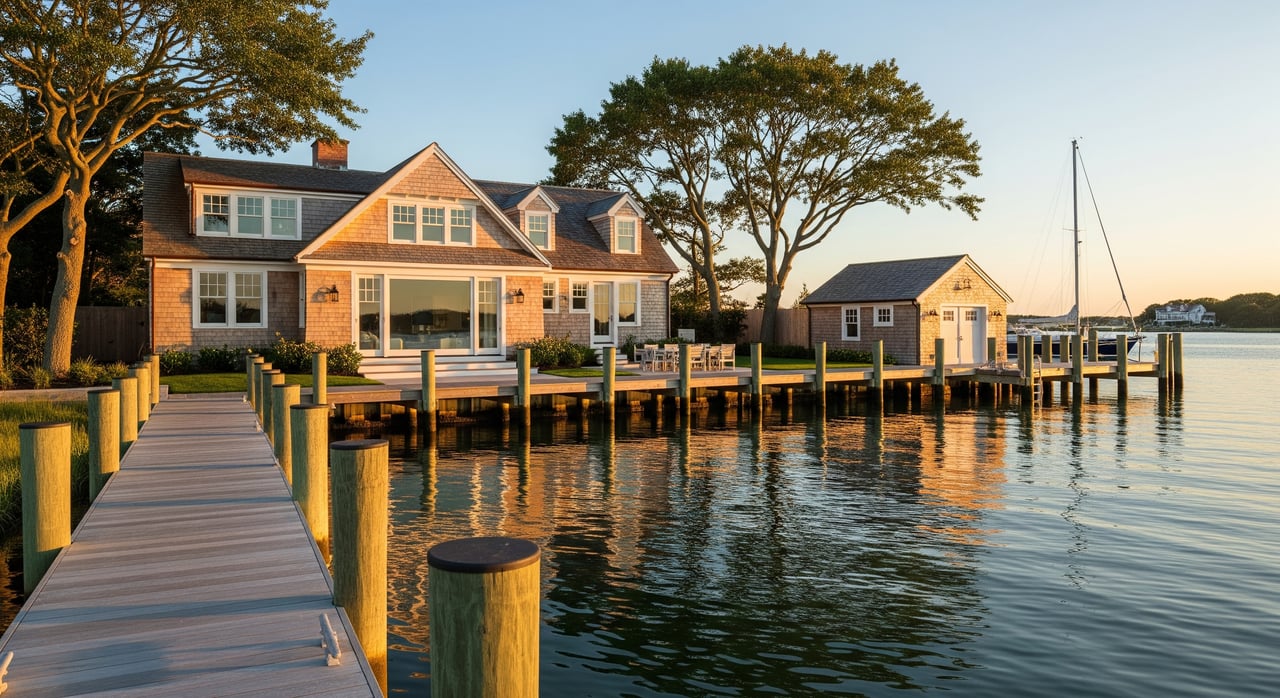
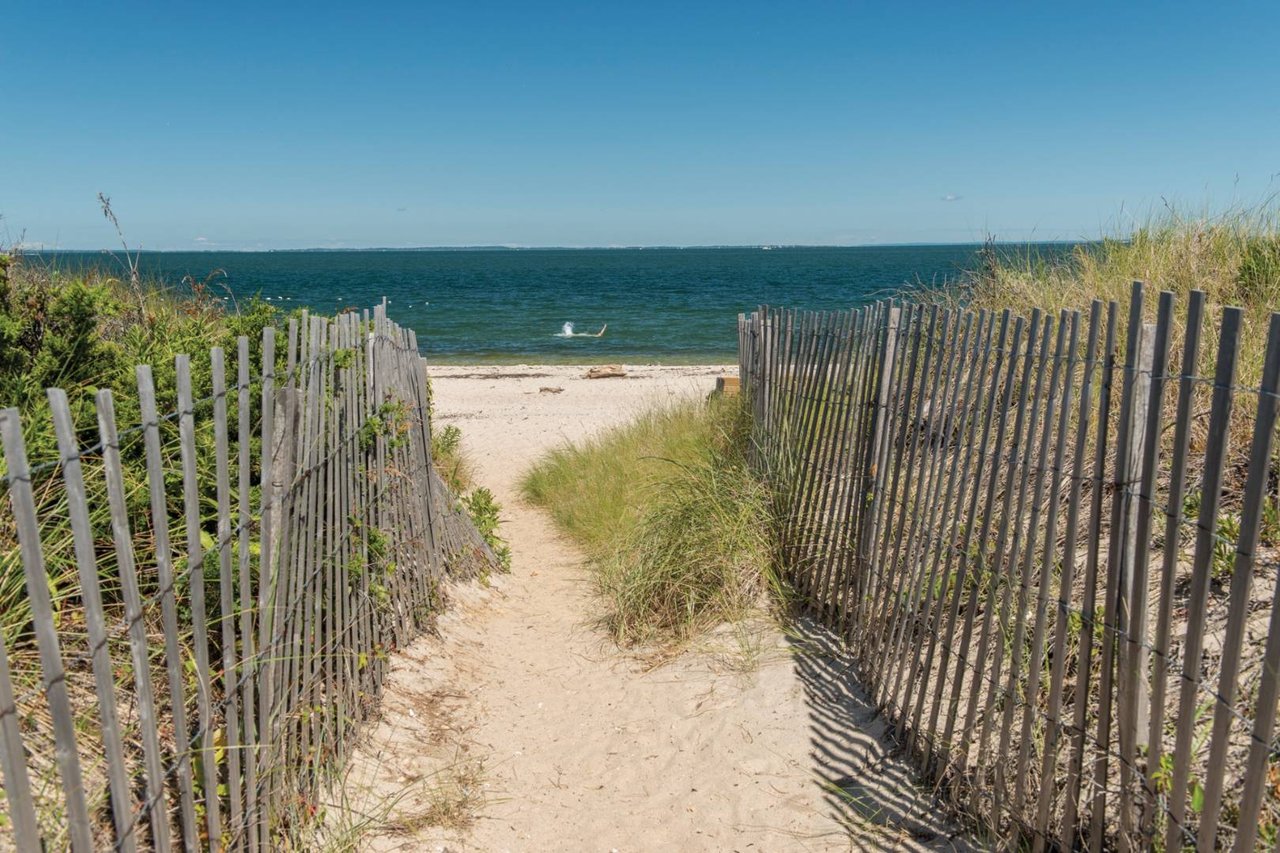
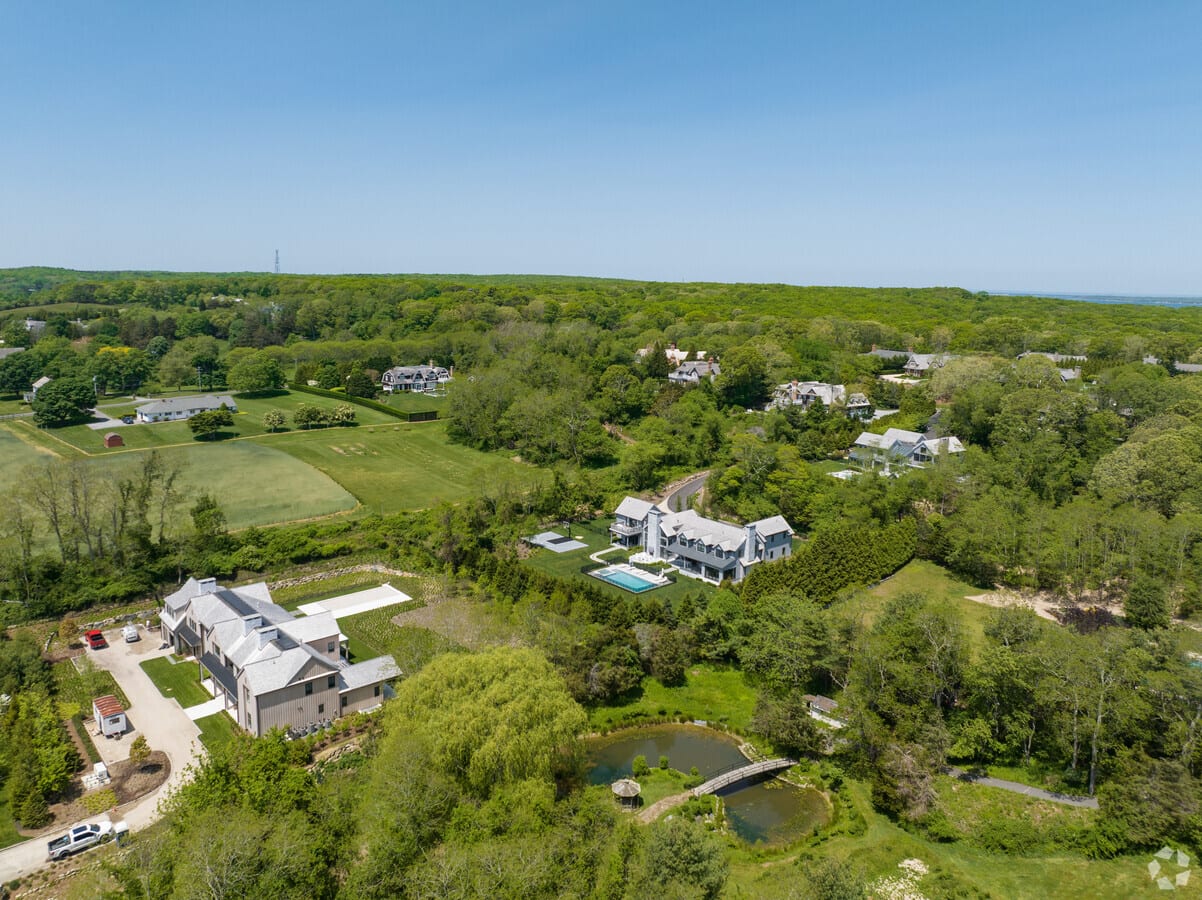
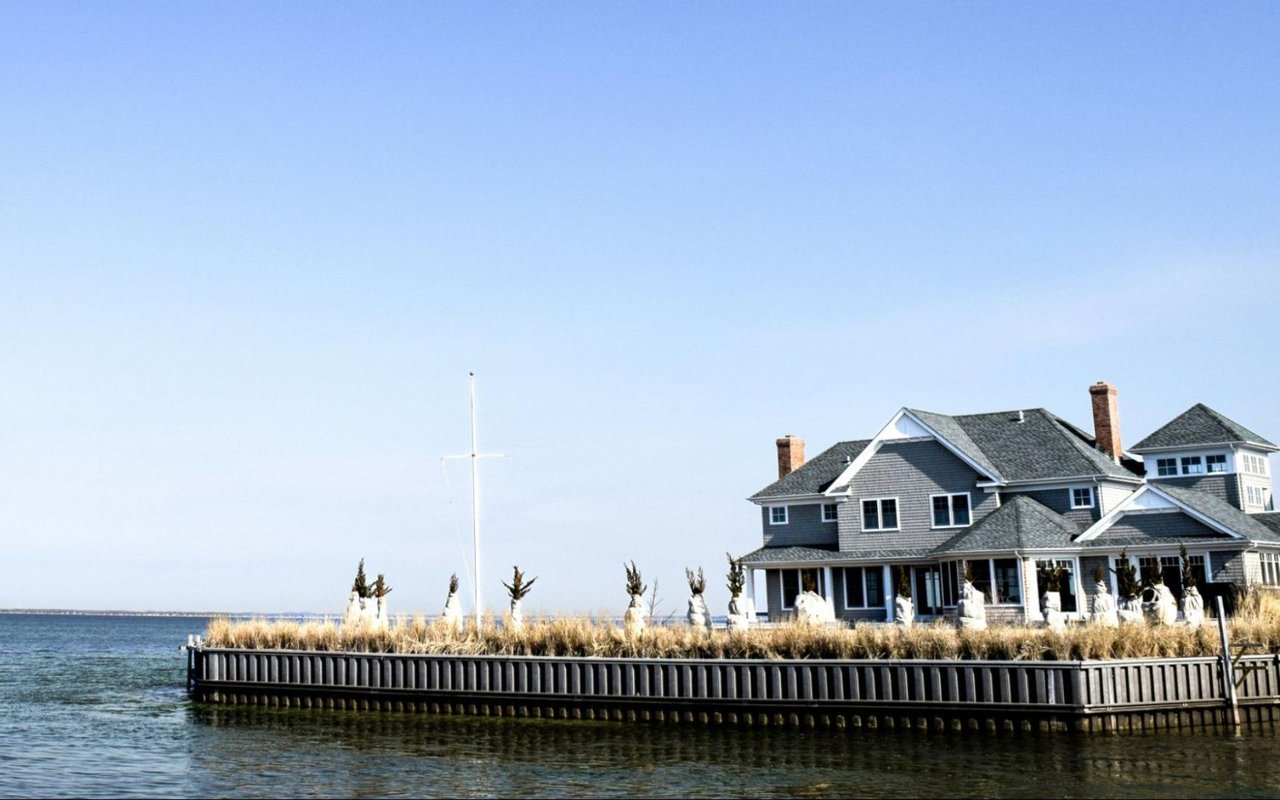
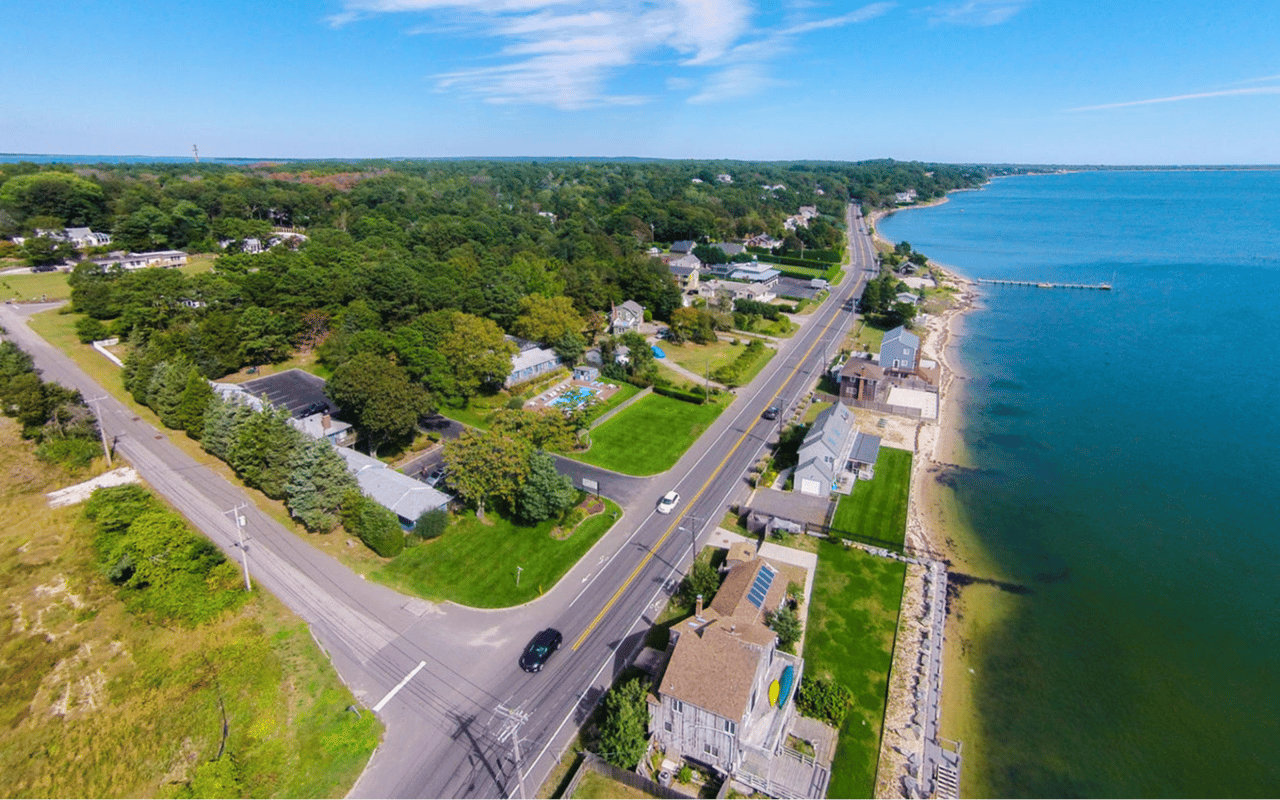
Lifestyle is a major draw. Springs has a relaxed, low-key feel, with access to harbors, marshes, and public beaches nearby. Natural areas and conservation land shape the landscape and keep it scenic. Combined with ongoing demand from city buyers and limited buildable land on the East End, many buyers see both lifestyle and long-term appreciation potential.
Springs housing at a glance
Inventory and property types
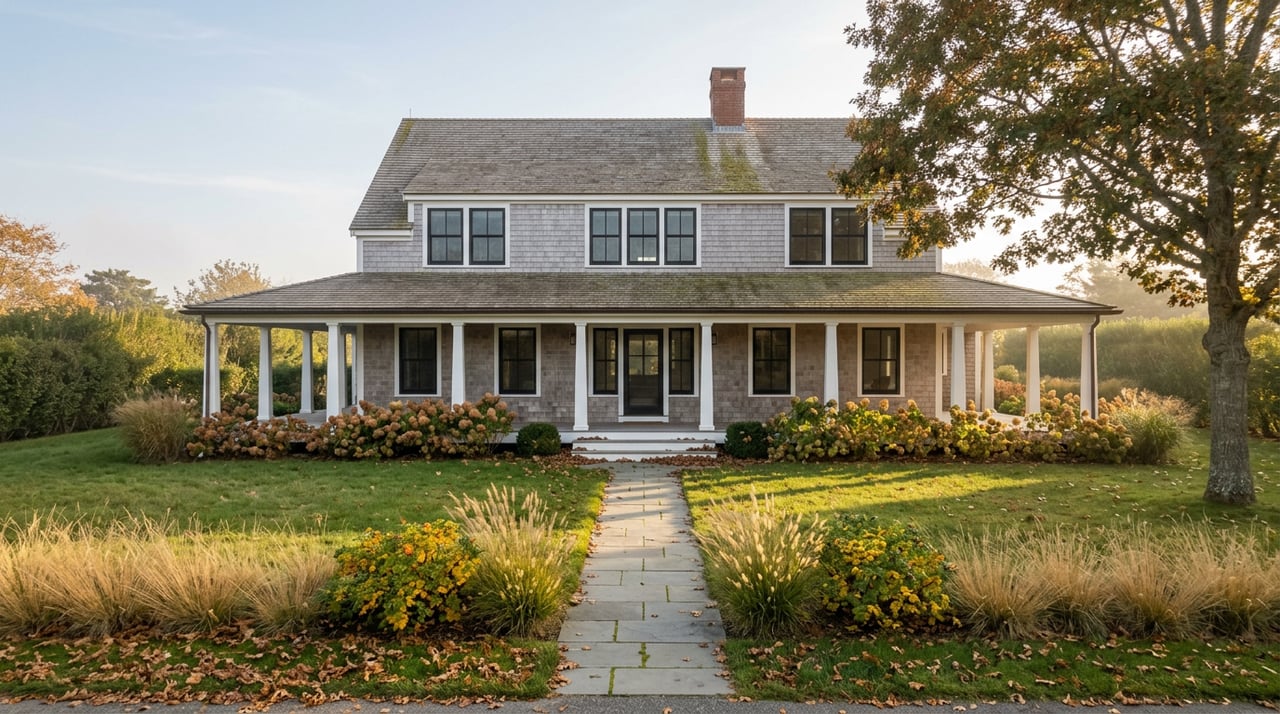
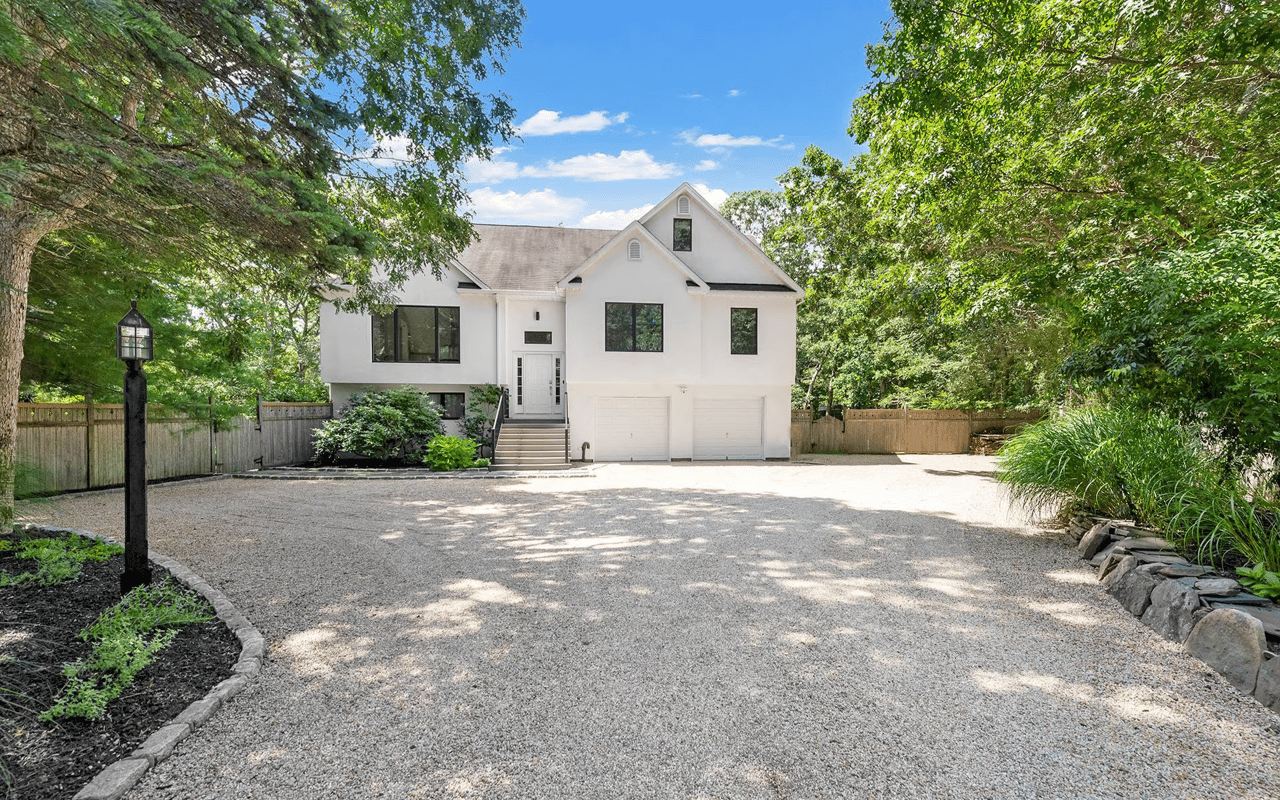
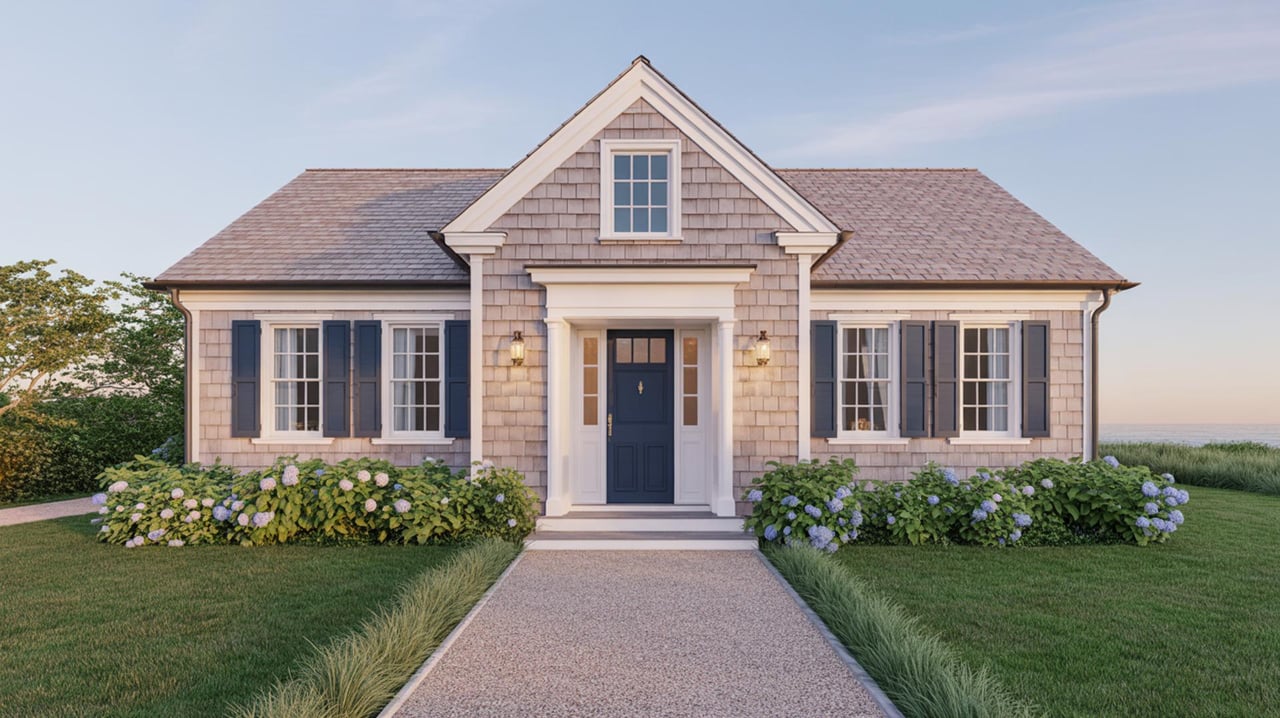
You’ll see seasonal cottages, classic ranch-style homes, and mid-century properties across many price bands. Some older homes were built for summer use and now present renovation potential. There are also tear-downs and vacant lots that appeal to buyers planning a custom build.
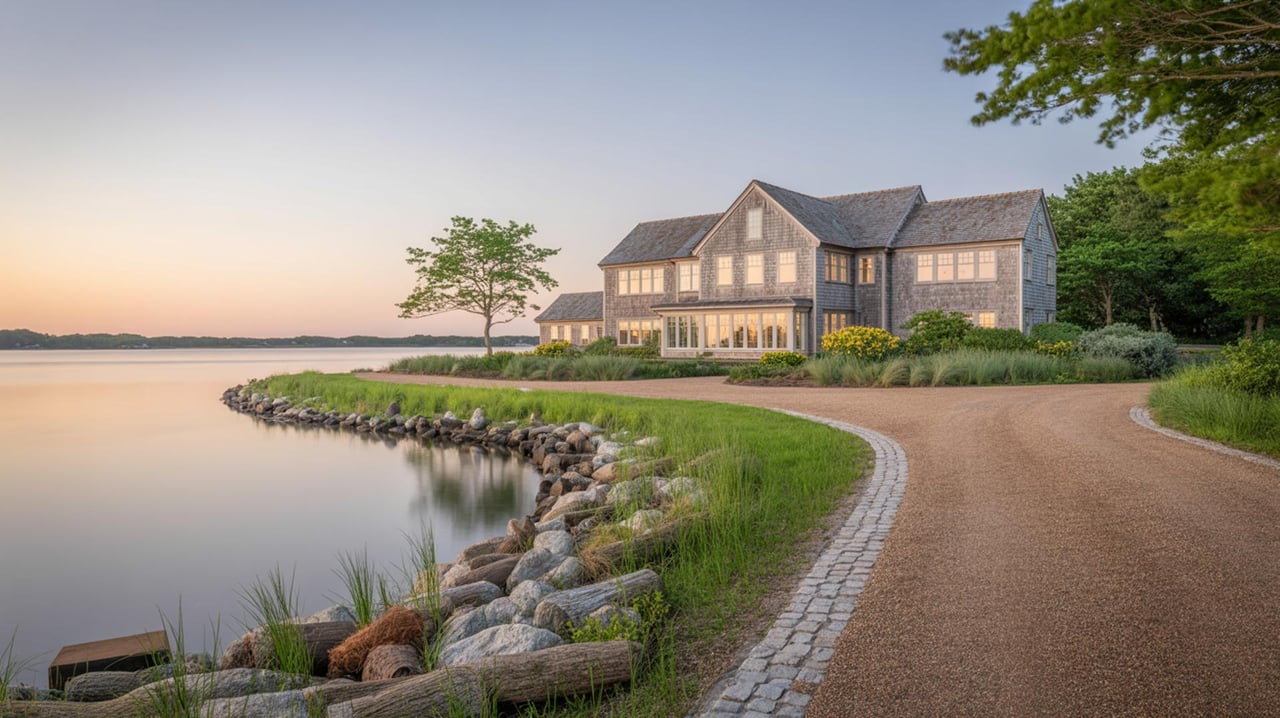
Renovated coastal homes and select new construction round out the inventory when available. This mix lets you choose between a turnkey purchase, a value-add renovation, or a ground-up project. Your best fit depends on your timeline, risk tolerance, and financing strategy.
Pricing dynamics you should expect
Springs typically trades below the top-tier Hamptons hamlets, with wide variance based on proximity to water, lot size, and renovation level. Activity often increases in spring and summer, which can affect pricing and competition. Market conditions shift year to year, so it’s wise to verify current medians, days on market, and comps before you write an offer.
A data-first review gives you clarity. Recent closed sales, property condition, and local permitting realities can all influence value. You’ll want an apples-to-apples comp set that accounts for renovation scope, septic status, and any flood considerations.
Who buys in Springs and why
Typical buyers include New York City professionals seeking second homes, year-round residents who prefer a quieter setting, and investors who value seasonal rental potential. Many are drawn to the neighborhood feel, outdoor access, and relative affordability. Others are focused on finding a renovation or redevelopment opportunity where they can create long-term equity.
The cost picture beyond the purchase price
Taxes and closing costs
New York closing costs typically include state and local transfer taxes, title and escrow, attorney fees, recording fees, and any lender-related costs. Property taxes are a major ownership expense across the East End. To understand parcel-specific histories and effective rates, review records with the Suffolk County Real Property Tax Service Agency.
Your final numbers depend on price, financing structure, and the property’s tax assessment. A detailed estimate early in your search helps you compare homes on a true monthly and annual basis.
Insurance, wind, and flood
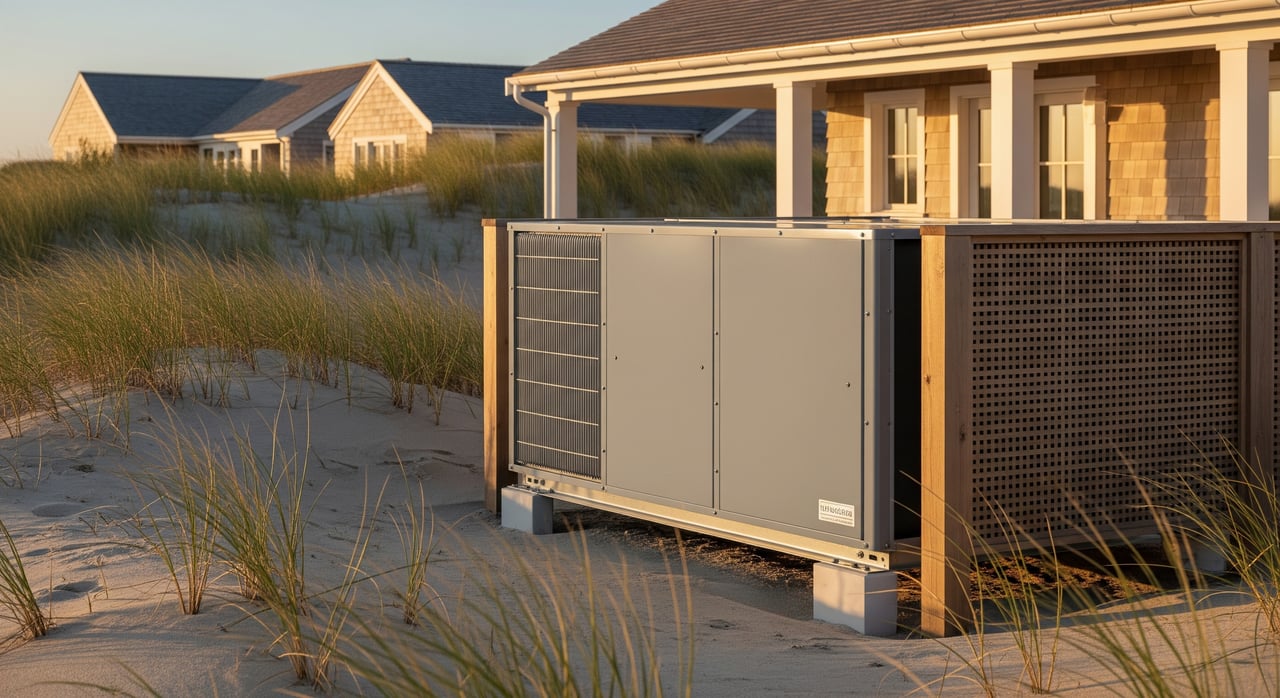
Portions of Springs fall within FEMA flood hazard zones, which can trigger flood insurance requirements and elevation certificate needs. Start with the FEMA Flood Map Service Center to confirm a property’s status. Insurers may also consider windstorm and hurricane risk on the East End, along with roof type and mitigation features.
Get home, wind, and flood quotes before you commit. Premiums vary with location, elevation, construction, and mitigation upgrades. These factors can materially change your carrying costs and should be part of your offer strategy.
Financing realities
Depending on price, you may need a jumbo mortgage, with different guidelines for primary homes, second homes, and investment properties. Cash purchases are common in some segments. Prequalification with a lender who understands East End nuances, including coastal insurance and well or septic issues, will make your offers stronger and your timelines smoother.
Lifestyle, access, and everyday convenience
Beaches and natural areas
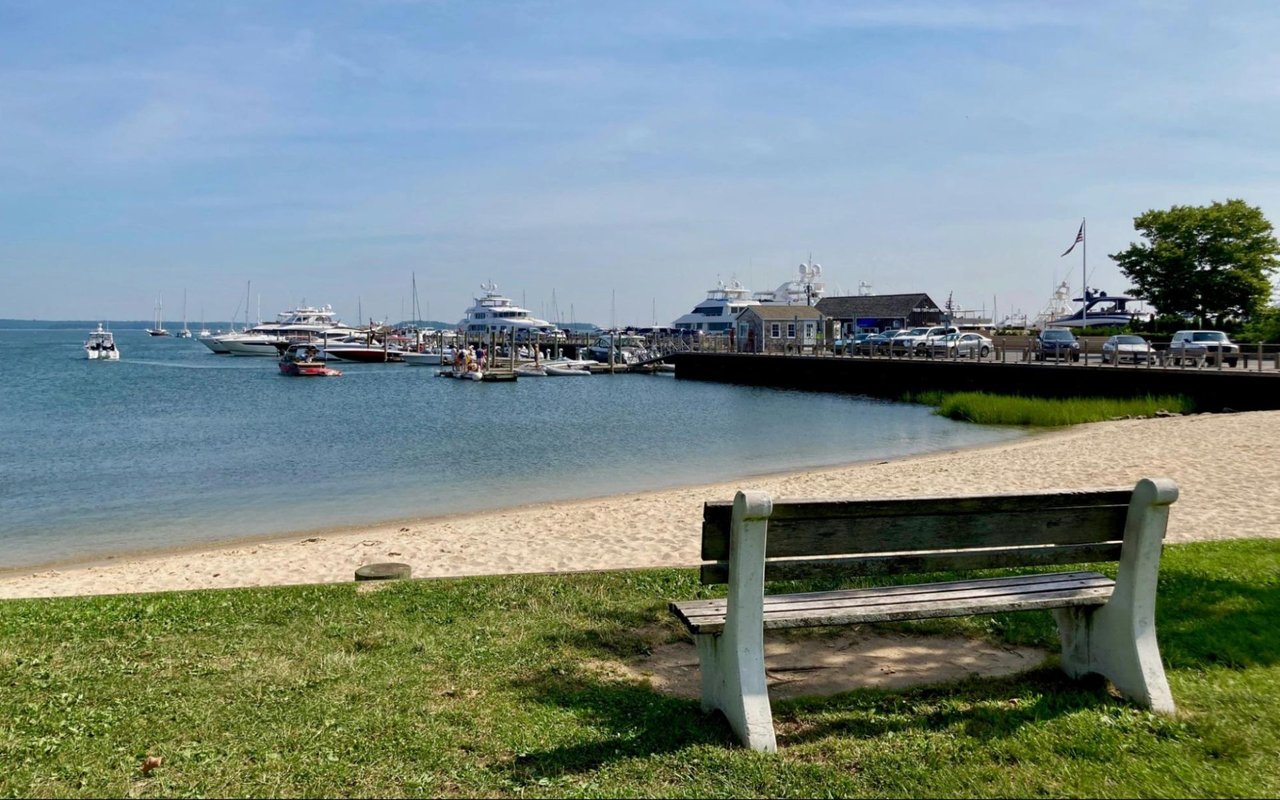
Springs offers easy access to harbor fronts, tidal inlets, and parks that support kayaking, paddleboarding, fishing, and scenic walks. Public beach access and parking can vary by season and permit type, so review current town rules as you plan your routines. Natural conservation areas protect open space, which adds to the sense of place and can shape nearby development outcomes.
Culture and history
Springs has a deep artistic heritage that adds to its identity and appeal. A standout is the Pollock-Krasner House & Study Center, which offers a window into mid-20th-century art history connected to the area. If you value authenticity and cultural texture, these institutions enrich day-to-day life.
Schools and local services
Parts of Springs are served by the East Hampton Union Free School District. Boundaries and programs can change, so verify details directly with the East Hampton Union Free School District. For everyday needs, you’ll find local shops and services in Springs, with broader options in nearby East Hampton Village and Amagansett.
Getting here and getting around
Route 27 is the primary east-west route, with traffic that fluctuates by season. For rail, residents typically use the East Hampton or Amagansett stations on the LIRR Montauk Branch. Check schedules and service updates through the Long Island Rail Road.
Key regulations that shape value
Flood zones and coastal considerations
Flood zone status influences insurance requirements and building standards. Always verify a property’s designation through the FEMA Flood Map Service Center and request any elevation certificates on file. Coastal risk is an evolving factor across the East End, so factor long-term resilience into renovation and hold-time plans.
Regional water-quality initiatives also inform local policy. For broader environmental context, the Peconic Estuary Program provides research and updates related to the surrounding estuary system.
Septic and water quality requirements
Many Springs homes rely on onsite septic systems. System condition and capacity directly affect value, and local rules increasingly encourage or require upgrades to low-nitrogen systems. Review current guidance and upgrade programs through the Town’s page on Low-Nitrogen Sanitary Systems.
Budget for inspection, potential replacement, and maintenance. If you plan to renovate or expand, septic requirements may determine what is feasible on your lot.
Zoning, historic districts, and conservation
Zoning classifications, setbacks, lot coverage rules, and permitted uses govern what you can build or change. Some properties may sit in historic districts or have conservation easements that limit exterior work or expansion. Start your review with the Town’s Building Department and obtain a current survey before you finalize plans.
These checks protect you from surprises. They also help you compare properties in a way that reflects their true potential and constraints.
Short-term rentals and registrations
If part of your strategy involves seasonal rental income, you must verify current rules. Many East End towns regulate short-term rentals, including registration and occupancy standards. In East Hampton Town, start with the Rental Registry to understand what is required for compliance.
Regulations and enforcement practices can evolve. Confirm the latest policies before you underwrite rental income or make improvement decisions.
Smart buyer due diligence in Springs
Before you offer, use this checklist to validate value and reduce risk:
- Market review: Confirm recent medians, days on market, and closed comps specific to Springs. Focus on condition, location, and renovation scope.
- Zoning and buildability: Verify classification, setbacks, and lot coverage with the Town’s Building Department. Request a current survey.
- Flood status: Check the FEMA Flood Map Service Center and request any elevation certificates. Obtain flood insurance quotes early.
- Septic and wastewater: Order a licensed inspection and review records. Study upgrade guidance on Low-Nitrogen Sanitary Systems.
- Title and easements: Conduct a full title search for conservation restrictions, access rights, or covenants that affect use.
- Utilities and resilience: Confirm water source, fuel type, broadband options, and any storm-hardening features.
- Insurance quotes: Price home, wind, and flood policies based on the specific property.
- Taxes: Review parcel history with the Suffolk County Real Property Tax Service Agency.
- Schools: If relevant, verify boundaries and enrollment with the East Hampton Union Free School District.
- Rentals: If you plan to rent, review the Town’s Rental Registry and confirm current rules.
Is Springs the right fit for you?
Springs offers a compelling mix for buyers who value outdoor access, cultural texture, and more approachable pricing within East Hampton. The housing stock’s diversity lets you choose between turnkey convenience and equity-building projects. For many, the combination of day-to-day livability and long-term demand creates a balanced case for ownership.
You should also plan for the realities of coastal markets. Flood and storm risk can affect insurance costs and renovations. Property taxes and evolving septic and rental rules require thoughtful budgeting and compliance. With the right due diligence, you can navigate these factors and buy with confidence.
If you’re exploring Springs and want a tailored, data-informed plan that respects both lifestyle and return on investment, connect with Michael Petersohn. Request a Personal Market Consultation and get a clear strategy for neighborhoods, comps, risk, and timing.
FAQs
What makes Springs more affordable within East Hampton?
- Springs generally offers a wider range of homes at more approachable price points compared with the most expensive local micro-markets, with value shaped by lot size, proximity to water, and renovation level.
How can I check if a Springs property is in a flood zone?
- Look up the address on the FEMA Flood Map Service Center and request any existing elevation certificates to confirm insurance requirements.
What should I know about septic systems in Springs?
- Many homes use onsite septic; inspections are essential and upgrades may be encouraged or required. See Town guidance on Low-Nitrogen Sanitary Systems.
Are short-term rentals allowed in Springs, East Hampton?
- Short-term rentals are regulated. Review registration and compliance steps through the Town’s Rental Registry before underwriting rental income.
Which school district serves parts of Springs?
- Some areas are served by the East Hampton Union Free School District. Verify current boundaries and programs with the East Hampton Union Free School District.
How do I estimate total ownership costs in Springs?
- Combine mortgage and taxes with quotes for home, wind, and flood insurance, plus any septic or renovation plans. Check tax history via the Suffolk County Real Property Tax Service Agency and confirm utilities and maintenance needs.