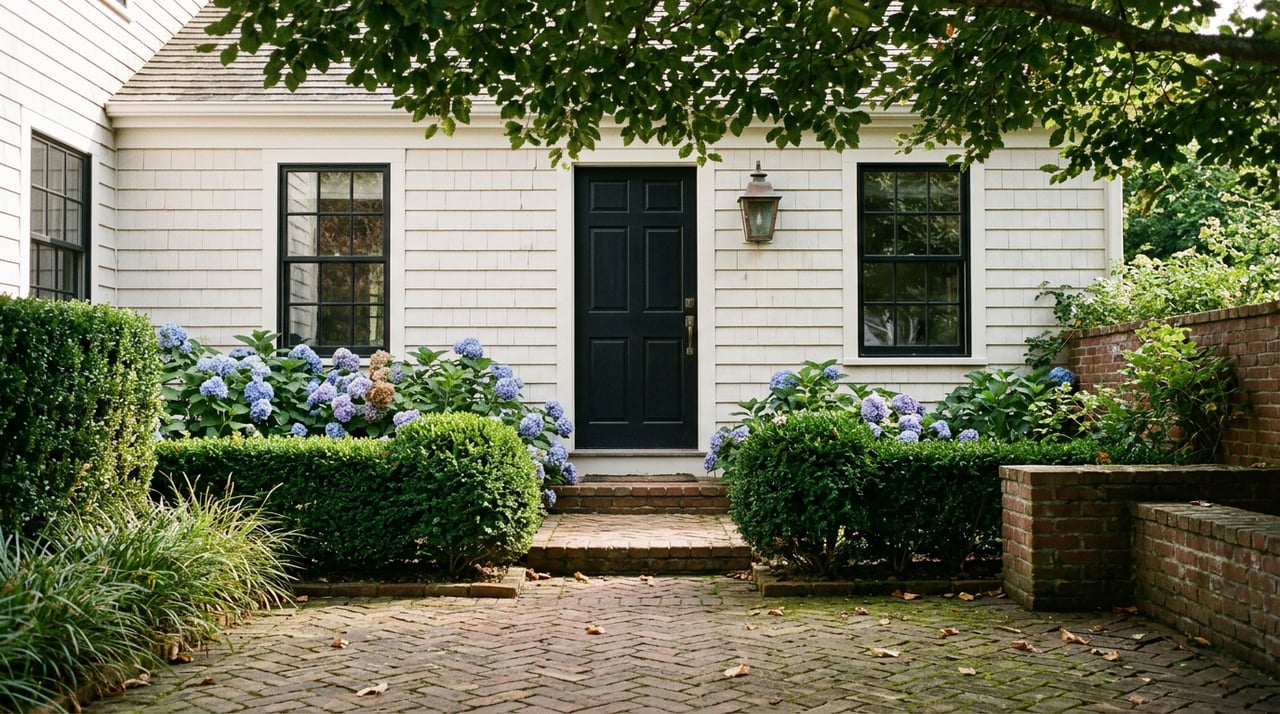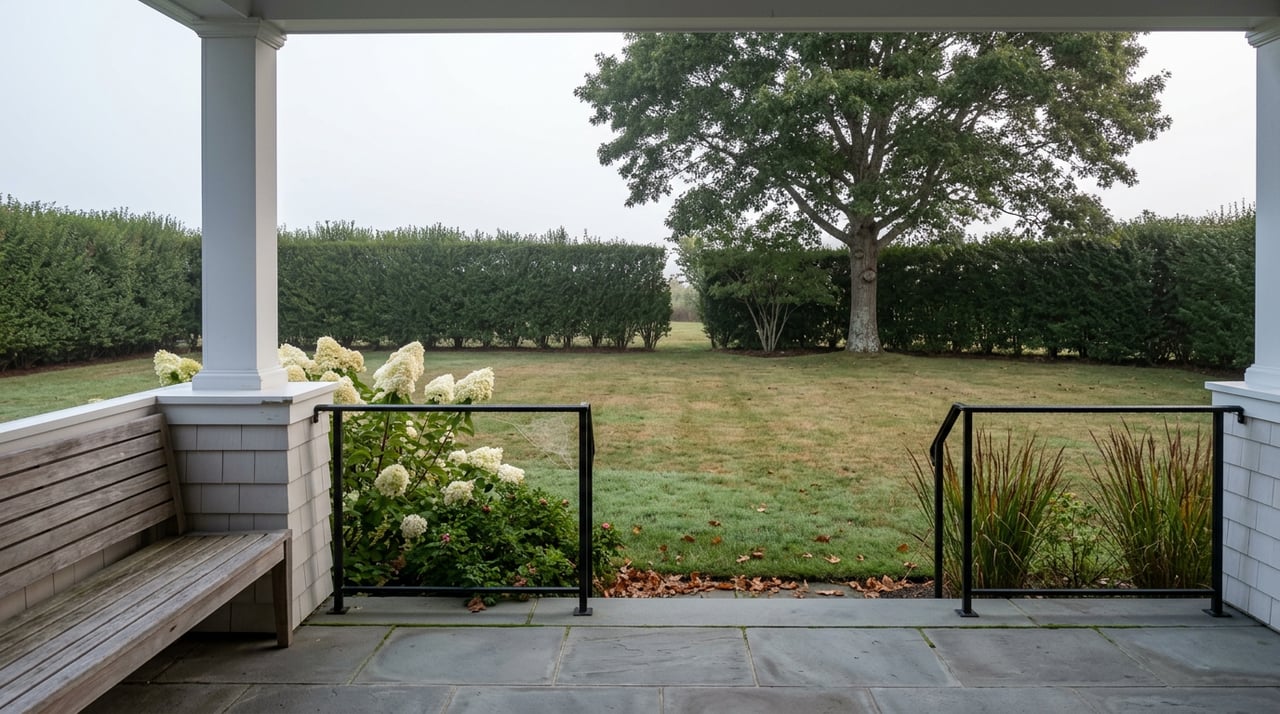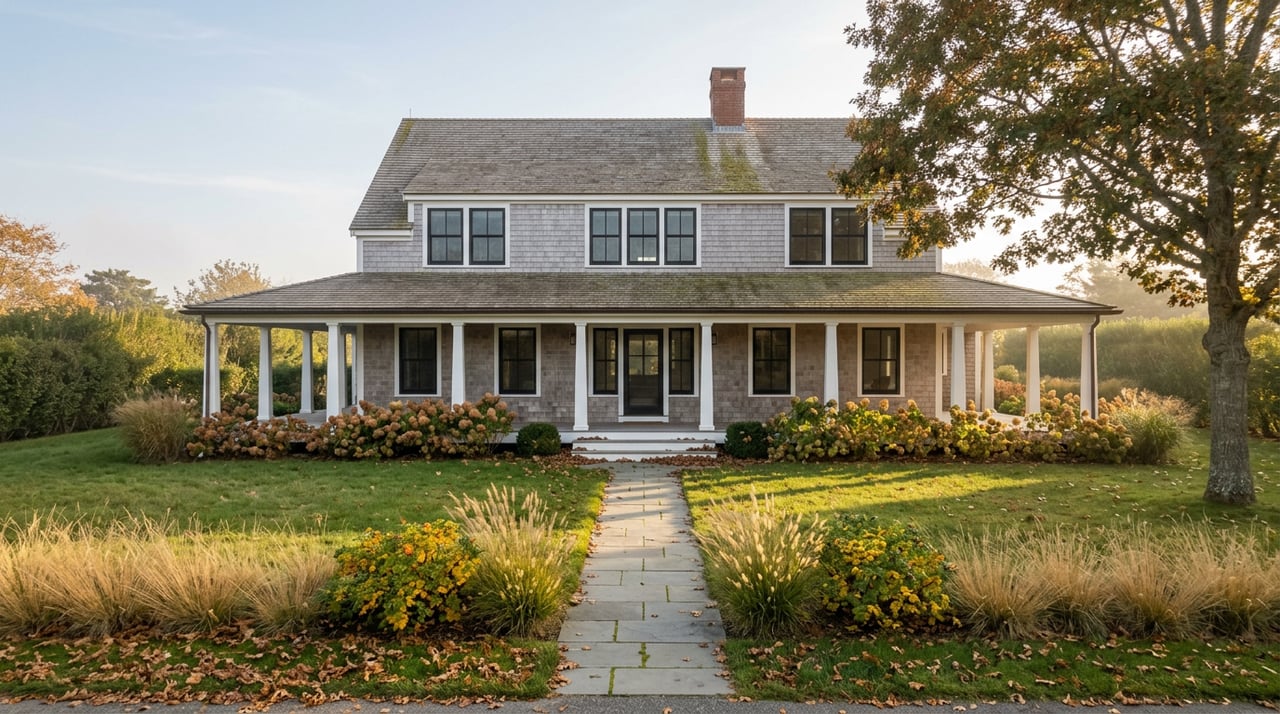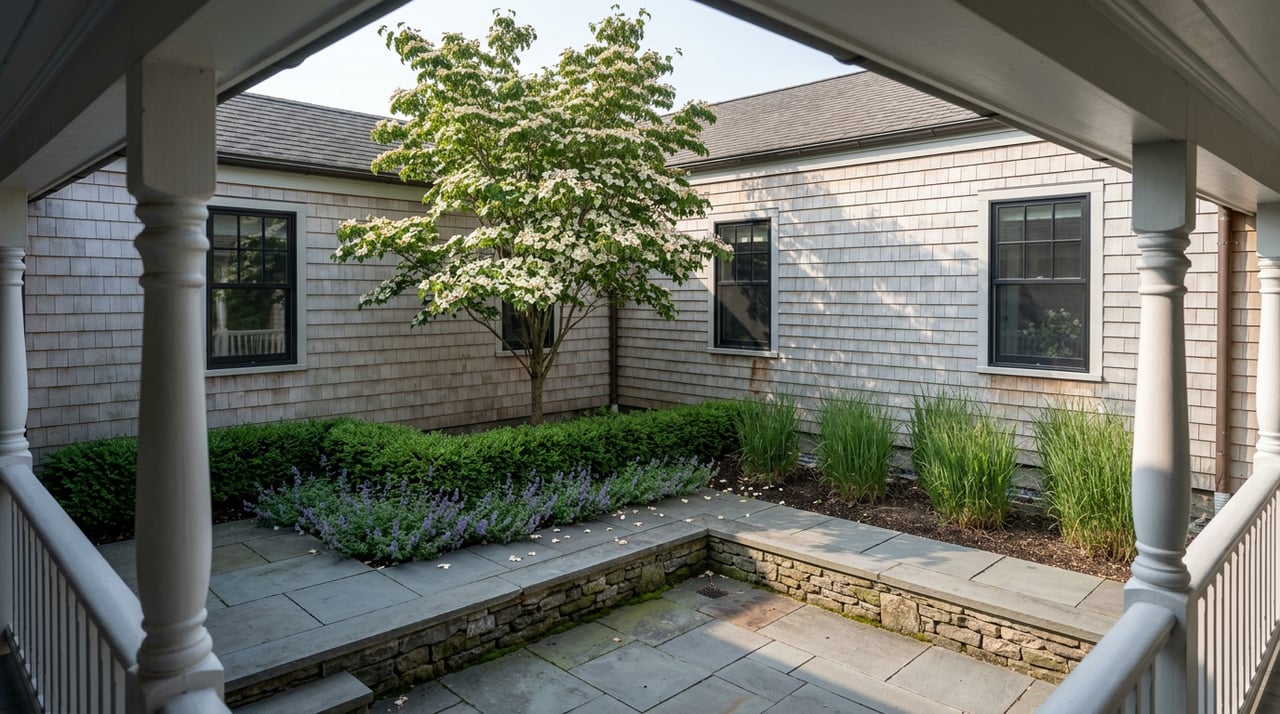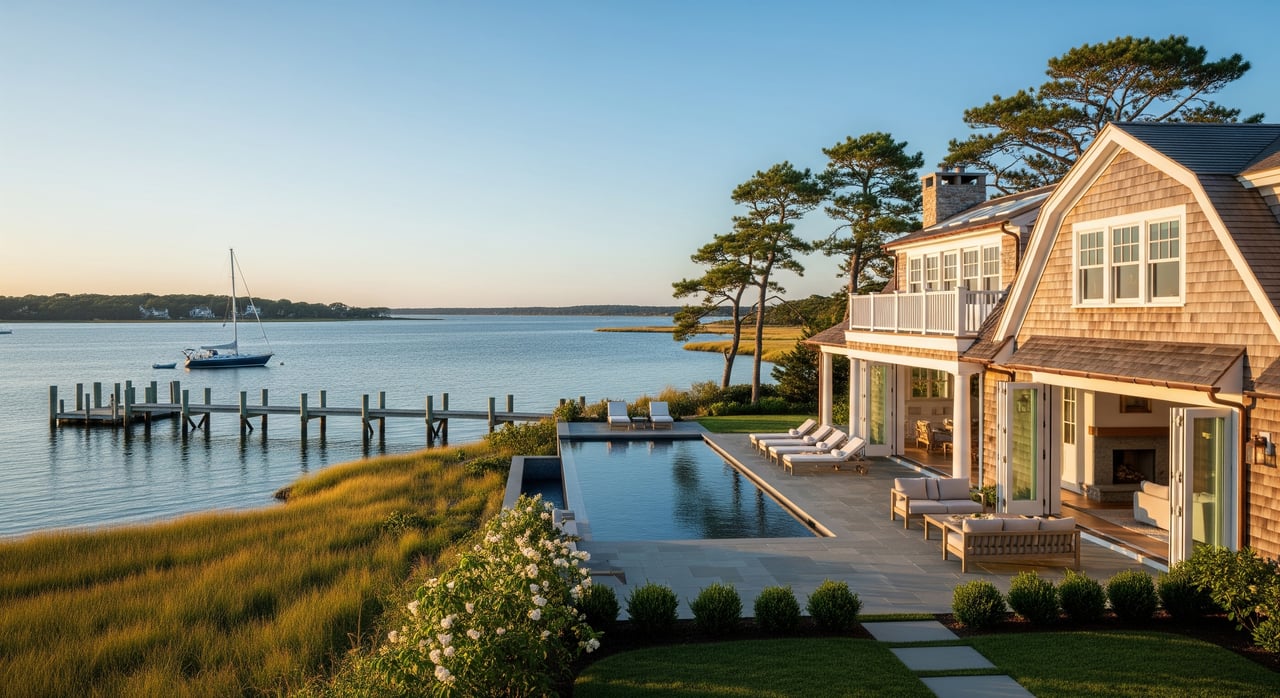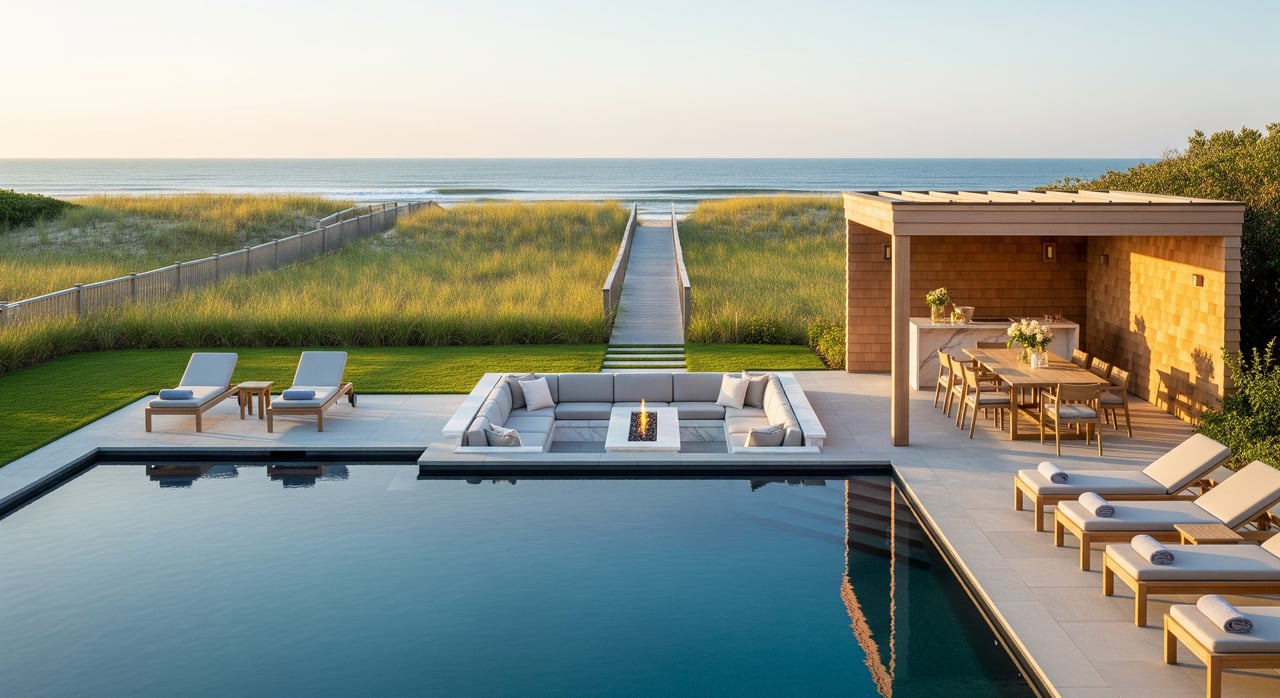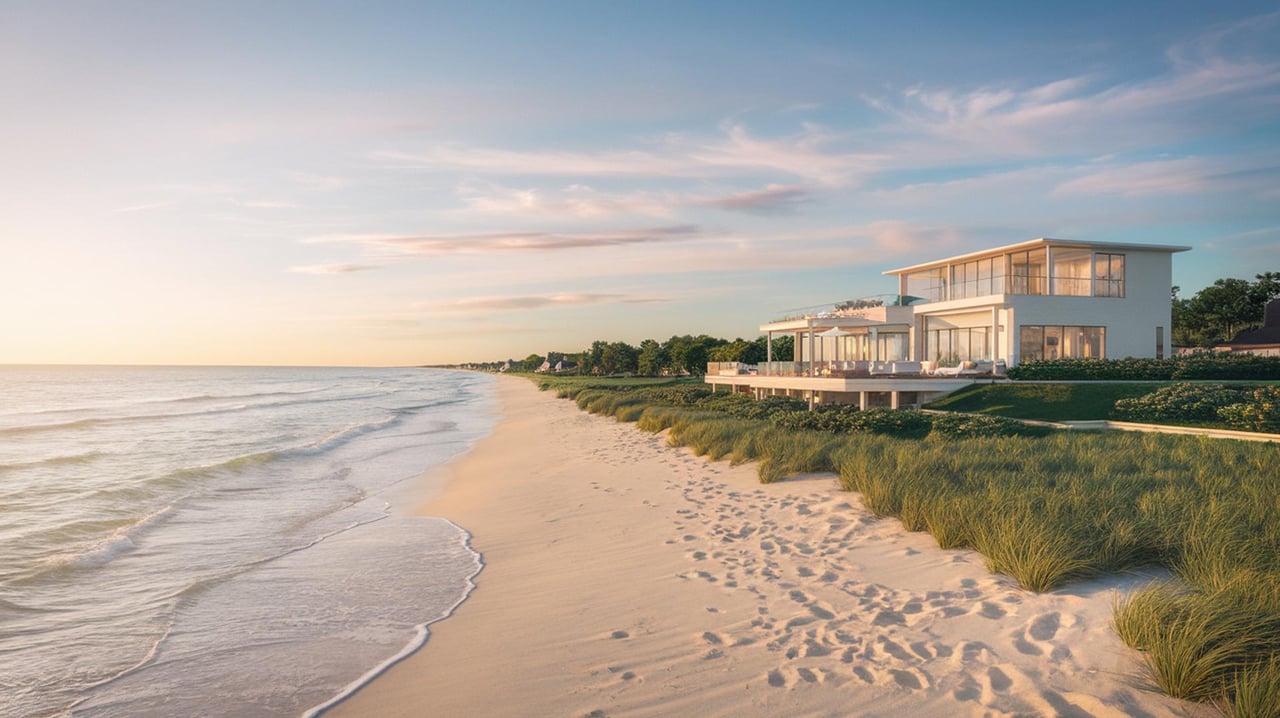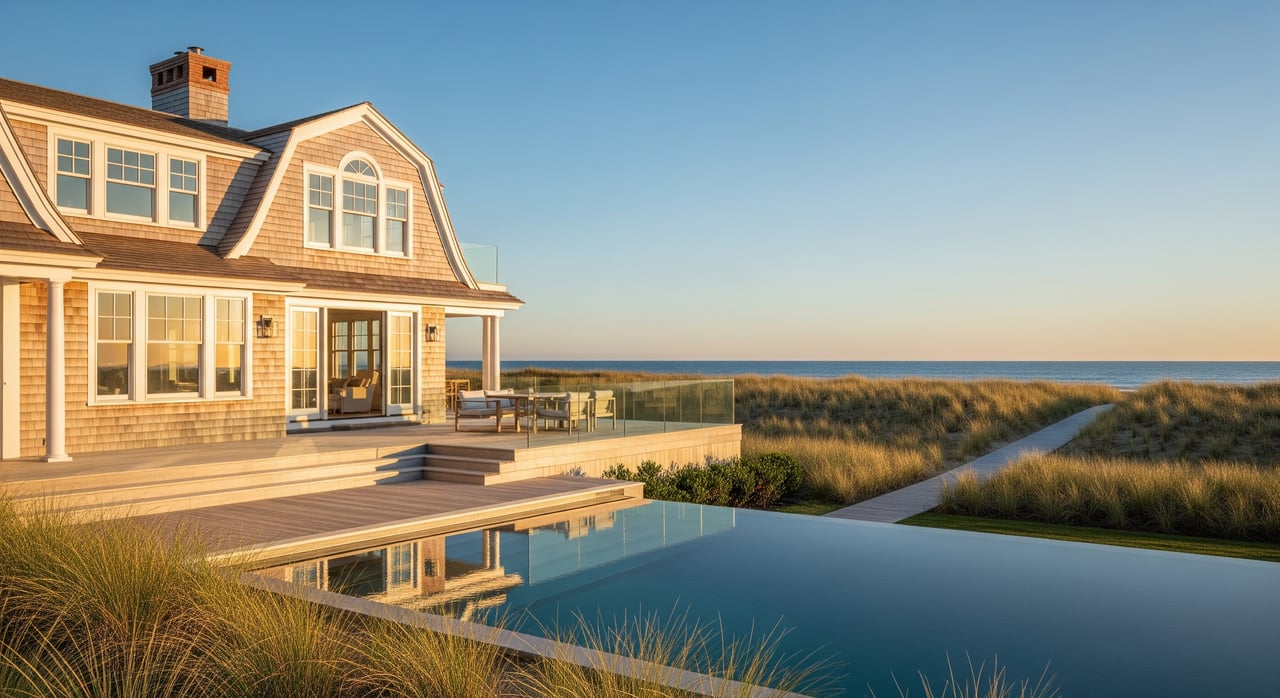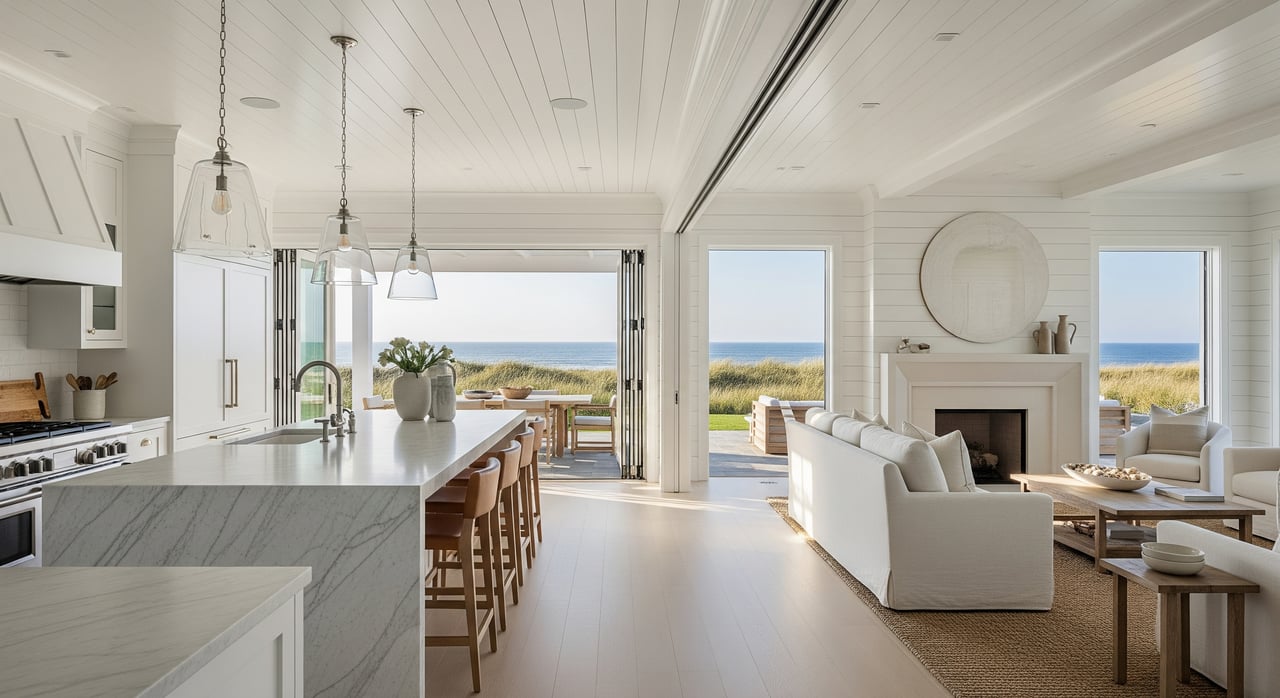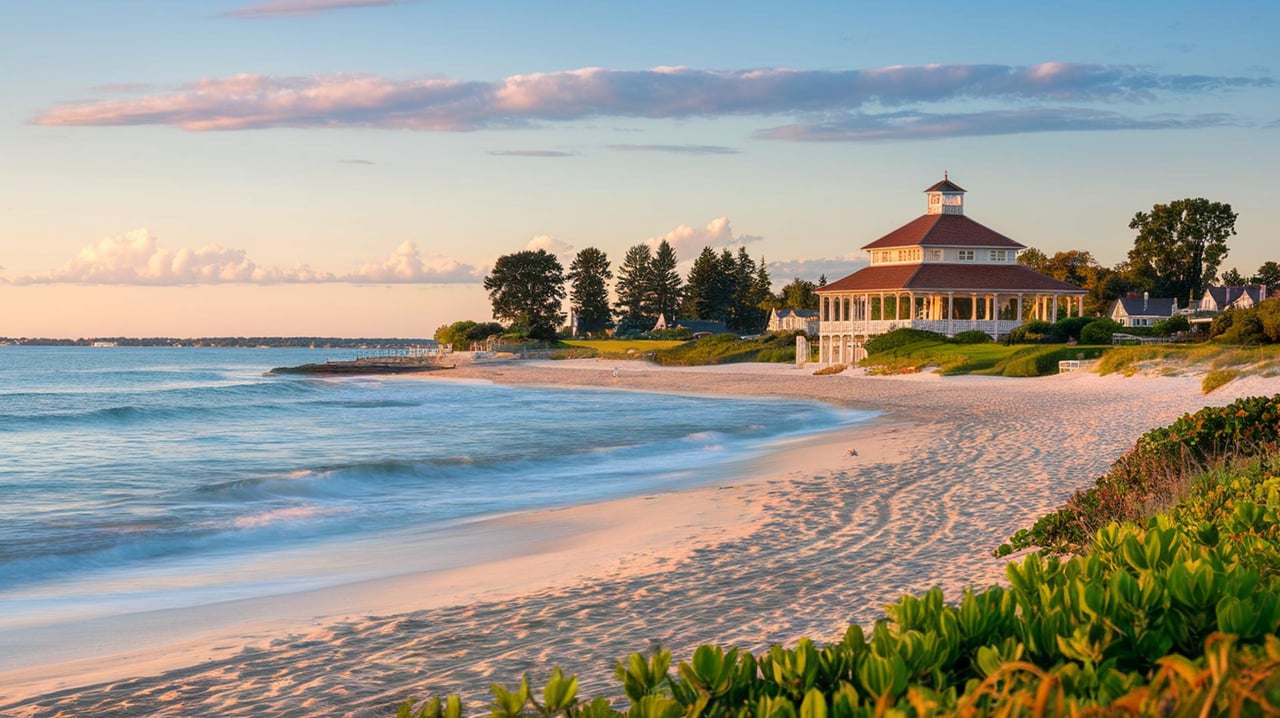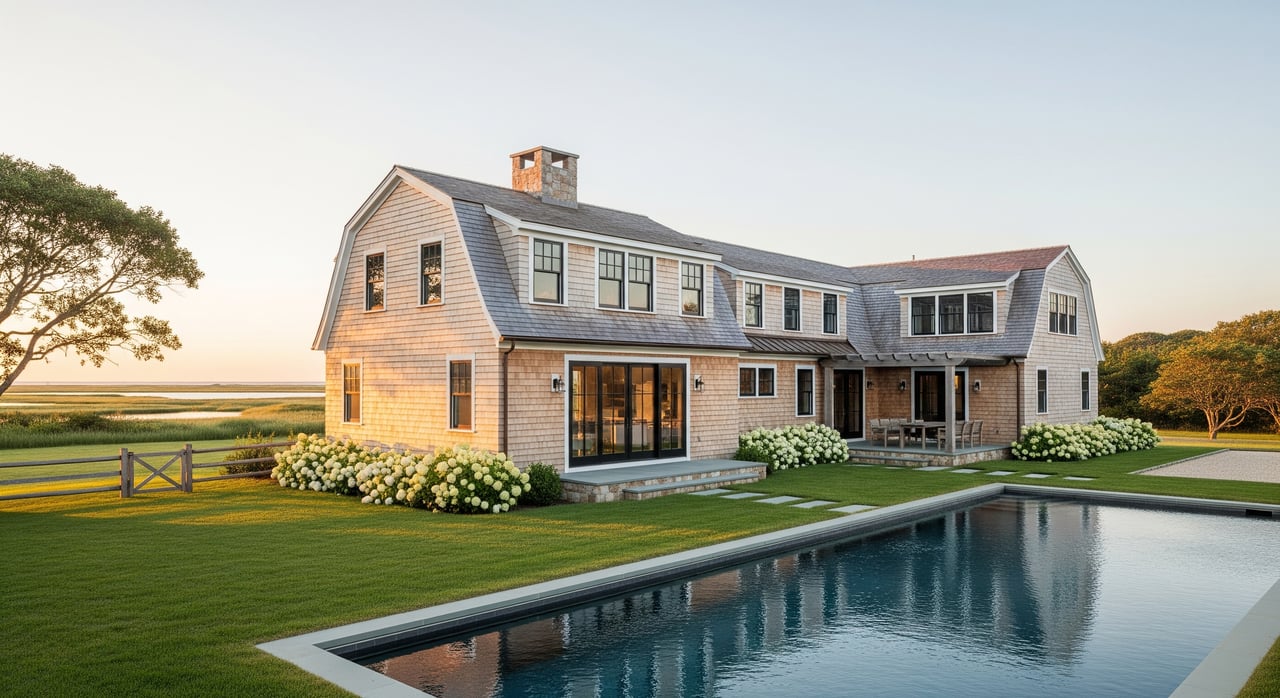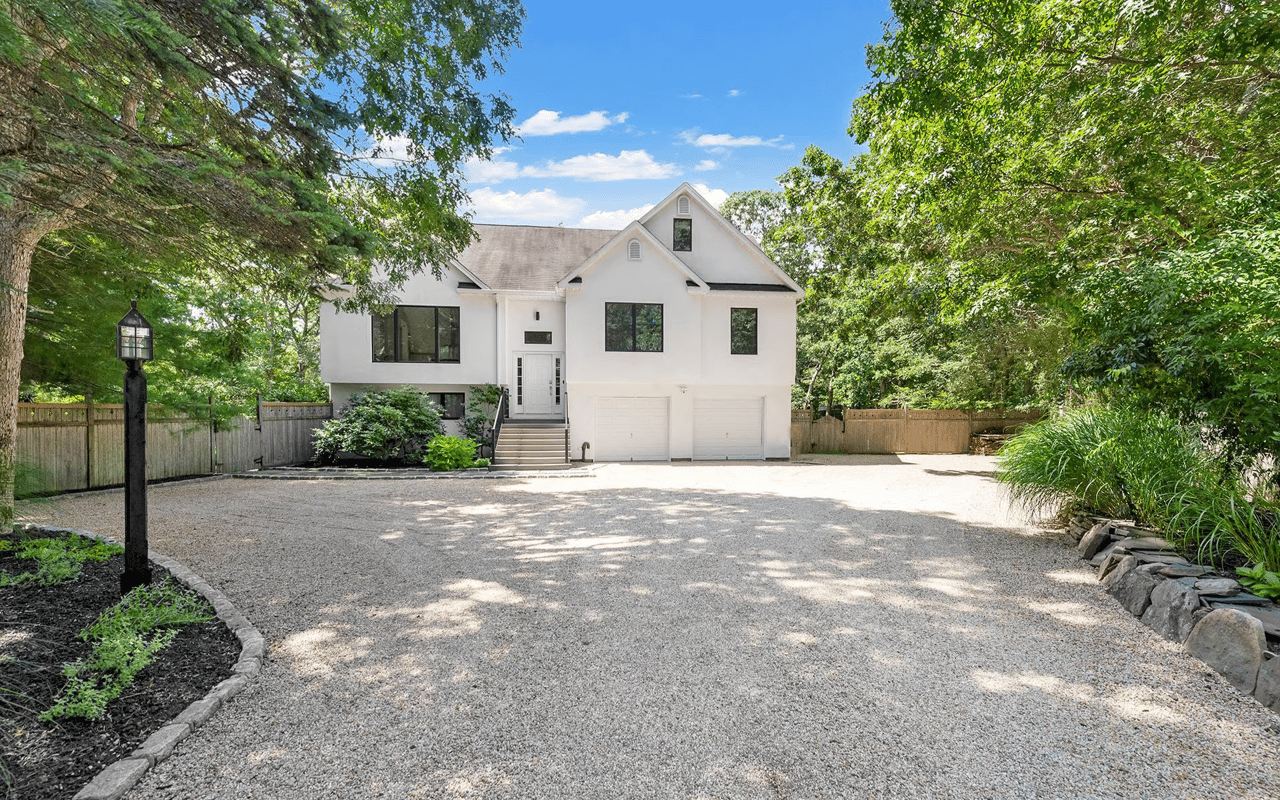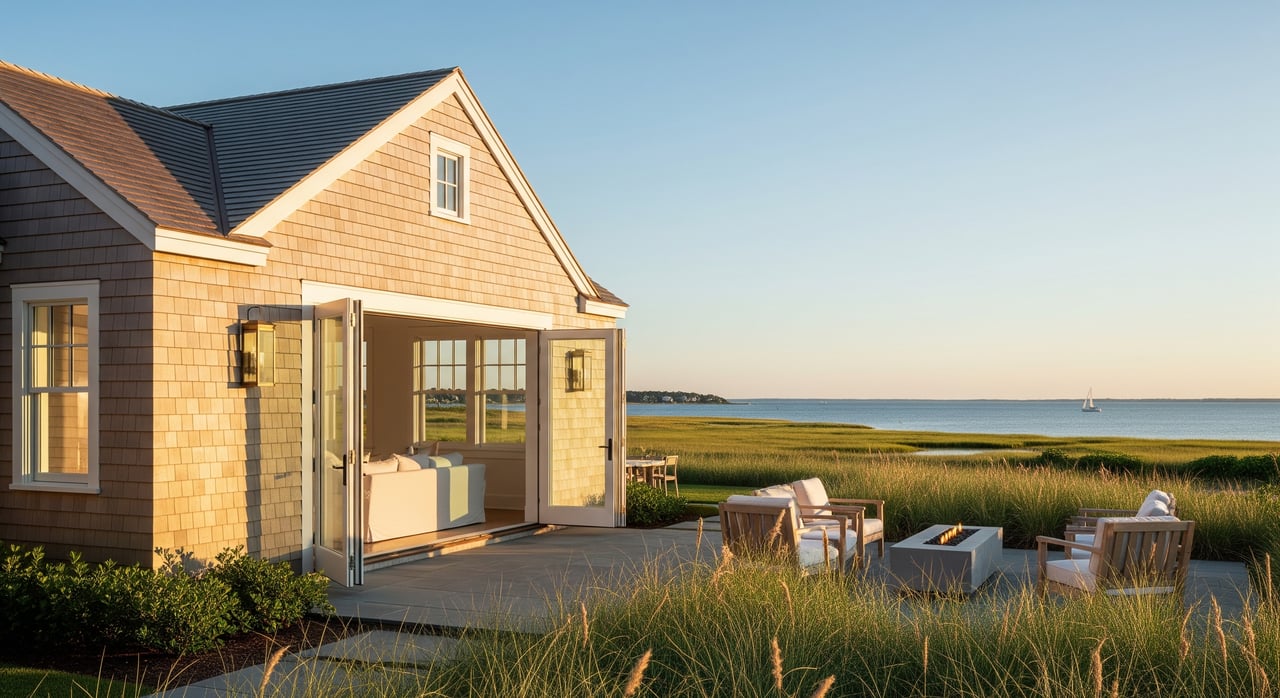
Thinking about buying your first place in the Hamptons but unsure where to start? If you want water access, real village life, and broader price options, Hampton Bays often rises to the top. In this guide, you’ll learn how the hamlet is laid out, what kinds of homes you’ll find, how to read the local market, and the coastal due diligence that protects your budget. Let’s dive in.
Why Hampton Bays works for first-time buyers
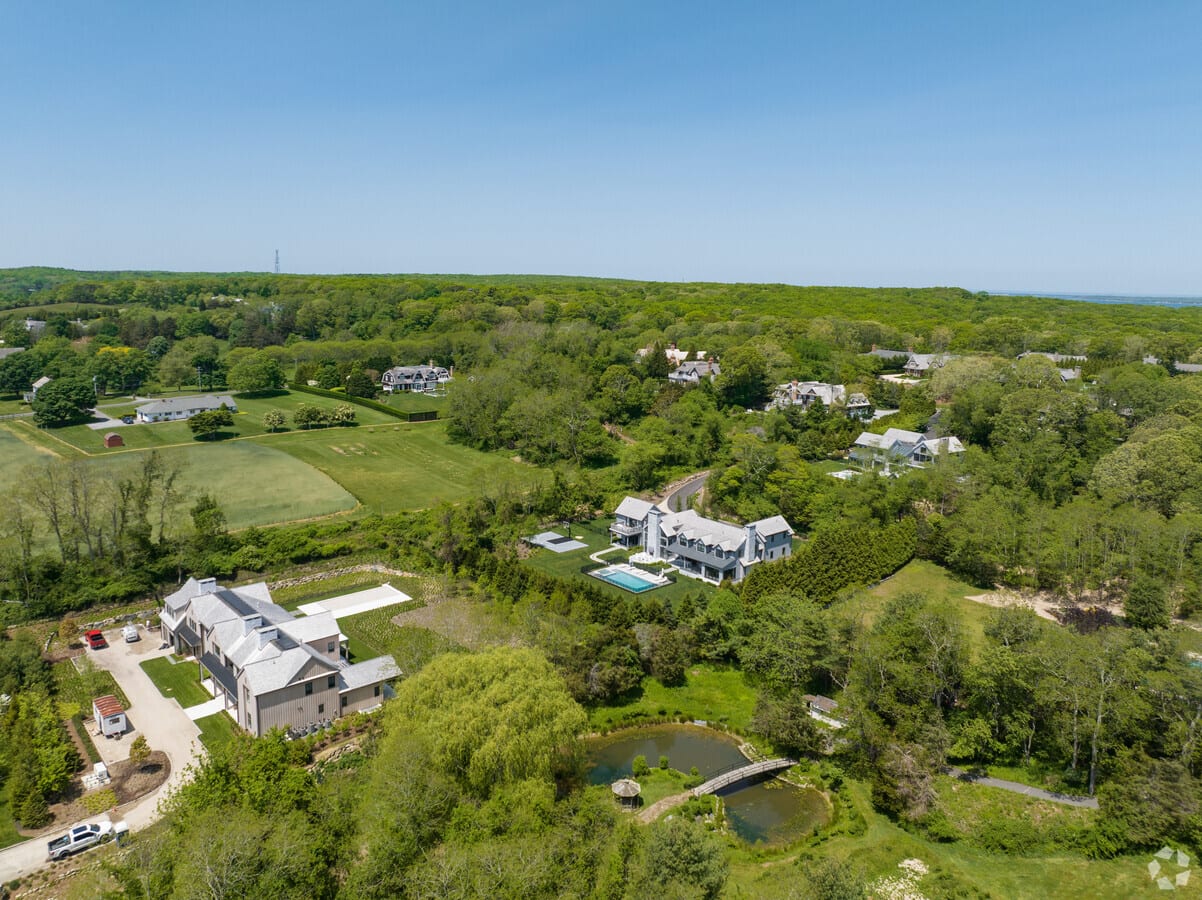
Hampton Bays sits between Southampton and Westhampton Beach on Long Island’s South Fork, with direct access to Shinnecock Bay, Moriches Bay, and the Atlantic through nearby inlets. You can get there by car via the LIE and Route 27 or by the Long Island Rail Road on the Montauk Branch to the Hampton Bays station. Commute times from NYC are typically 90 to 150 minutes depending on traffic and train schedules, so plan around peak summer travel.
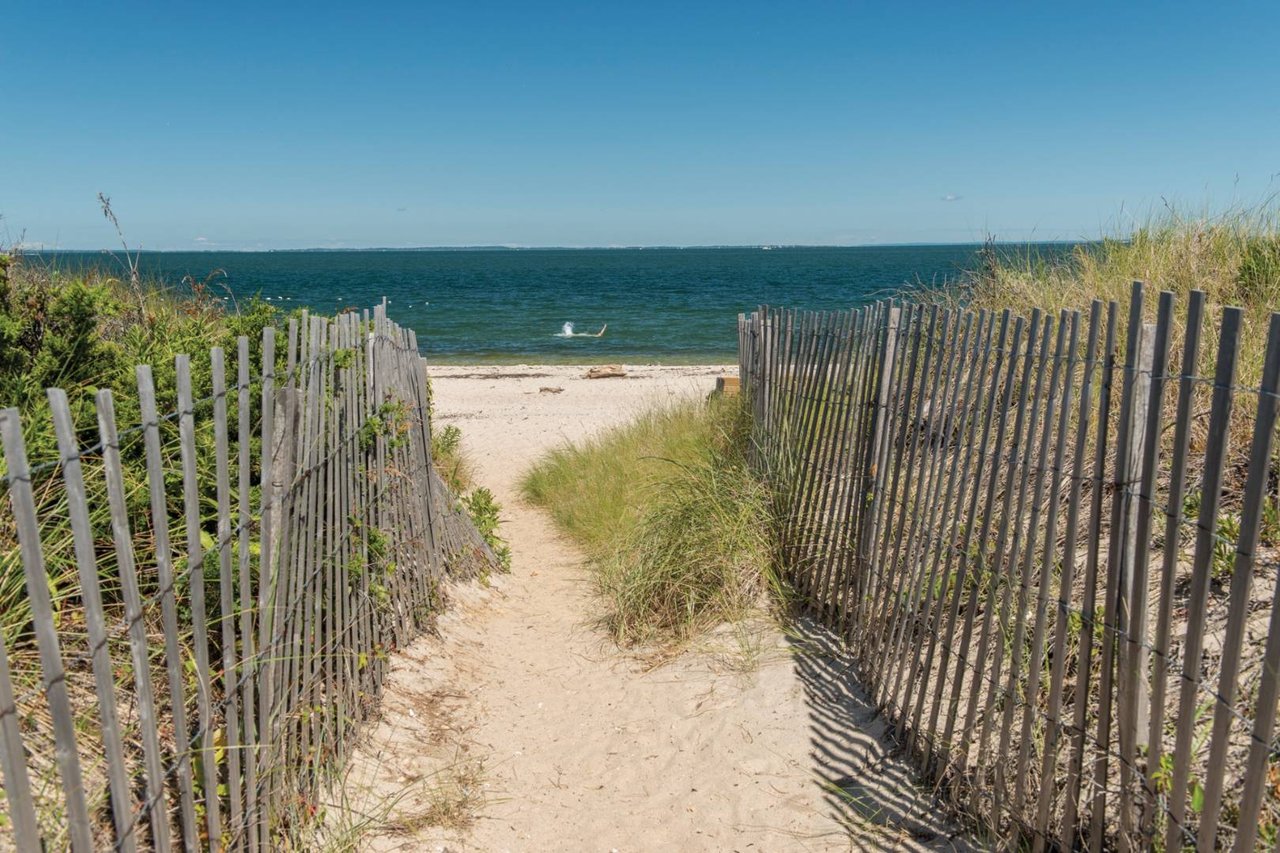
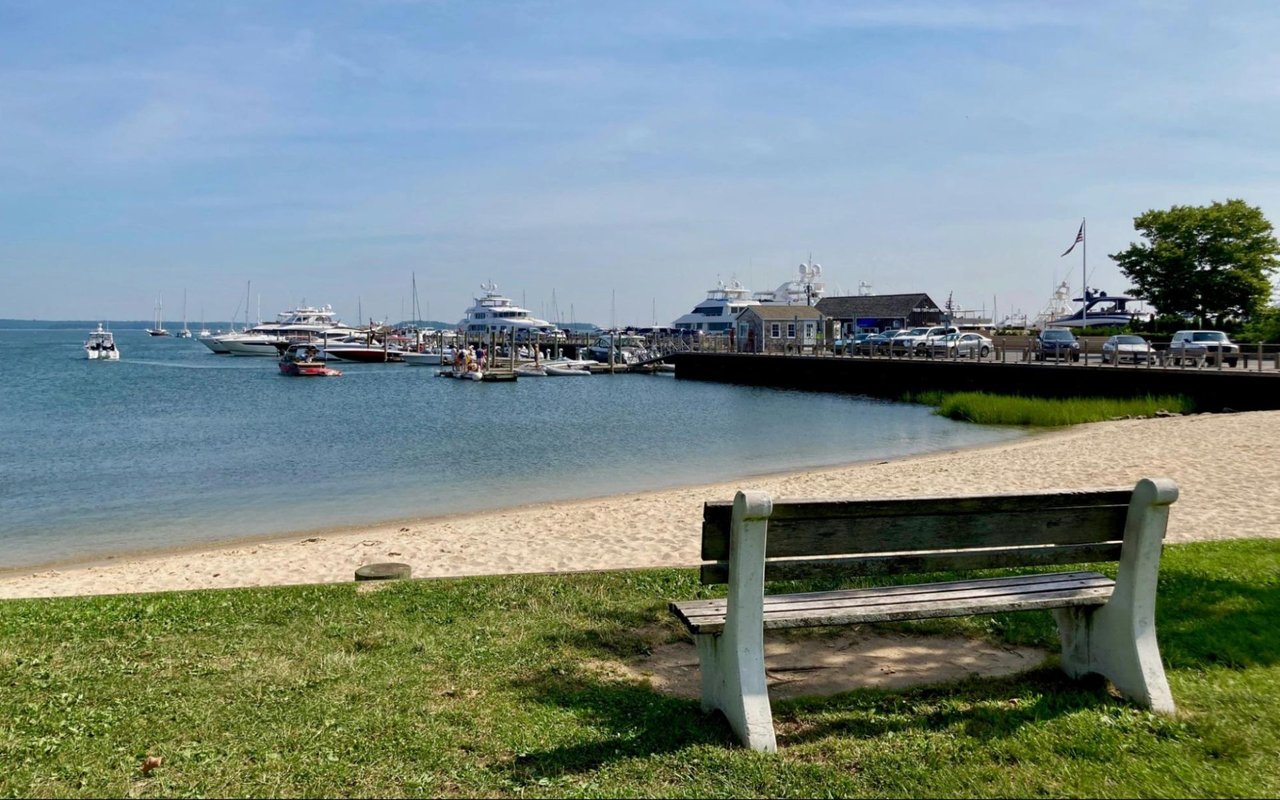
You’ll find a true working village with marinas, beaches, restaurants, and small-town retail. Many buyers choose Hampton Bays for its broader inventory at varied price points, plus boating and beach access without the same premium as oceanfront-only markets. You are also close to Southampton’s higher-end shopping and dining if you want more options nearby.
Neighborhoods and housing types
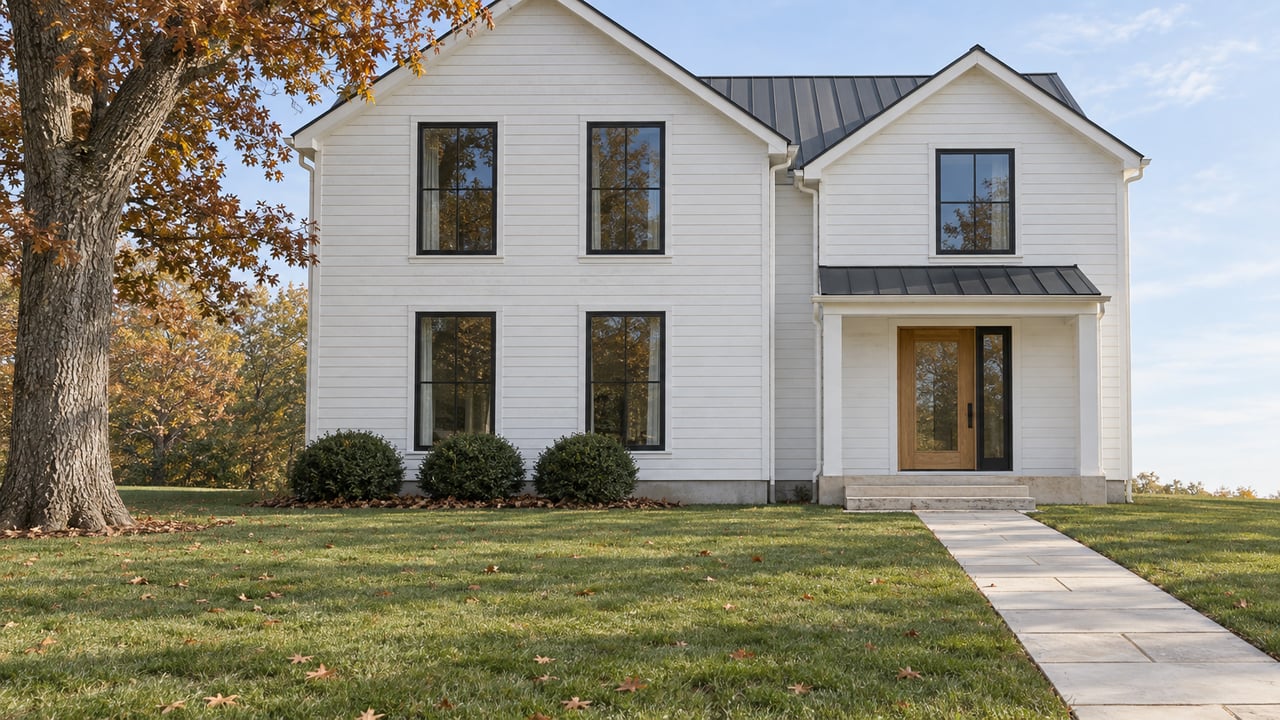
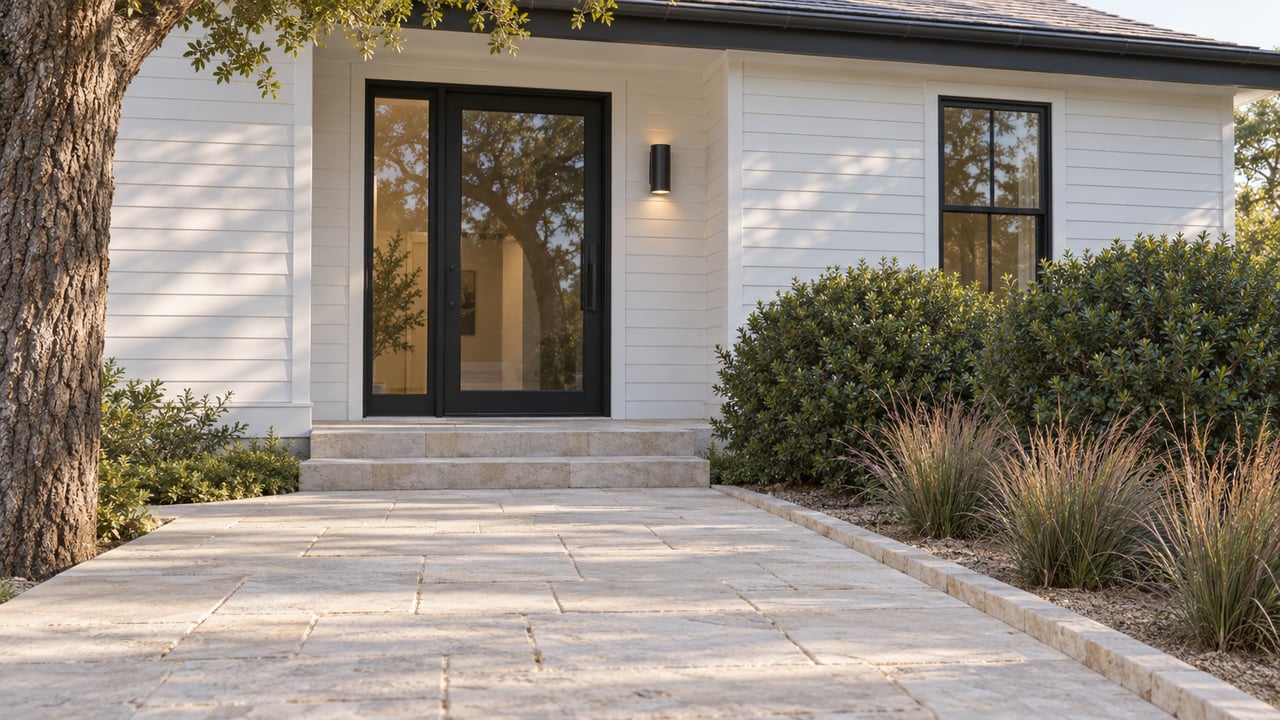
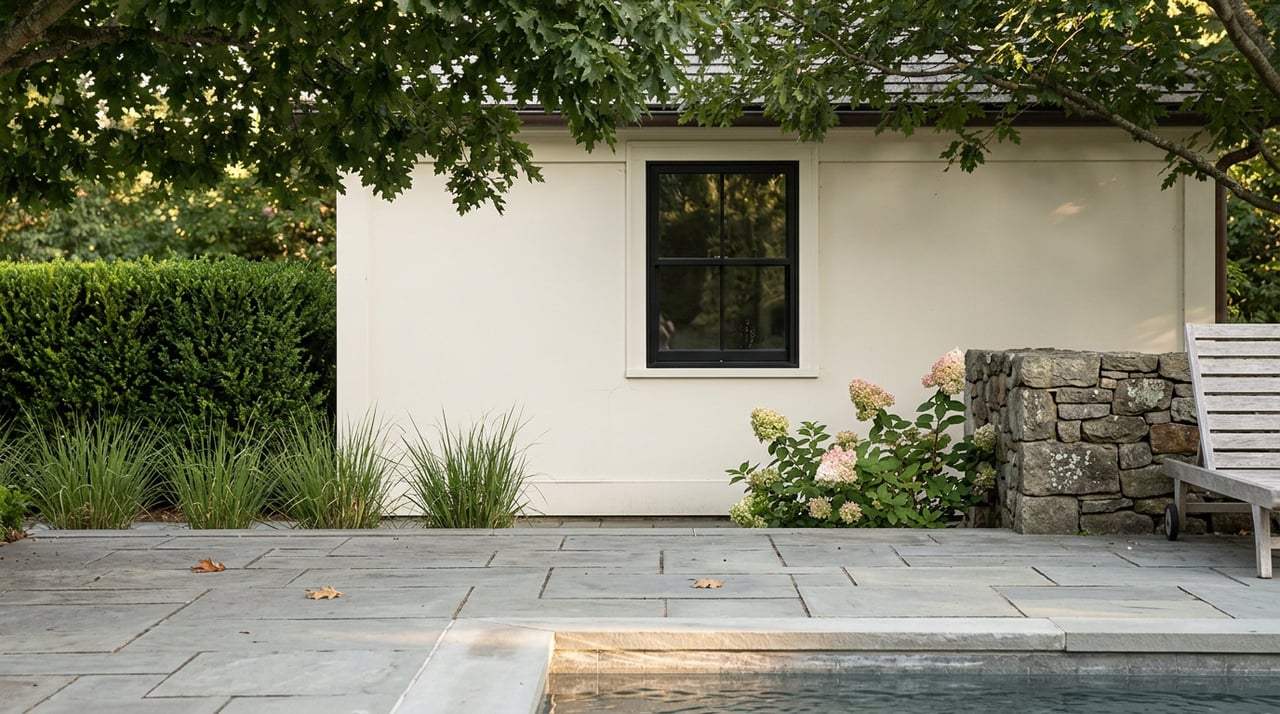
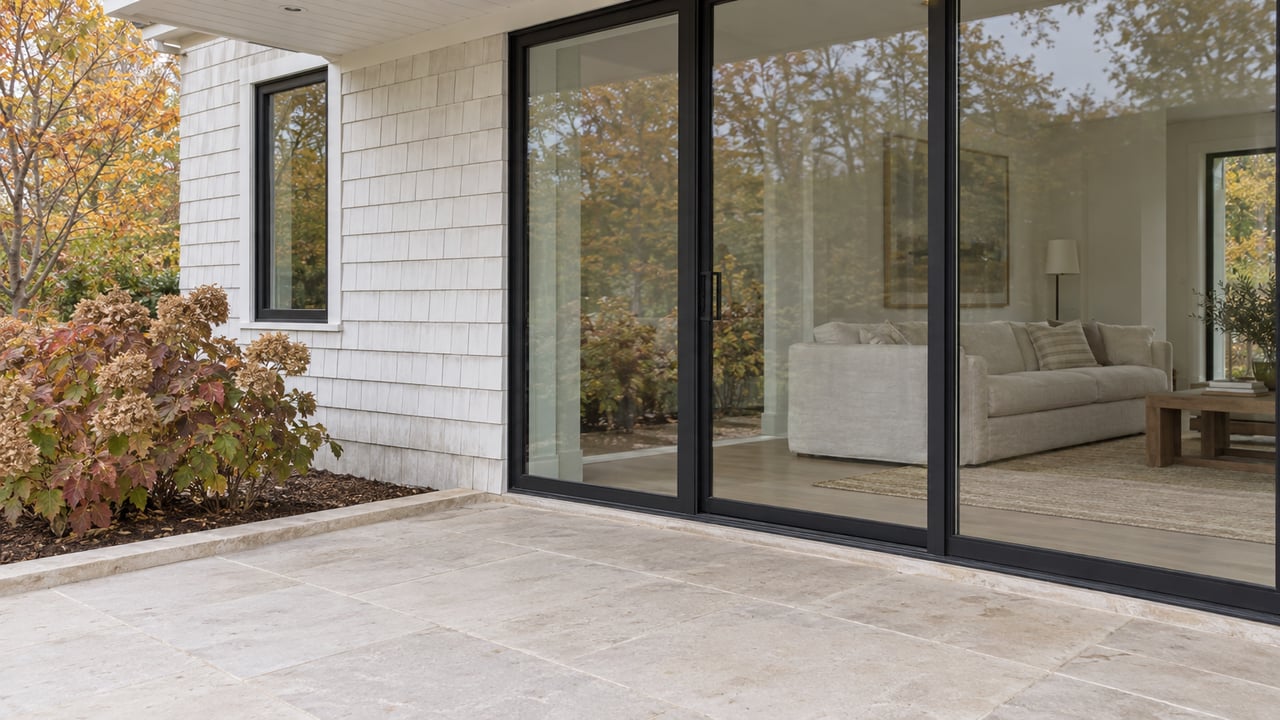
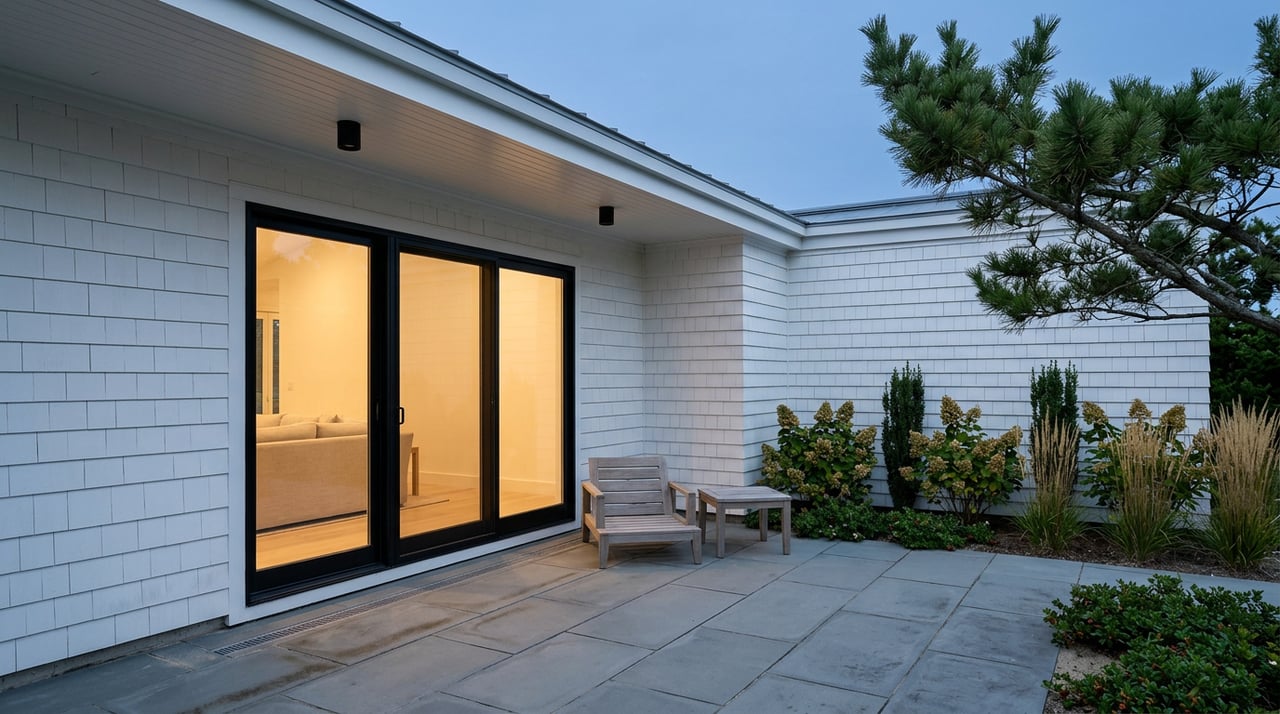
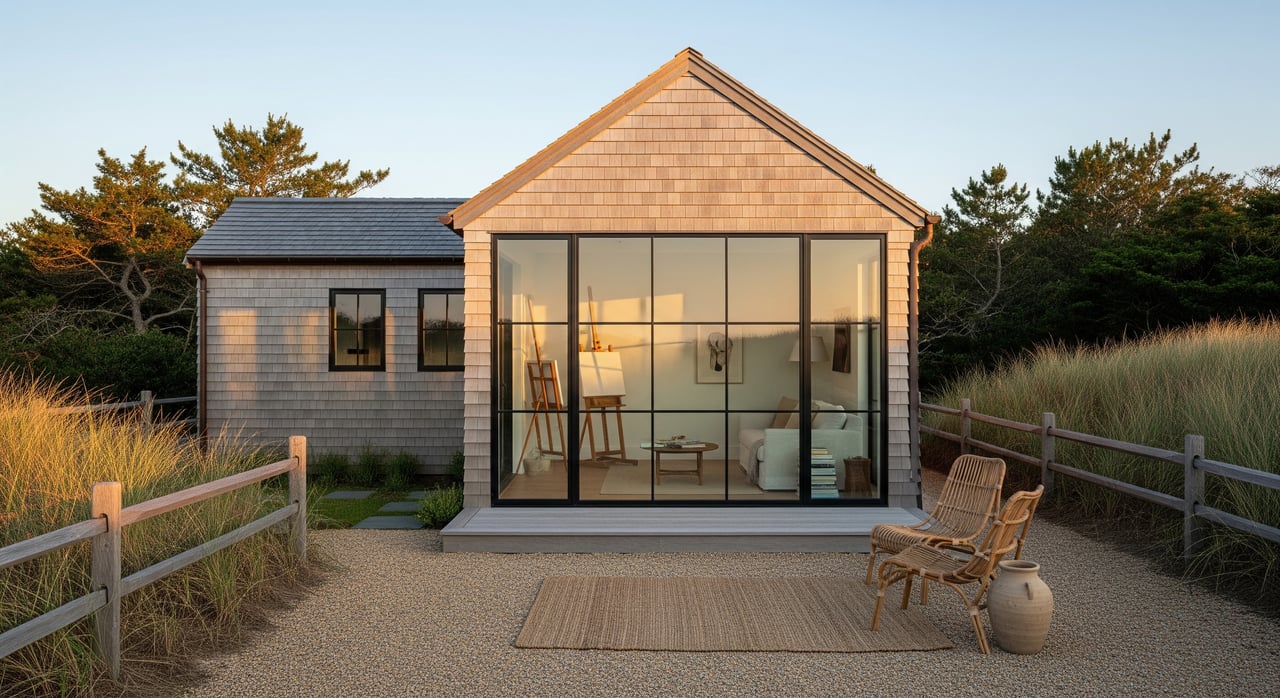
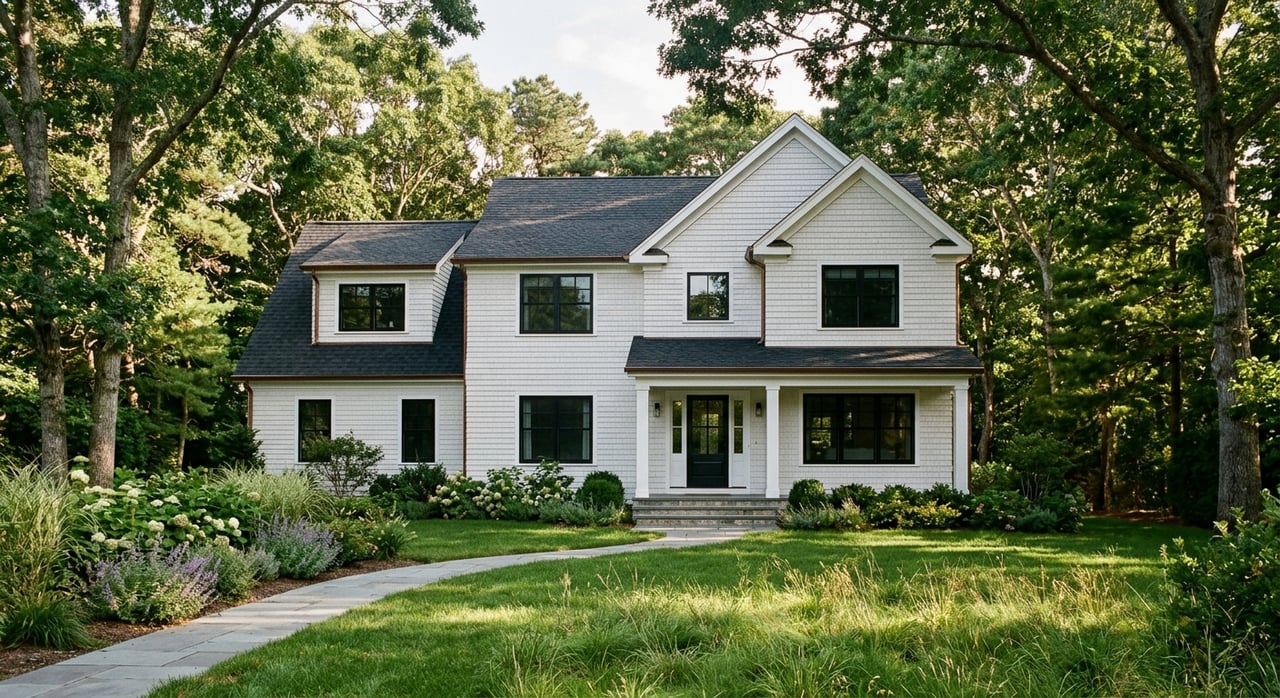
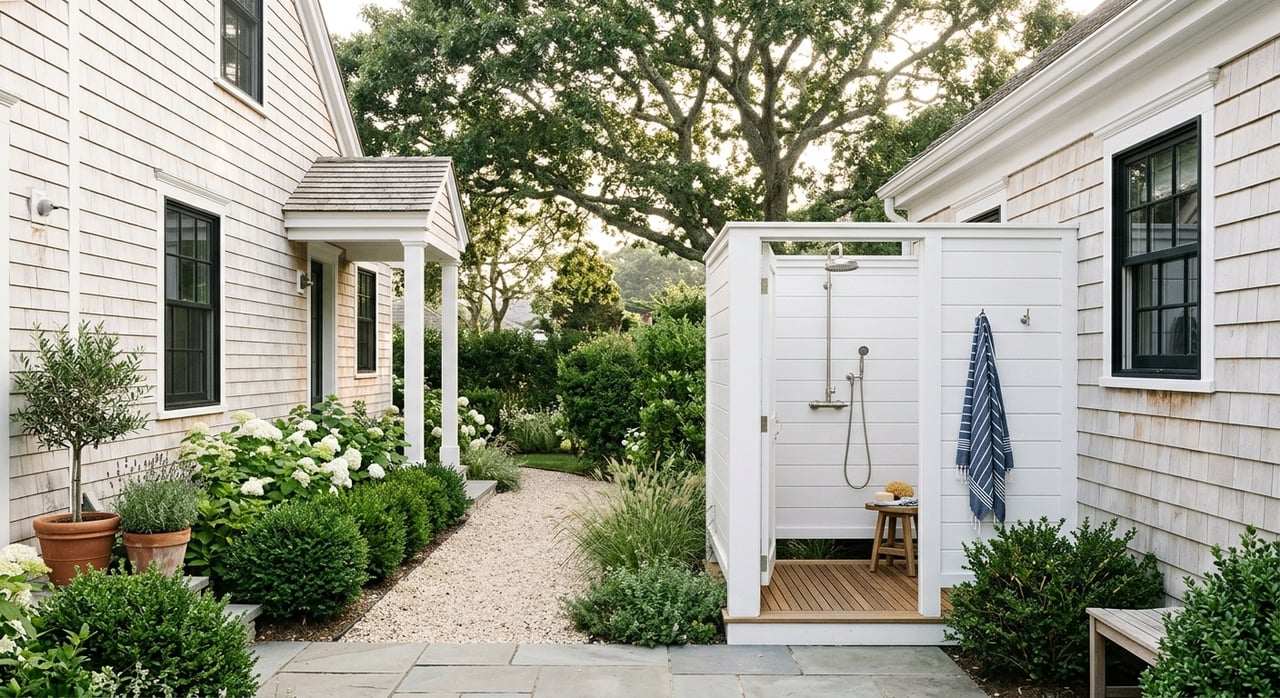
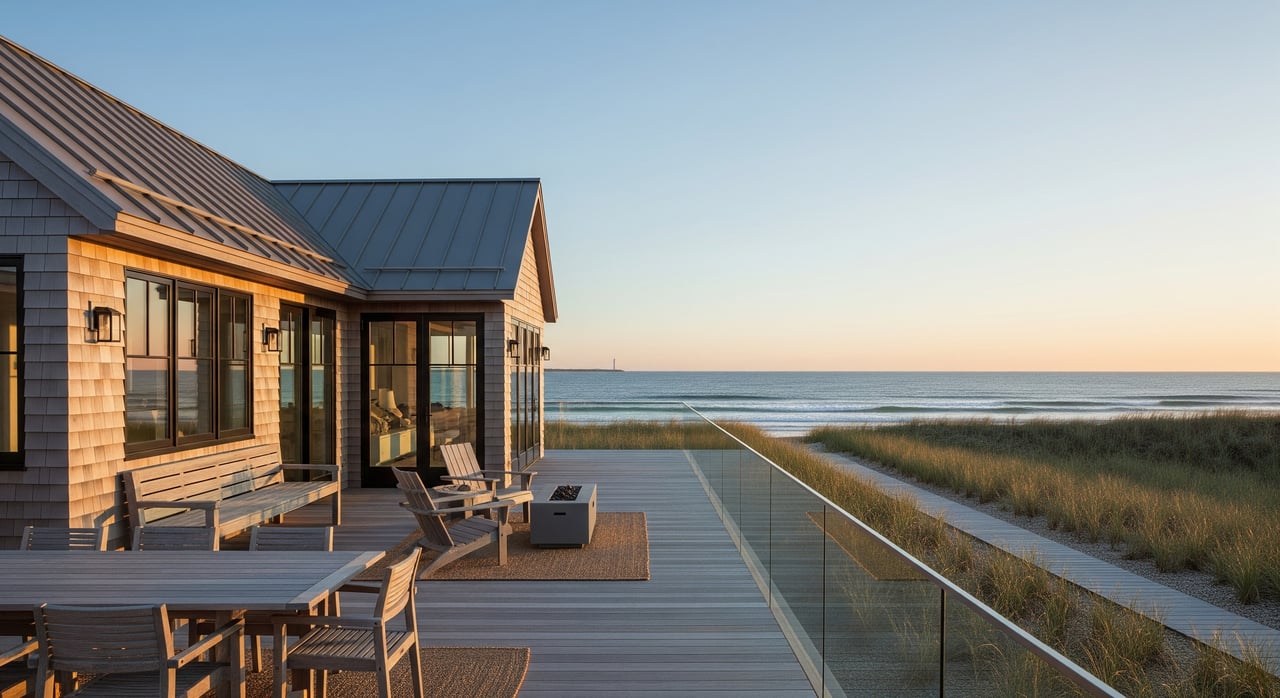
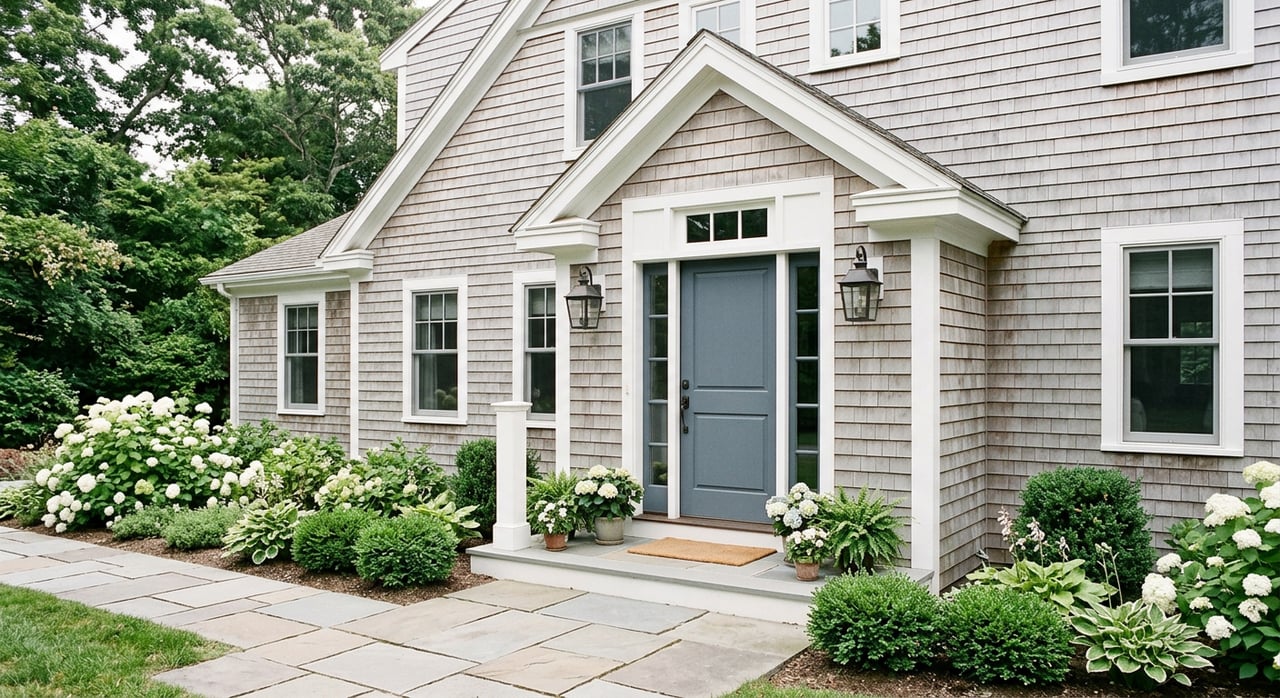
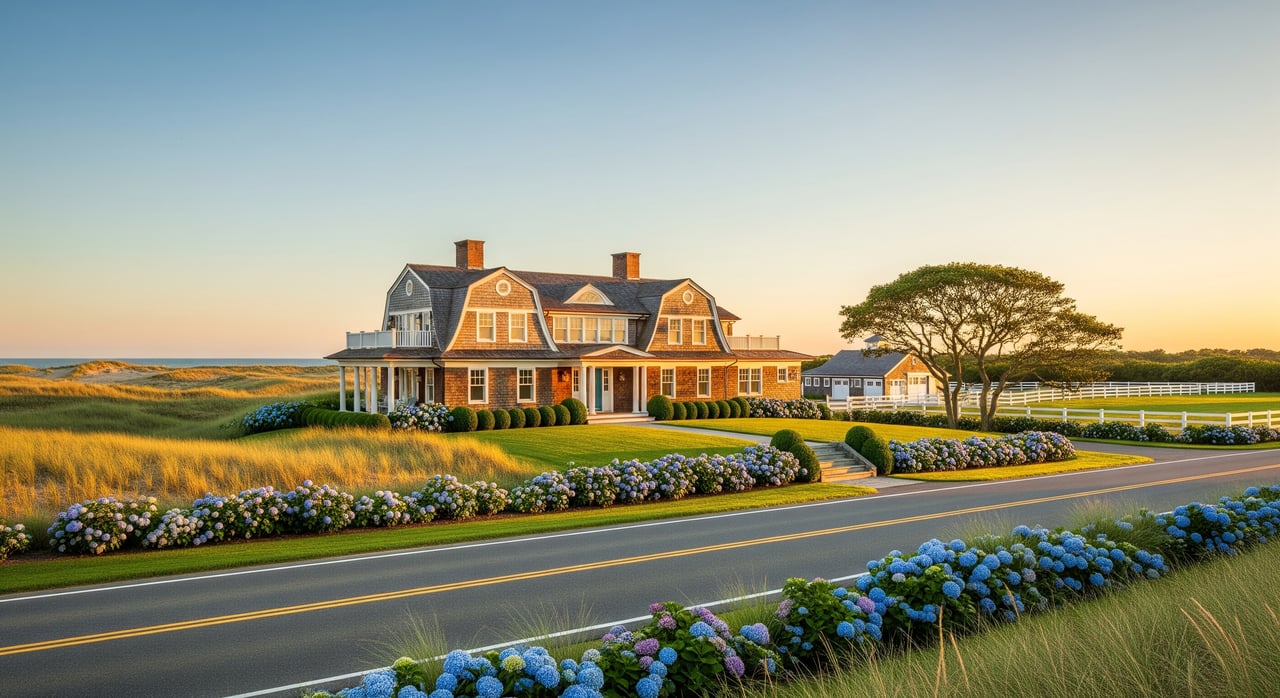
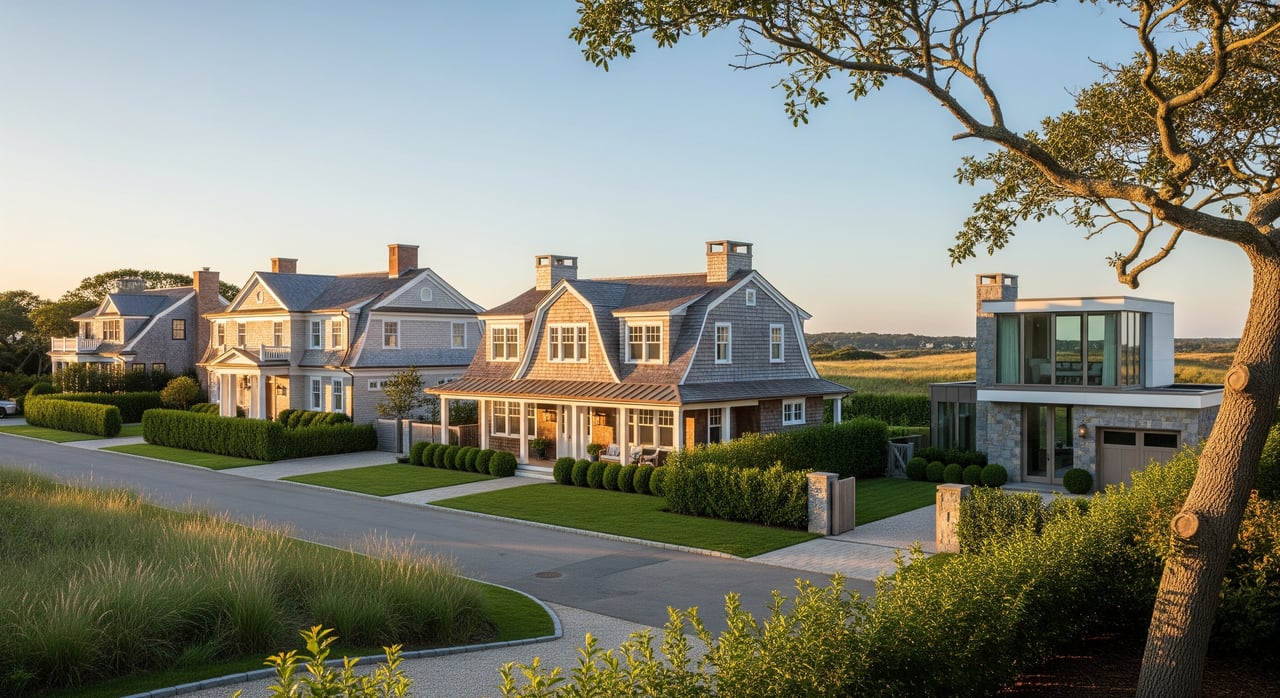
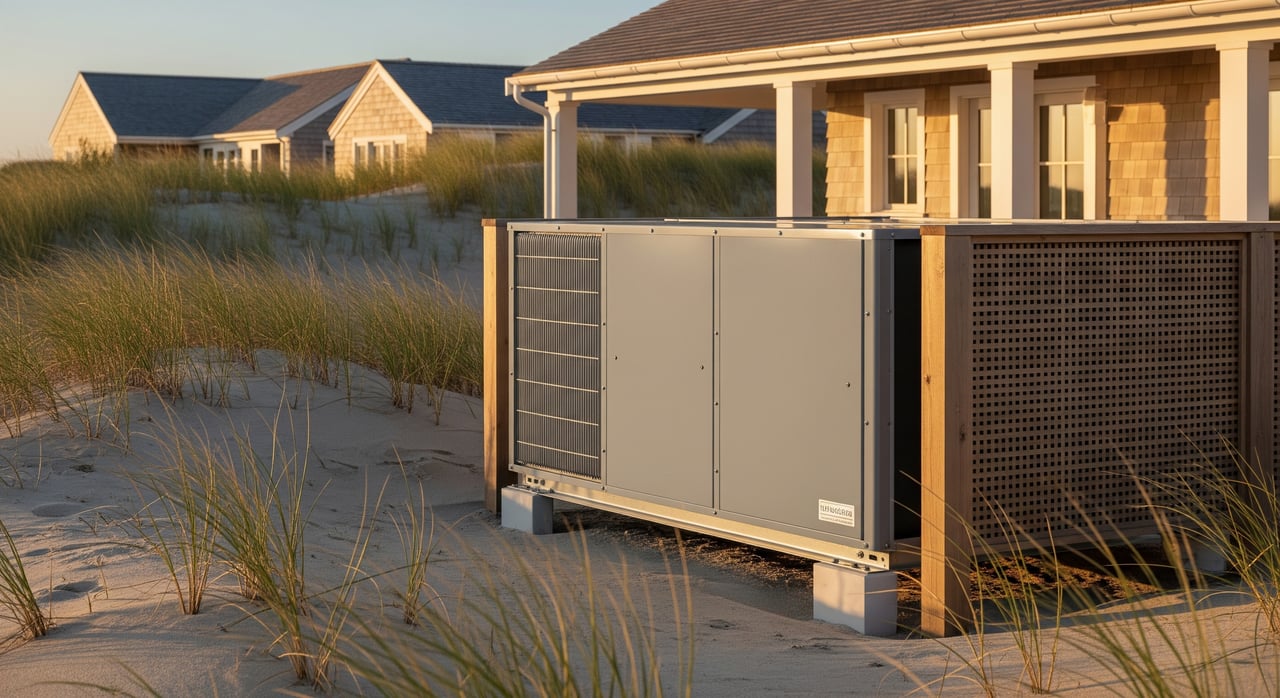
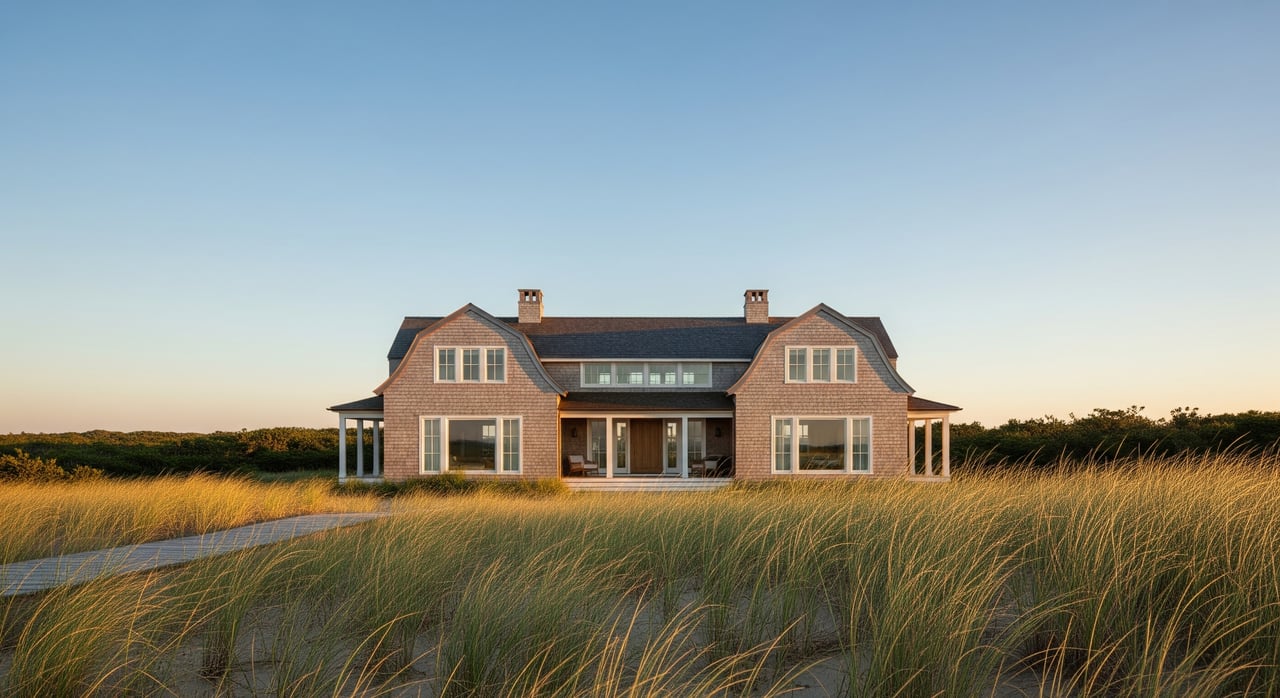
Hampton Bays offers single-family homes, seasonal cottages, raised coastal houses, some condominiums, and a range of waterfront options. Older mid-century cottages appear alongside newer rebuilds and elevated homes, especially those upgraded after major storms. Your search will likely center on proximity to water, elevation, and how you plan to use the property.
South vs north of Montauk Highway
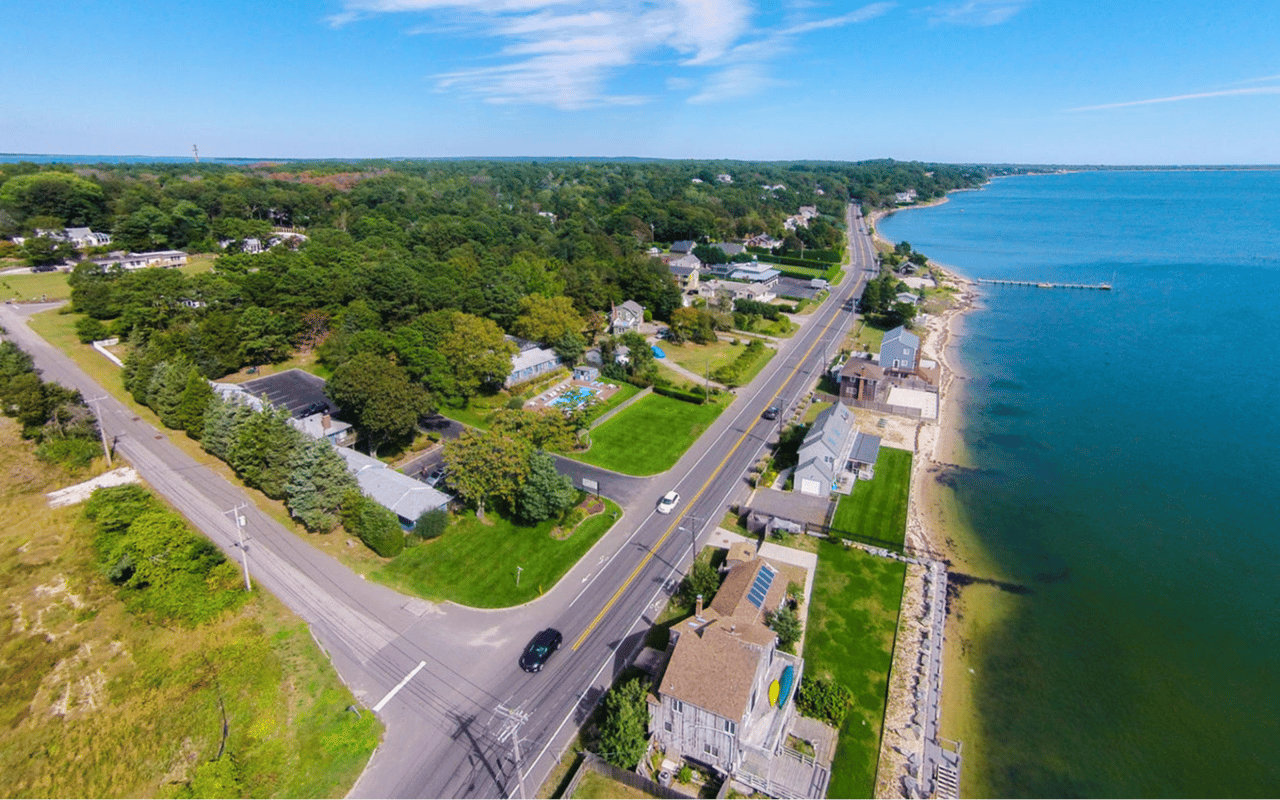
Areas south of Montauk Highway include oceanblock and bayfront locations. These can offer stronger water proximity but often come with higher flood exposure, elevation requirements, and specialized insurance. North of Montauk Highway, you’ll typically see lower flood risk and a larger share of year-round residential streets.
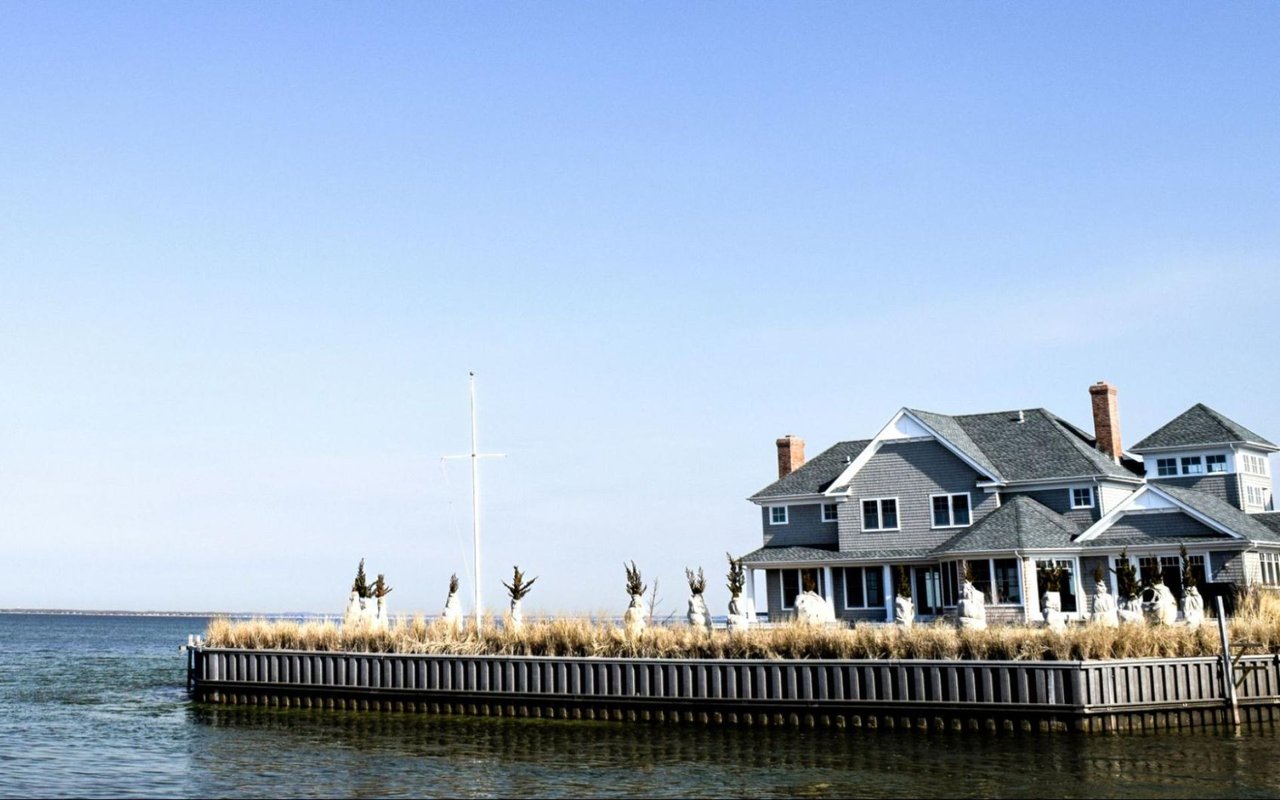
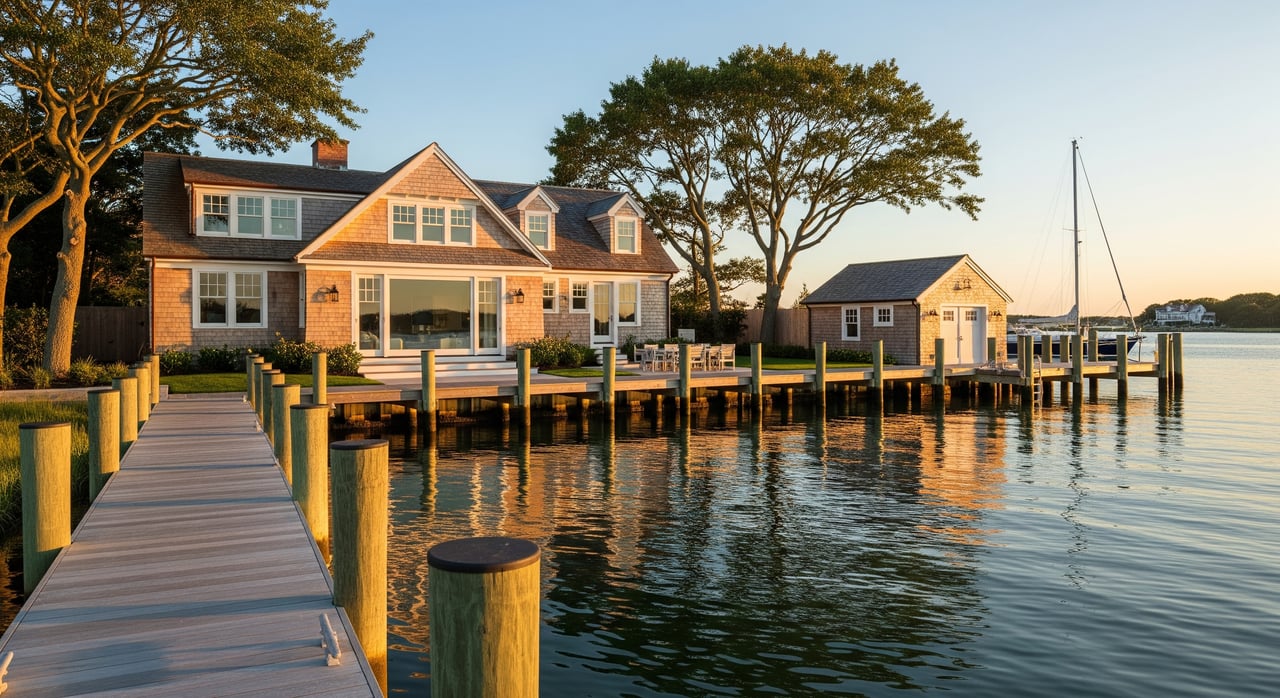
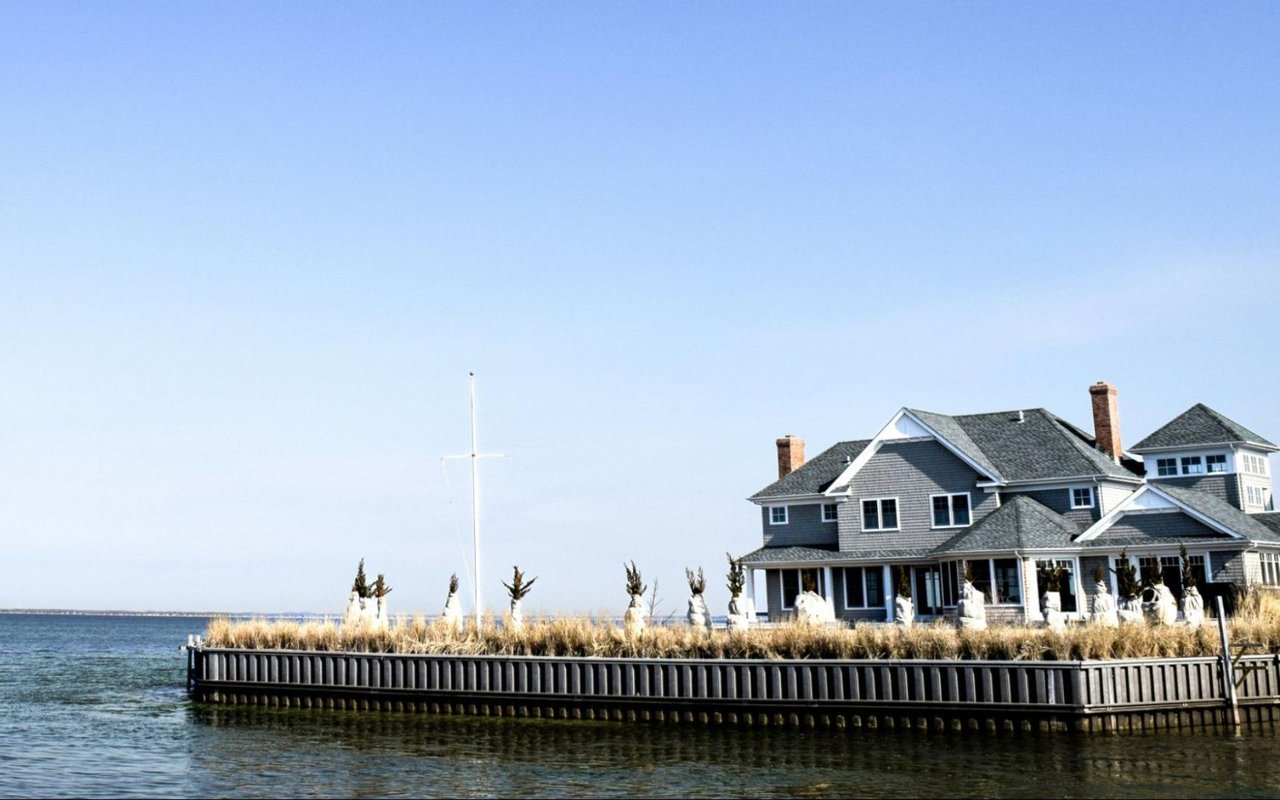
If you are considering a property with a dock or bulkhead, factor in condition, permits, and maintenance. Around the Shinnecock Canal and Tiana Bay, boating access is a key draw, but depth, navigation, and any marina or easement considerations matter for value and use.
Waterfront categories explained
- Oceanfront: Highest storm exposure, strict building and elevation rules, and higher insurance and maintenance costs.
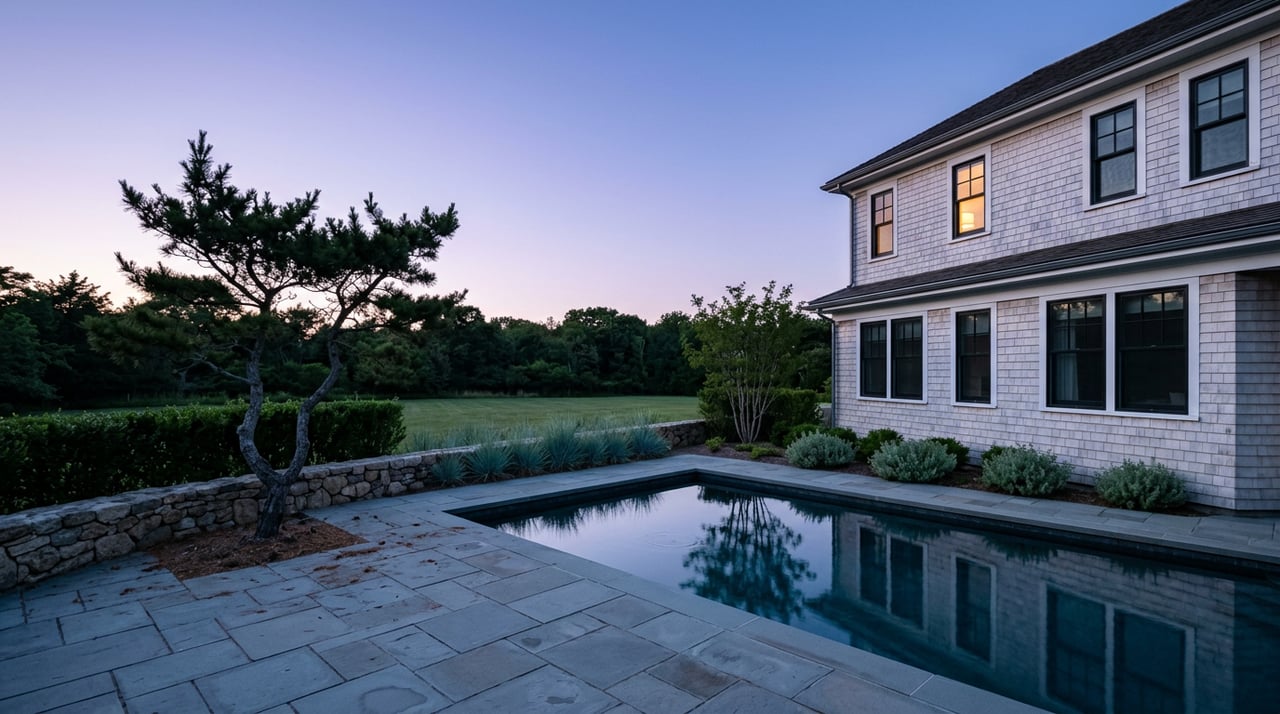
- Bayfront on Shinnecock or Moriches: Generally less wave action than oceanfront but still subject to storm surge, tidal flooding, and erosion. Dock condition and water depth influence everyday boating utility.
- Canalfront: Desirable for private dockage. Confirm navigation depths and any shared or neighboring marina impacts before you buy.
Condos and seasonal cottages
Condos and small multi-unit properties exist in a smaller share of the market and can offer a lower entry cost. Seasonal cottages and legacy camp communities are common in pockets and may require renovation or full rebuilds to current code. For older homes, budget for system upgrades, energy improvements, and possible elevation or flood-mitigation work.
How to read the Hampton Bays market
Relative pricing and what drives it
Hampton Bays usually trades at lower median prices than its more exclusive neighbors like Southampton, Bridgehampton, and East Hampton. Prices still vary widely by water access, lot size, elevation, and condition. Expect premiums for renovated or elevated homes that reduce flood risk and improve day-to-day utility.
Seasonal patterns you should expect
Listing activity and buyer demand tend to peak in spring and summer. That can change days on market, list-to-sale price ratios, and the level of competition. If you want less competition, consider touring in late summer into fall, then align closing with off-peak timelines when possible.
How to evaluate comps
Use closed sales from the last 6 to 12 months and compare like for like. Adjust for bayfront vs inland, lot elevation, bulkhead and dock condition, square footage, bedroom and bath count, and renovation level. Properties rebuilt or elevated to post-Sandy standards can command a premium because they reduce insurance complexity and near-term capex.
Inventory signals to watch
Months of inventory, new listings, and price reductions help you see if buyers or sellers have more leverage. Ask for neighborhood-level reports so you can calibrate offer strategy to current conditions. County tax assessments can lag market values, so always cross-reference recent closed sales and not just tax records.
Due diligence that protects your purchase
Coastal ownership rewards careful homework. A structured diligence plan can prevent cost surprises and strengthen your offer.
Flood zones and insurance basics
Many parcels in Hampton Bays lie in FEMA flood zones. Start with the FEMA Flood Map Service Center to confirm a property’s flood zone and request an Elevation Certificate if available. Lenders typically require flood insurance in higher-risk zones, and premiums vary widely by elevation and policy type across NFIP and private markets. Obtain real quotes before finalizing an offer so you can underwrite the total cost of ownership with confidence.
Septic, wells, and public water
Most homes rely on on-site septic. Schedule a professional septic inspection and confirm system type, capacity, and condition with the Suffolk County Department of Health Services. Public water coverage is parcel-specific, so verify service and connection options with the Suffolk County Water Authority. If upgrades are required, include those estimates in your budget.
Permits, docks, and coastal rules
The Town of Southampton governs building permits, coastal setbacks, and short-term rental registration. Shoreline work like bulkheads, docks, and dune projects may also need approvals from Suffolk County and the NYS Department of Environmental Conservation. Expect lead times and fees for coastal permits, and ensure any existing marine structures have proper documentation and are in sound condition.
Title, survey, and environmental checks
Order a current survey and a full title search to identify easements, riparian rights, potential beach access agreements, and any open permits or violations. Ask about FEMA buyout zones or known erosion areas where applicable. Include a marine contractor or structural engineer when a bulkhead or dock is present.
Ownership costs to budget
A complete budget gives you clarity on both monthly and seasonal costs.
- Purchase price, down payment, and closing costs
- Property taxes and potential reassessments
- Homeowner’s insurance, plus flood and wind or hurricane endorsements
- Utilities and seasonal usage swings
- Repairs, renovations, and system upgrades, including septic
- Dock and bulkhead maintenance and possible marina fees
- HOA or condo fees and reserve status if applicable
- Routine maintenance, landscaping, pest control, and winterization
Financing and planning your first Hamptons buy
Loan types and down payments
Your lender will categorize the purchase as a primary residence, second or vacation home, or an investment property. Underwriting standards differ, and down payments for vacation homes often range from 15 to 25 percent or more. Many waterfront homes exceed conforming loan limits, which can point you toward a jumbo mortgage or cash.
Get preapproved for the correct property use so your offer carries weight. Shop multiple lenders to optimize rate, reserves, and fees. Include flood and wind insurance quotes in your debt-to-income planning so you maintain a safe cushion after closing.
Rental planning and local rules
If rental income is part of your plan, first confirm what is allowed and the required steps to comply. The Town of Southampton regulates short-term rentals and requires registration. Build conservative projections for seasonal occupancy and rates, and include cleaning, management, utilities, and maintenance in your model before you rely on rental income to offset carrying costs.
Step-by-step buying roadmap
- Define use and goals. Decide if the property will be a primary residence, a second home, or held for short-term rentals, and outline must-have features like dockage, elevation, or proximity to beaches.
- Secure tailored preapproval. Obtain a mortgage preapproval that reflects your intended use and probable loan size, including jumbo if needed.
- Engage a local buyer’s agent. Choose representation experienced in Hampton Bays and coastal diligence to help you navigate flood zones, docks, and permits.
- Shortlist areas and property types. Prioritize south vs north of Montauk Highway, inland vs waterfront, and the renovation level you are willing to take on.
- Study recent comparable sales. Review closed sales from the last 6 to 12 months and request neighborhood-level market snapshots to set realistic price expectations.
- Inspect thoroughly. For target homes, order a general home inspection, septic inspection, survey, title search, and, where relevant, an Elevation Certificate and marine or bulkhead assessment.
- Confirm insurance early. Obtain homeowner’s, flood, and wind or hurricane quotes before finalizing your offer terms.
- Verify permits and open items. Check additions, docks, and bulkheads for proper permits and confirm there are no open violations.
- Plan for post-closing. Line up winterization, service providers, and any immediate improvements so your first season is smooth.
Is Hampton Bays right for you?
If you want authentic village life, access to bays and beaches, and more range in pricing than the highest-end Hamptons enclaves, Hampton Bays is a compelling first step into the market. You still need a coastal-ready plan for flood zones, insurance, septic systems, and permits, but the payoff is a home base that balances lifestyle and value. With the right team and a disciplined approach, you can buy with clarity and enjoy the water from day one.
Ready to zero in on the right Hampton Bays property and build a clear, data-backed plan? Connect with Michael Petersohn to Request a Personal Market Consultation.
FAQs
Is Hampton Bays considered part of the Hamptons?
- Yes, it sits on the South Fork within the Town of Southampton and offers Hamptons character with broader pricing options.
How long is the commute from NYC to Hampton Bays?
- Typical travel ranges from about 90 to 150 minutes depending on traffic and Long Island Rail Road schedules.
Do most homes in Hampton Bays have public water and sewer?
- Public water is common but parcel-specific and many homes use on-site septic, so confirm service with the Suffolk County Water Authority and inspect the septic system.
Can I rent a Hampton Bays home short term to offset costs?
- Possibly, but you must follow the Town of Southampton’s short-term rental rules and registration, and you should budget conservatively for seasonal income.
What extra costs come with waterfront homes in Hampton Bays?
- Expect higher insurance, possible elevation or flood-mitigation needs, and maintenance for bulkheads, docks, and salt-air exposure.
How do I check a property’s flood zone in Hampton Bays?
- Search the address on the FEMA Flood Map Service Center and request or order an Elevation Certificate to estimate insurance needs accurately.