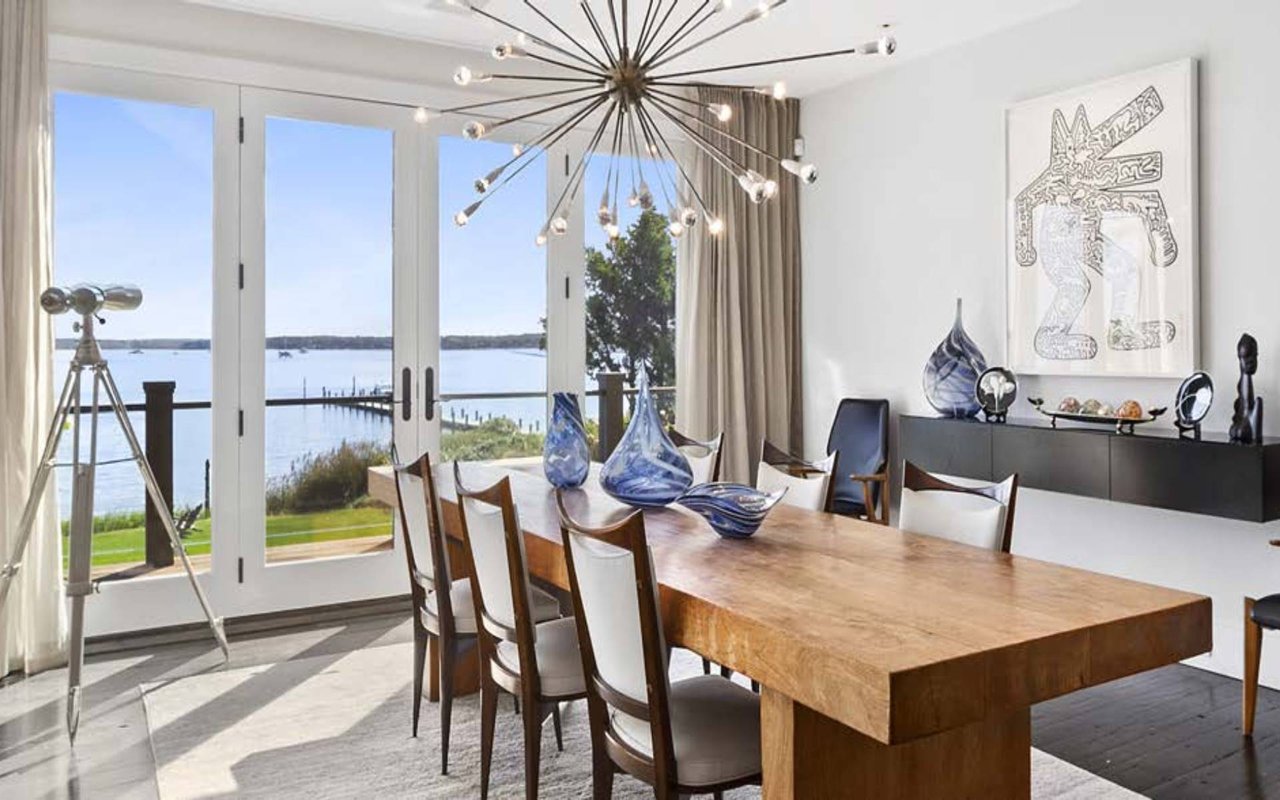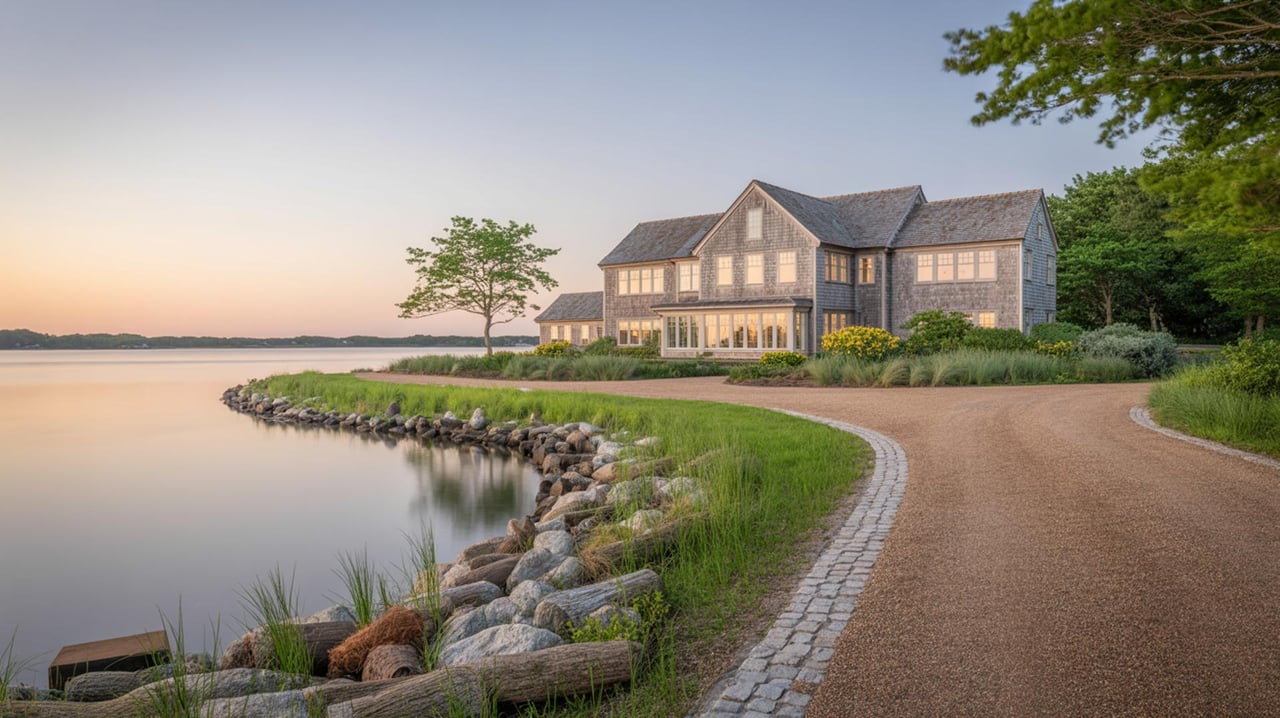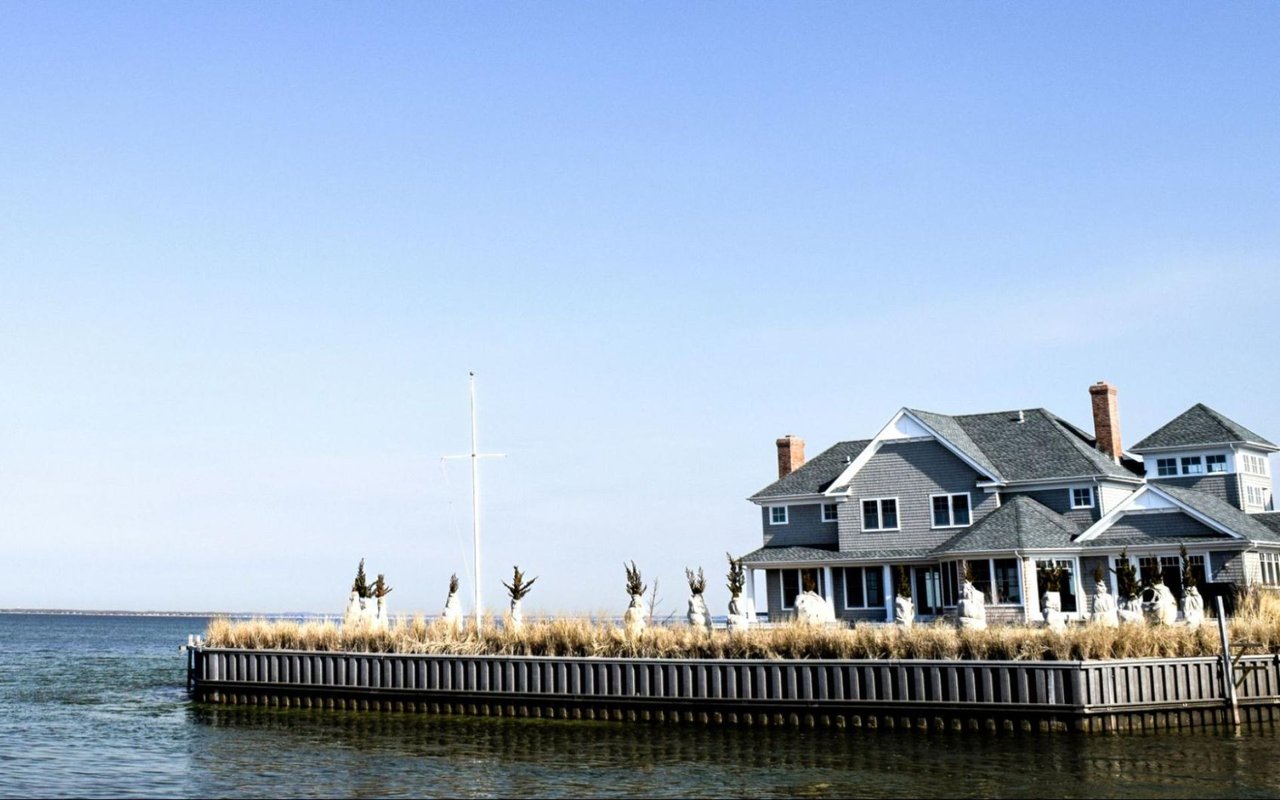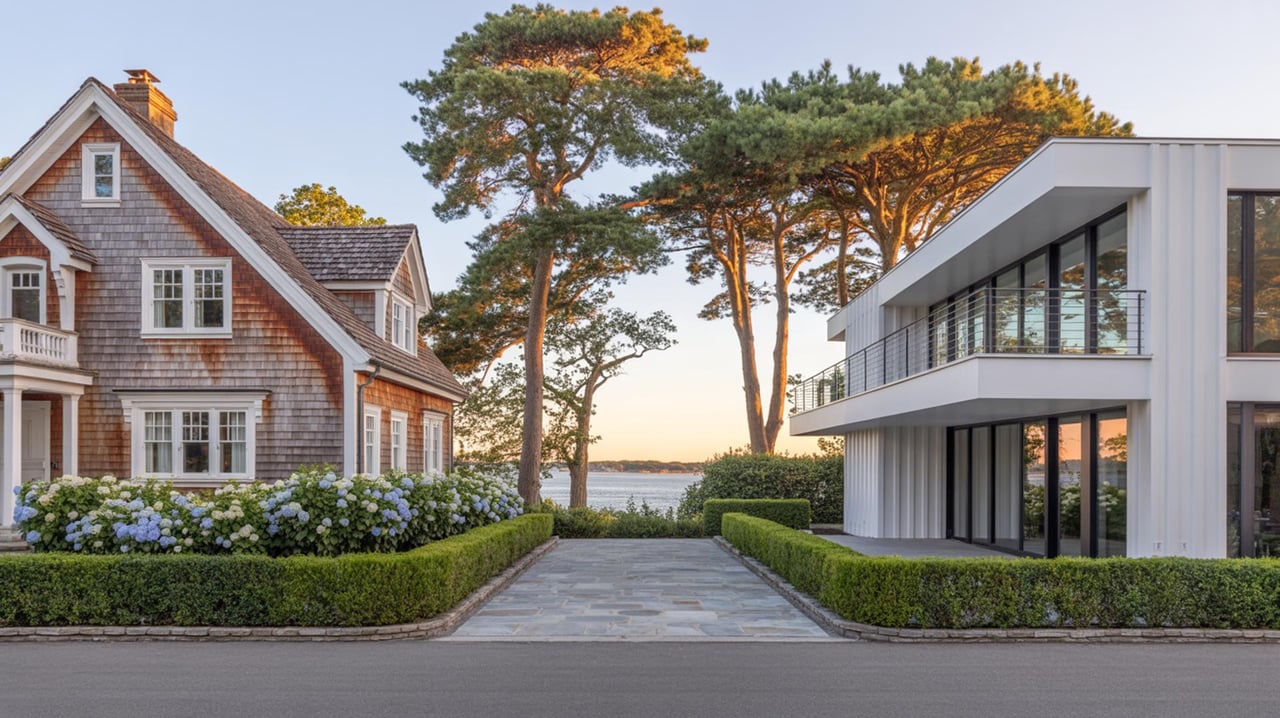
Looking for a Hamptons address that feels creative, calm, and real? If you want water access, studio energy, and a neighborhood rhythm without the constant buzz, Springs might be the right fit. You’ll find a bayside landscape, an artist legacy, and a low-key daily routine that works for second-home owners and year-round residents alike. In this guide, you’ll learn what life in Springs looks like, how it differs from other Hamptons spots, and what to check before you buy. Let’s dive in.
Springs at a glance
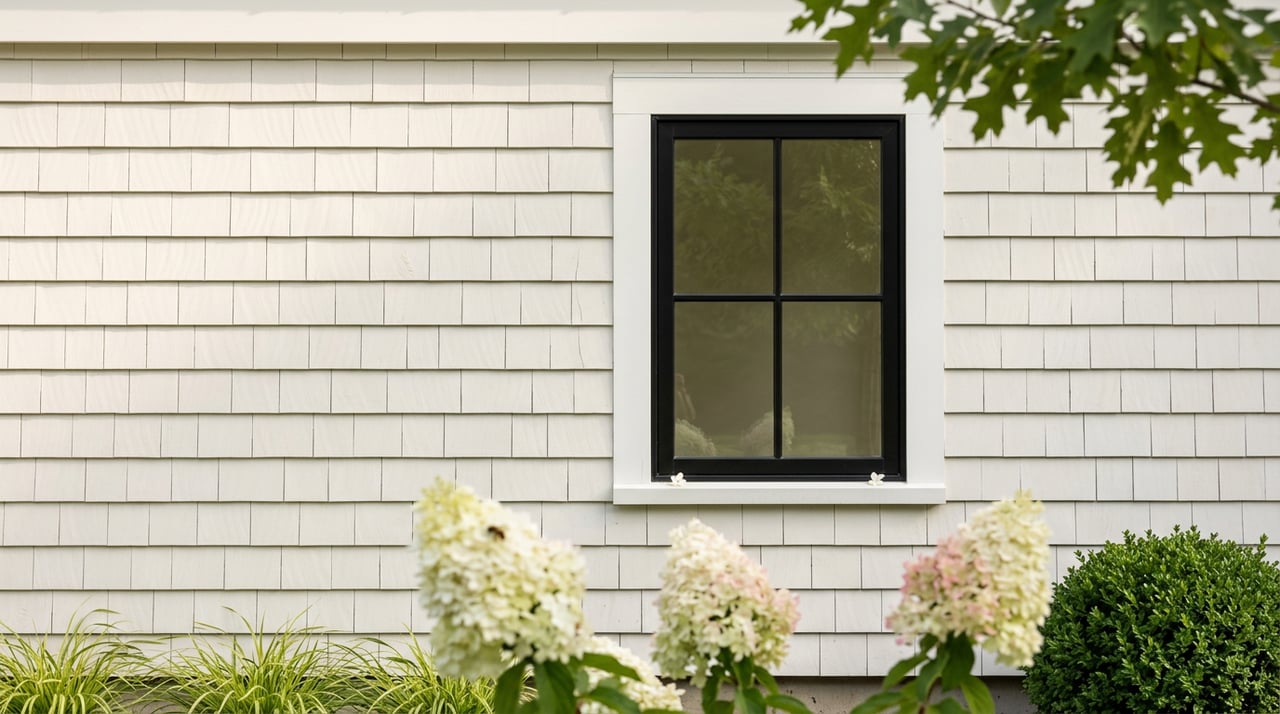
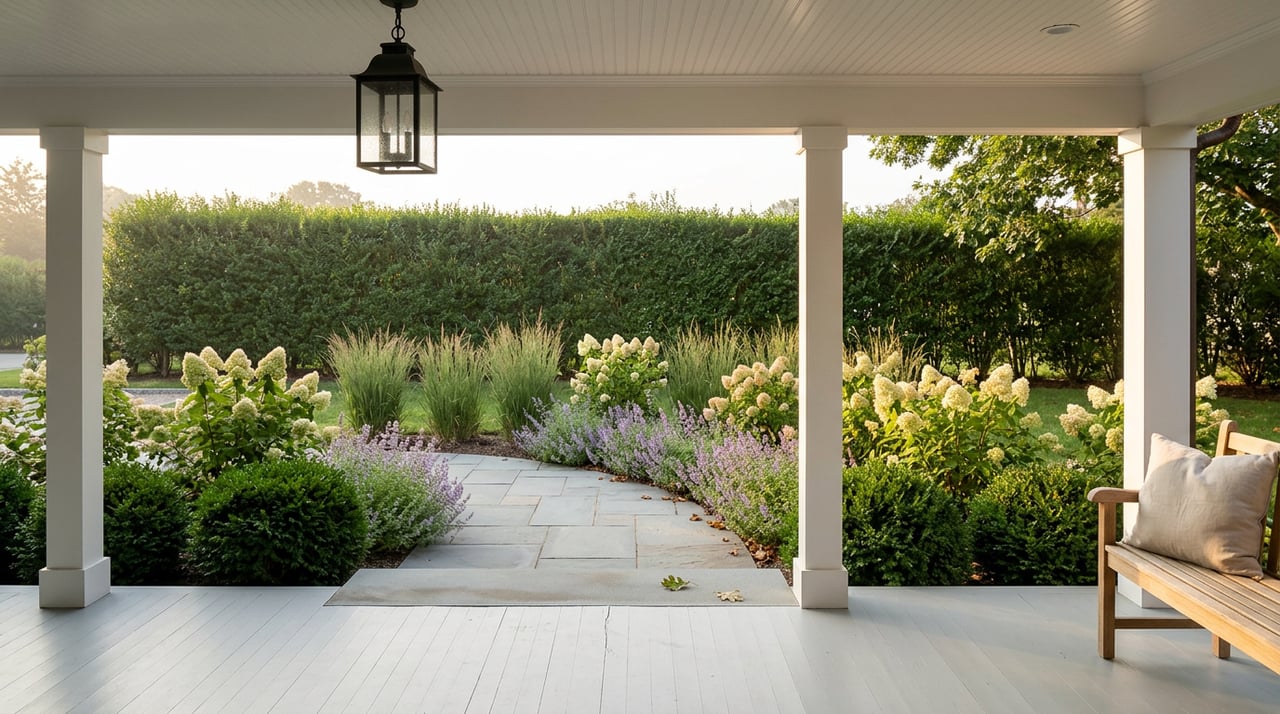
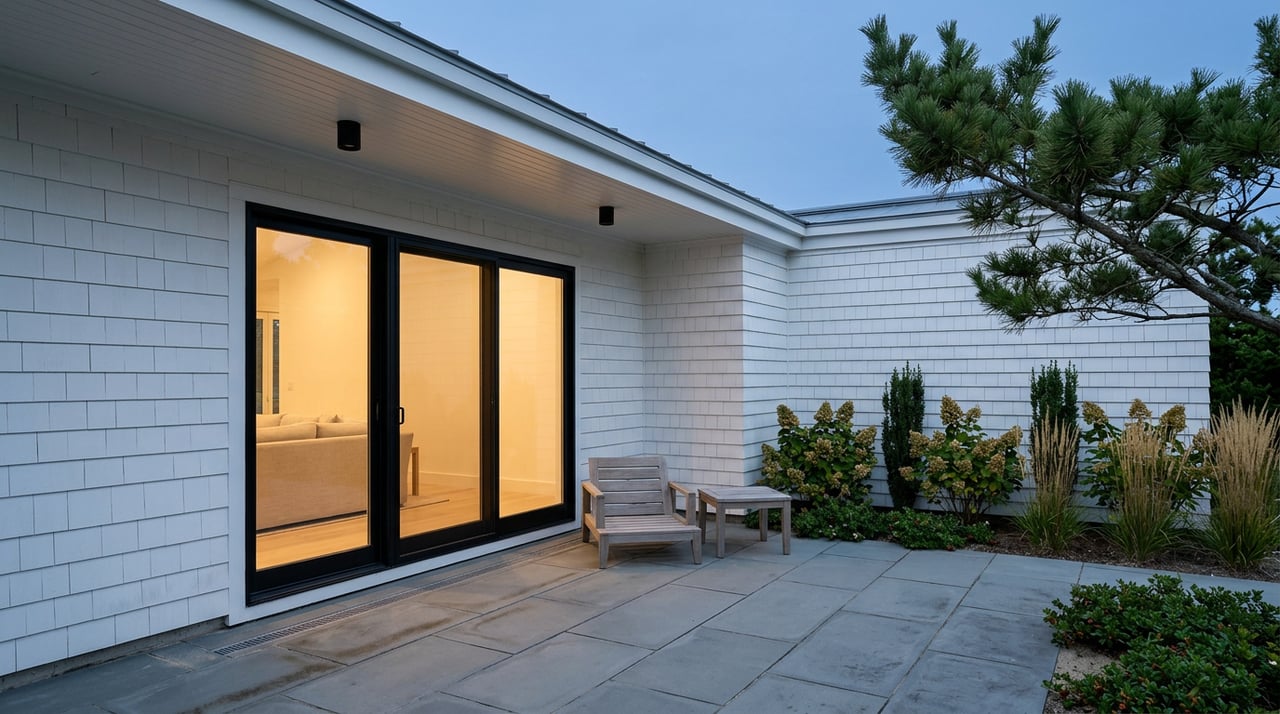
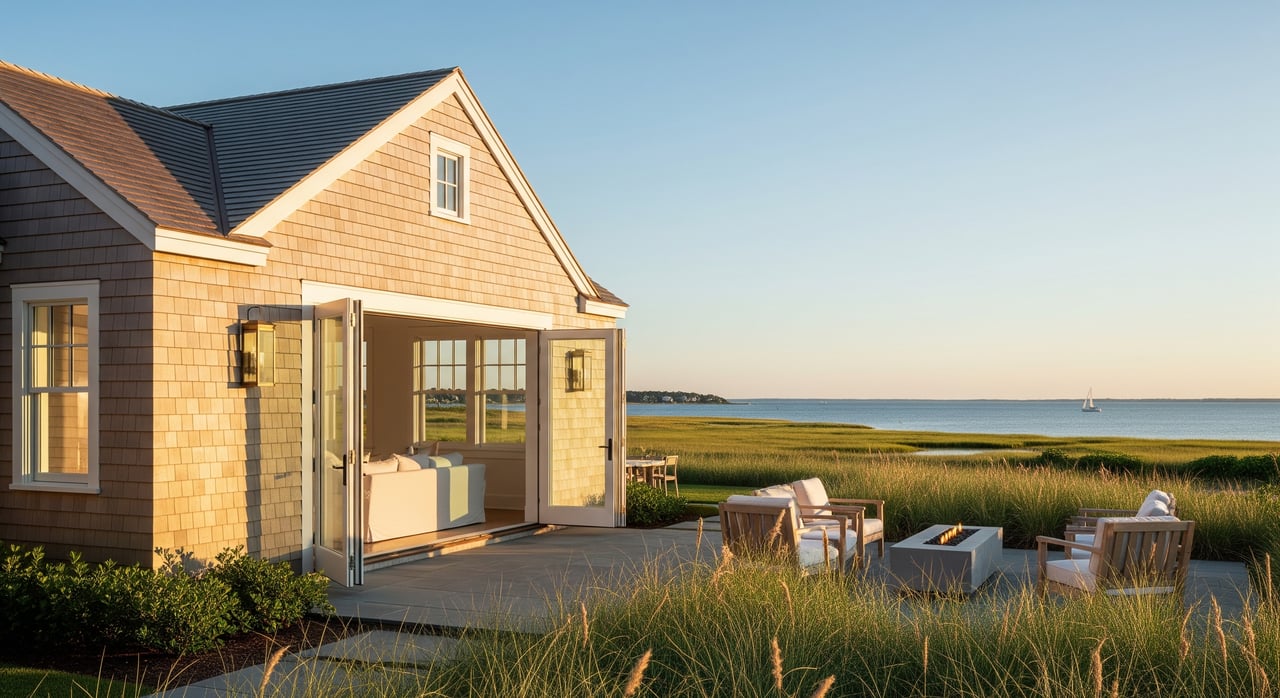
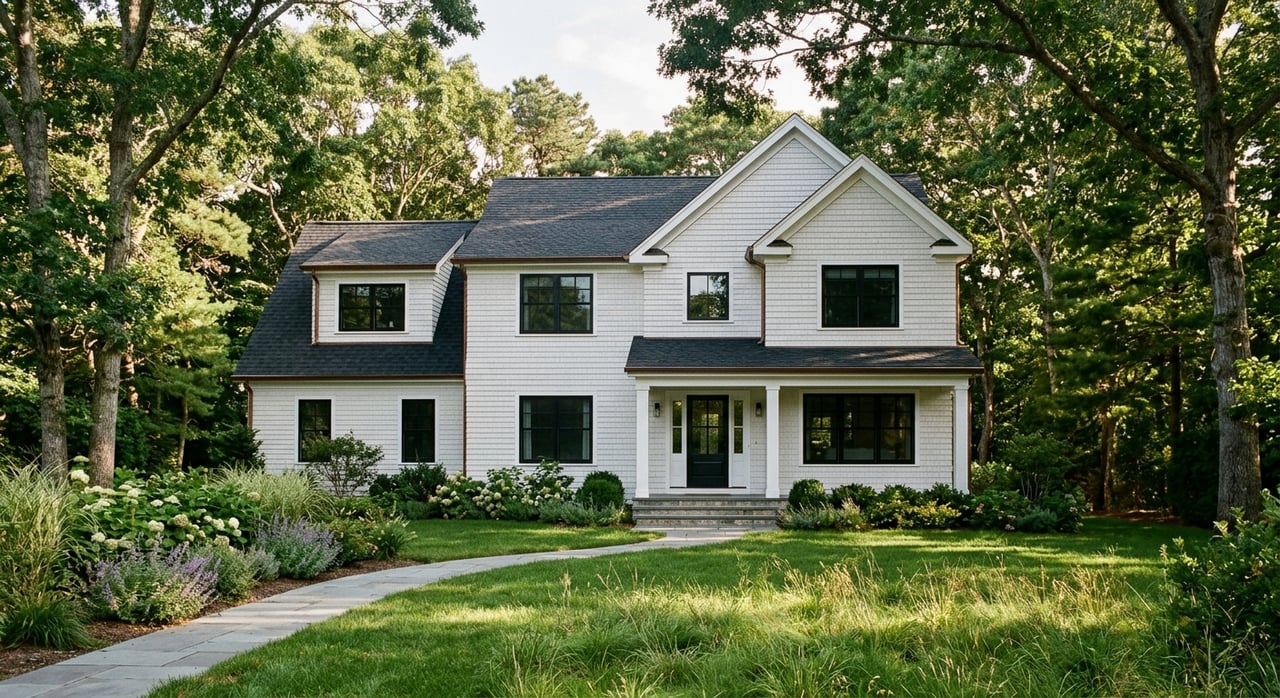
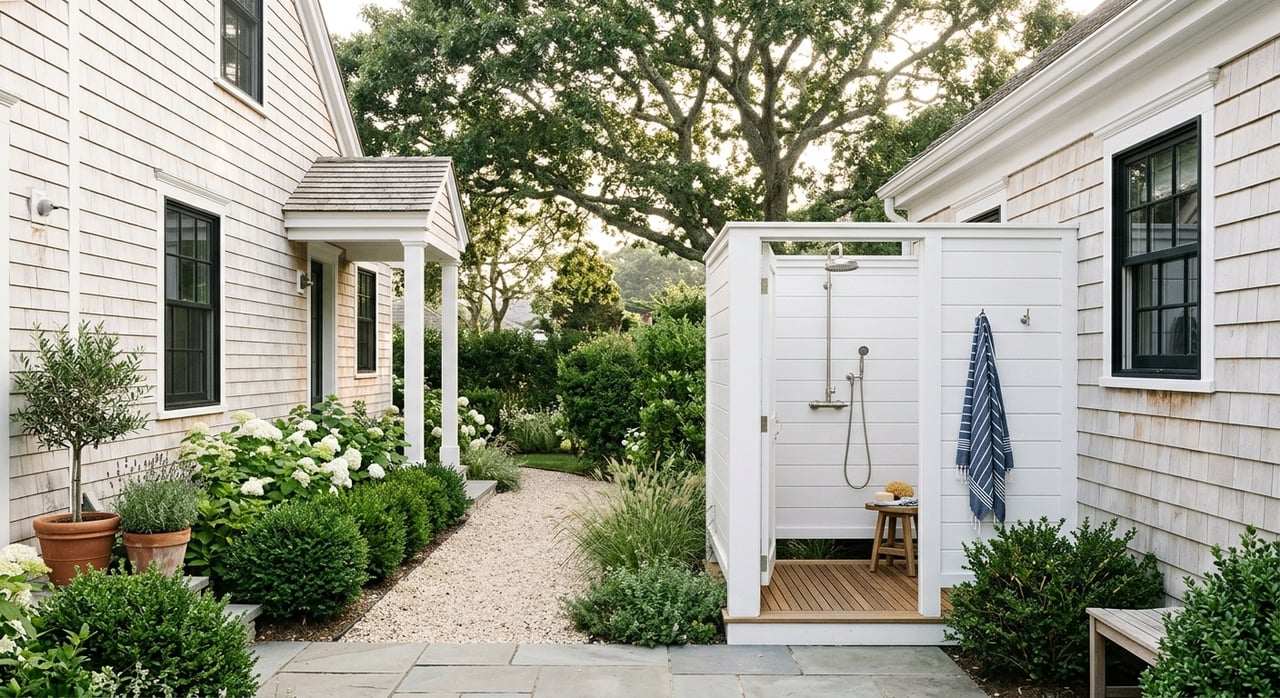
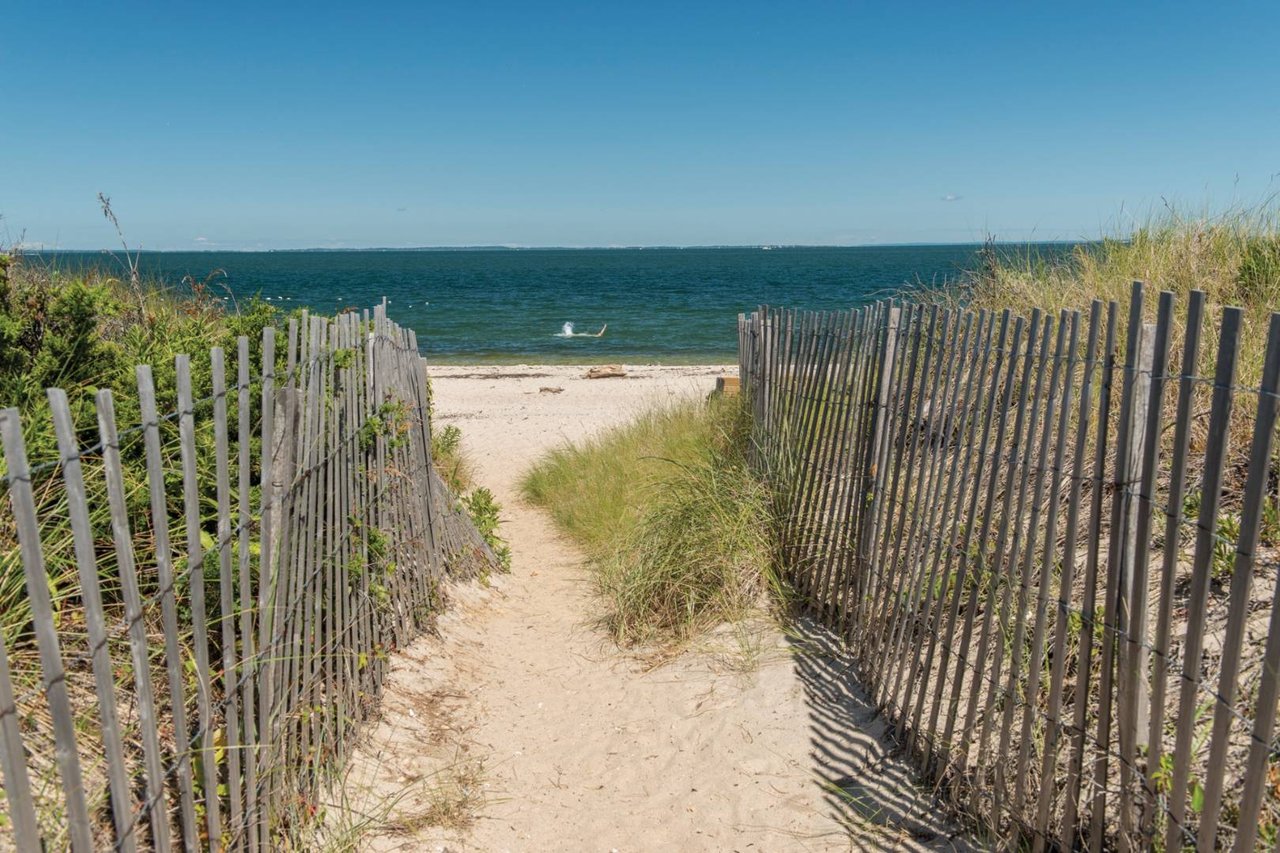
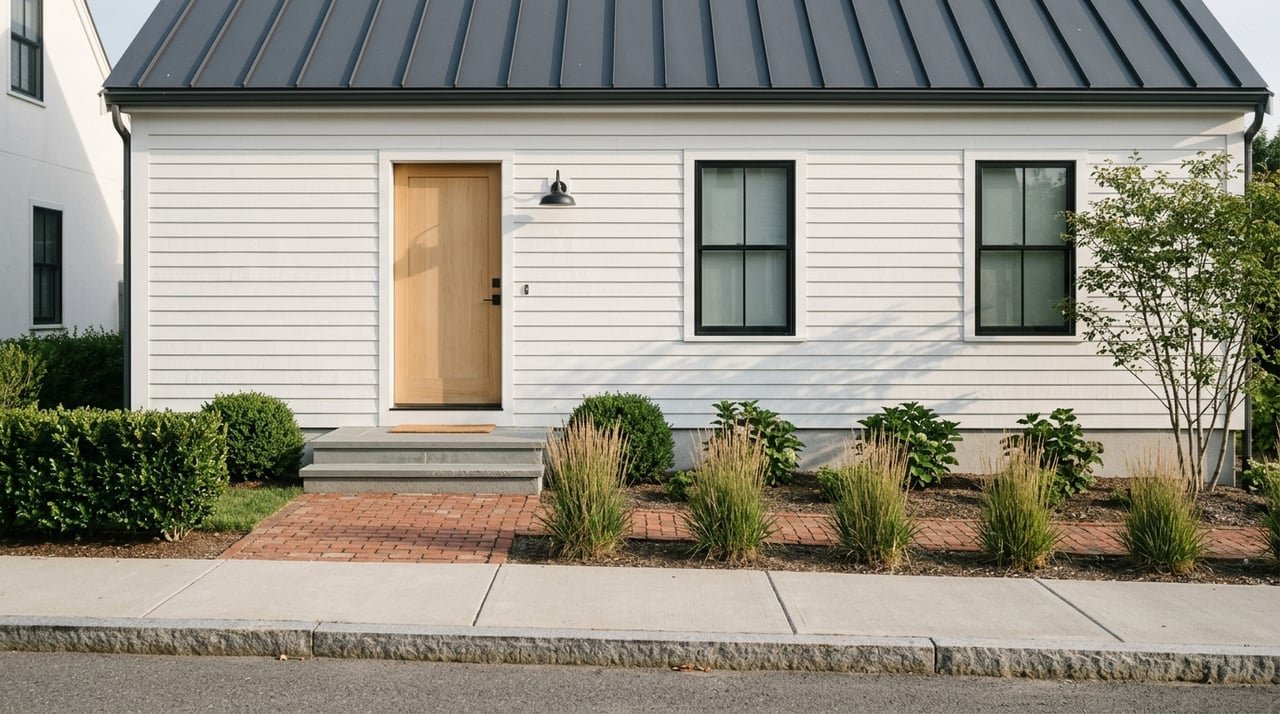
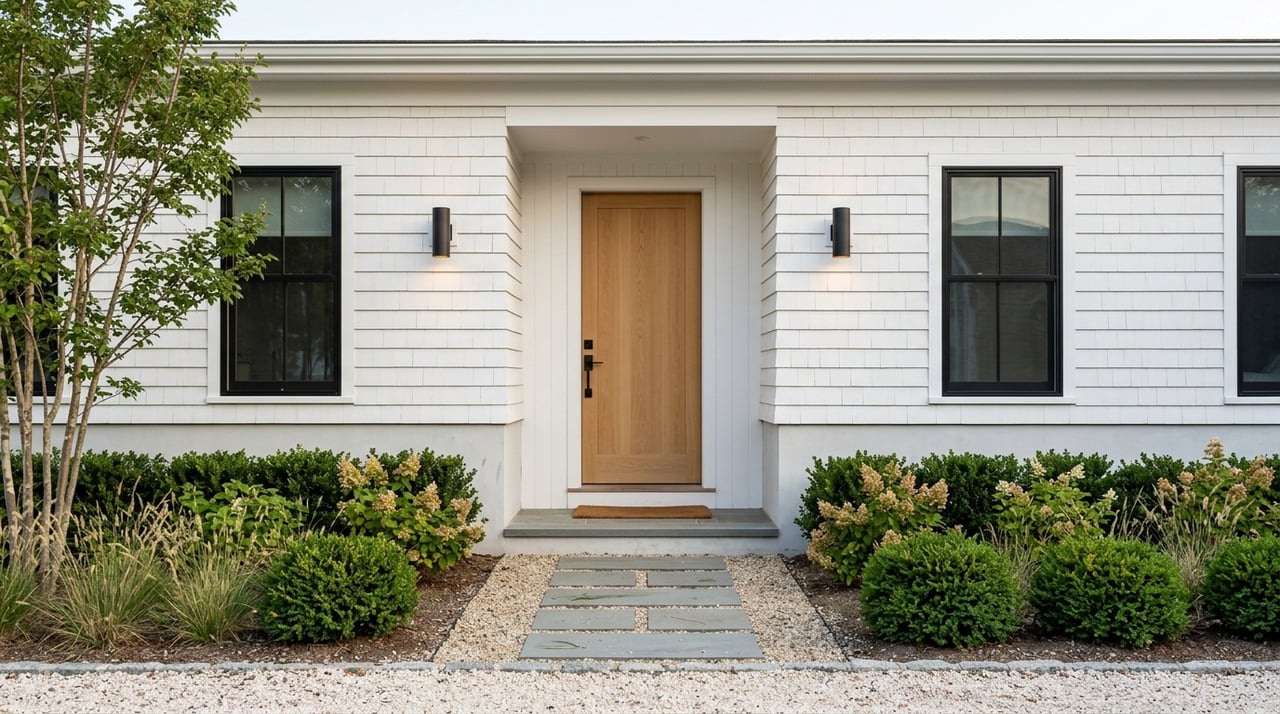
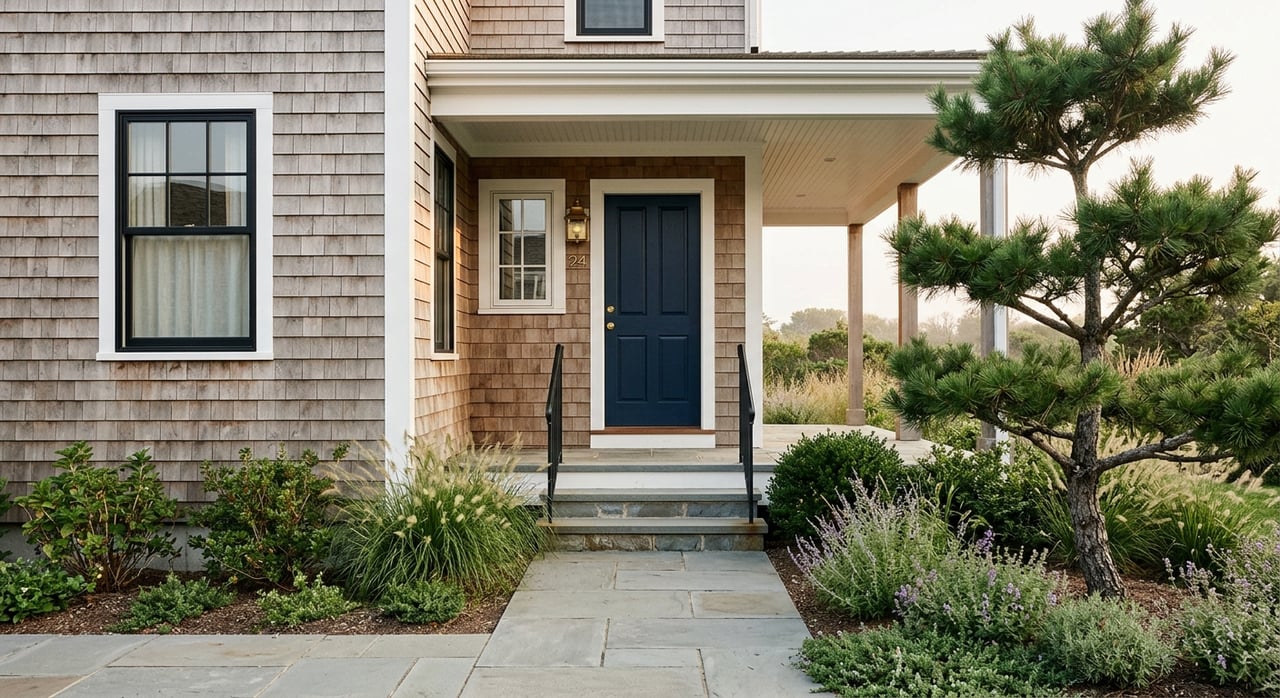
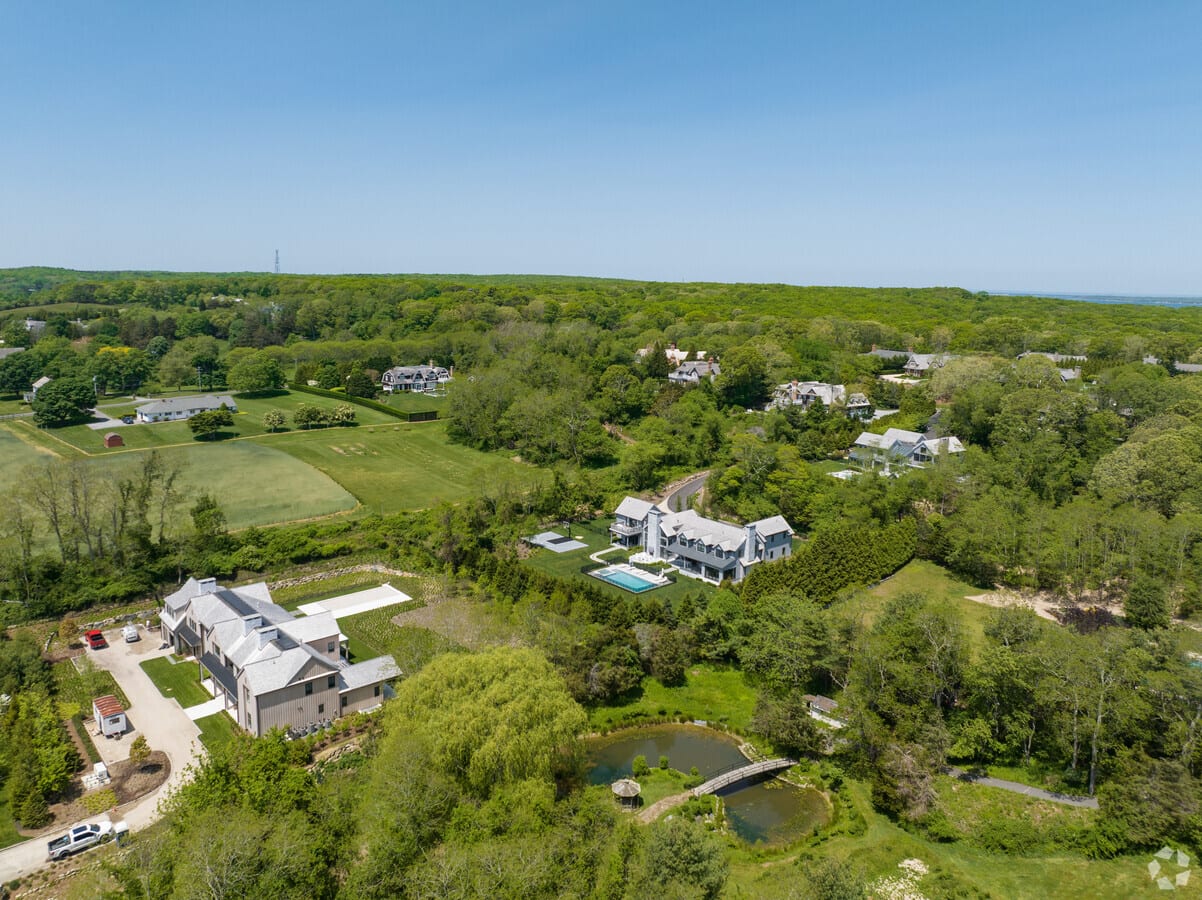
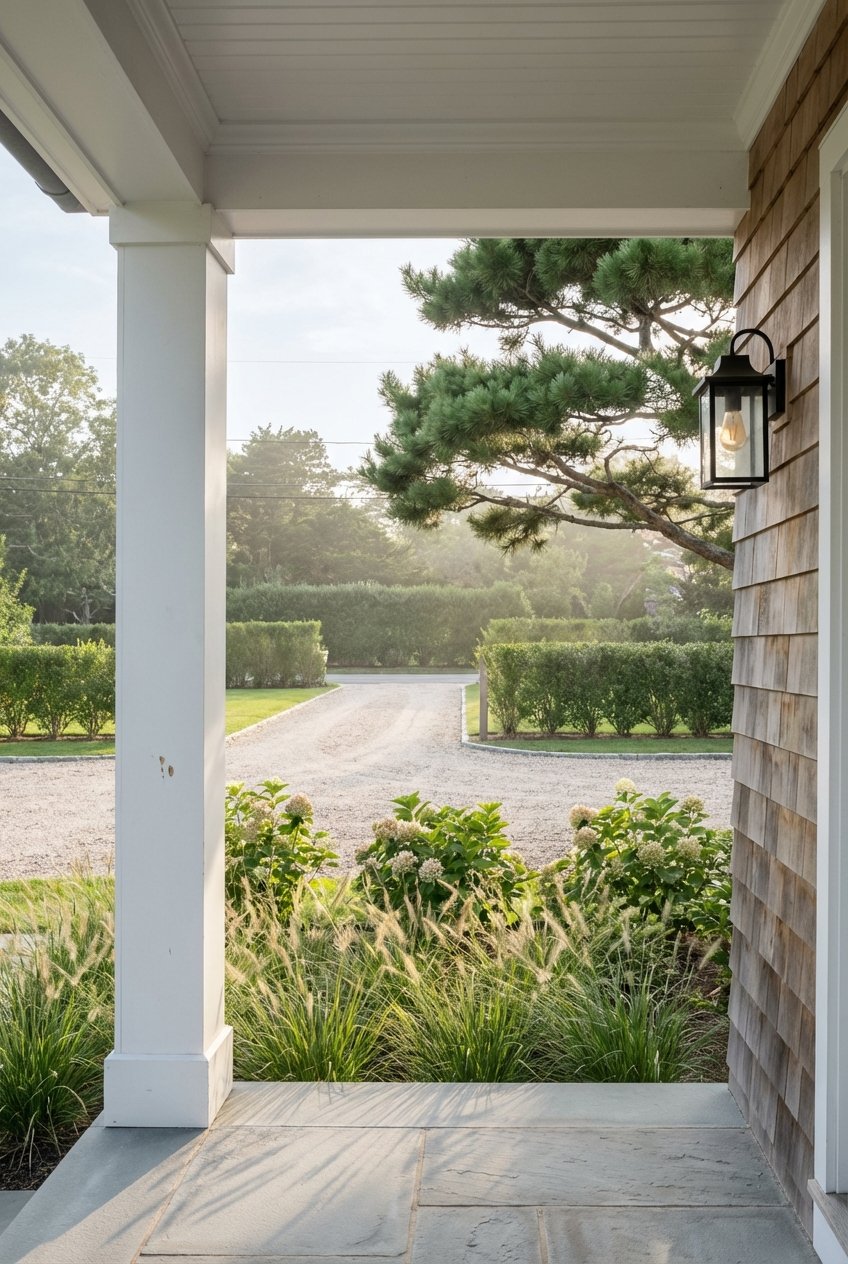
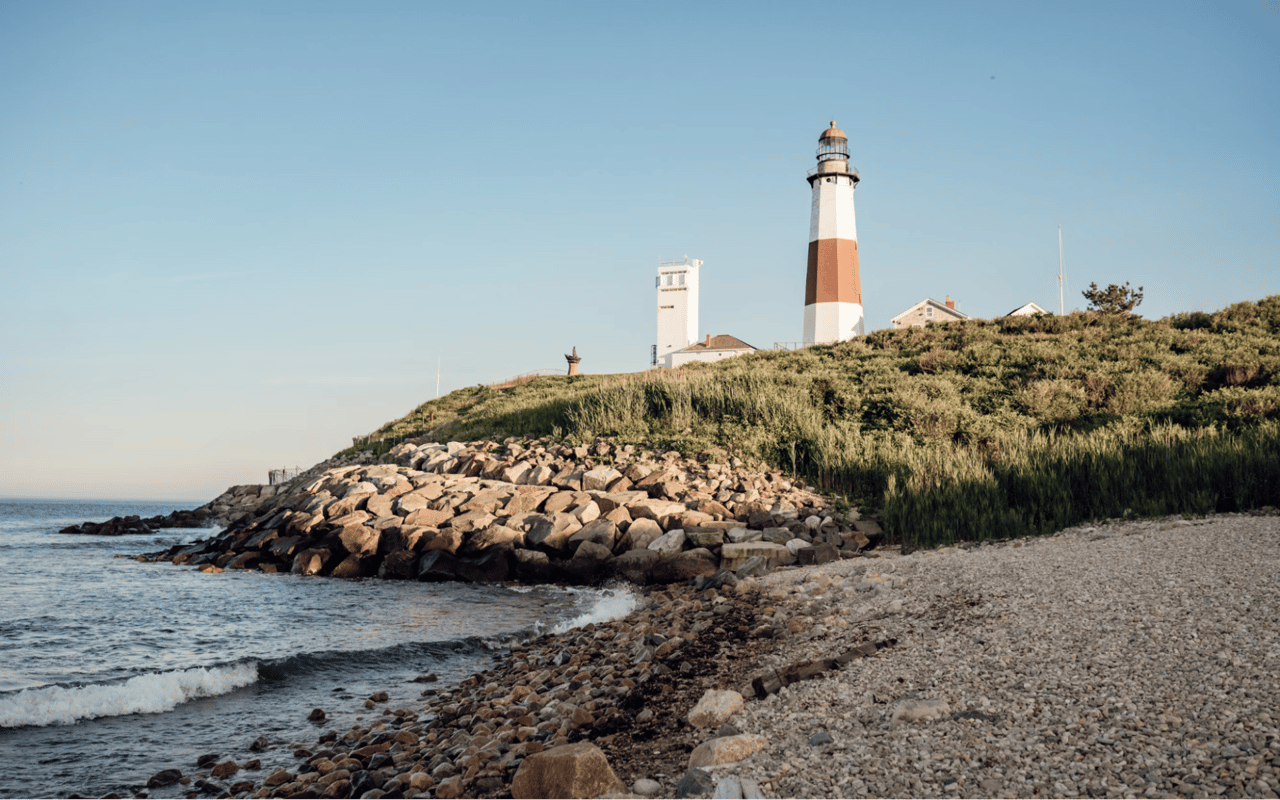
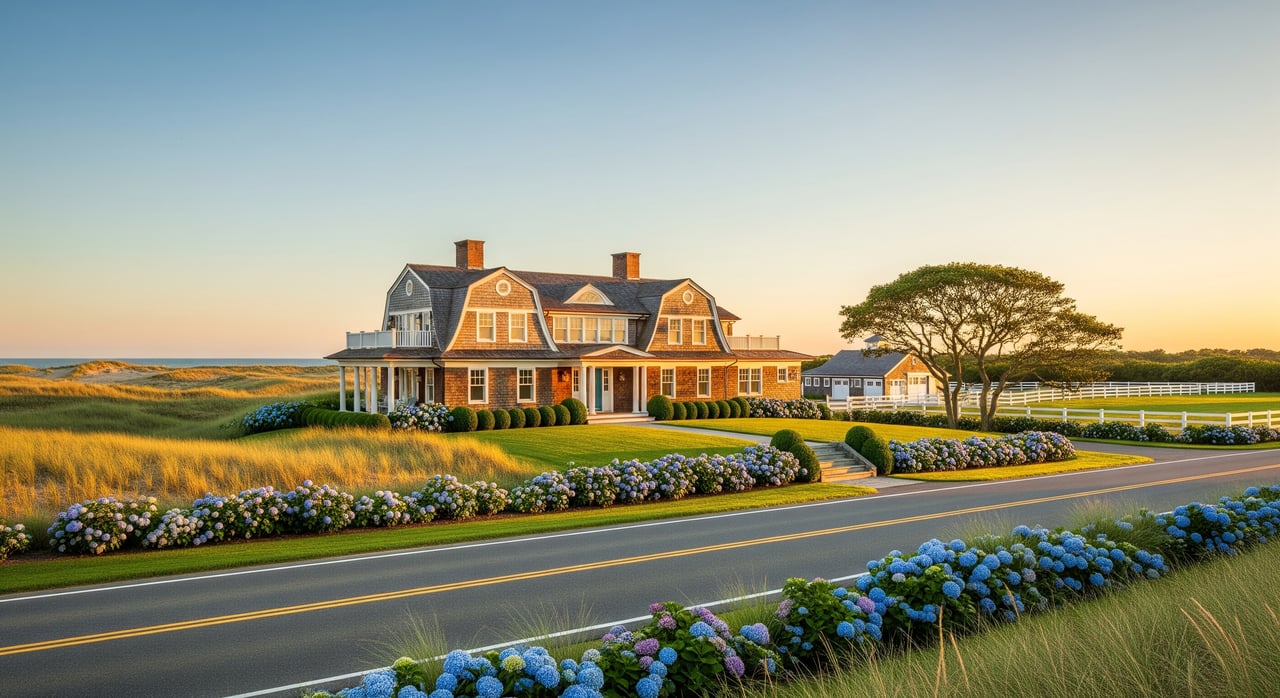
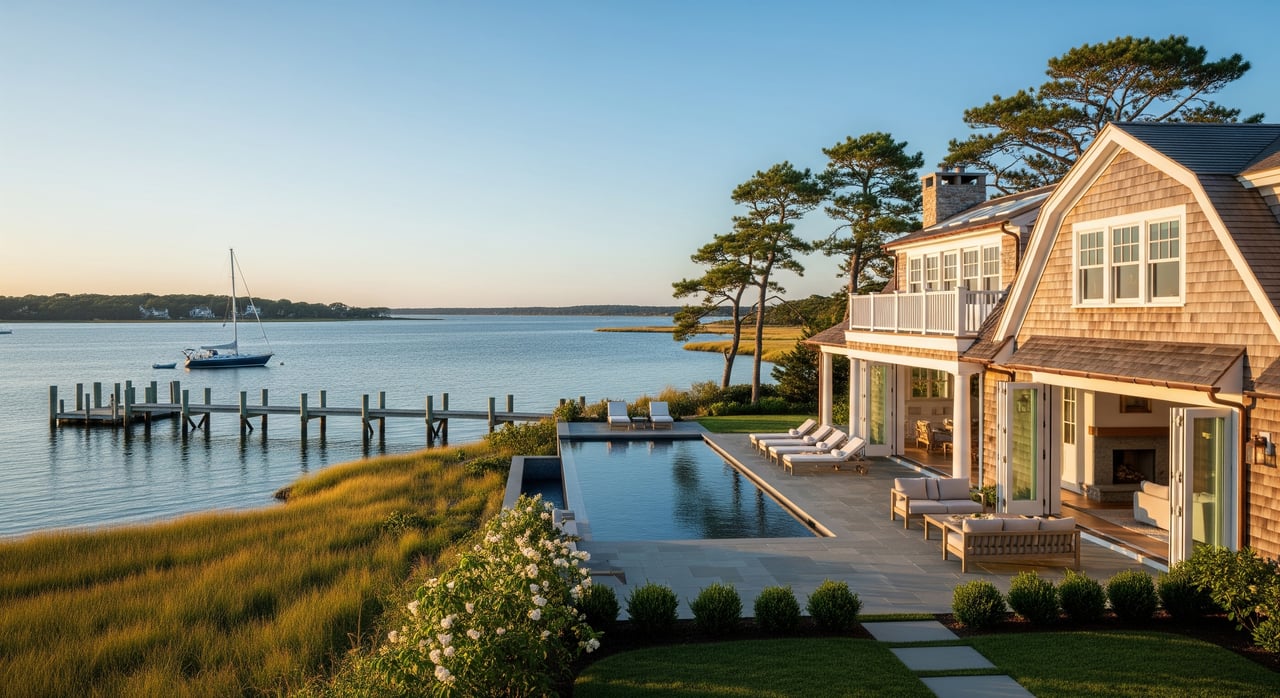
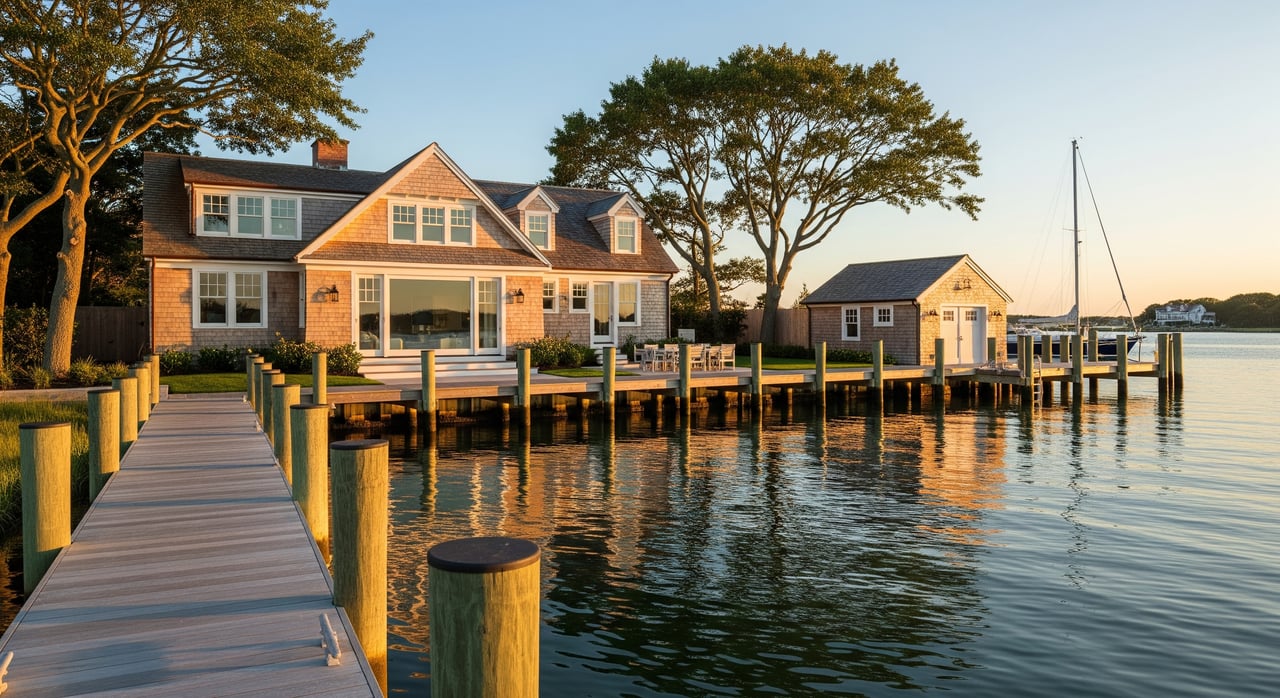
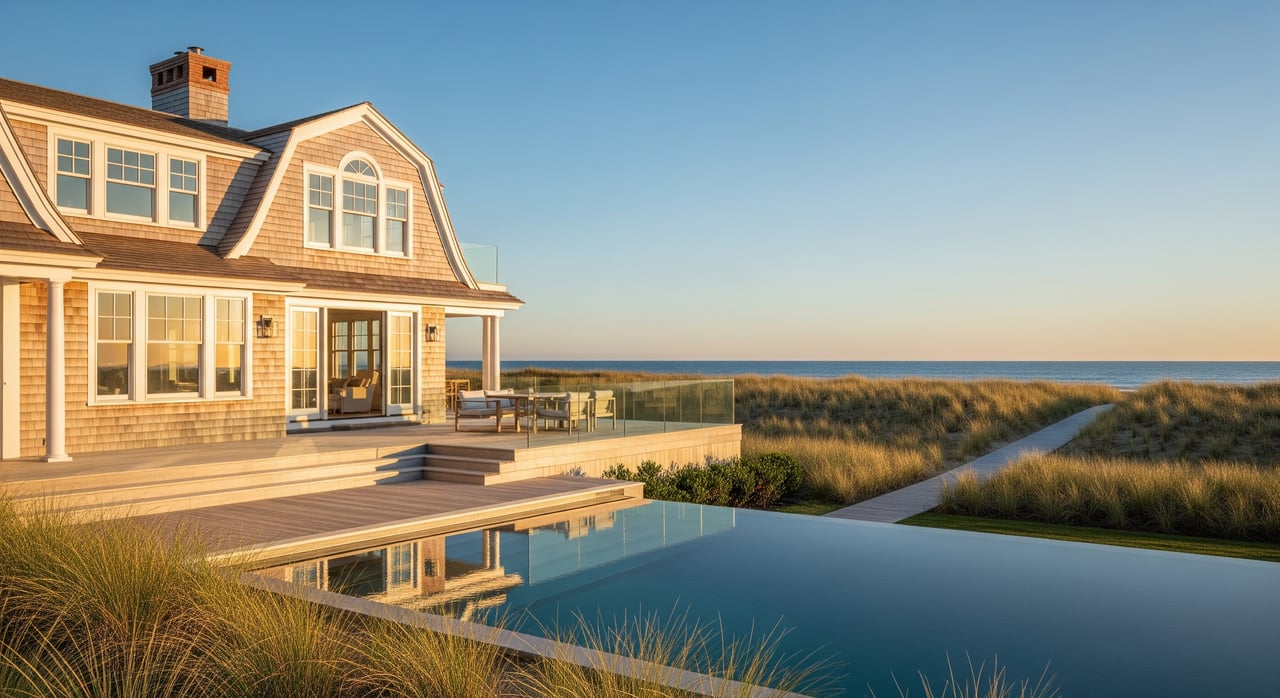
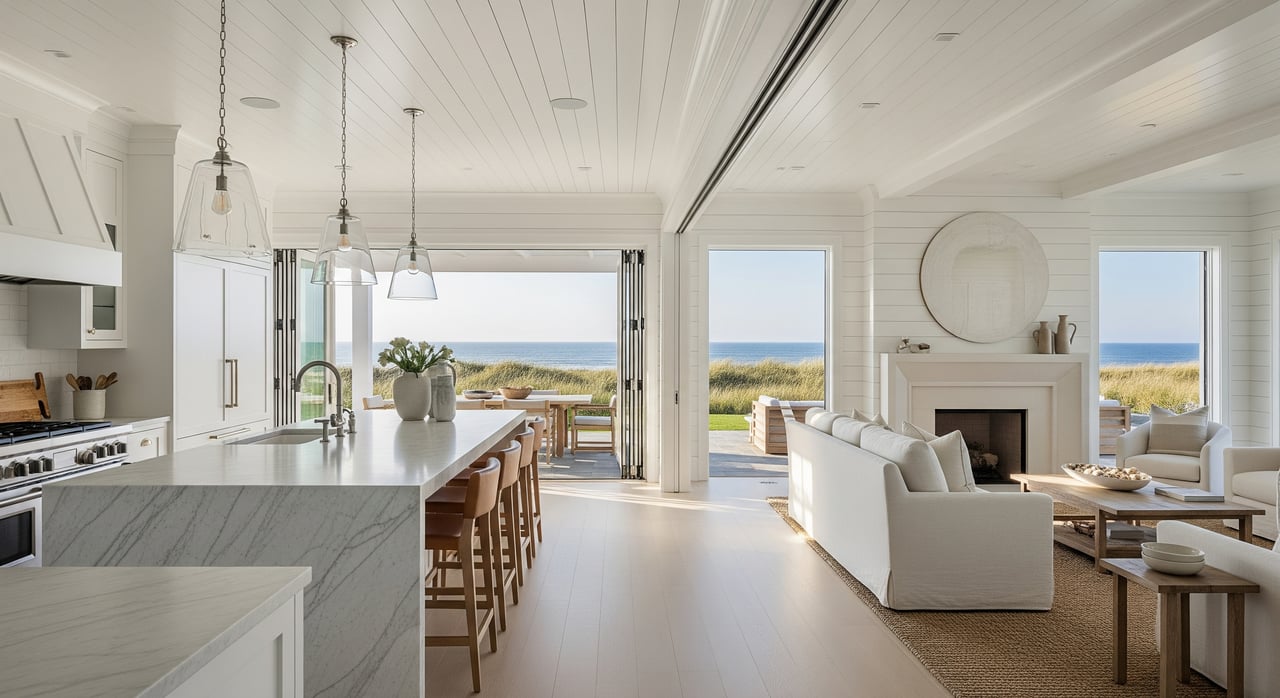
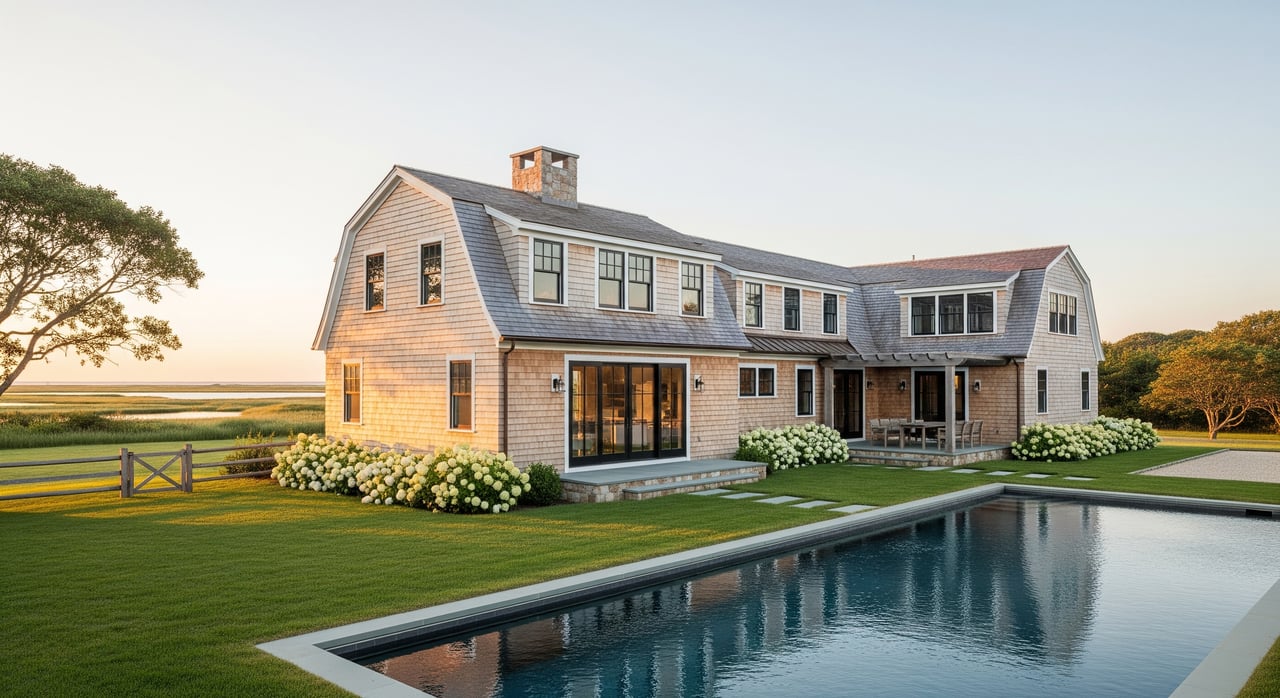
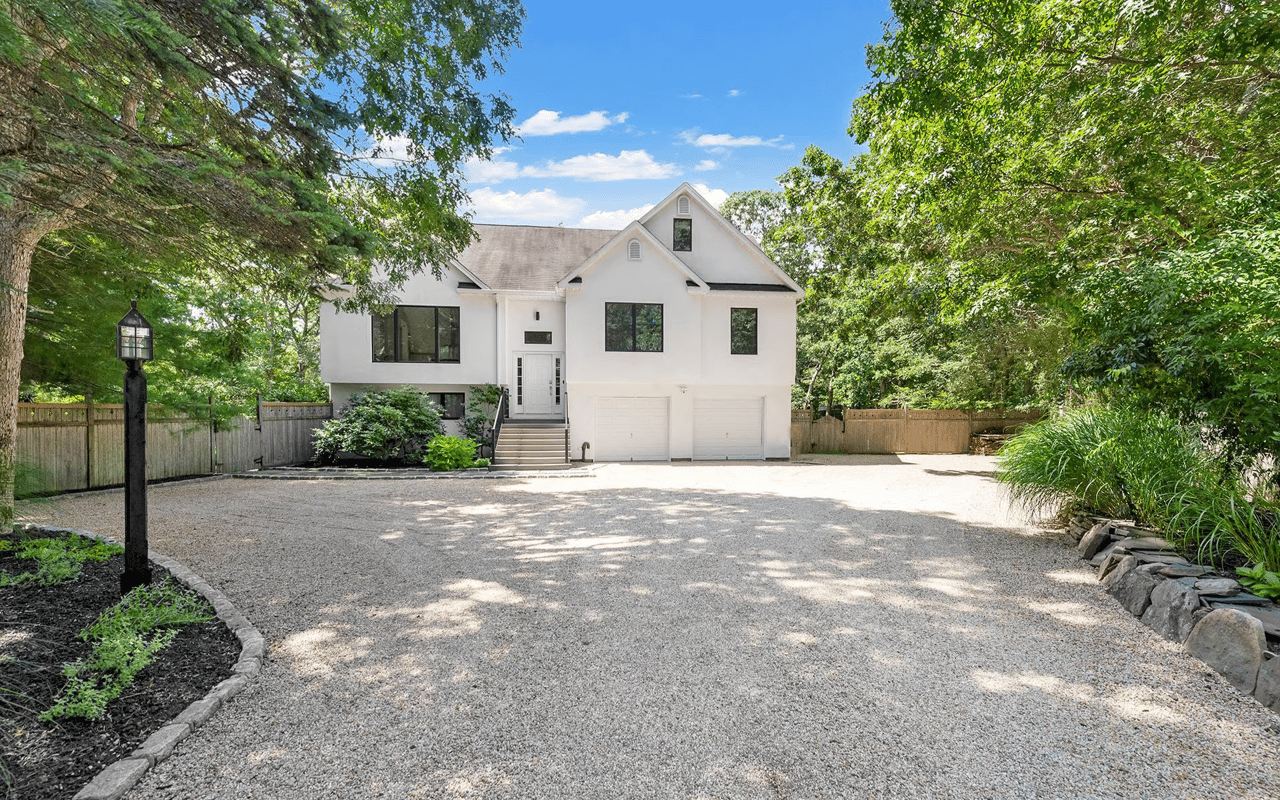
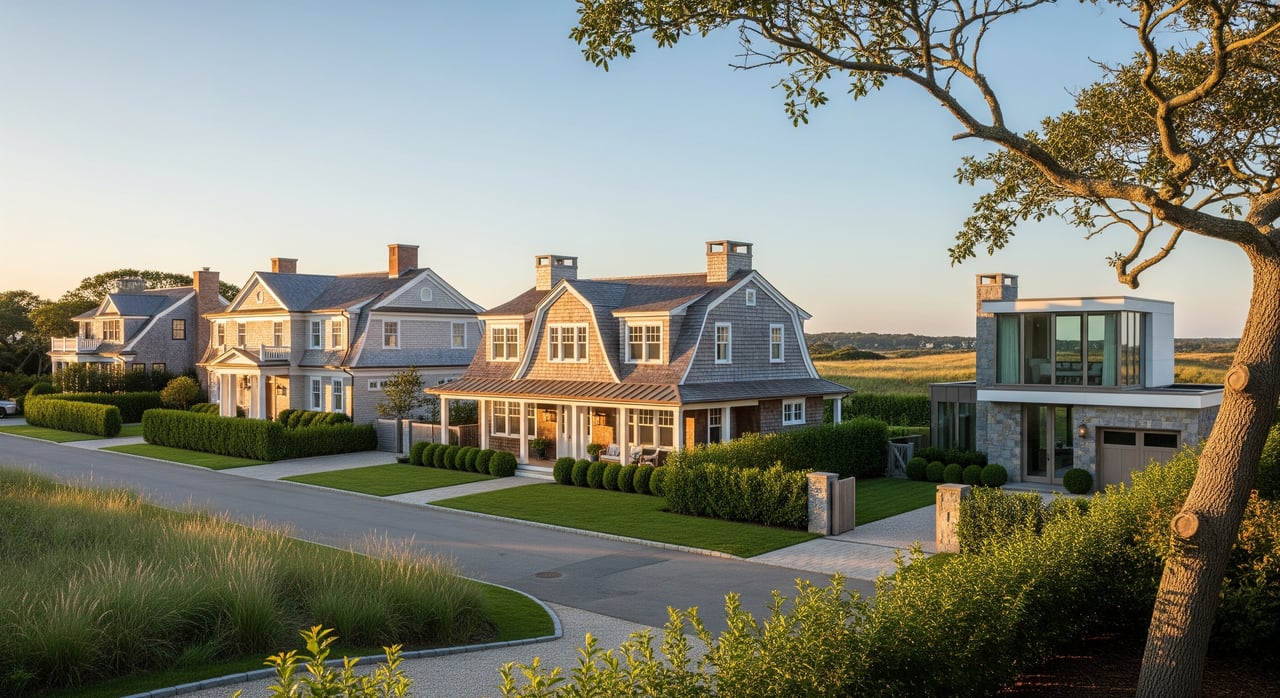
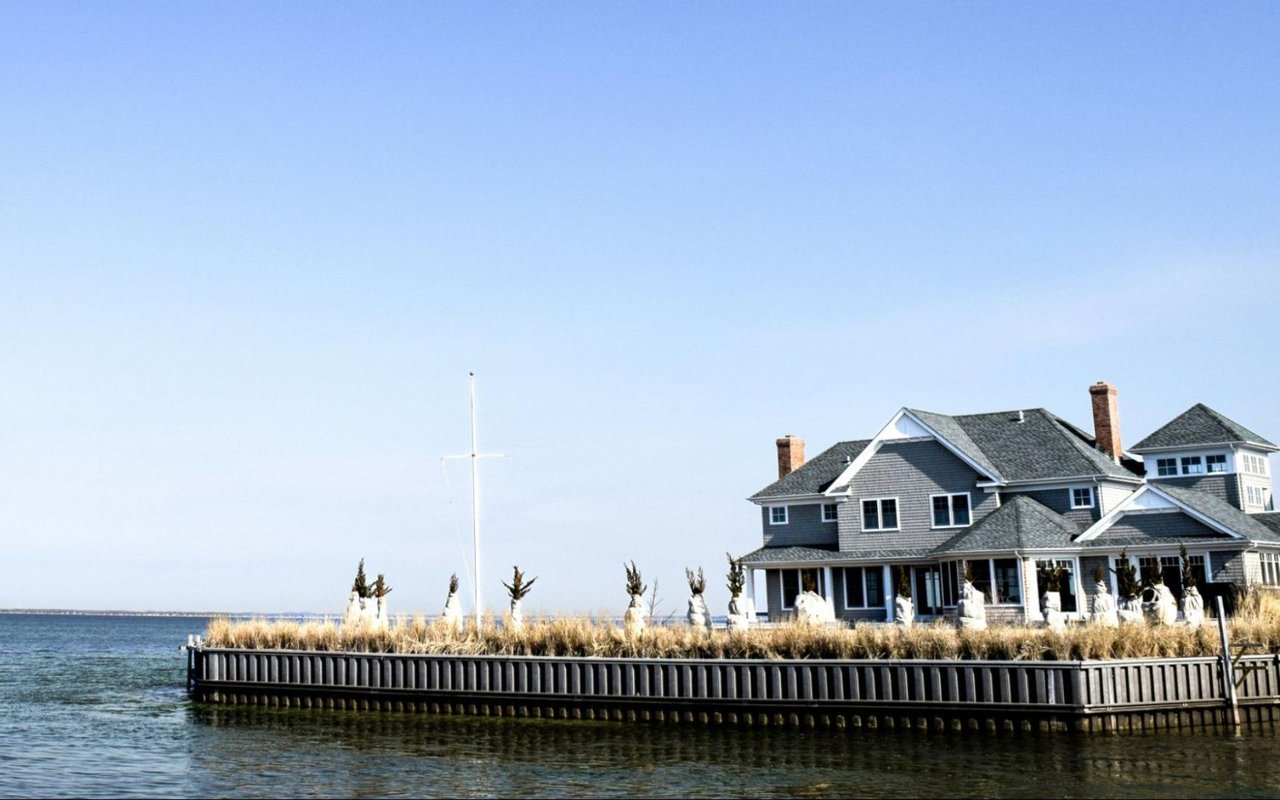
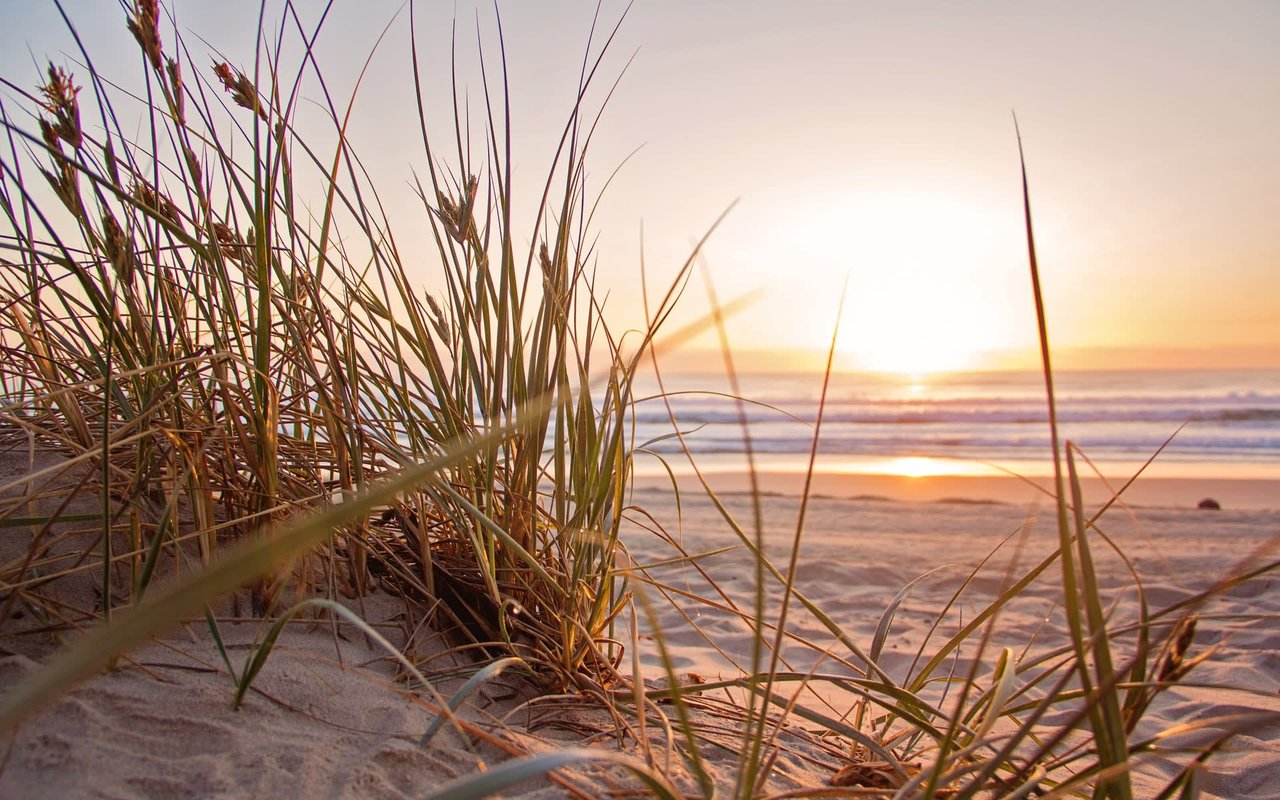
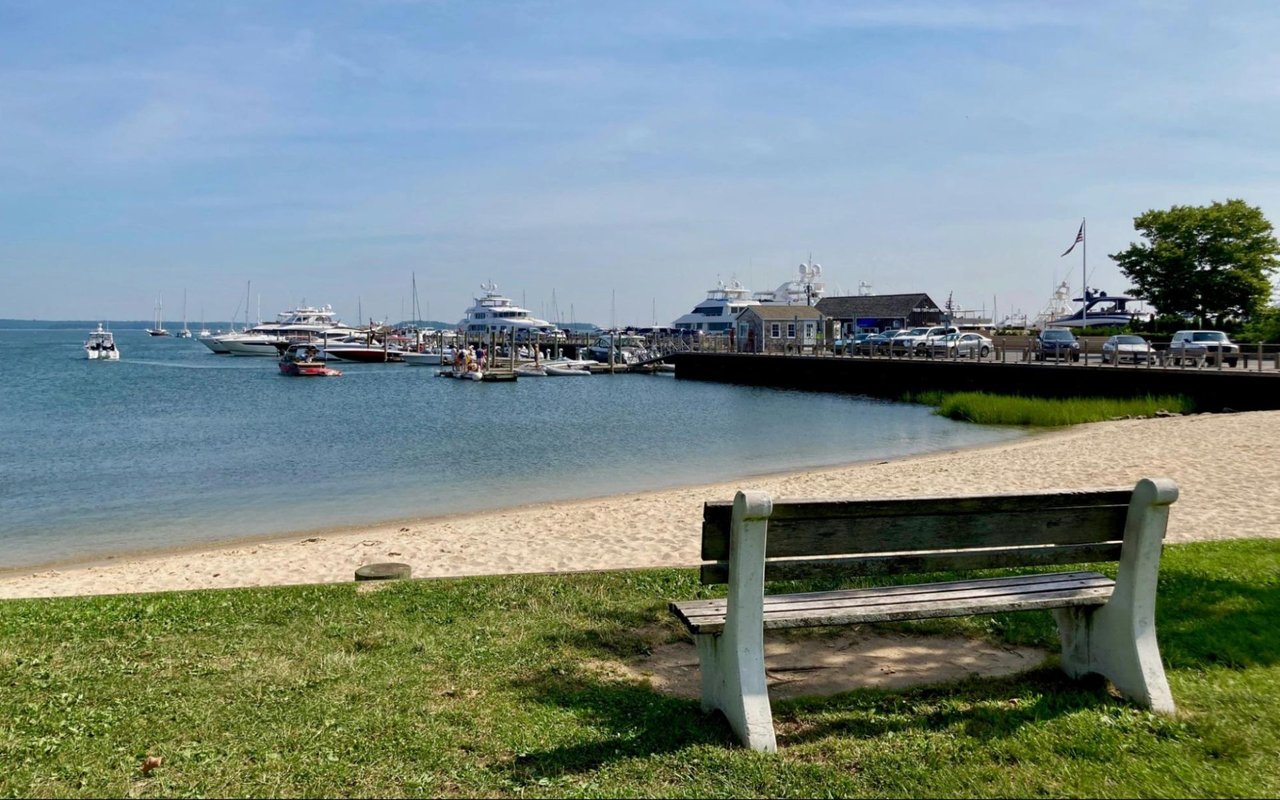
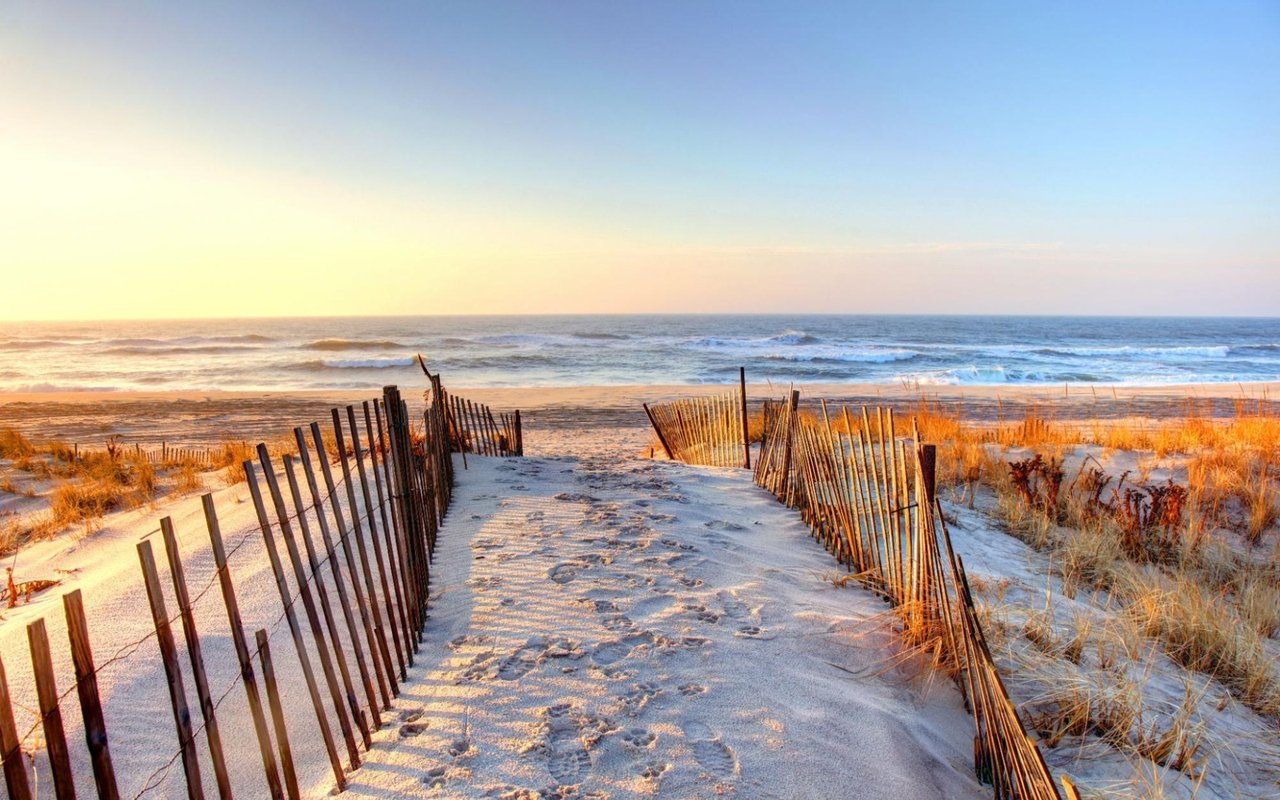
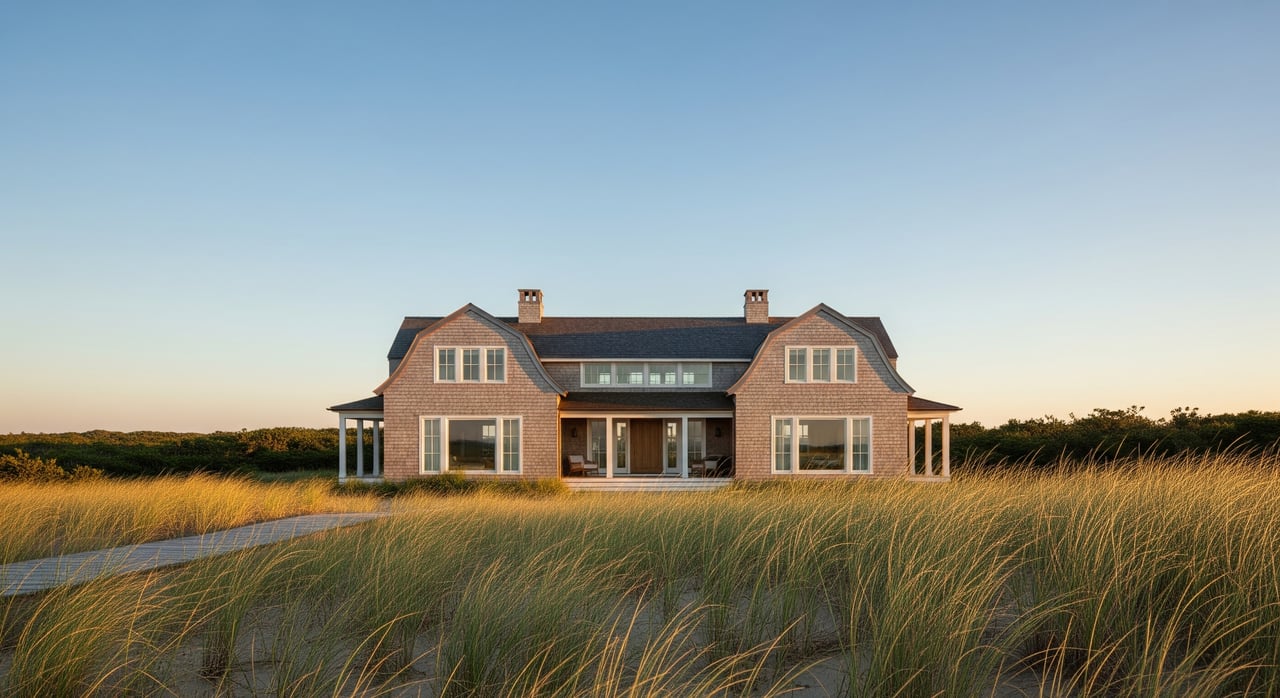
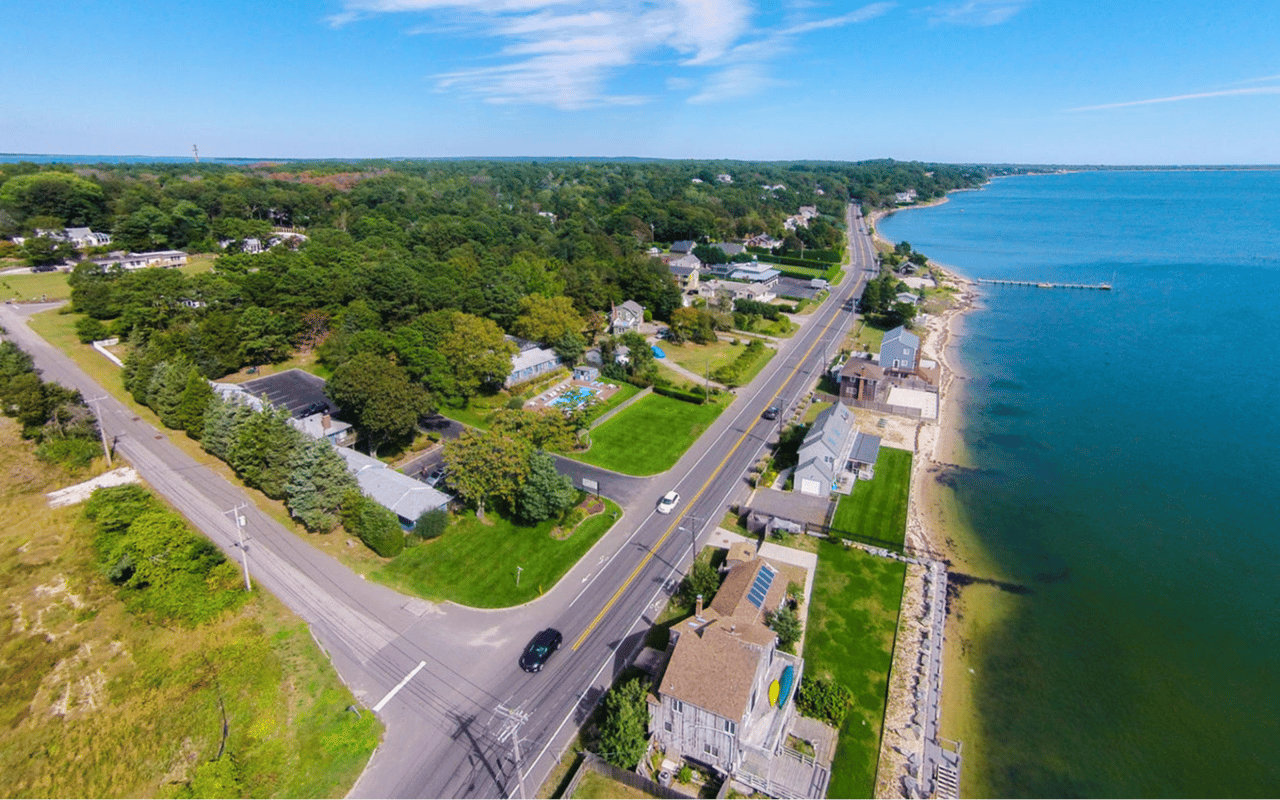
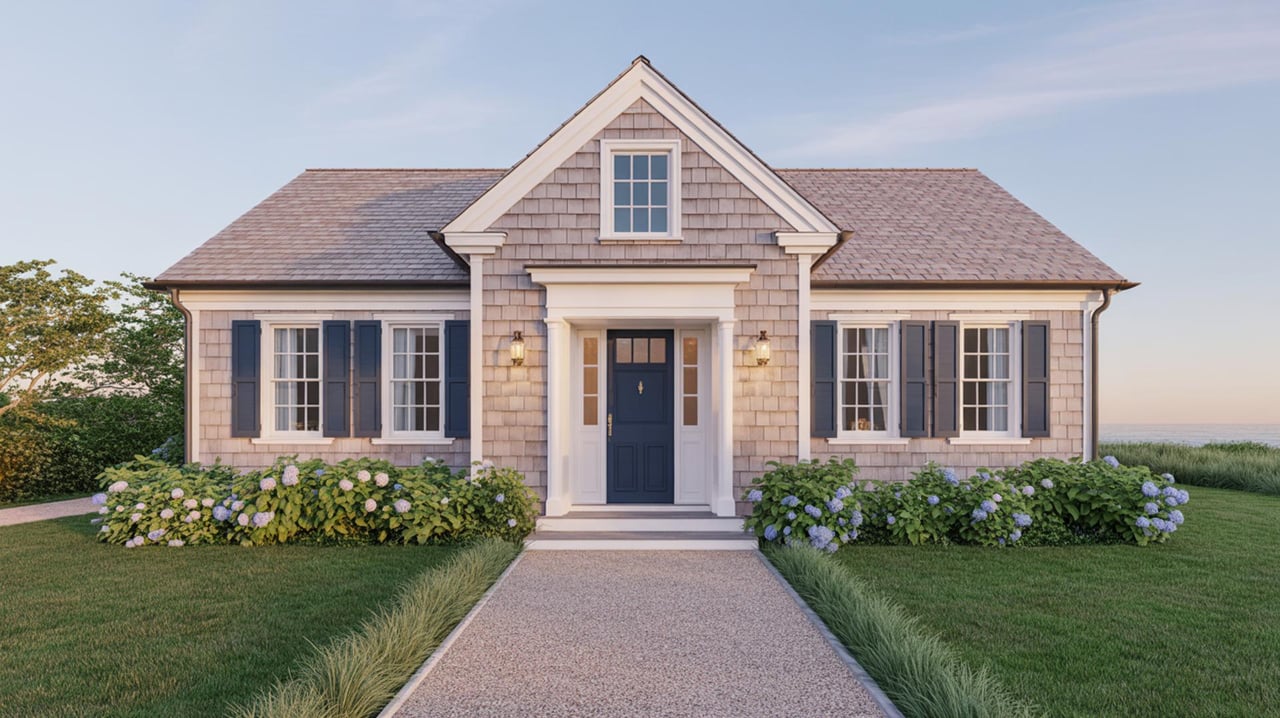
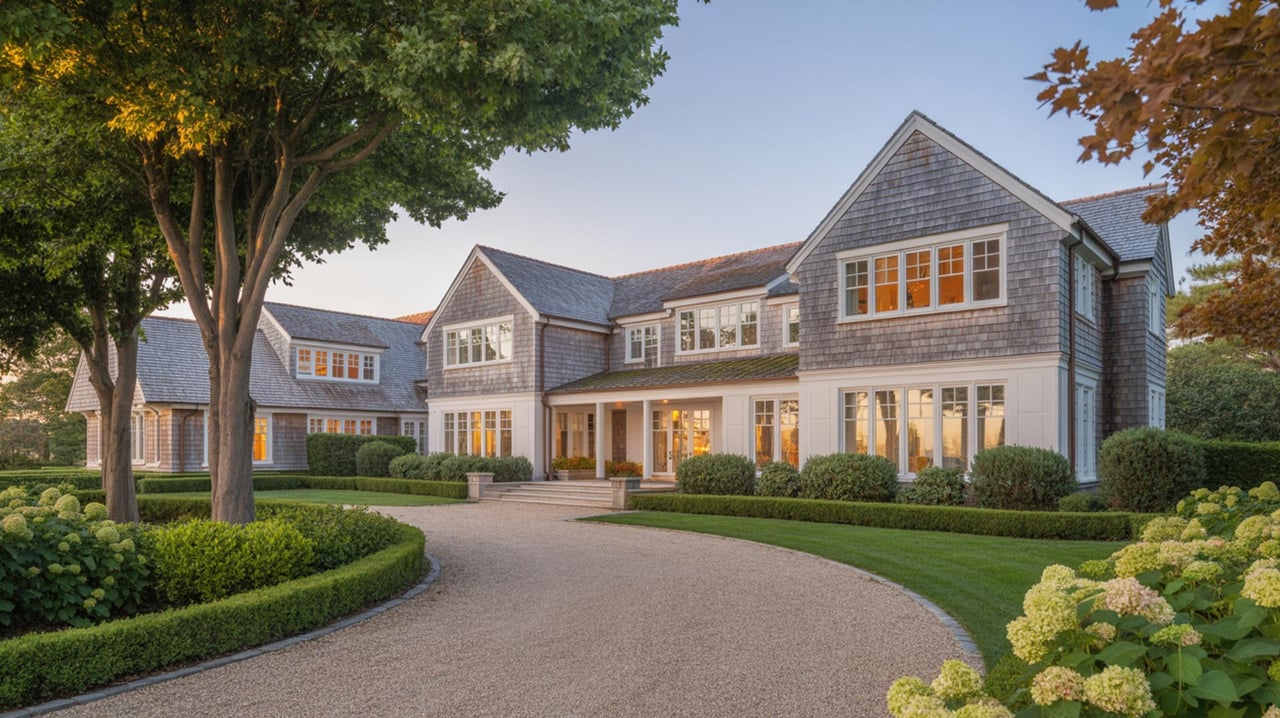
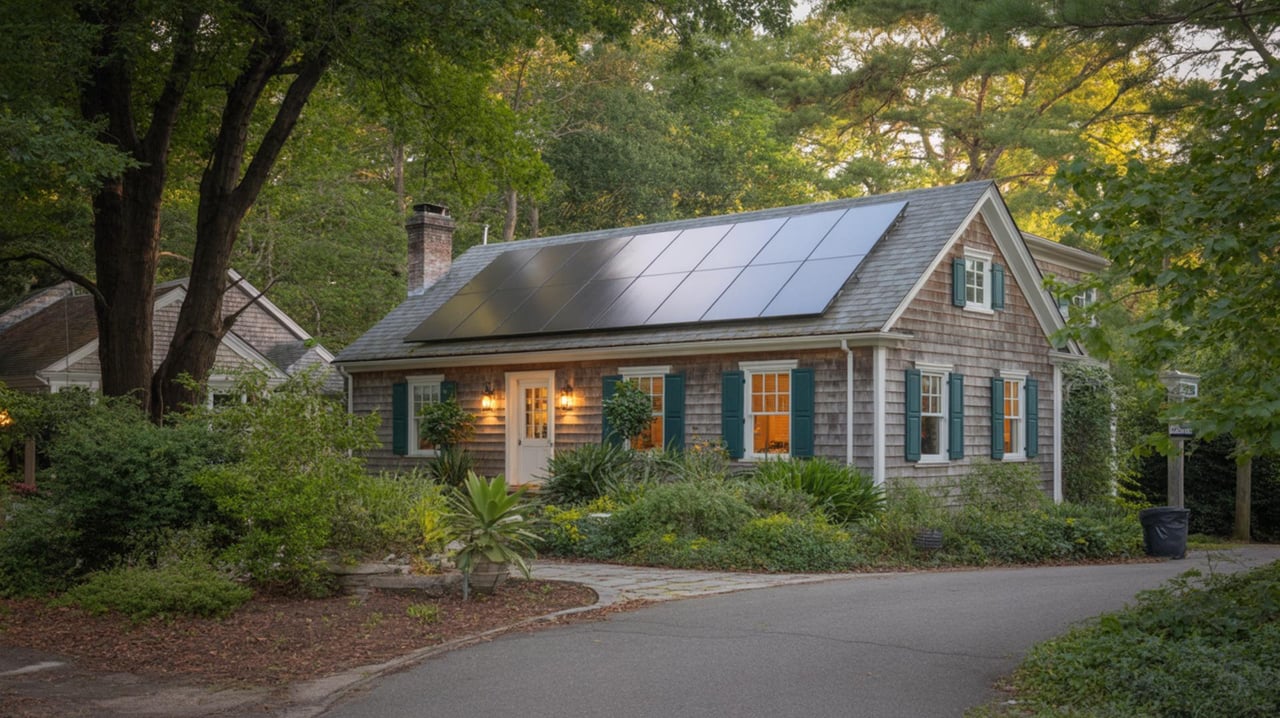
Springs sits on the northern side of East Hampton, facing Gardiners Bay. The shoreline is dotted with small harbors, pocket beaches, tidal creeks, and marshland that set a relaxed tone. Streets are quieter, with modest cottages, renovated farmhouses, mid-century homes, and some larger waterfront properties.
Commercial activity is light and local. You’ll see cafes, delis, seafood counters, and seasonal spots rather than big restaurant rows. The result is a neighborhood feel, where you recognize faces and the pace stays steady.
Artistic roots you can feel
Springs is known for its mid-20th-century artist history. Painters and writers came for the quiet light, the water views, and the simple housing that once made longer stays possible. The Pollock-Krasner House and Study Center remains the best-known landmark of that story and anchors the hamlet’s cultural identity.
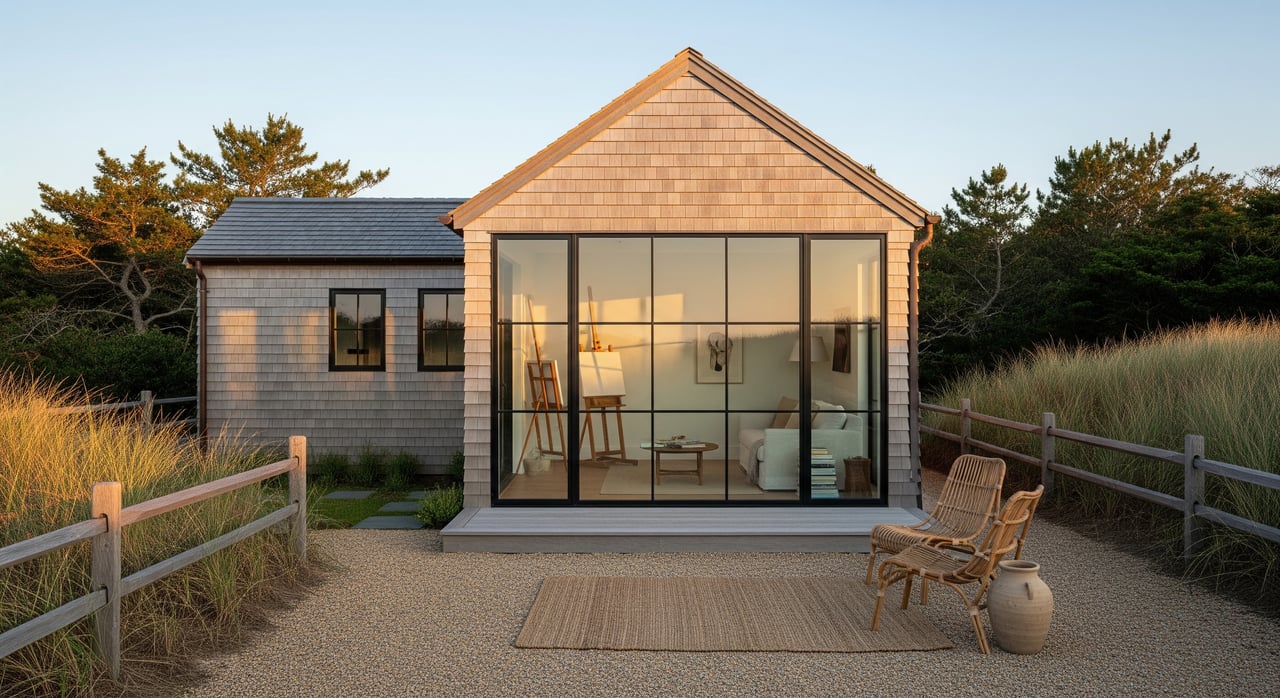
That legacy continues today in a grassroots way. Studios, small galleries, open-studio days, and private gatherings are part of the local fabric. If you value a casual, tolerant, and creative atmosphere, you’ll feel at home here.
Waterfront and outdoors
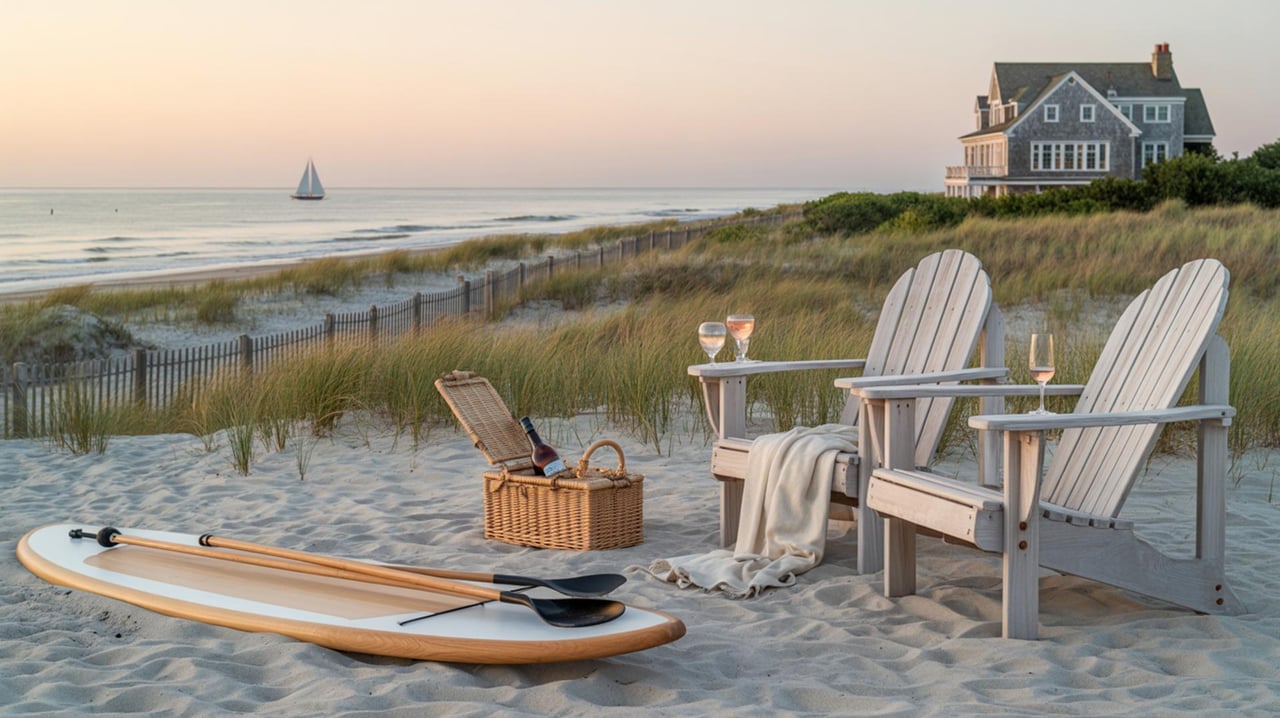
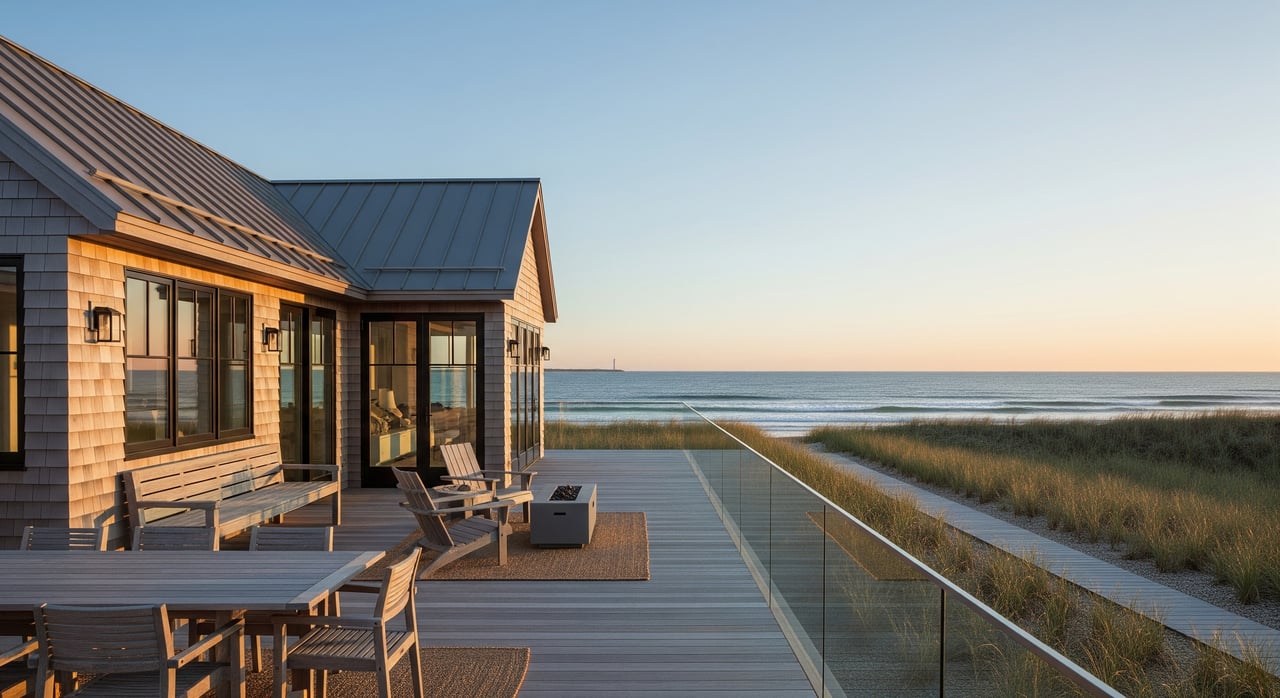
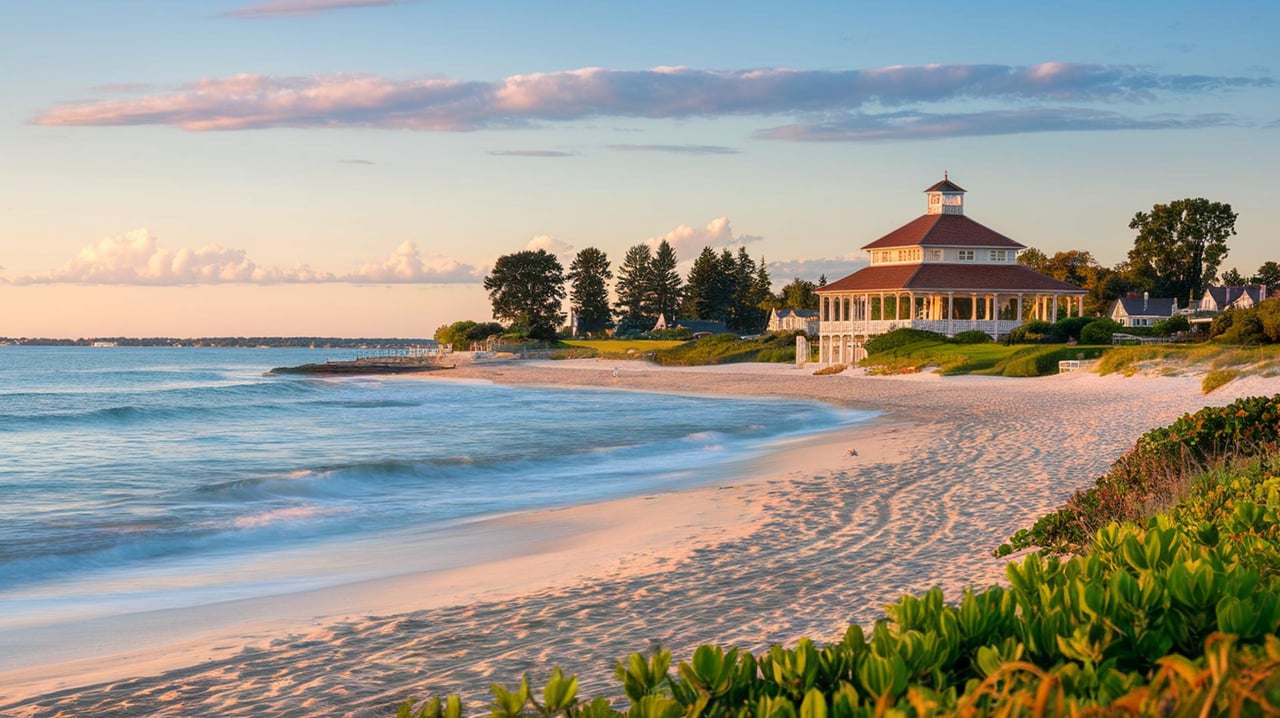
Springs is about bay life more than ocean surf. The water is typically calm, which makes it ideal for kayaking, paddleboarding, small-boat sailing, and swimming on gentle days. You’ll also find clamming and birding along the inlets and marsh edges.
Moorings and slips are often in small, privately run facilities. Availability can be seasonal, so plan ahead if a boat is part of your life. Preserved open spaces and woodlands around the hamlet support simple pleasures like short walks, sunset watching, and spotting migratory birds in spring and fall.
Food and weekly rhythms
The food scene leans local and friendly. Expect fresh seafood, simple seasonal menus, and shorter lines than in busier hubs. Many businesses adjust hours in the winter, which keeps the neighborhood quiet.
A typical day might start with coffee near home, a stop at a neighborhood market or seafood counter, a few errands, and a late-afternoon beach walk. Farmers markets in the broader East Hampton area become weekly rituals in season, where you catch up with neighbors and stock up for the weekend.
Arts and events
Arts programming in Springs tends to be intimate rather than institutional. You’ll find occasional open studios, small concerts, pop-up shows, and seasonal art walks. For larger museums or galleries, nearby East Hampton and Southampton offer more formal options.
Summer brings more activity, but Springs usually stays gentler than the village centers. If you enjoy casual events that blend into daily life, this rhythm will feel natural.
Getting around
You can reach East Hampton by car on Route 27 or by the Long Island Rail Road’s Montauk Branch. From there, local roads lead into Springs. Because it sits at the eastern end, travel times vary by season, and trips from NYC can take longer on peak weekends.
Springs offers some walkable pockets near shops and beaches, but most errands still need a car. Parking is simpler than in busier areas, especially outside peak summer weeks.
Seasonal lifestyle patterns
High season runs from late May through Labor Day. You’ll see more boats on the water, fuller beaches, and extended hours at seasonal businesses. Traffic and wait times rise in July and August, but Springs remains quieter than the major hubs.
Shoulder seasons in spring and fall often show Springs at its best. Crowds thin, the light turns crisp, and artistic programming stays active. Real estate viewings and contractor scheduling can be easier in these months.
Late fall through early spring is quiet and residential. Some businesses scale back or close for the season. If you value privacy and calm, you may prefer this period for long weekends and focused work time.
Who Springs fits best
Springs suits buyers who prioritize authenticity and ease.
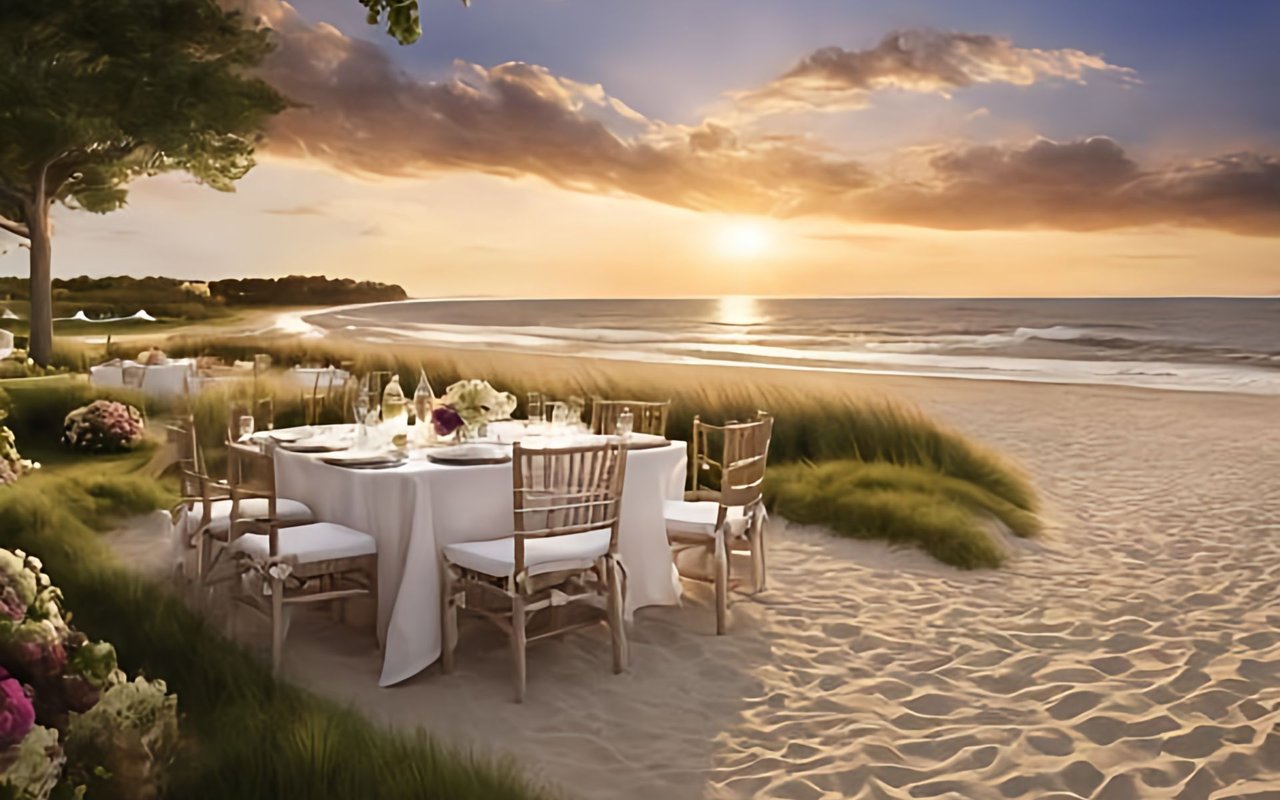
- Creatives and makers: You’ll appreciate the studio culture and the easy access to water and woods for inspiration. Sunsets on the bay with a bottle of wine are standard fare.
- Second-home owners seeking respite: You get a relaxing base with essential amenities and access to the broader East End.
- Boaters and nature lovers: Sheltered bay waters, small harbors, and salt-marsh scenery are daily features. Oyster farming, clamming and fishing are very popular.
- Households seeking neighborhood scale: If you prefer a residential feel and a slower pace, Springs offers it.
If you want high-end nightlife, a busy restaurant scene, or fast commutes, you may lean toward central East Hampton, Southampton, or Sag Harbor instead.
What to check before buying
Buying in a bayside hamlet comes with specific due diligence. Build these items into your plan:
- Zoning, wetlands, and setbacks: Many properties sit near marshes or creeks. Confirm East Hampton Town rules for building, renovations, and coastal permitting before you design or bid.
- Flood risk and insurance: Parts of Springs fall within FEMA flood zones. Review elevation, potential storm surge exposure, and the cost and availability of flood and wind coverage.
- Property taxes and assessments: Taxes vary by property class and assessed value. Ask for recent bills and confirm applicable town and county rates.
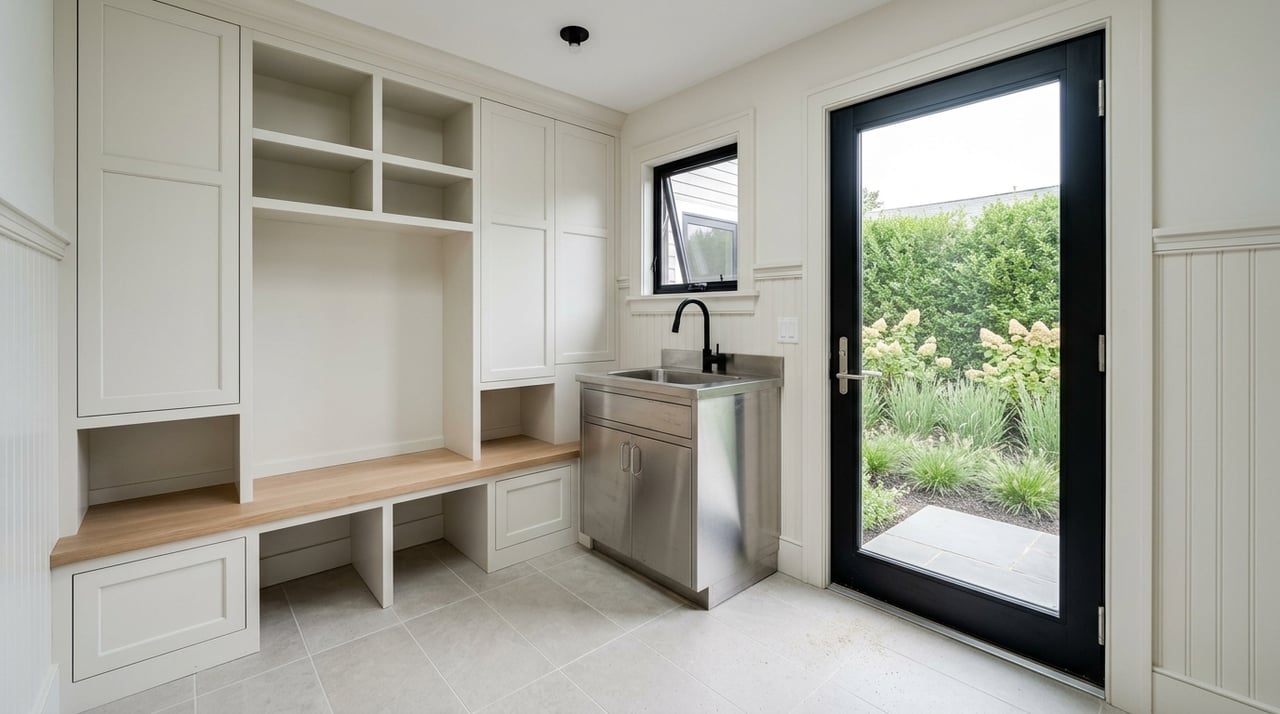
- Utilities and services: Some homes rely on private septic and possibly private wells. Understand maintenance, pumping schedules, and any shared obligations.
- Rental rules and permits: If rental income matters, confirm local codes, seasonal limits, and permits for short-term rentals before you buy.
- Market dynamics: Springs can have limited inventory and lower turnover than busier markets. Seasonality affects showing volume, pricing strategies, and time on market.
A strong plan includes a local attorney, an insurance broker familiar with coastal risk, and clear guidance on zoning and conservation issues.
Smart next steps
- Visit in multiple seasons to test travel times, business hours, and beach access.
- Walk the shoreline at different tides to understand views, breezes, and privacy.
- Confirm mooring or slip options early if boating is central to your plans.
- Line up inspections that address coastal construction, septic, and drainage.
- Review rental goals against local rules and realistic seasonal demand.
If Springs sounds like your version of the Hamptons, you deserve advice that blends lifestyle insight with hard numbers. My approach pairs neighborhood storytelling with investor-grade analysis, so you see both the feeling and the facts behind every property. Ready to explore Springs with a data-first plan that respects your time and goals? Connect with Michael Petersohn for a personal consultation.
FAQs
How does Springs differ from East Hampton Village or Sag Harbor?
- Springs offers quieter, residential scale with bay beaches and an artist legacy, while the village centers have more commercial activity, dining, and nightlife.
Is the NYC commute practical from Springs?
- You can drive via Route 27 or take the LIRR to East Hampton, then local roads to Springs, but travel times vary by season and schedule, especially on peak summer weekends.
Are there beaches and boating access in Springs?
- Yes, Springs centers on calm bay beaches, small marinas, and mooring fields; plan ahead for seasonal availability if you need a slip or mooring. Residents are zoned for the beaches in Amagansett with free resident parking passes.
Is Springs suitable for year-round living?
- Many households appreciate the steady, residential pace year-round, though some businesses scale back in winter and you should verify school district boundaries if relevant.
Do artists still live and work in Springs?
- Yes, the creative legacy continues through private studios, open-studio events, and small gatherings, with the Pollock-Krasner House as a key cultural anchor. The area is known for its natural light and has drawn artists from around the world for over one hundred years.