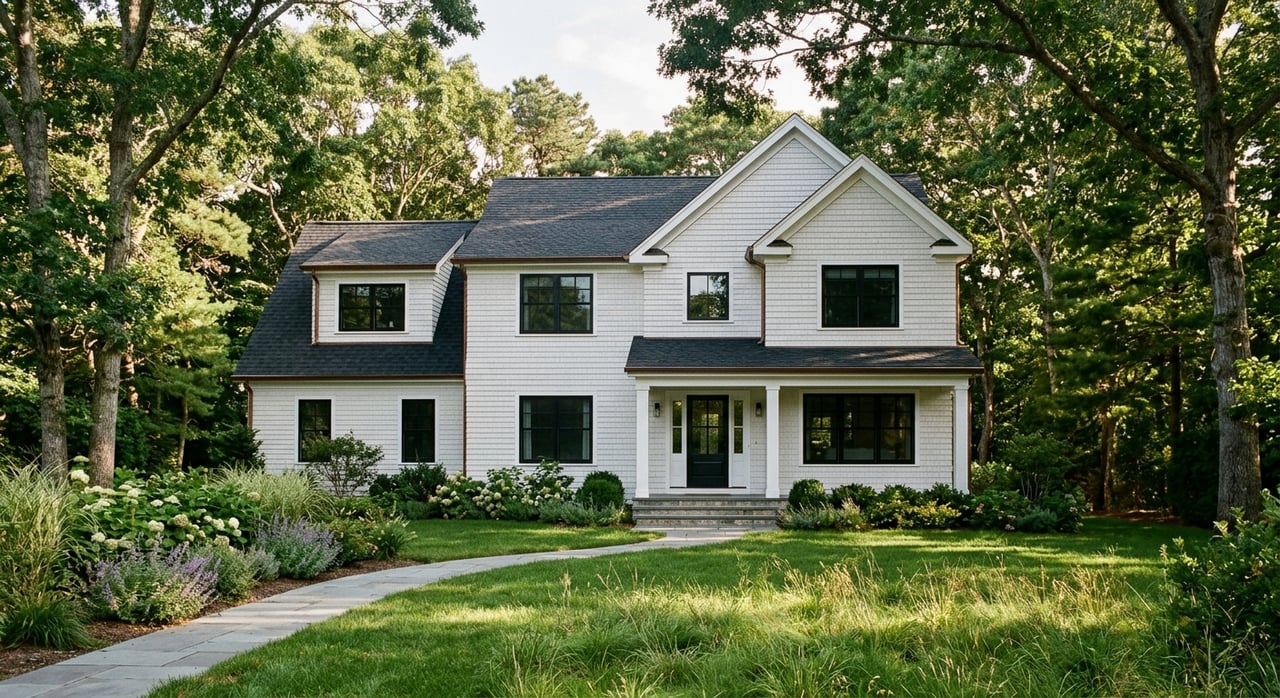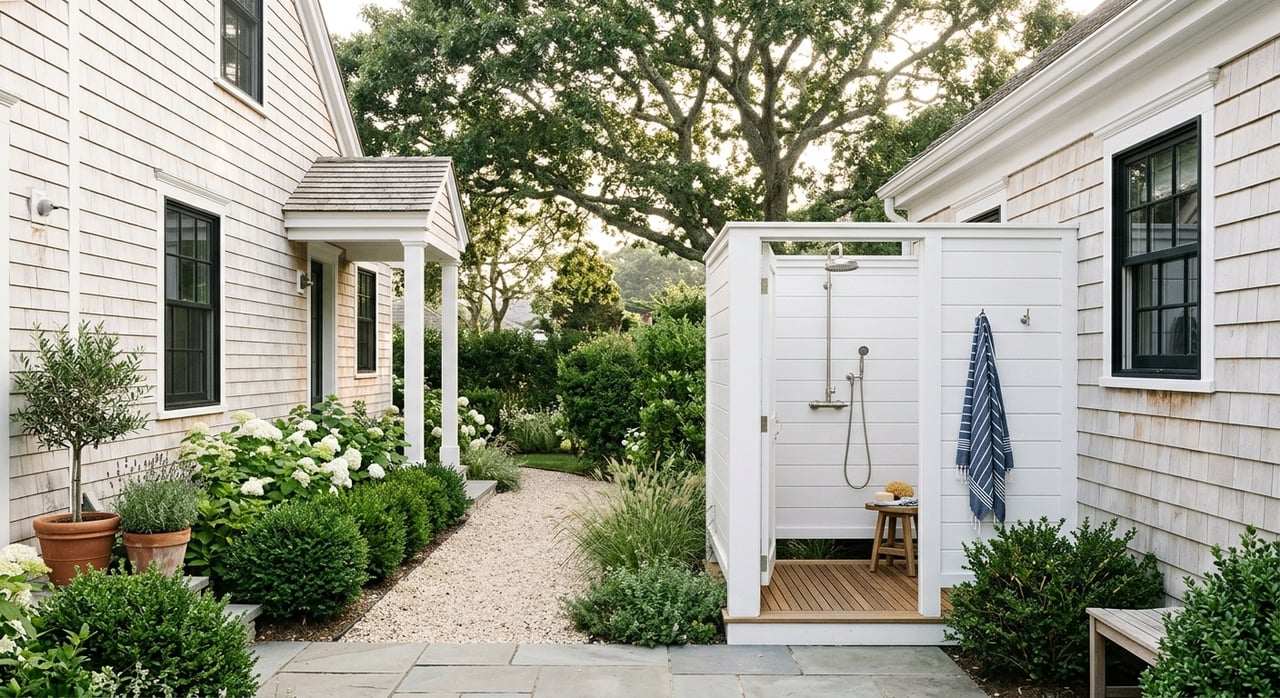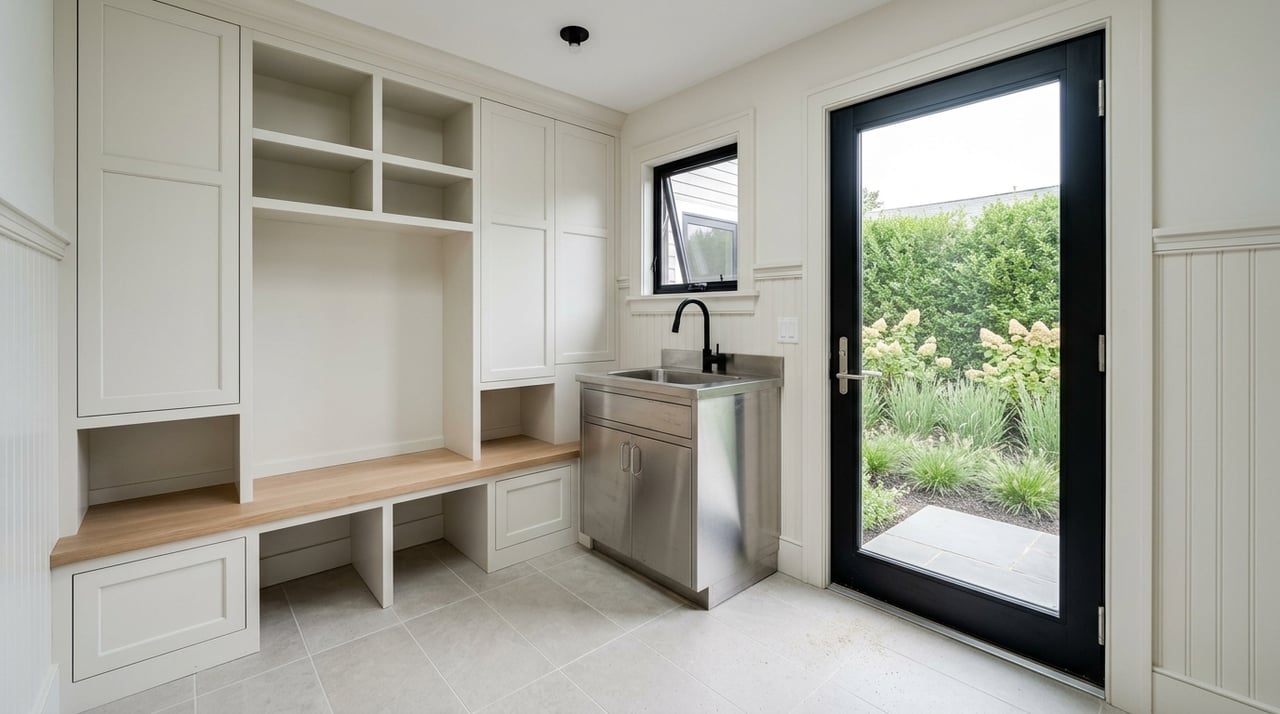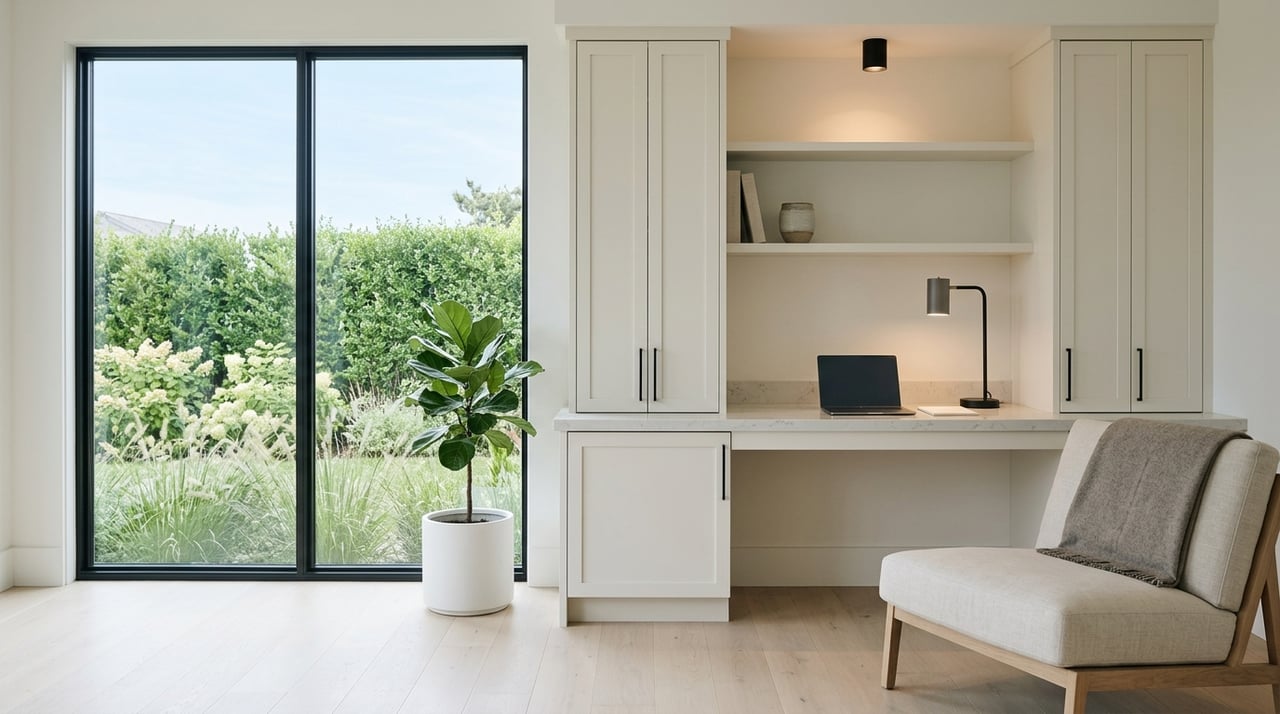
Thinking about selling your Westhampton home and unsure where to price it? You are not alone. In the Hamptons, the right number is a strategy, not a guess. When you anchor your price to real comps, seasonality, and measurable demand, you protect your equity and speed up your timeline. This guide gives you a step-by-step, data-driven plan tailored to Westhampton so you can launch with confidence and adjust with clarity. Let’s dive in.
How Westhampton pricing really works
Westhampton sits at the intersection of lifestyle and asset value. Buyers look for beach access and village convenience, but they also study carrying costs, flood risk, and resale potential. That mix makes pricing both art and analytics.
A smart plan uses closed sales, competing listings, and absorption trends to shape your list price and your next moves. With a clear model, you can defend your number, pivot quickly if needed, and capture the best terms.
Gather the right local data
Before you set a price, collect current, local evidence. Focus on:
- Recent closed sales within 90 to 180 days in Westhampton and nearby Southampton hamlets.
- Current pending and active listings competing with you now.
- Expired or withdrawn listings that signal overpricing limits.
- Neighborhood-level days on market, list-to-sale price ratios, and months of inventory.
Ground your file with official sources such as the local MLS, Town of Southampton records, Suffolk County tax and assessor data, FEMA flood maps, and current utility status. These sources document what sold, what is allowed, what it costs to own, and any risks a buyer will price into an offer.
Build your pricing model
A strong model blends comparable sales, price-per-square-foot baselines, and market velocity. The goal is to arrive at a realistic range and then test it against current competition.
Choose the right comps
Start with closed sales that match your property type, lot size, finished living area, and features. Prioritize the closest micro-neighborhoods first, then expand carefully if samples are thin. When you step outside Westhampton, note why and how you adjusted.
Keep a short list of your top 3 to 6 closed comps plus 3 to 6 active or pending listings that a buyer would consider as alternatives.
Set a price-per-square-foot baseline
Calculate the median price per finished square foot from your comps. Use gross living area consistently and exclude unfinished basements or attics. Watch for outliers, especially luxury waterfront sales that can skew averages. Stick to the median and the middle range to stay grounded.
Adjust for features that move value
Document dollar or percentage adjustments for items buyers in Westhampton care about. Typical categories include:
- Lot size and privacy
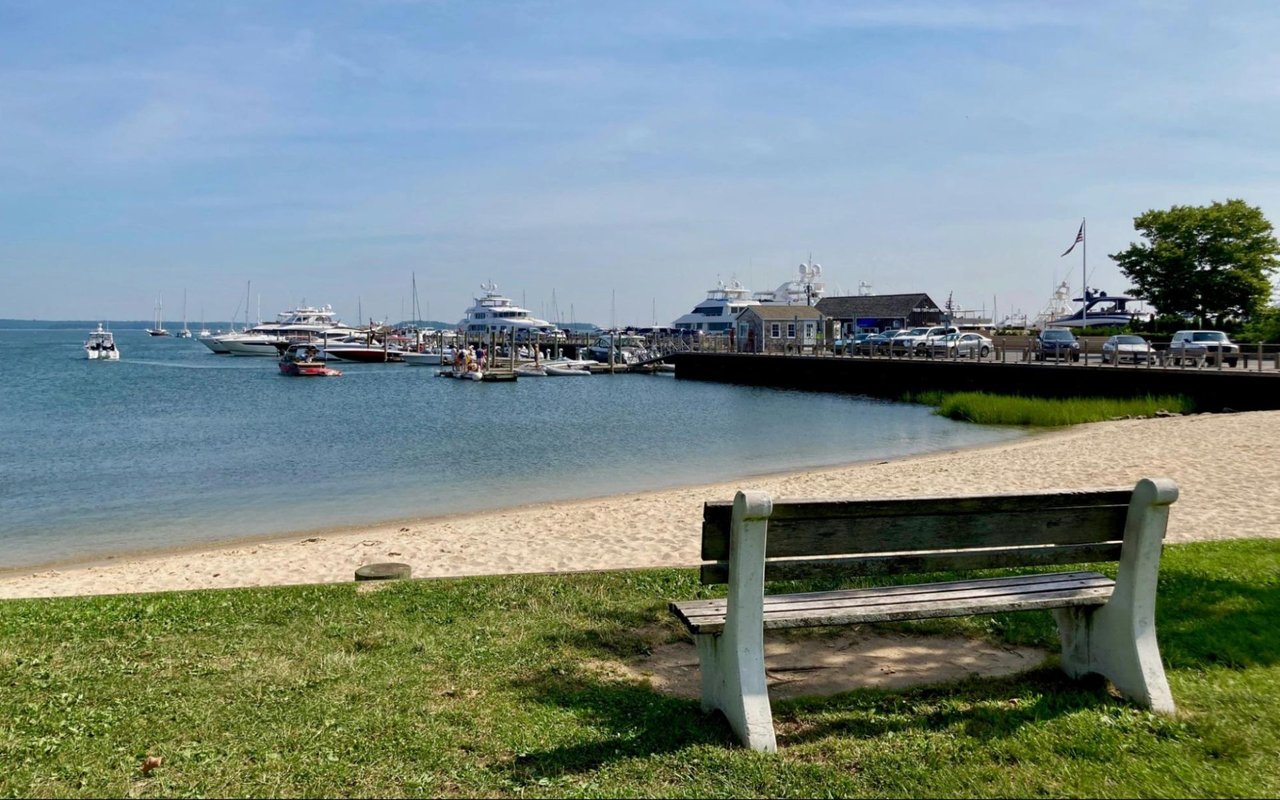
- Water proximity, views, and true waterfront
- Docks, boat access, bulkheads, and dune systems
- Pool, garage, finished lower level, and guest spaces
- Quality of renovation and age of major systems
If you do not have a set adjustment schedule, infer adjustments from the tightest comps and apply them consistently across your model.
Factor in Westhampton specifics
Local variables influence both price and days on market. Bake these into your plan early to avoid surprises.
Seasonality and timing
Buyer traffic in the Hamptons rises from late winter into summer. If you want to capture summer demand, prep early so you can hit the market as momentum builds. If you list off-season, expect fewer showings and consider a tighter price to compete.
Flood zones and insurance
Coastal and low-lying parcels may fall within FEMA-designated flood zones. That affects lender requirements and carrying costs. Gather your Elevation Certificate, recent flood insurance premiums, and any mitigation improvements. Clear documentation reduces buyer friction and helps you defend value.
Utilities, septic or sewer
Confirm whether the home is on public sewer or septic and whether you have public water. If septic, collect recent service records and be aware of any inspection or upgrade requirements. These details shape buyer confidence and timing.
Property taxes and assessments
Carry copies of recent tax bills and the property’s assessment history. Buyers model affordability and will compare similar homes by total cost of ownership.
Local rental and zoning rules
The Town of Southampton regulates rentals, including short-term stays and accessory uses. If investors are part of your likely buyer pool, verify current rules and have your documentation ready. Clarity about permits and compliance helps protect your price.
Set clear pricing scenarios
Price is not one number. It is a strategy with defined outcomes. Build three scenarios and choose the one that matches your goals and the current absorption rate.
- Market price: A data-justified list price aligned with recent adjusted comps and current inventory. This aims for a typical timeline and strong negotiating position.
- Quick-sale price: A slightly lower price designed to create urgency. Use this when speed is more important than squeezing every dollar.
- Aspirational price: A premium test price for unique properties and patient sellers. Only use this with a written reduction plan if early activity is light.
For each scenario, prepare estimated net proceeds that include closing costs, commissions, liens, and prorations. Seeing net outcomes side by side helps you decide with clarity.
Launch for maximum impact
Pricing and presentation work together. Your goal is to drive strong first-week awareness and qualified showings.
- Price within 1 to 2 percent of your modeled market value unless your strategy is a targeted underprice for competition.
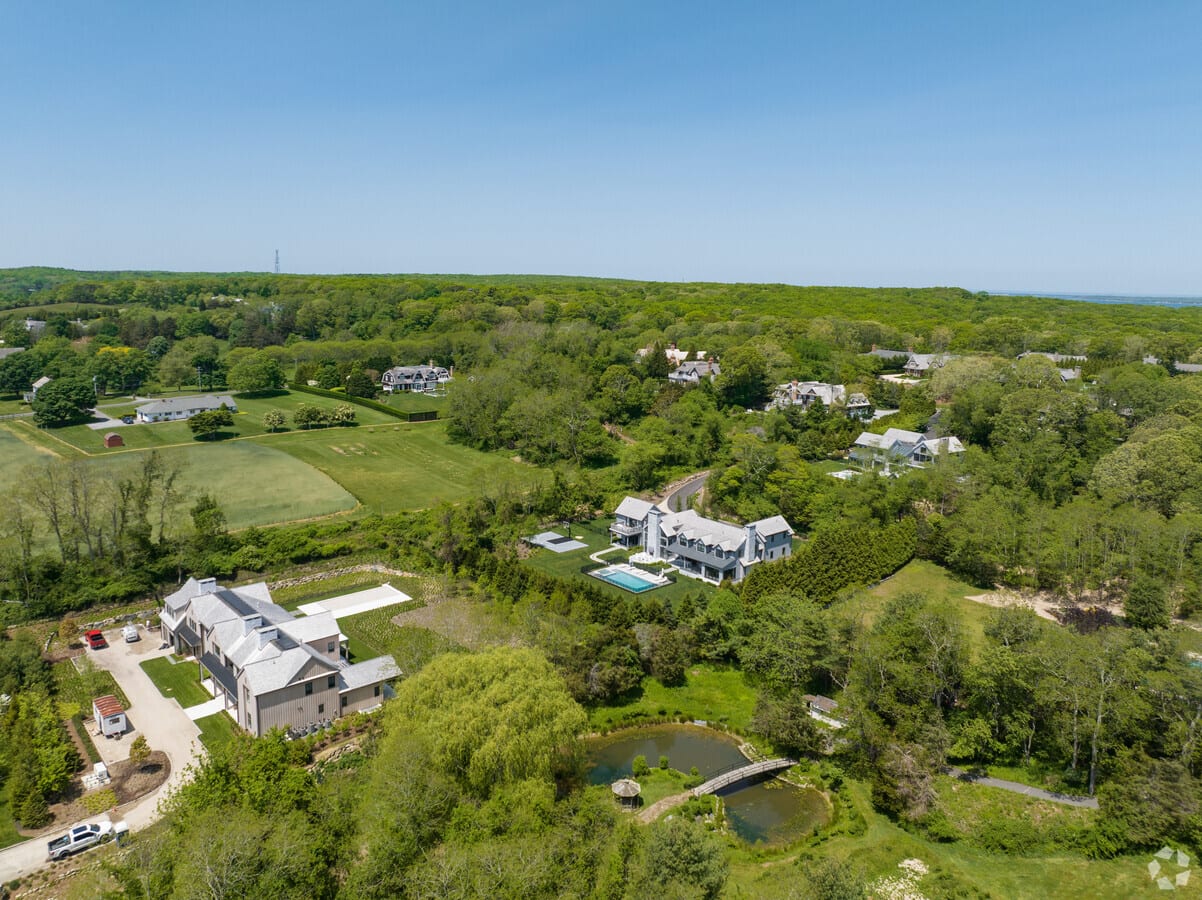
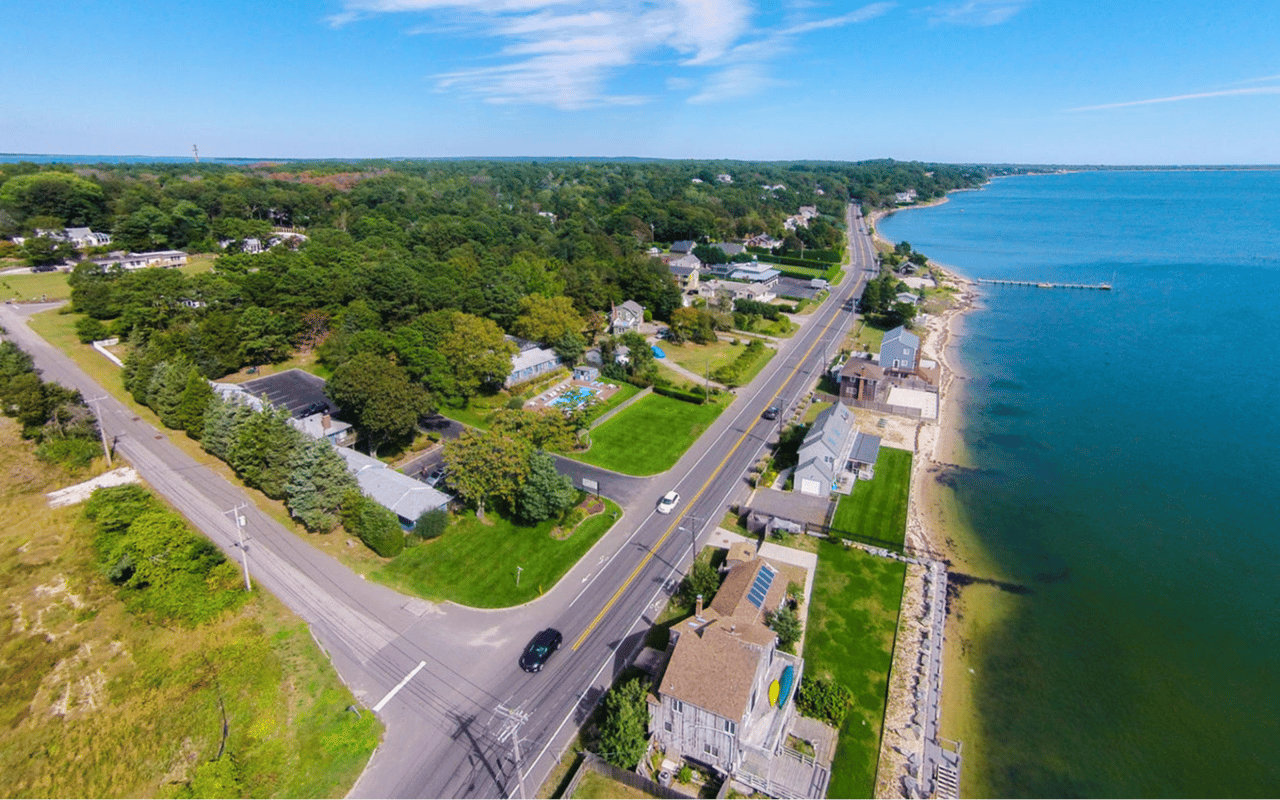
- Coordinate professional photography, floor plans, and, where relevant, aerial images to show lot orientation and water proximity.
- Time open houses and initial showings to maximize early exposure. If you expect multiple offers, set a short, clear review window.
When reviewing offers, look beyond price. Pre-approval strength, deposit size, inspection scope, and closing flexibility can improve your net and reduce risk.
Monitor and adjust using data
Have decision rules in writing before launch. This turns emotion into action.
- First 7 to 14 days with low showings or online engagement: refresh photos, description, and marketing distribution. Confirm the price is aligned with real-time competition.
- 14 to 30 days with steady showings but no offers: consider a measured reduction, commonly 2 to 4 percent, and re-market with new creative.
- Multiple offers: use a transparent highest-and-best process and model the net outcome of each offer, including terms and timelines.
If interest rates shift or new competing listings change the landscape, re-run your CMA and adjust quickly.
What to prepare before you list
A clean file speeds negotiation and boosts buyer confidence. Assemble:
- Deed, survey, recent tax bills, and assessment history
- Utility details and, if applicable, septic service records
- Flood documentation, including any Elevation Certificate and insurance premiums
- Permits, certificates, and disclosures required by the Town of Southampton
- Recent utility bills and, if relevant, homeowner association information
- School district information presented in neutral, factual terms
Small, high-ROI improvements can also lift outcomes:
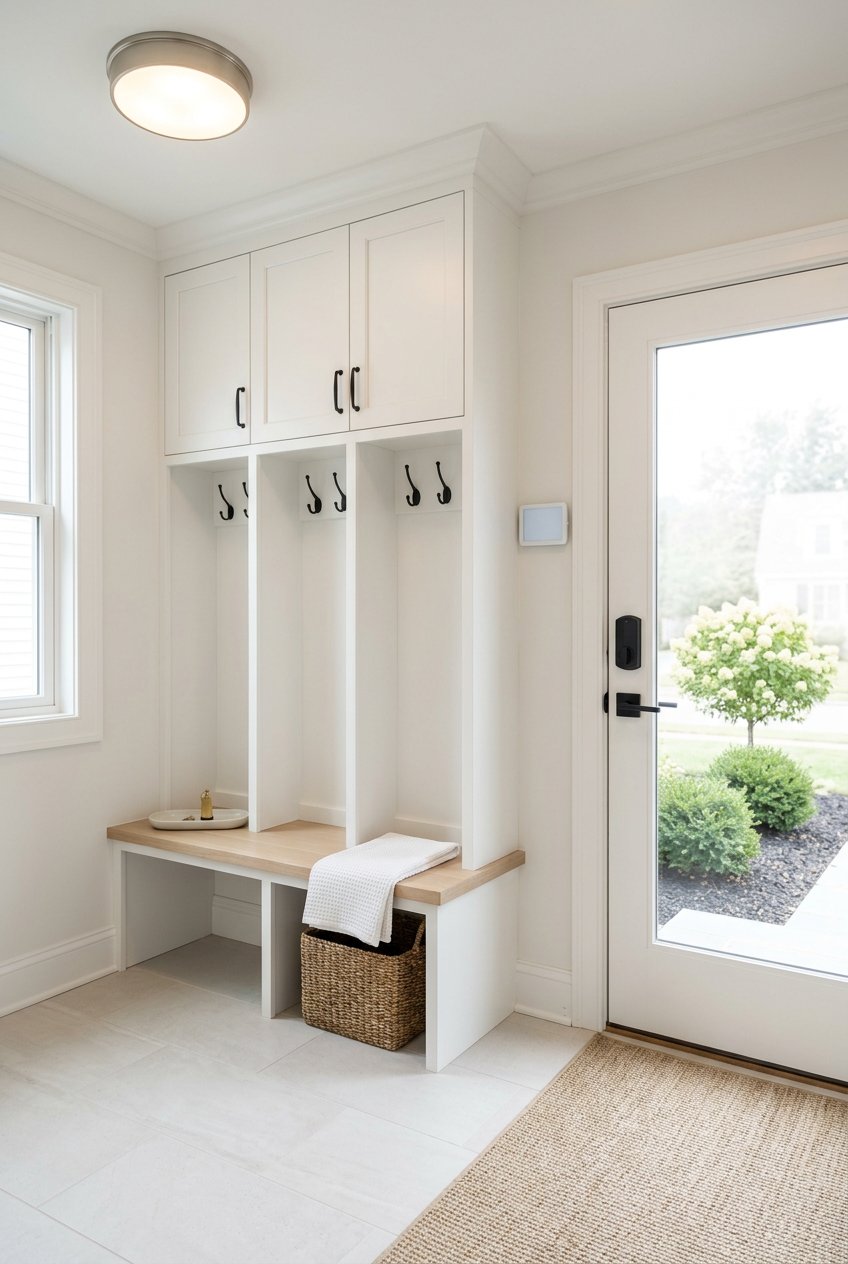
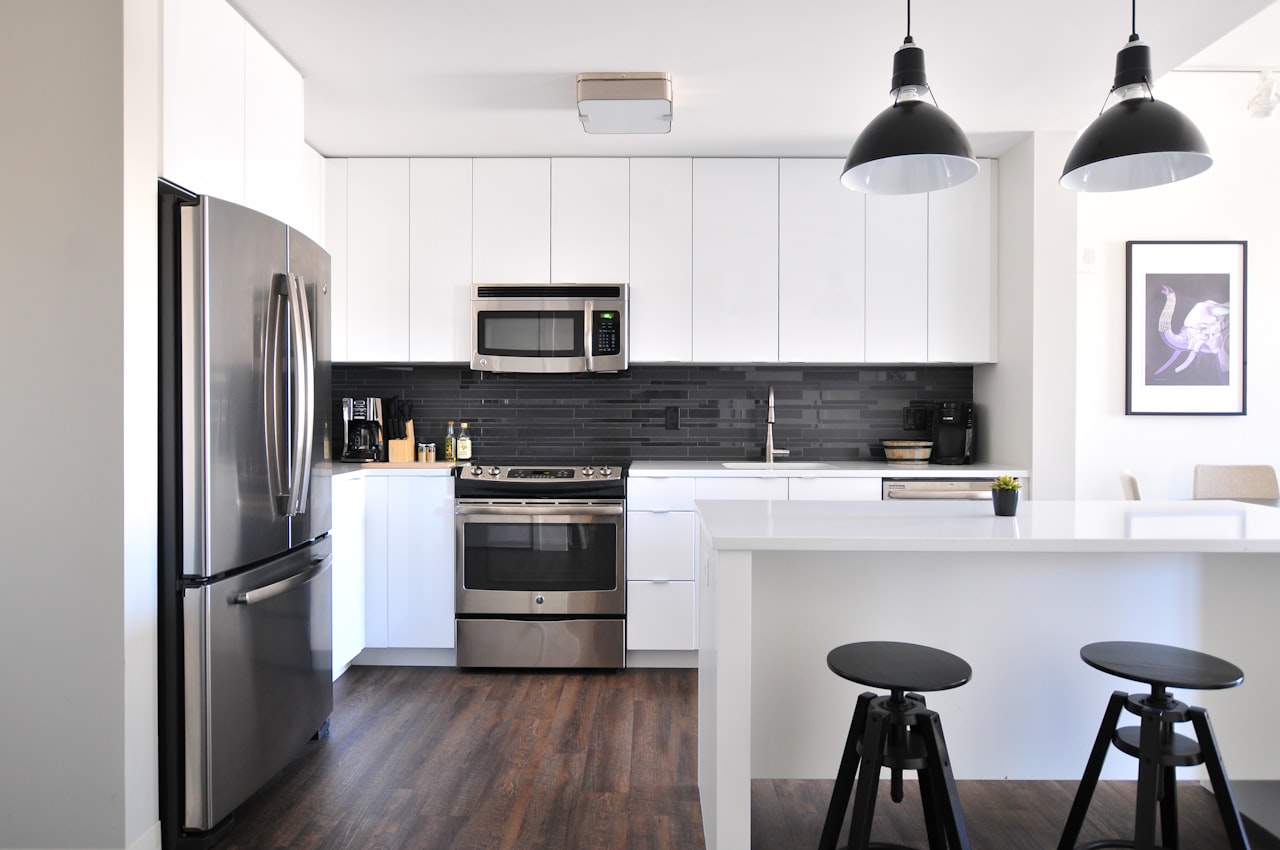
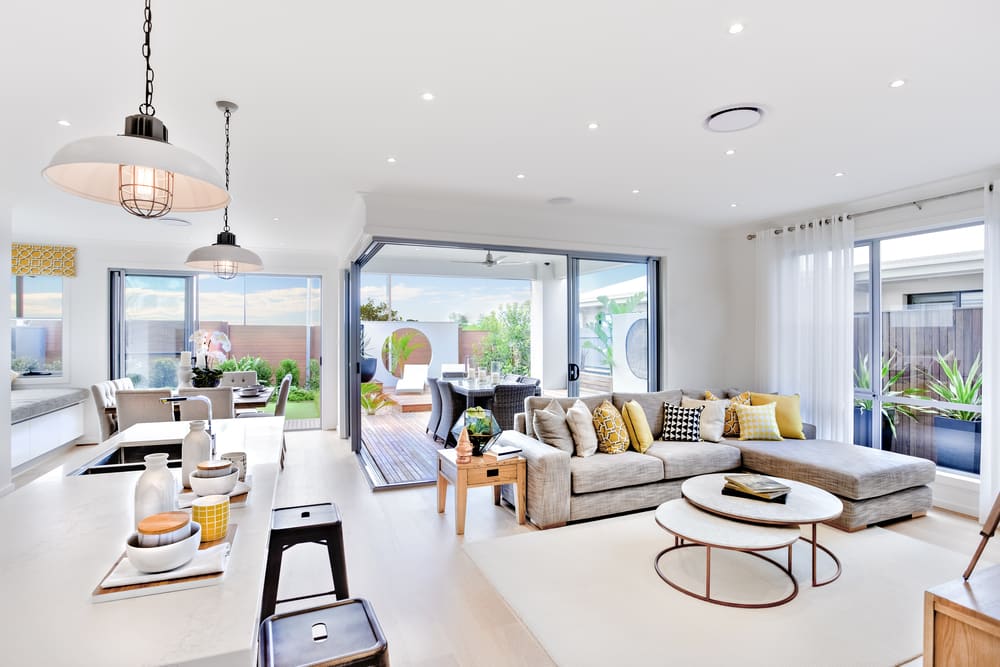
- Deep clean, declutter, neutral paint, and updated lighting
- Minor kitchen and bath touchups where wear is visible
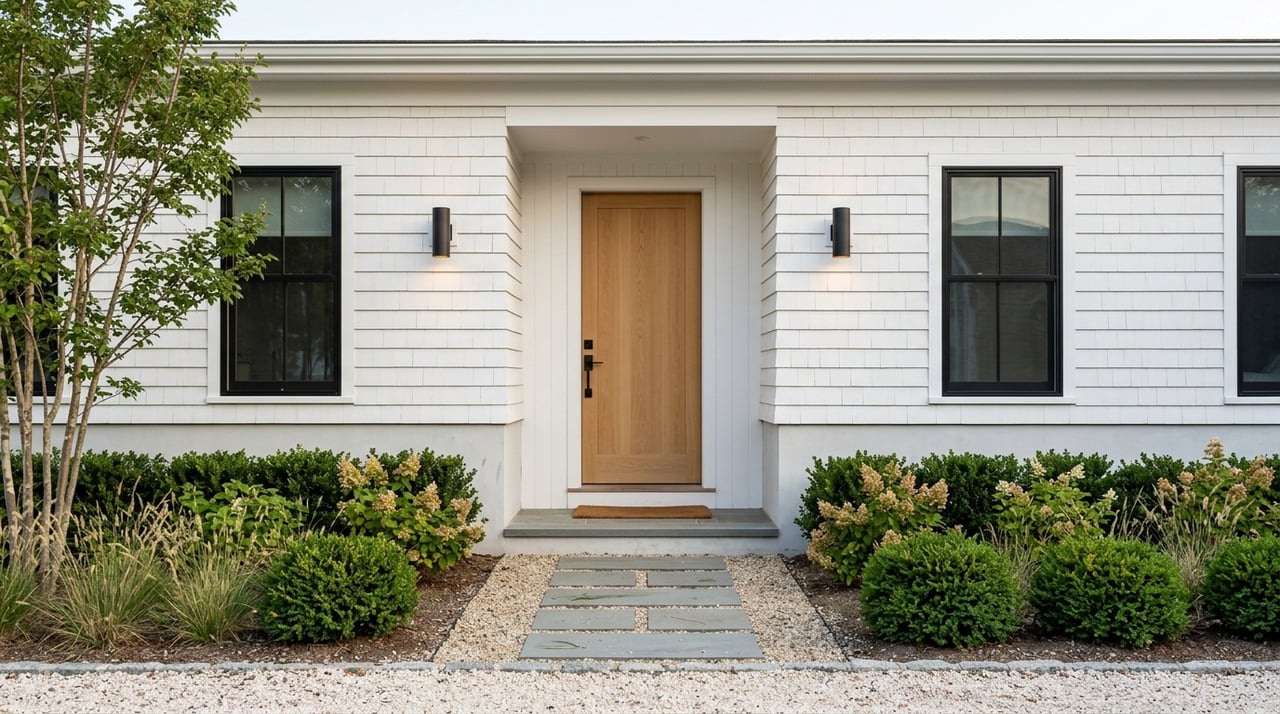
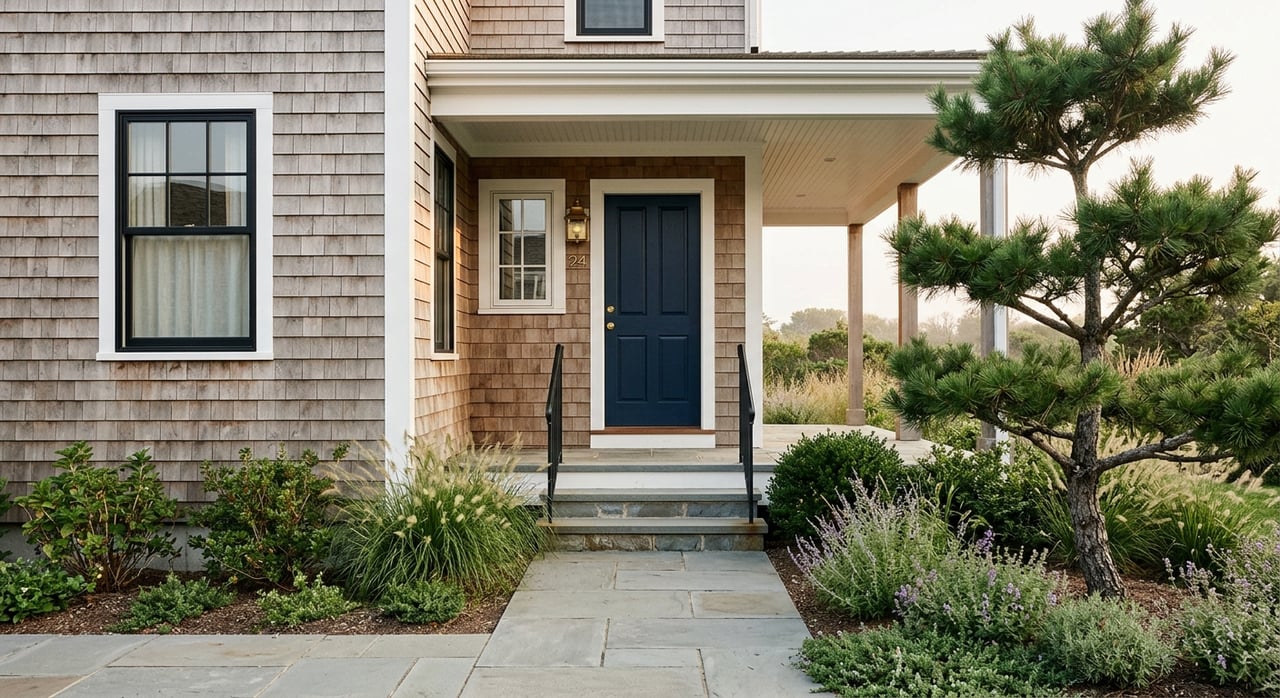
- Landscaping and entry refresh for strong curb appeal
Quick reference: simple calculations
Use these rules of thumb to frame your numbers:
- Price-per-square-foot baseline: median comp price divided by median gross living area. Multiply by your home’s finished square footage, then apply feature adjustments.
- Months of inventory: active listings divided by average monthly closings over the last three months. Under 3 months is tight, 3 to 6 is balanced, over 6 leans buyer-favored.
- Net proceeds estimate: proposed sale price minus estimated commission, closing costs, outstanding liens, and prorations. Prepare this for each pricing scenario.
How this plan helps you win
A data-driven price aligned with Westhampton’s unique factors earns you three advantages. You attract the right buyers early, you negotiate from a position of evidence, and you adjust quickly without guesswork. That is how you protect time and equity.
If you want a tailored pricing model, complete with comps, adjustments, and a net proceeds plan, reach out for a personal consult with Michael Petersohn. You will get a clear strategy and a premium launch through a trusted Hamptons brokerage platform.
FAQs
How should I price my Westhampton home relative to comps?
- Price at or slightly below your modeled market value for a faster sale, at market for a typical timeline, or above market only if you have documented premium features and a firm reduction plan.
When should I reduce my list price if I get no offers?
- If early activity is light in 7 to 14 days, improve marketing first; if showings are steady but no offers by 14 to 30 days, consider a 2 to 4 percent reduction and reassess after two weeks.
Do staging and small repairs pay off in Westhampton?
- Minor cosmetic updates, curb appeal, and clean presentation typically increase offers and reduce days on market; compare the expected lift to the alternative of a price reduction.
How do FEMA flood zones affect value and demand?
- Buyers price in flood insurance and risk; present your Elevation Certificate, premiums, and any mitigation to reduce uncertainty and support a stronger price.
Should I get a pre-listing inspection or appraisal?
- A pre-list inspection can prevent late surprises; a pre-list appraisal helps when comps are scarce or you plan an aspirational price; weigh the cost against the risk of delays or renegotiation.