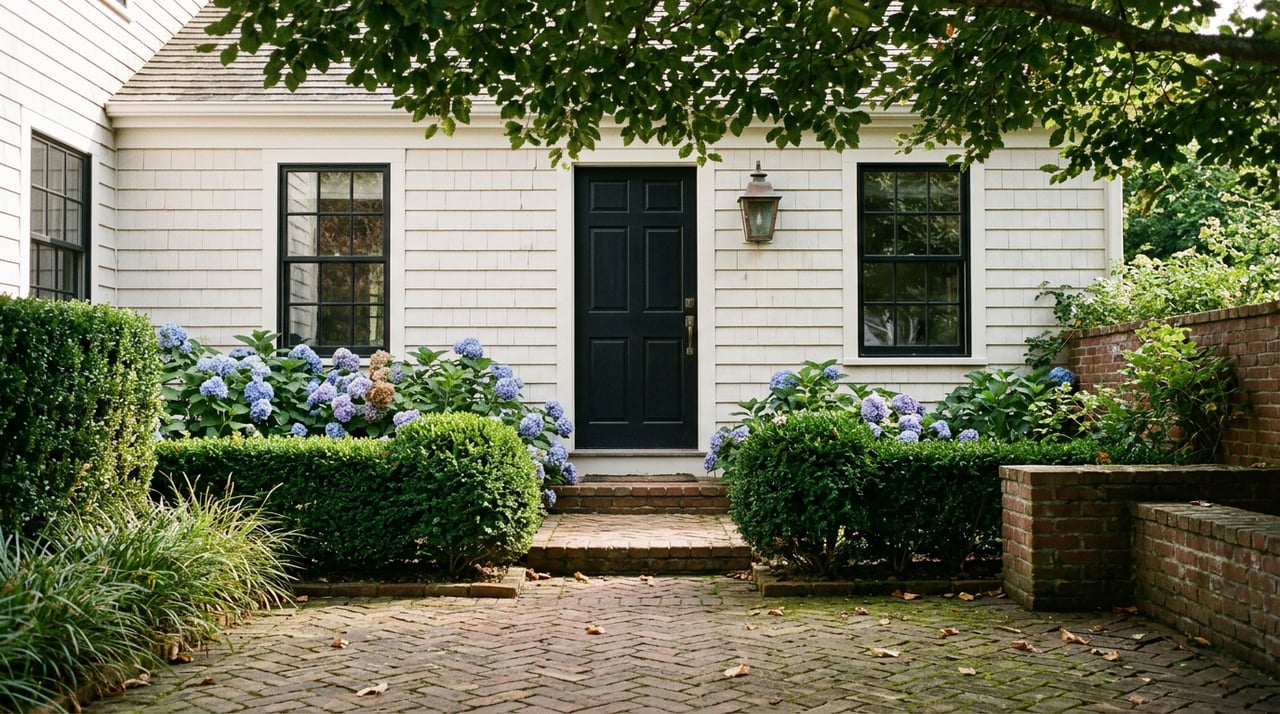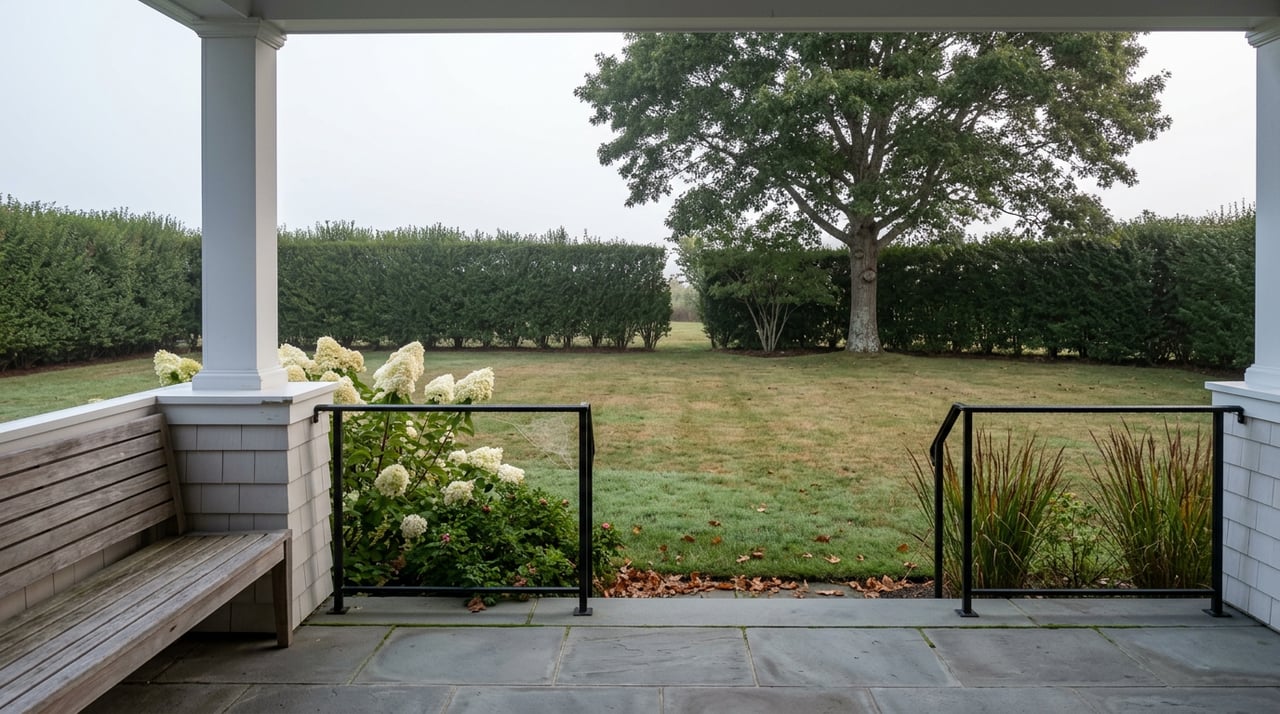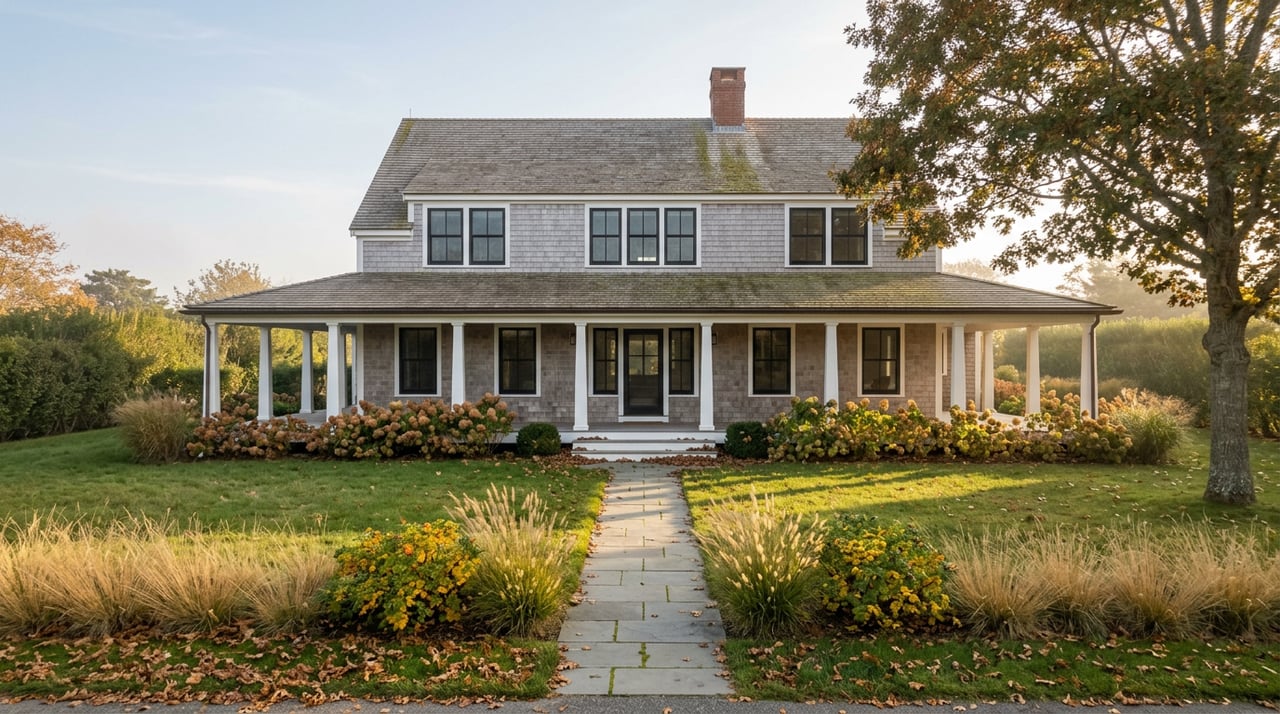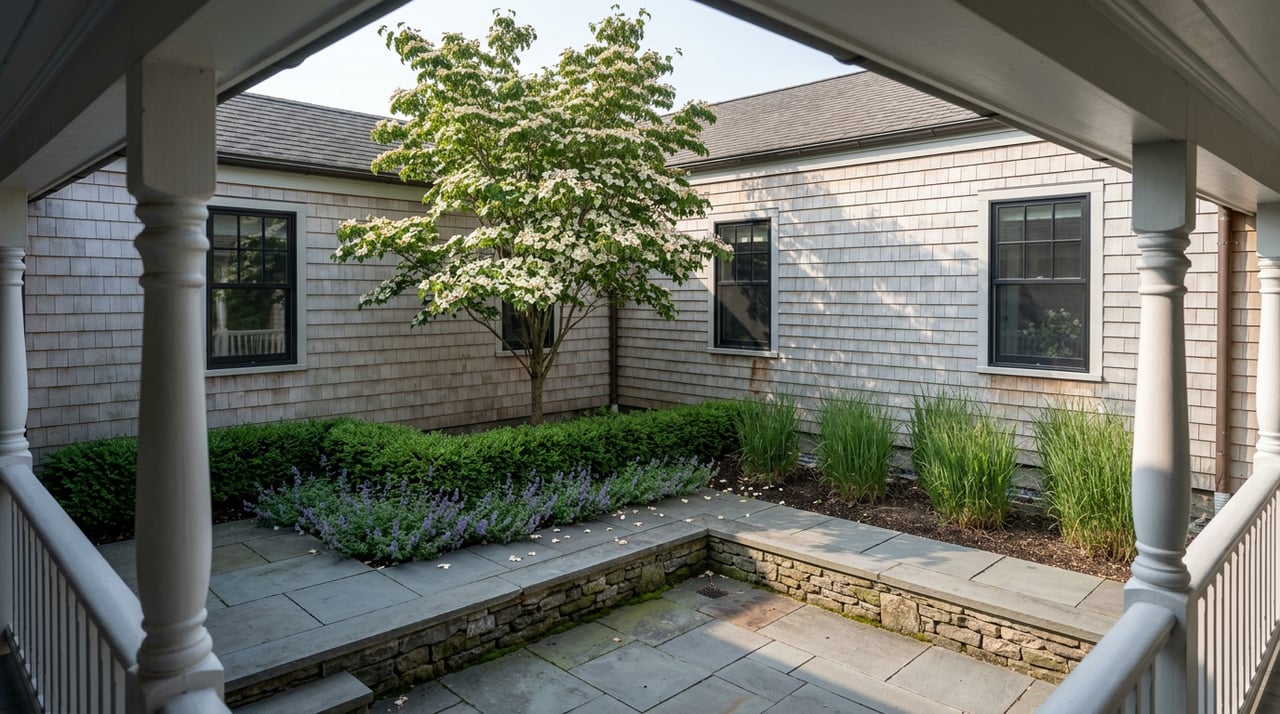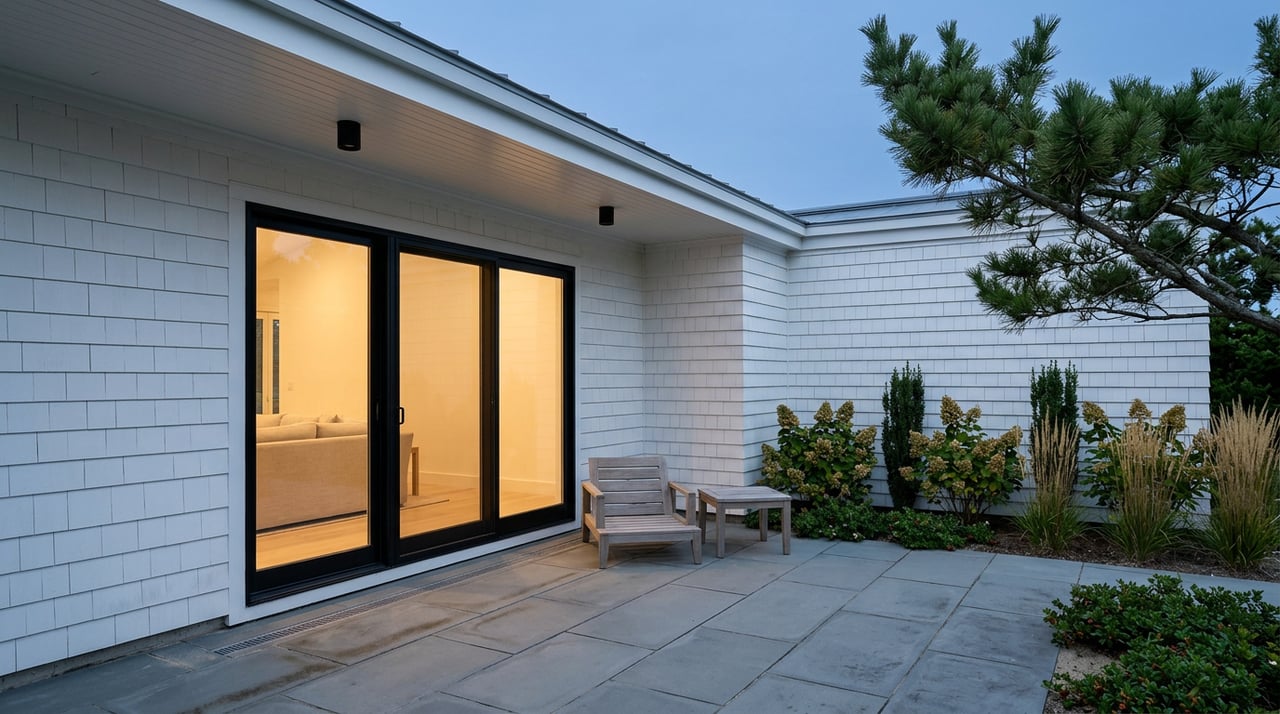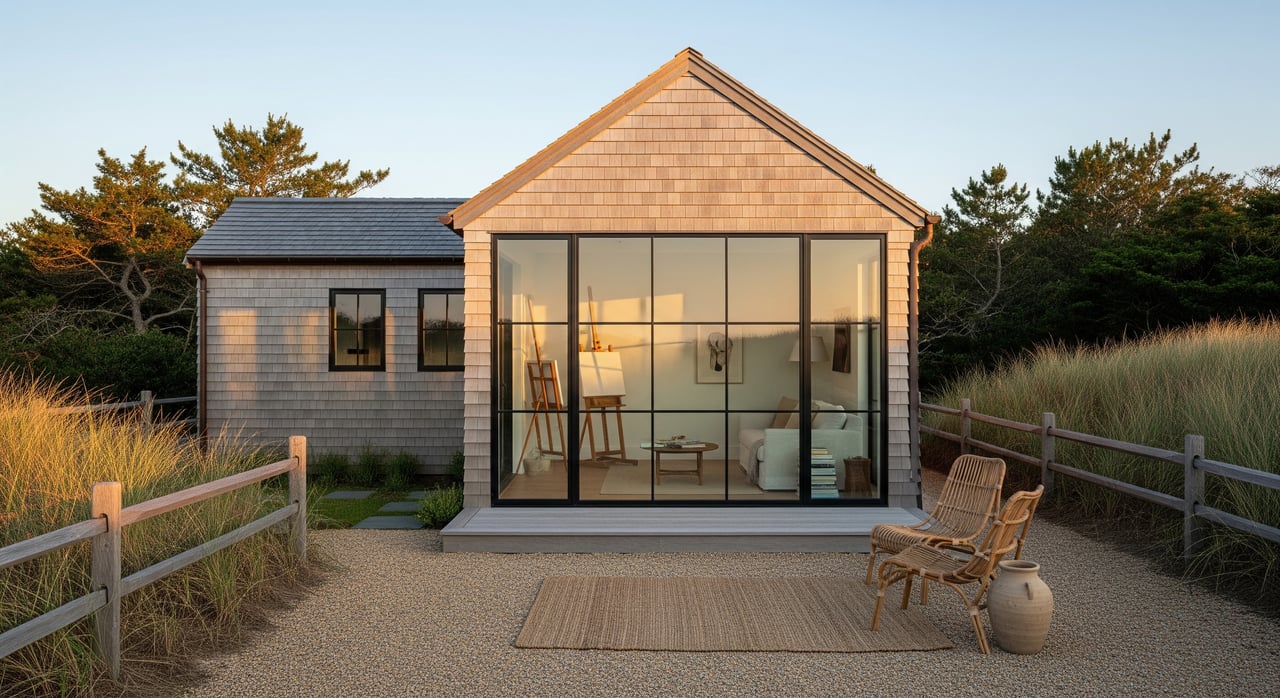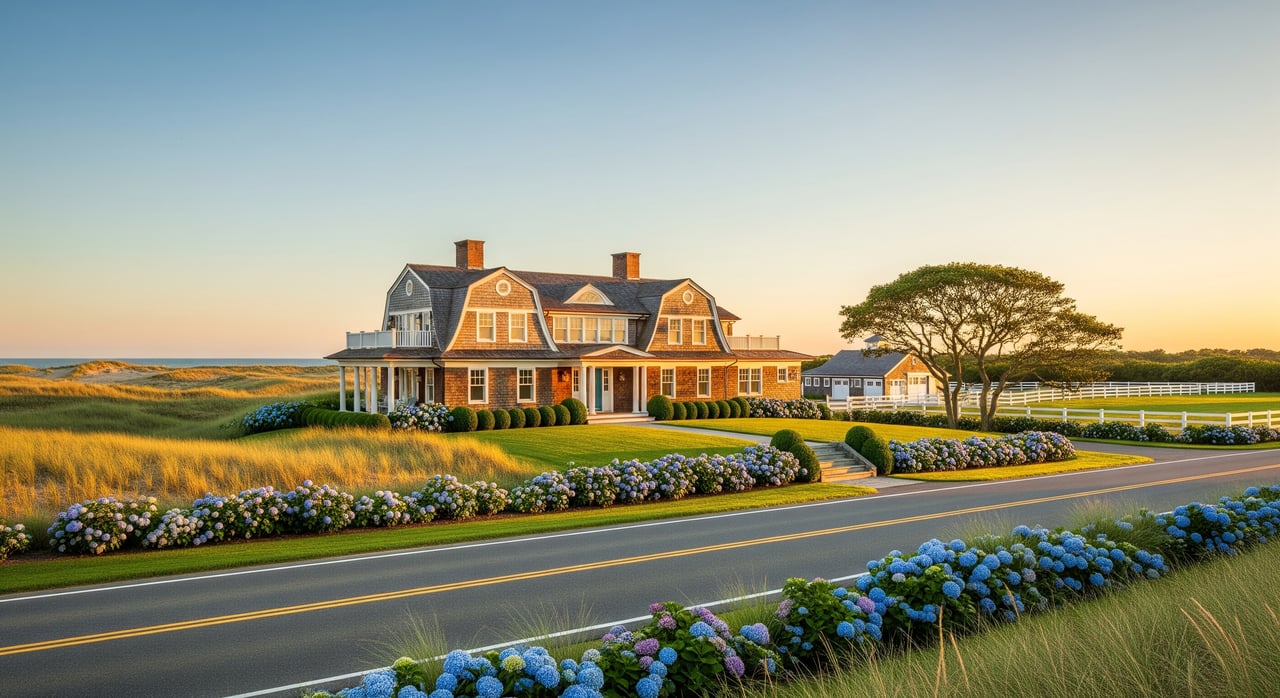
Trying to decide whether to buy south or north of the highway in Bridgehampton? You are not alone. Many second-home buyers start with this question because it shapes lifestyle, privacy, and long-term value. In this guide, you will learn what each side offers, what to expect on pricing and risk, and how to focus your search with a simple, practical framework. Let’s dive in.
South vs north: what it means
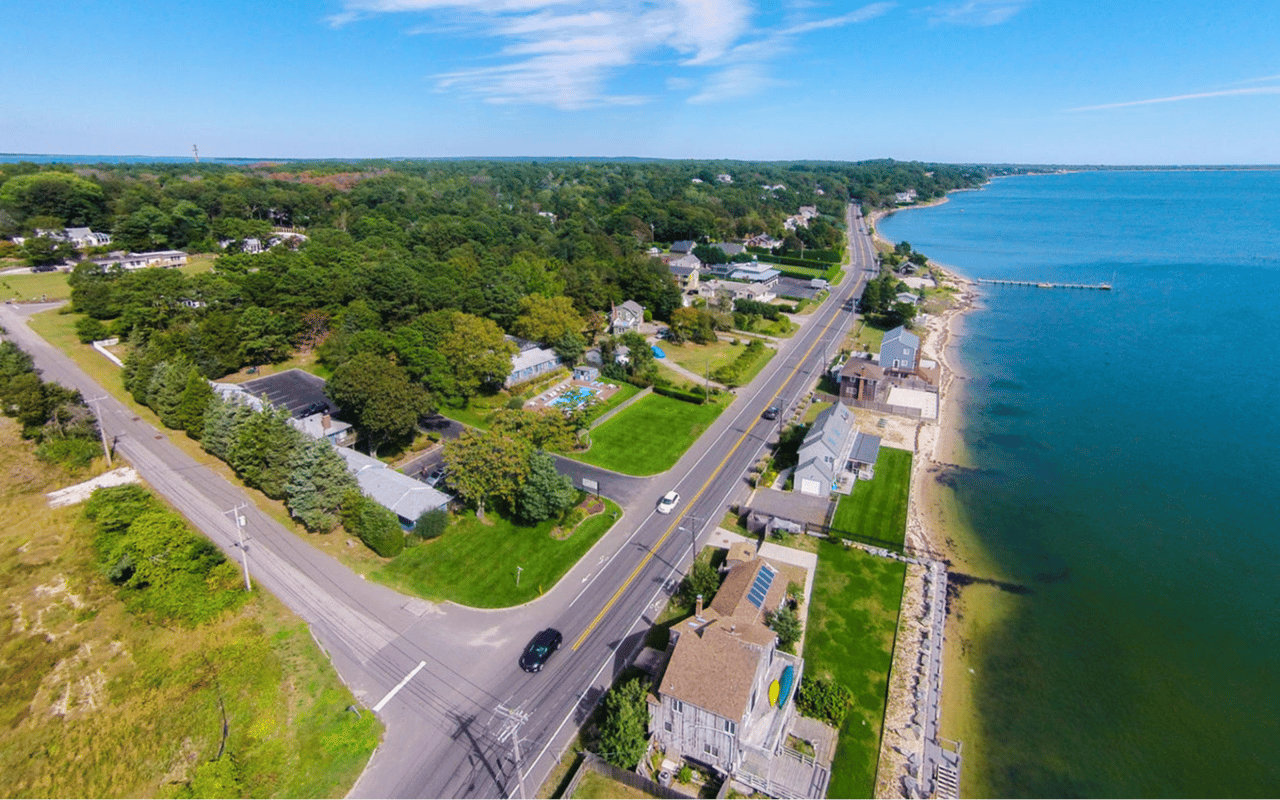
Bridgehampton locals use “the highway” to mean Montauk Highway, or NY-27. When someone says a home is south of the highway, they mean it sits closer to the Atlantic Ocean and the beaches. North of the highway means inland, where you see more farm fields, ponds, and larger parcels.
Bridgehampton is a hamlet within the Town of Southampton in Suffolk County on Long Island. That matters for zoning, permitting, and taxes. While the highway is the common divider, your day-to-day experience will vary by street and proximity to key features like beach access, farmland buffers, and village conveniences.
Property types and lot patterns
South of the highway
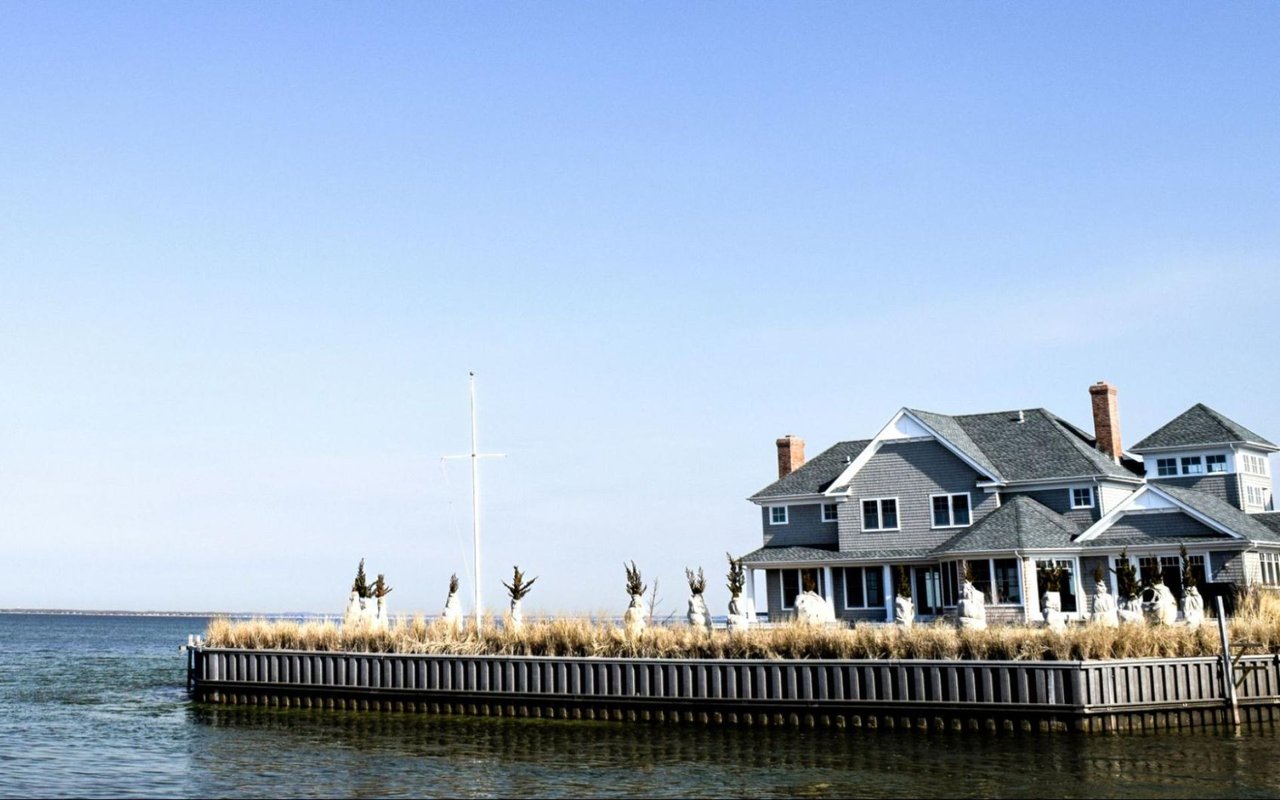
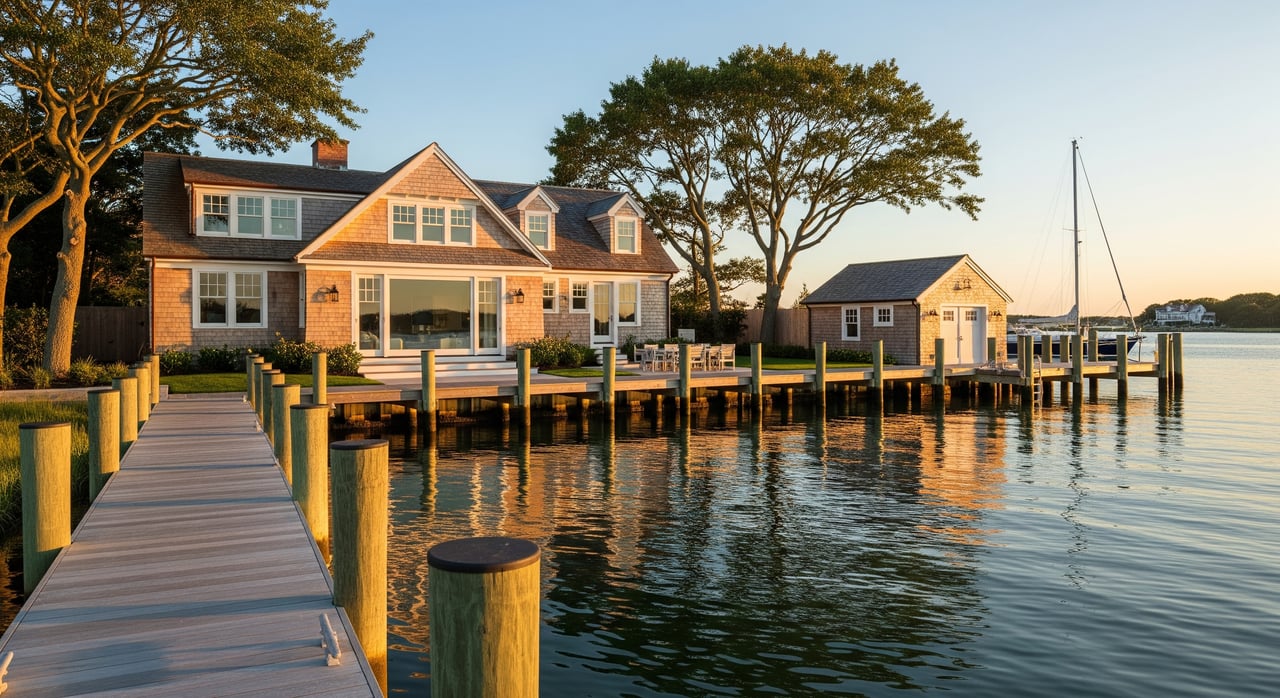
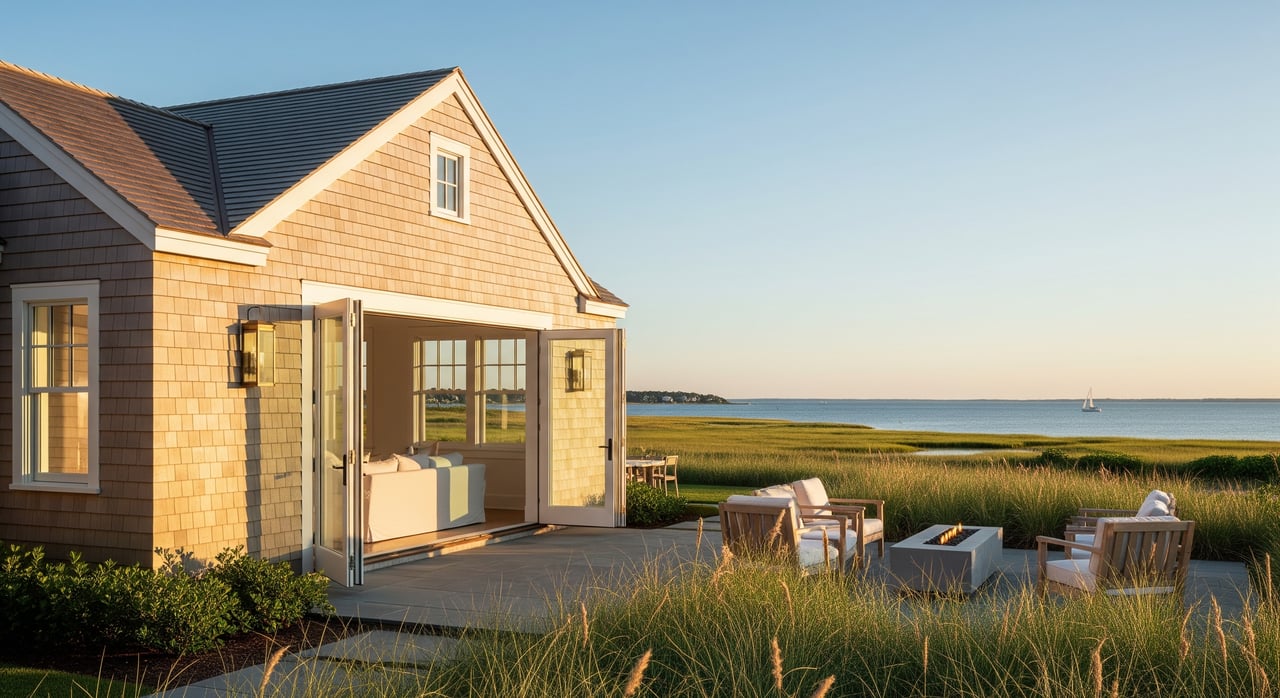
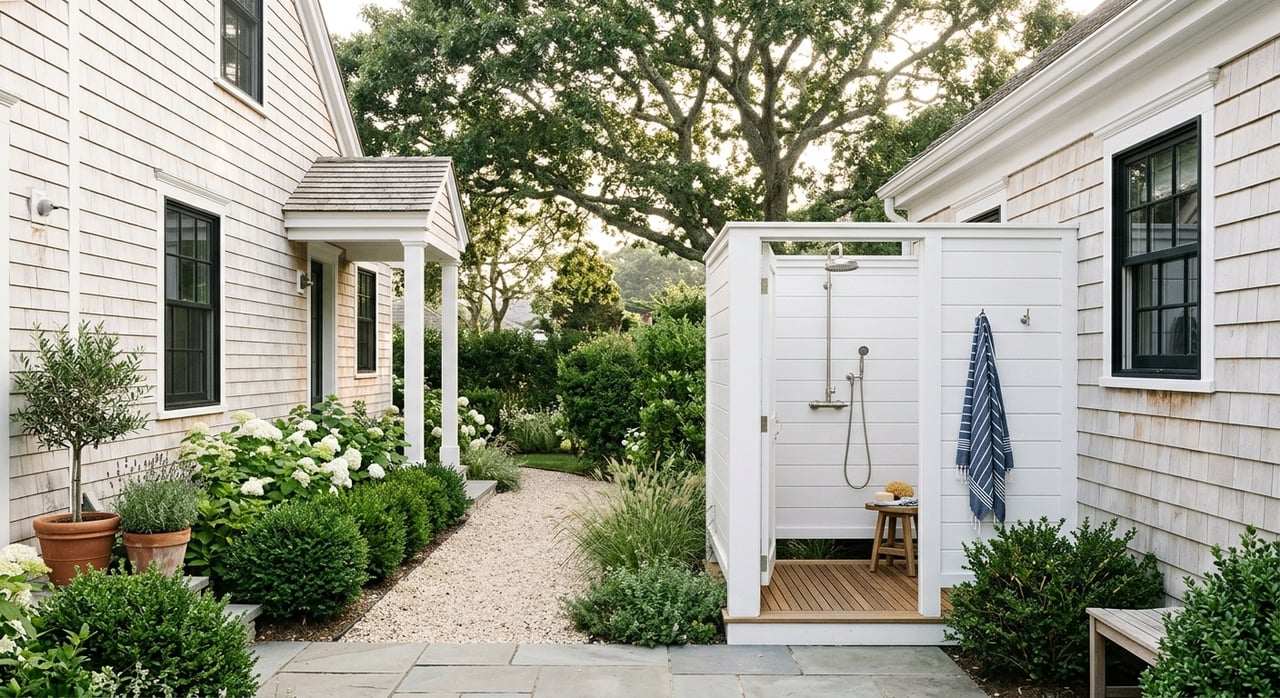
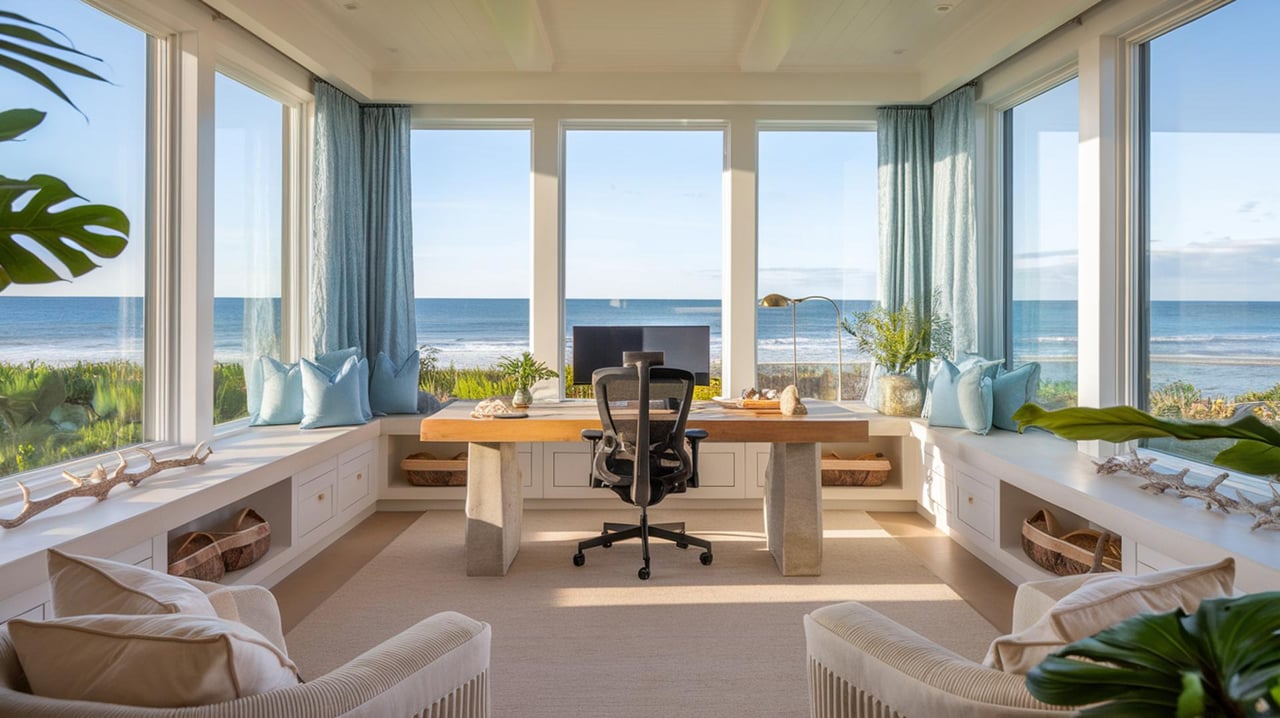
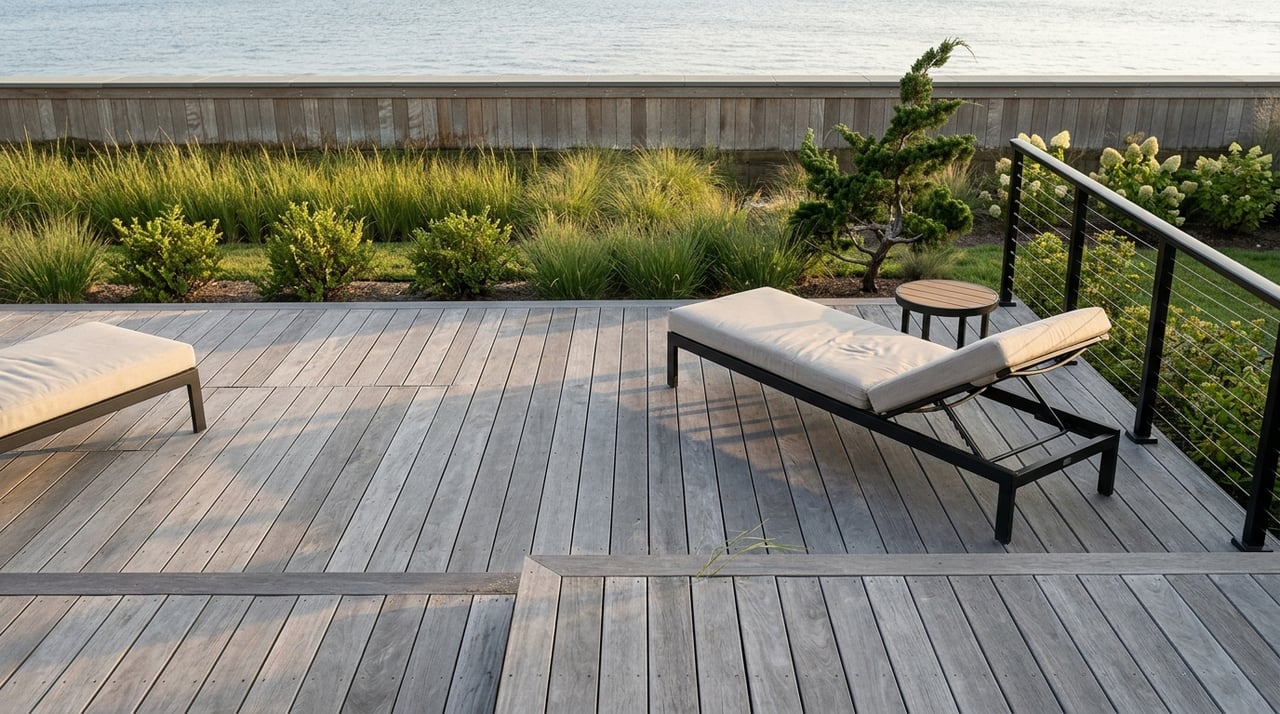
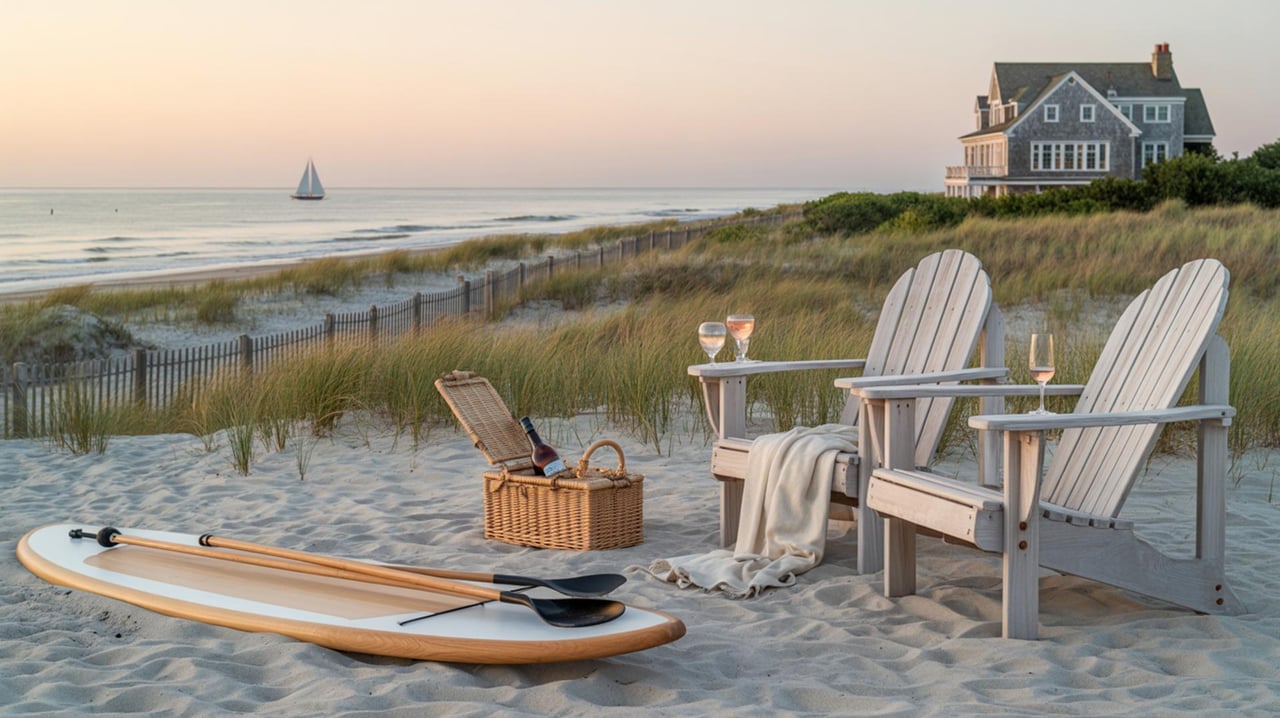
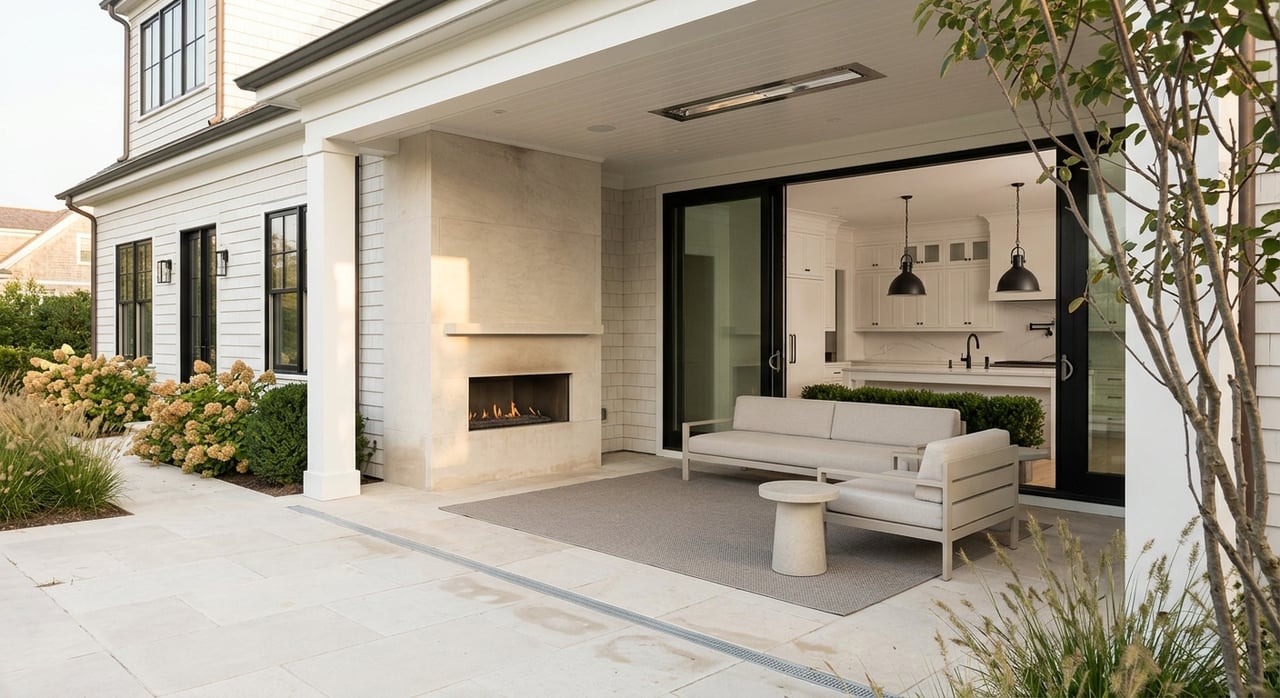
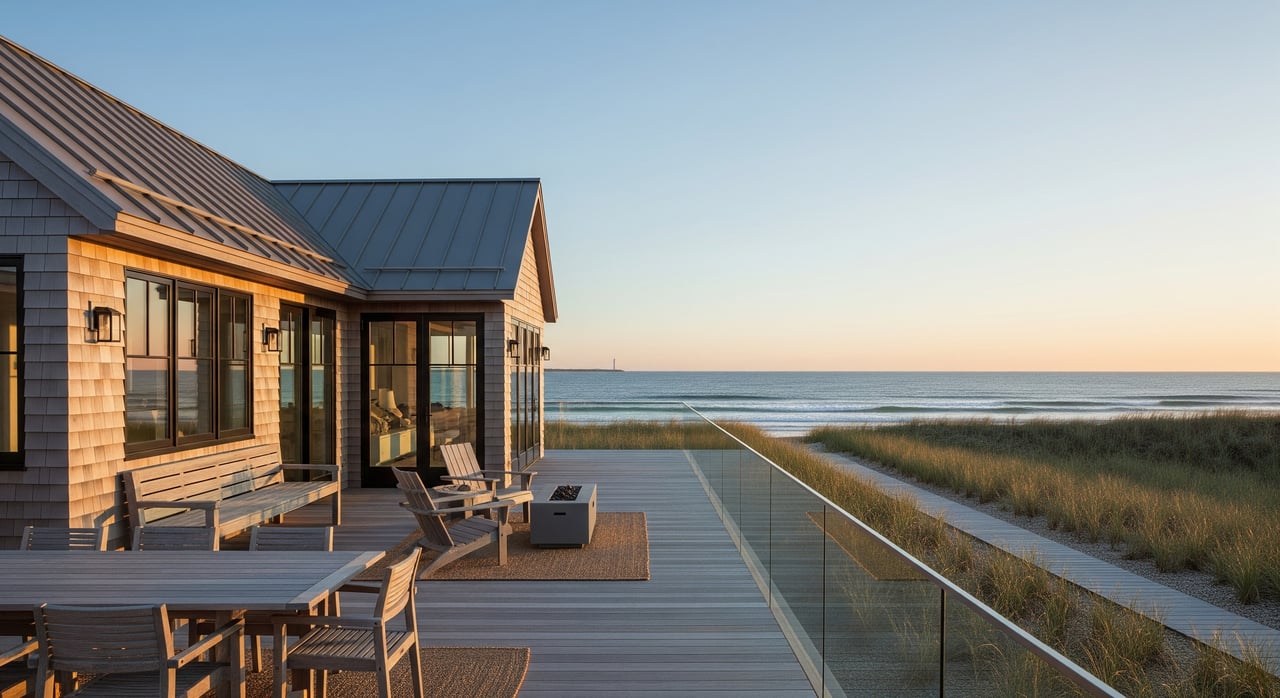
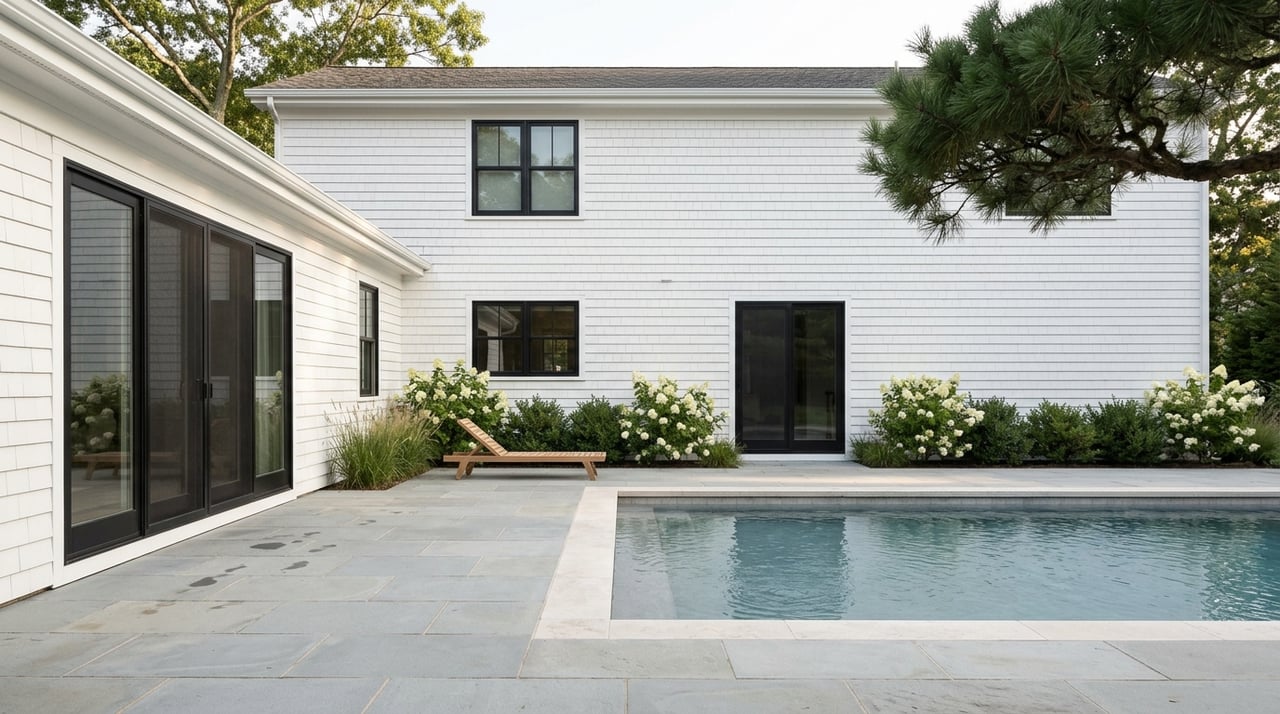
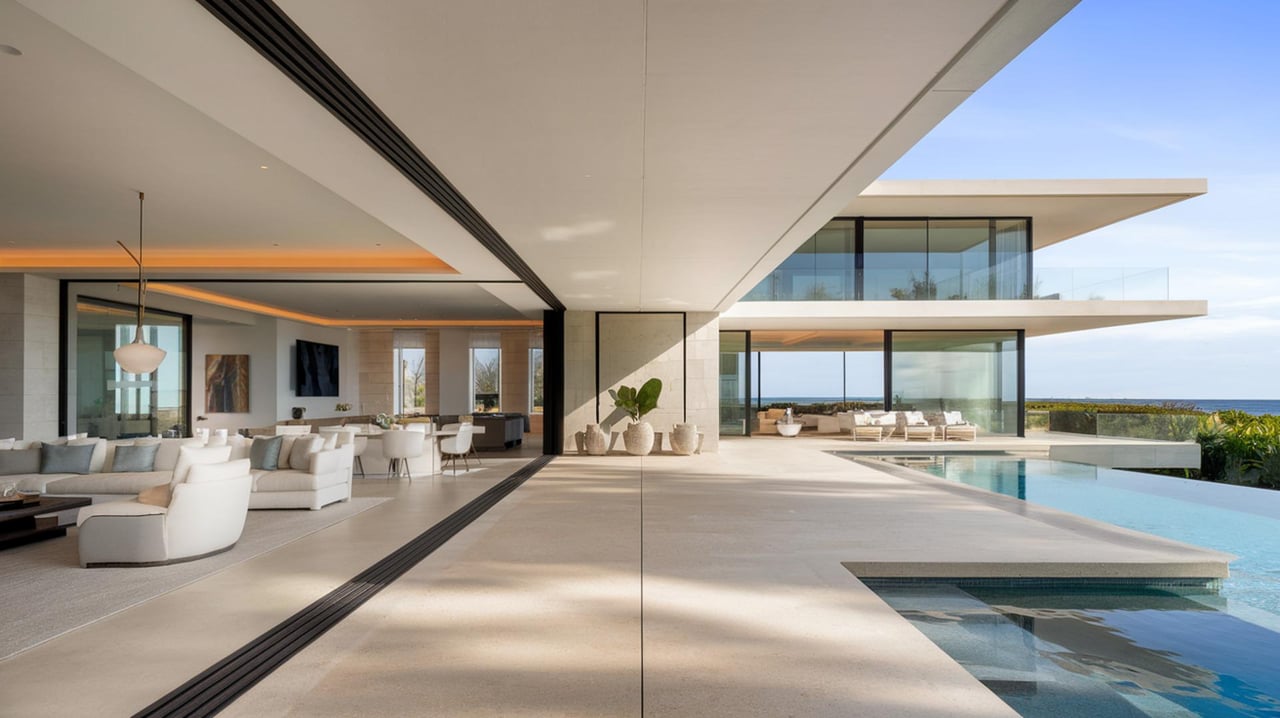
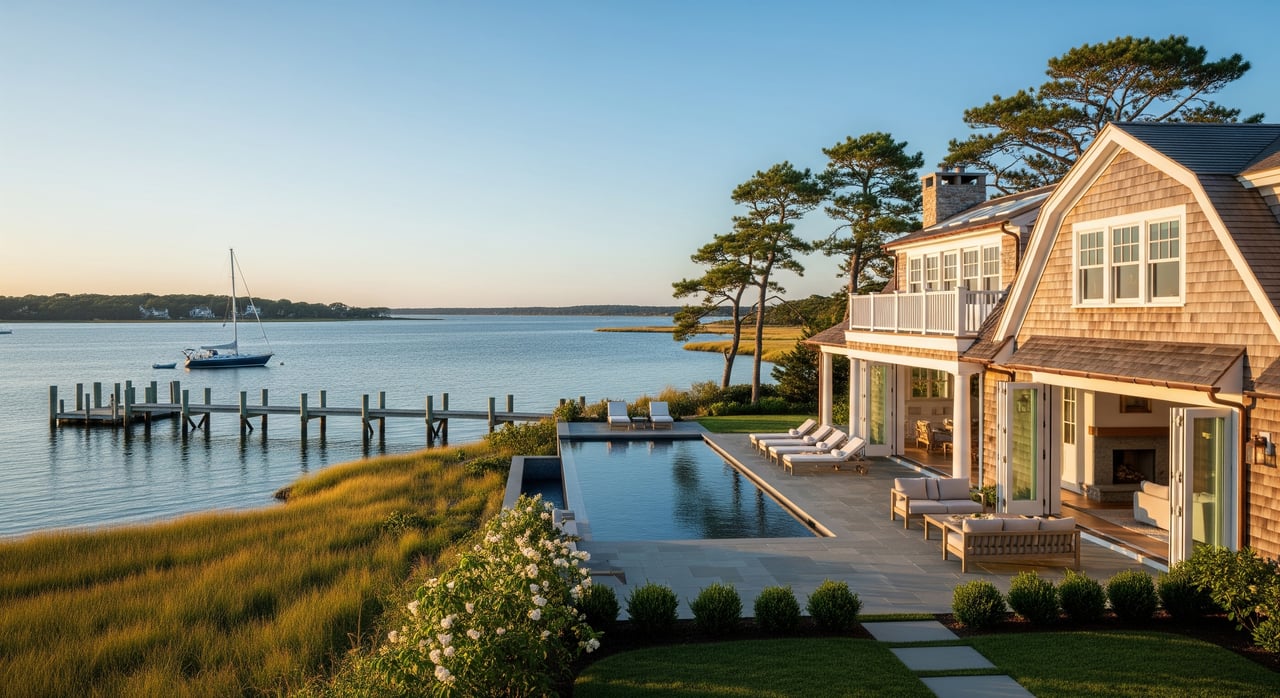
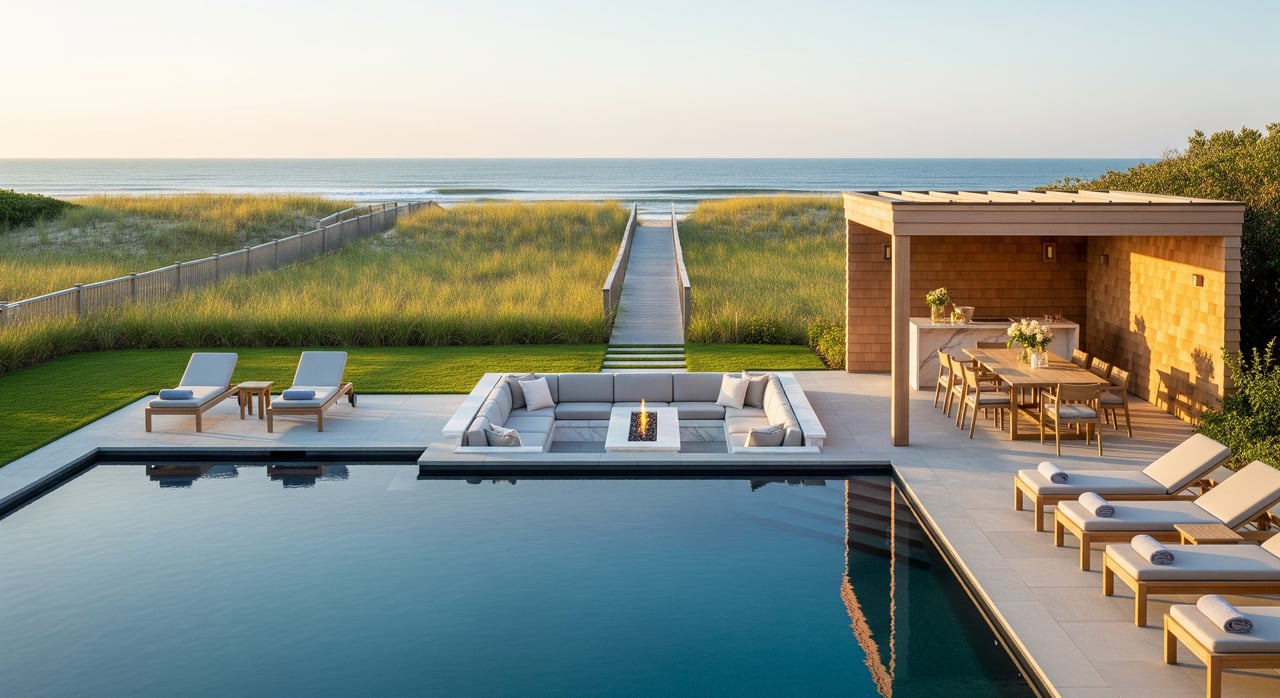
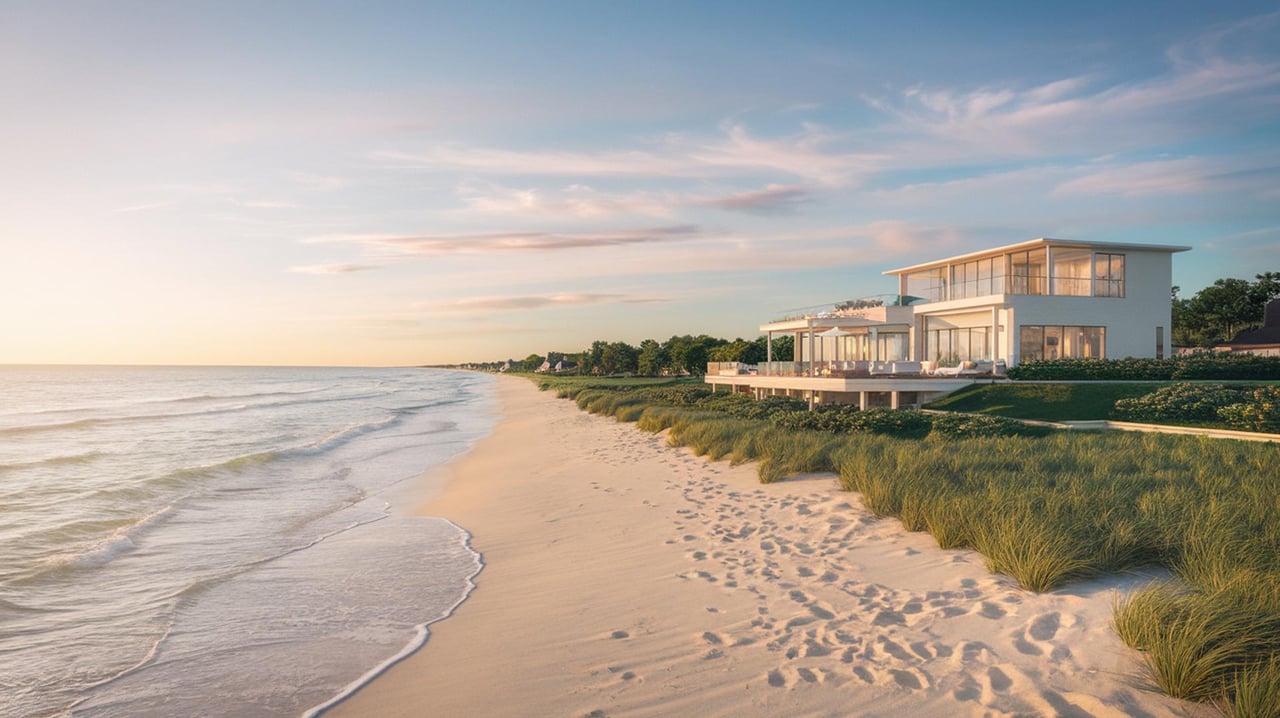
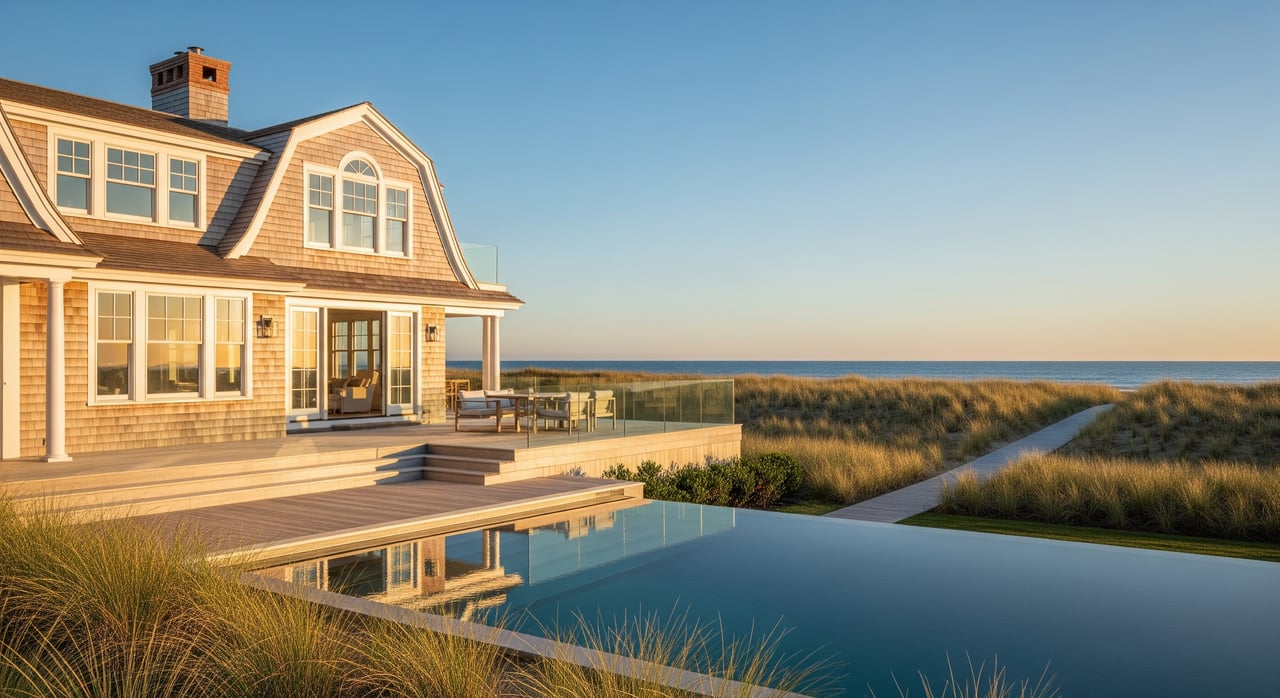
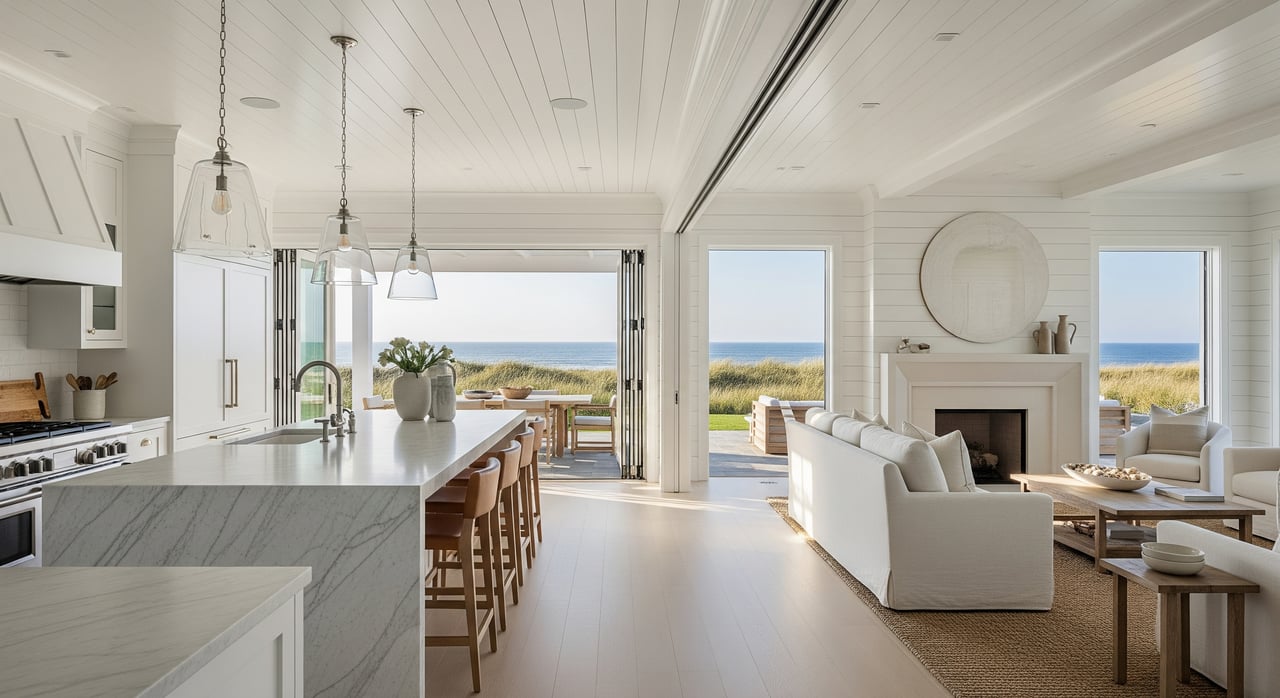
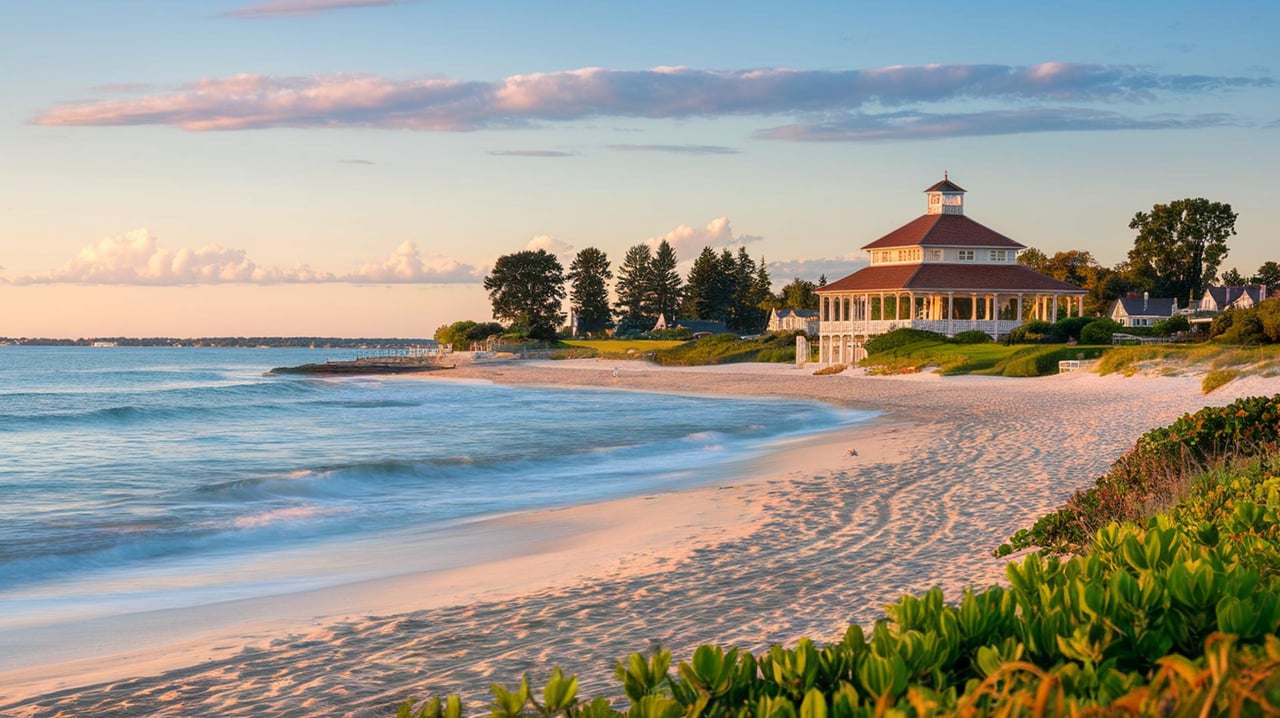
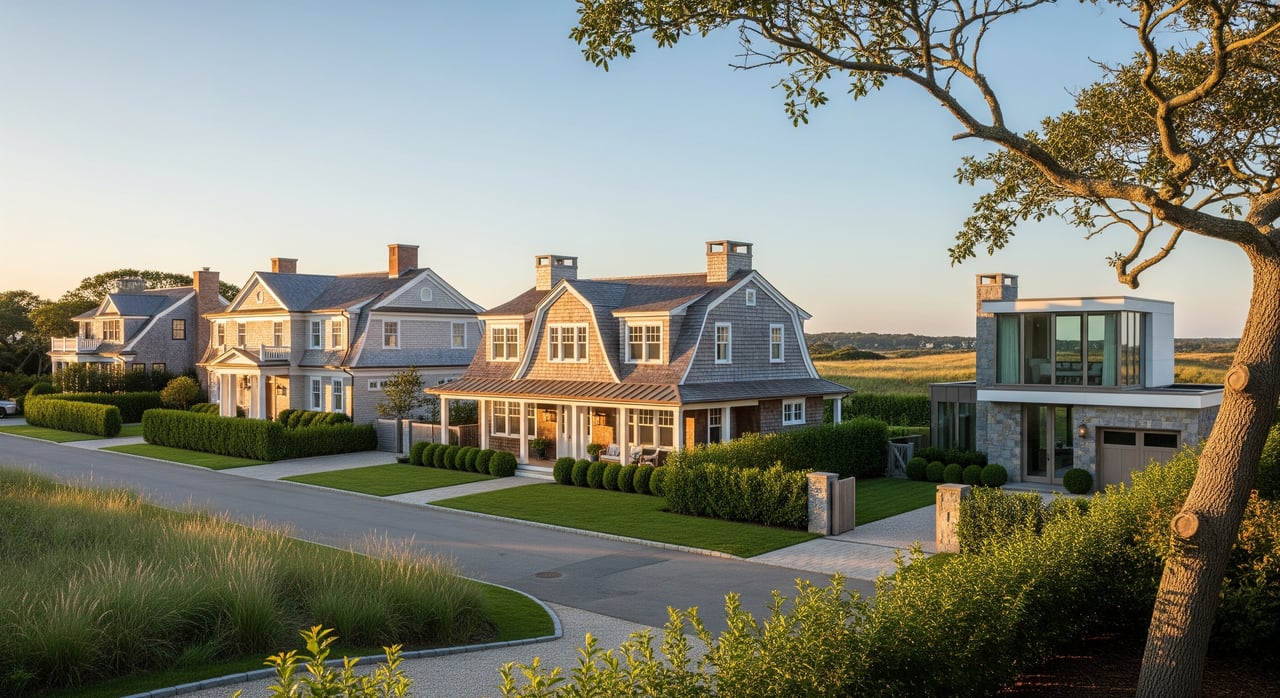
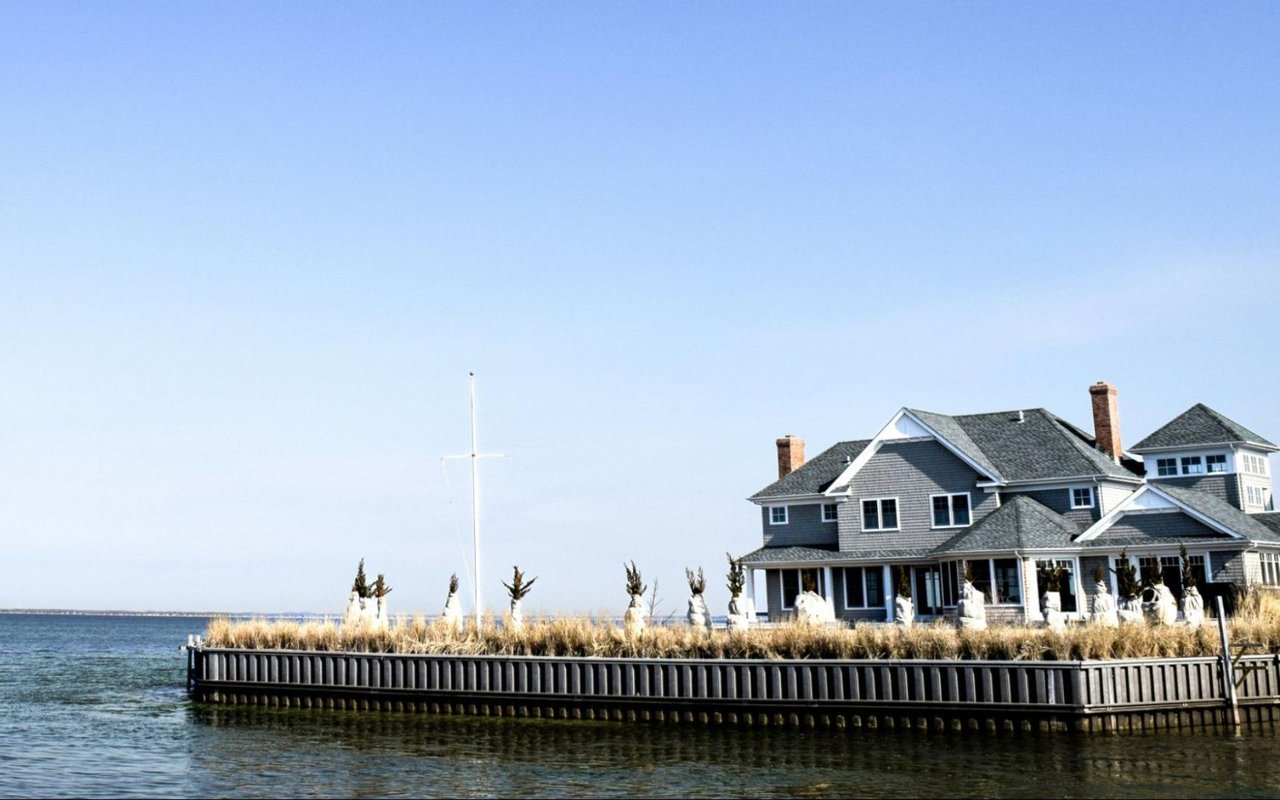
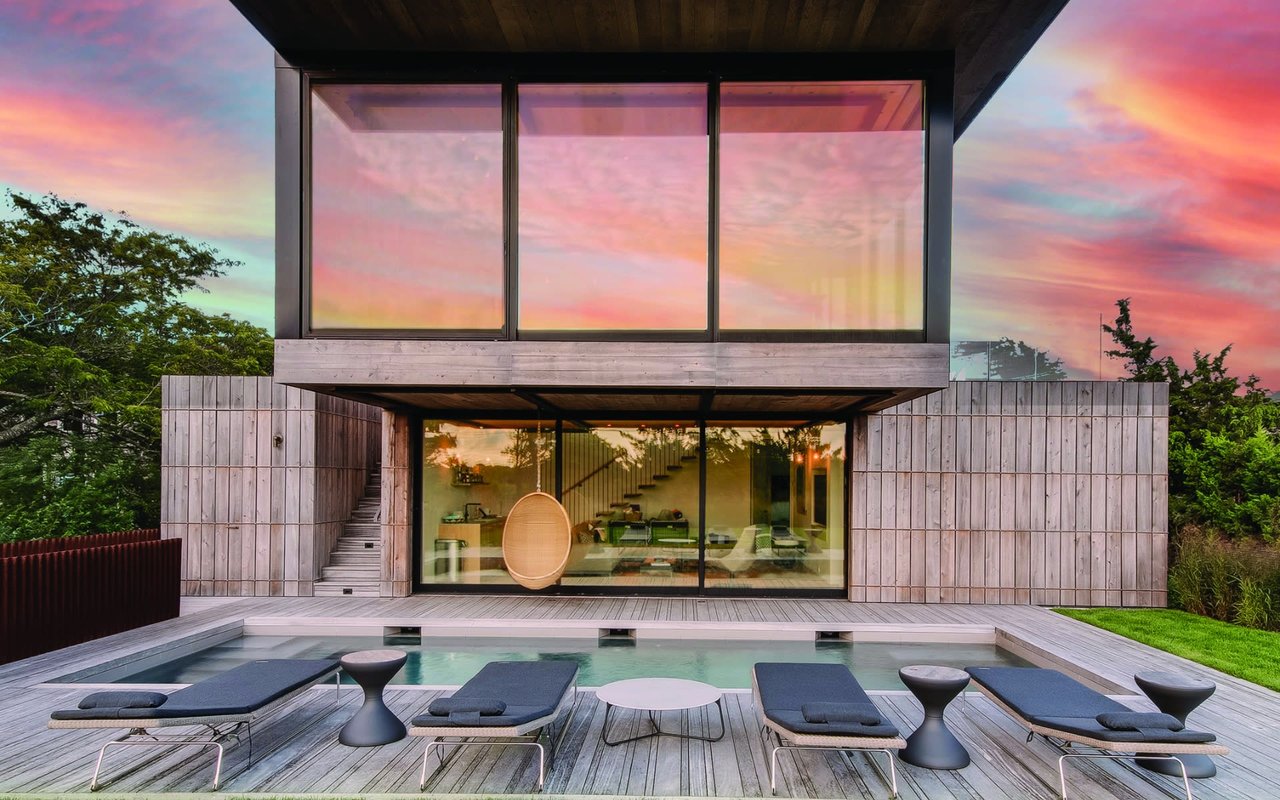
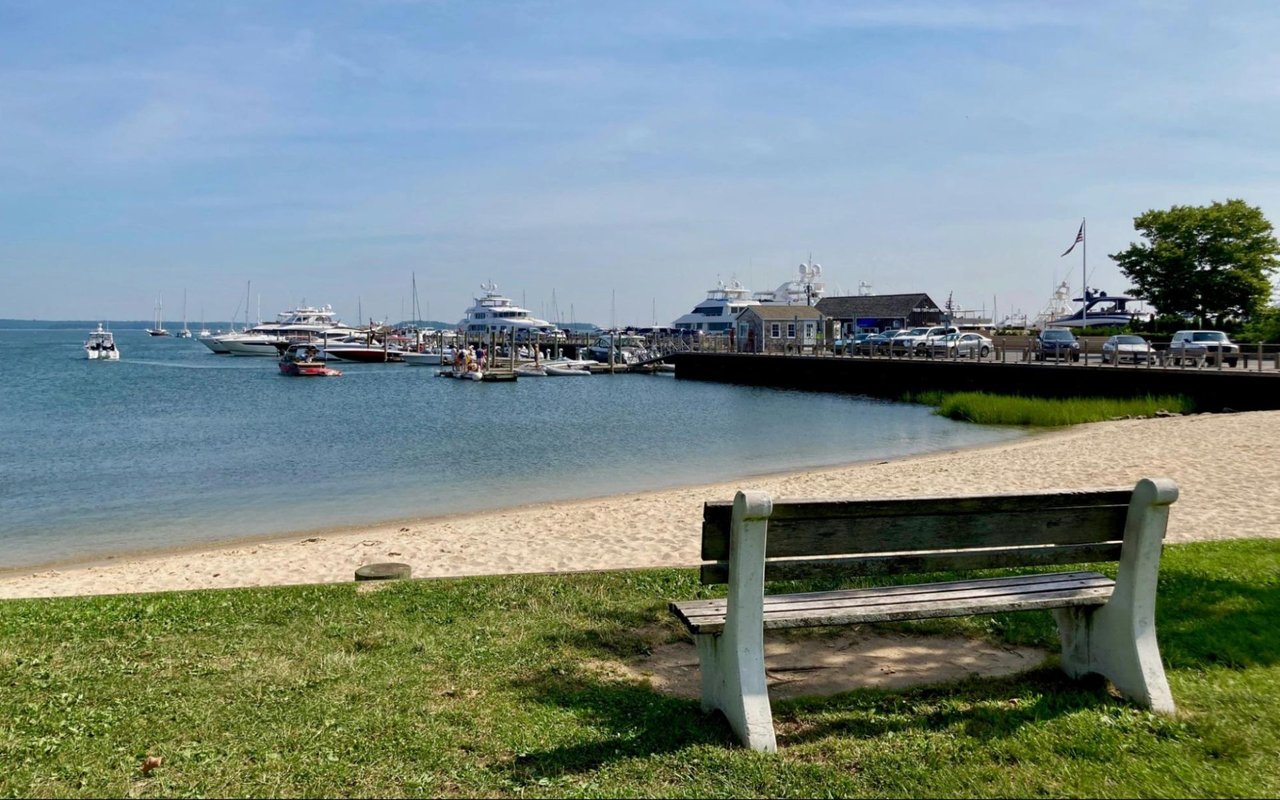
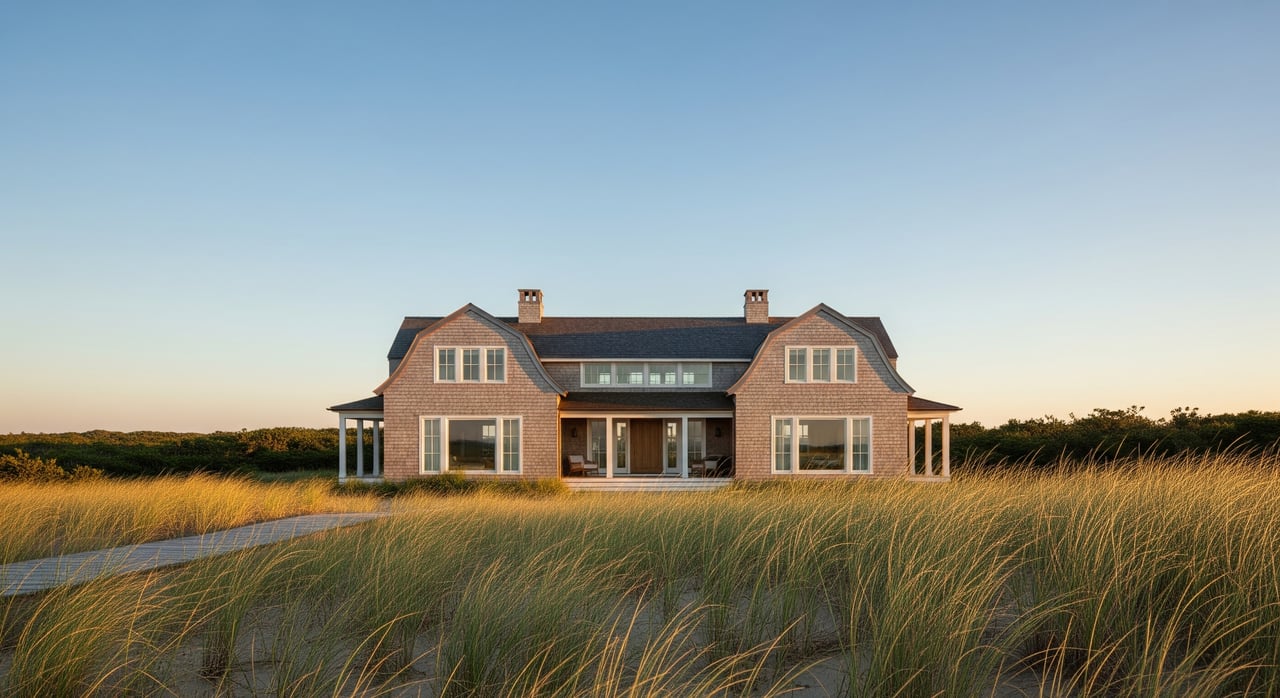
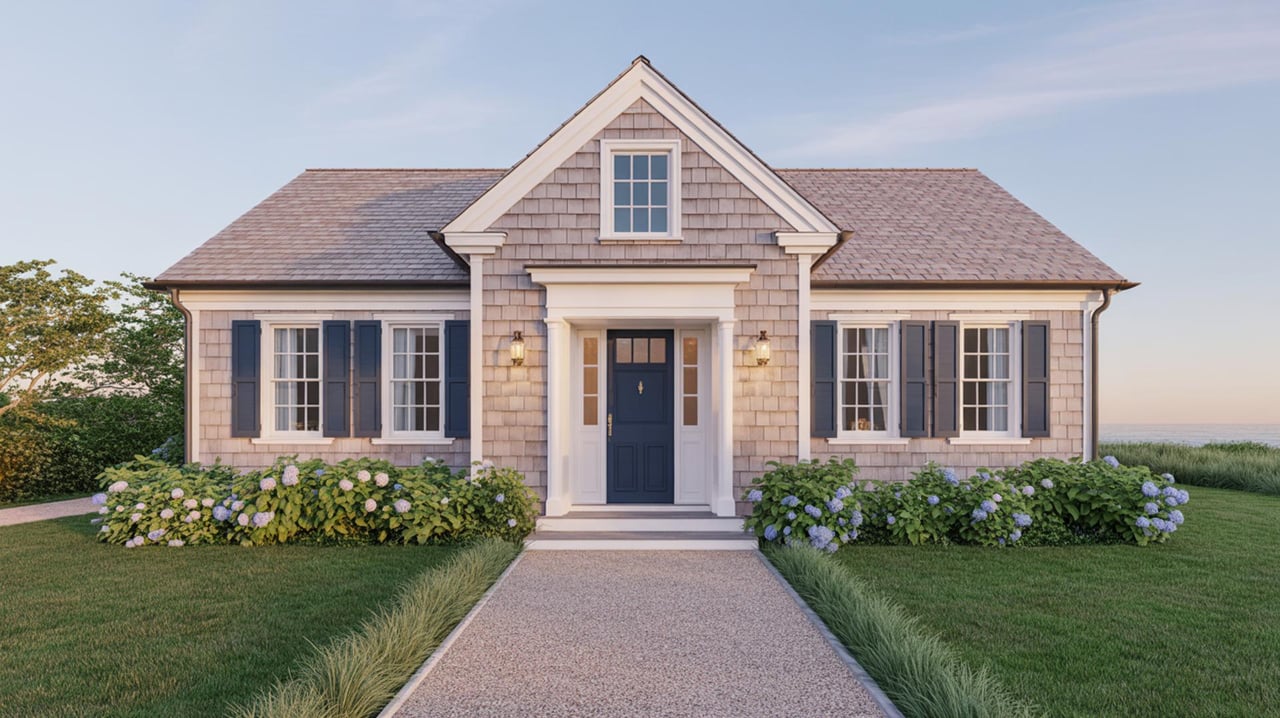
South of the highway you will find a strong mix of beach-oriented homes. You can expect small beachfront cottages, renovated modern beach houses, seasonal rentals, and standout oceanfront estates. Lots can be smaller and deeper near the shoreline, and walkability to beach access points is a key draw.
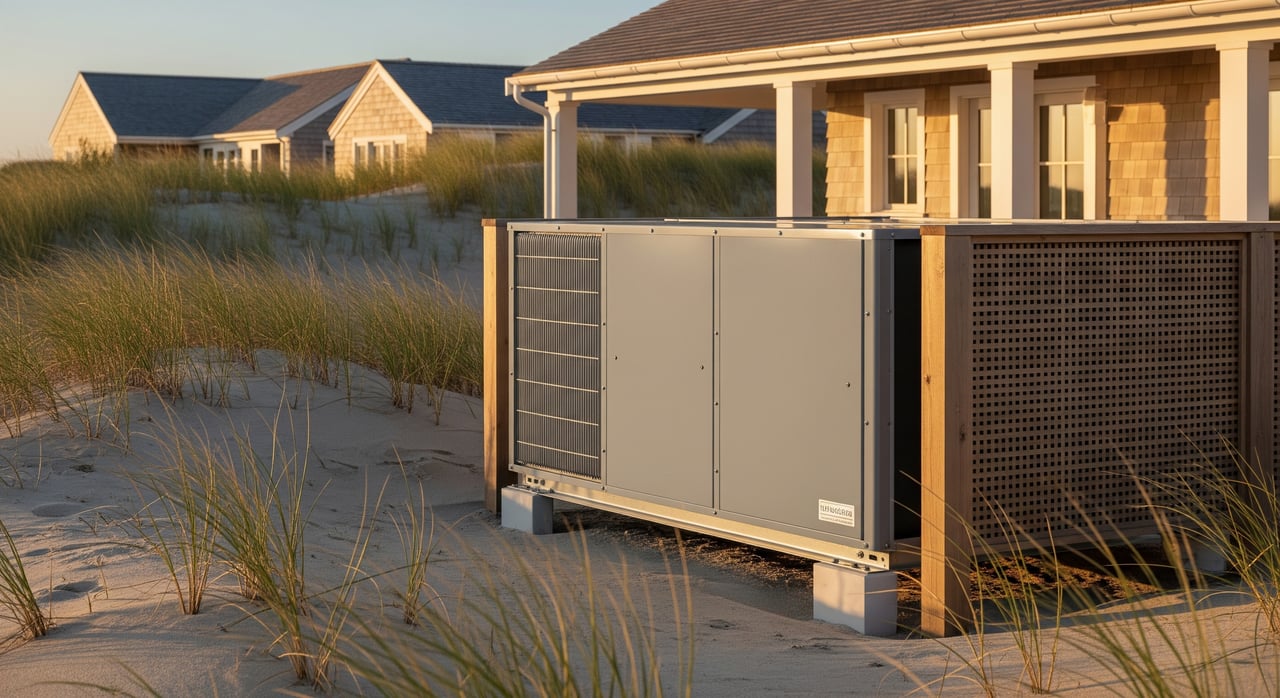
Coastal rules often shape what you can build or expand. Dune protection, coastal setbacks, and limited buildable area are common. If you plan to renovate, you will want to understand these limits early.
North of the highway
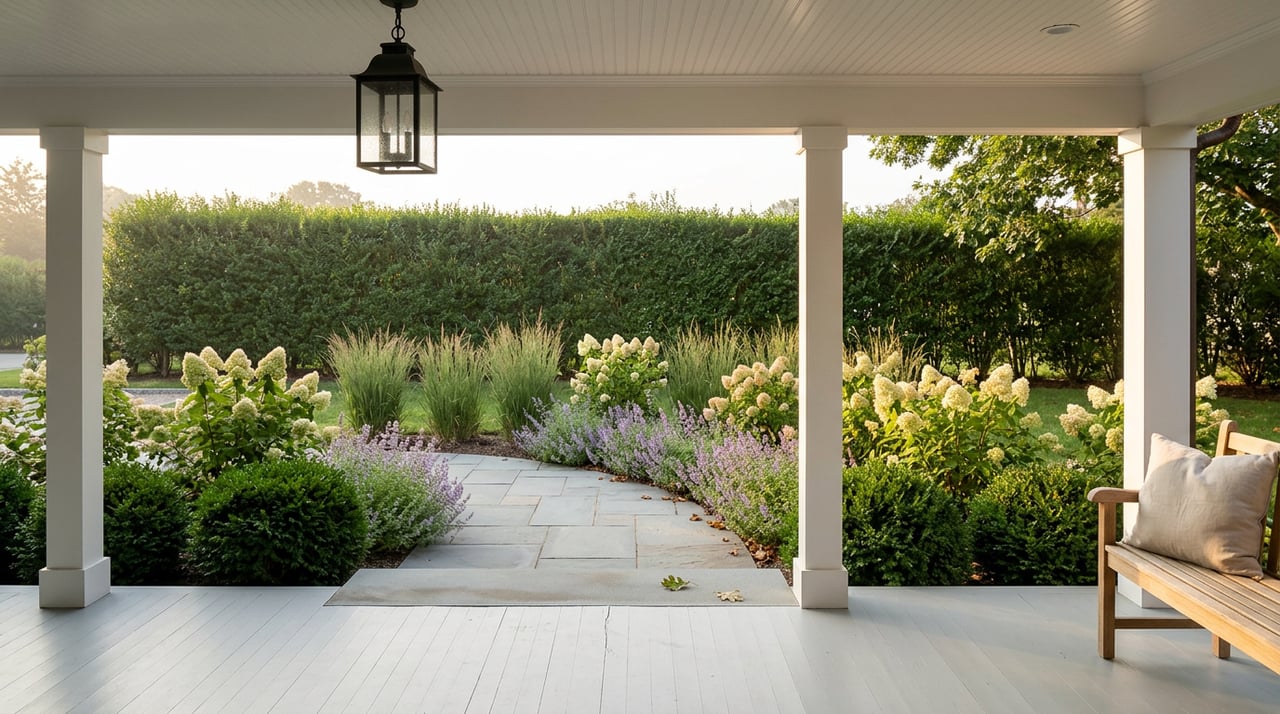
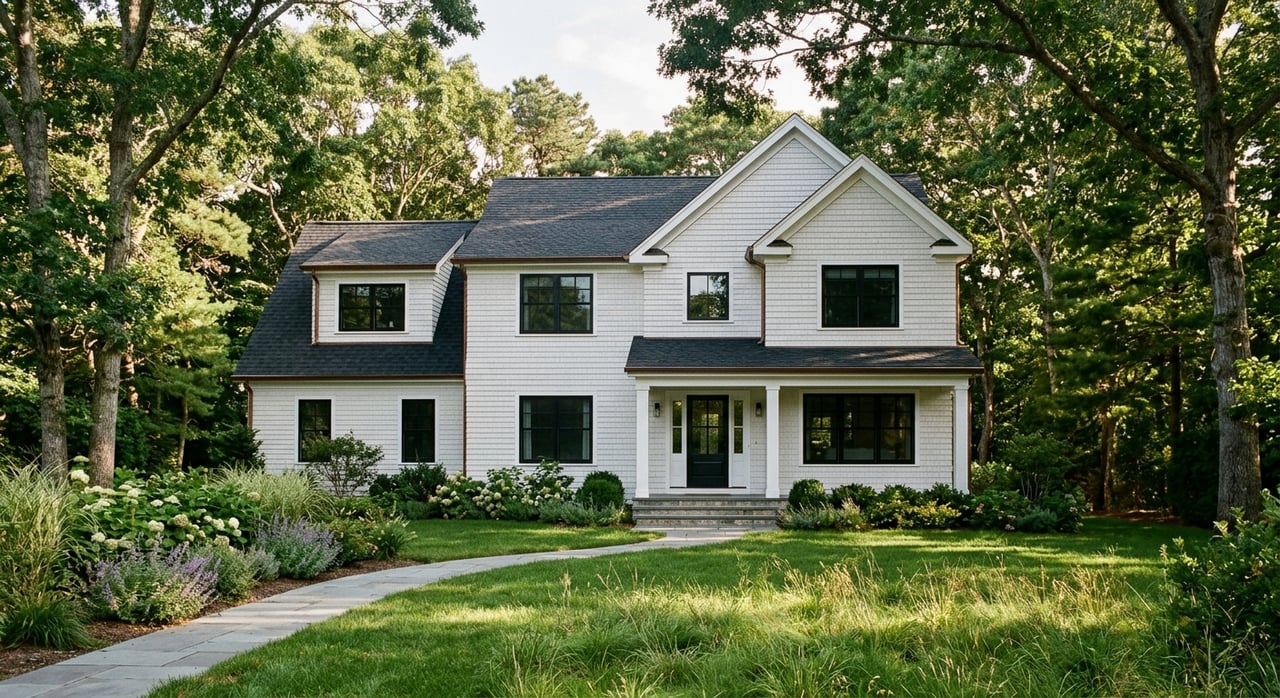
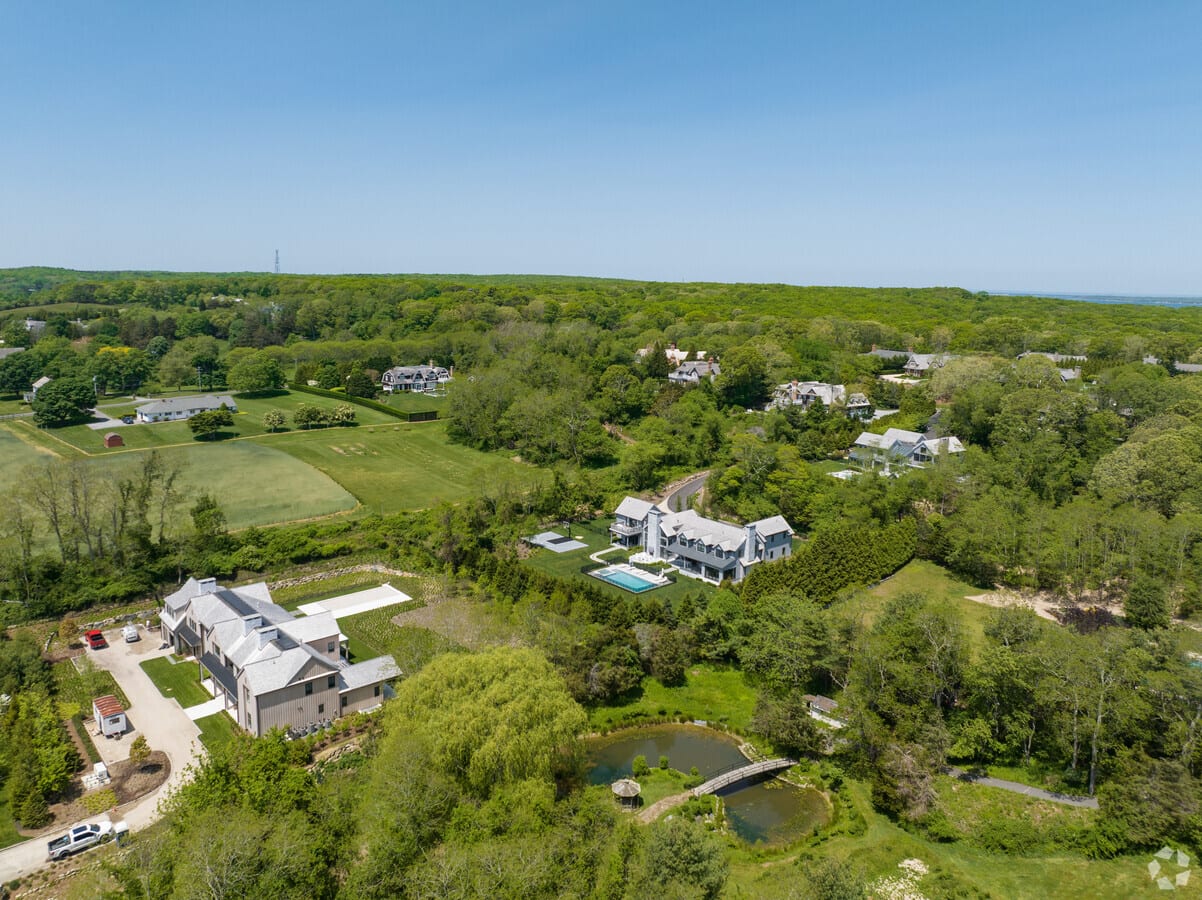
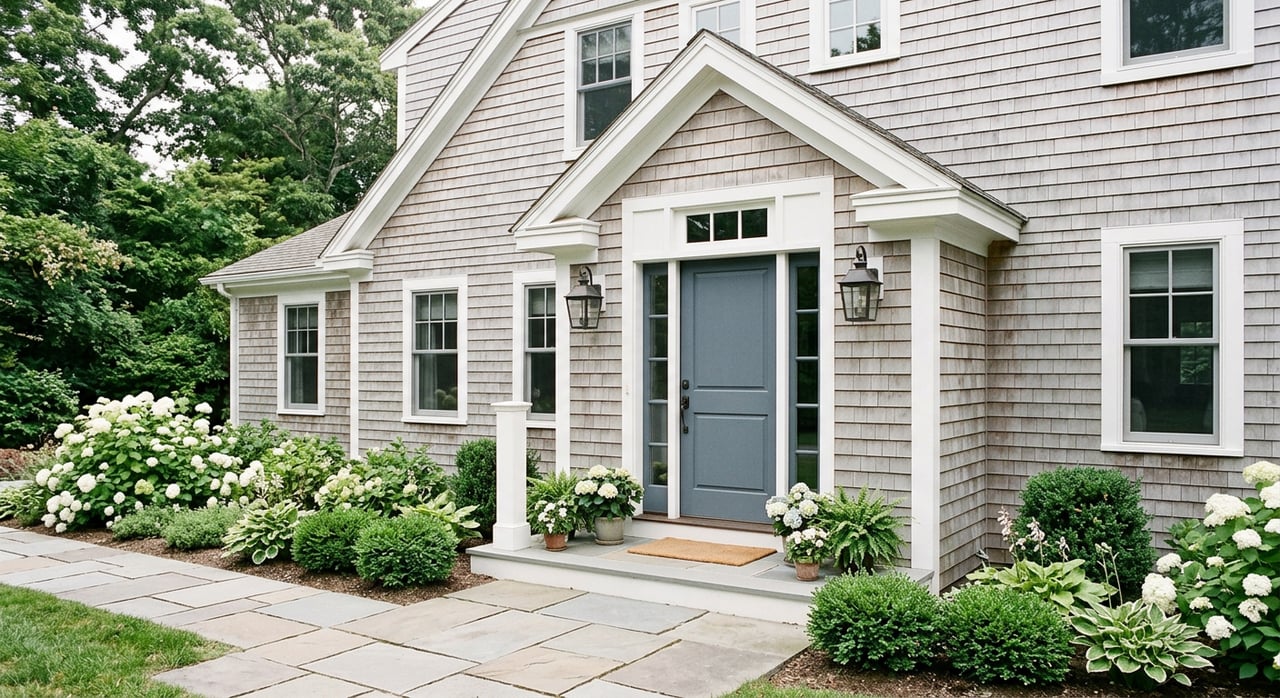
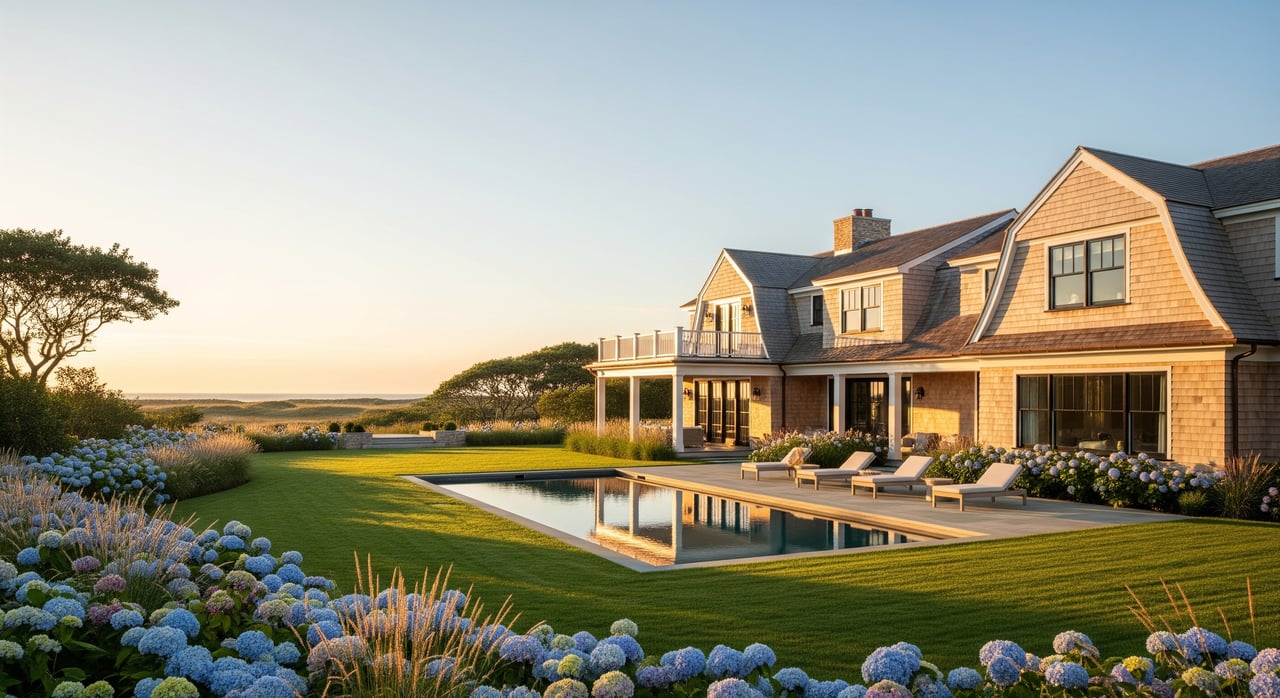
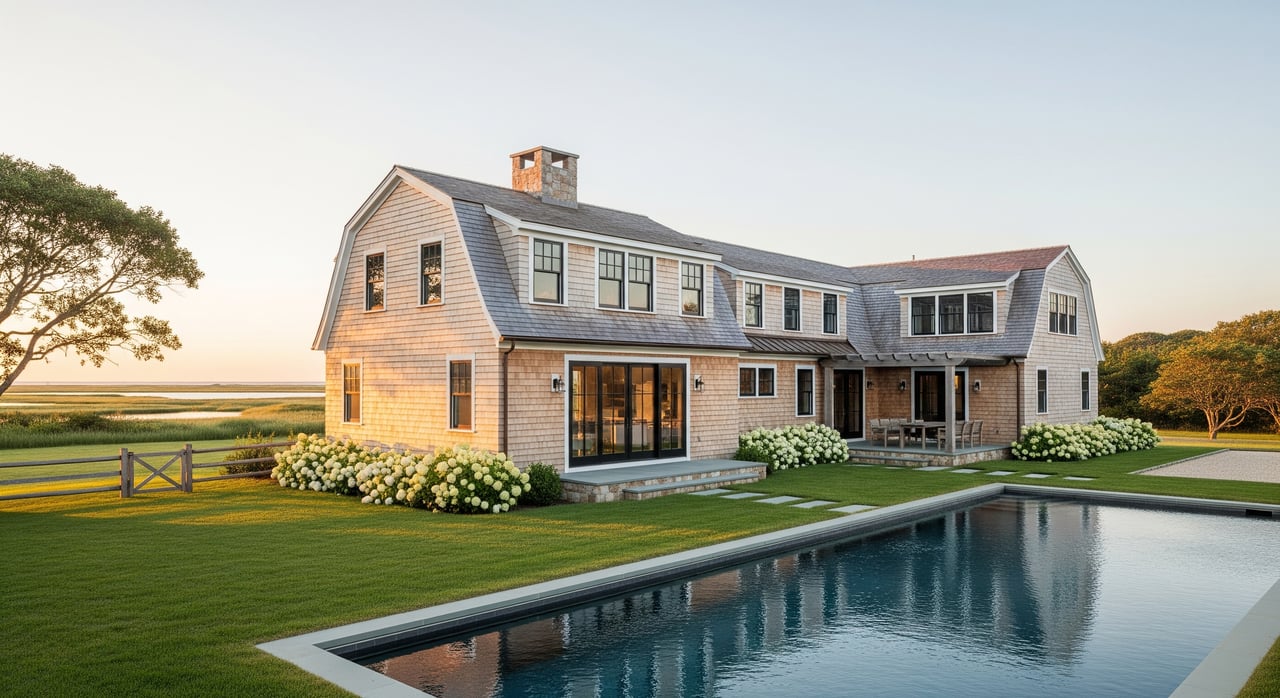
North of the highway leans more rural and equestrian in character. Parcels are often larger with more privacy and tree cover. Many properties can support amenities like guest cottages, outbuildings, ponds, private riding rings, tennis courts, and long drives.
Some homes may have agricultural exemptions or sit in areas with historically larger-lot zoning. If acreage, privacy, and space for amenities top your list, this side usually delivers more options.
Pricing patterns to expect
In general, homes with direct ocean frontage or close beach access command a premium. That often means south-of-the-highway properties, especially oceanfront, are priced higher. Summer demand and seasonal rental interest concentrate here, which reinforces values.
That said, there are exceptions. Large inland estates with significant acreage, historic character, or top-tier privacy can equal or even exceed beach pricing. Market dynamics and inventory shift season by season. Recent comparable sales will tell the story more clearly than a simple north-versus-south label.
Lifestyle differences
Beach access and routine
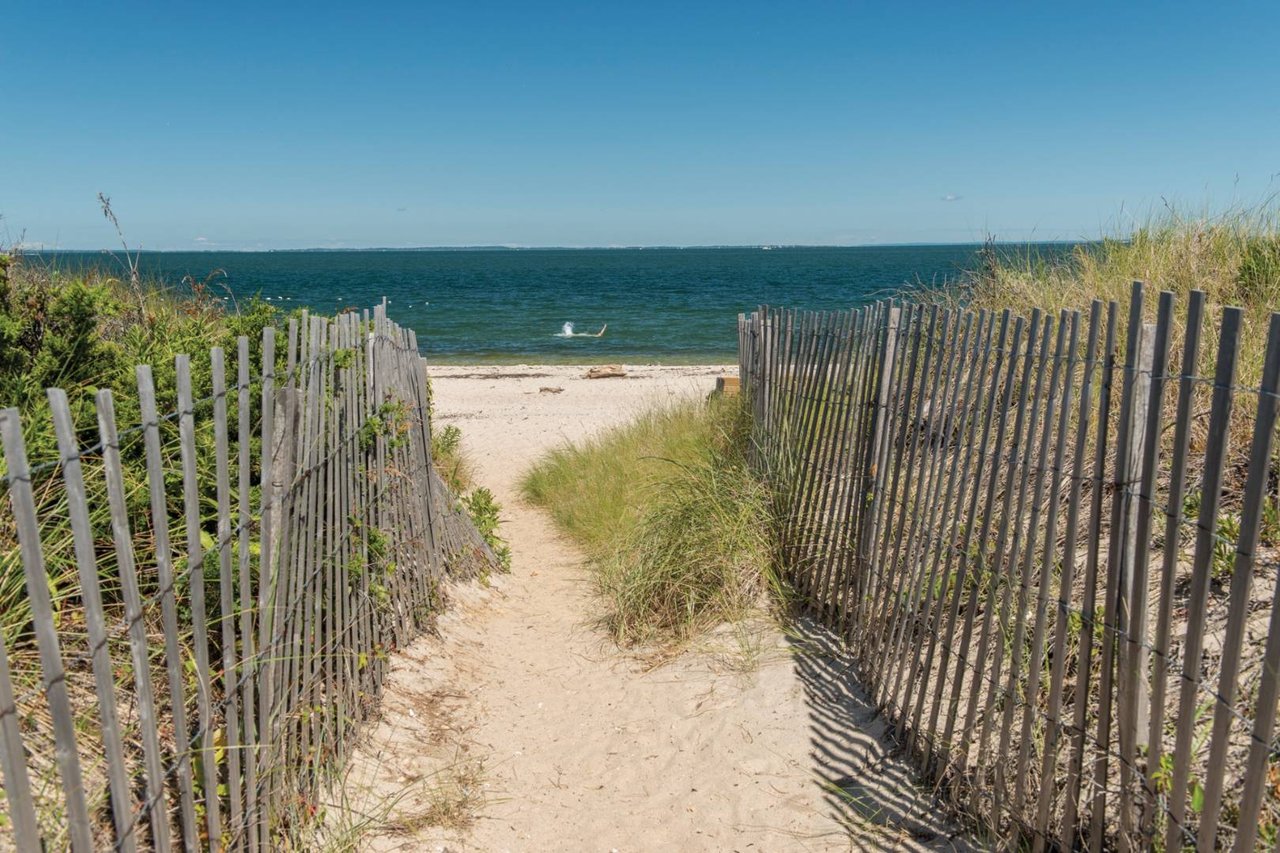
If daily beach time is a non-negotiable, living south can simplify your routine. You will have a shorter walk or drive to ocean beaches, and it is easier to pop over for an early swim or sunset. Areas near public access points and parking see more summer foot traffic and energy.
North-of-the-highway homes typically require a short drive to the beach. In return, you often get quiet lanes and a less transient feel. For some, that trade-off is ideal.
Privacy and character
South can feel lively in peak season with more visitors, neighbors outdoors, and seasonal activity. Some streets close to summer hubs see more cars and pedestrians on sunny weekends. If you like a social, beach-first vibe, that can be a plus.
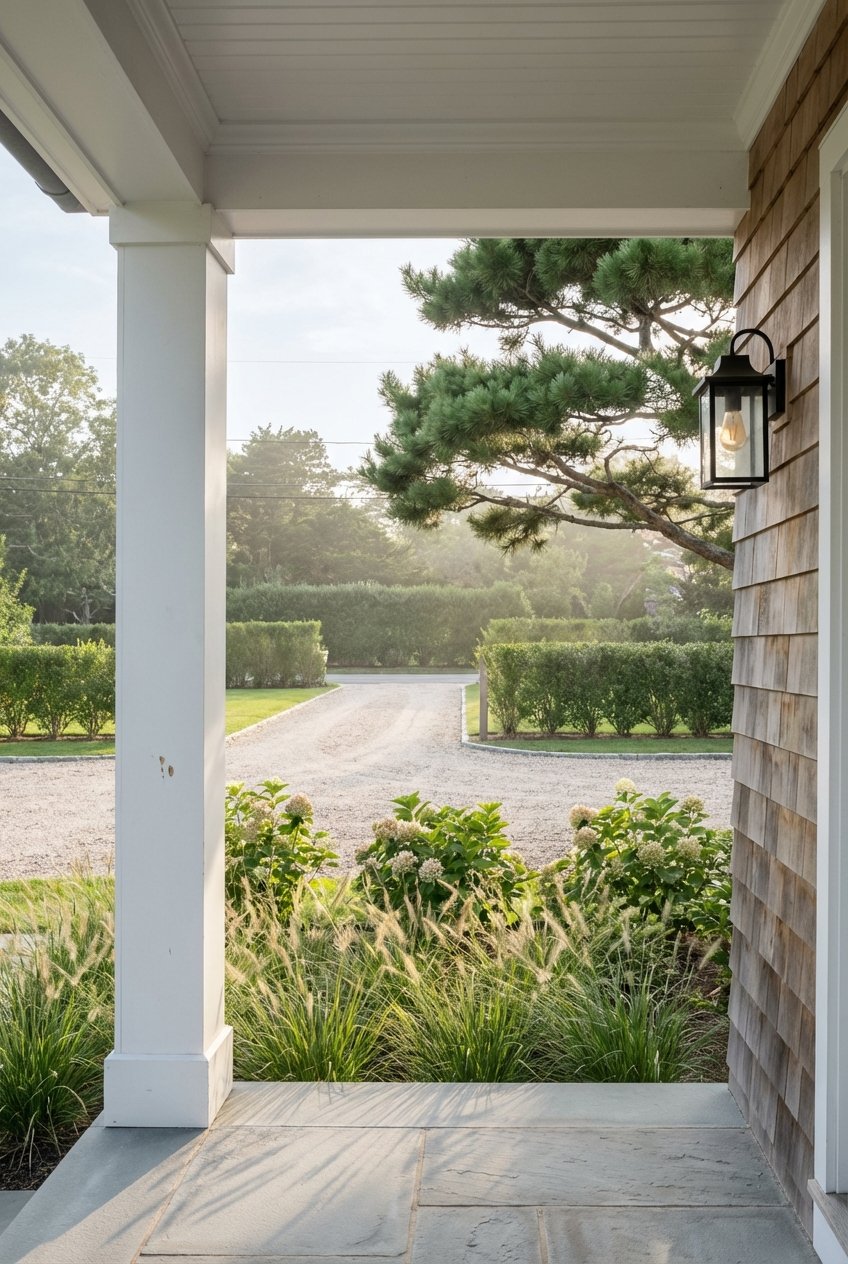
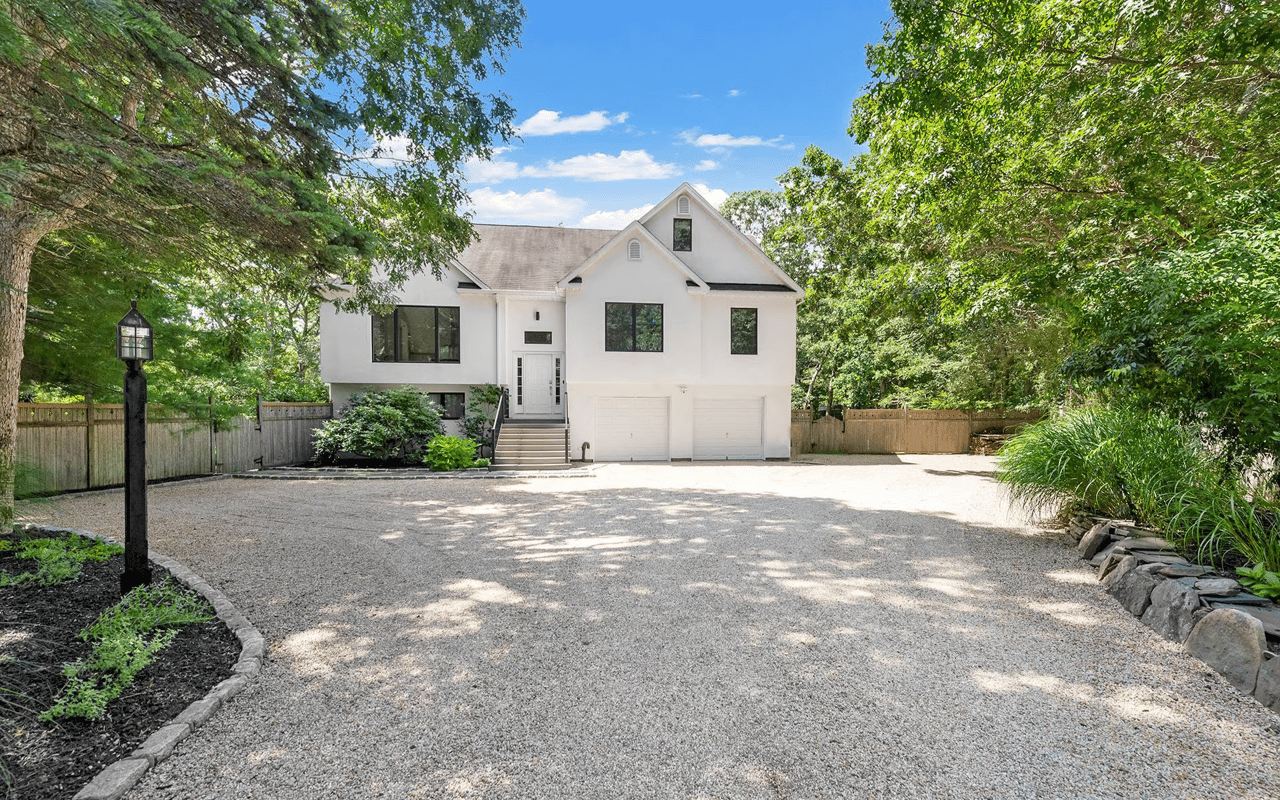
North tends to feel more secluded. Homes are set back with more separation and tree cover. If you want a private setting, gardens, and room to spread out, north-of-the-highway options usually align better.
Outdoor recreation and amenities
South supports a pure beach lifestyle: surfing, swimming, and oceanfront routines. Dining and village spots are easy to reach depending on your street and parking access.
North offers room for hobbies that need space. Think horseback riding, private trails, larger lawns, and flexible areas for courts or pools. If your vision includes a compound with multiple structures, north is often the better canvas.
Commuting and services
Access to village centers, Long Island Rail Road stations, and major roads varies property by property. If you plan to commute or host guests year-round, map drive times from both sides to your usual routes. Seasonal traffic patterns can change how a location feels week to week.
Risk and regulations to check
Flood risk and insurance
South-of-the-highway properties are more likely to fall within FEMA coastal flood zones, including AE or VE zones. This can affect flood insurance costs and availability, as well as building elevation requirements and storm-surge exposure. Always review the FEMA Flood Insurance Rate Maps and request elevation certificates.
North-of-the-highway homes are less likely to be in immediate coastal flood zones, but localized floodplains or pond-adjacent areas can still pose risks. Do not skip due diligence just because a property is inland.
Shoreline and wetlands rules
Coastal Erosion Hazard Areas, tidal wetlands, and dune systems are regulated by the Town and by state agencies. Setbacks and dune stabilization rules can limit improvements south of the highway. Inland wetlands and regulated water bodies north of the highway can also restrict plans.
Confirm permitting pathways with the Town of Southampton and the applicable state environmental rules before you commit to design or construction timelines.
Septic and wastewater
Much of the East End relies on on-site septic systems. Age, capacity, and compliance with local septic regulations matter for both immediate livability and any plans to add bedrooms or convert spaces. If you want rental income or a guest cottage, this becomes even more important.
Order septic inspections and soil tests, and understand Town requirements, including nitrogen-reduction standards. These factors can shape cost and feasibility.
Zoning and lot coverage
Zoning defines minimum lot sizes, permitted uses, accessory structures, and coverage limits. Some properties may also fall within historic districts or carry landmark considerations that affect exterior changes.
Verify the zoning district and coverage rules with the Town of Southampton. Confirm that your intended uses and improvements are permissible before you negotiate on price.
Beach rights and associations
Owning south of the highway does not automatically include private beach access. Access can depend on public entry points, private beach associations, or deeded rights. Some neighborhoods also manage parking or beach use through an HOA.
Ask for documentation on beach rights and association memberships. Identify the nearest public access if there are no deeded rights.
How to decide: a buyer framework
Use these steps to focus your Bridgehampton search.
- Rank your top priorities:
- Direct beach access
- Acreage and privacy
- Investment or rental income potential
- Lower insurance and maintenance costs
- Year-round use and commuting ease
- Match budget to features:
- Decide if the beachfront premium fits your plan or if inland acreage offers better value.
- Set risk tolerance:
- Choose acceptable flood zone classifications and target elevation. Ask for elevation certificates upfront.
- Map your lifestyle:
- If the beach lifestyle is number one, focus south of Montauk Highway and confirm how you will access the sand and parking.
- If privacy, acreage, and equestrian or gardening are top priorities, focus north of the highway.
- Run regulatory and infrastructure checks for each finalist:
- FEMA flood zone and elevation certificate
- Septic inspection, soil tests, and local septic rules
- Zoning district, lot coverage, and permitted uses
- Deeded beach rights or HOA/public beach access details
- Utility info: well vs. municipal water; septic vs. sewer
- Any known coastal erosion or dune protection constraints
- Do neighborhood reconnaissance:
- Visit weekdays and weekends, in-season and off-season, to judge traffic, noise, and community rhythm.
- Review market comps:
- Compare recent sales for both north and south locations to assess price per square foot, price per acre, and seasonal rental performance.
Which side fits you?
Choose south of the highway if you want a beach-first lifestyle with fast access to the ocean and you are comfortable with coastal permitting and potential flood insurance. Choose north of the highway if you prize privacy, land, and the flexibility to add amenities like guest cottages or courts.
Both sides can deliver long-term value. The best fit comes from aligning your top priorities with the due diligence above, then testing that against current inventory and comparable sales.
If you would like a tailored plan and current comps for both sides of the highway, reach out for a private consult. You can start the conversation with Michael Petersohn to Request a Personal Market Consultation.
FAQs
How much more is south of the highway in Bridgehampton?
- Expect a premium for oceanfront and beach-proximate homes, but large inland estates with acreage can match or exceed those prices; current comparable sales will provide the clearest answer for your target segment.
Does living south mean I get private beach access?
- Not always; beach access can depend on public entry points, private associations, or deeded rights, so you should verify the specific access for each property.
Are south-of-the-highway homes harder or costlier to insure?
- Many south-of-the-highway properties fall in FEMA coastal flood zones, which can increase flood insurance costs and impose elevation requirements; confirm the flood zone and obtain an elevation certificate.
Can I expand or build near the dunes?
- Coastal setbacks, dune protections, and wetlands rules can limit improvements; consult Town and state permitting guidelines early to assess feasibility and timelines.
Is north of the highway better for year-round living?
- It can be for buyers who prioritize privacy, larger lots, and quieter streets; confirm commute times, winter utilities, and overall property systems to ensure year-round comfort.
Which side has stronger rental potential?
- Beach-proximate homes see intense summer demand, while larger inland properties can perform well with the right amenities; compare seasonal occupancy, rates, and local rental rules before you buy.