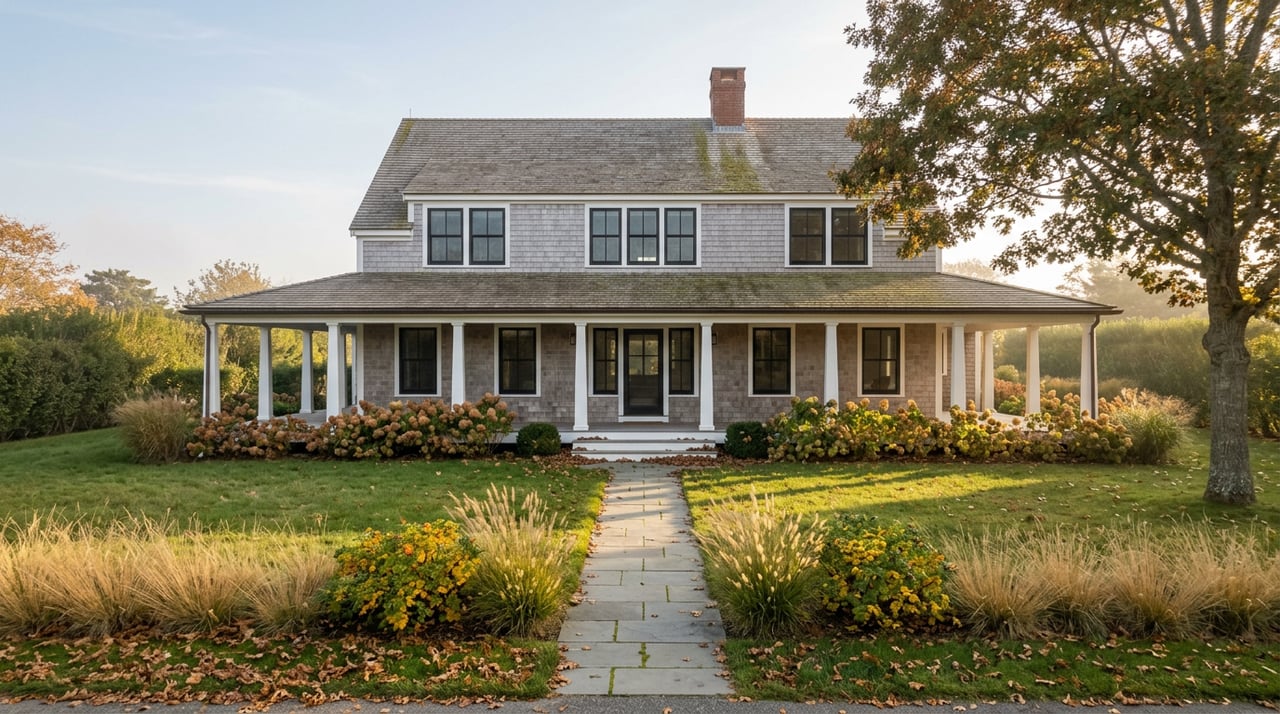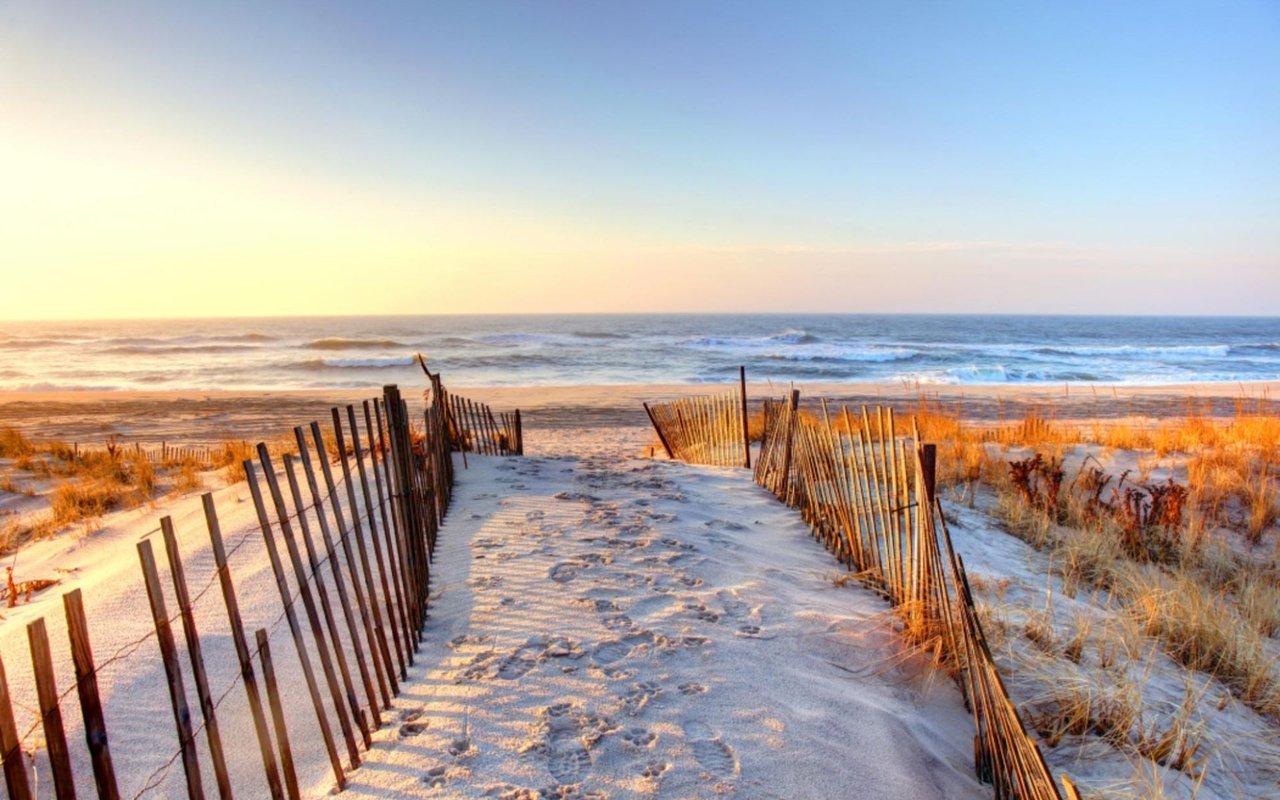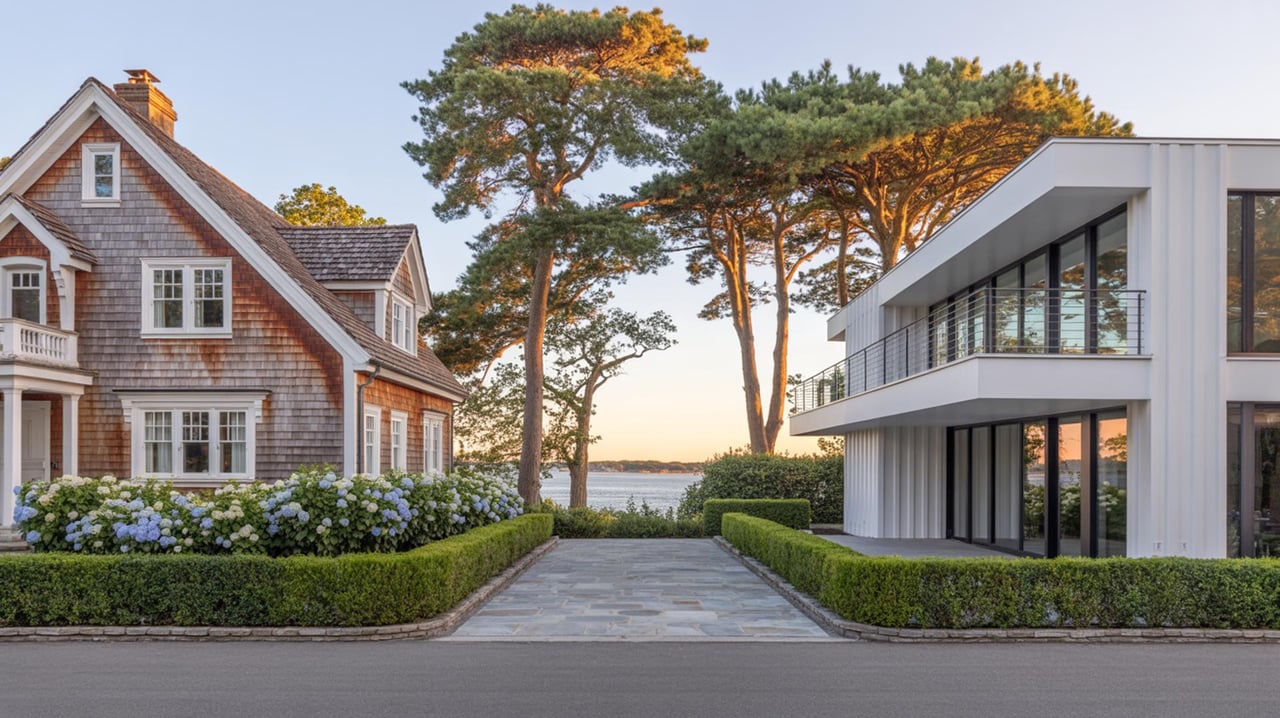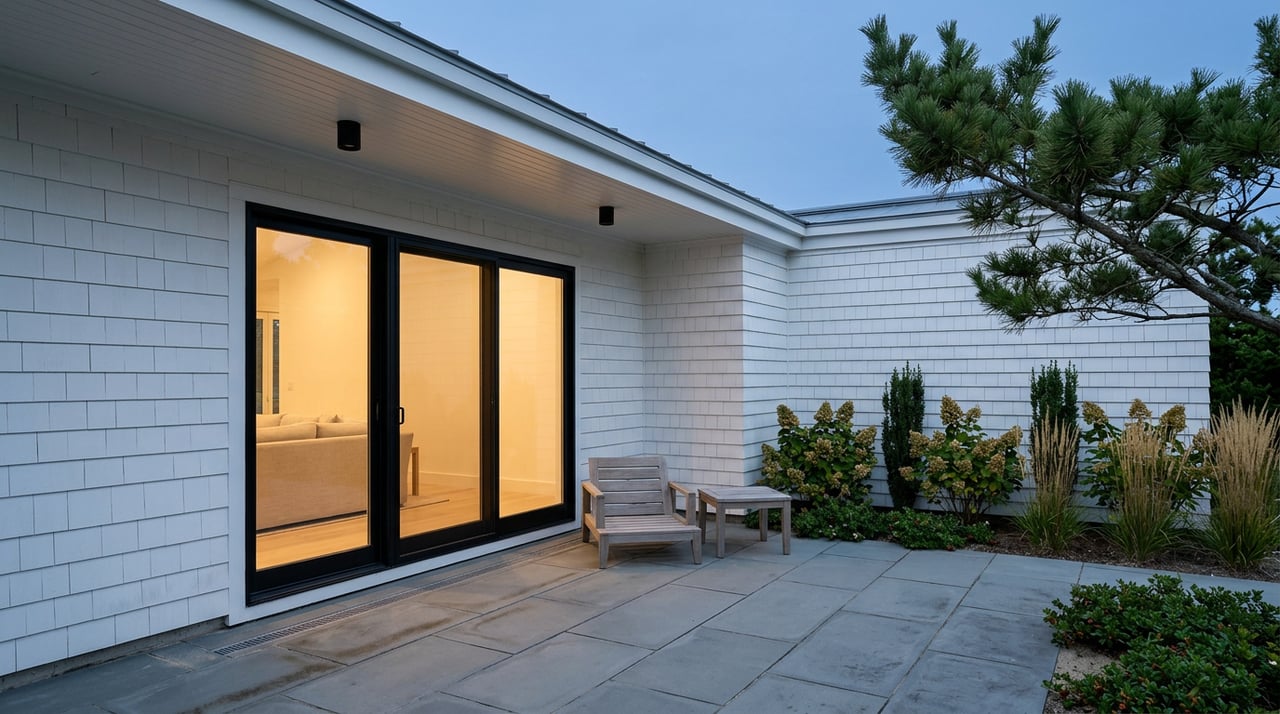
What if your perfect Hamptons day felt effortless from sunrise to curtain call? In Sag Harbor Village, you can start with sea air and end with live theater, with parks, beaches, and Main Street moments in between. Whether you are scouting a second home or testing the village rhythm before you buy, this day-to-night tour shows you how locals actually live here. You will find an easy flow, practical tips, and a few smart shortcuts so you can picture your life unfolding in real time. Let’s dive in.
Why Sag Harbor stands out
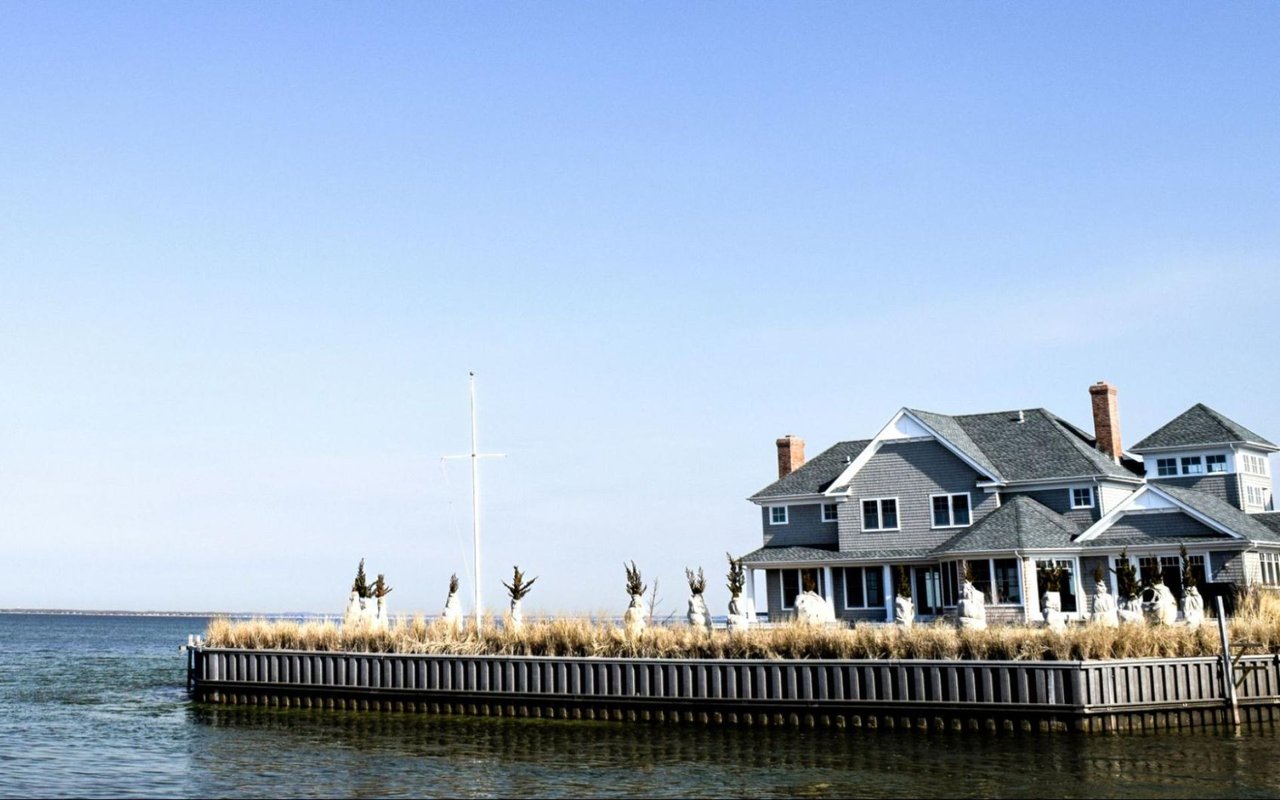
Sag Harbor is an incorporated village split between Southampton and East Hampton, with a 2020 population of about 2,772, which gives it a walkable, small-scale feel you can sense the moment you arrive. You see the maritime past in the harbor and preserved streetscapes, and you feel it at the Sag Harbor Whaling & Historical Museum. The arts scene is lively year-round, anchored by Bay Street Theater and an active Main Street. It is a rare blend of working harbor, culture, and easygoing village life.
Morning: harbor breeze and easy starts
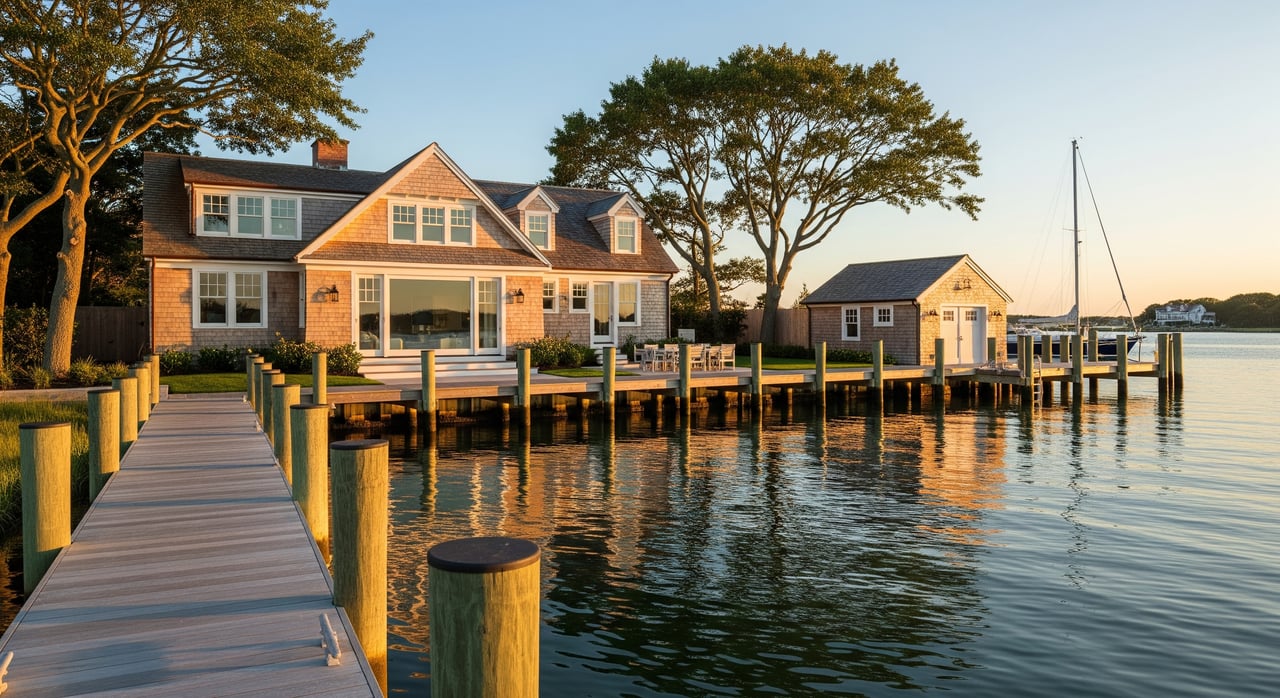
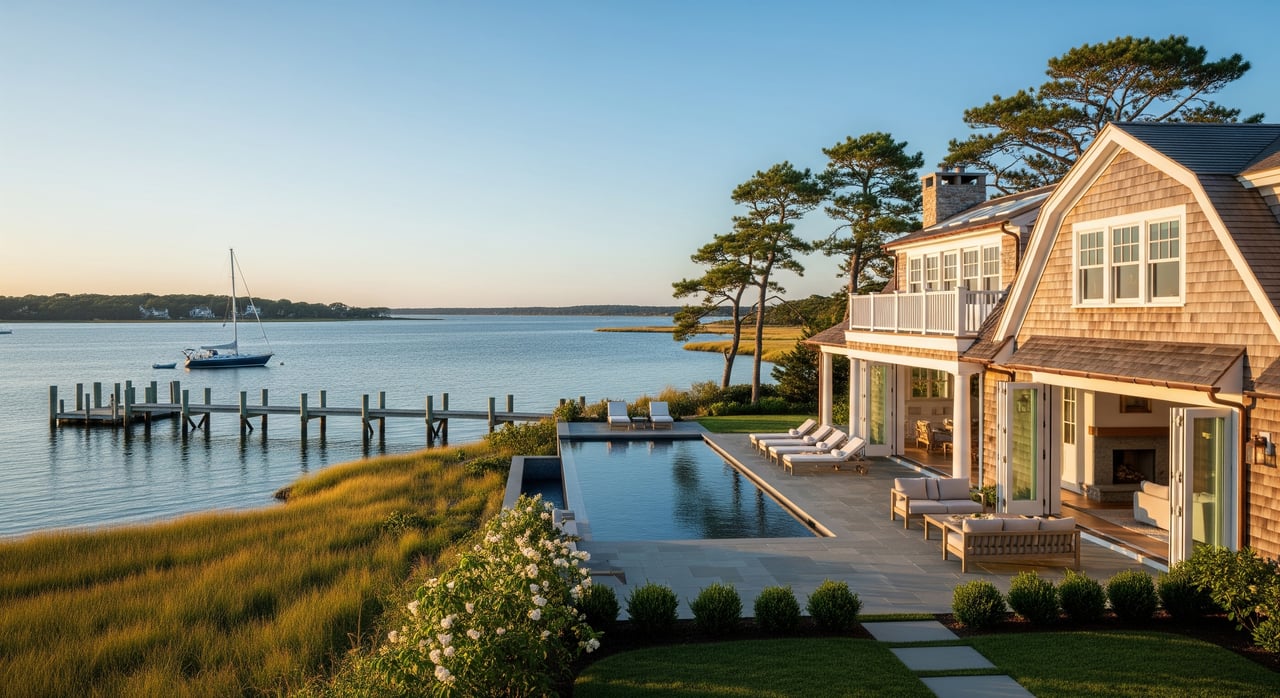
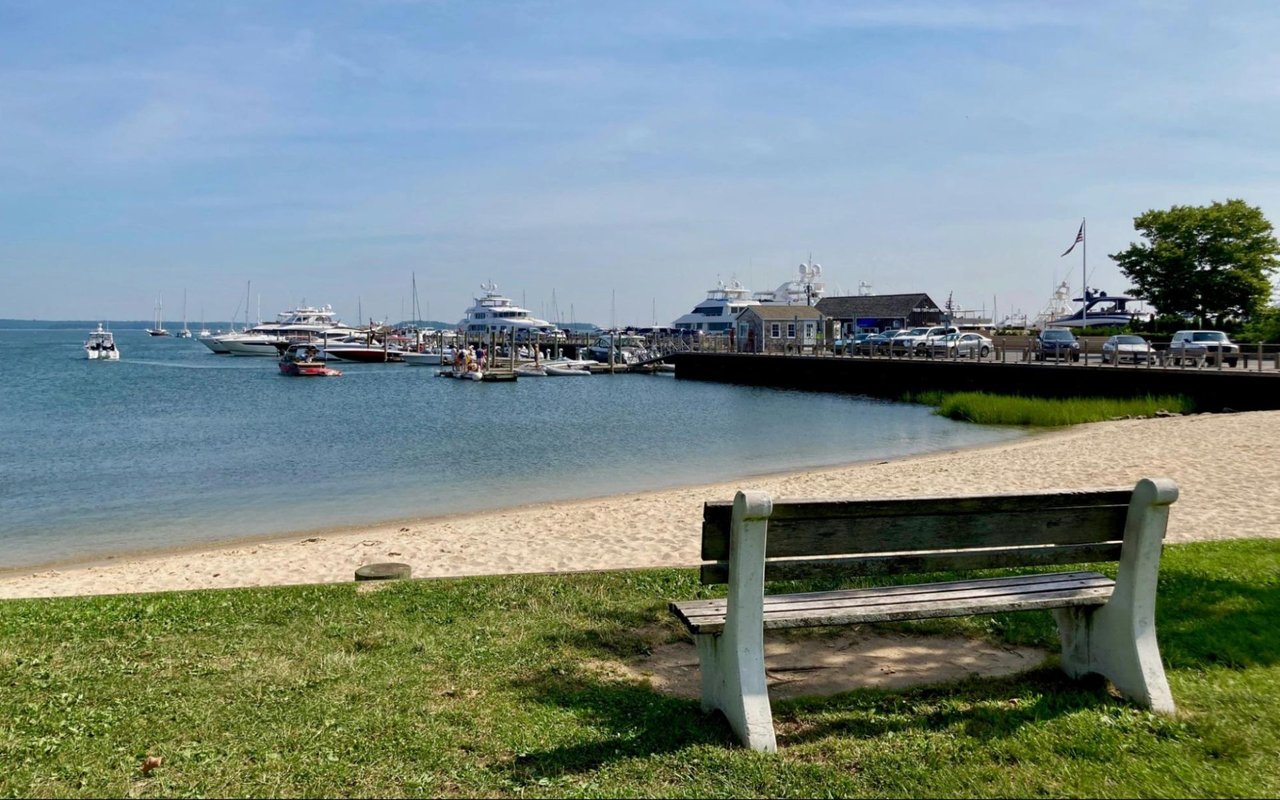
Begin at the marina and Long Wharf for a harborside walk. You get boats, birds, and open sky within steps of Main Street, which sets the tone for the day. On still mornings, the light on the bay is reason enough to linger.
Next, loop through Mashashimuet Park and the nearby Otter Pond. The park is a local recreational hub with playgrounds and green space, and the pond’s tidal character adds a quiet, natural pause. If you need a calm break, stop by the John Jermain Memorial Library for a quick browse or to check community events.
Late morning: history and Main Street
Give yourself 45 to 90 minutes at the Sag Harbor Whaling & Historical Museum to connect the village’s past to what you see outside. Exhibits and the period home setting make the maritime story tangible. Then stroll Main Street for small galleries, antiques, and boutiques that shift with the seasons. It is an easy way to sense the year-round creative energy.
Afternoon: beach time, two ways
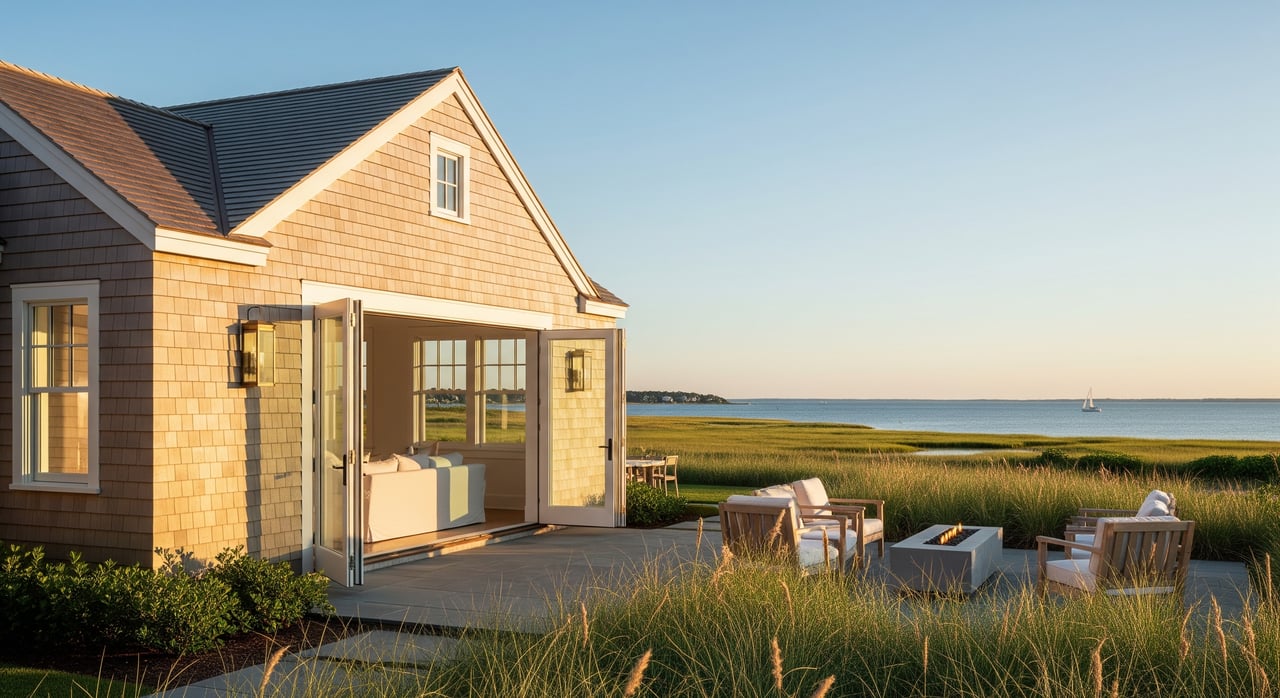
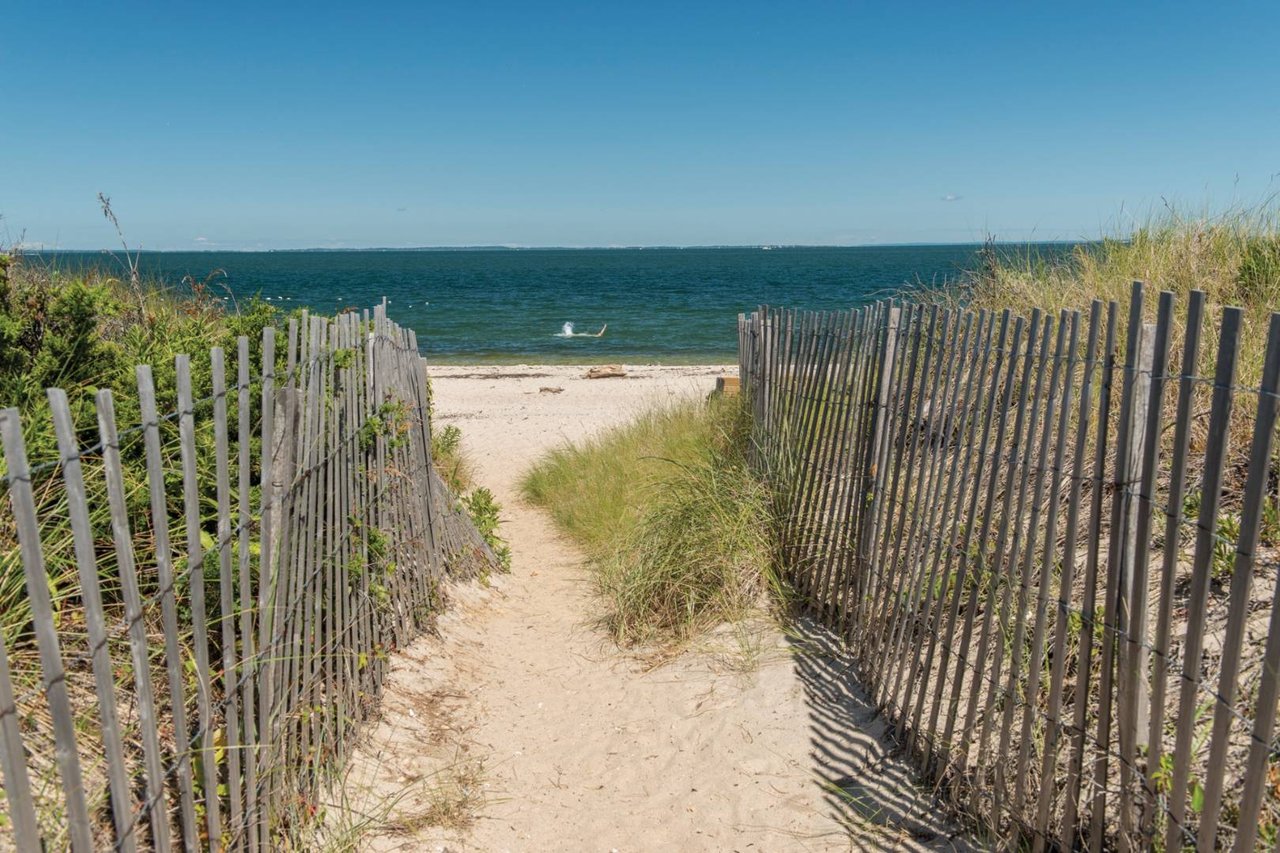
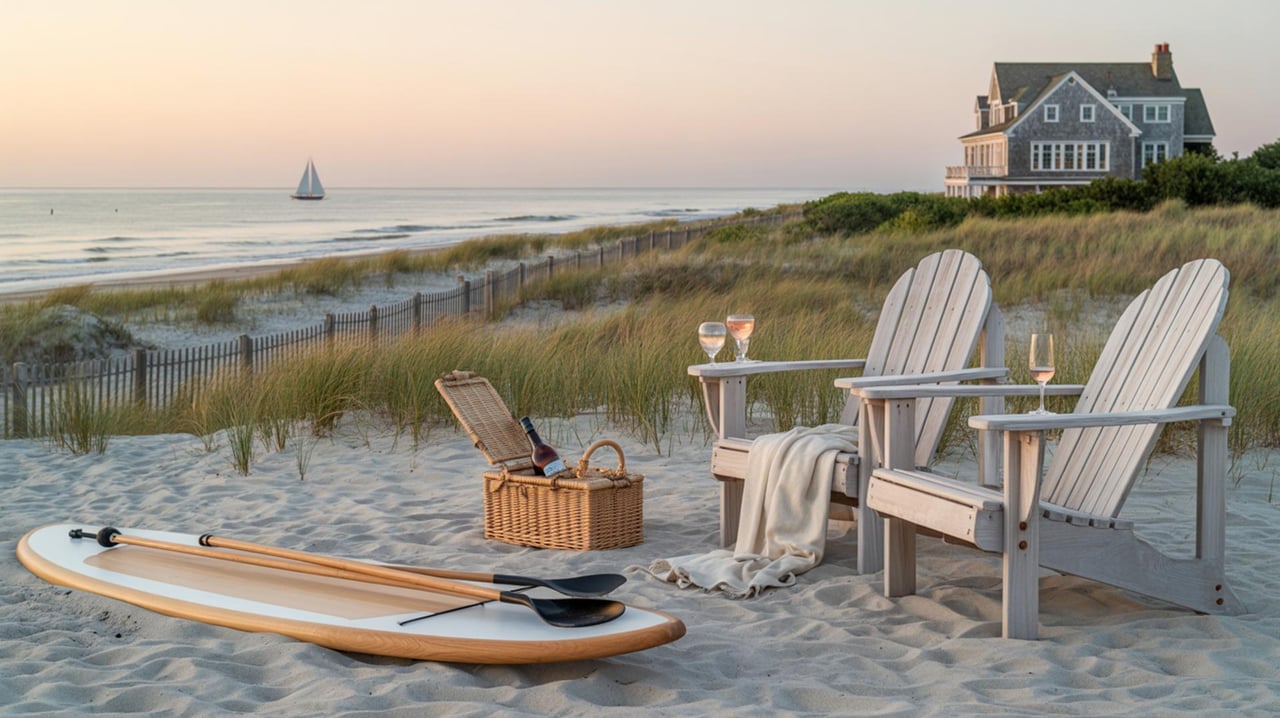
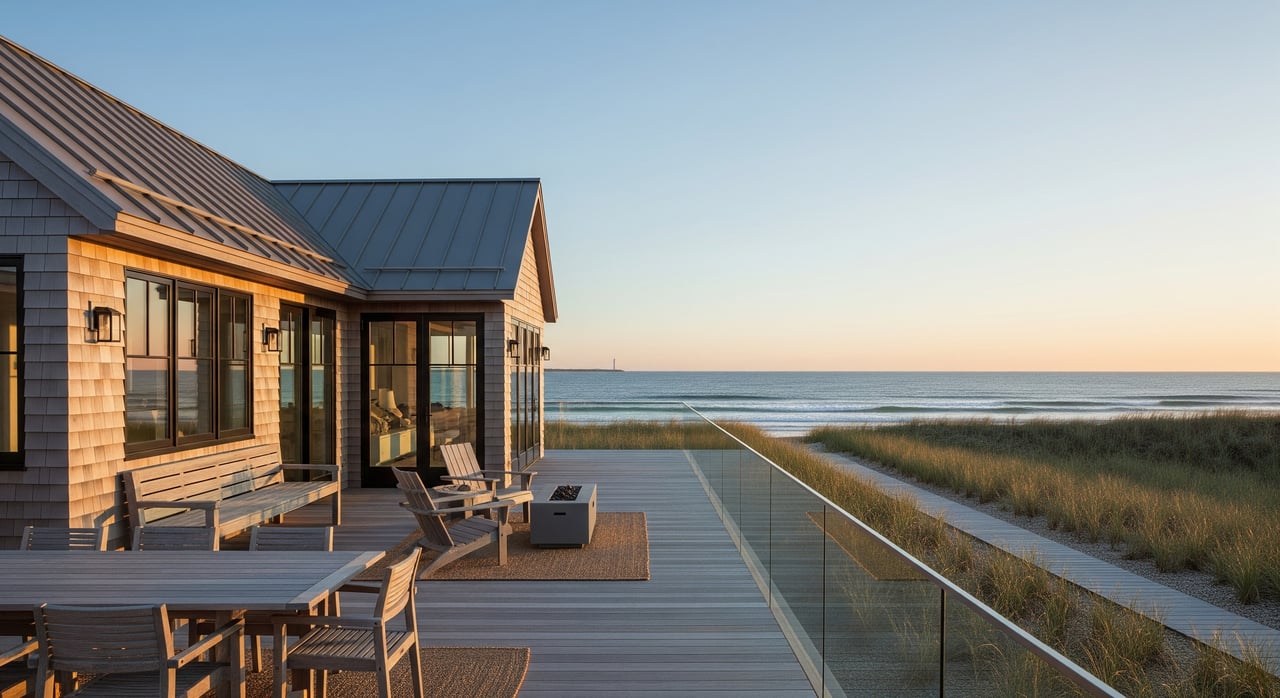
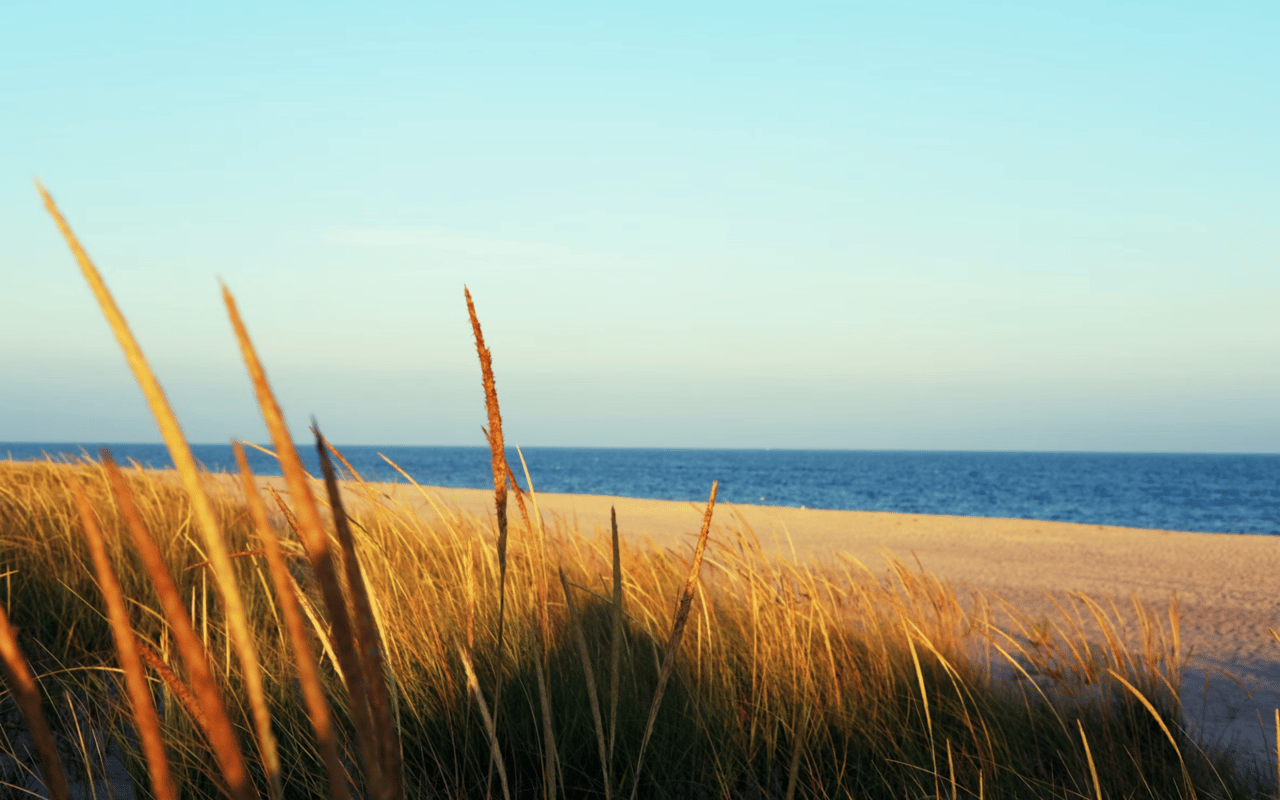
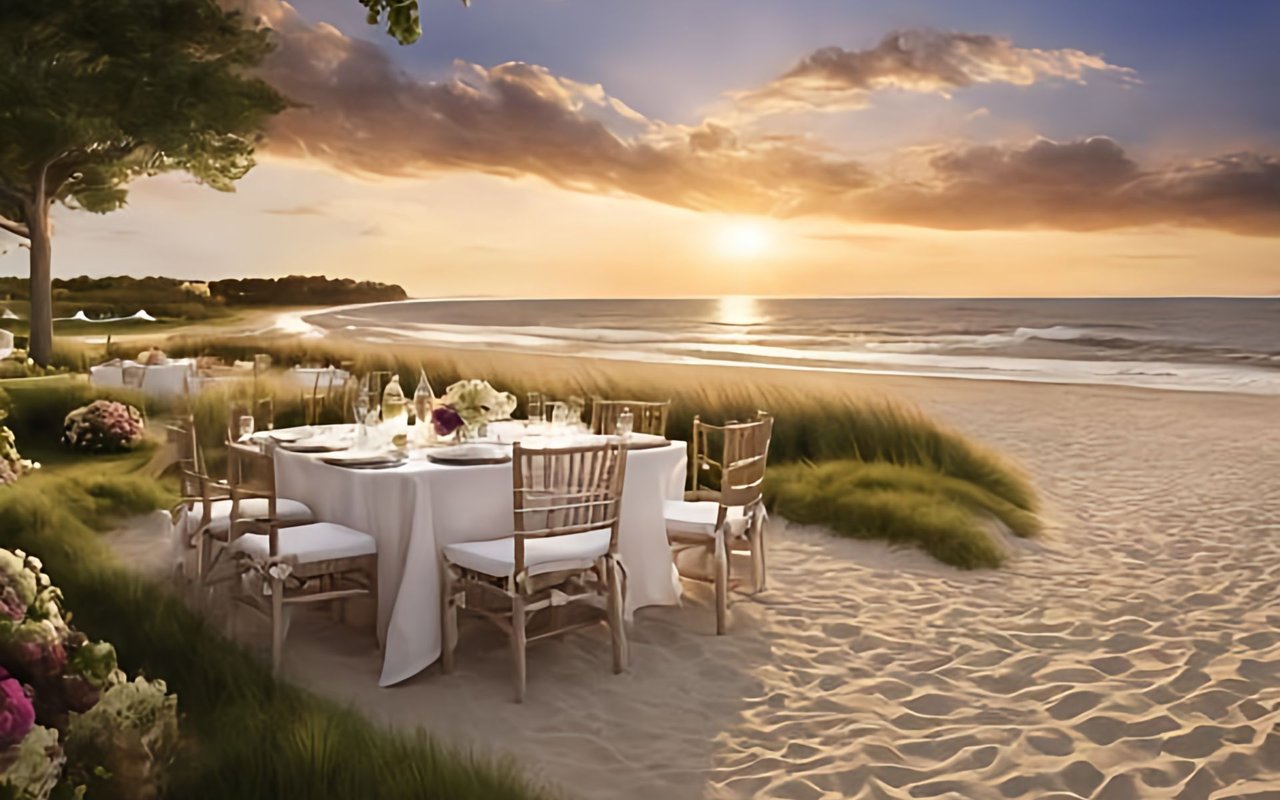
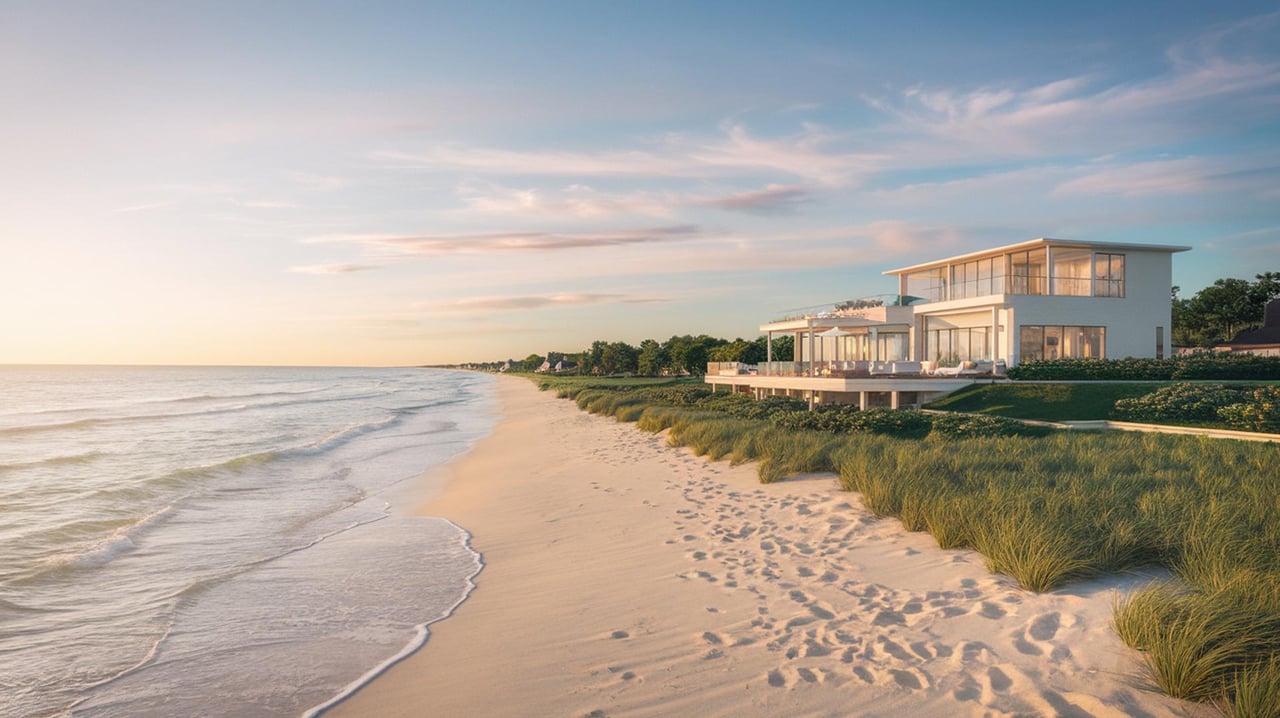
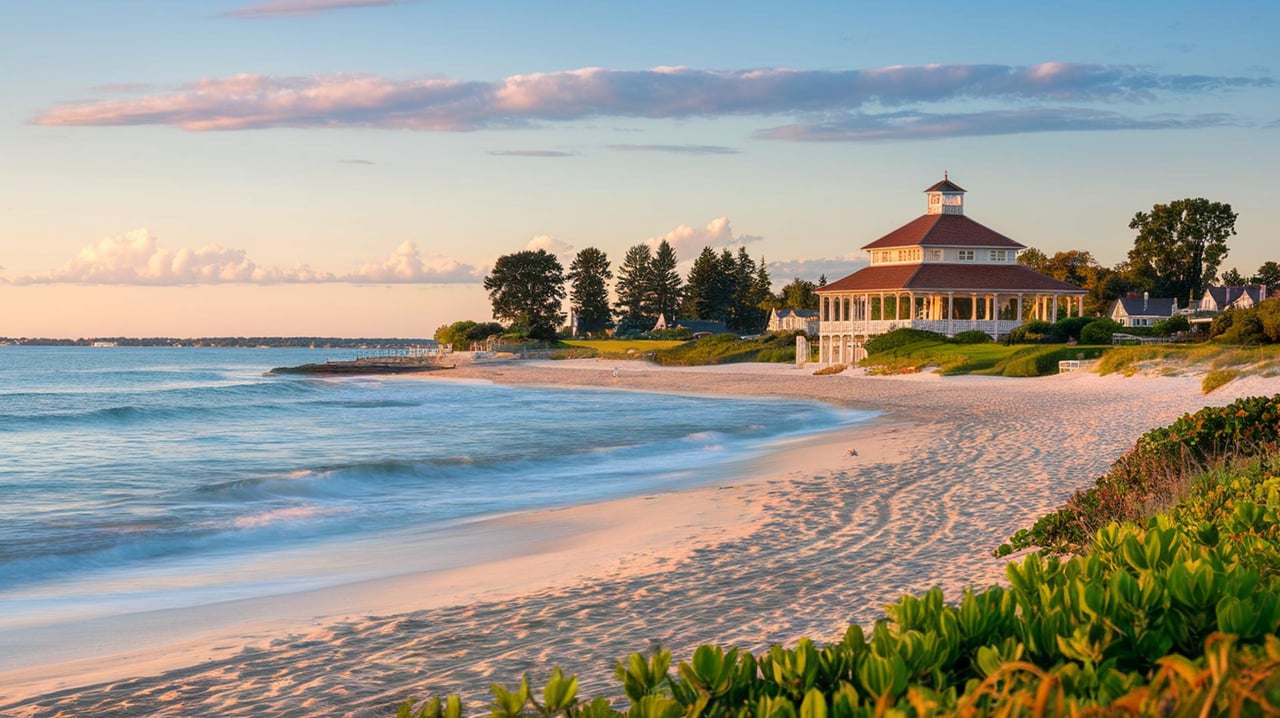
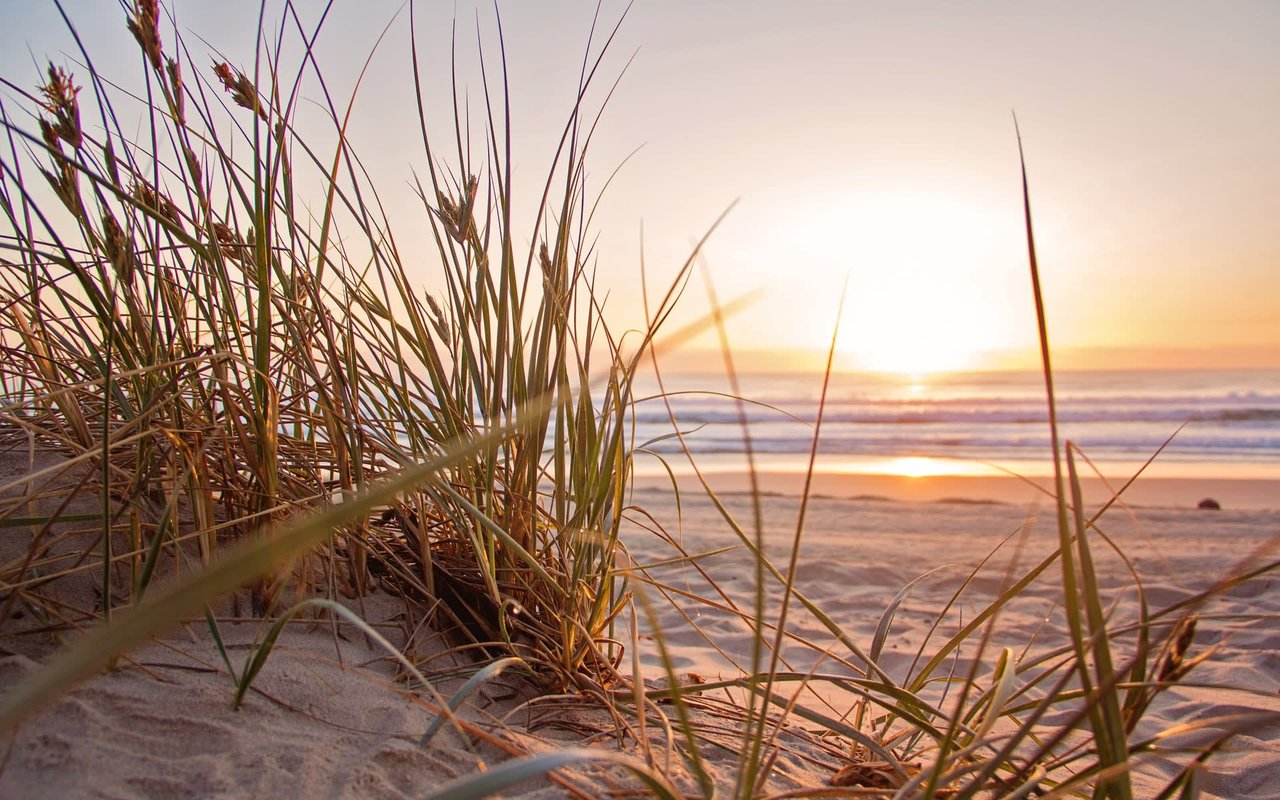
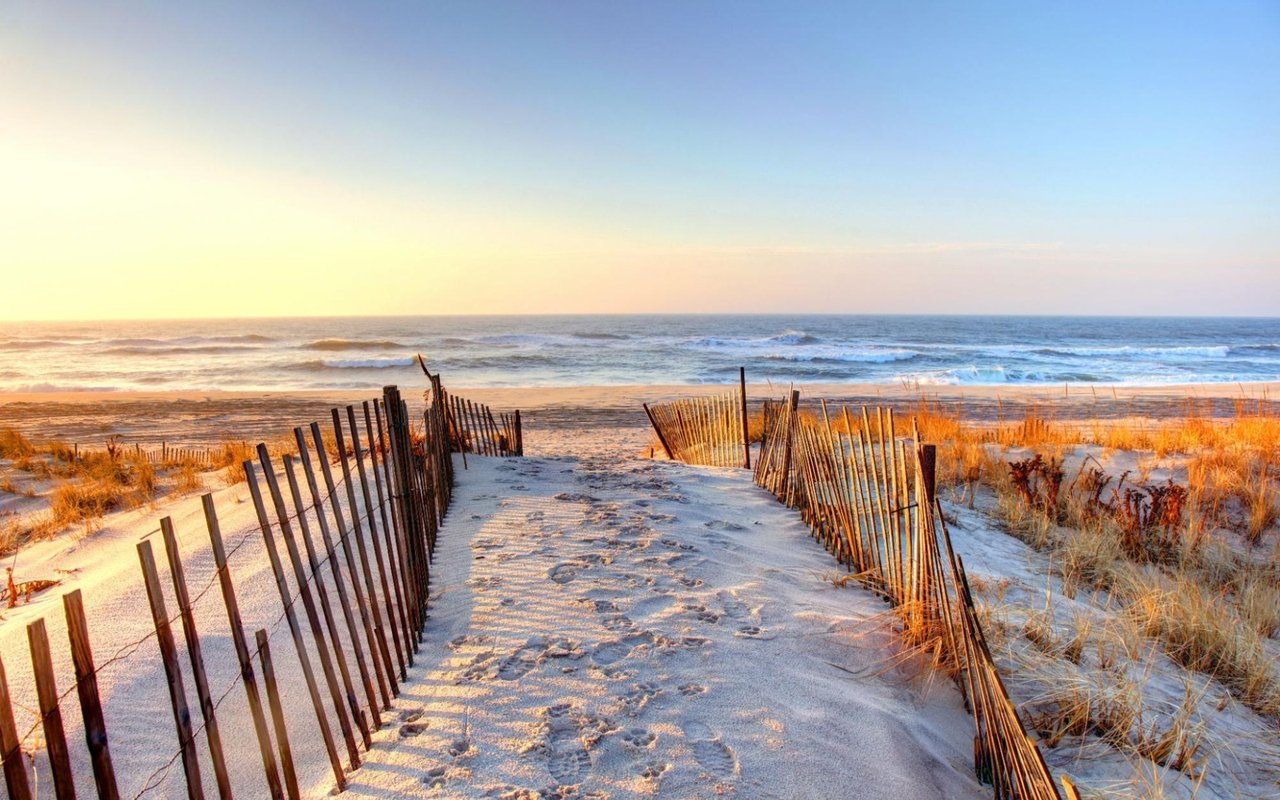
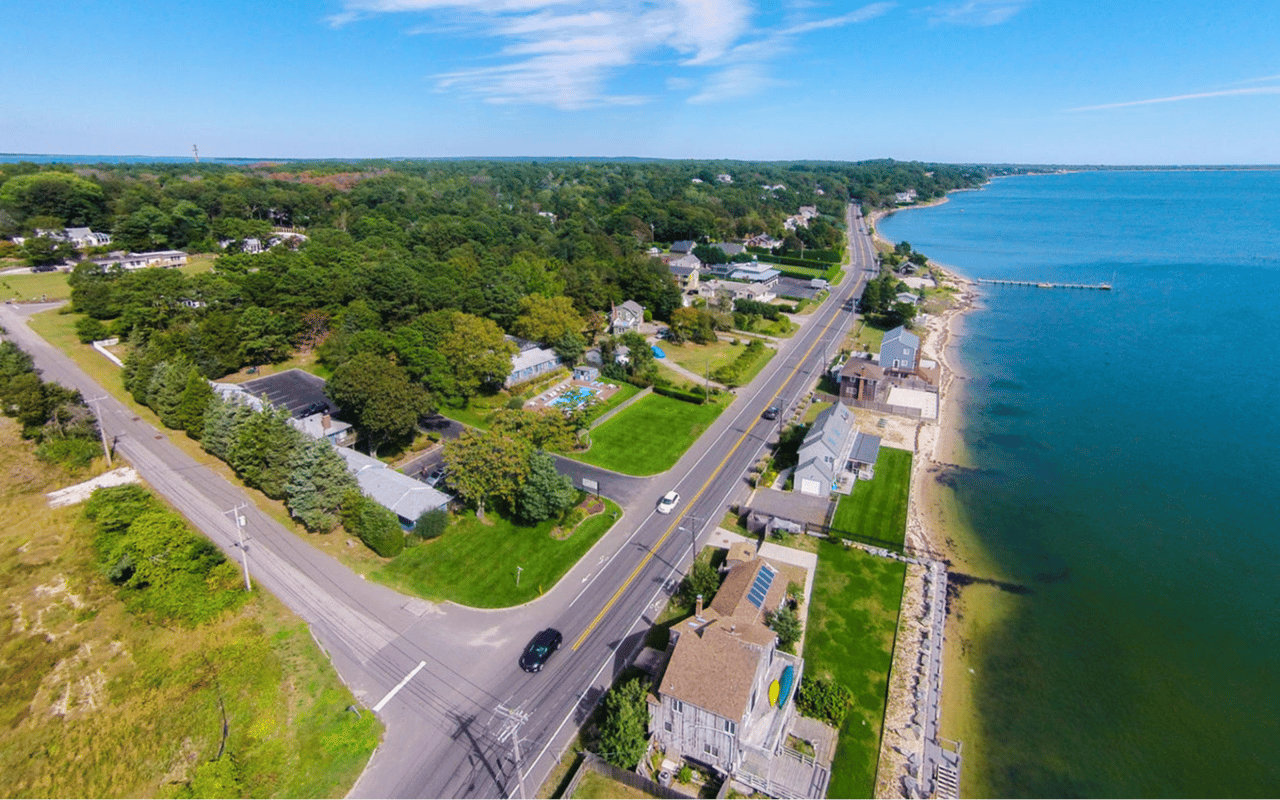
For wide-open bay views and mellow water, head to Foster Memorial, often called Long Beach. It is a favorite for family-friendly swimming, paddleboarding, and late-day light. For an at-a-glance overview of its calm setting, check the Long Beach summary.
Prefer to stay closer to the village? Havens Beach offers a playground, gazebo, and restrooms. Summer brings village parking rules, so review current Havens Beach parking regulations before you go. Either choice lets you keep the afternoon unhurried.
Bonus escape: Shelter Island in under an hour
If you want a quick change of scene, the North Haven ferry to Shelter Island runs frequent daytime crossings. The ride itself is about 15 to 20 minutes, so a 30 to 60 minute round trip gives you time for a shoreline walk and a reset before dinner. Check the Shelter Island ferry schedule for current times and fares.
Sunset: harbor glow and dinner
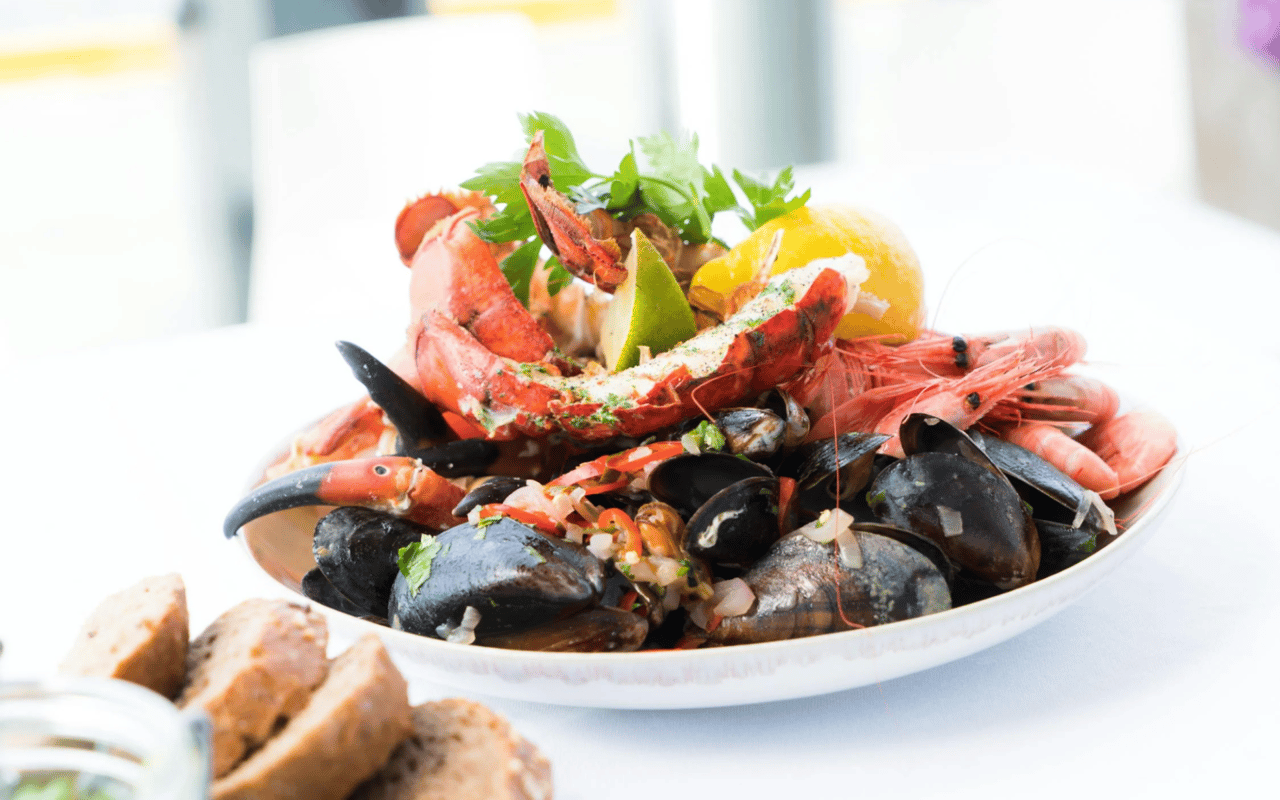
Return to the marina and Long Wharf for west-facing light that makes classic photos. For dinner, choose your mood. The American Hotel is a local classic, Le Bilboquet offers waterfront bistro energy, and Baron's Cove pairs harbor views with a relaxed hotel setting. Reserve ahead in peak season and confirm hours. If you prefer culture over dessert, see what is playing at Bay Street Theater or catch a film at the revived Sag Harbor Cinema.
Getting here and getting around
- Without a car: The Hampton Jitney is a straightforward option from Manhattan, with a Sag Harbor stop on Main Street near the American Hotel. Review the Hampton Jitney FAQs for routes and schedules.
- By car: Plan for 100 to 110 miles from Manhattan. Typical routes use the Long Island Expressway to Montauk Highway or Route 114. Expect heavier traffic on summer weekends and holidays.
- Parking: The village uses paid parking in high season and seasonal beach permits. Check the Village of Sag Harbor parking page for current details.
Living here: year-round rhythms
This is not a summer-only postcard. You will feel daily life in the library, at the park, and on quiet side streets even in the off-season. The Sag Harbor Union Free School District serves the village, with Sag Harbor Elementary and Pierson Middle-High School as core campuses. Annual events like HarborFest in the fall and HarborFrost in winter keep the calendar active and community-centered.
Stewardship and shoreline sense
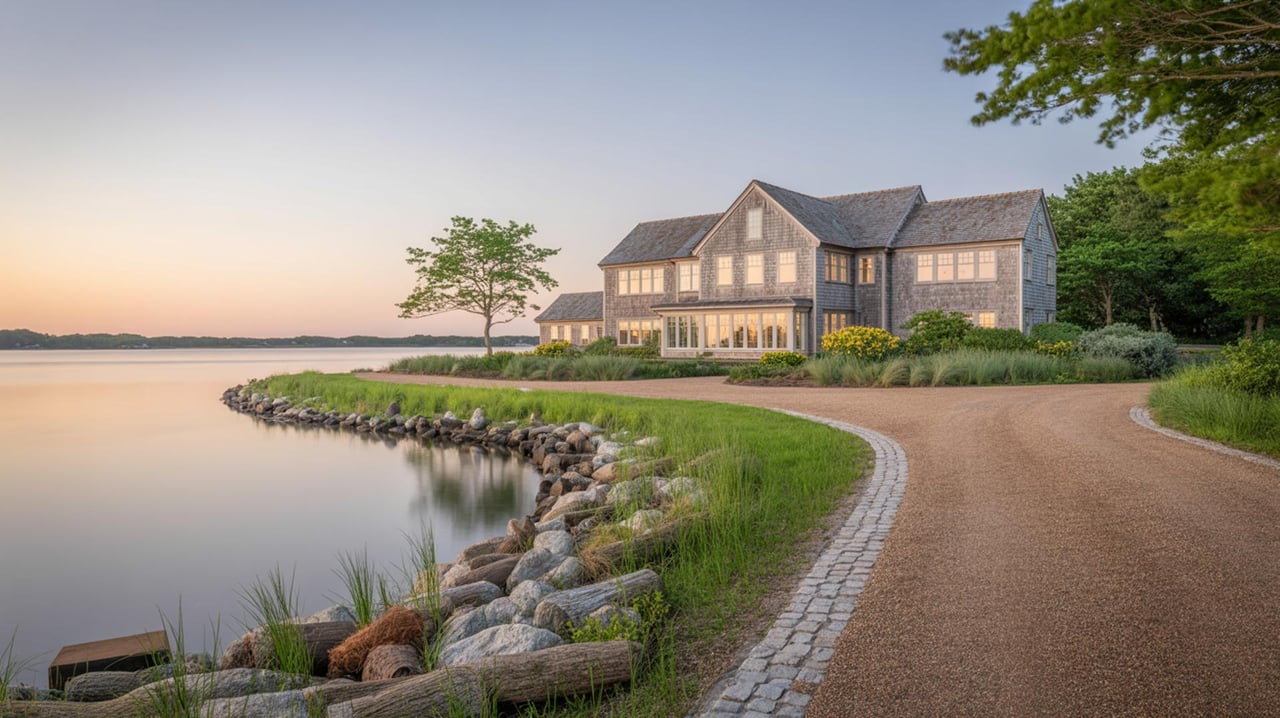
Coastal settings require care. Otter Pond and the parklands are sensitive areas connected to local tides and water quality. As you explore, pack out what you bring in, keep to marked paths, and respect posted rules at beaches and parks. These small steps protect the natural character that makes Sag Harbor special.
A simple 24-hour plan
- Morning: Coffee, harbor walk, and a loop through Mashashimuet Park.
- Midday: Museum time, then an easy Main Street browse.
- Afternoon: Beach at Long Beach or Havens; optional quick Shelter Island run.
- Sunset: Photos on Long Wharf; dinner downtown.
- Evening: Theater at Bay Street or a film, then a calm stroll back to your car.
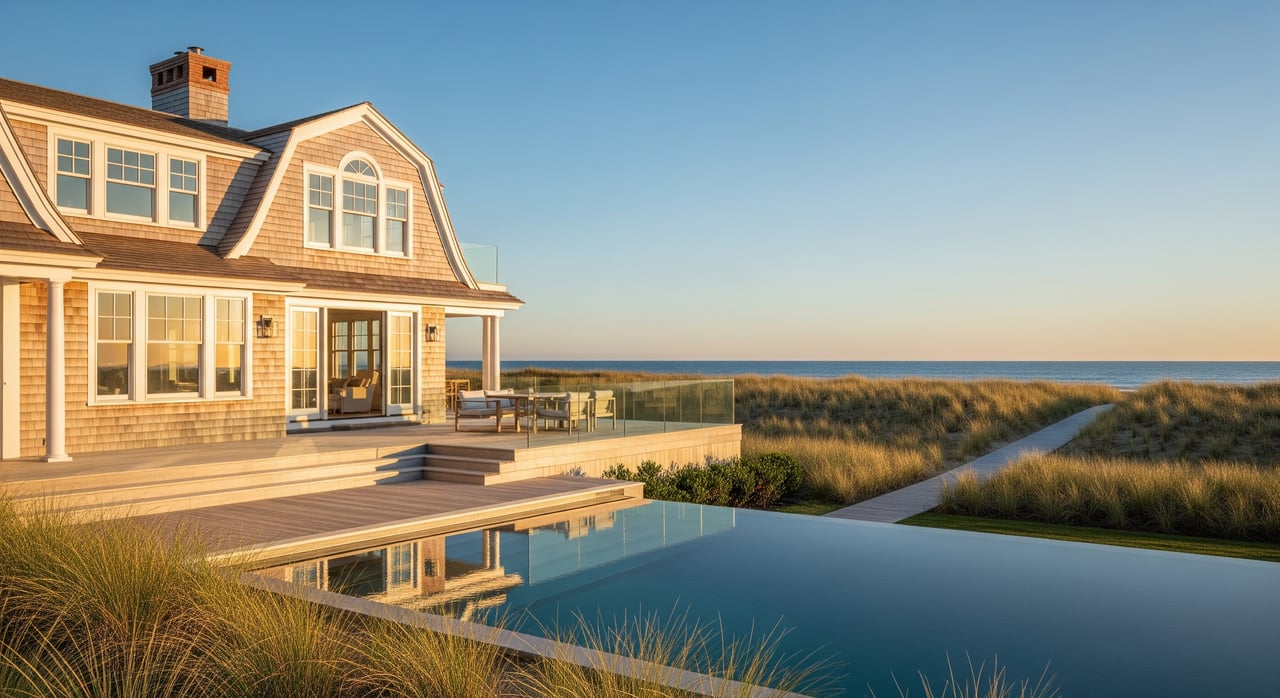
Ready to turn this day-in-the-life into your next address? For tailored guidance on homes close to the harbor, beach-proximate properties, or rental-ready investments, connect with Michael Petersohn for a personal plan that fits how you want to live here.
FAQs
What is the best way to reach Sag Harbor without a car?
- The Hampton Jitney runs service from Manhattan to a Main Street stop, which is walkable to the harbor, restaurants, and the library.
Where can you park in Sag Harbor during summer?
- Expect paid parking zones downtown and seasonal permits for village beaches; always check current village rules before you arrive.
Which beaches near Sag Harbor are best for calm water?
- Foster Memorial, often called Long Beach, typically offers gentle bay conditions suitable for paddling and relaxed swimming.
How long is the Shelter Island ferry trip from the Sag Harbor area?
- The North Haven to Shelter Island crossing is about 15 to 20 minutes, with frequent daytime service.
Is Sag Harbor a year-round community or just a summer spot?
- It is year-round, with schools, a library, local services, and events like HarborFest and HarborFrost that keep the calendar active beyond summer.