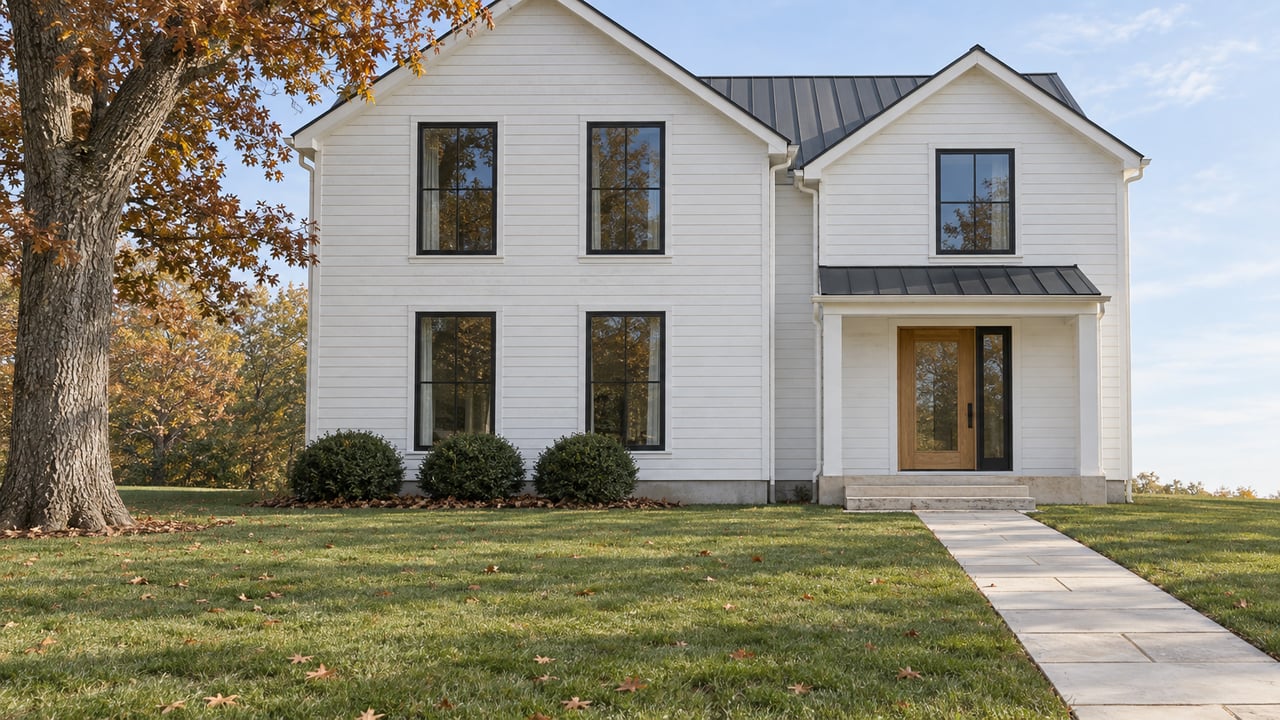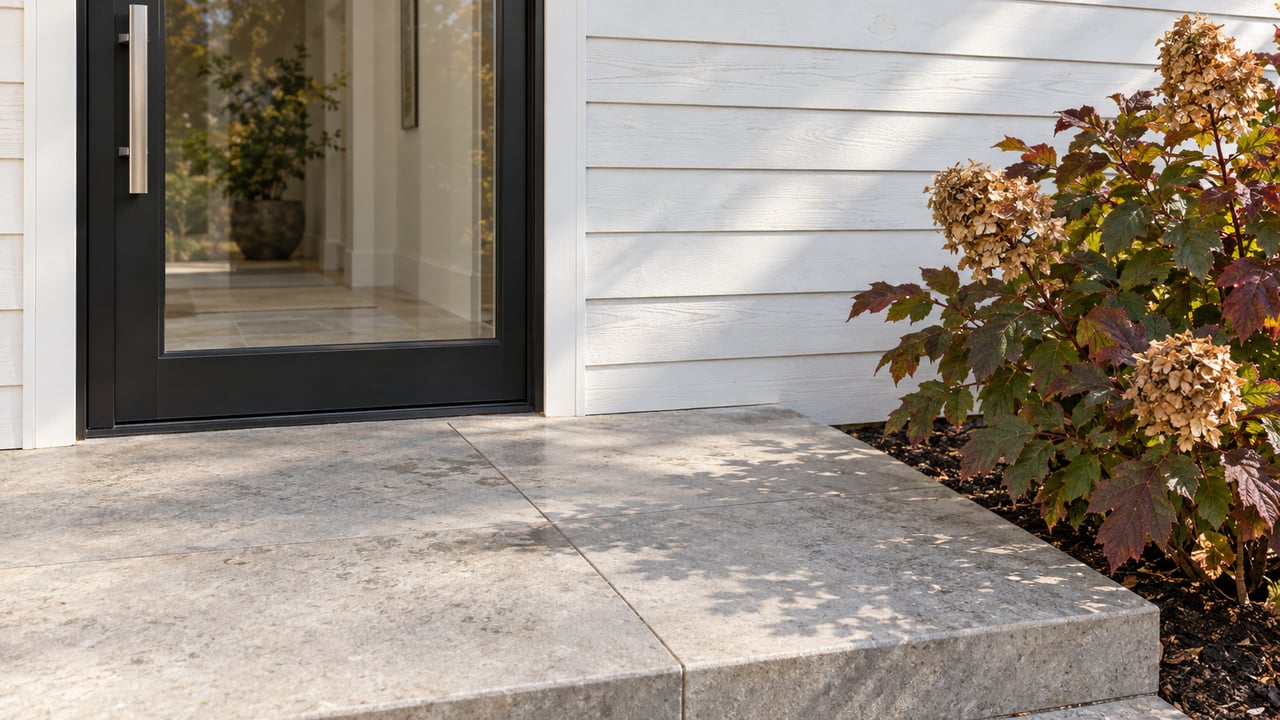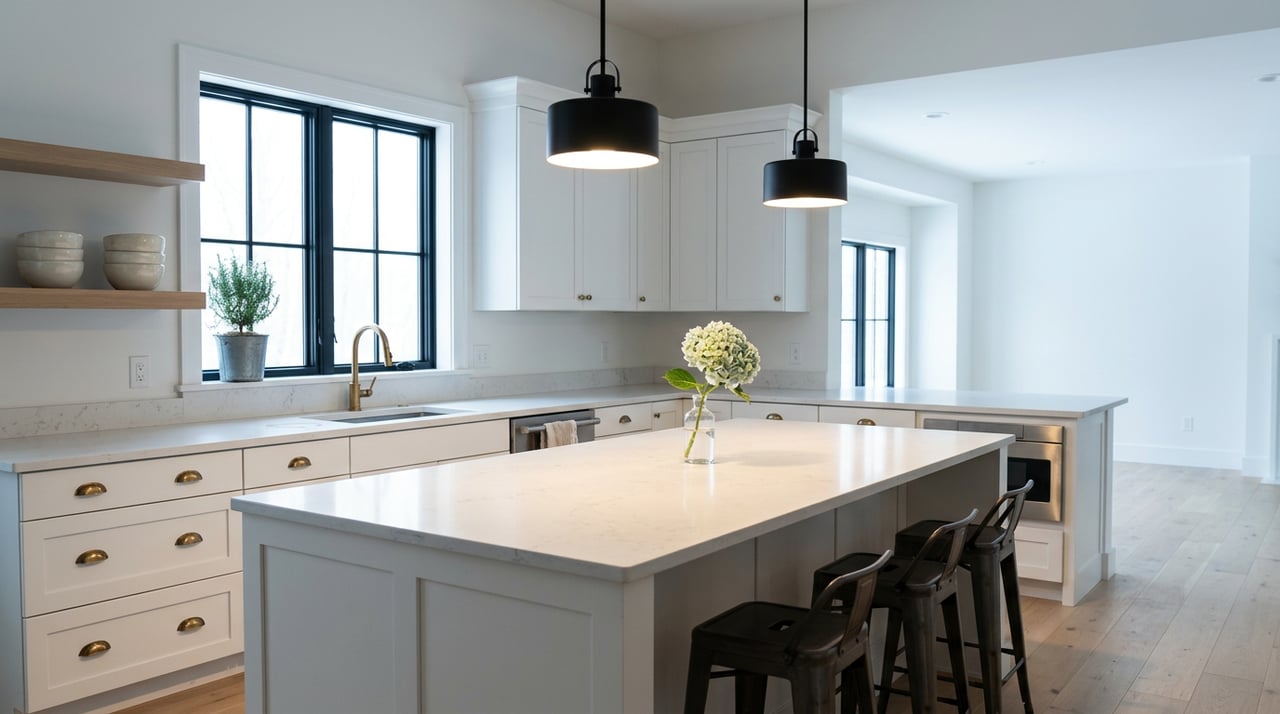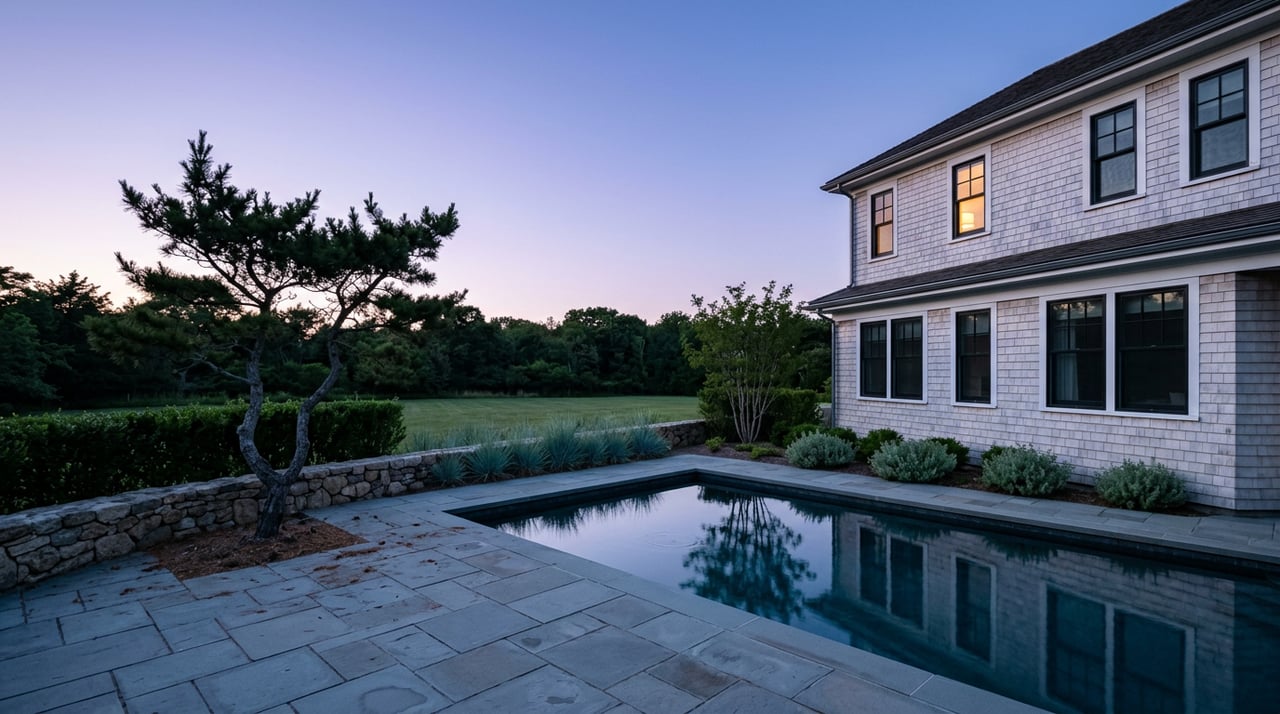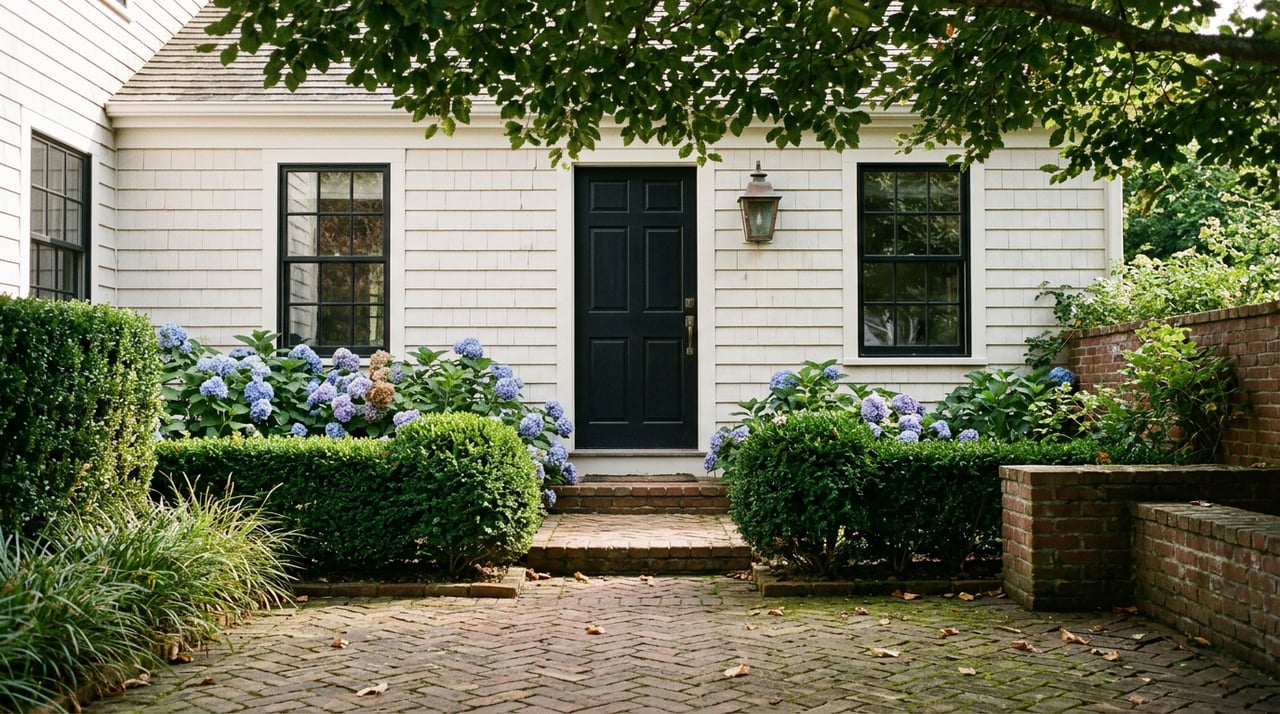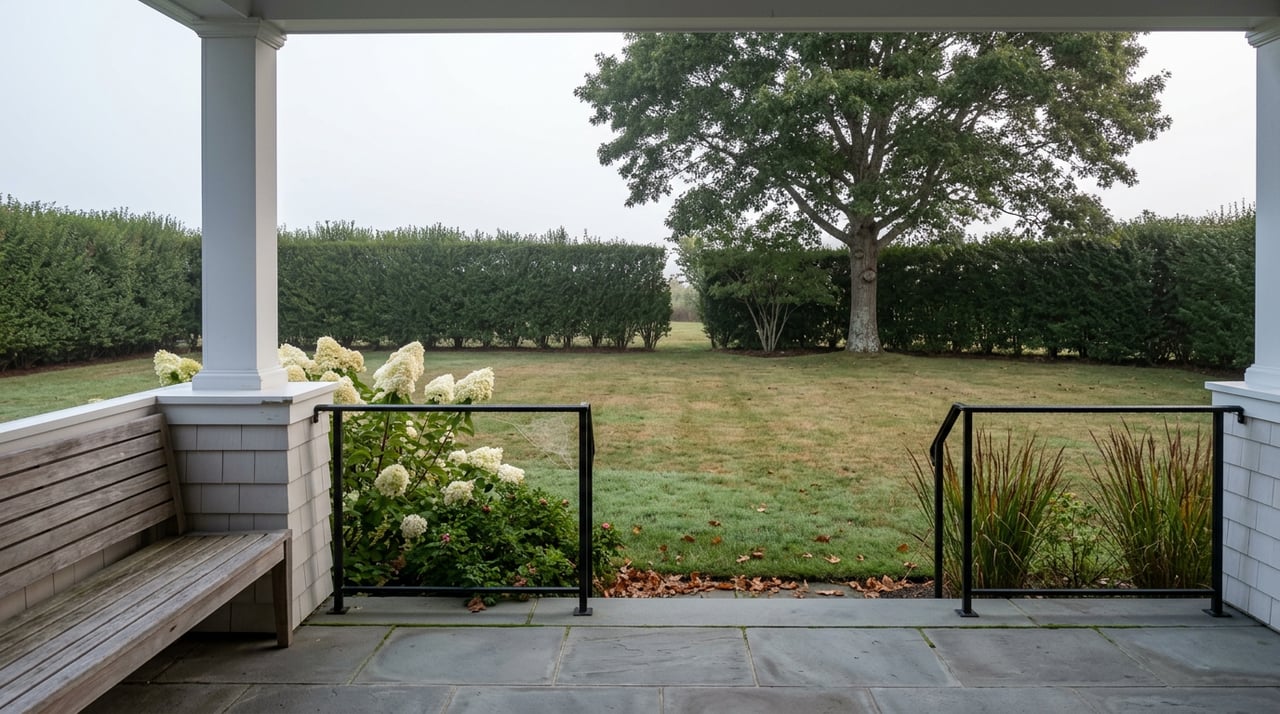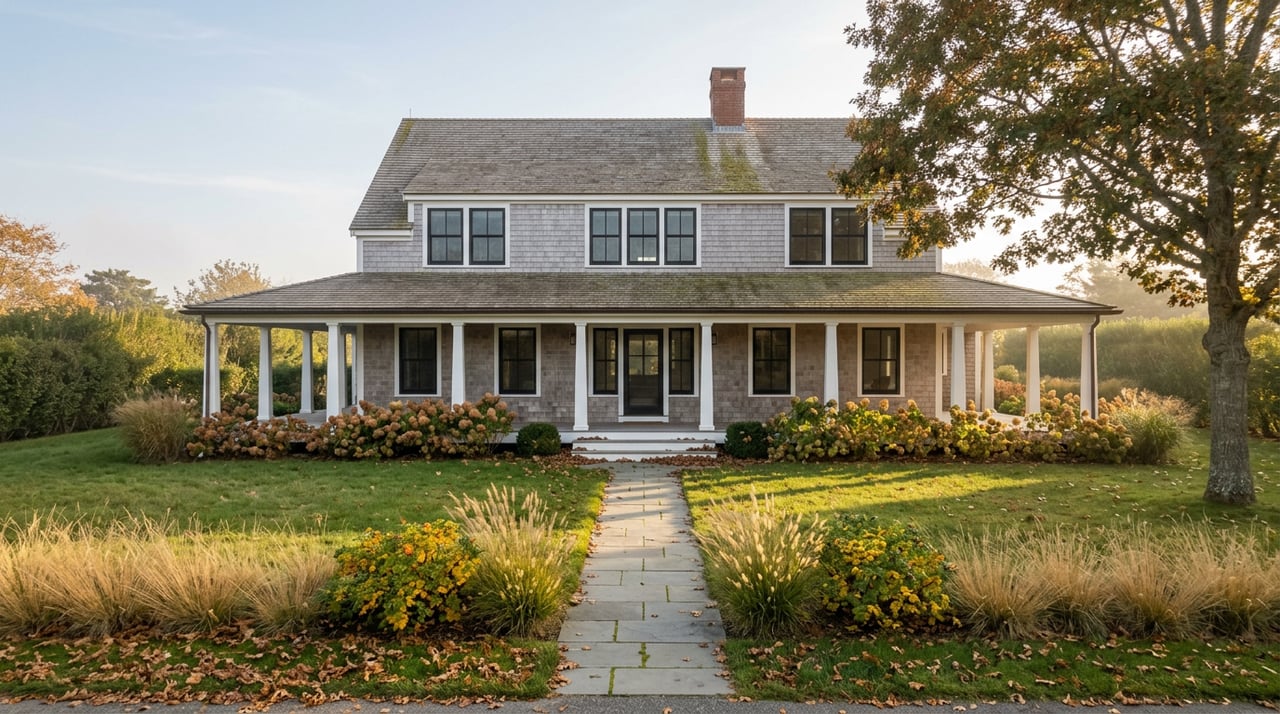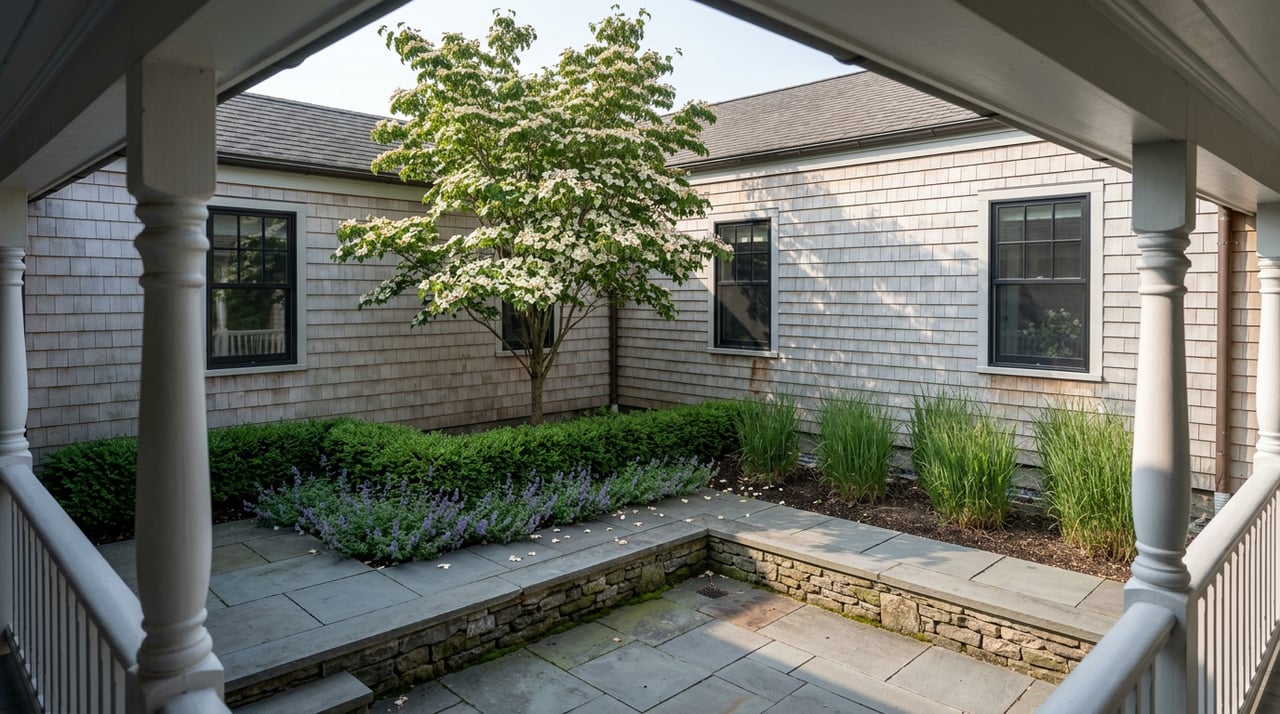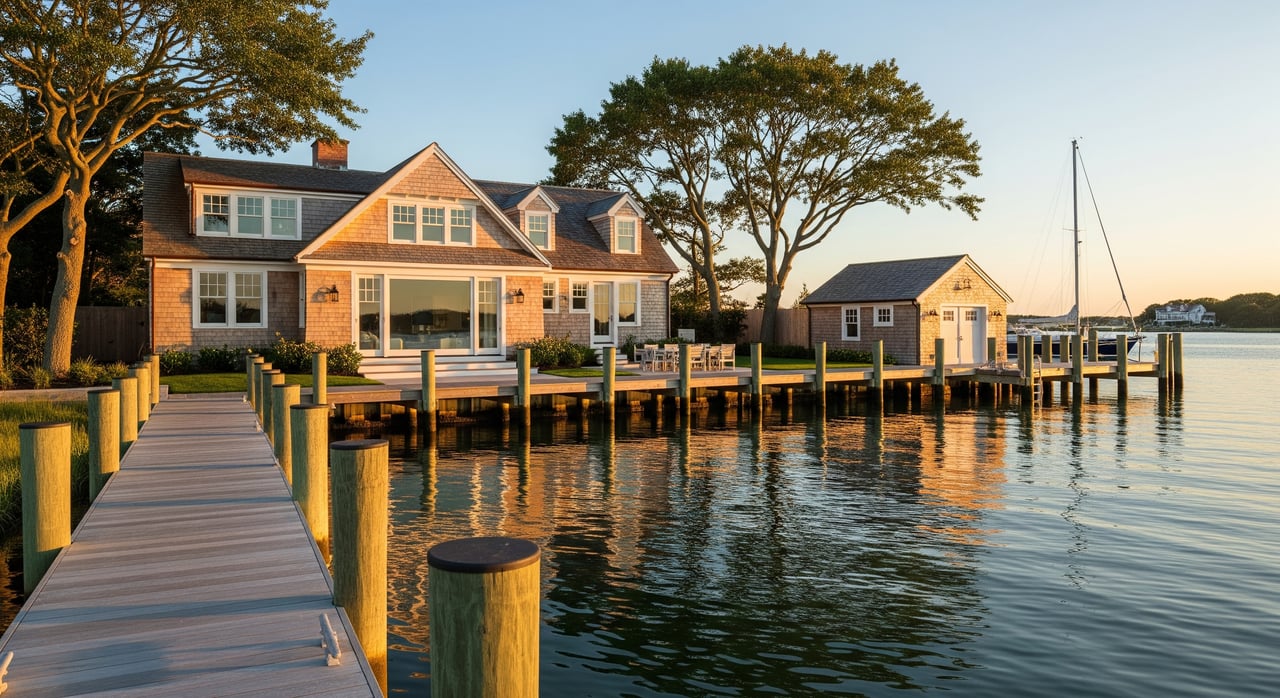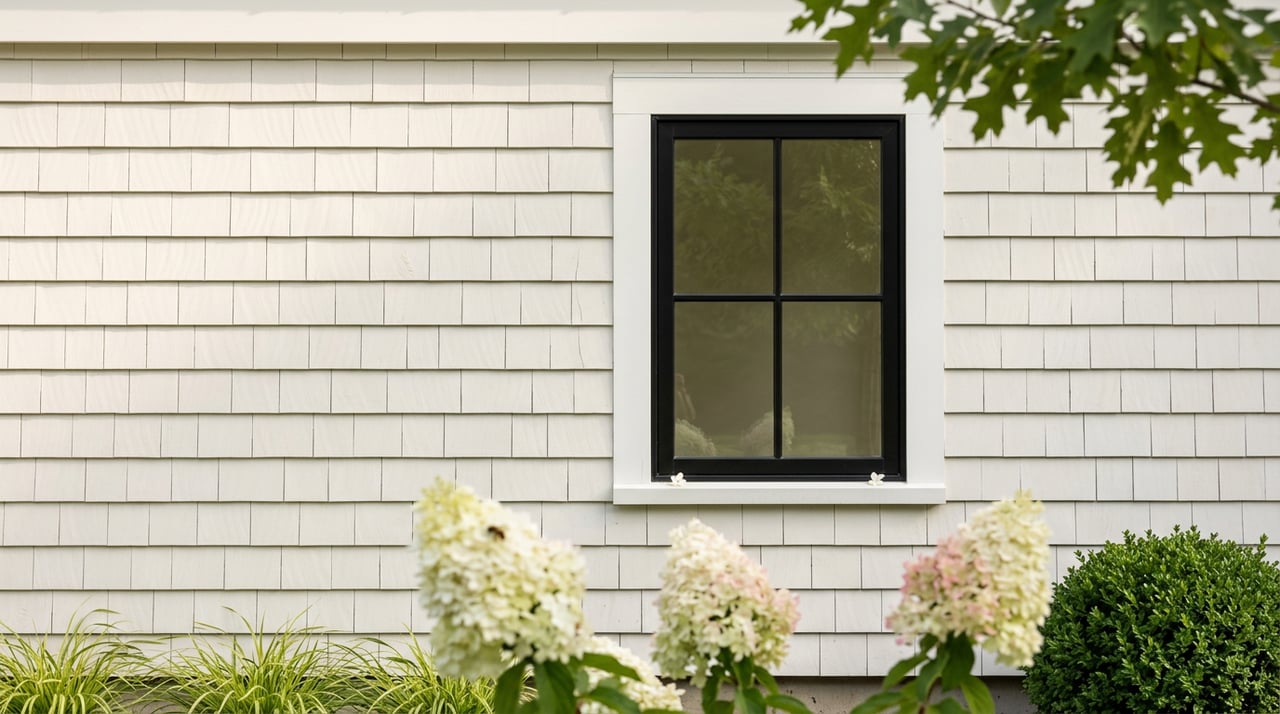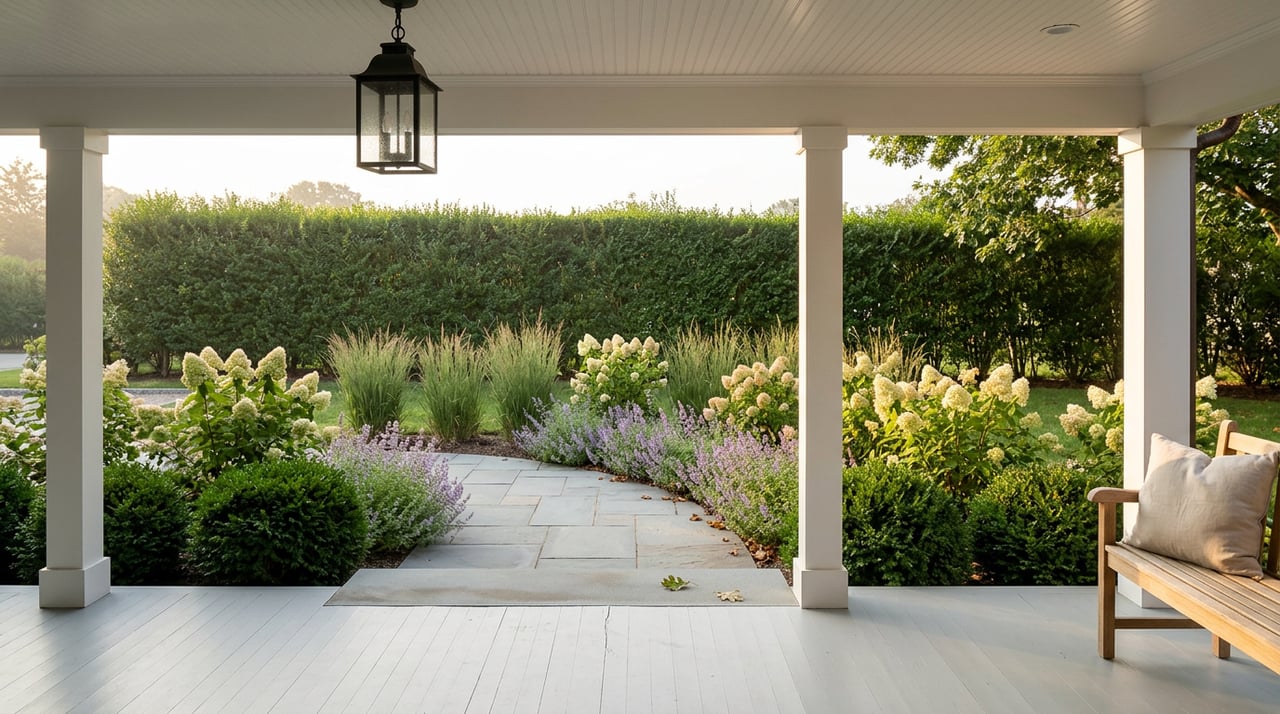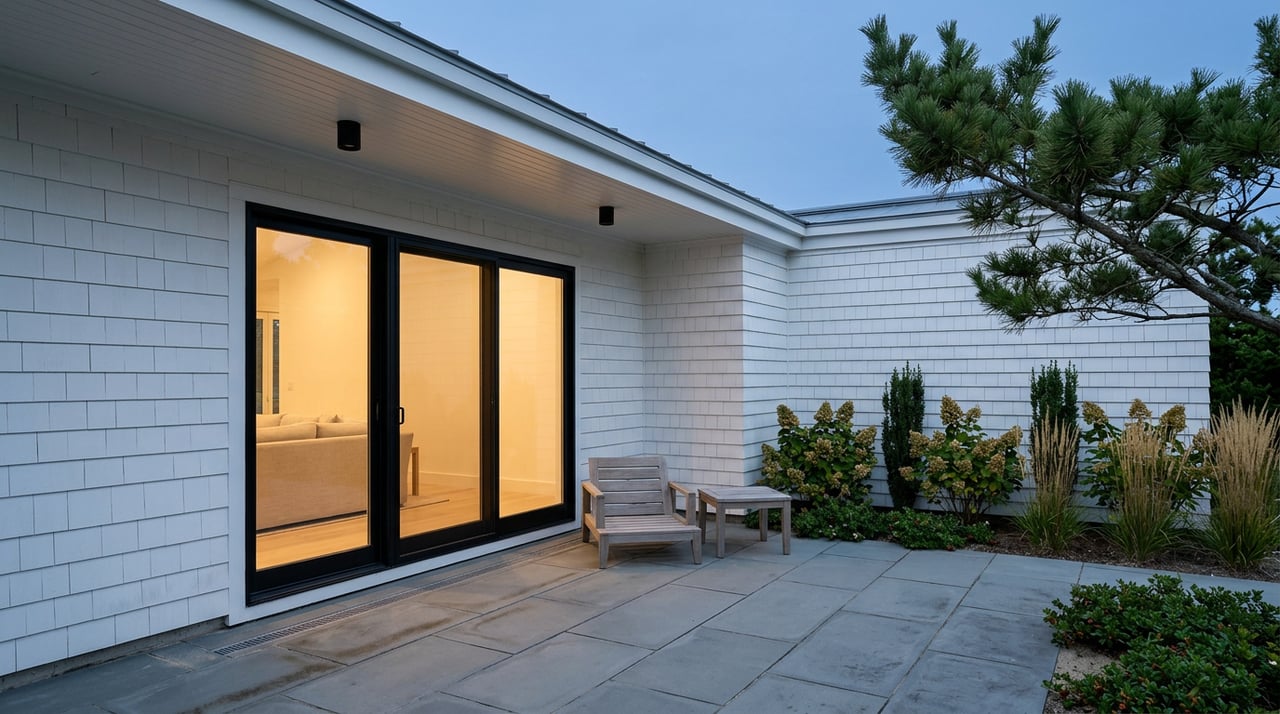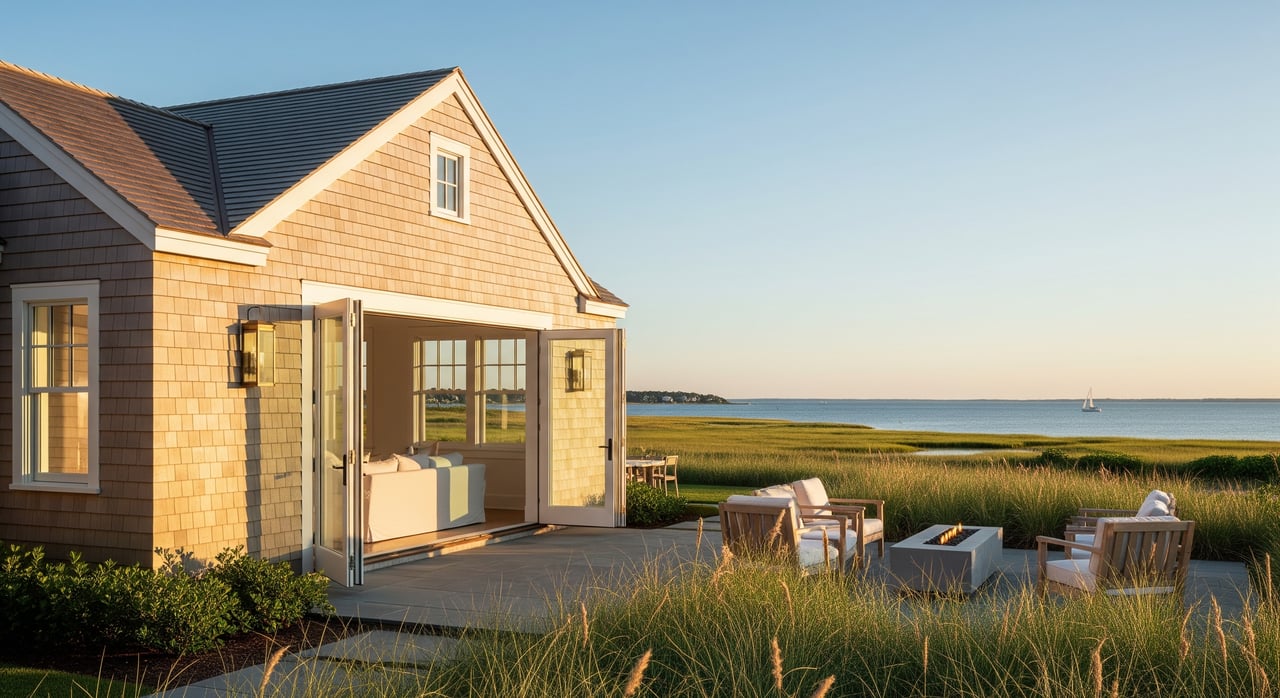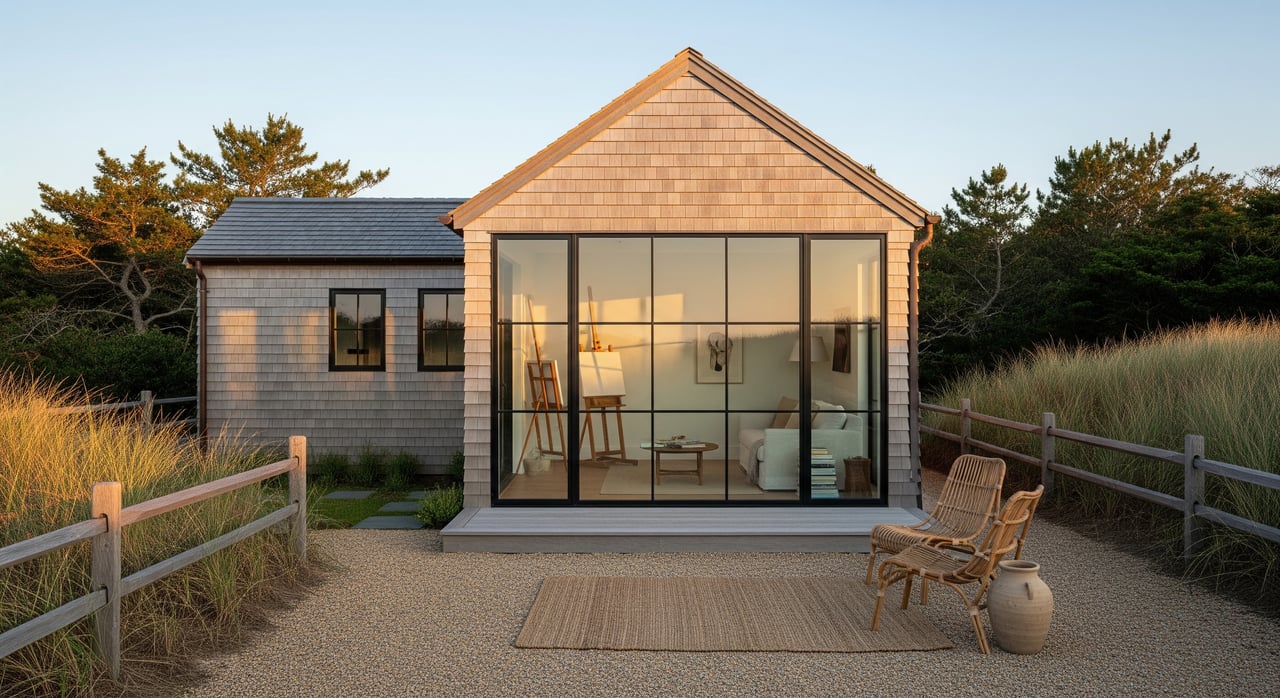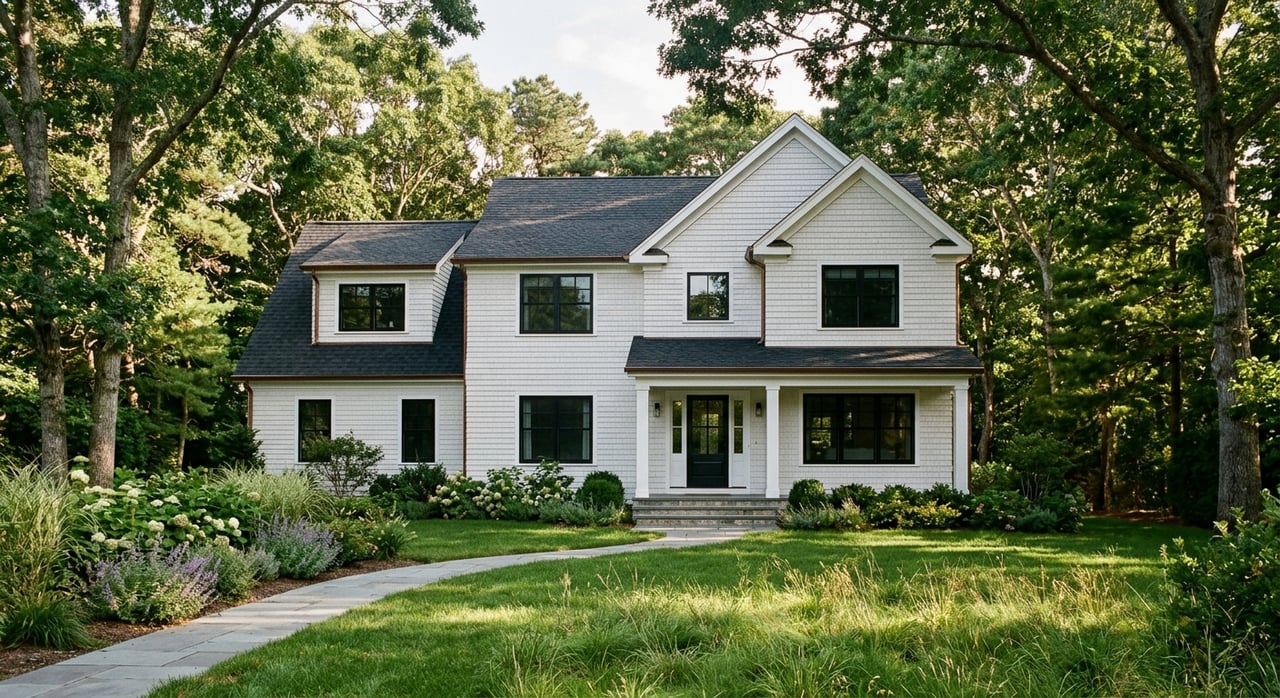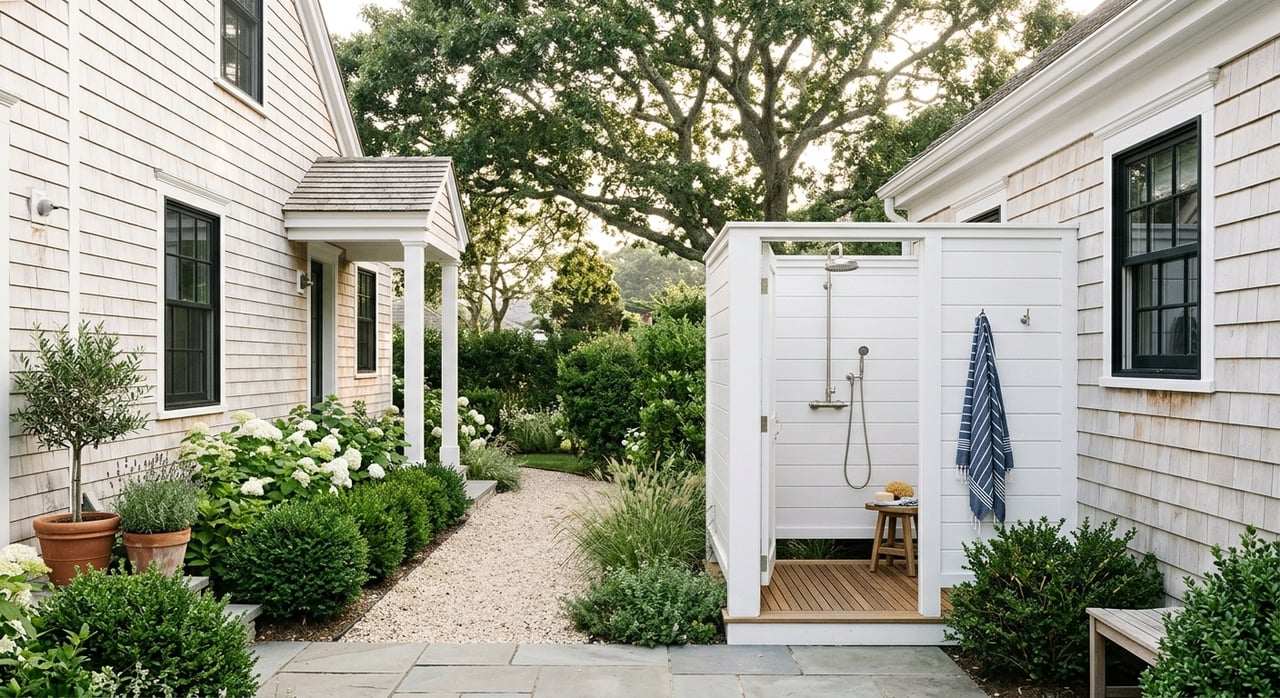
You can sell an older Quogue home for a premium without sanding away the very details that make it special. The key is pairing provenance with proof that the house lives comfortably today. In this guide, you’ll learn what buyers expect, which repairs and documents to prioritize, how to approach septic and flood readiness, and how to stage and market character as an asset. Let’s dive in.
Why older Quogue homes sell now
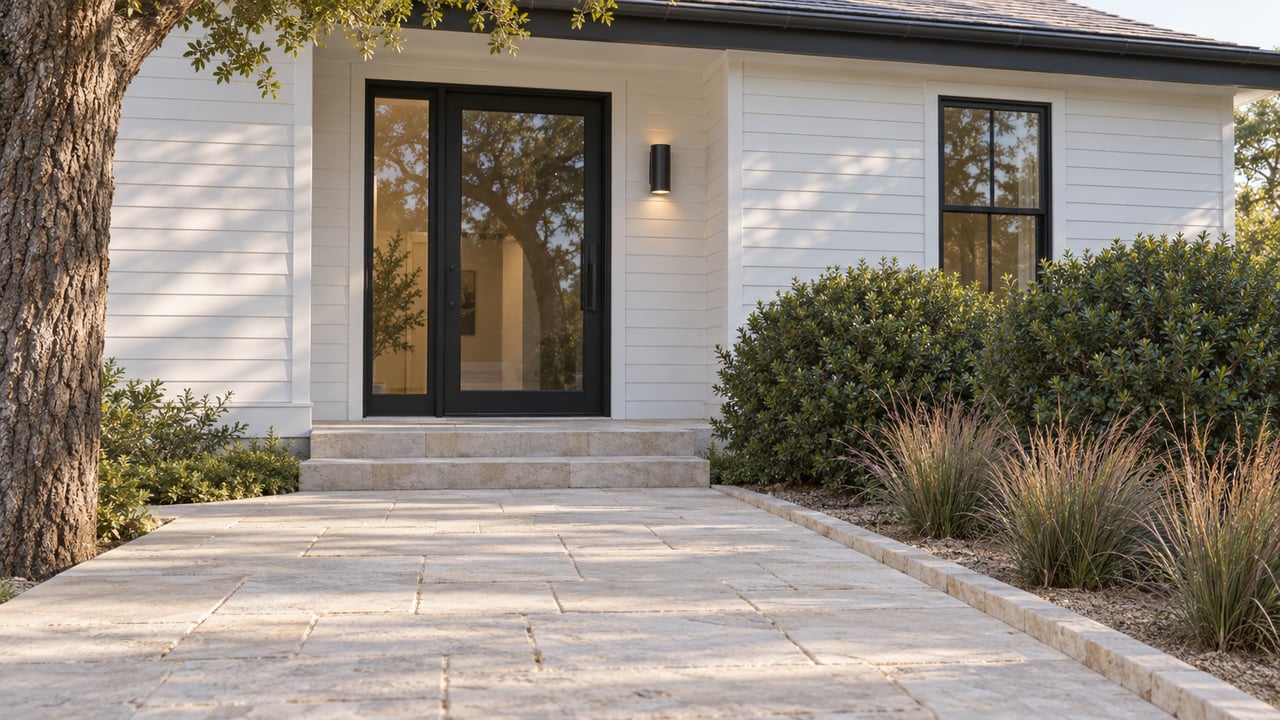
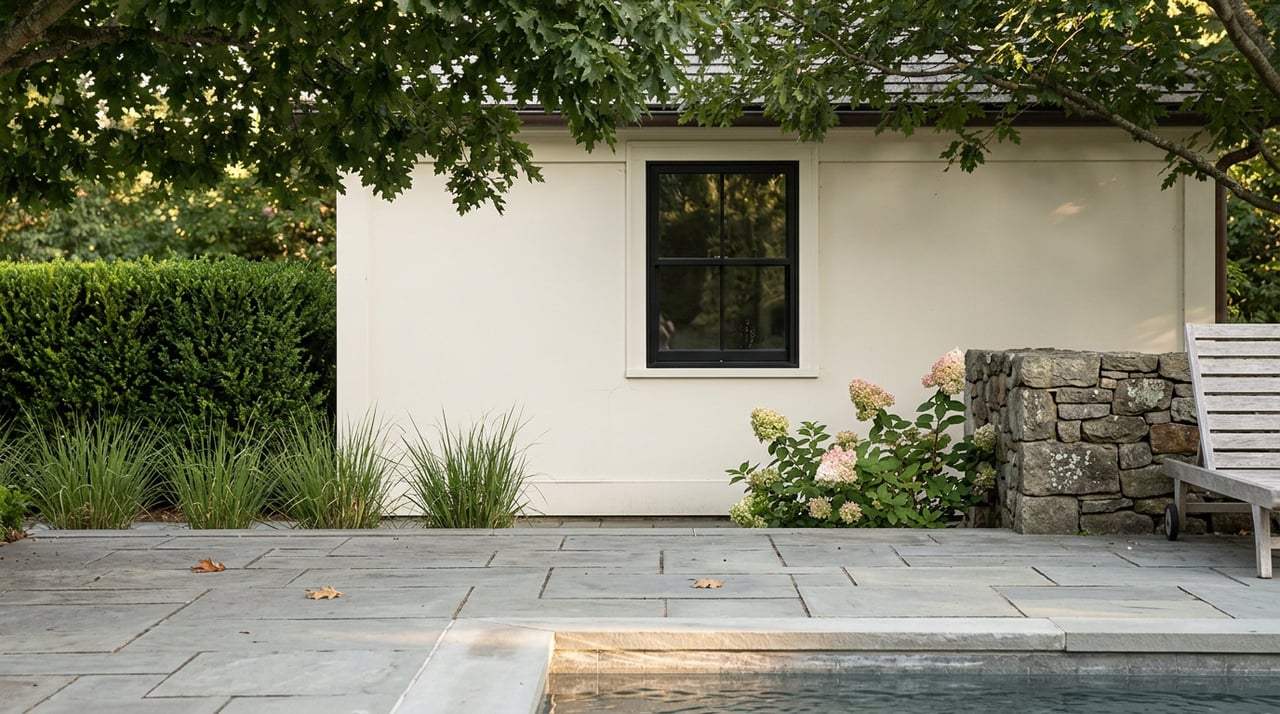
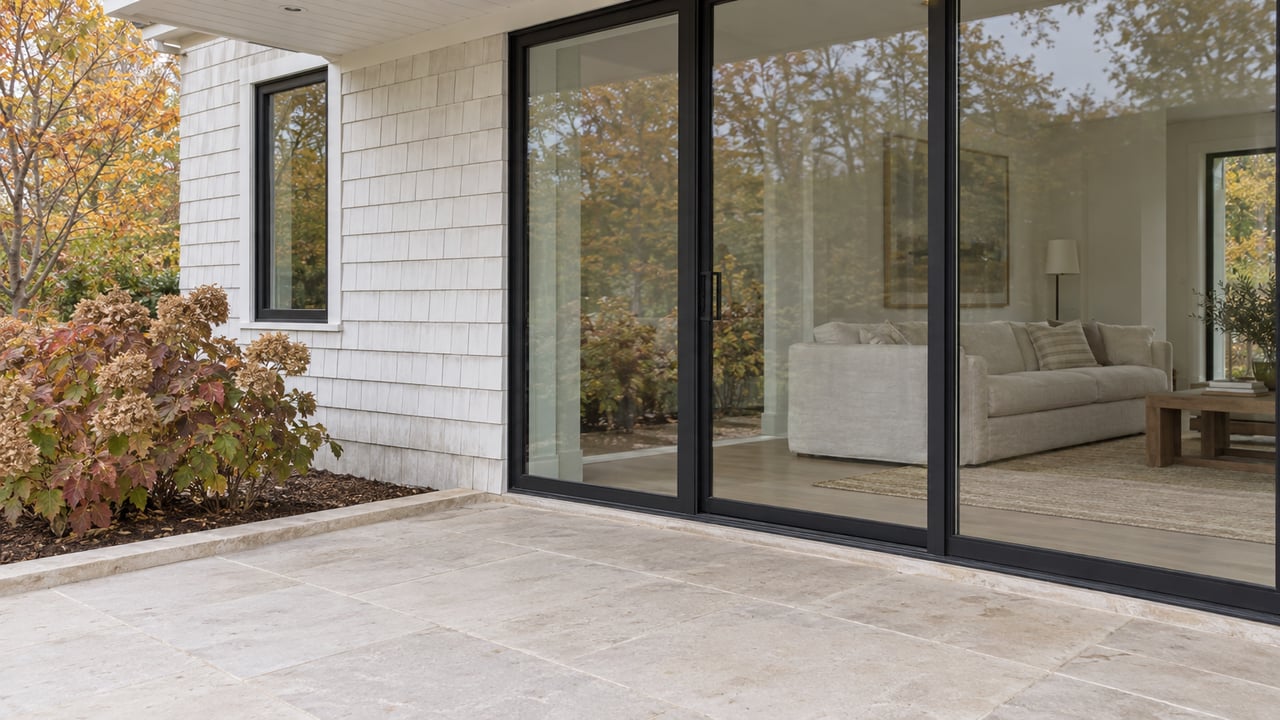
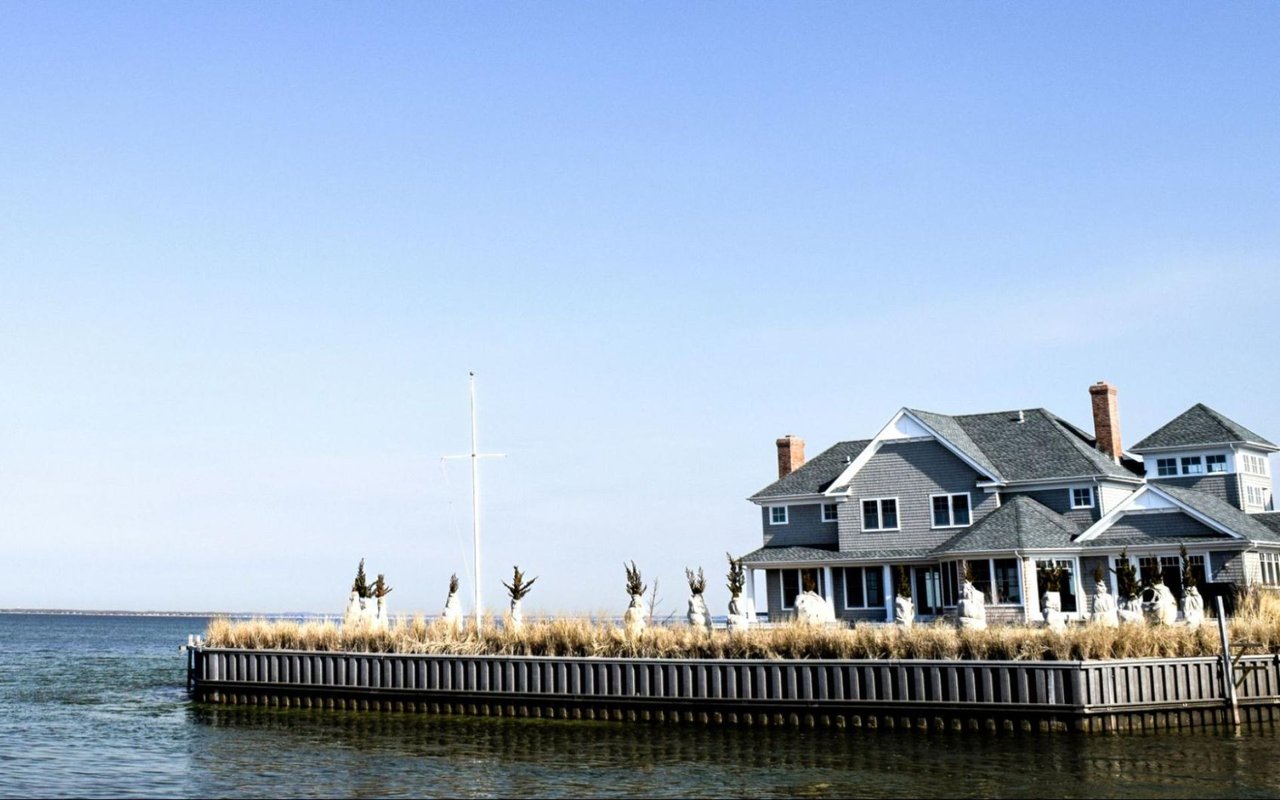
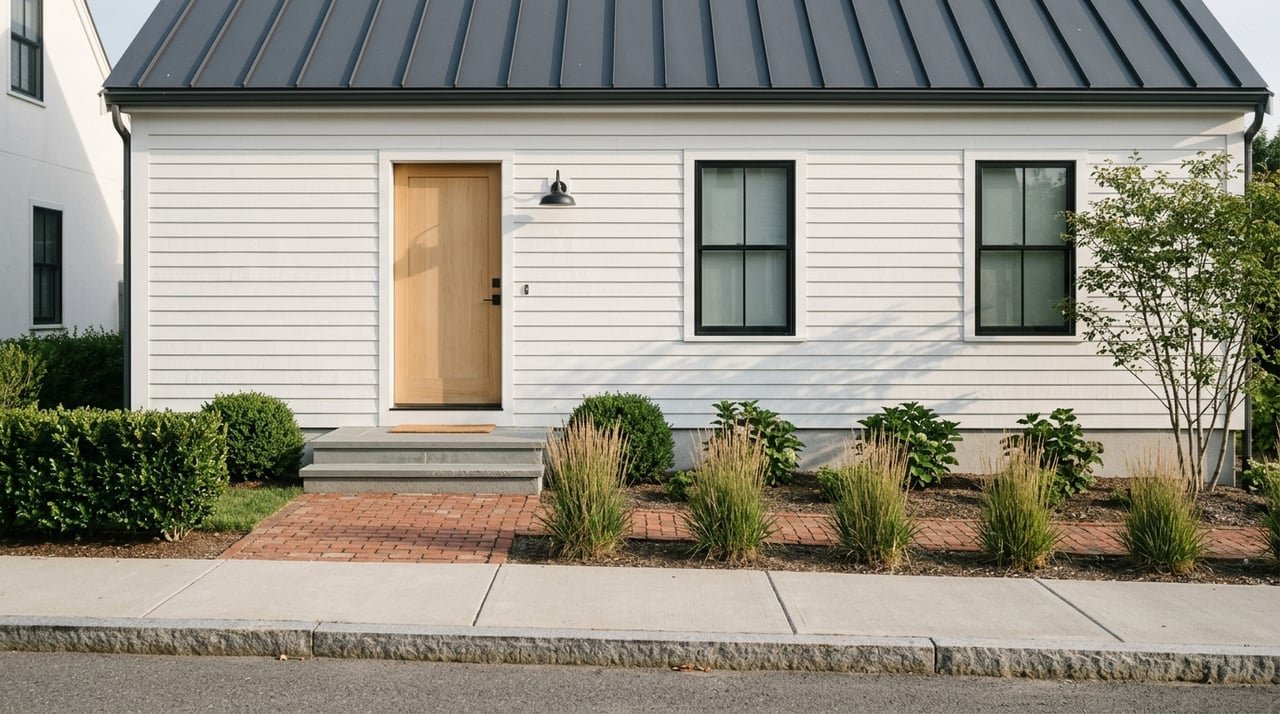
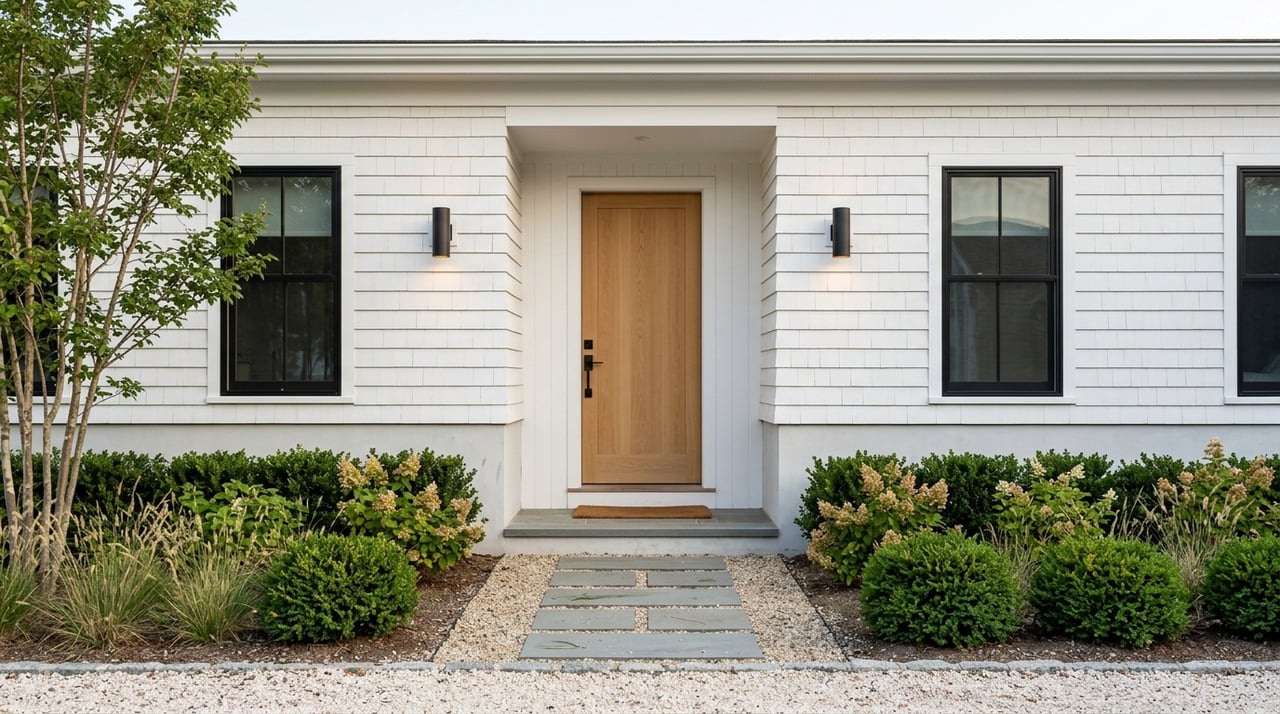
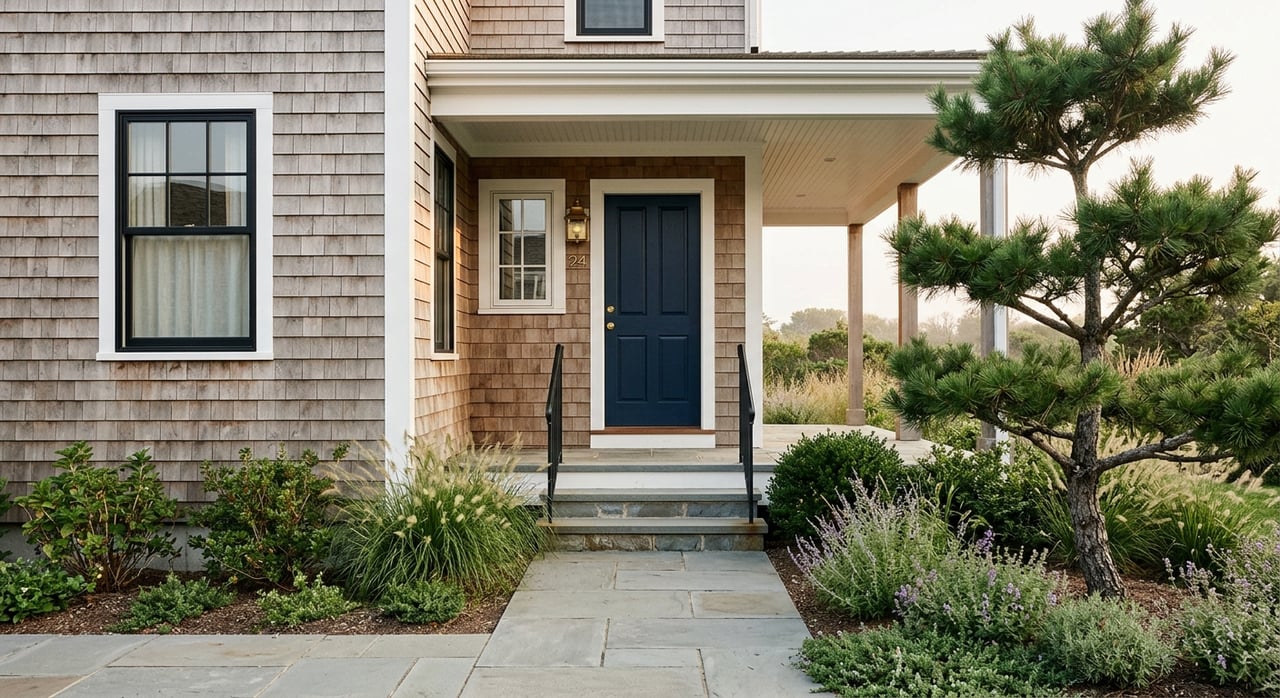
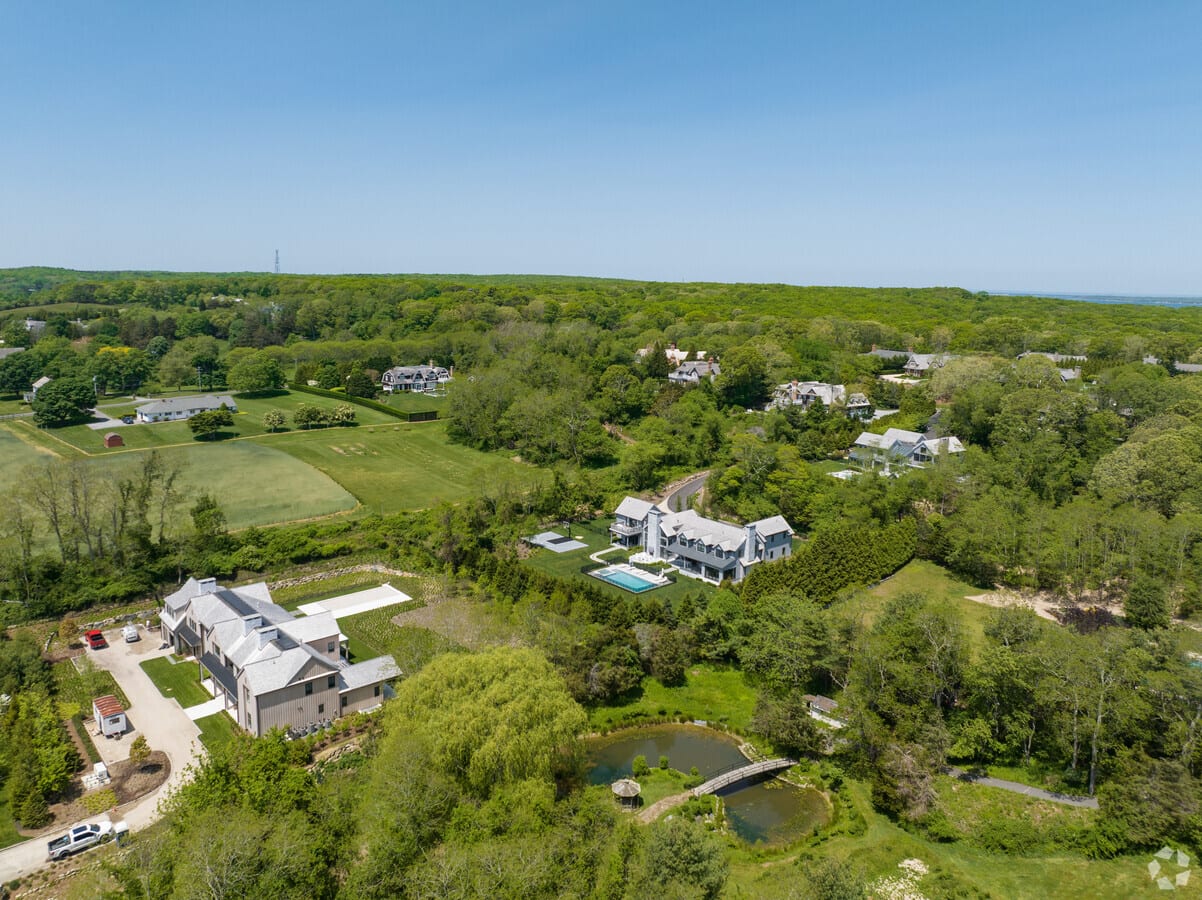
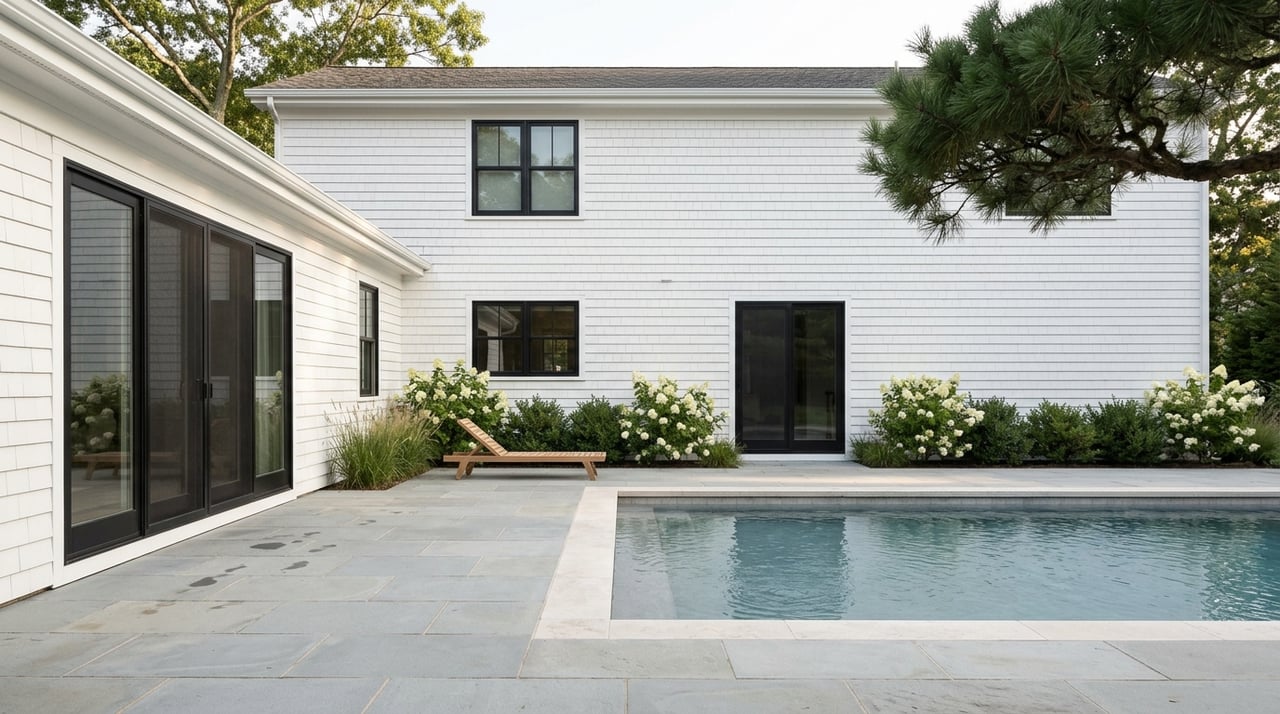
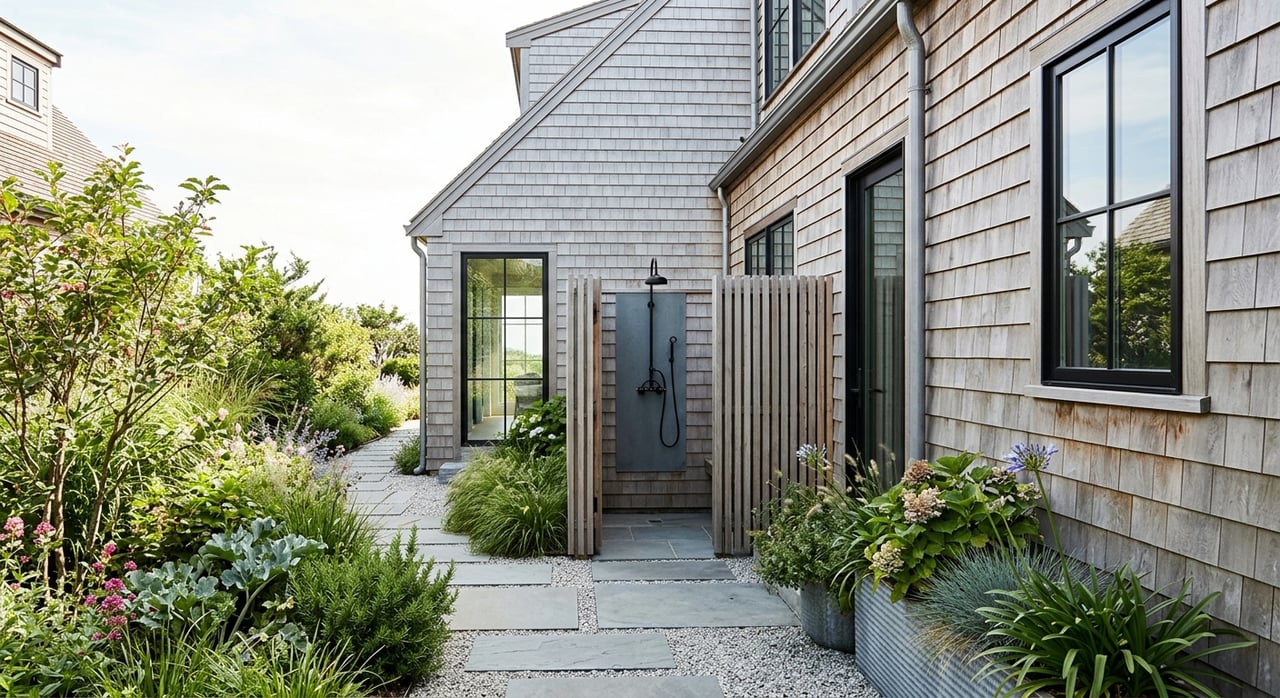
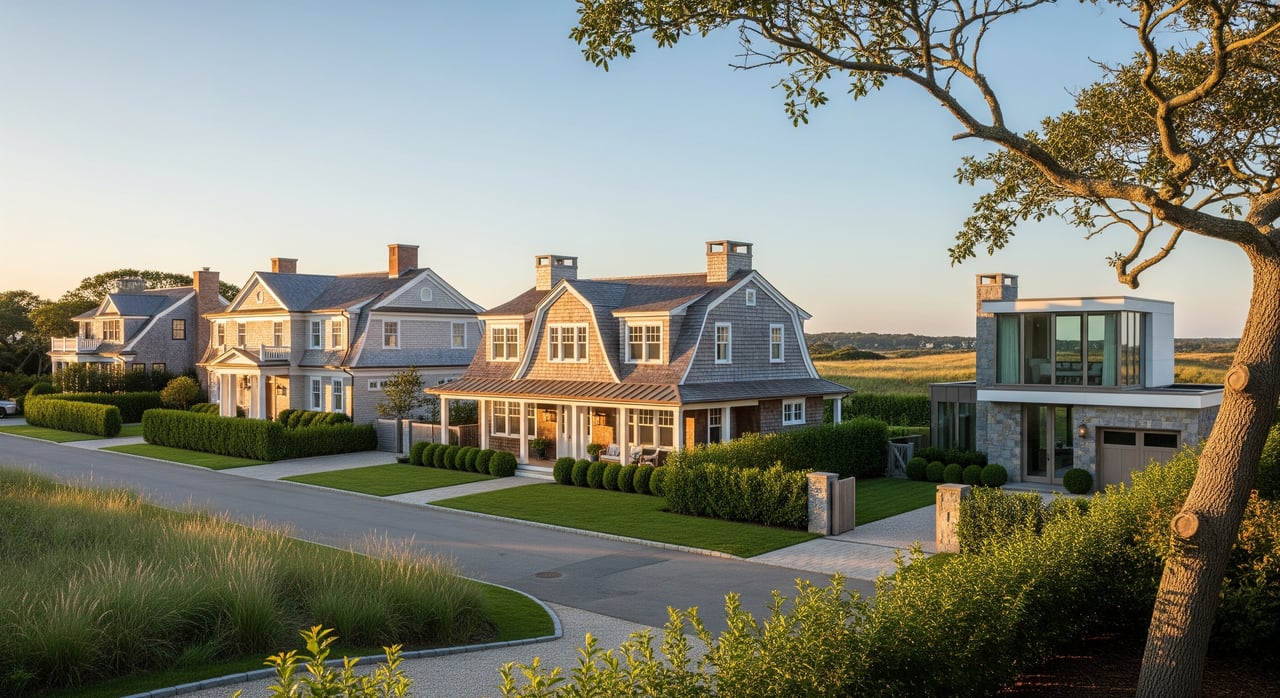
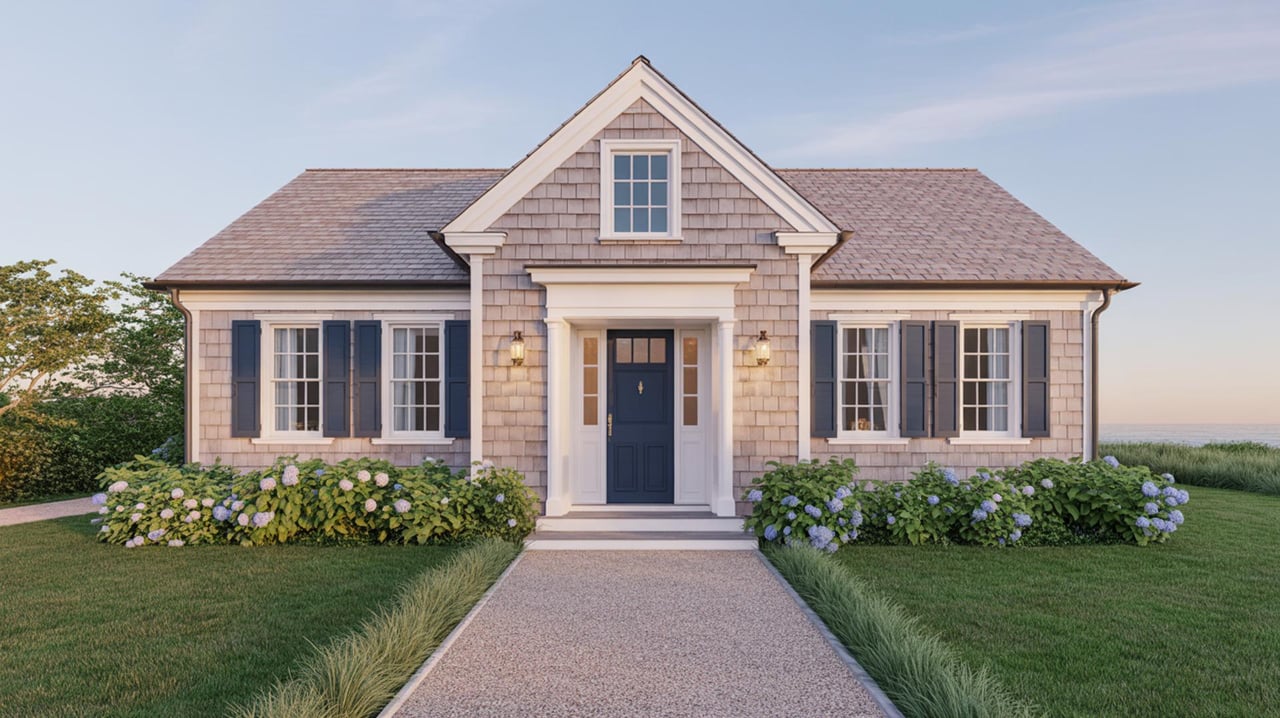
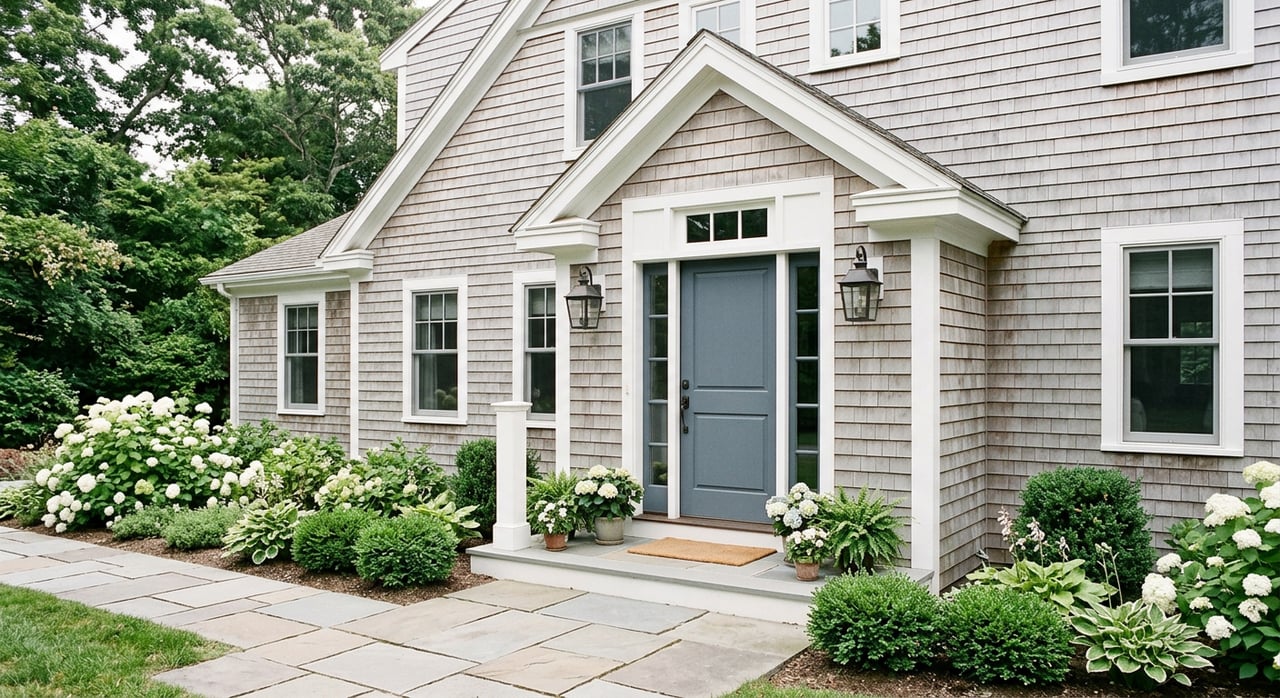
Quogue’s heart is lined with late‑19th and early‑20th‑century architecture, including Shingle Style, Colonial Revival, Craftsman bungalows and Victorian cottages. The village core is recognized in the National Register–listed Quogue Historic District, which documents roughly 200 contributing resources and the village’s early resort development pattern. If your home reflects that character, lean into it by citing documented history and original features. You will also want to show that systems, comfort, and daily function meet today’s standards.
Market tailwinds in the Hamptons
Regional data sets the tone for pricing and presentation. The Hamptons recorded a record‑high median sales price in late 2025 and a larger share of high‑end transactions, according to the Elliman Report. That luxury‑weighted backdrop supports strong demand for well‑presented homes in Quogue, especially when buyers can see modern systems alongside preserved character. Use this context to justify investment in preparation and premium marketing. Review the latest Hamptons market signals.
What today’s buyers expect
Buyer surveys point to a familiar short list: move‑in readiness, updated kitchens and baths, reliable HVAC, electrical and plumbing, a sound exterior shell, energy‑conscious comfort, and outdoor living. NAR research shows kitchen, bath and roof work rank among the most appealing improvements to buyers. Prioritize the items that tackle safety and function first, then make targeted cosmetic updates that photograph beautifully. See what features buyers call essential or desirable.
First steps: safety, systems, paperwork
Start with risk reducers and documents you will share with buyers. This tightens negotiations, builds trust, and can speed up due diligence.
Pre‑list inspection and systems check
Schedule a pre‑listing walkthrough with a qualified inspector or contractor. Look for roof wear, visible structural issues, active plumbing leaks, and the electrical panel’s capacity and type. If your home has older knob‑and‑tube wiring or an undersized panel, get estimates and, if feasible, resolve before listing. Keep invoices and service records organized for buyers to review.
Lead‑based paint compliance
If your home was built before 1978, federal law requires that you disclose known lead‑based paint hazards and provide the EPA pamphlet “Protect Your Family From Lead in Your Home.” Have the documents ready for your listing packet. Review the EPA’s disclosure rule.
New York PCDS and flood disclosures
For one‑to‑four family homes, New York requires the Department of State Property Condition Disclosure Statement. The latest version adds flood‑related questions and other items such as mold history, so confirm you are using the most current form and align your timing with your listing plan. Keep a copy available for buyers and counsel. Access the current DOS‑1614‑f form.
Septic and wastewater: a Quogue essential
Many Quogue properties operate on older septic systems or cesspools. Buyers and lenders take a close look here because water quality and maintenance expectations are high across the Hamptons.
Grants, costs, and buyer confidence
The Village’s homeowner guide explains that nitrogen‑reducing septic upgrades typically cost about 25,000 to 40,000 dollars, and it outlines grant and rebate options through Suffolk County, the State, and Town programs. Gather proof of your current system type, pumping and maintenance history, any recent upgrades, and whether the property is eligible for incentives. This information can materially influence offers. Read the Village septic guide, including costs and steps. For direct program details, see Suffolk County’s Septic Improvement Program.
Flood risk and coastal files
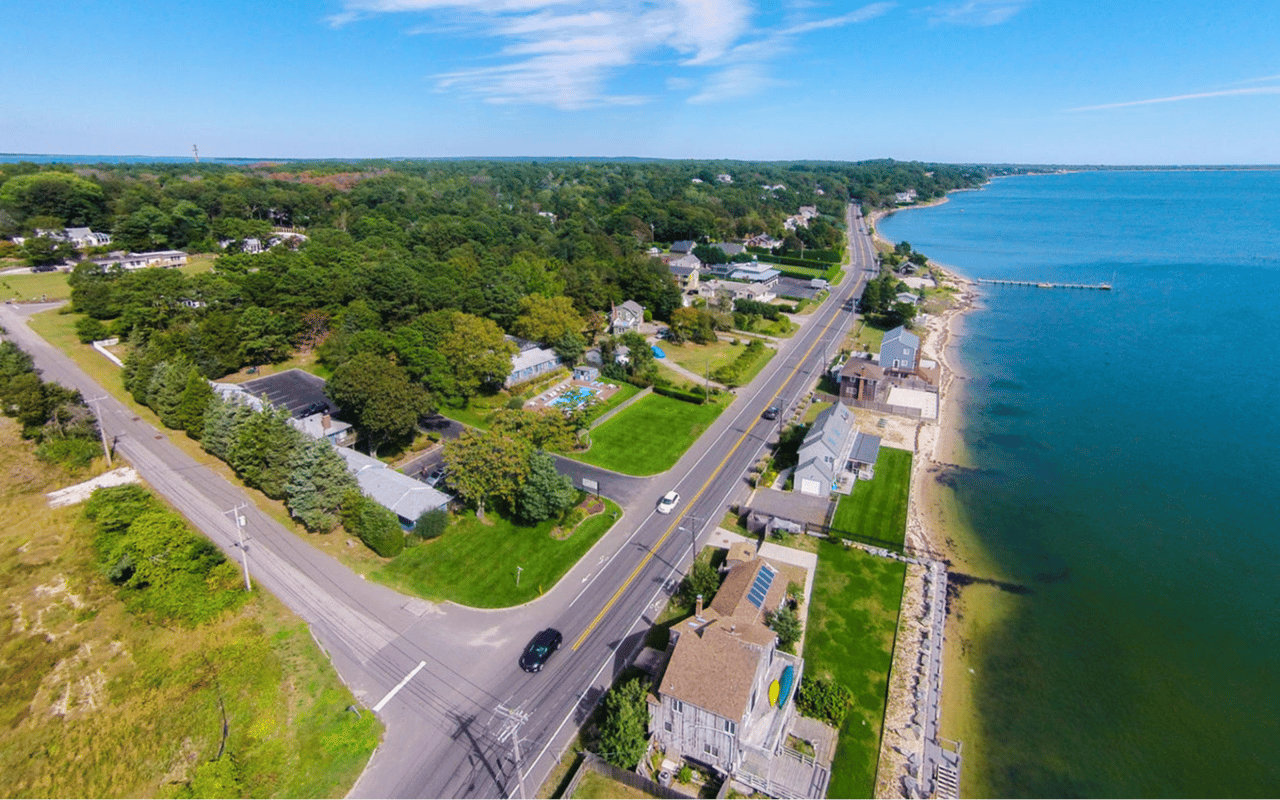
Quogue’s code incorporates FEMA flood hazard mapping for permitting. Many parcels sit near canals, creeks and bays, so flood zone designations and elevation data matter. Before you list, compile your FEMA flood zone, any elevation certificates, flood insurance declarations, and a brief claims history if applicable. Having these documents on day one reduces friction and builds credibility. For permit or design‑review questions tied to flood zones, start with the Village of Quogue Building & Code Enforcement page.
Preserve character, modernize smart
The goal is to keep the soul of a Quogue house while improving comfort, efficiency and daily function. Follow established preservation guidance when you touch character‑defining elements.
Energy and comfort without erasing fabric
The National Park Service recommends targeted, reversible energy upgrades in historic buildings. That often means prioritizing attic and duct sealing, adding discreet insulation strategies, weatherstripping doors, and using storm windows rather than replacing original sash where feasible. These steps elevate comfort and efficiency while preserving visible materials buyers value. Review the Secretary of the Interior’s Standards and technical guidance.
Note that federal and state historic tax credits generally apply to certified rehabilitations of income‑producing properties. Do not promise tax credits for a typical single‑family home without confirming eligibility.
Kitchens and baths with restraint
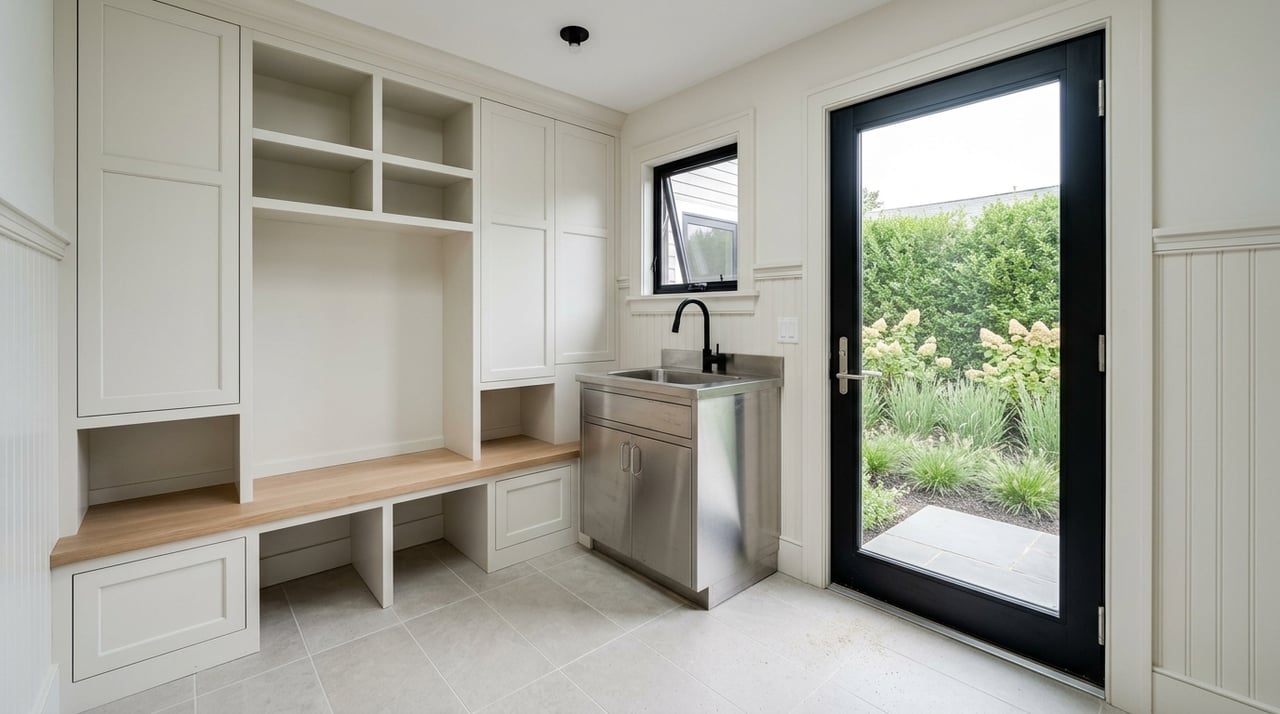
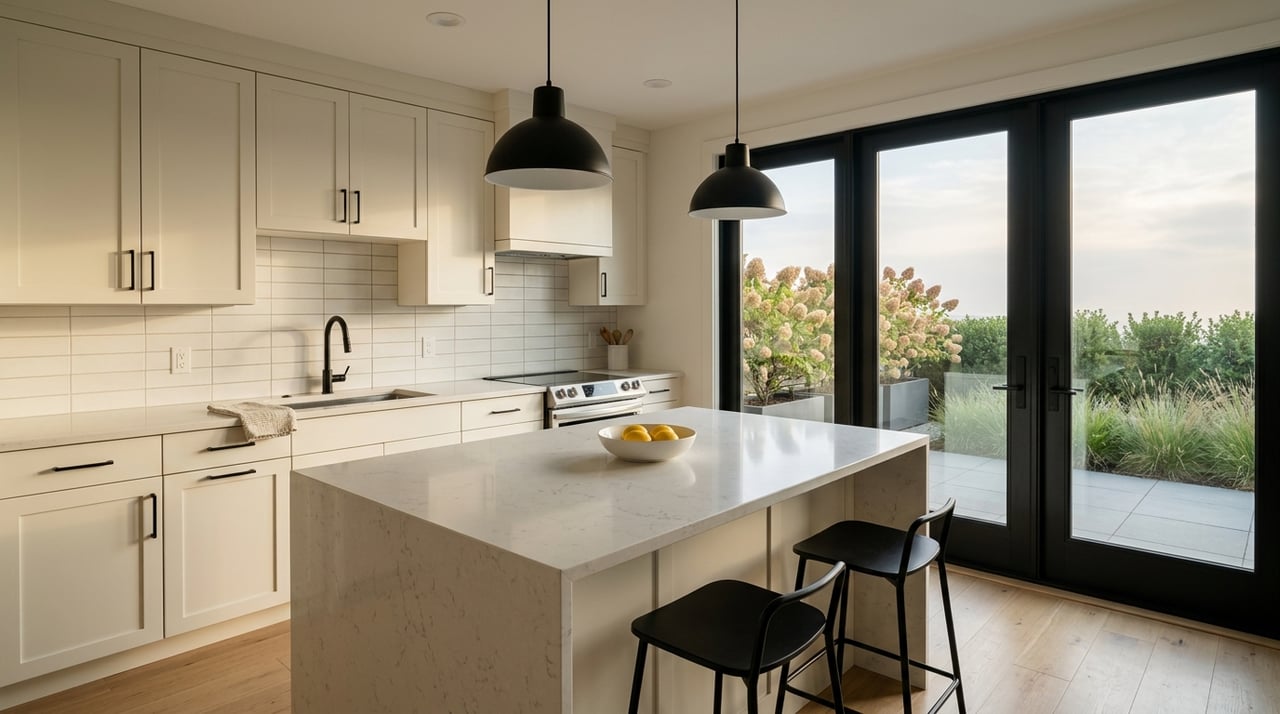
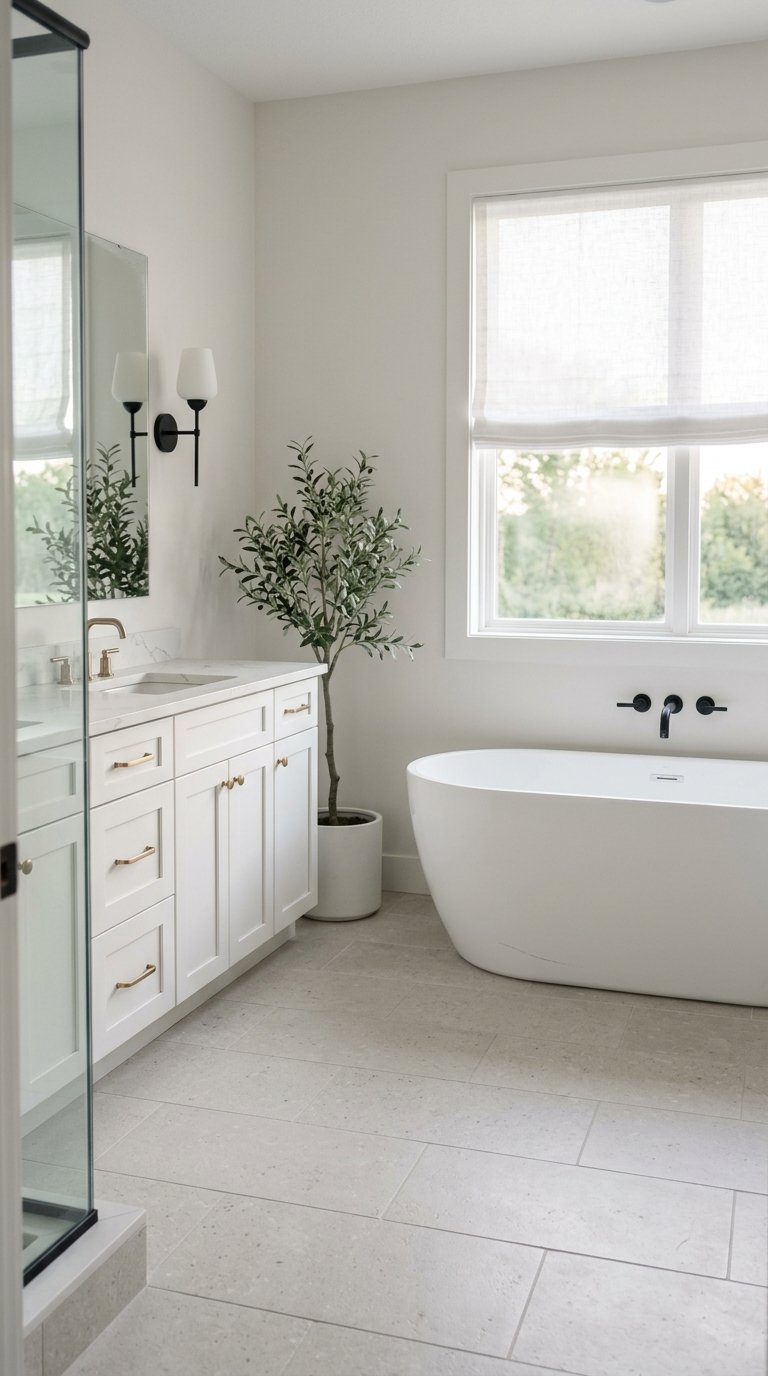
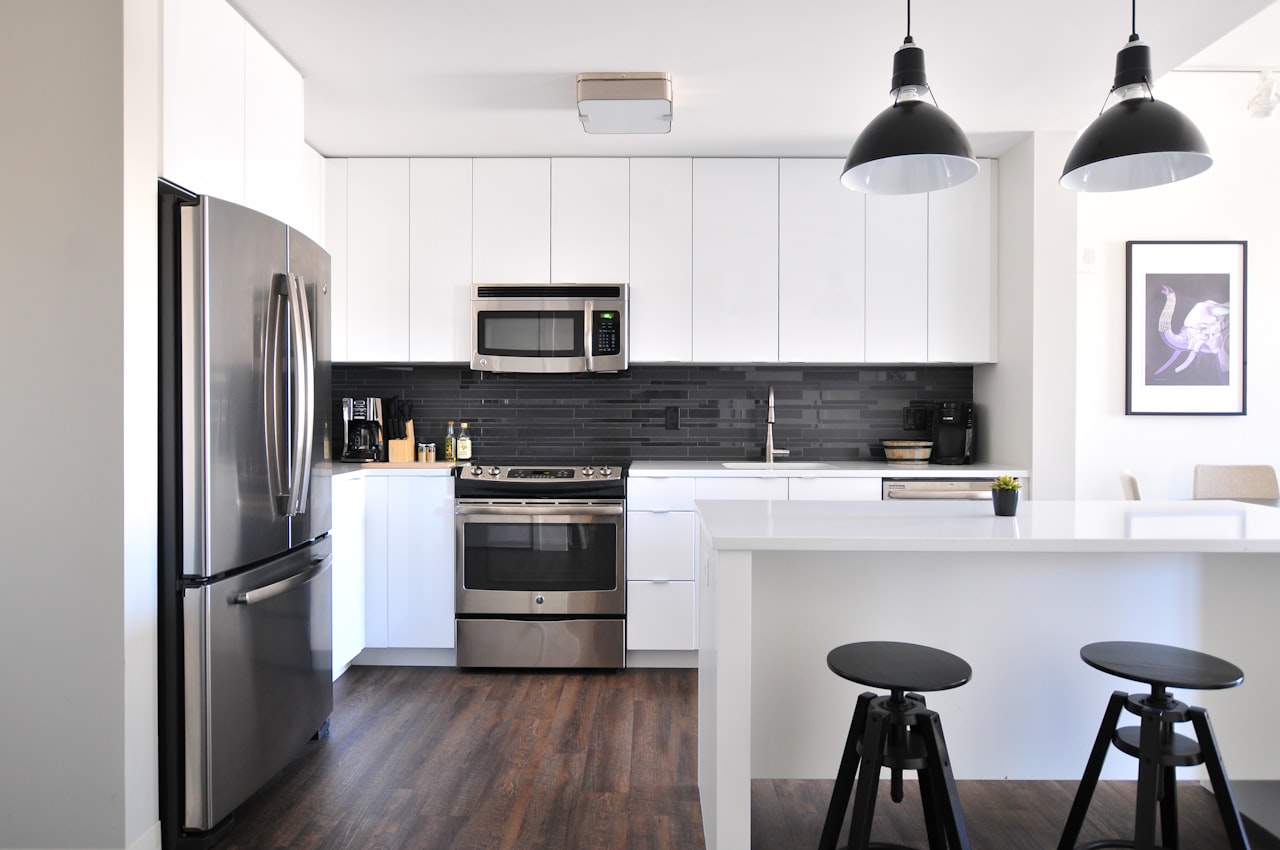
You do not always need a gut renovation to satisfy buyer expectations. Often, a refreshed layout, new counters and fixtures, updated lighting, and modern appliances can bridge the gap between authenticity and convenience. Keep finishes calm and timeless so they harmonize with original millwork or masonry, and let the house’s period details lead.
Repairs vs. refresh: focus on ROI
Address safety and function first, then make high‑impact cosmetic moves. NAR research points to kitchen upgrades, roofing and bathroom improvements as standout value drivers. Follow with fresh paint, polished floors, updated hardware, and exterior clean‑up. This sequencing helps you hit buyer priorities and keeps budgets grounded in what matters most. See NAR insights on which projects appeal to buyers.
Presentation and marketing: make age an asset
The right marketing plan tells the home’s story and proves livability. Pair great visuals with provenance and complete documentation so buyers can say yes with confidence.
Story and provenance that resonate
Create a one‑page history sheet that cites the home’s era, original details, builder or architect if known, and any status as a contributor in the Quogue Historic District. The National Register nomination is a strong primary reference for neighborhood context and style vocabulary. Consider tapping local history materials to confirm dates and anecdotes that enhance your listing narrative. Use the Quogue Historic District nomination as a reference point.
Visuals and staging that honor the house
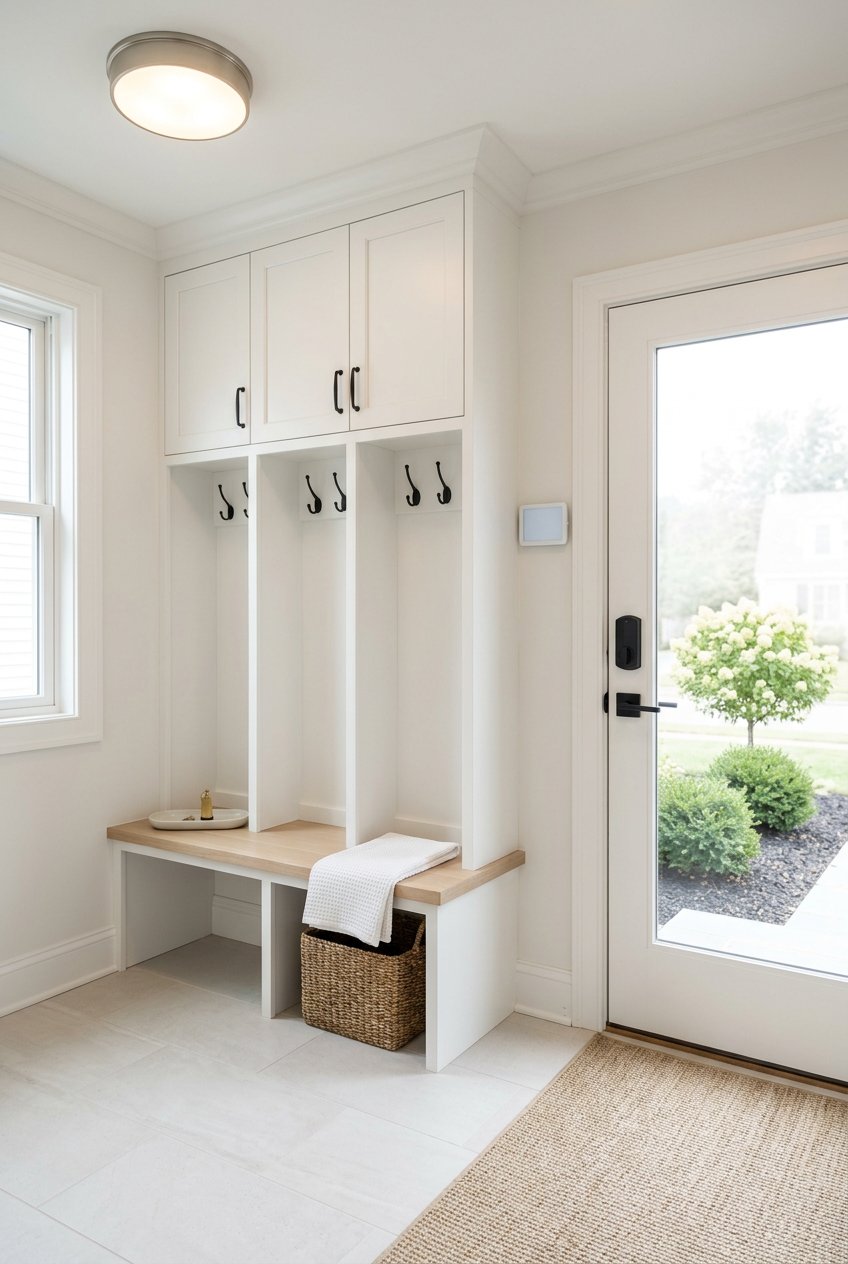
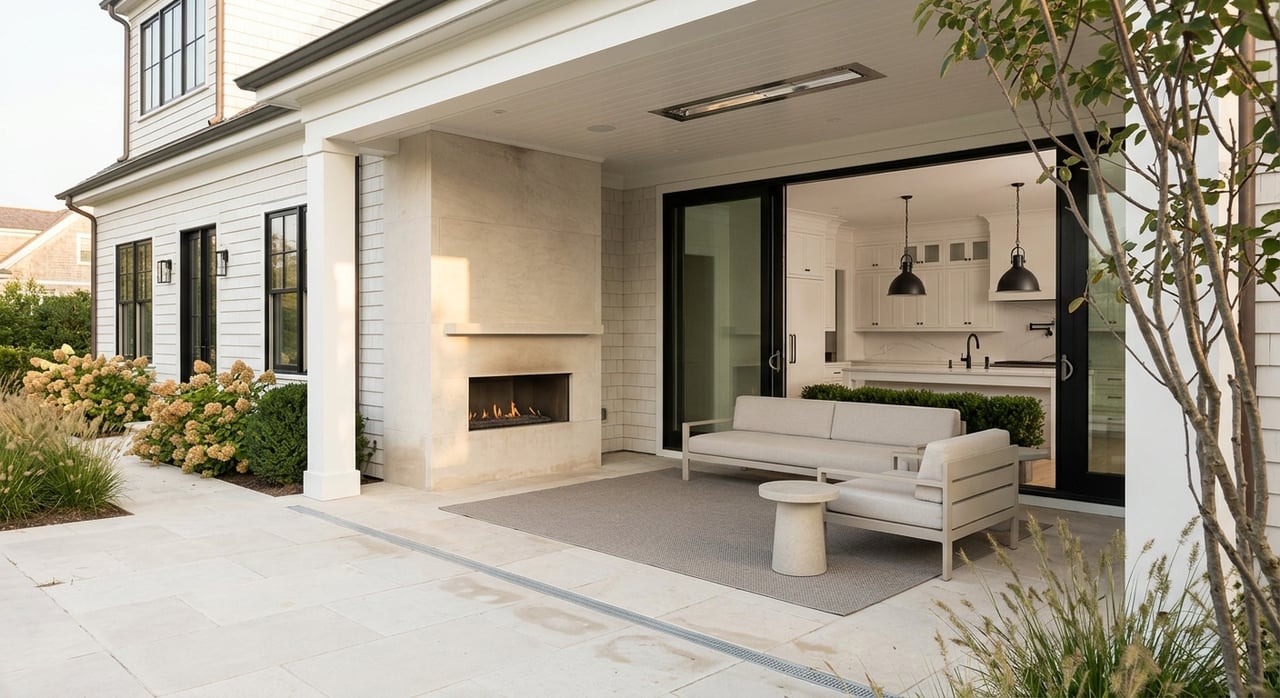
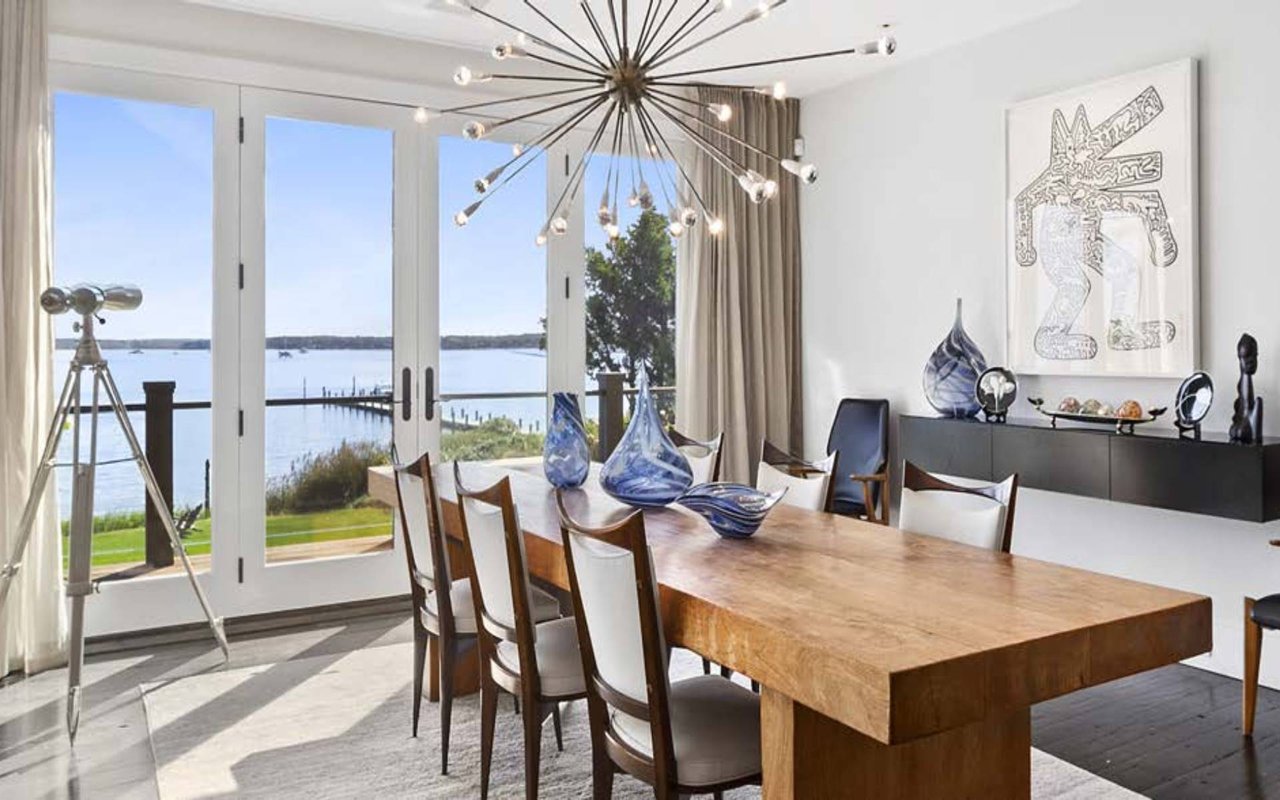
Professional photography is a must for older homes because it can highlight original features as attractive, not worn. Keep staging restrained so fireplaces, stair details, and windows remain visible. Add a clear floor plan and an interactive 3D tour to help buyers pre‑screen from afar. NAR’s staging research shows that quality staging and media help buyers visualize living in the home and increase engagement. Explore NAR’s 2023 staging findings.
Niche distribution and local hooks
In addition to the MLS, target buyers who appreciate historic character through specialty channels and established Hamptons networks. In your copy, highlight proximity to village amenities, outdoor access, and any documented system upgrades or permits. Reference complete septic and flood documentation up front to set your property apart.
Permits and design review: avoid surprises
Quogue maintains a Design Review Board and a Building & Code Enforcement office, and local zoning incorporates FEMA flood mapping. Before you begin exterior changes, confirm whether your scope requires permits or triggers design review. Buyers respond well when you can show that improvements were permitted and inspected. Start your due diligence with the Village of Quogue Building & Code Enforcement resources.
Quick pre‑list checklist
- Confirm legal and regulatory items: completed DOS‑1614‑f PCDS, copies of permits, FEMA flood zone statement or elevation certificate, septic system type and maintenance records, and any historic‑district guidance that may affect changes.
- Book a pre‑listing inspection or contractor walkthrough to flag safety, roofing, mechanical and electrical issues, and secure repair estimates.
- Septic: assemble grant eligibility paperwork, past pumping records, and, if relevant, expected timelines for Suffolk County funding. Use the Village guide for typical cost ranges and steps.
- Cosmetic refresh: interior paint, lighting and hardware updates, floor refinishing as needed, and a staged declutter of the kitchen, primary bedroom and living room.
- Marketing assets: a one‑page provenance sheet, a systems timeline (roof, HVAC, electrical panel, septic), a high‑resolution photo set, a clear floor plan, and a link to a 3D tour.
Next steps
Selling a Quogue classic is about stewardship. Preserve the details that make your home unmistakably Quogue, and pair them with modern systems, clean disclosures, and premium presentation. If you want a tailored plan for sequencing repairs, navigating Village review, and designing a marketing campaign that reaches high‑intent buyers across the Hamptons, reach out to Michael Petersohn to Request a Personal Market Consultation.
FAQs
What permits do I need for exterior updates on a historic‑style Quogue home?
- Check with the Village of Quogue Building & Code Enforcement to see if your scope requires permits or Design Review Board review, especially for exterior changes and work in mapped FEMA flood zones.
How much does a Quogue septic upgrade cost and are there grants?
- The Village guide cites typical nitrogen‑reducing system costs of about 25,000 to 40,000 dollars, and Suffolk County’s Sevic Improvement Program and related funds may offer grants or rebates if you qualify.
What flood documents should I provide buyers in Quogue?
- Prepare your FEMA flood zone status, any elevation certificates, flood insurance declarations, and a brief claims history, and align answers with the flood questions on New York’s Property Condition Disclosure Statement.
How do I handle lead‑based paint for a pre‑1978 home in New York?
- Federal rules require disclosing known lead hazards and providing the EPA pamphlet “Protect Your Family From Lead in Your Home,” so assemble that disclosure and include it in your listing packet.
Which updates add the most value to an older Hamptons home?
- NAR research highlights kitchen and bath improvements and roofing among top buyer priorities, followed by clean cosmetic refreshes, staged rooms, and professional listing media.
Do historic tax credits apply to my single‑family Quogue house?
- In general, federal and state historic tax credits apply to certified rehabilitations of income‑producing properties, so confirm eligibility before referencing any credits in your marketing.