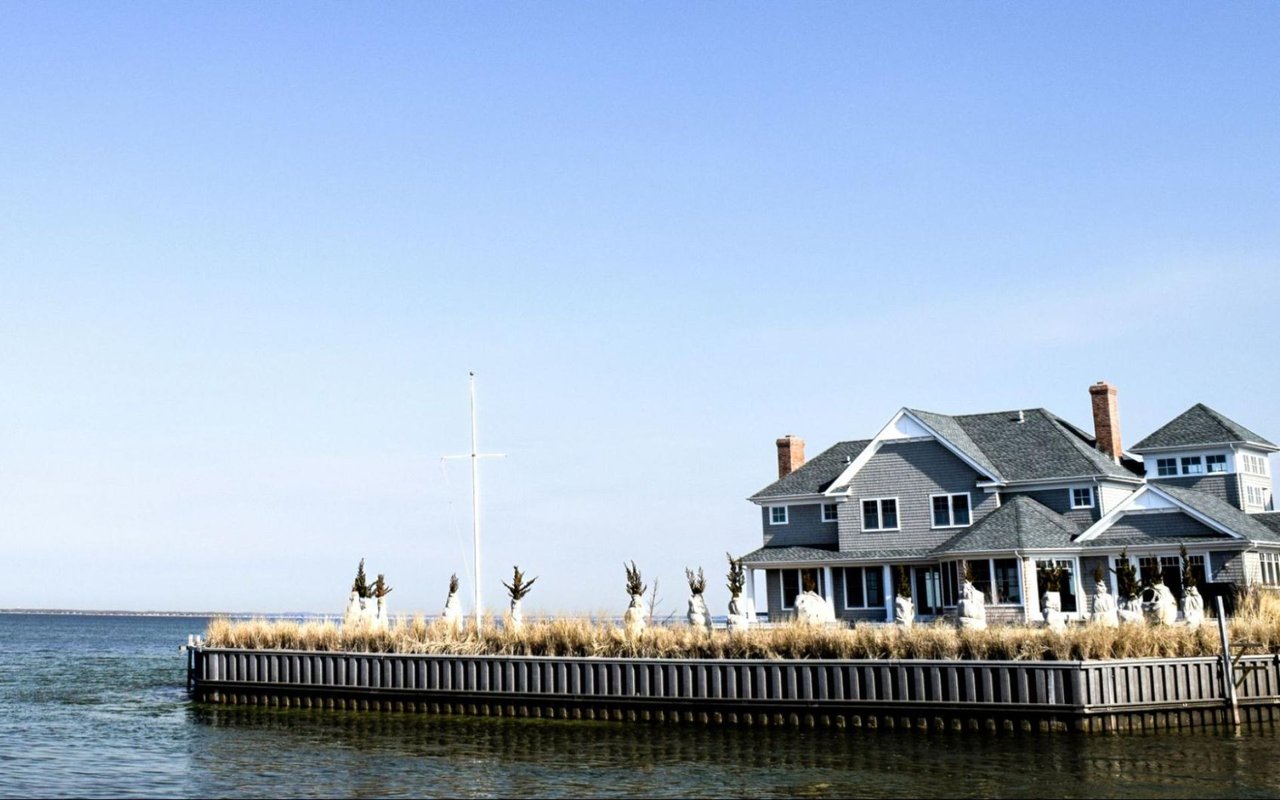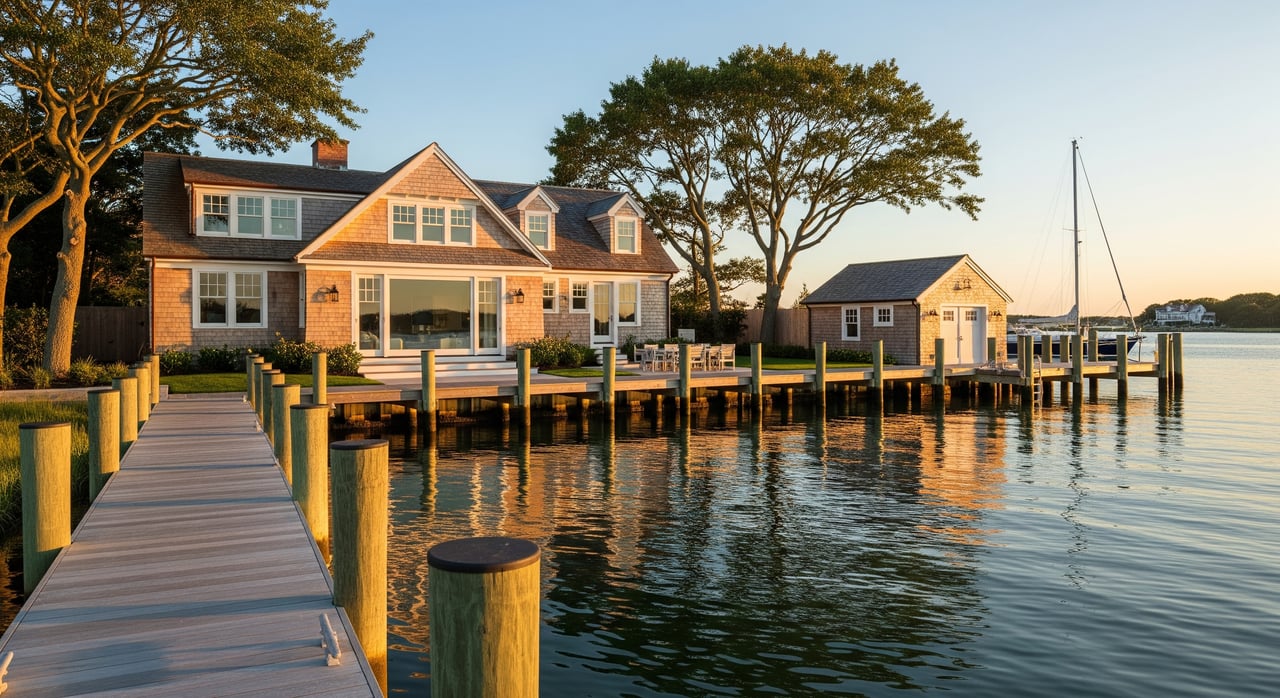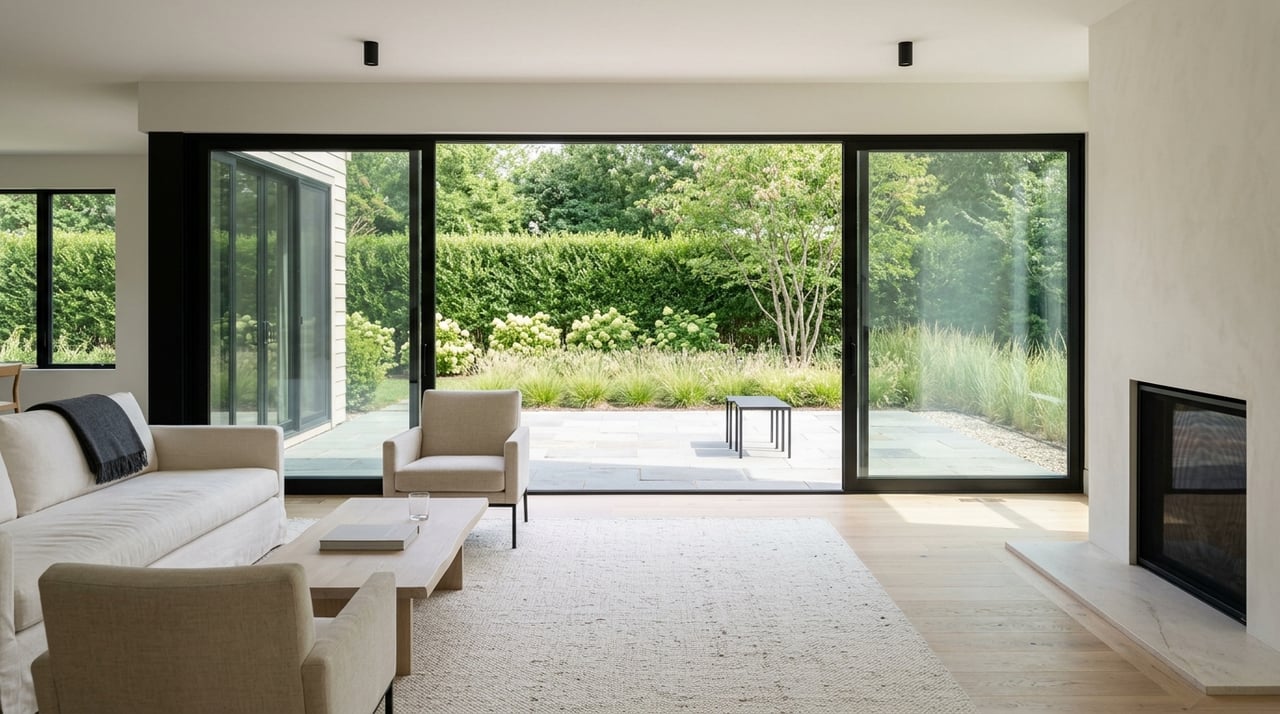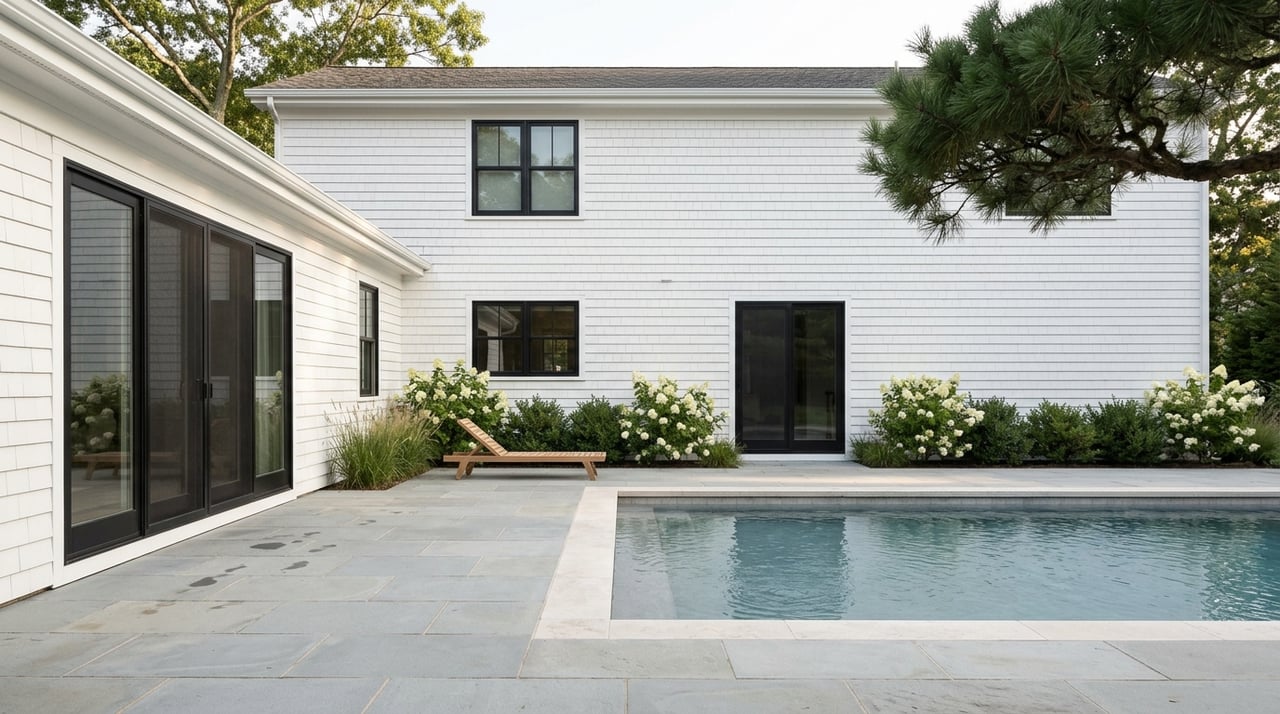
Wondering how to make your Bridgehampton home work harder as a summer rental without creating avoidable risk? You are not alone. In a market shaped by luxury expectations, changing stay patterns, and strict local rules, the best results usually come from a thoughtful plan, not a simple listing. This guide will help you build a smarter rental strategy for your Bridgehampton property, from pricing and timing to compliance and guest experience. Let’s dive in.
Why Bridgehampton Needs a Specific Strategy
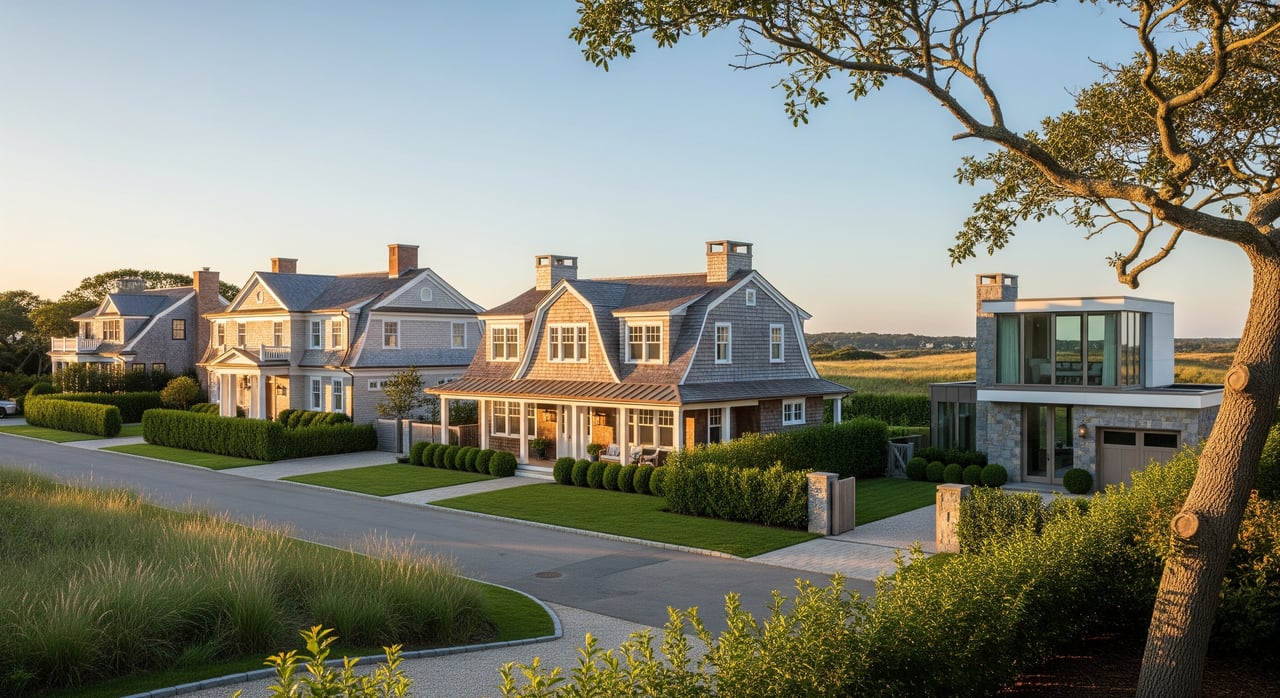
Bridgehampton is not a generic vacation market. It sits within the Town of Southampton, with a historic Main Street setting, proximity to the Atlantic, and a seasonal rhythm that includes major local events such as the Hampton Classic Horse Show over Labor Day week, according to the Town of Southampton’s Bridgehampton materials.
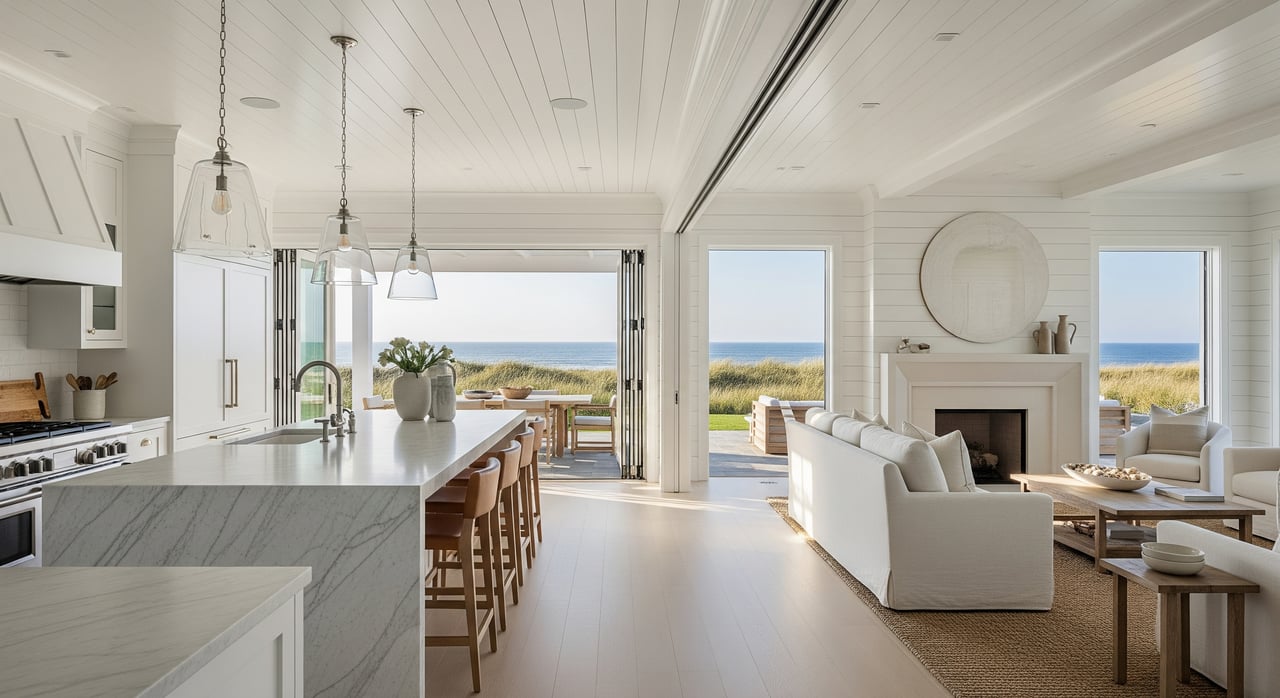
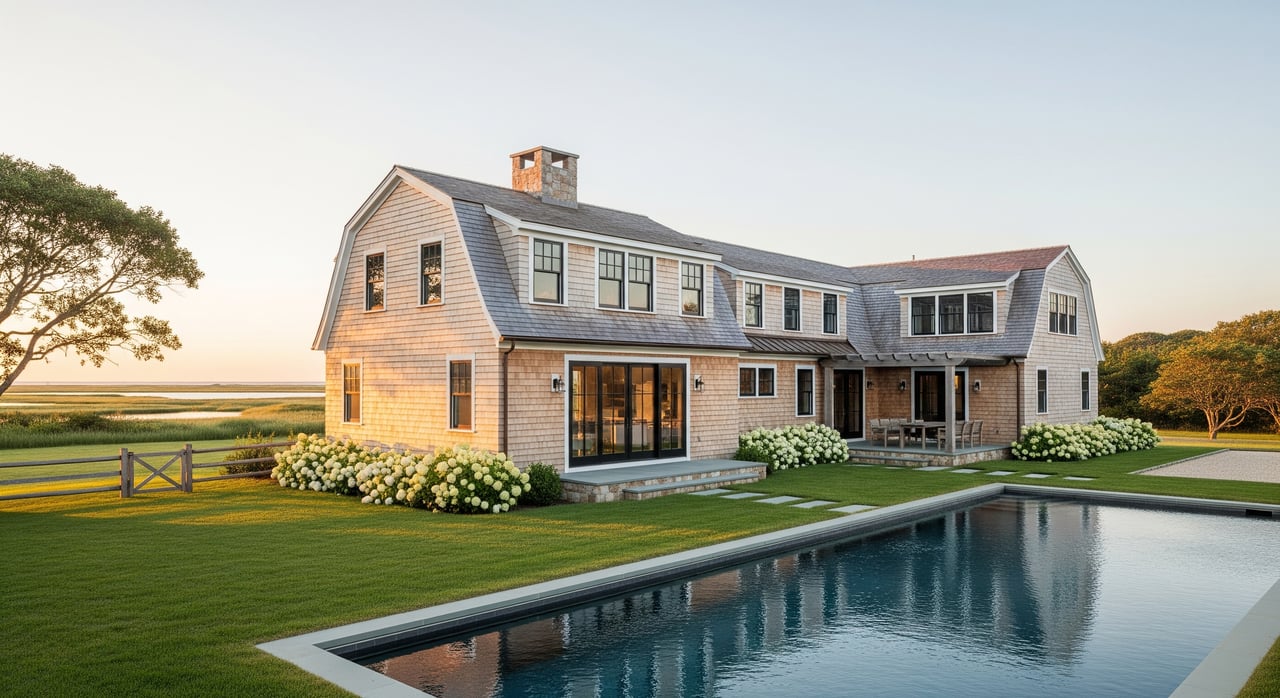
That matters because renters are often looking for more than a place to sleep. They are looking for a turnkey seasonal experience tied to beaches, village access, and the local calendar. For many owners, that means positioning a home as a well-prepared luxury rental with clear lifestyle advantages, rather than marketing it as broad summer inventory.
Start With Local Rental Rules
Before you think about photos, rates, or booking channels, start with compliance. In Southampton Town, a rental permit is required before a dwelling is rented, and the town states that advertising or showing a house for rent before the permit is in place can lead to violations, suspension or revocation, and even loss of the ability to rent for two years, based on the town’s rental FAQ.
The same FAQ also confirms a key rule for Bridgehampton owners: the minimum stay for a whole-house rental is 14 days. There is no maximum stay period, but that 14-day floor should shape your entire calendar and pricing strategy.
The permit itself is valid for two years and is non-transferable. If your application is complete and inspection goes smoothly, the town says the process usually takes 1 to 3 weeks, or 2 to 4 weeks in the summer. That timing alone is a good reason to prepare early.
Build Pricing Around 14, 30, and 90 Days
One of the biggest mistakes owners make is relying on a single full-season number. Recent Hamptons reporting suggests the market is less dependent on the classic three-month lease. The Real Deal reported that renters are increasingly seeking stays of a couple of weeks or a month, while also noting that Hamptons rental data can be fragmented.
For Bridgehampton, a more flexible structure often makes more sense. Instead of assuming one seasonal tenant will fill the entire calendar, consider rate logic for:
- 14-day stays
- Two-week premium holiday or event periods
- 30-day stays
- Longer summer or shoulder-month bookings
This approach fits both market behavior and town rules. It also gives you more control over how you capture demand during different parts of the season.
Understand Gross Versus Net Revenue
A strong rental strategy is not just about the top-line rent. It is about what you keep after taxes, fees, and operating costs.
According to New York State tax guidance, short-term rental occupancy is subject to state and local sales tax, and Suffolk County’s local sales and use tax rate changed effective March 1, 2025. Separately, Suffolk County charges a 5.5% occupancy tax on stays under 30 days.
Those thresholds matter. A 14-day booking, a 30-day booking, and a longer stay can produce very different net results. Suffolk County states that stays of 30 or more consecutive days are exempt from the county occupancy tax, while New York State treats a guest as a permanent resident after 90 consecutive days. When you evaluate offers, it helps to compare net proceeds, not just gross rent.
Match Marketing to Bridgehampton Reality
The most effective Bridgehampton rental marketing is precise. It should reflect what your home actually offers and avoid broad claims that local rules do not support.
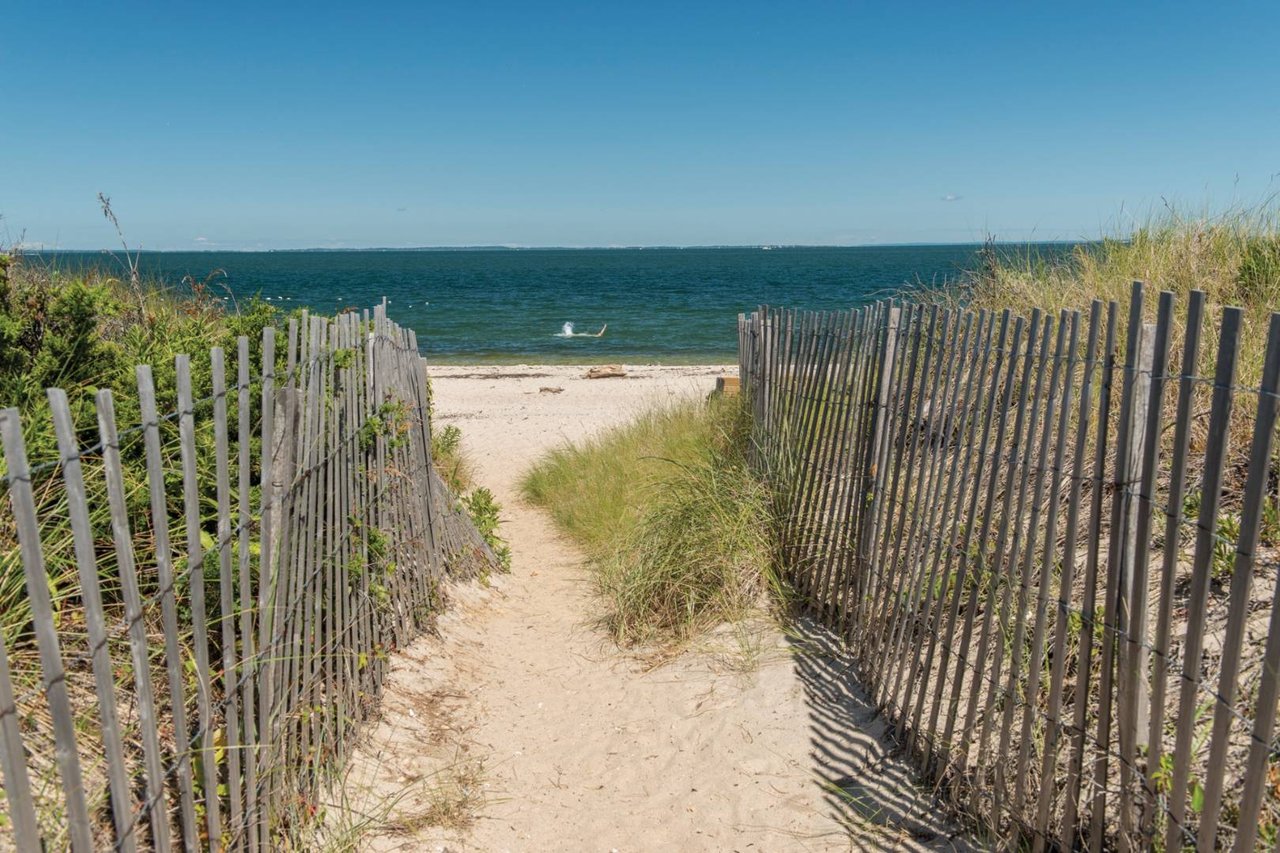
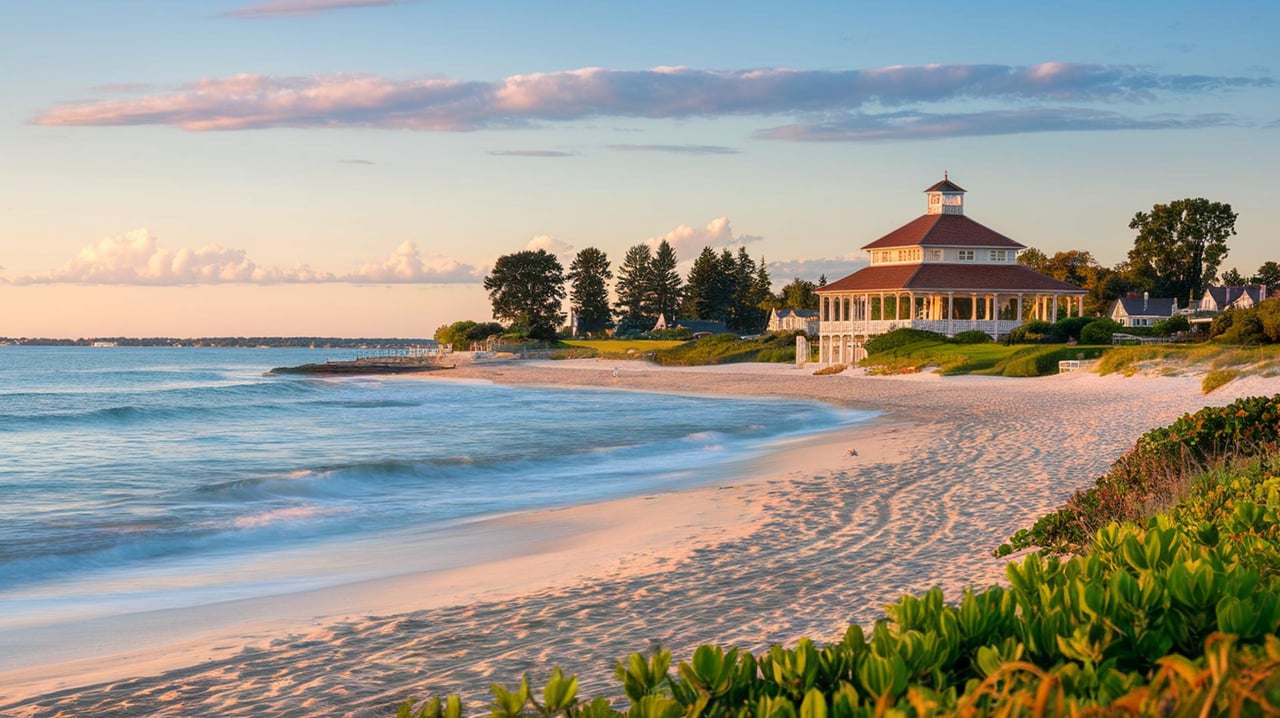
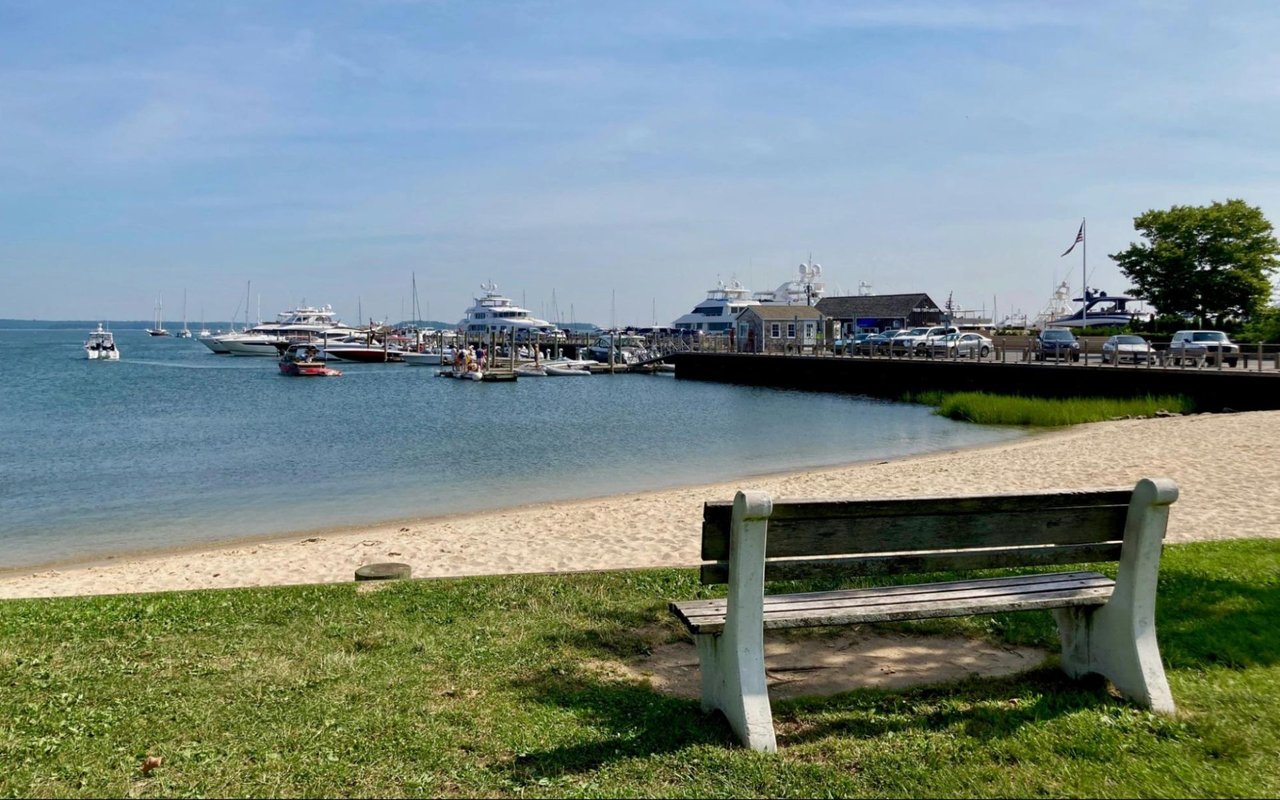
For example, beach access should be described carefully. The Town of Southampton notes that W. Scott Cameron Beach Pavilion is residents-only and does not offer daily parking. The town’s Bridgehampton materials also identify Mecox Beach as an oceanfront beach with parking, restrooms, showers, and lifeguard coverage.
That means your listing language should be specific. If your home is close to village amenities or transit, say that. If your property offers convenient access to certain local destinations, say that clearly. What you want to avoid is implying universal beach privileges or amenities that are not actually available.
Use Multiple Booking Channels Carefully
The Hamptons rental market is increasingly multichannel. The Real Deal reported that direct online vacation-rental platforms are playing a larger role, and relying on brokerage data alone may miss part of the market.
For many owners, that supports a coordinated distribution plan that may include:
- Local brokerage representation
- A direct booking presence
- Major rental platforms
The key is consistency. Your calendar, pricing, deposit terms, and house rules should align across every channel. That reduces confusion, lowers the risk of double-booking, and creates a more professional guest experience.
Make Guest Experience Part of the Product
Luxury renters expect a polished stay, but in Bridgehampton, guest logistics also help protect the asset. Southampton Town Code Enforcement investigates issues such as overcrowding, parking complaints, noise complaints, and rental-law permit violations.
That is why the operational side of the rental matters just as much as the decor. A strong setup often includes:
- Clear parking instructions
- Defined occupancy expectations
- Stated quiet hours
- Trash and refuse guidance
- A local point of contact for guest needs
When these details are handled upfront, you help guests enjoy the property while reducing the chance of preventable complaints.
Prepare the Home Before Listing
A winning rental strategy begins before the property goes live. Southampton Town’s forms and application materials outline several items owners may need, including certificates of occupancy or compliance, a smoke-detector affidavit, a designation of agent for service, a refuse-removal affidavit, and proof of ownership in some trust, corporate, LLC, or estate situations.
The town also lists current fee examples such as:
- $400 standard rental permit fee
- $250 certified inspection fee
- $750 expedited rental permit fee
- $800 fee for properties already in violation of the rental code
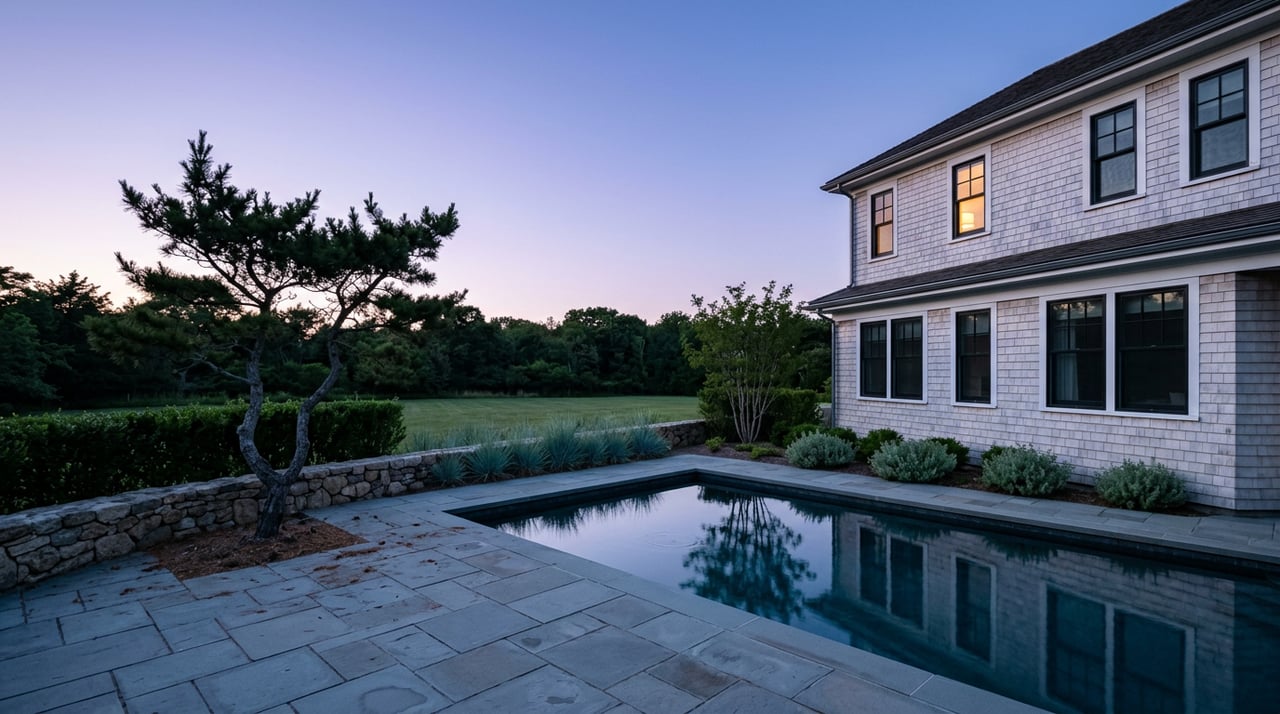
If your home has a pool or spa, preparation becomes even more important. Southampton Town’s FAQ states that pools and spas require building permits and safety measures such as fencing, self-closing and self-latching gates, alarms, locking stairs, or safety covers depending on the pool type.
Think Like an Asset Manager
In a luxury market like Bridgehampton, your home should be treated as both a residence and a high-value seasonal asset. That means every decision should support performance, compliance, and long-term condition.
A practical strategy usually includes four pillars:
- Permit-ready before any marketing begins
- Tax-ready before the first qualifying stay
- Service-ready with systems for guests, cleaning, and local response
- Market-ready with accurate positioning, channel coordination, and flexible pricing
At the county level, Suffolk County requires lodging facilities to register within 10 days of the first qualifying rental, display the Certificate of Authority, and file occupancy-tax returns quarterly. For owners, the takeaway is simple: the best rental strategy is the one that is set up properly before the season starts.
A Smarter Bridgehampton Rental Plan
If you want better rental performance in Bridgehampton, the answer is usually not just a higher asking price. It is a better plan. The strongest approach is typically one that combines accurate local positioning, flexible stay-length pricing, careful tax awareness, and a guest experience designed to reduce friction.
In other words, your home should be marketed as the asset it is: a regulated, high-touch, beach-adjacent luxury property shaped by Southampton Town rules and Hamptons demand patterns. When you approach it that way, you put yourself in a much better position to protect the property and improve results.
If you are thinking about renting, repositioning, or preparing your Bridgehampton home for the season, Michael Petersohn can help you evaluate pricing, presentation, and local market strategy with a practical, data-informed approach.
FAQs
What is the minimum rental period for a whole-house rental in Bridgehampton?
- In Southampton Town, the minimum stay for a whole-house rental is 14 days, according to the town’s rental FAQ.
Does a Bridgehampton rental property need a permit before being advertised?
- Yes. Southampton Town requires a rental permit before a dwelling is rented, and the town says advertising or showing the house for rent before the permit is in place can trigger violations.
How are short-term rental taxes handled for Bridgehampton stays?
- Stays under 30 days may be subject to New York State and local sales tax, and Suffolk County charges a 5.5% occupancy tax on stays under 30 days.
Can Bridgehampton owners market beach access in rental listings?
- Yes, but the language should be precise and fact-based. For example, W. Scott Cameron Beach is residents-only, while Mecox Beach offers oceanfront access, parking, restrooms, showers, and lifeguard coverage.
What should a Bridgehampton rental strategy include before the first guest arrives?
- A strong plan should include permit readiness, tax registration, clear house rules, parking and quiet-hour instructions, and service systems such as a local point of contact.