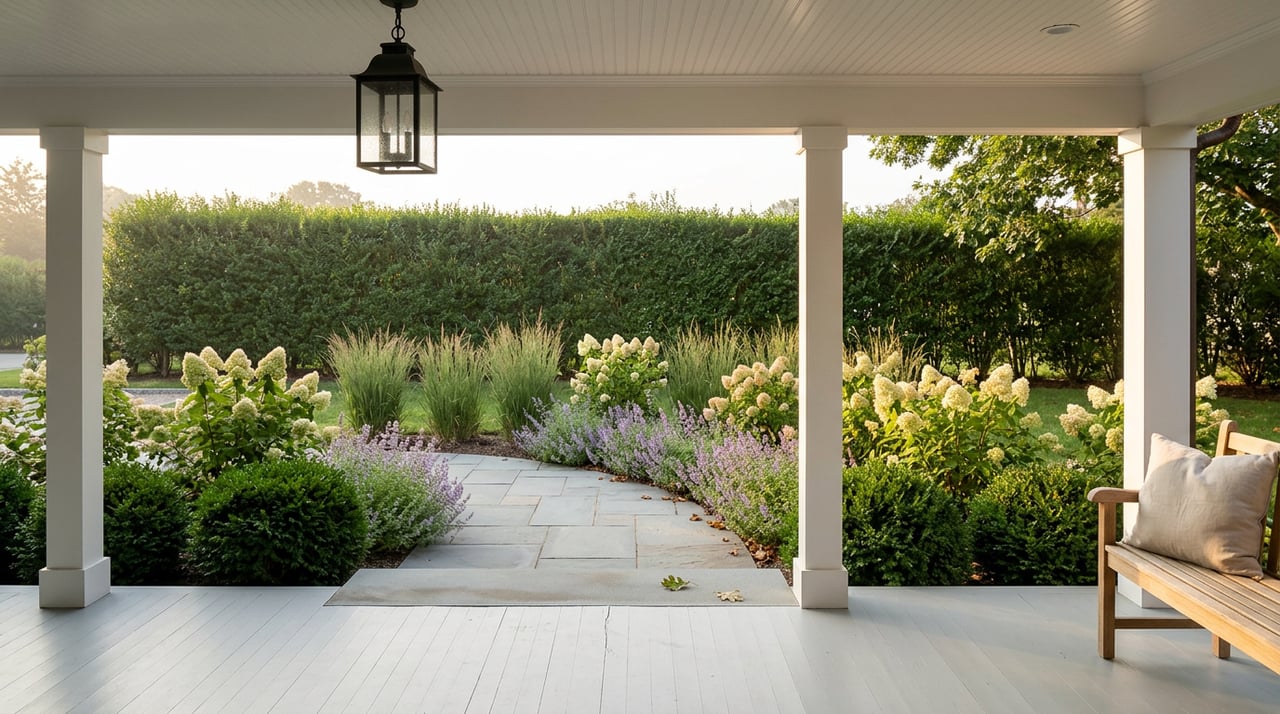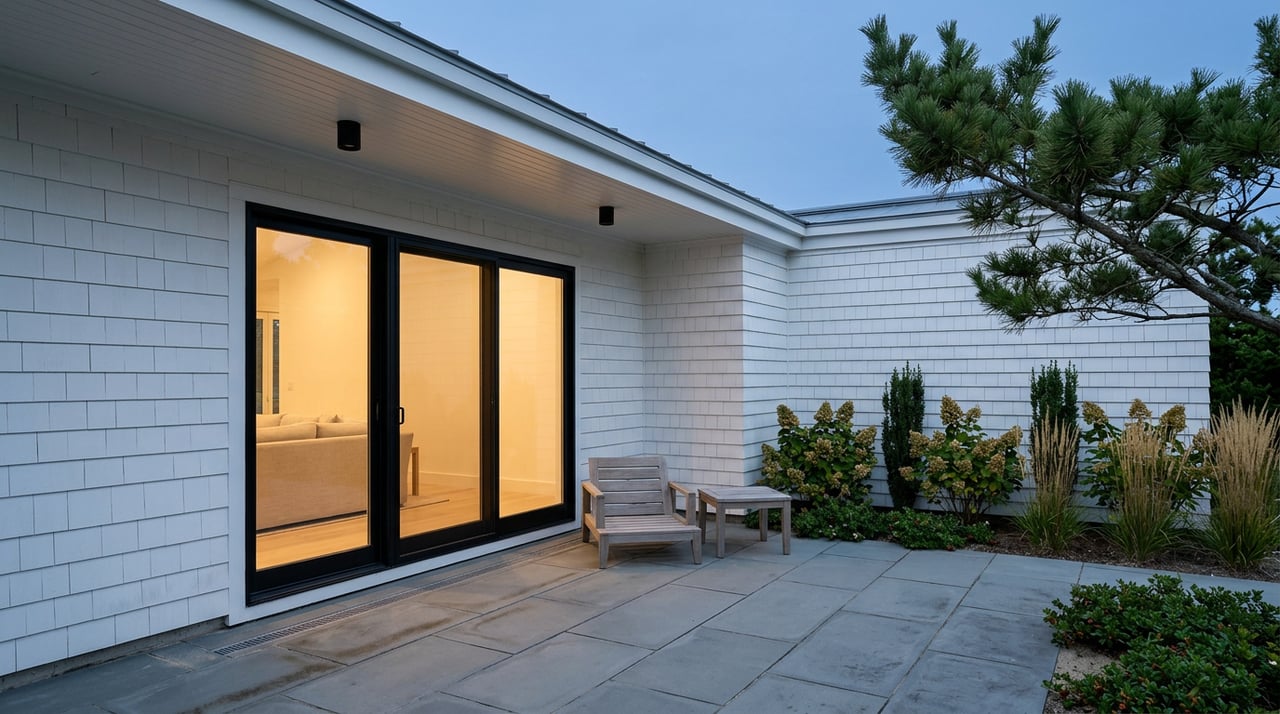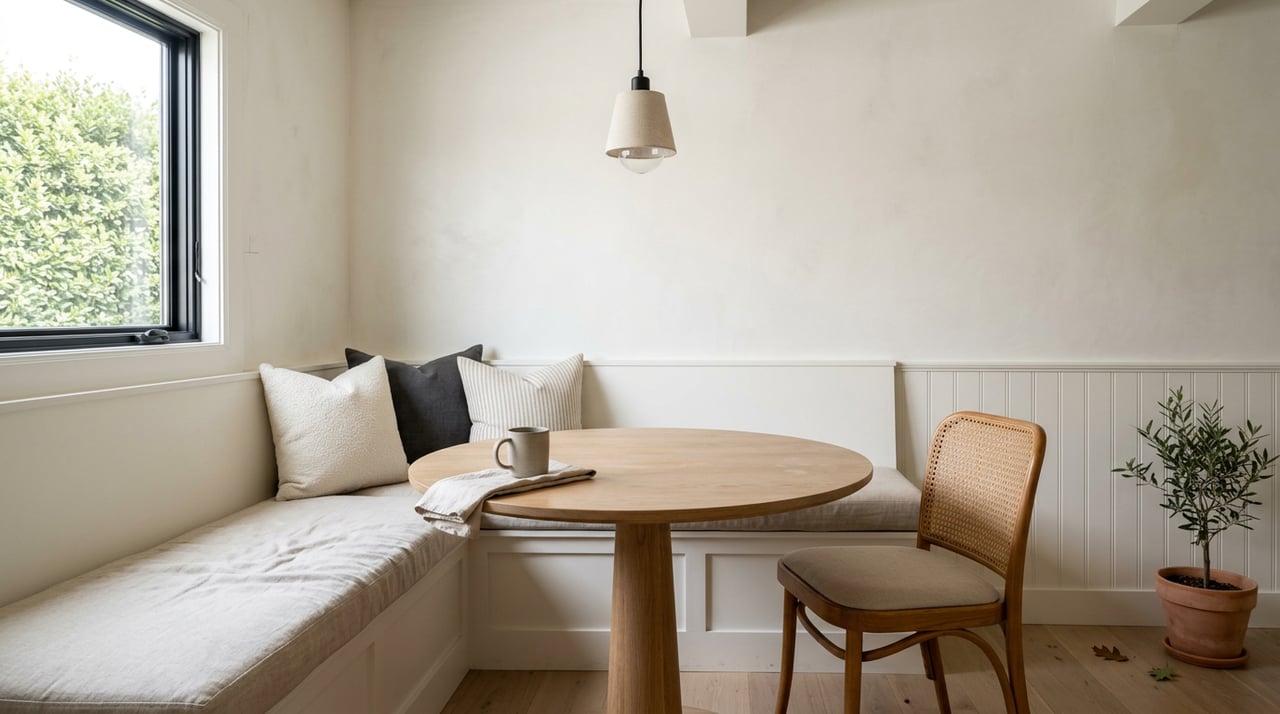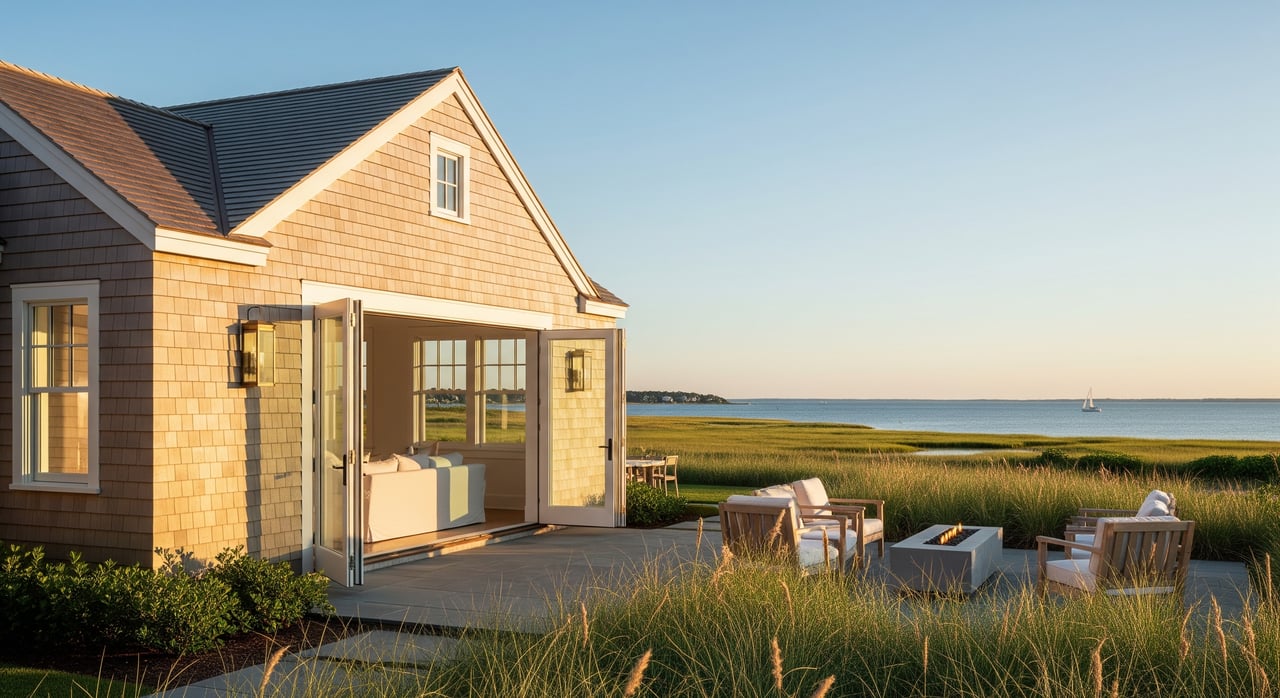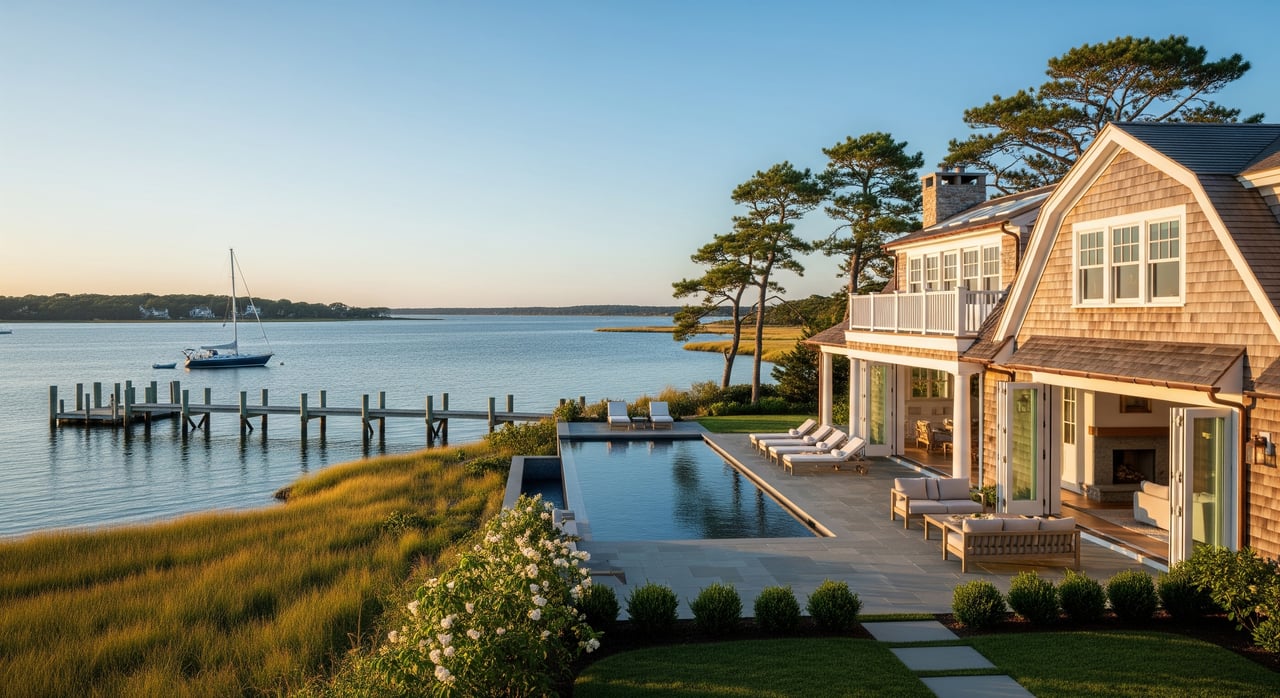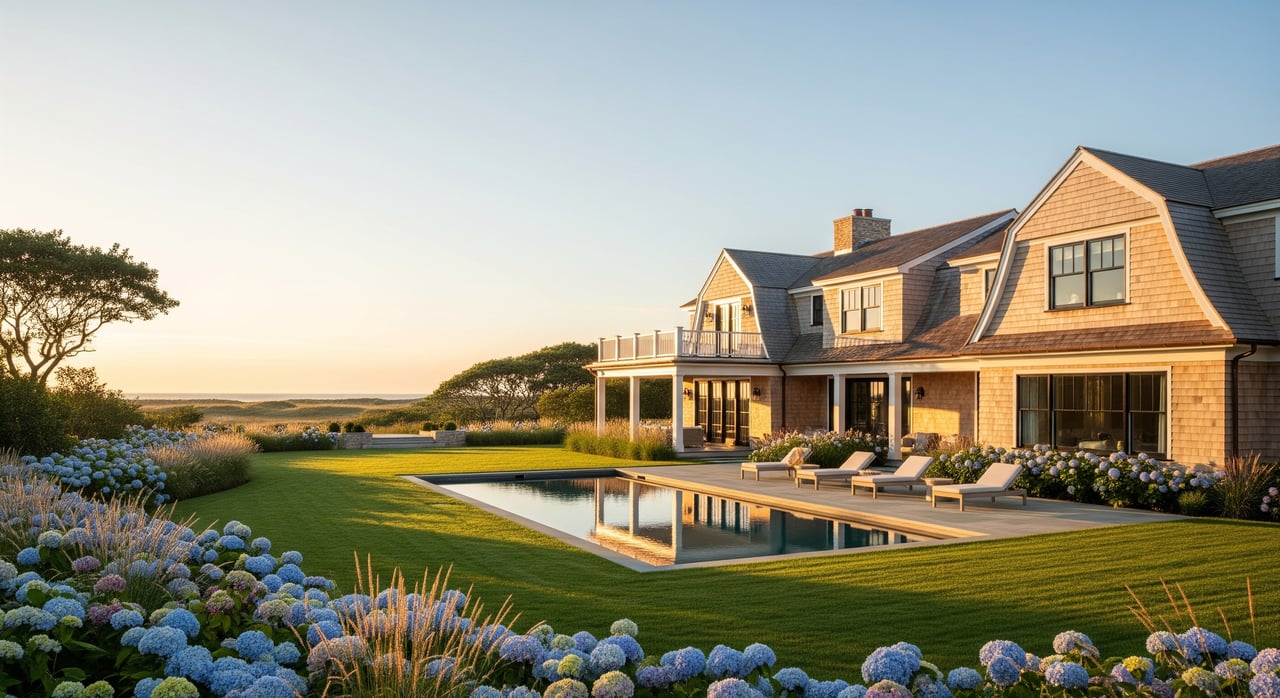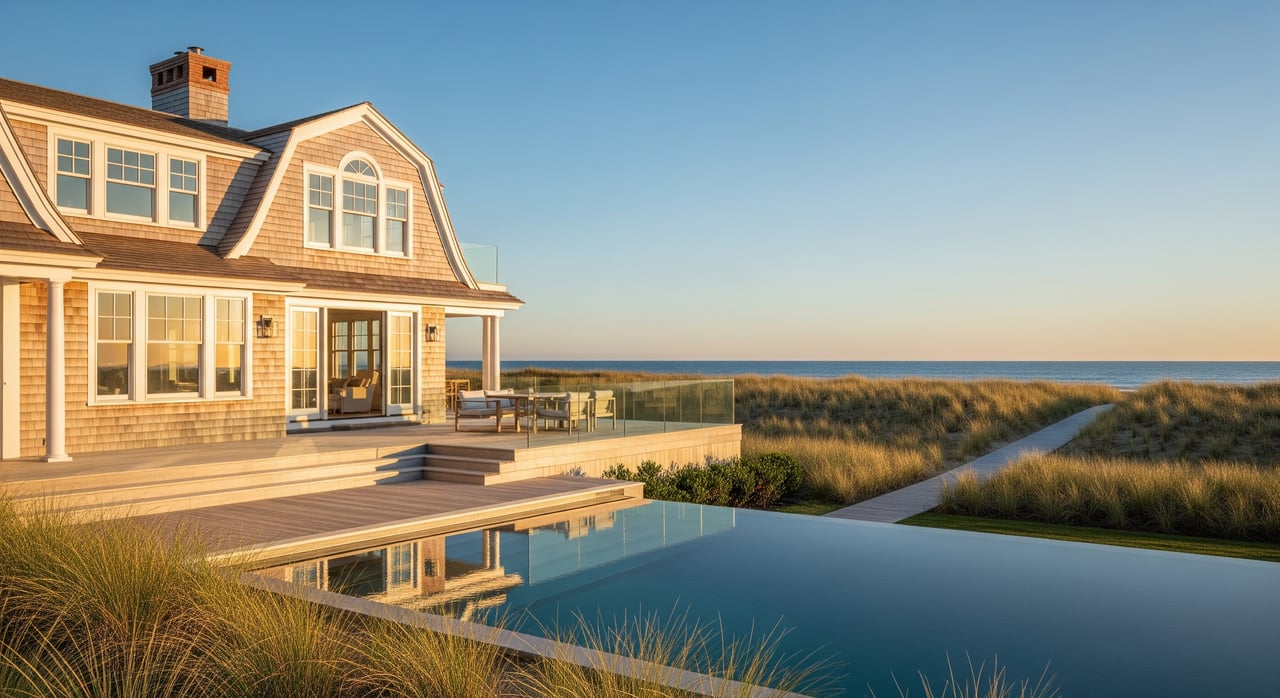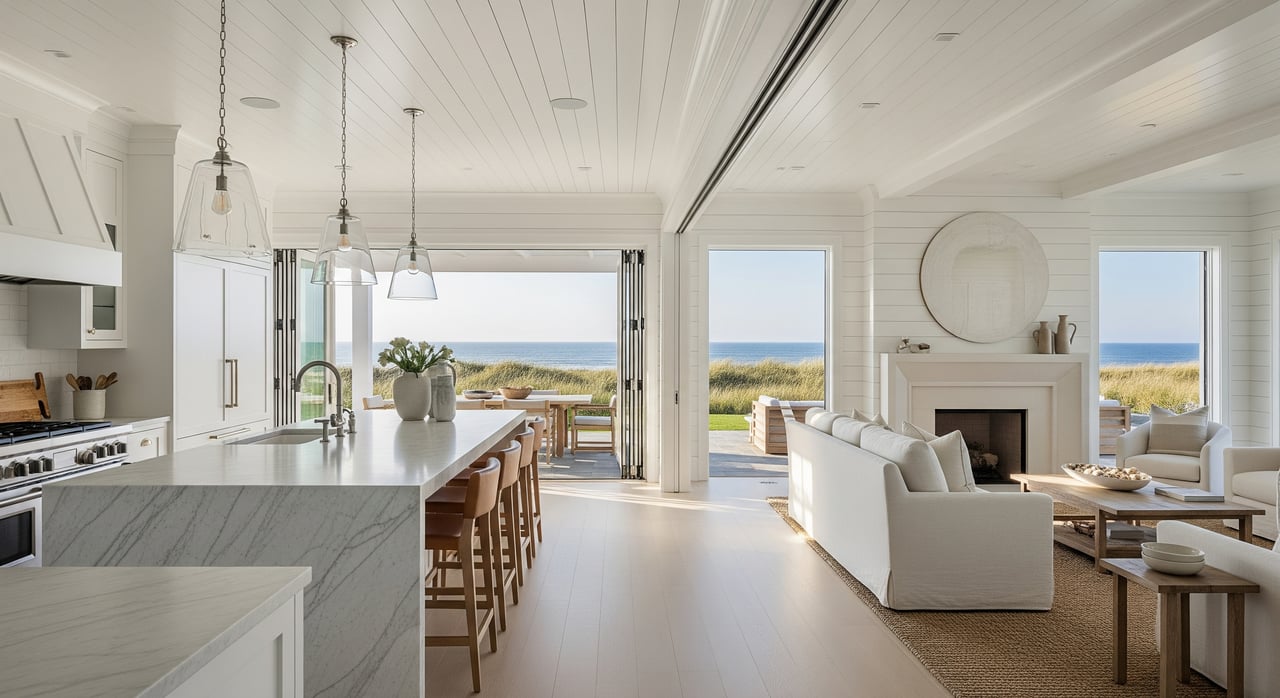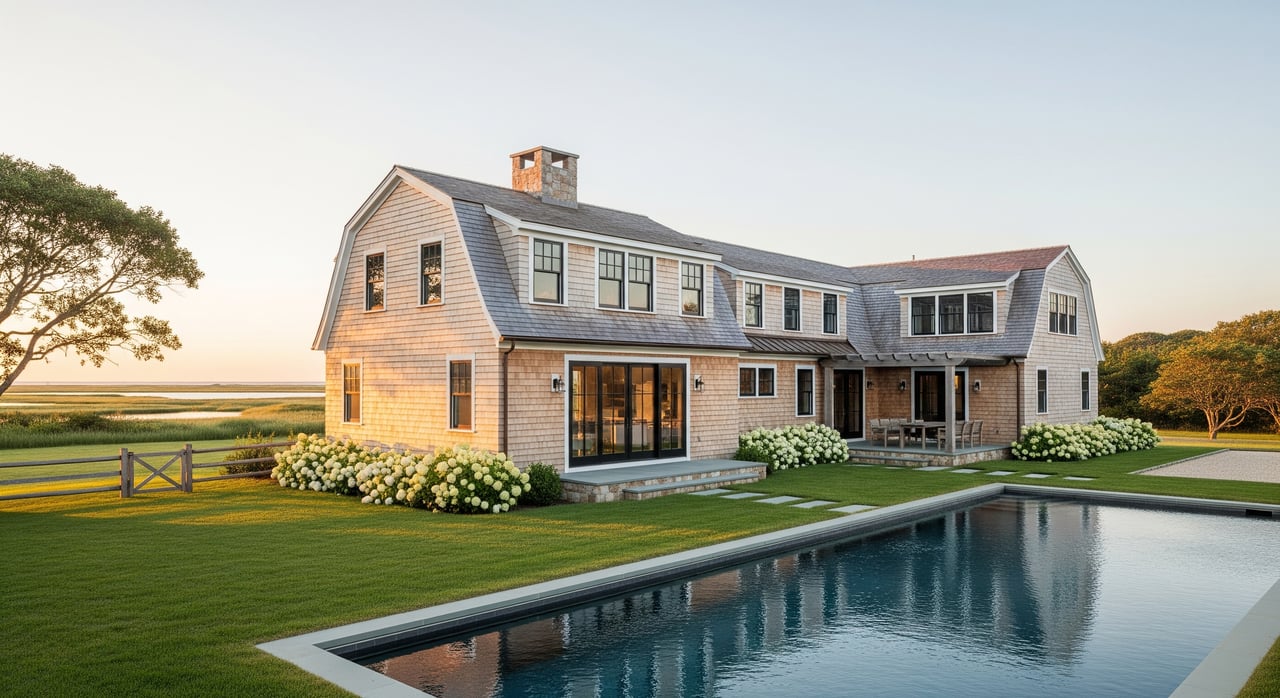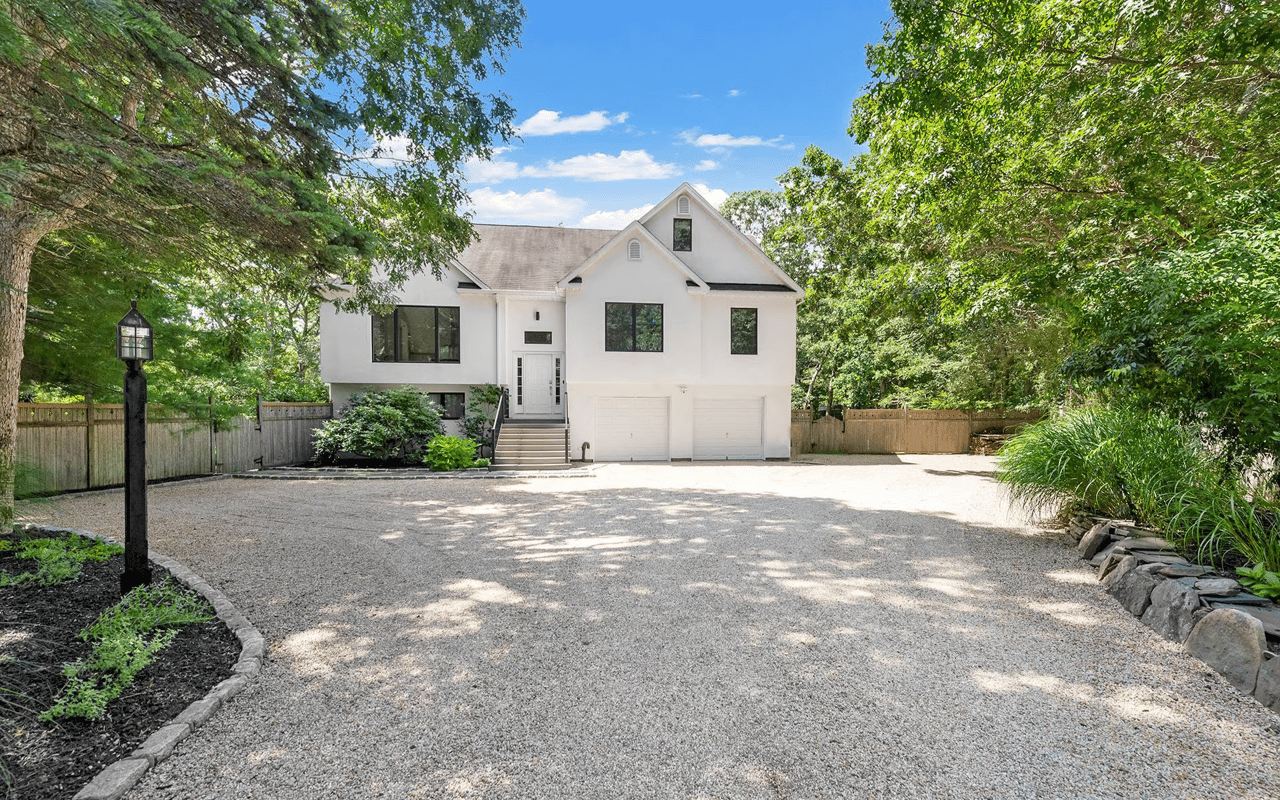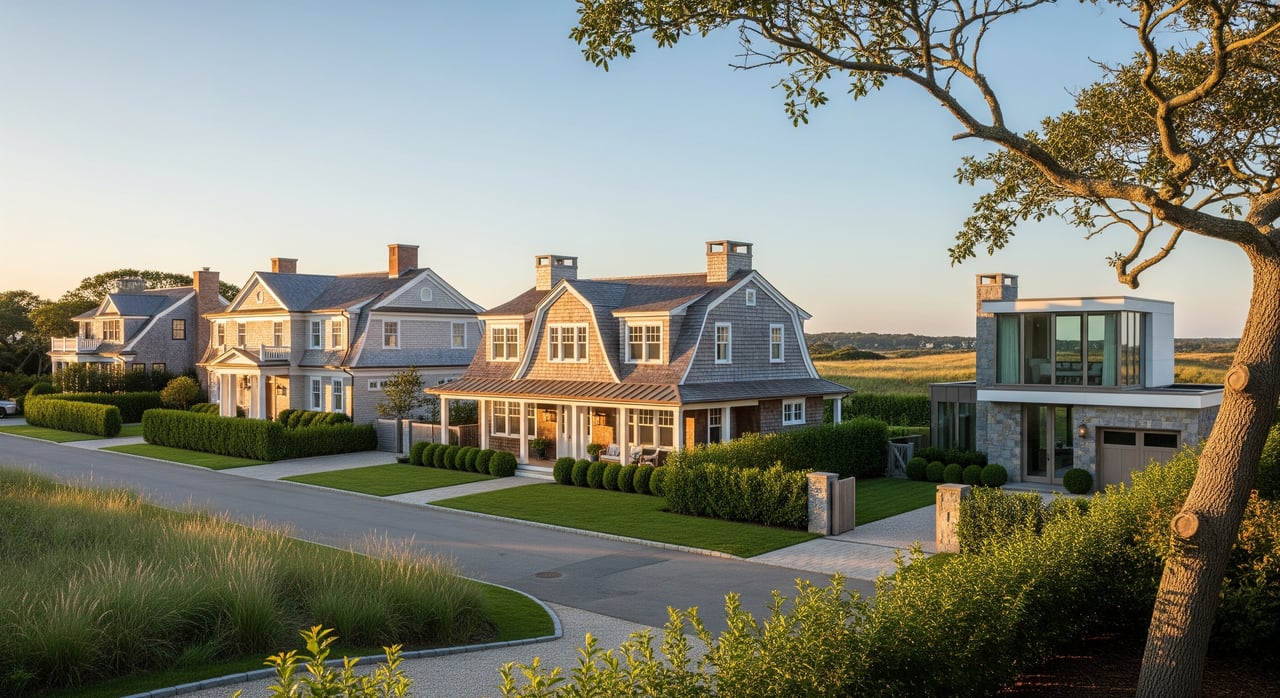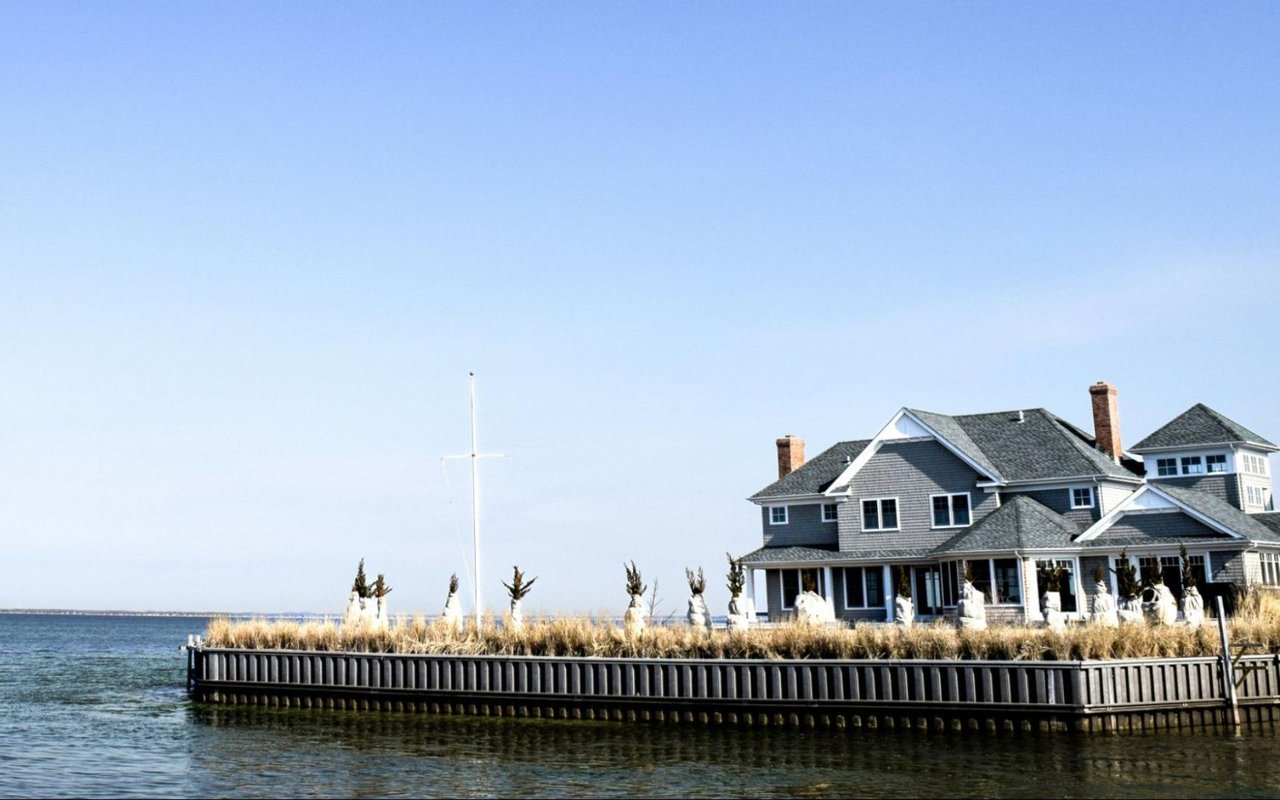
If you are deciding between a Southampton Village address and a home outside the village, you are not choosing between two unrelated markets. You are choosing between two different ways of living within greater Southampton, each with its own tradeoffs around walkability, lot size, privacy, design flexibility, and price. If you want a clearer framework for how to compare them, this guide will help you sort lifestyle goals from property-level facts. Let’s dive in.
What This Address Choice Really Means
Southampton Village is one of seven incorporated villages within the Town of Southampton. In practical terms, that means the choice is usually between the village core and other Southampton hamlets or estate areas, not between completely separate worlds.
The village has a notably compact center. Official planning materials describe a commercial core clustered around Main Street, Jobs Lane, Hampton Road, Nugent Street, and Jagger Lane, with the core retail area covering about 60 acres. That compact layout is a big reason many buyers experience the village as more convenient and more walkable than addresses farther out.
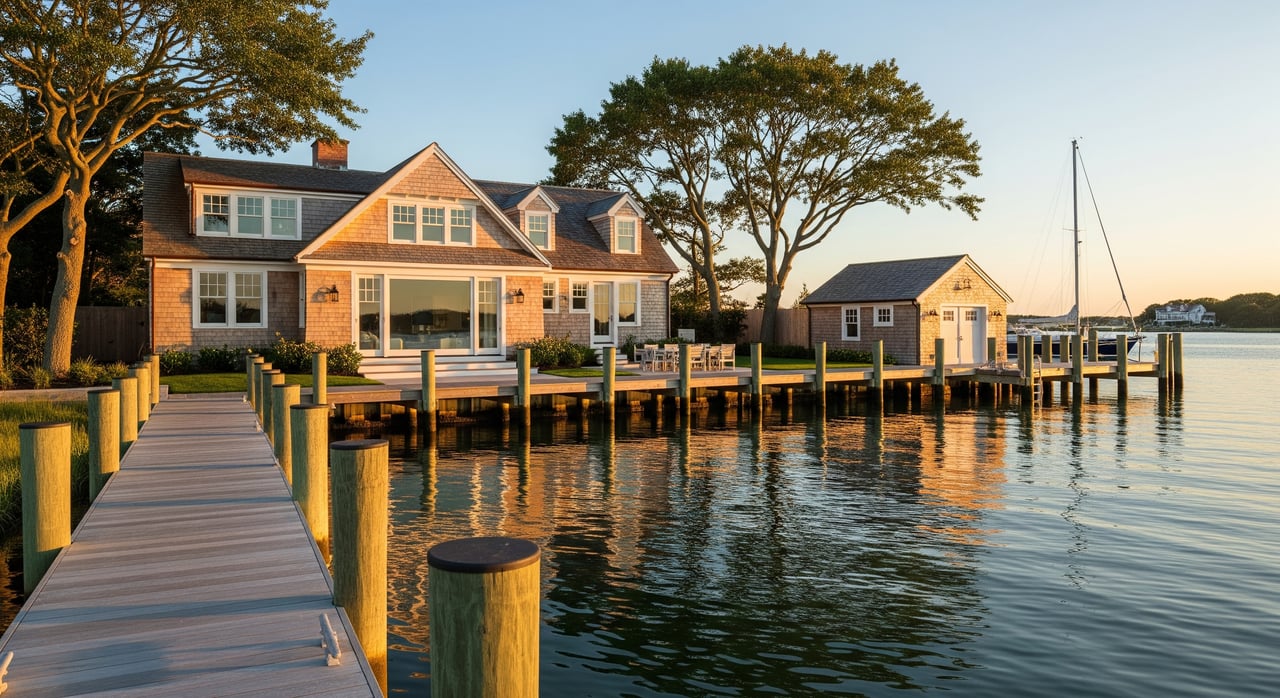
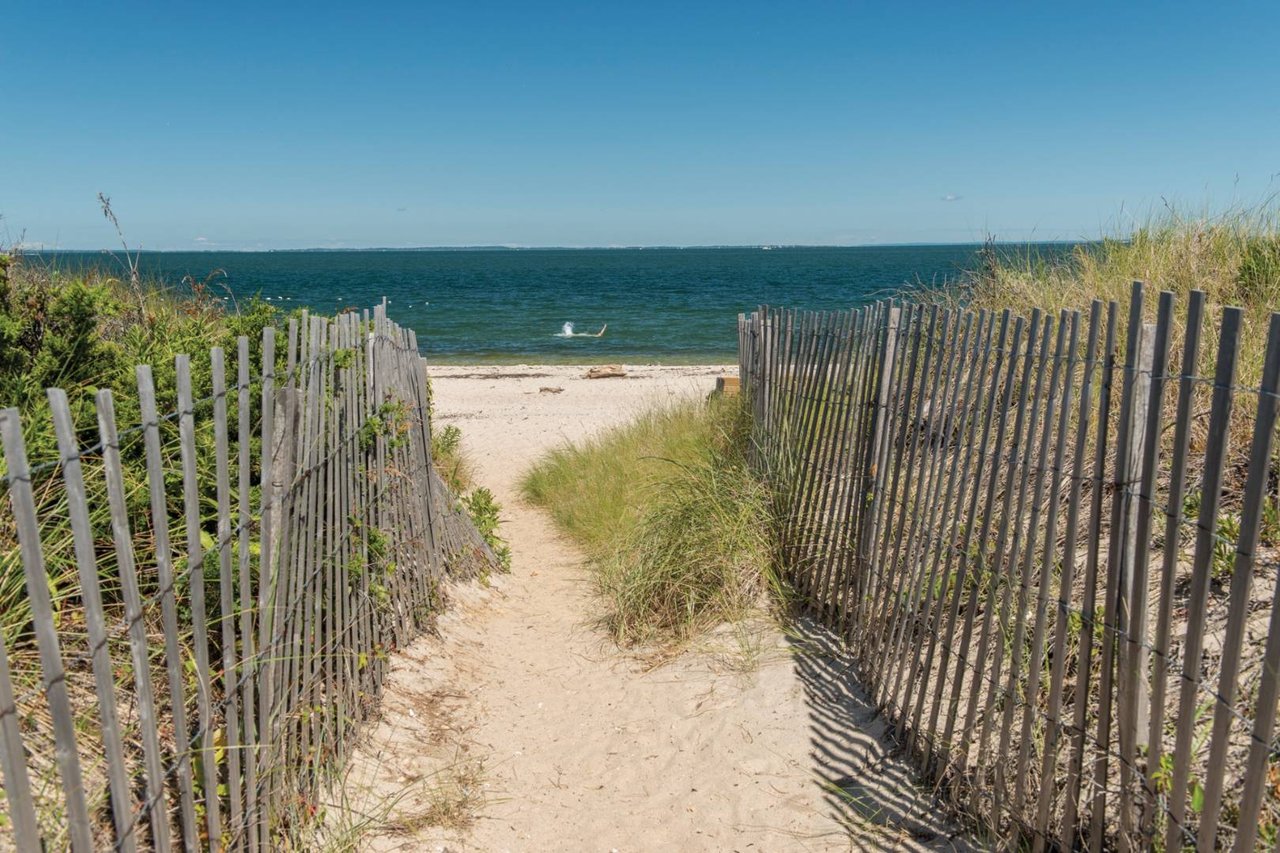
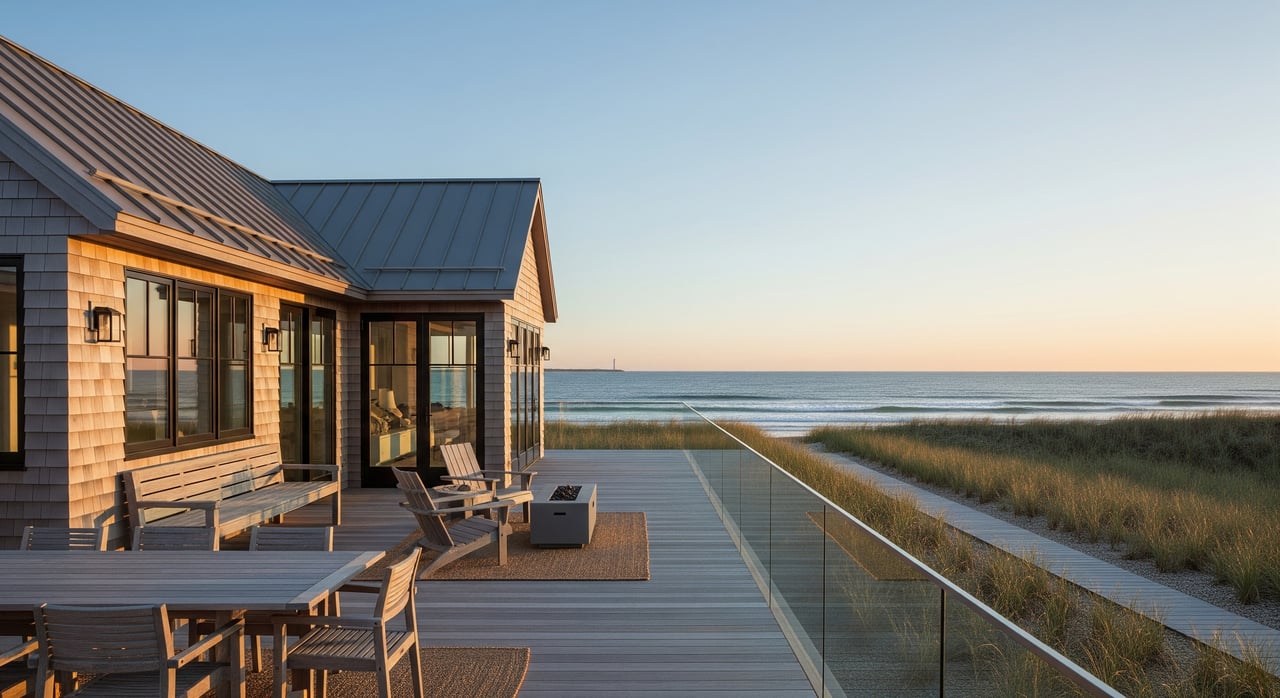
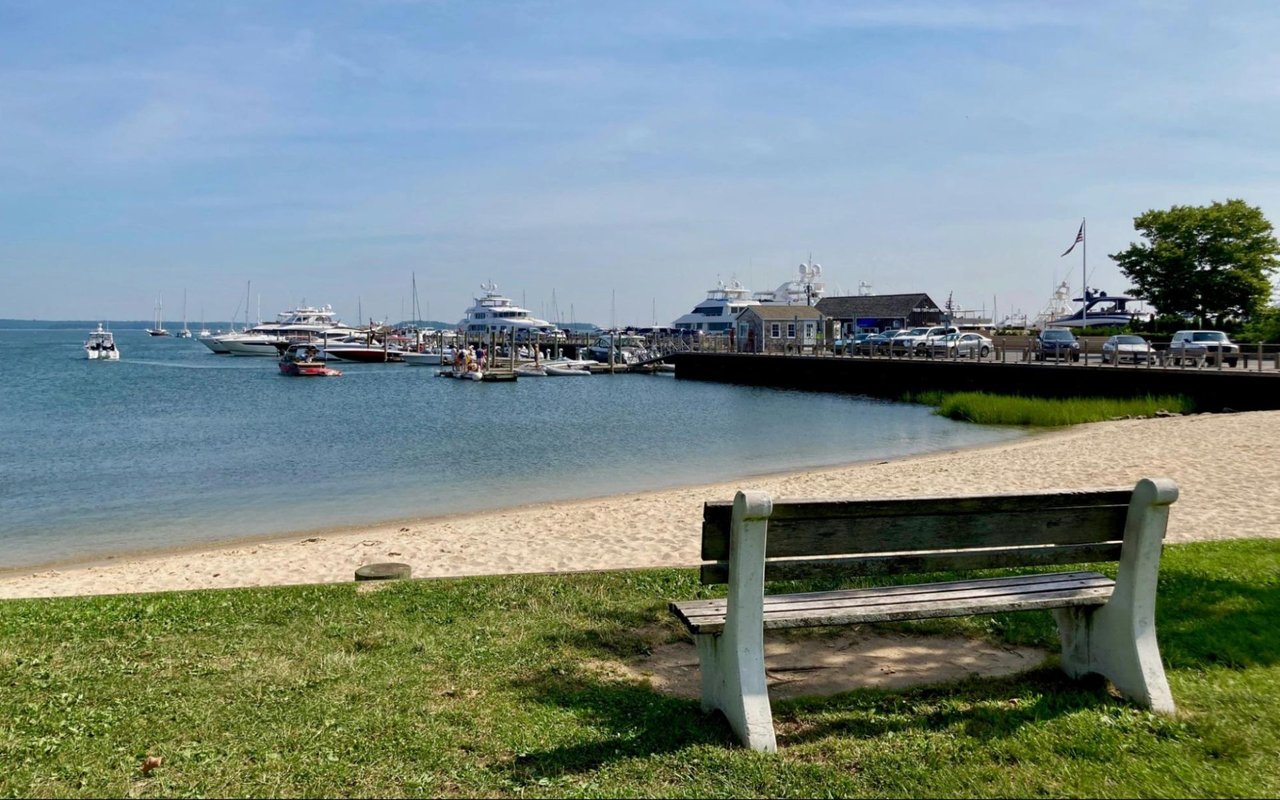
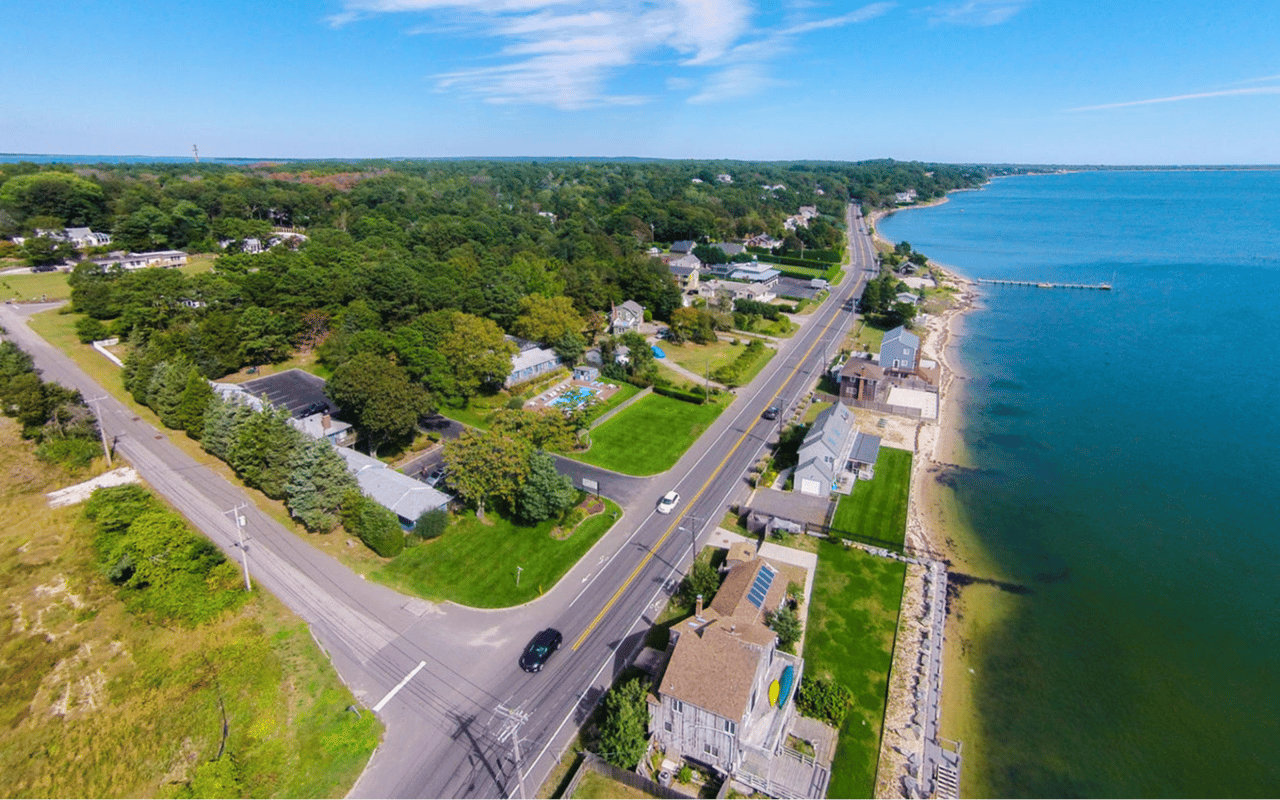
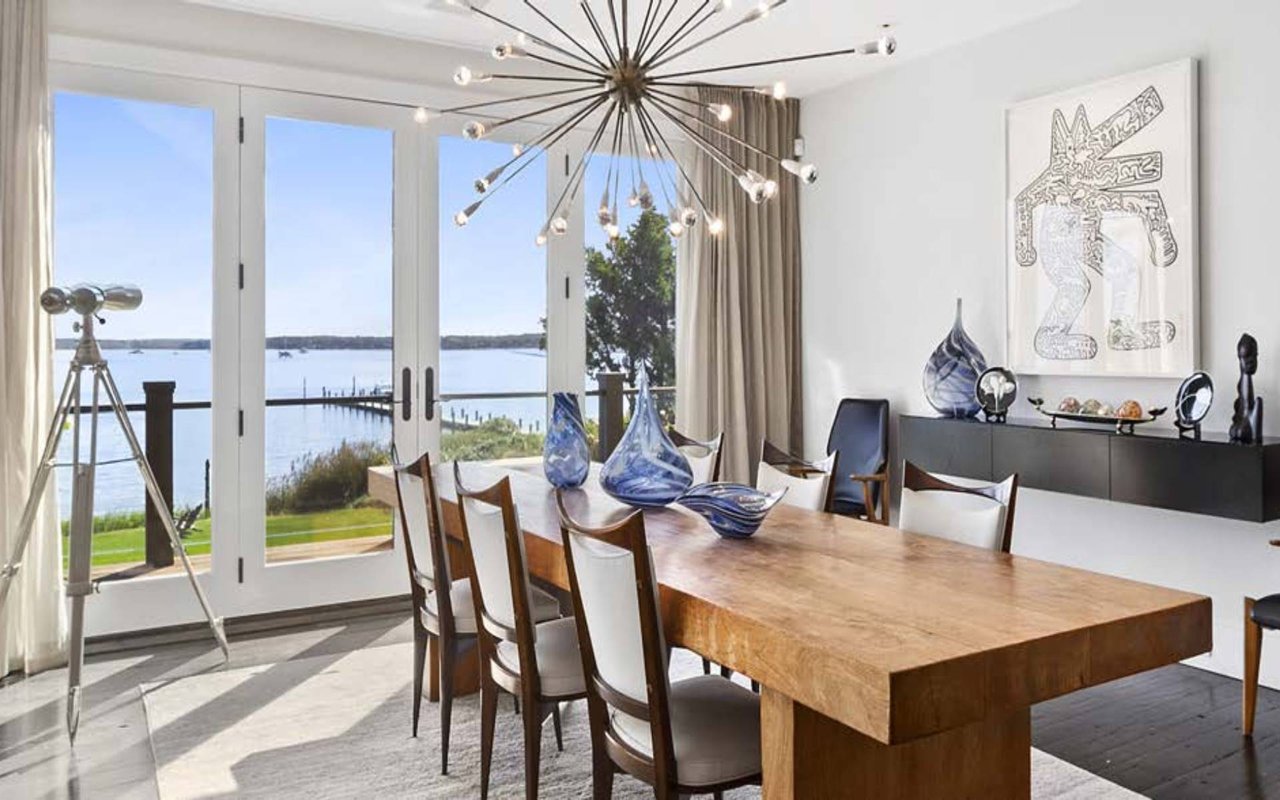
Beach access also shapes the feel of the village. Southampton Village says it has about seven miles of oceanfront and eleven beaches, with Coopers Beach serving as the main beach and Dune Beach reserved for village residents. For buyers who want to park less, walk more, and stay close to both town and ocean, that concentration matters.
Southampton Village Lifestyle
If your ideal Hamptons day includes coffee, a short walk through town, and easy access to village amenities, Southampton Village often stands out. The combination of a compact center and concentrated beach access creates a lifestyle that feels connected and active.
That does not mean every village property feels the same. Some streets sit closer to the commercial center and carry a more compact, in-town rhythm, while others open up into larger residential sections with a quieter, more estate-like feel. The village offers variety, but the overall identity remains amenity-rich and centrally oriented.
For many second-home buyers, that balance is the appeal. You can be near shopping, dining, and the ocean without needing a large footprint to enjoy the area.
Outside Village Lifestyle
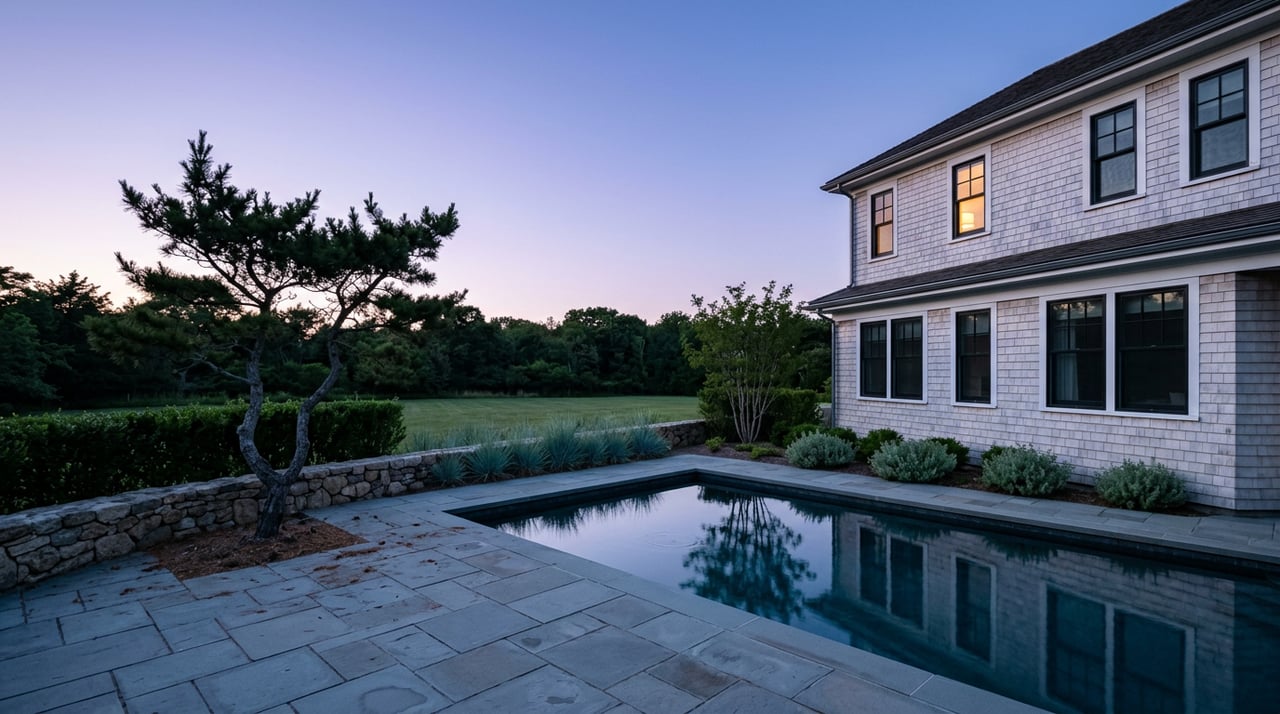
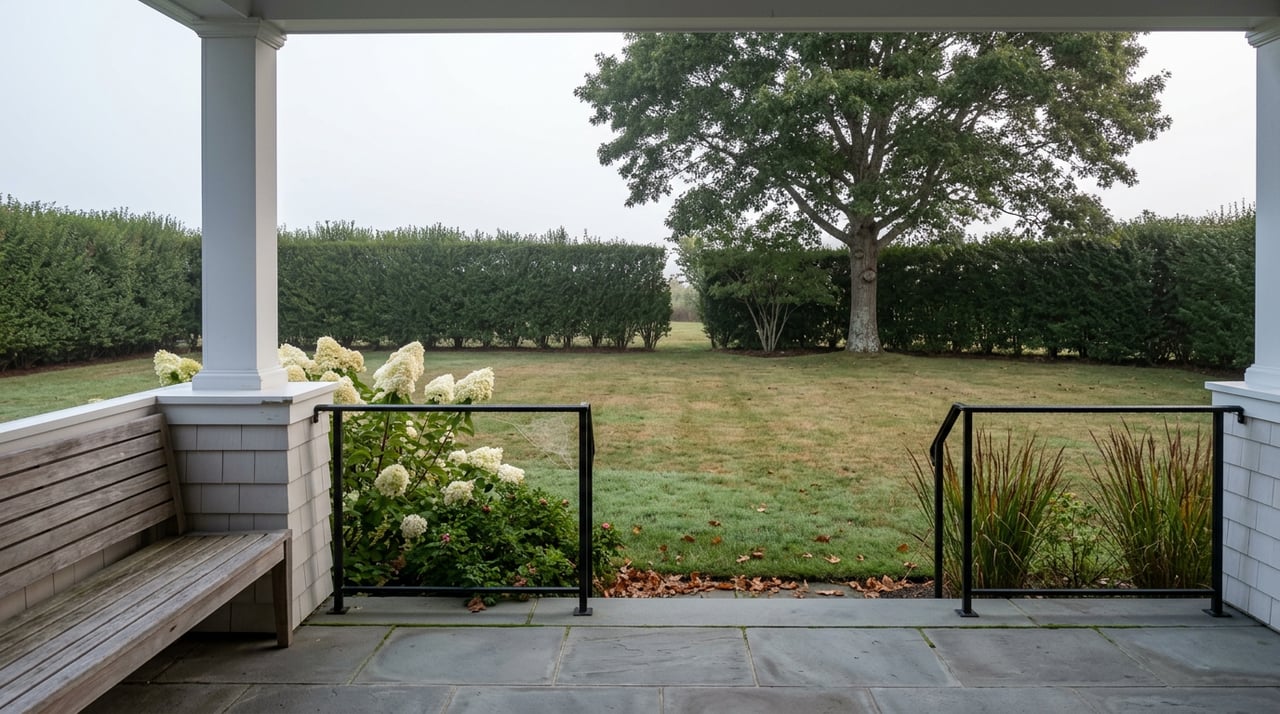
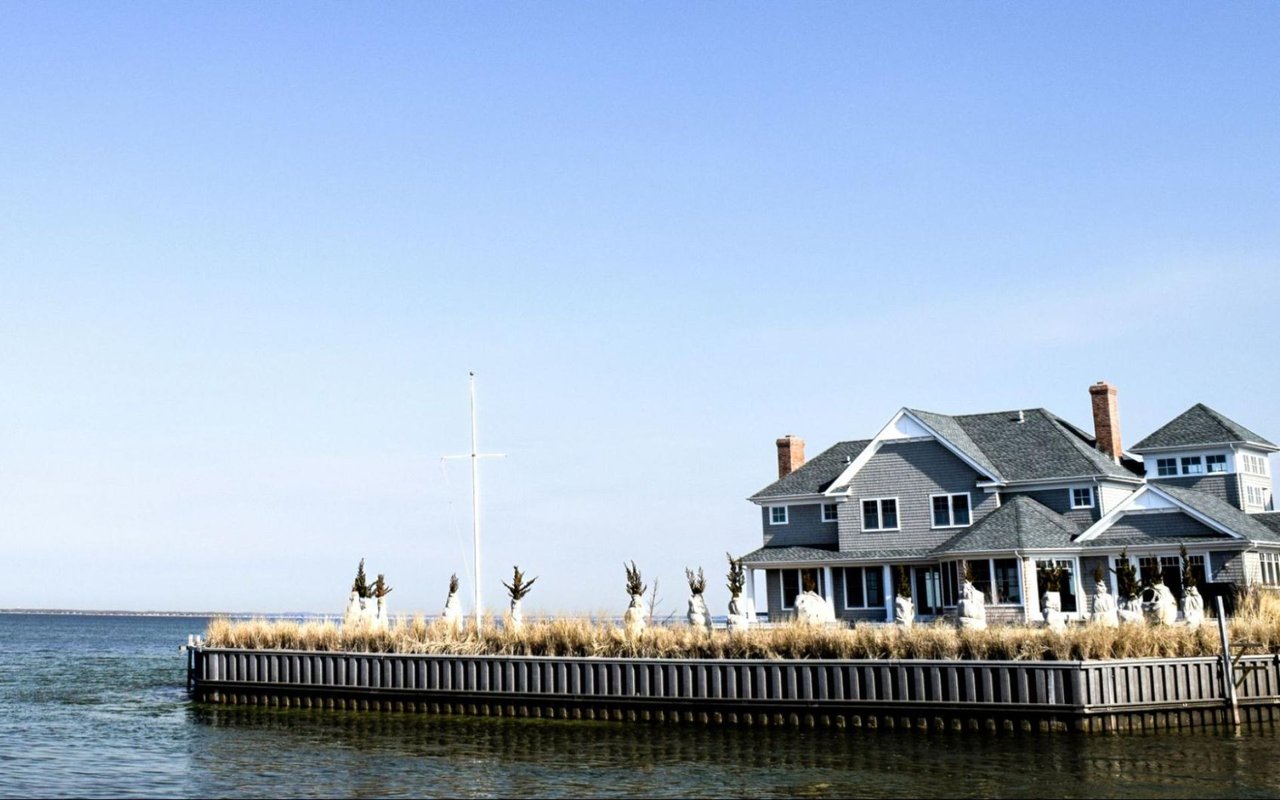
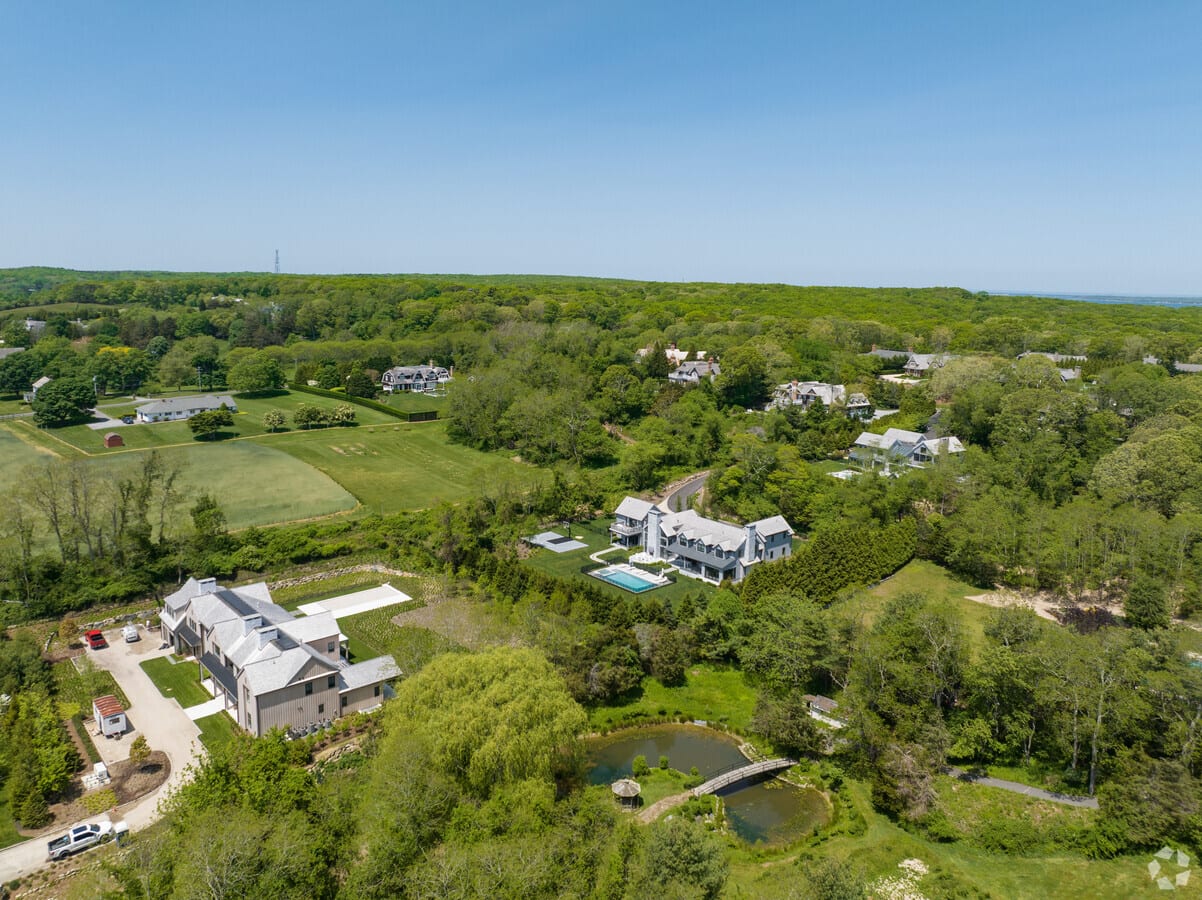
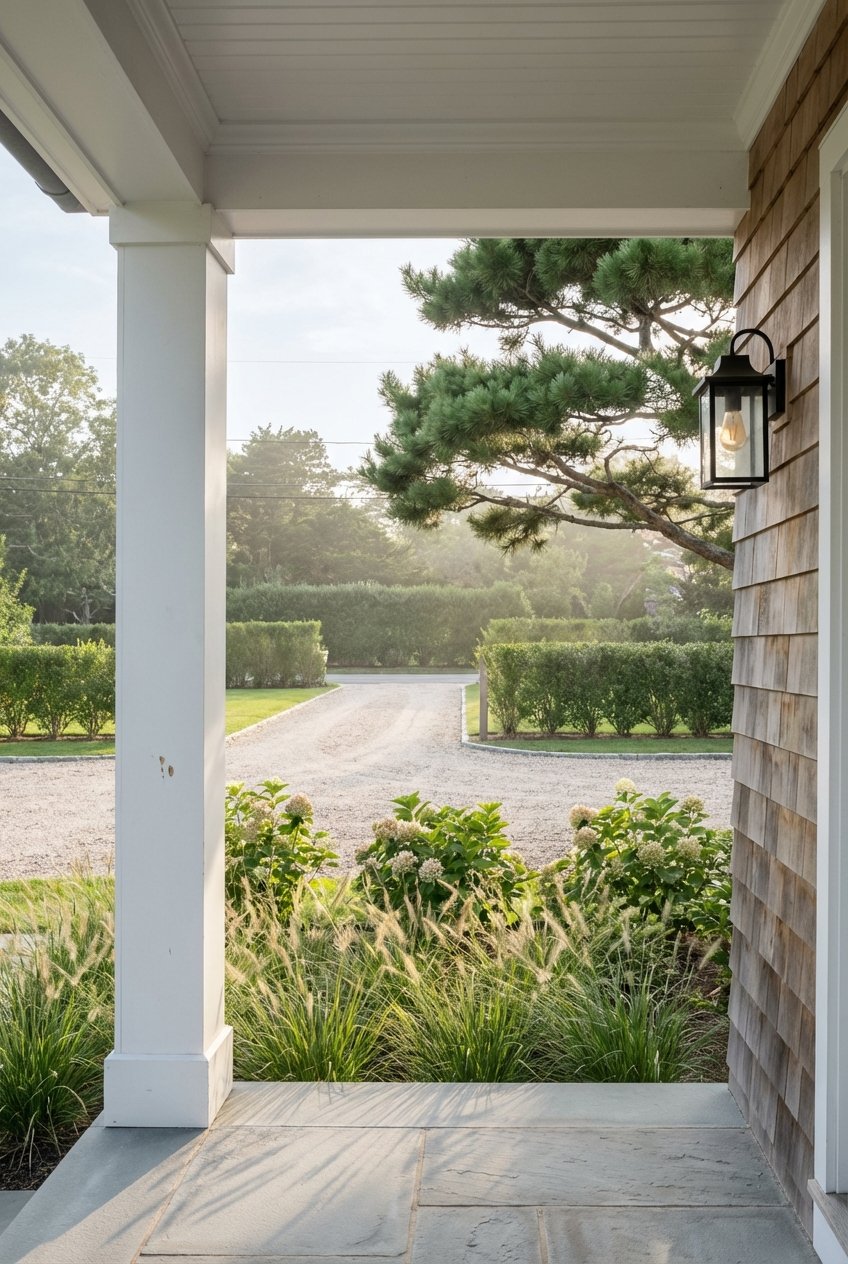
Outside the village, the feel generally becomes more parcel-driven. As you move into other Southampton hamlets and town districts, homes often trade some proximity and walkability for more land, broader spacing, and a different sense of privacy.
This is where your priorities matter most. If you want a larger yard, more separation from neighboring homes, or a property that feels less tied to the village core, outside-town addresses may offer a better fit.
The market outside the village is also more varied. Based on the town’s preservation goals and zoning range, non-village properties tend to offer a broader mix of parcel sizes and settings, which can be especially appealing if you are focused on flexibility and land value.
Lot Size and Privacy Differences
One of the biggest misconceptions is that privacy changes simply because you cross the village line. In reality, privacy is more closely tied to zoning district, lot size, and setbacks than to the address label alone.
Within Southampton Village, residential districts range from 7,500-square-foot R-7.5 lots up to 120,000-square-foot R-120 lots. Side setbacks increase from 10 feet in smaller districts to 30 feet in the larger districts. That helps explain why some village streets feel close-knit while others feel much more open.
Village planning documents also note that the smaller districts tend to be closer to the Village Center, while the larger estate sections are found in the R-80 and R-120 areas. So even within the village, there is a meaningful spectrum between compact and spacious.
Outside the village, Town of Southampton zoning ranges from 10,000-square-foot R-10 lots up to 200,000-square-foot CR-200 lots. The larger country residence districts also come with deeper setbacks. For example, the CR-200 district carries a 50-foot side setback.
That is why the real privacy gain usually comes from moving into one of the larger town zoning districts, not just moving beyond the village boundary. If privacy is high on your list, it is worth comparing actual dimensional rules property by property rather than relying on the mailing address.
Architecture and Renovation Considerations
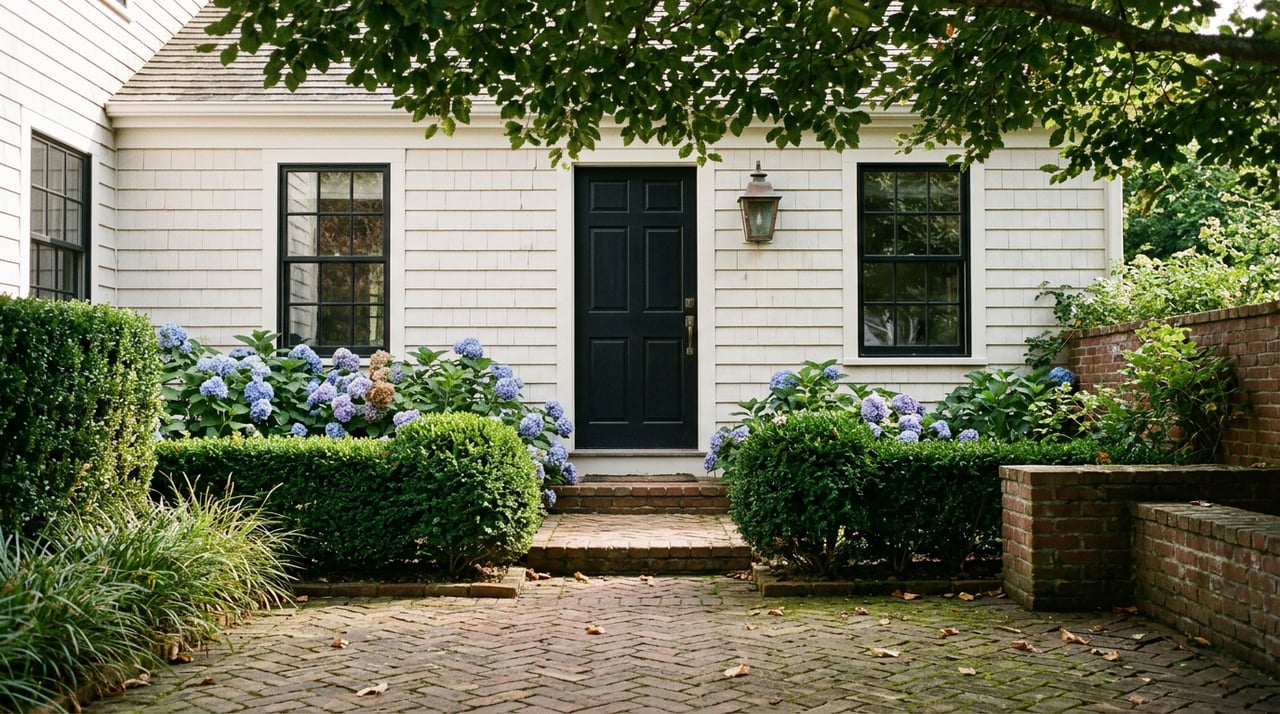
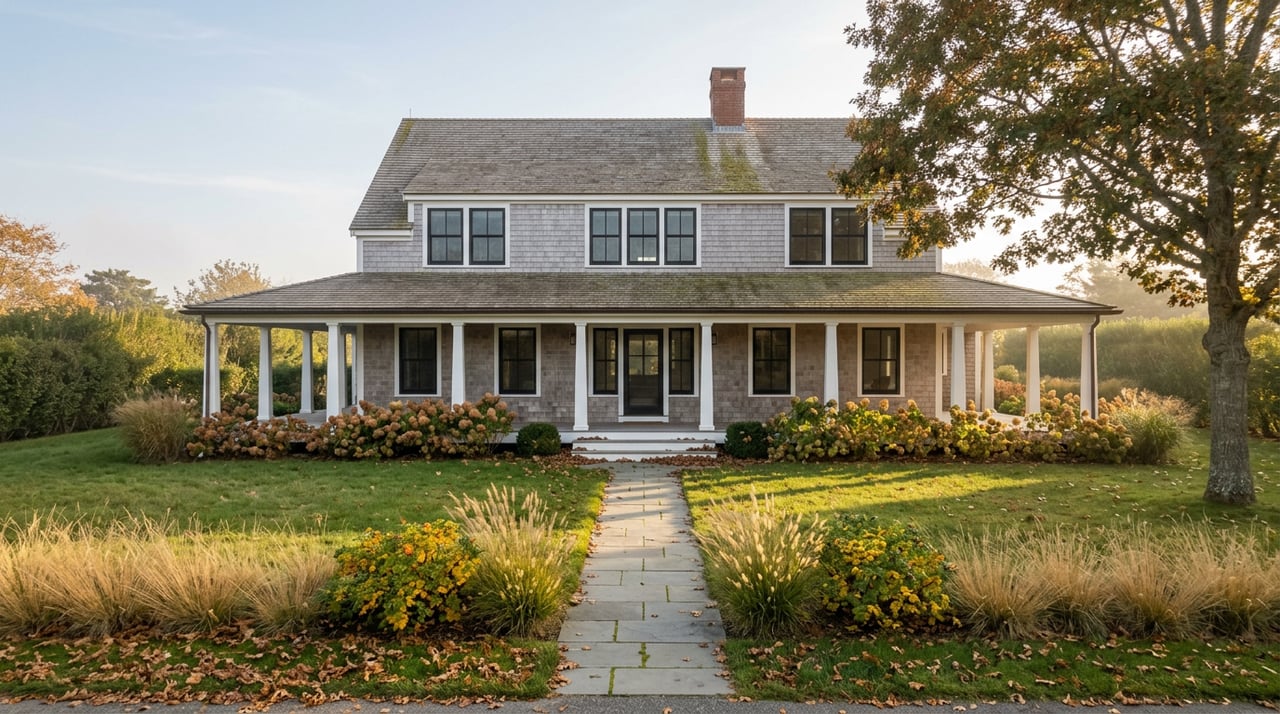
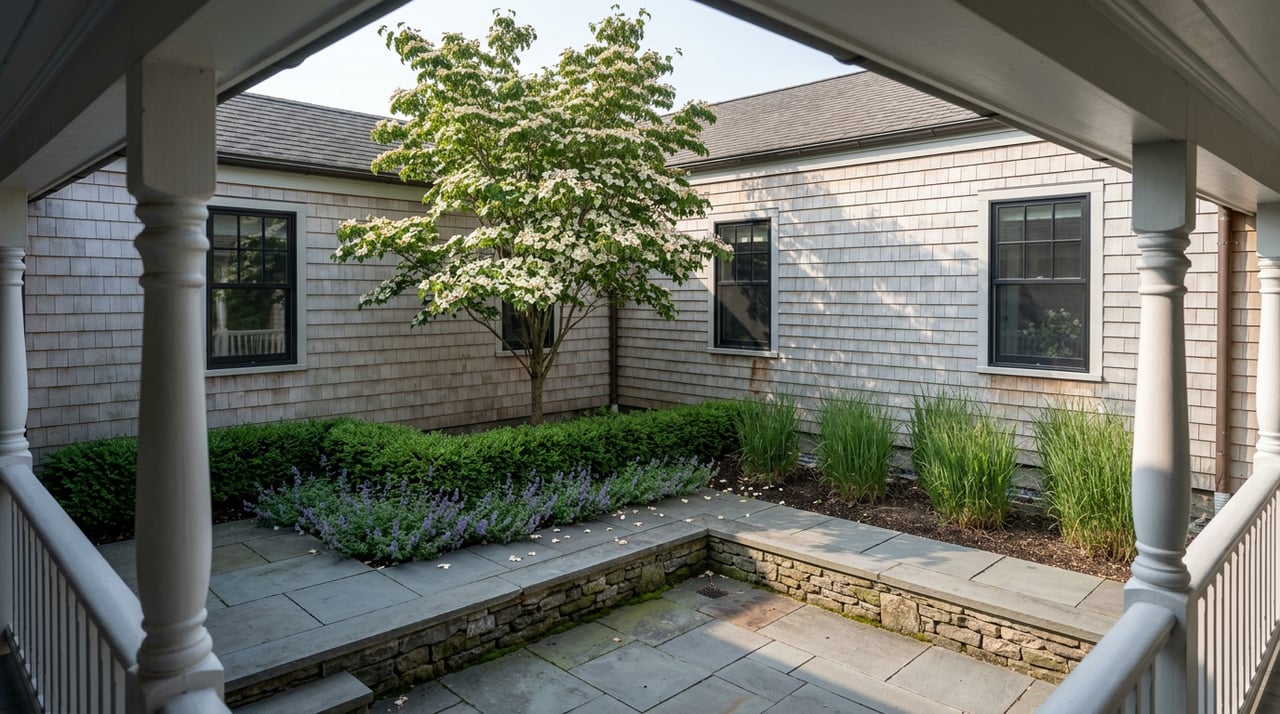
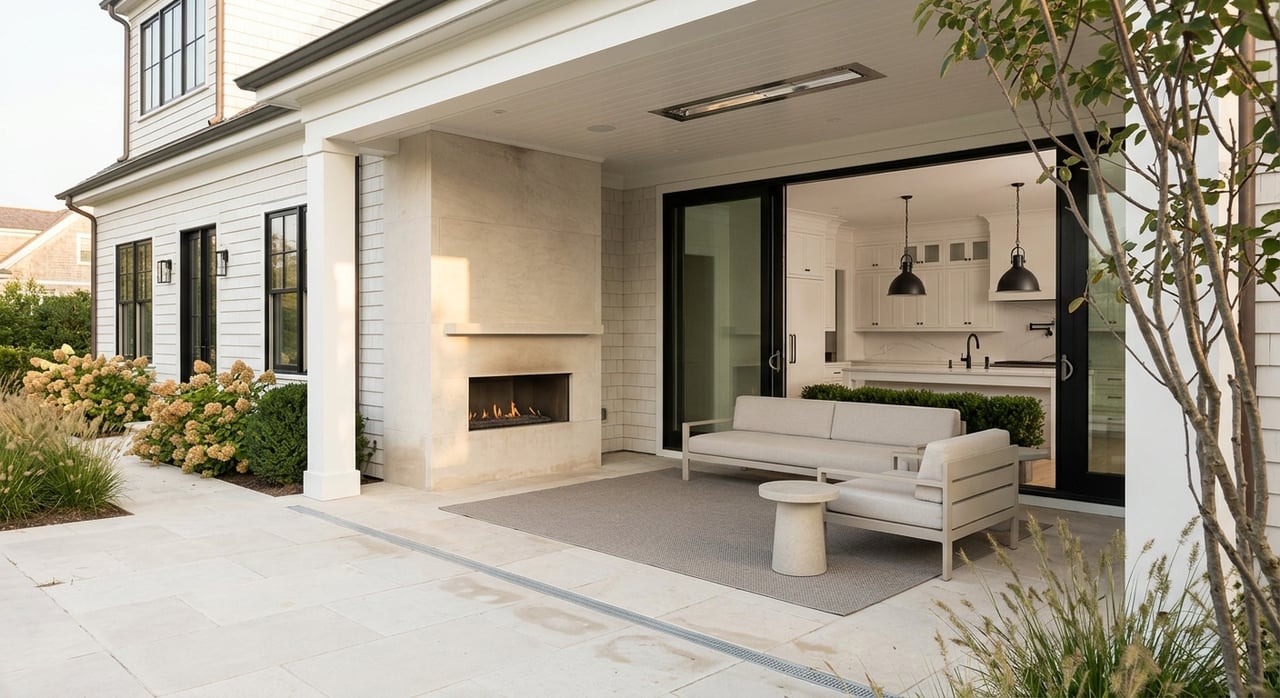
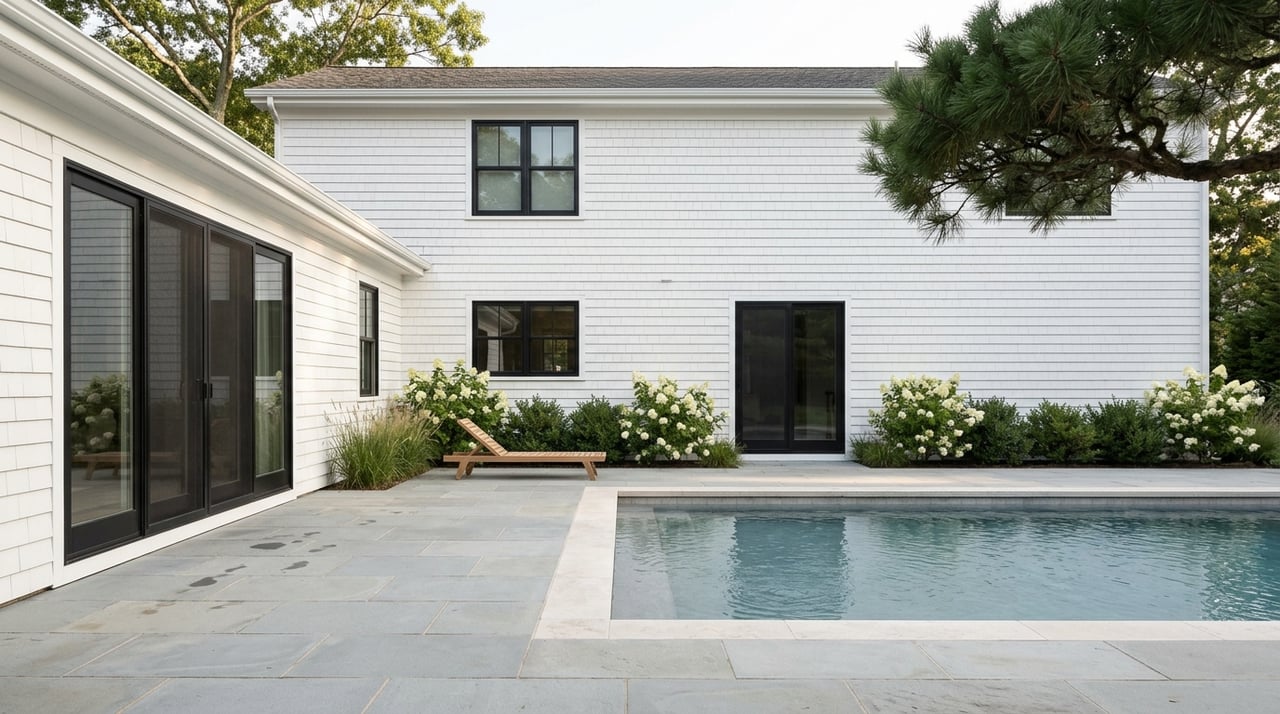
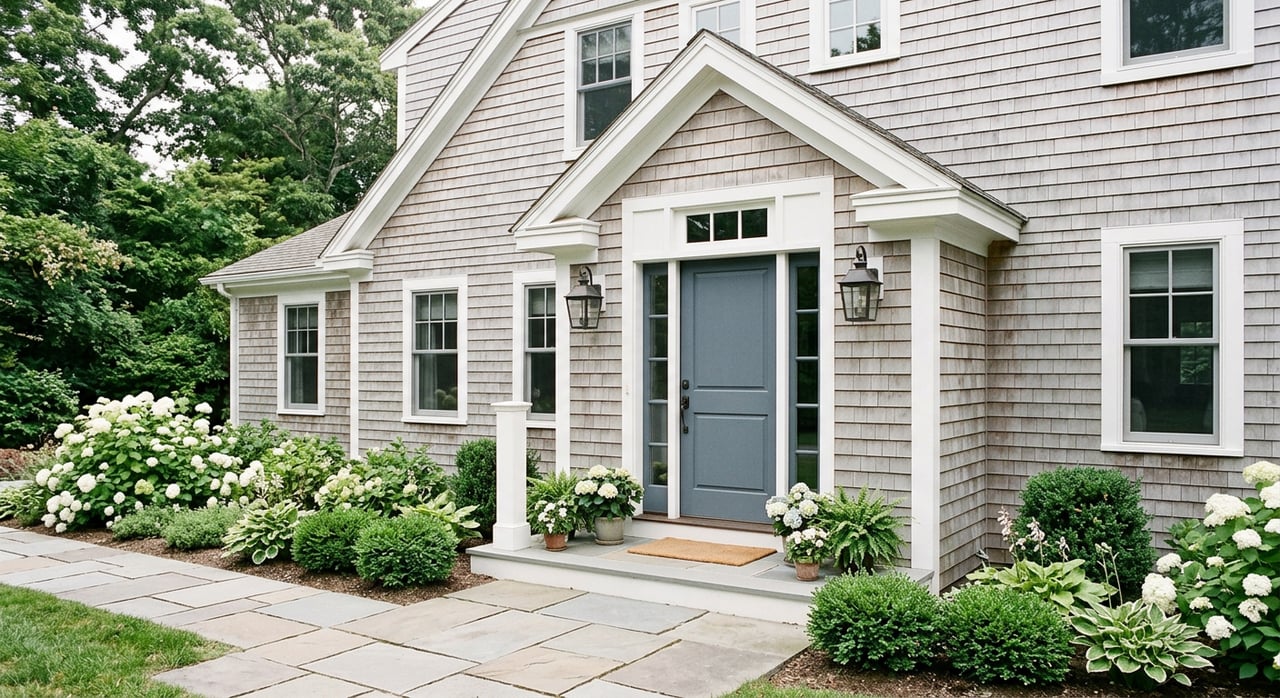
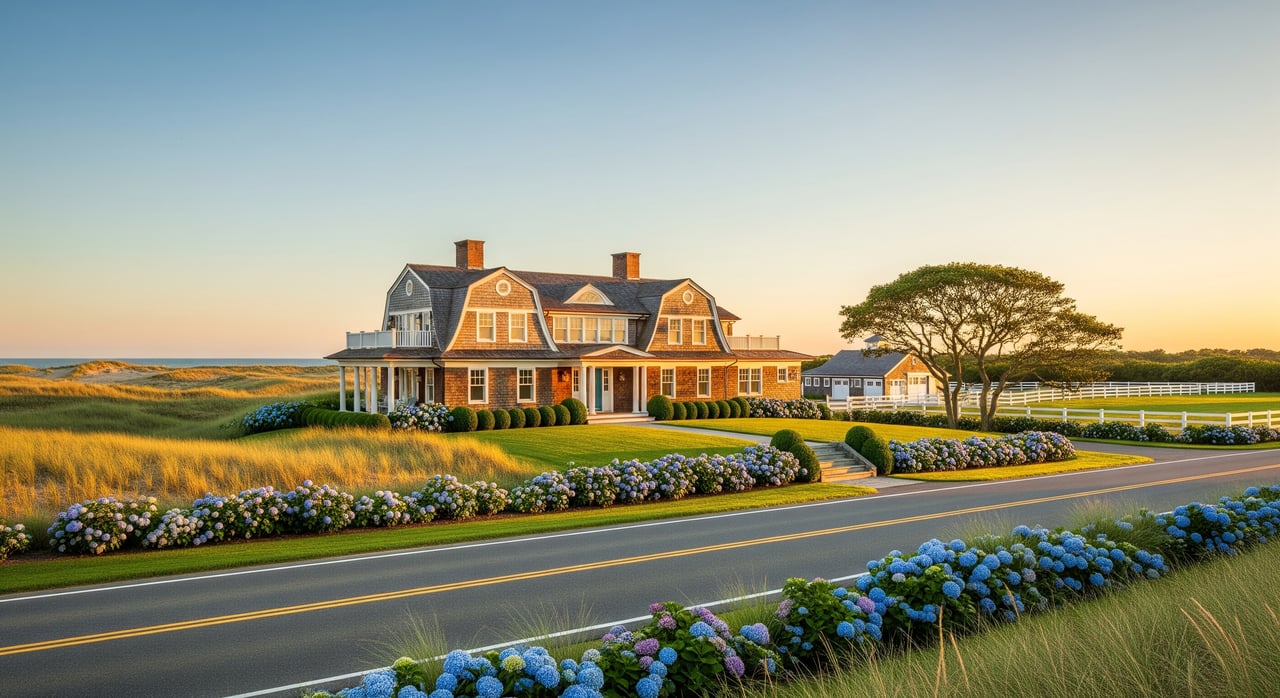
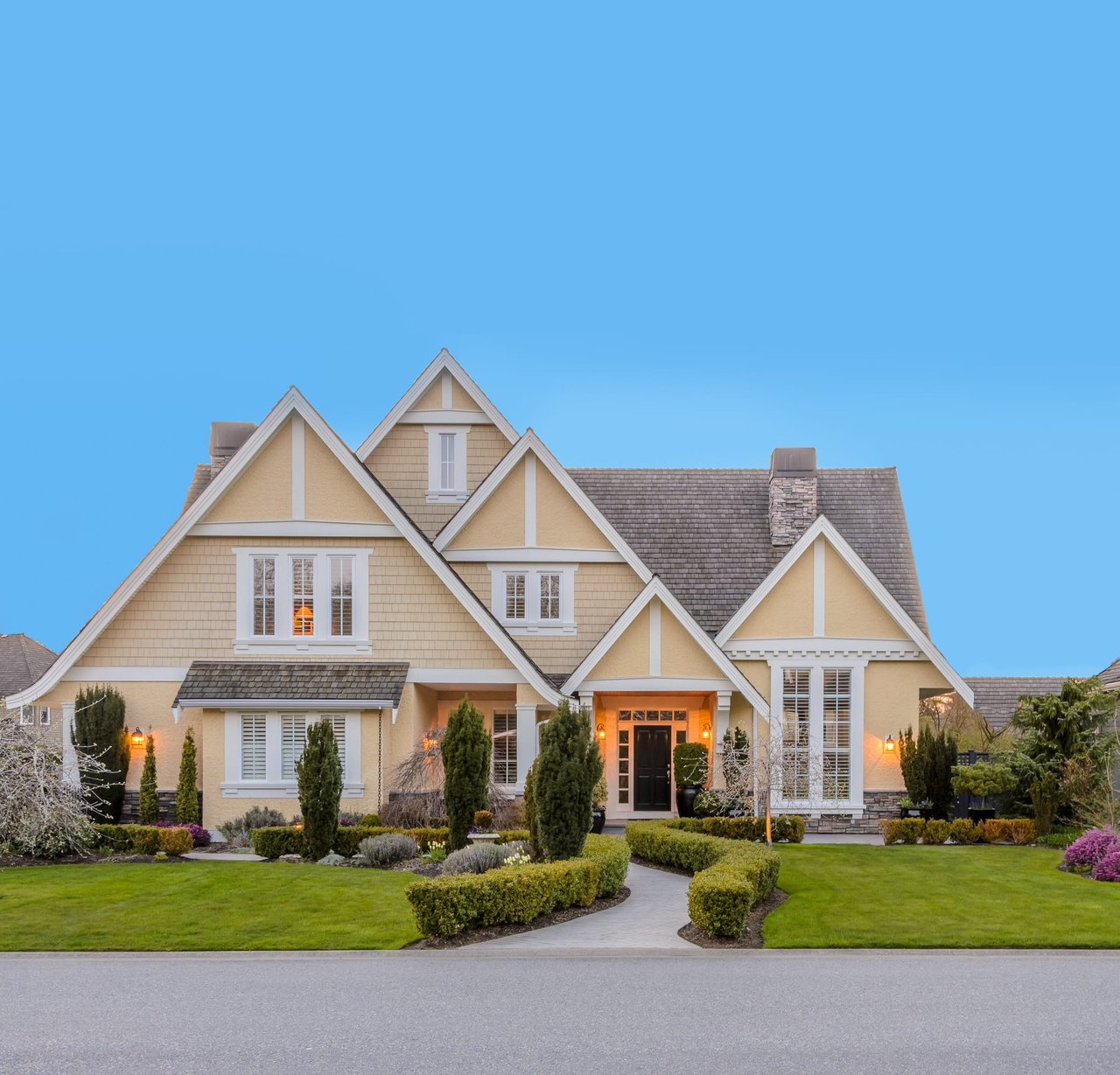
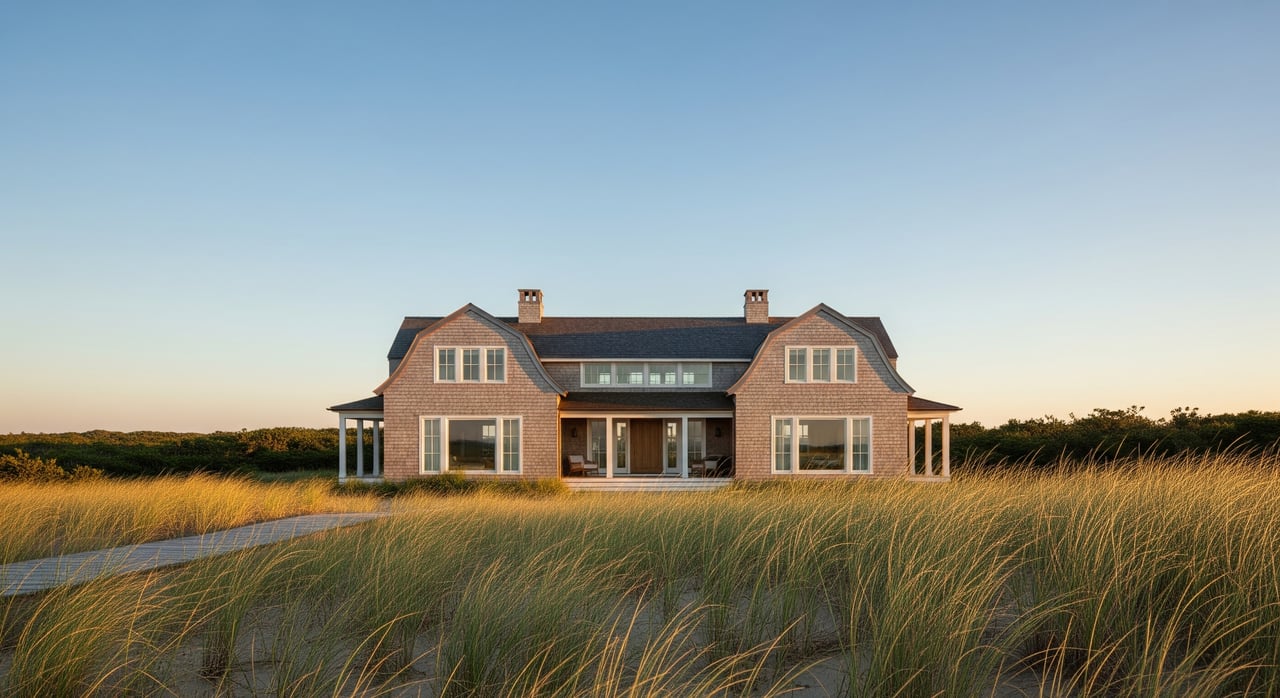
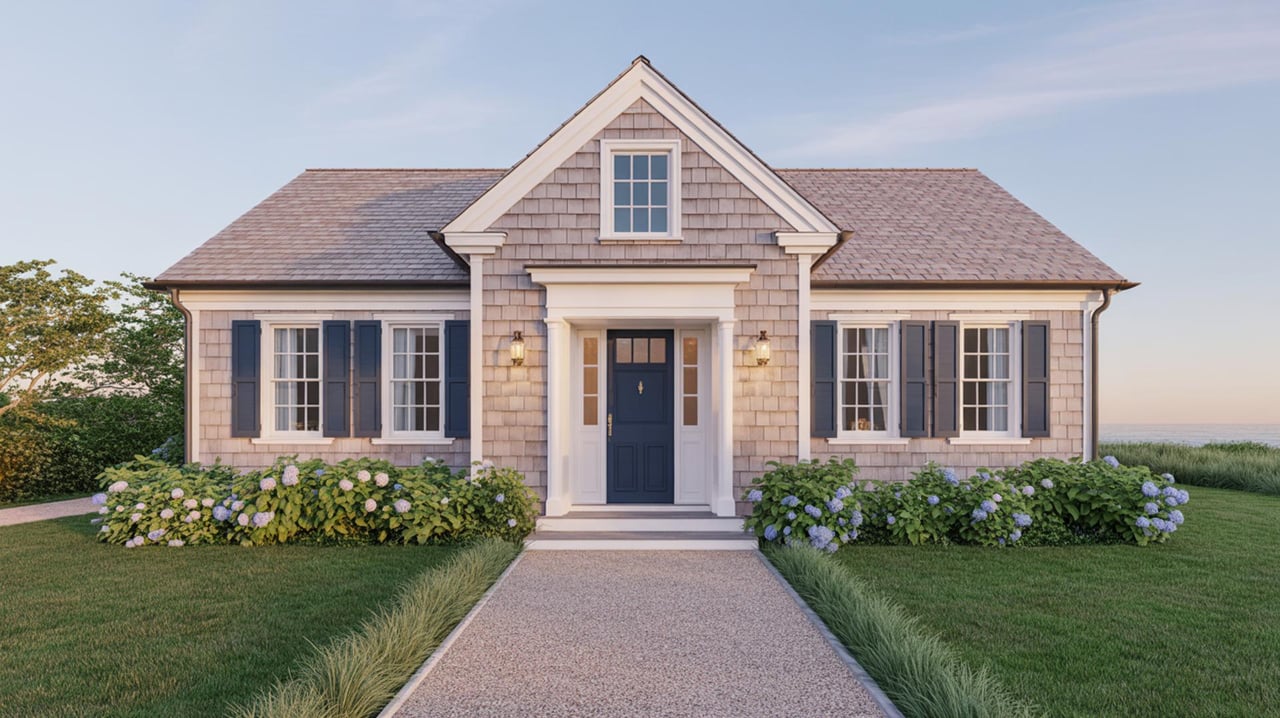
Southampton Village has a strong architectural identity. Historic district materials describe late Victorian and early 20th-century architecture, while a historic resources analysis notes homes dating from the mid-18th century through 1910. Styles include early vernacular, Greek Revival, Colonial Revival, and other turn-of-the-century forms.
For some buyers, that architectural character is a major draw. A village home can offer a sense of history and place that is hard to replicate elsewhere. Larger summer residences also tend to sit farther from the commercial core, which adds another layer of variety within the village.
But character often comes with oversight. In the village historic district, visible exterior changes are reviewed by the Board of Architectural Review and Historic Preservation, and upper-story decks that could affect neighbor privacy are discouraged.
If you are preservation-minded, those rules may feel reassuring. If you are planning a major exterior rework, a modern redesign, or extensive visible changes, the village may be less flexible than many non-village properties.
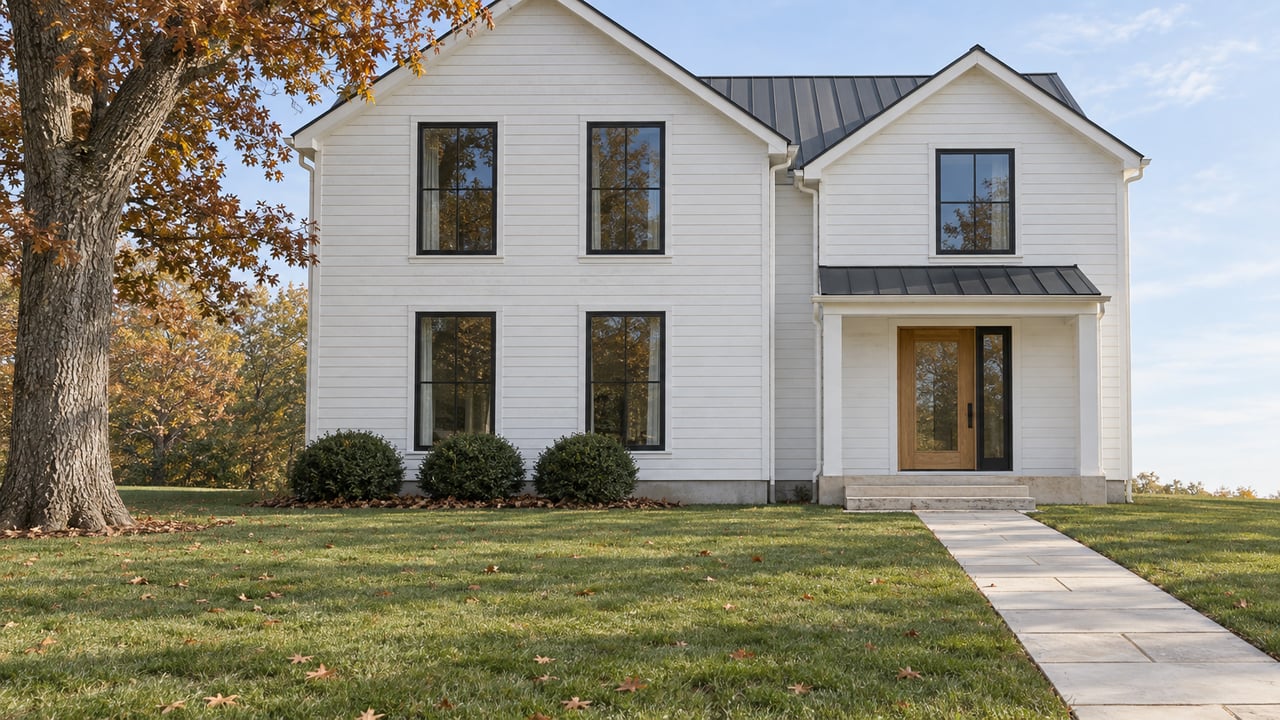
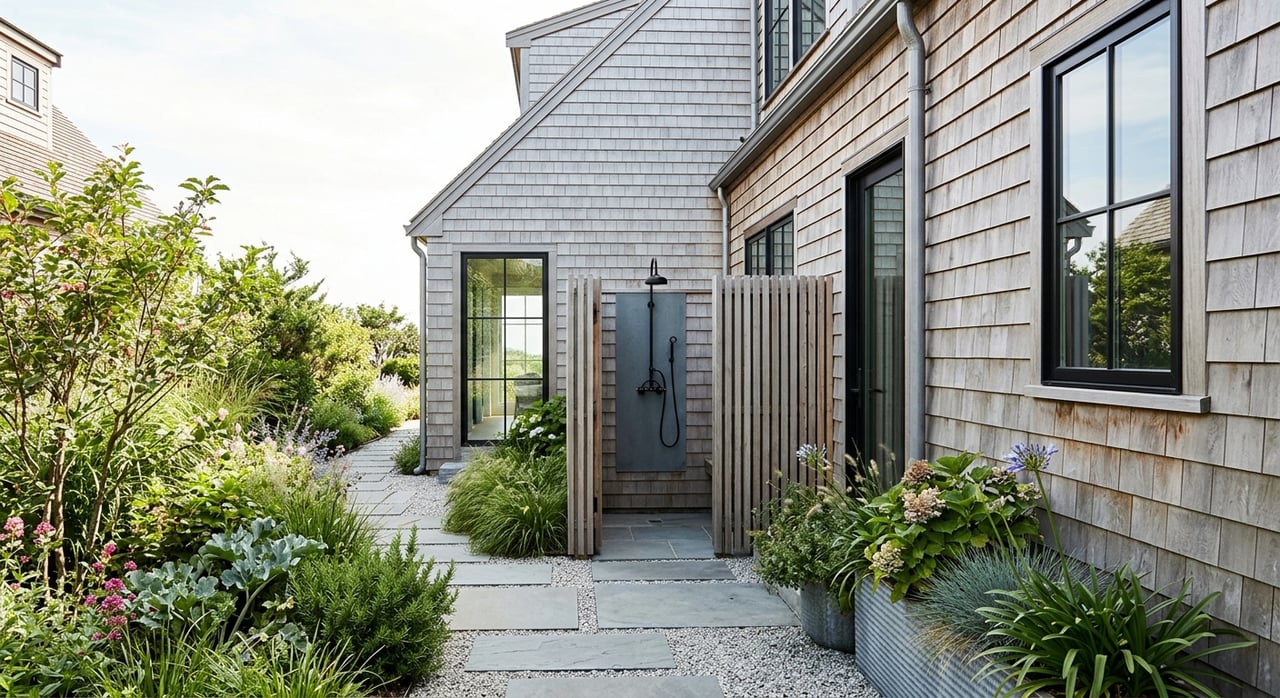
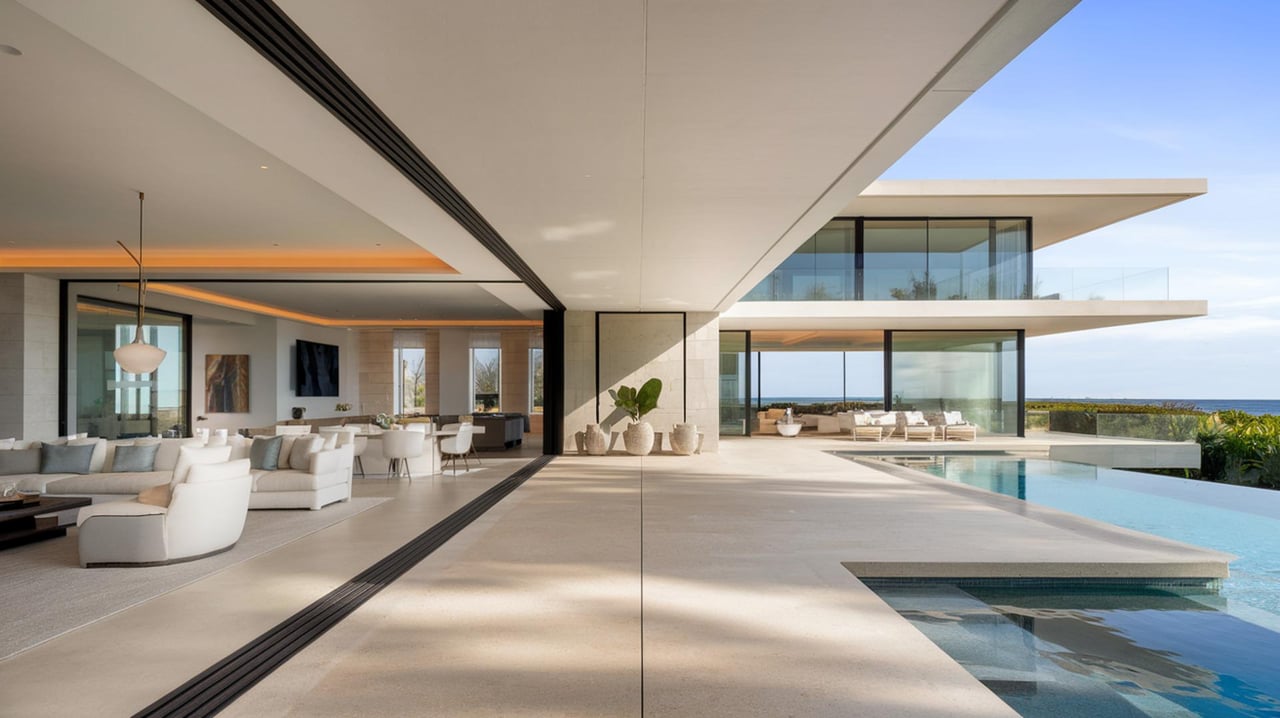
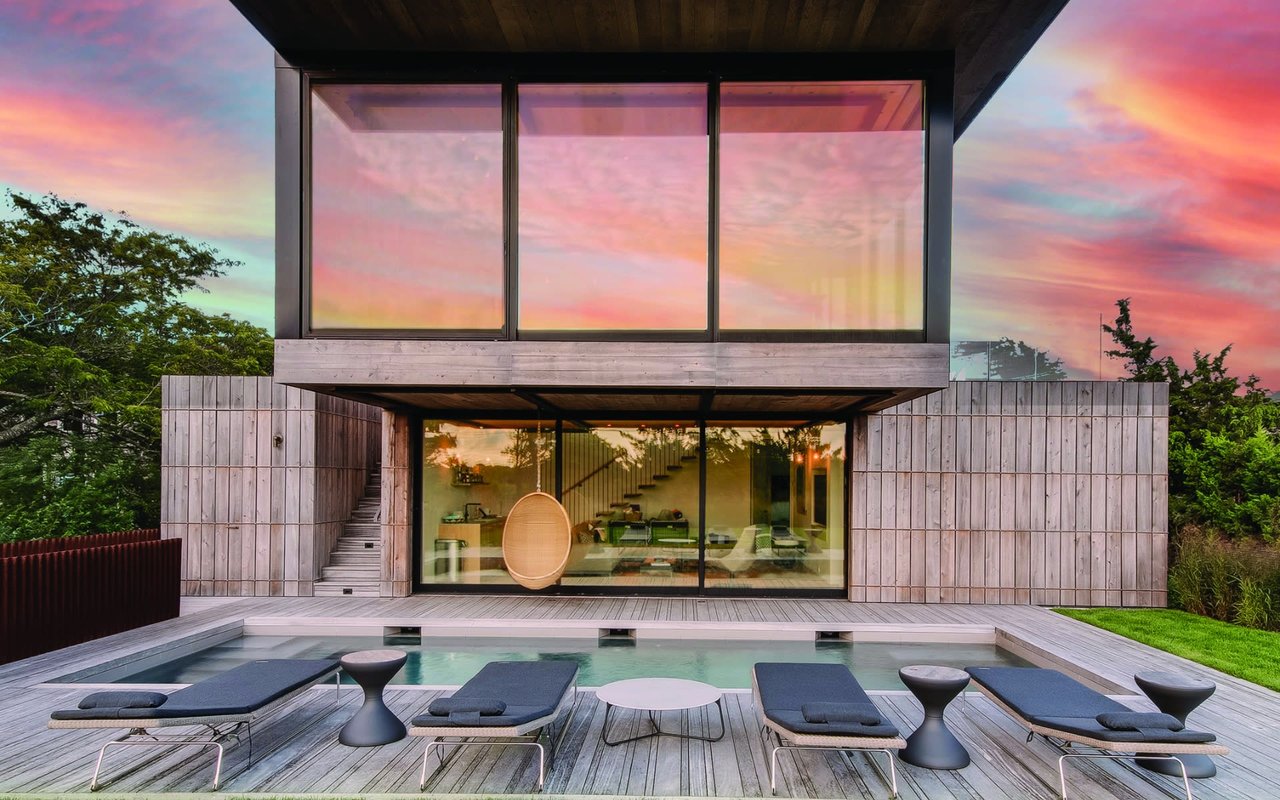
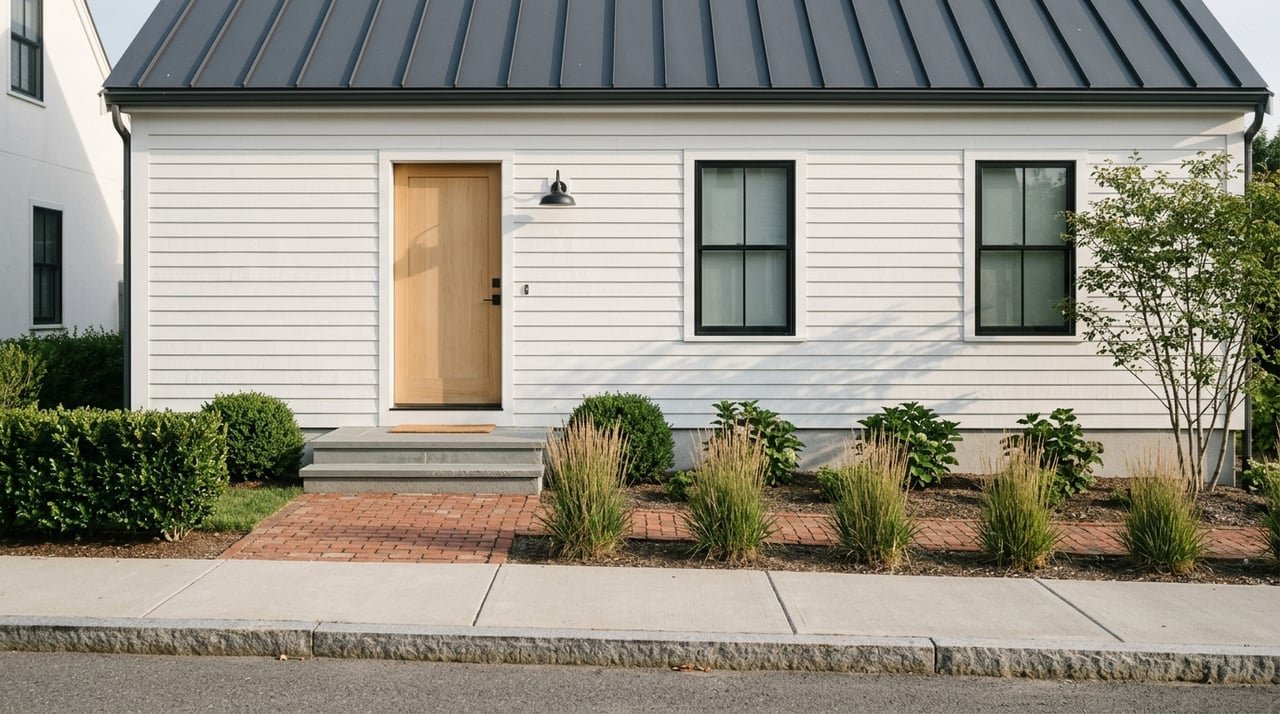
Outside the village, the housing stock is generally more varied and often more tied to parcel size and setting. That can be attractive if your priorities include customization, expansion potential, or fewer design constraints.
Price Differences Matter
The pricing gap between Southampton Village and the broader Southampton market is significant. Zillow’s current snapshot puts Southampton Village at a typical home value of $4,040,595 as of March 31, 2026, up 7.3% year over year.
Southampton overall was $2,151,864 as of February 28, 2026, up 7.2% year over year. On that basis, the village is trading at about 1.9 times the overall Southampton typical value.
Inventory signals also show a tighter village market. Zillow reports 34 active listings and 6 new listings in Southampton Village, compared with 144 active listings and 11 new listings across Southampton overall.
North Sea helps illustrate how quickly values can shift once you move beyond the village core. Zillow shows a typical home value there of $1,564,959. That does not make one area better than another, but it does show how strongly the village address currently influences pricing.
What You May Get for the Premium
A higher price in Southampton Village often reflects more than location alone. Buyers are paying for a particular blend of proximity, prestige, architectural identity, and access to village-centered amenities.
The village’s own historic guide argues that historic district protection tends to stabilize and often enhance property values. That view aligns broadly with the current premium shown in market data, even though every purchase should still be evaluated on its own merits.
From a resale perspective, the village address may support strong appeal for buyers who value a recognizable location and a lifestyle centered around town and beach access. Outside the village, the value proposition often shifts toward land, privacy, and flexibility per dollar.
How to Decide Based on Your Goals
The cleanest way to think about this market is as a spectrum. At the center, you have a more compact, amenity-rich environment. As you move outward, the setting often becomes more spacious and parcel-driven.
If you are trying to decide where you belong on that spectrum, start with the questions that most affect day-to-day ownership:
- Do you want to walk to shopping and village amenities?
- Is close proximity to the ocean a top priority?
- Would you rather have more land and deeper setbacks?
- Are you comfortable with historic district review for visible exterior changes?
- Are you paying for address prestige, or for lot size and flexibility?
- Are you thinking mainly about lifestyle, long-term value, or both?
For many buyers, the right answer is not simply village or outside town. It is finding the point on the Southampton map where your lifestyle goals and asset goals line up.
A Practical Buyer Framework
If your priority is convenience and a classic village-centered Hamptons experience, Southampton Village is usually the clearest fit. You are more likely to find the compact layout, beach concentration, and everyday ease that make the village distinct.
If your priority is space, privacy, and a wider set of lot-size options, it often makes sense to look outside the village in Town of Southampton districts with larger parcels. That path can offer more flexibility and more land value, especially if you are less concerned with being in the center of town.
The best choice comes from comparing specific properties through a clear lens. In my experience, buyers make the strongest decisions when they weigh zoning, setbacks, renovation limits, and pricing together rather than focusing on the address alone.
When you look at Southampton this way, the decision becomes less emotional and more useful. You can match the home to the way you actually want to live, while keeping an eye on how the property may perform over time.
If you want help comparing Southampton Village with outside-town options in a more tailored way, Michael Petersohn can help you evaluate the tradeoffs with a local, data-driven perspective.
FAQs
Is Southampton Village separate from Southampton Town?
- Southampton Village is one of seven incorporated villages within the Town of Southampton, so the choice is usually between the village core and other Southampton areas rather than between unrelated markets.
Does a Southampton Village address always mean smaller lots?
- No. Village residential districts range from 7,500-square-foot lots up to 120,000-square-foot lots, so some village sections are compact while others are much more open.
Do homes outside Southampton Village offer more privacy?
- Often, but not automatically. Privacy usually depends more on lot size and setback rules, and larger Town of Southampton districts can provide deeper setbacks and larger parcels.
Are renovation rules stricter in Southampton Village?
- They can be, especially in the historic district, where visible exterior changes are reviewed by the Board of Architectural Review and Historic Preservation.
Is Southampton Village more expensive than surrounding areas?
- Yes, based on the research provided. Zillow shows Southampton Village with a typical home value of $4,040,595, compared with $2,151,864 for Southampton overall.
Who should consider buying outside Southampton Village?
- Buyers who prioritize more land, greater privacy, and fewer exterior design constraints may find a better fit in non-village Southampton locations.