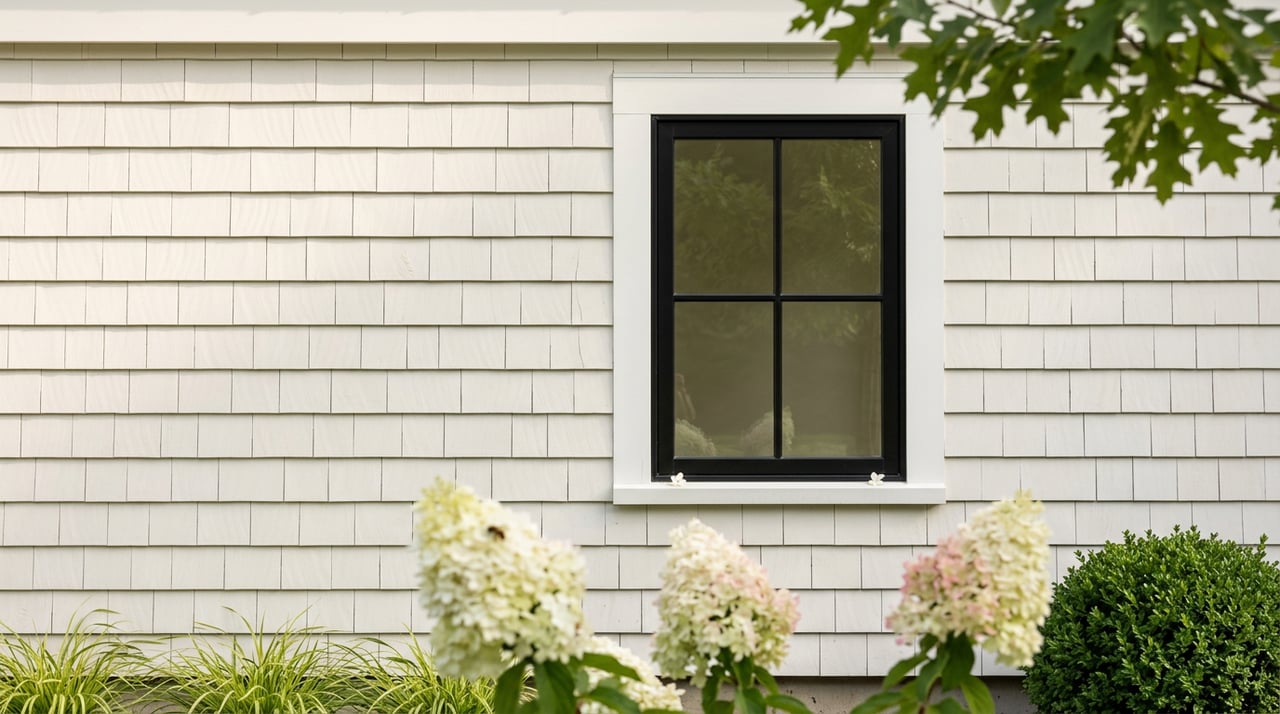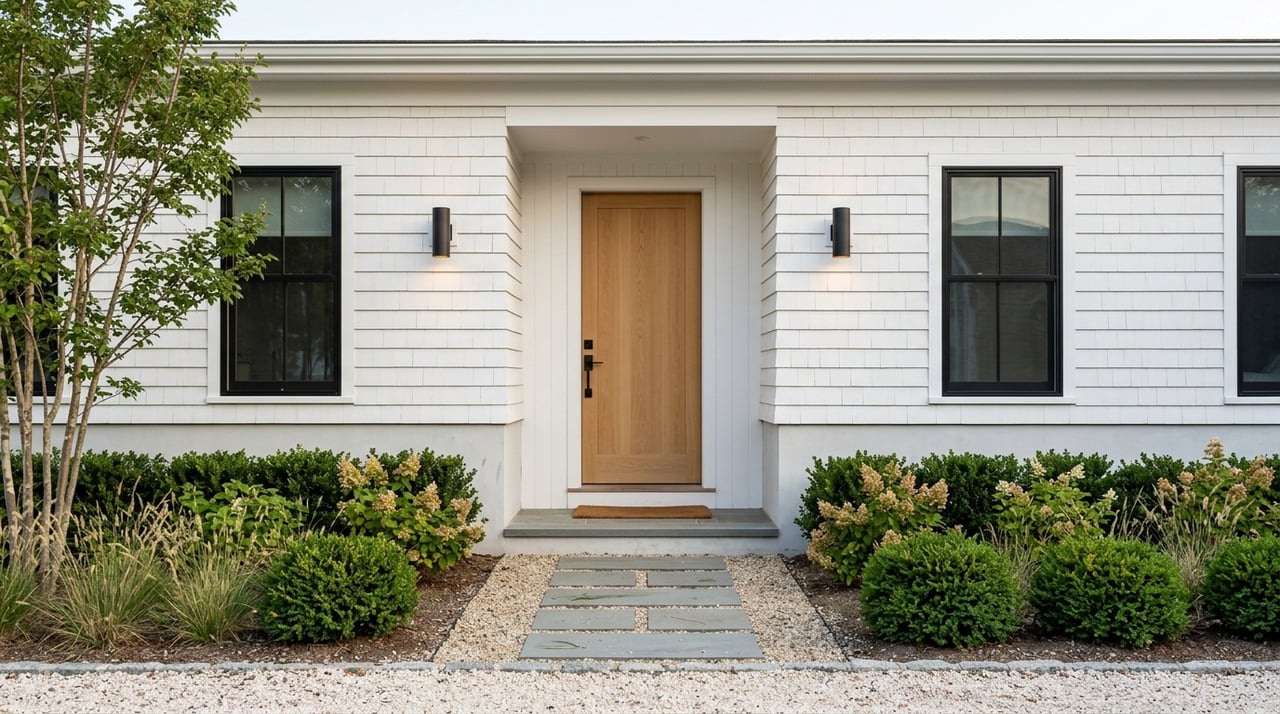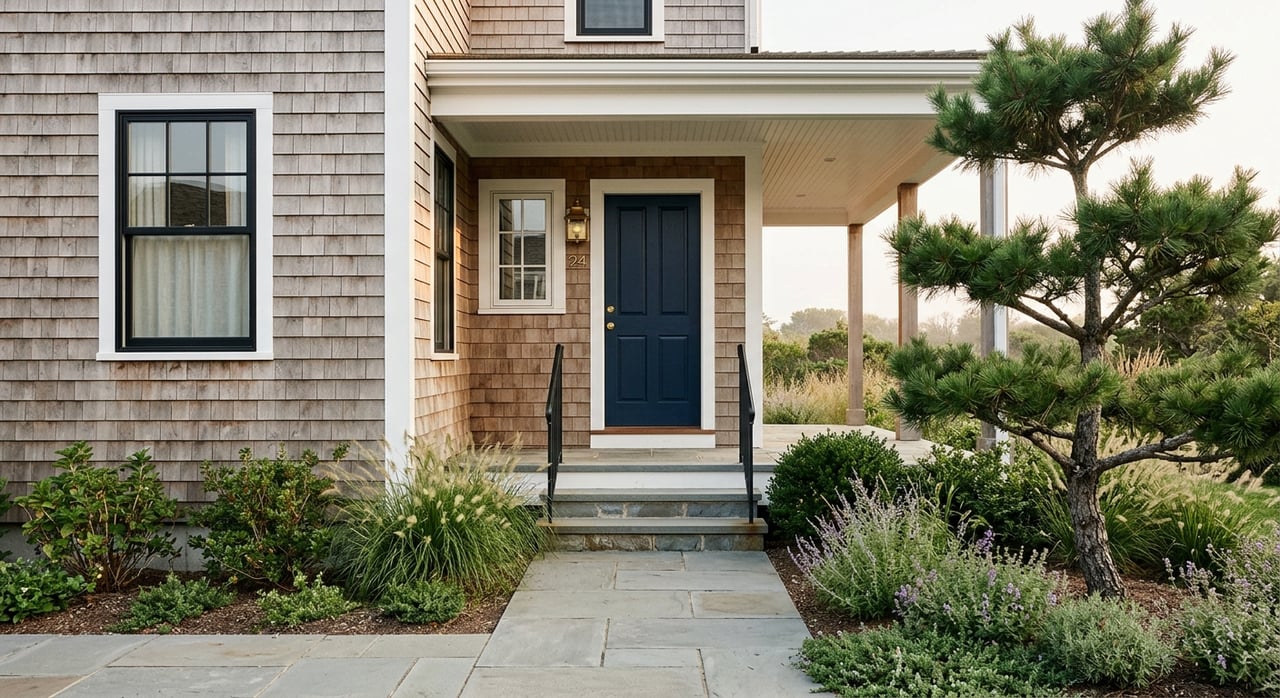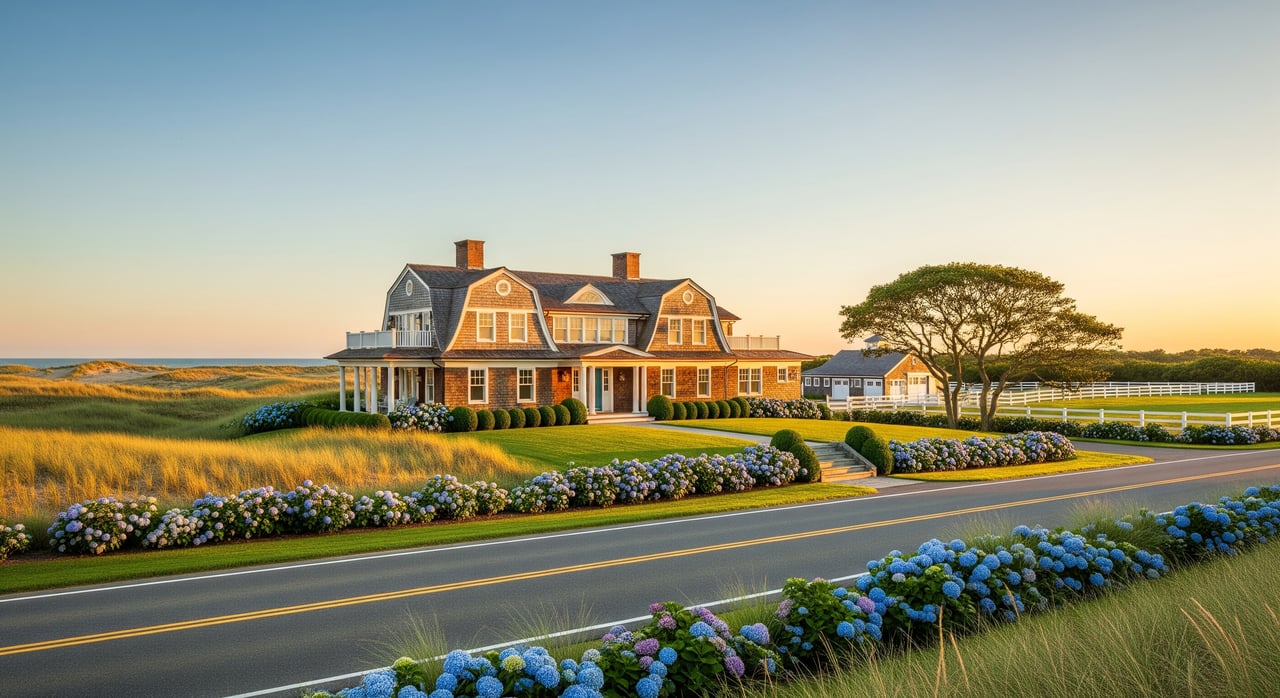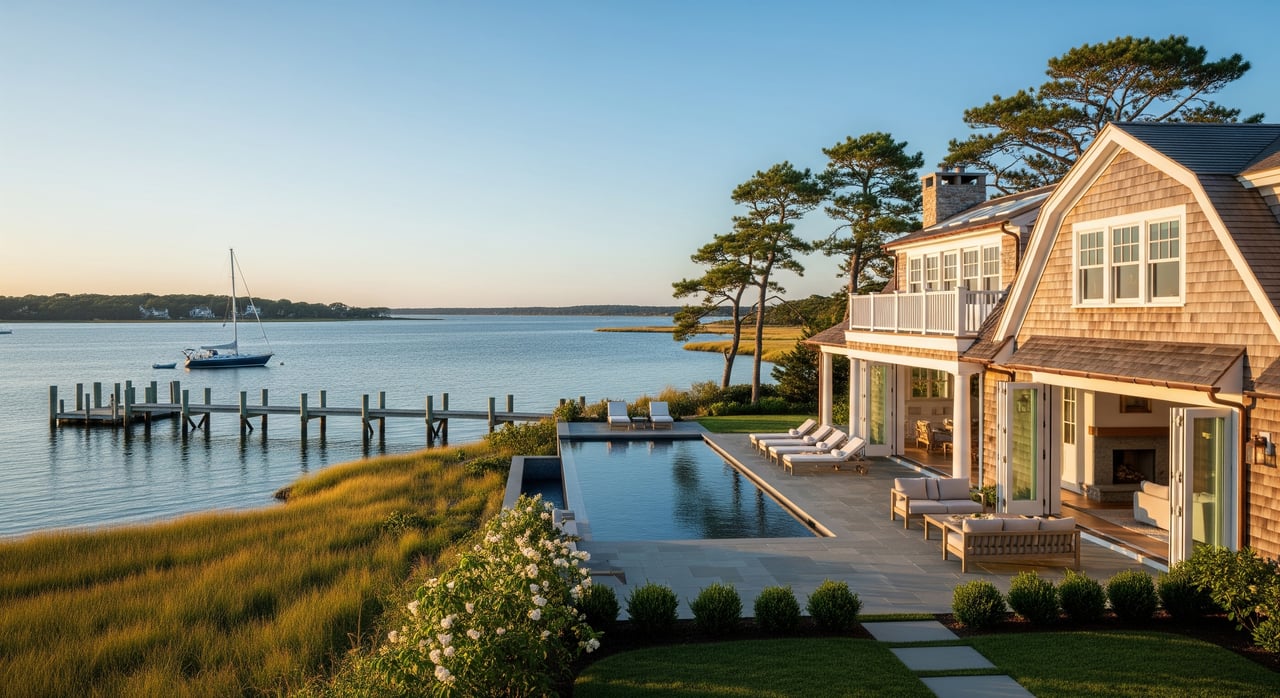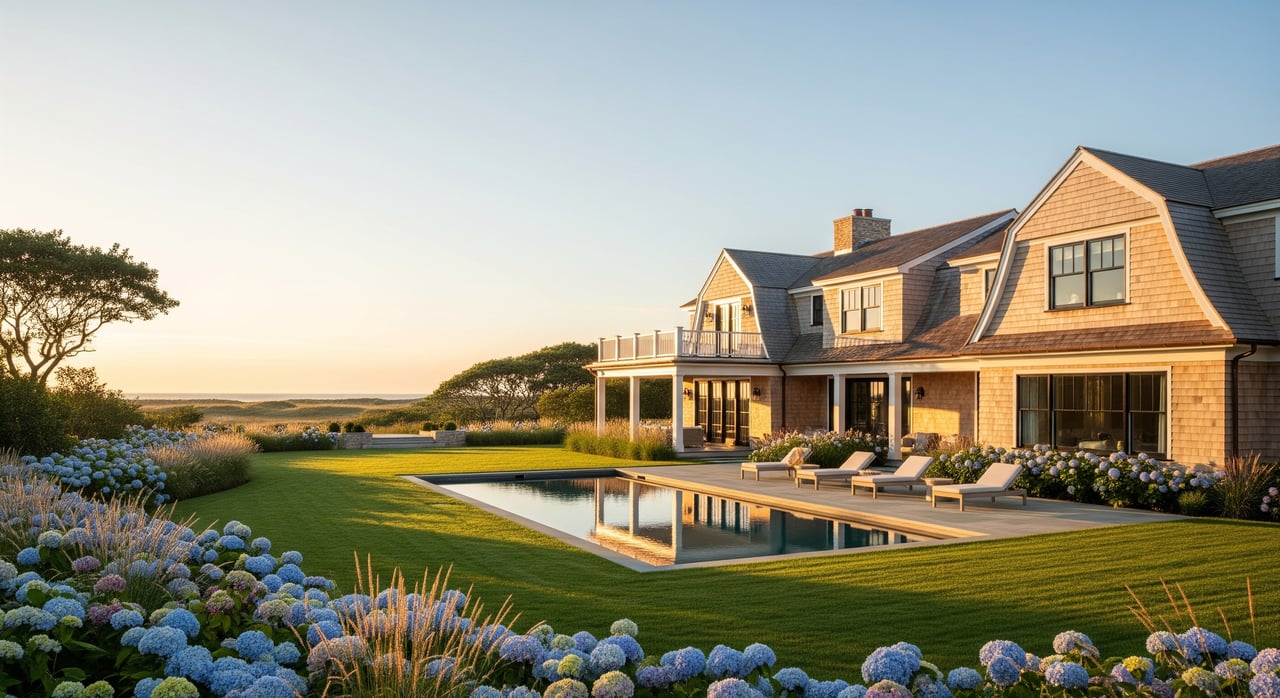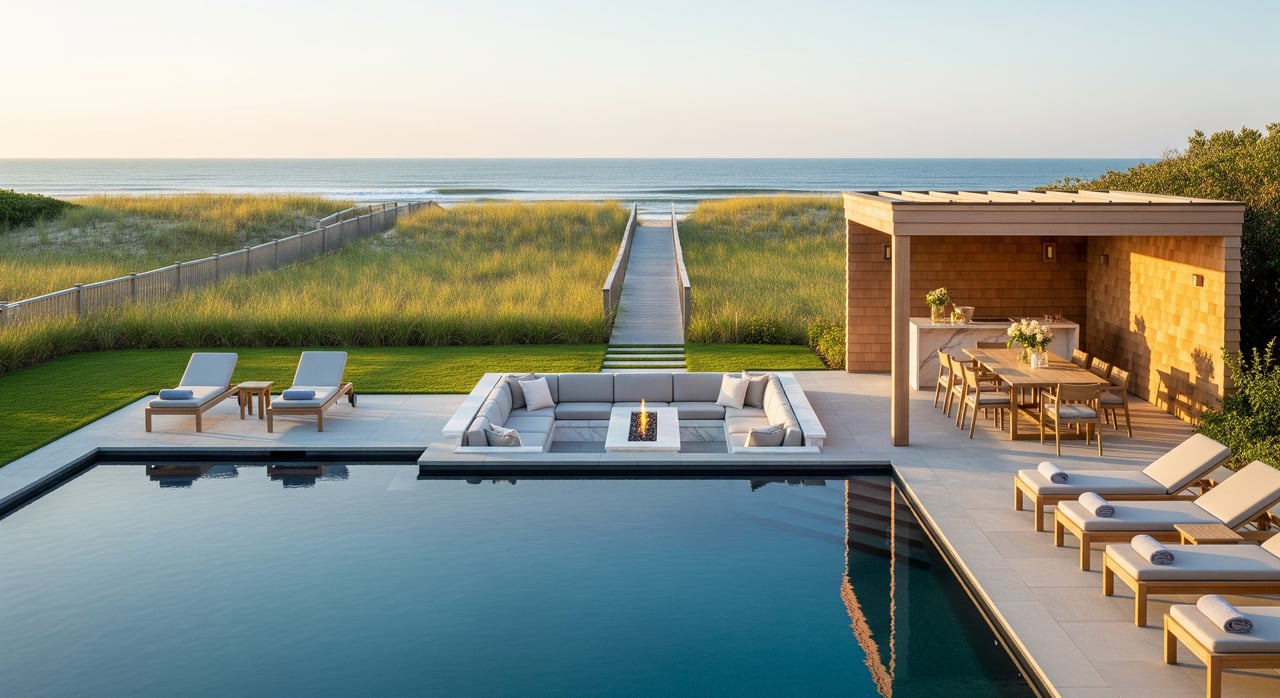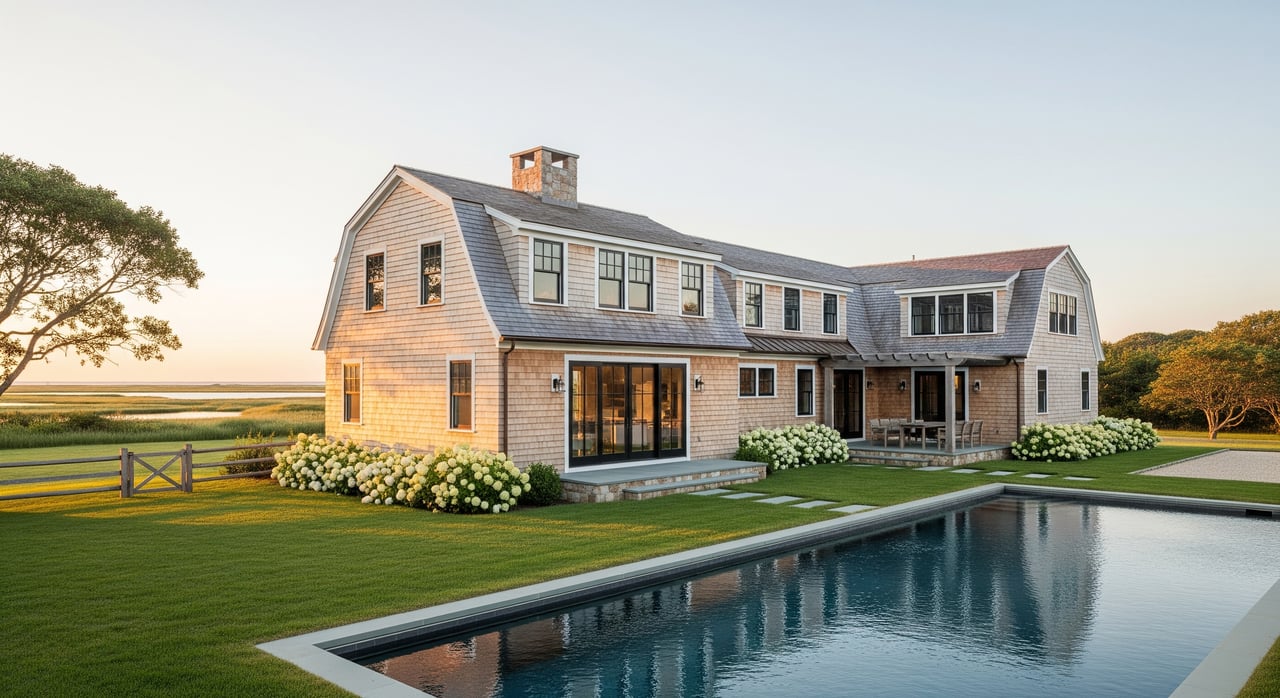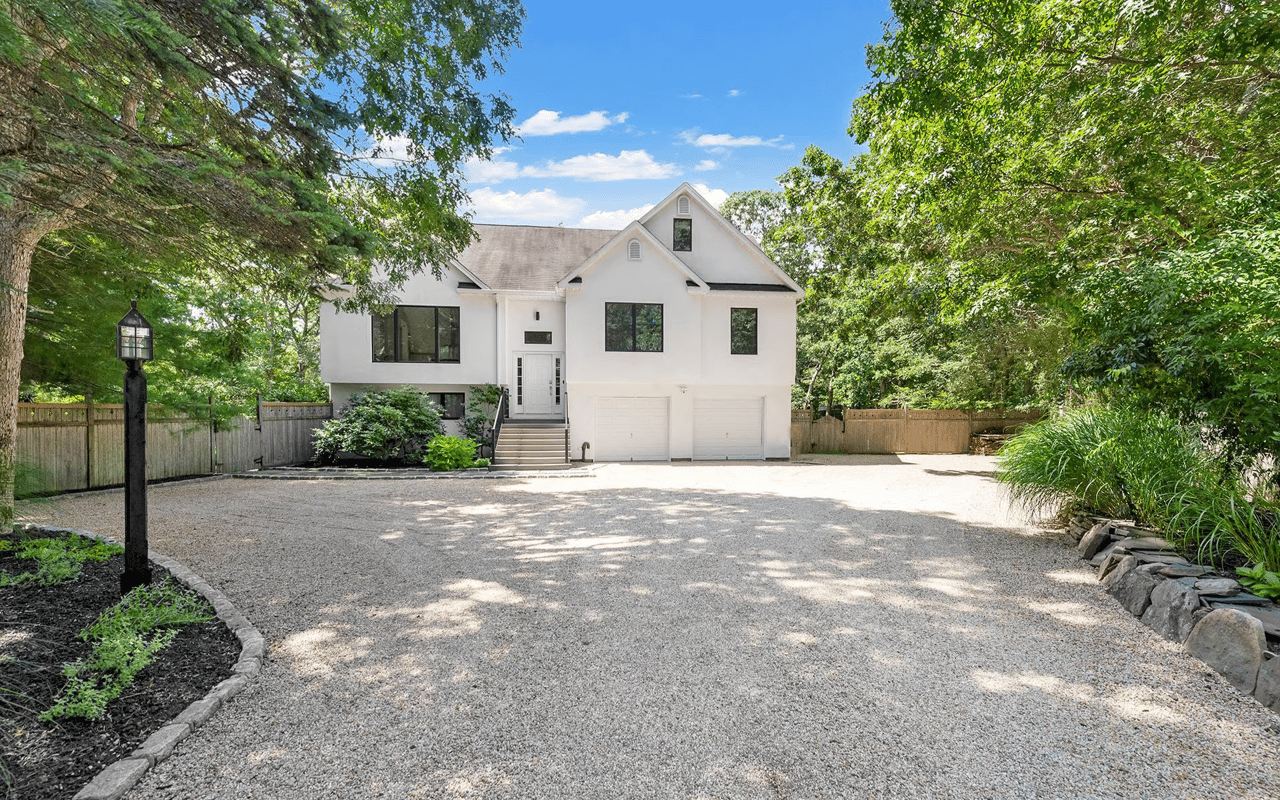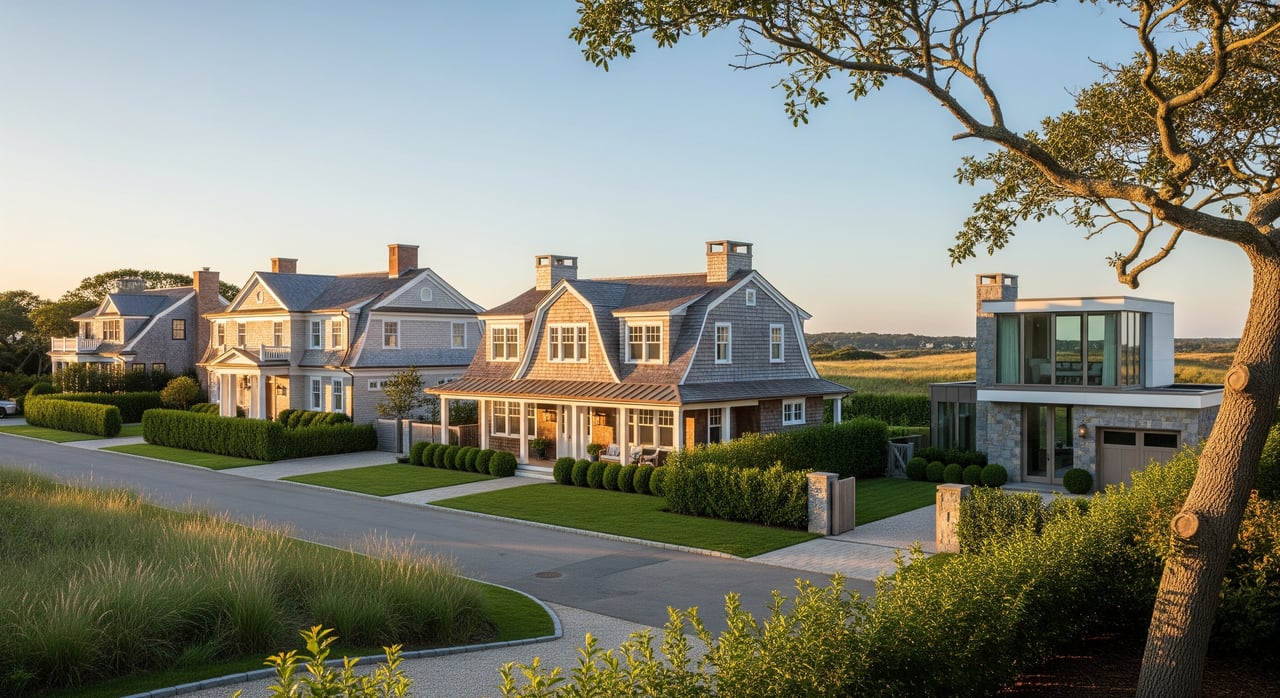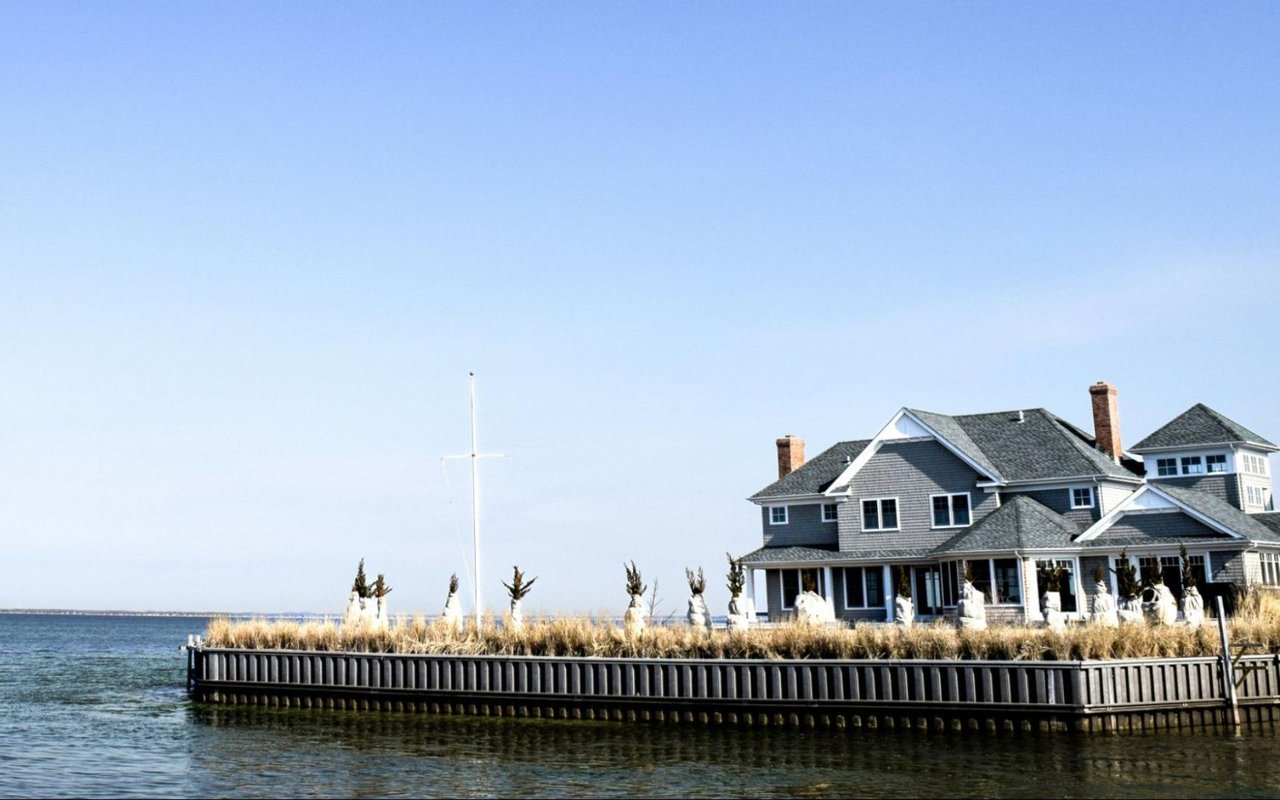
If you own a cottage in Sag Harbor, size is not the whole story. In a village where summer living is shaped by walkability, waterfront access, and a compact historic core, a smaller home can compete very well when it is positioned correctly. The key is to present your property as easy, polished, and fully rent-ready for high season. Let’s dive in.
Why cottages can work in Sag Harbor
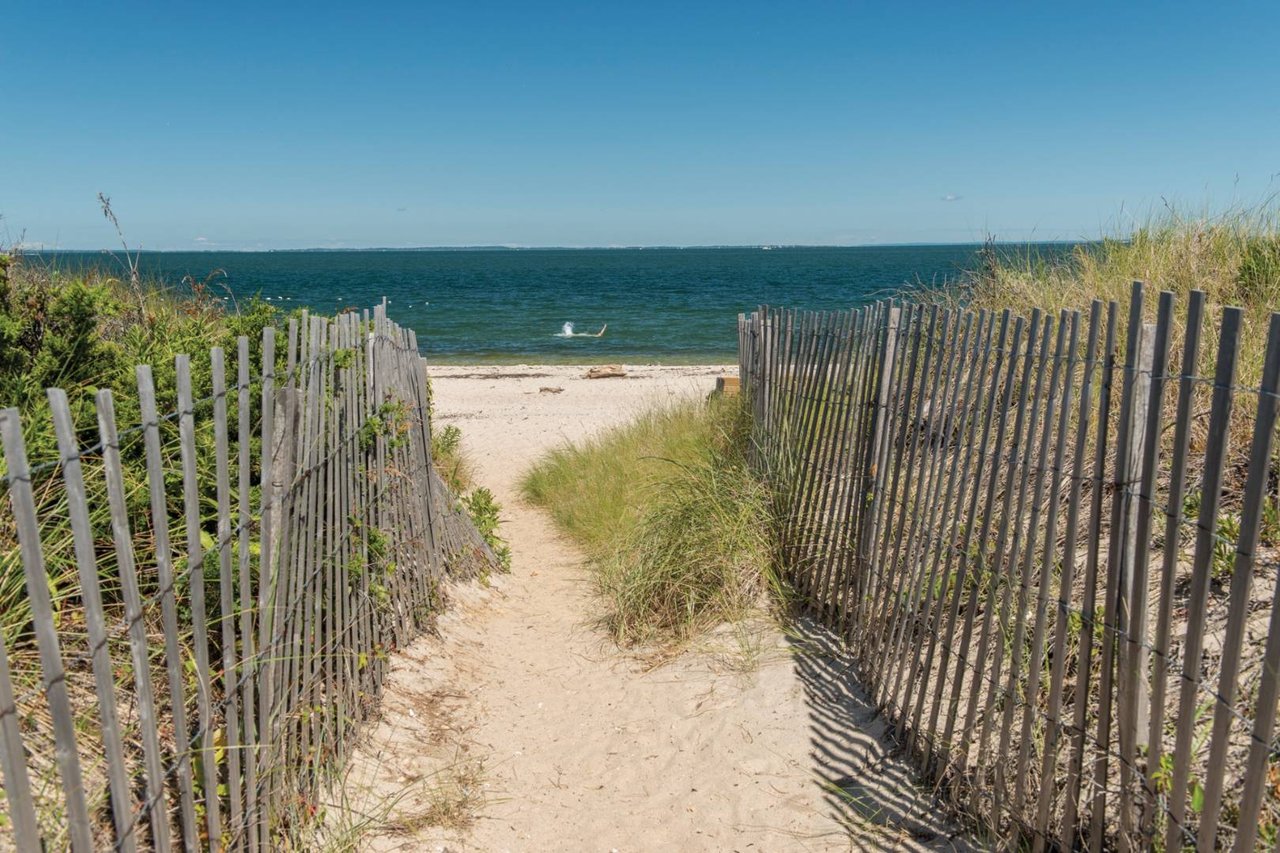
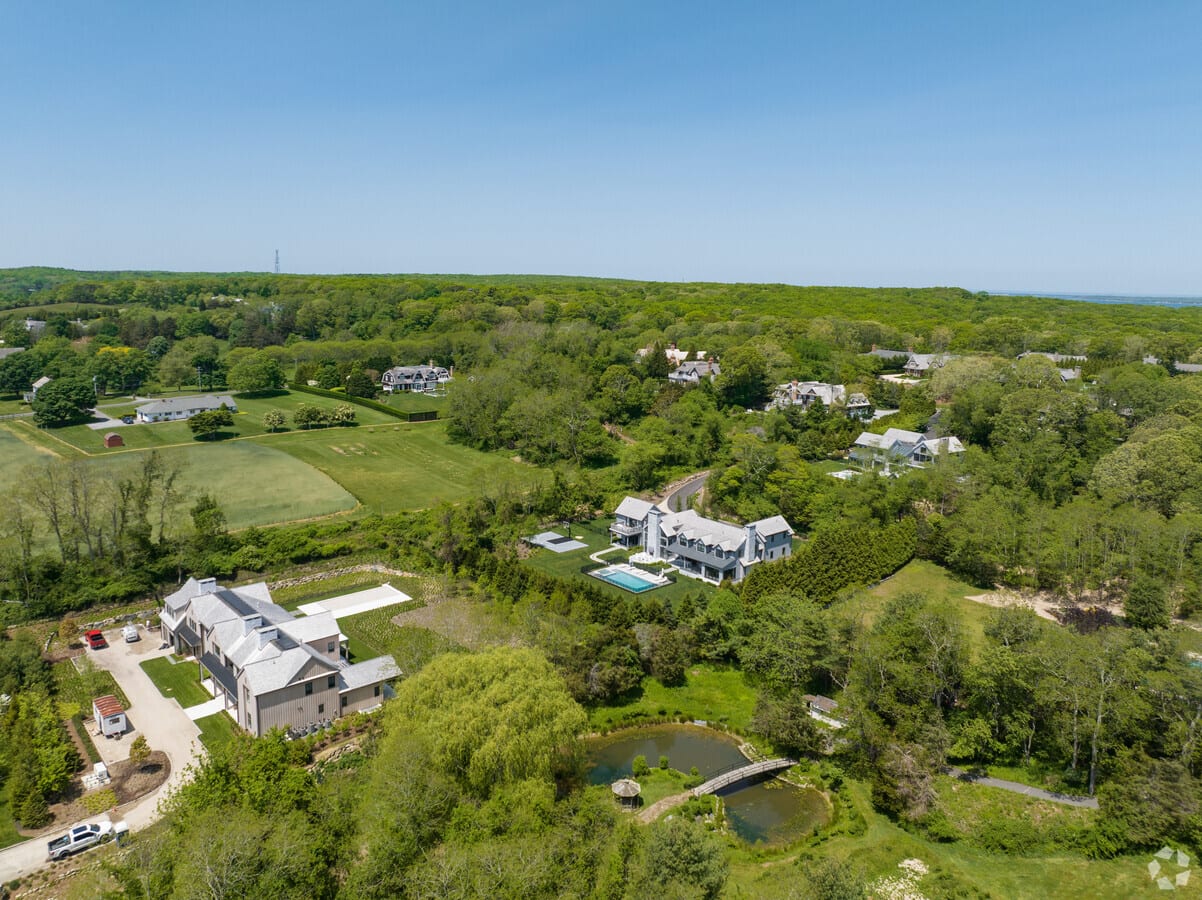
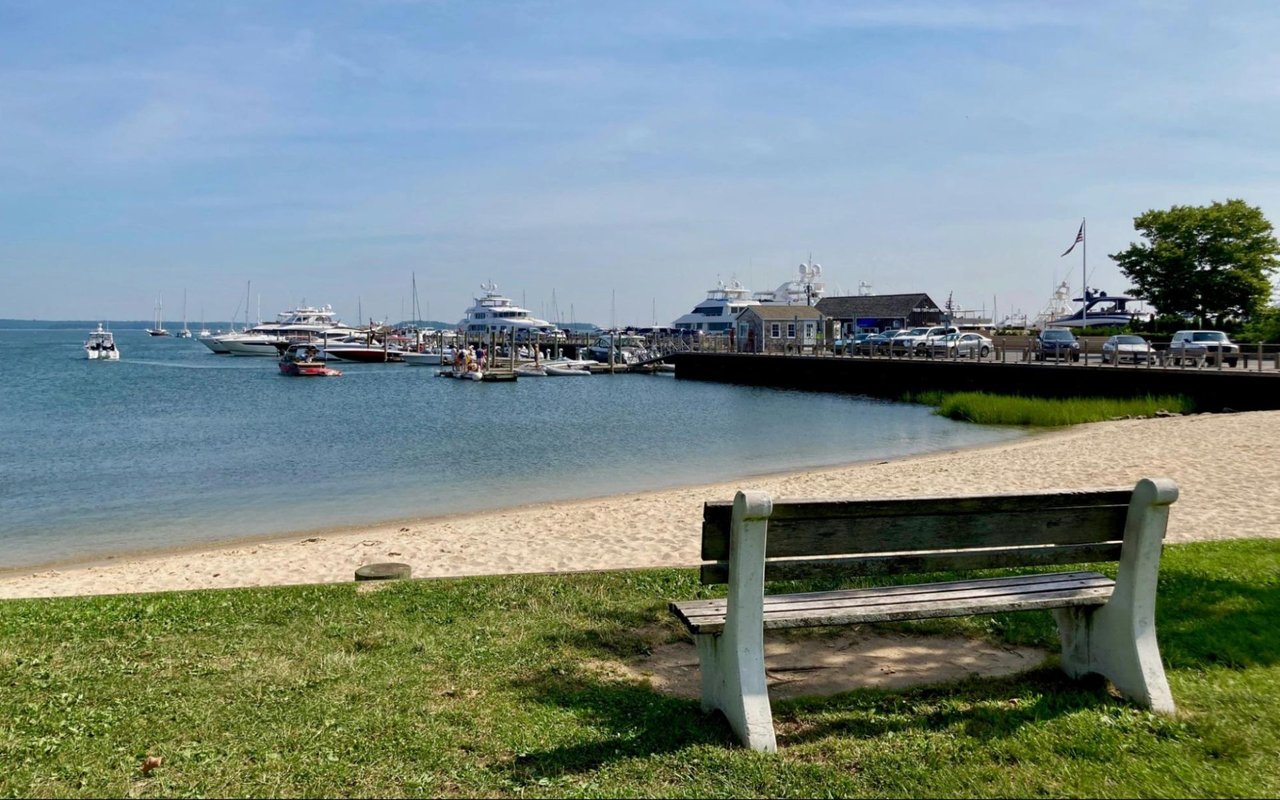
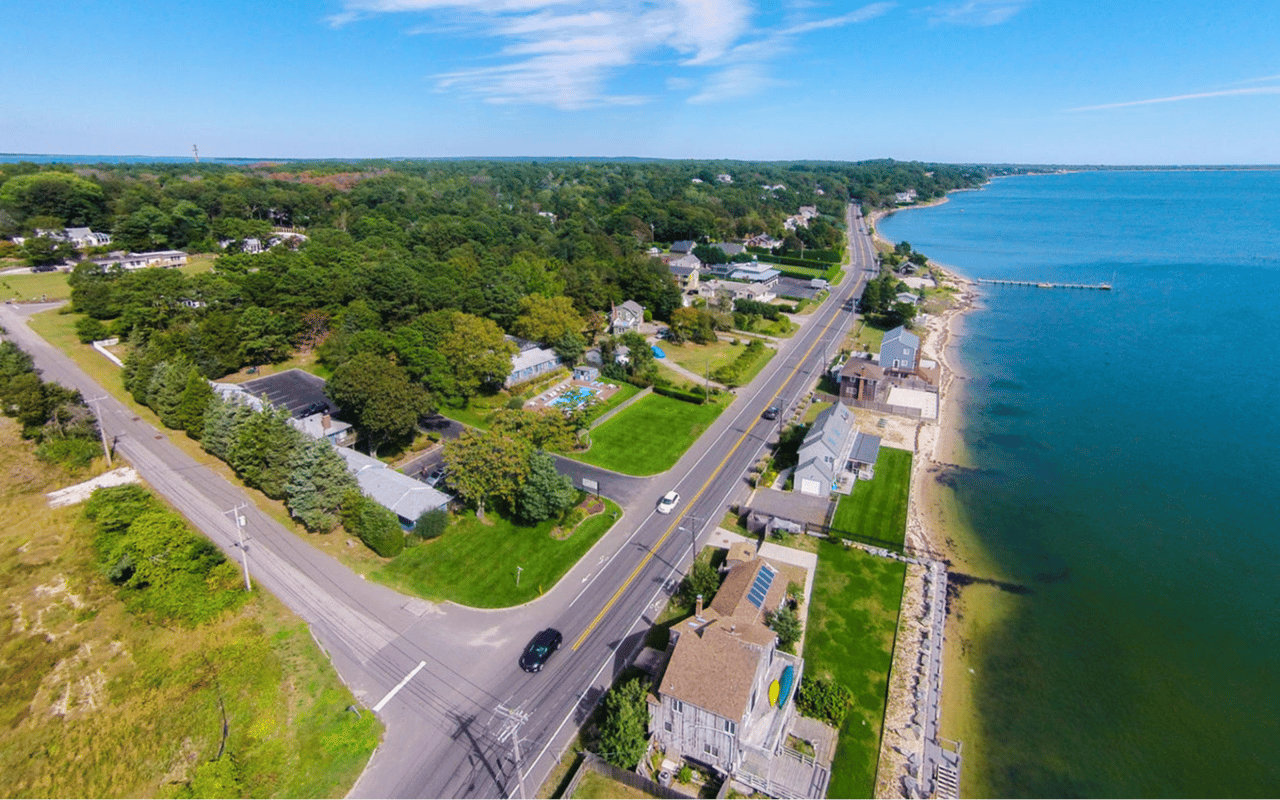
Sag Harbor’s incorporated village is only about 1.72 square miles, with roughly 3.3 miles of shoreline. Village planning materials describe it as a historic seaport and country village organized around Long Wharf, and local materials note that marina facilities are a short walk from shops, restaurants, and public bus transportation. That matters because renters are often choosing a lifestyle as much as a house.
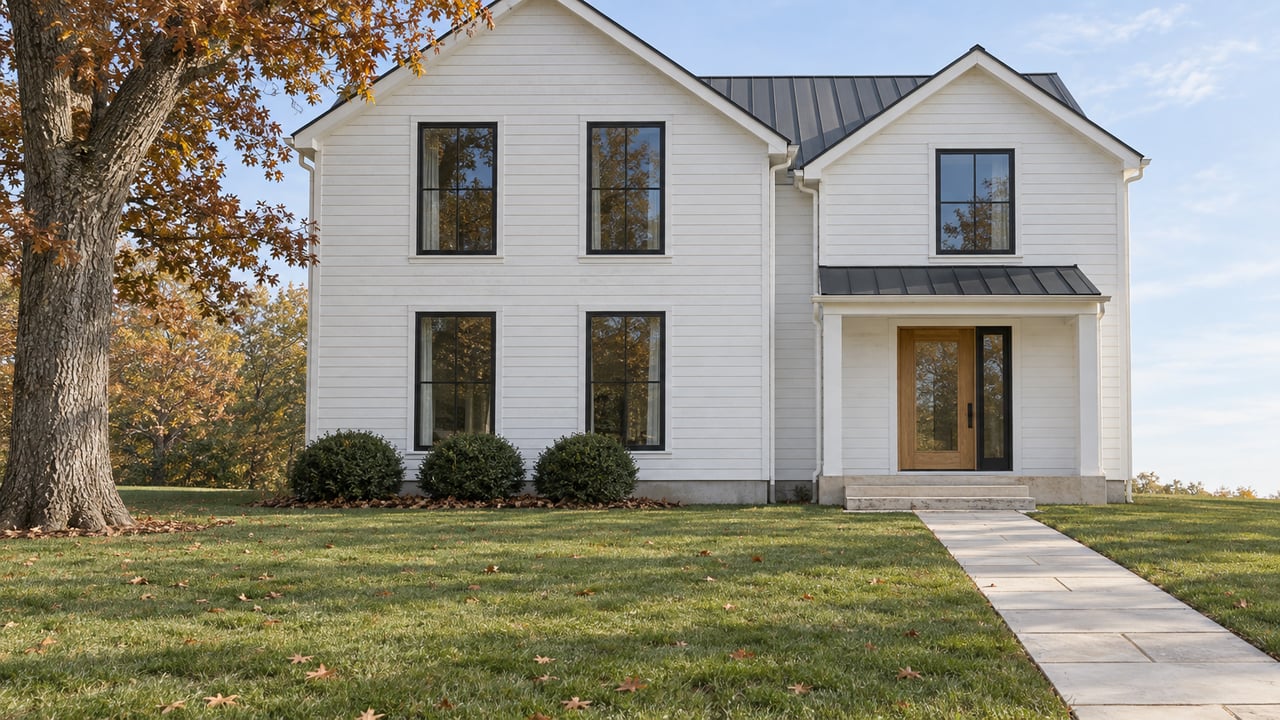
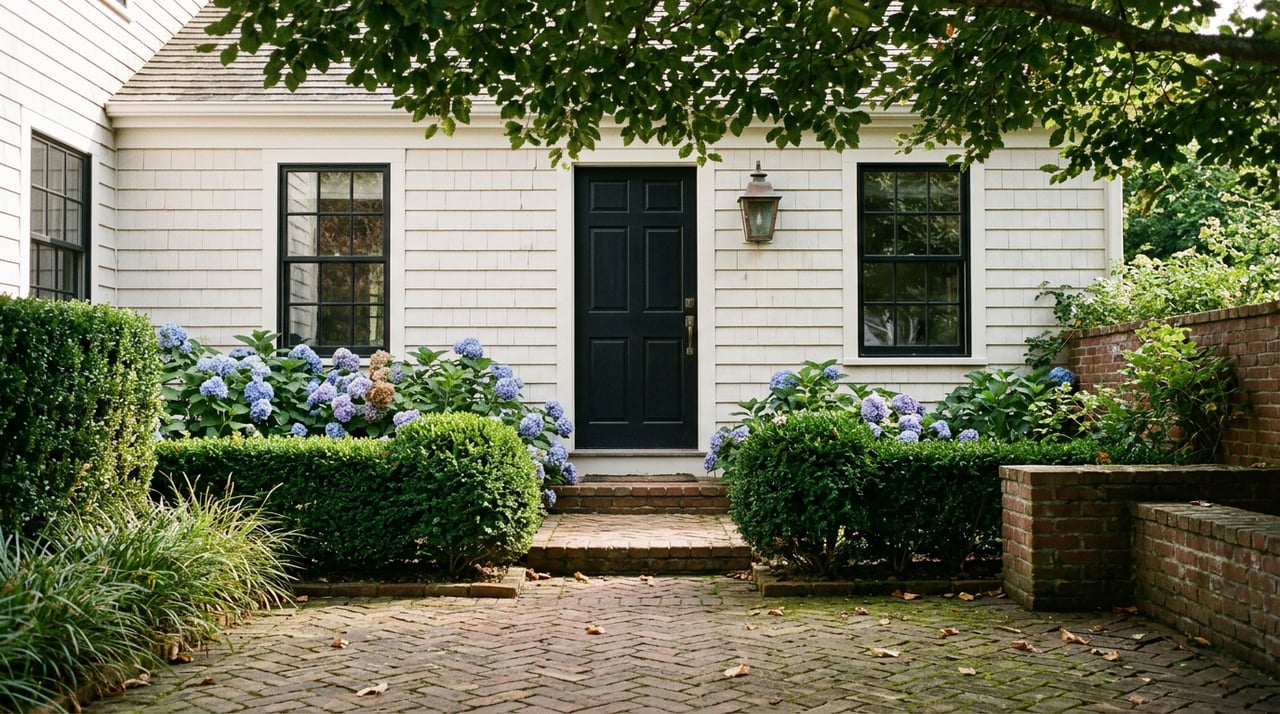
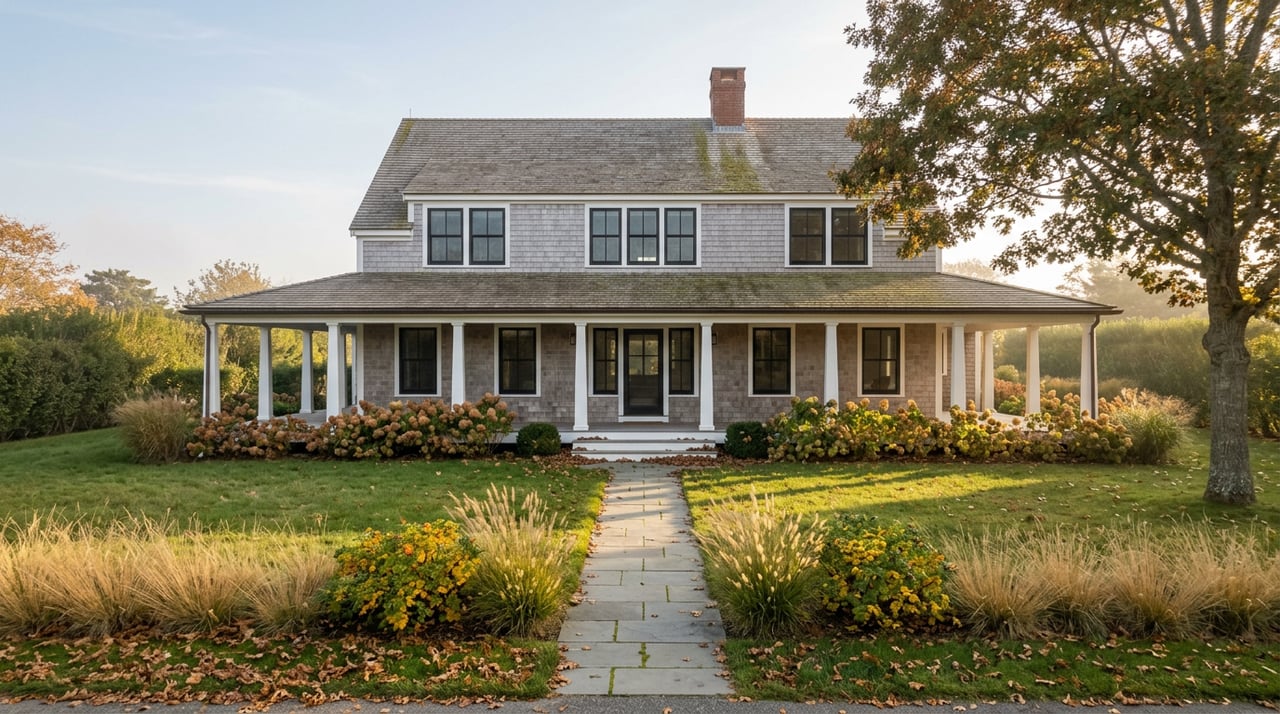
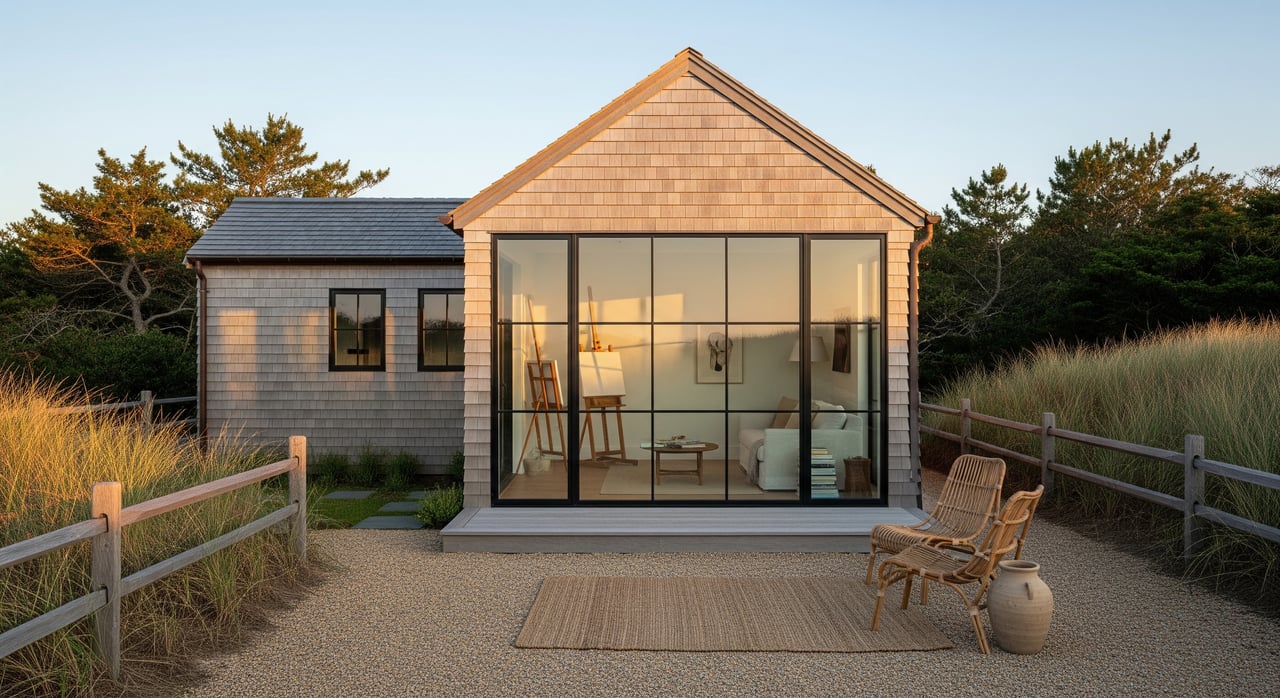
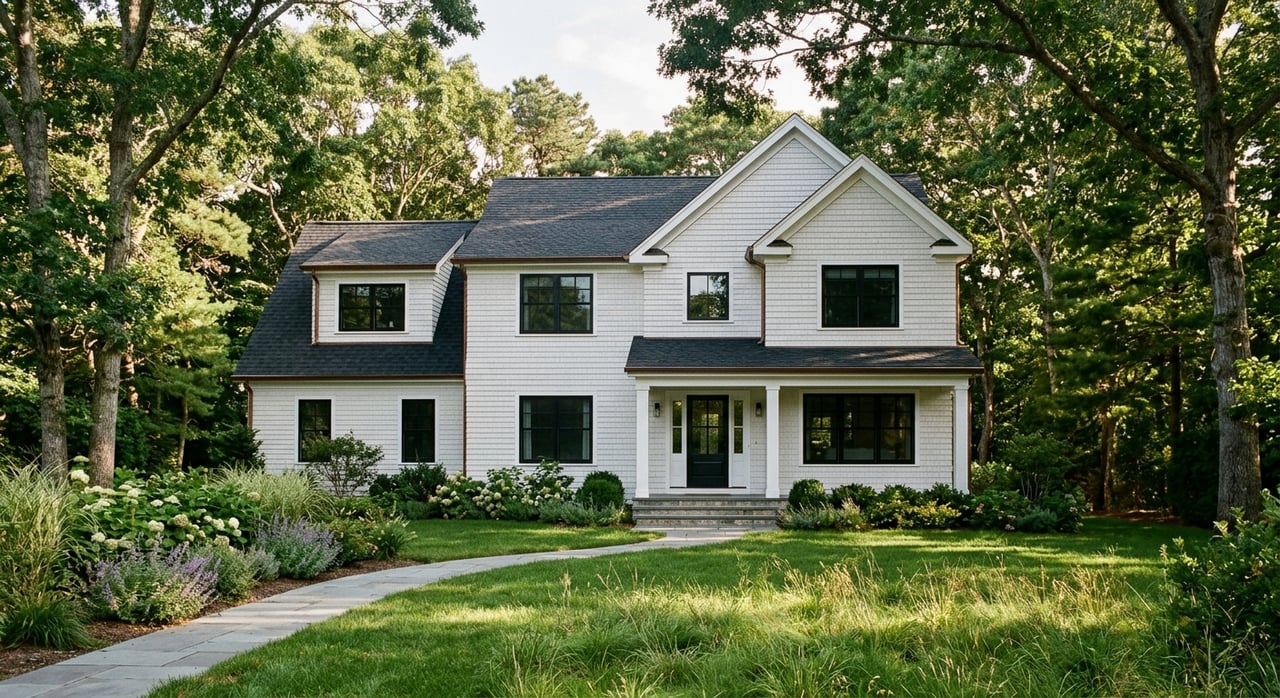
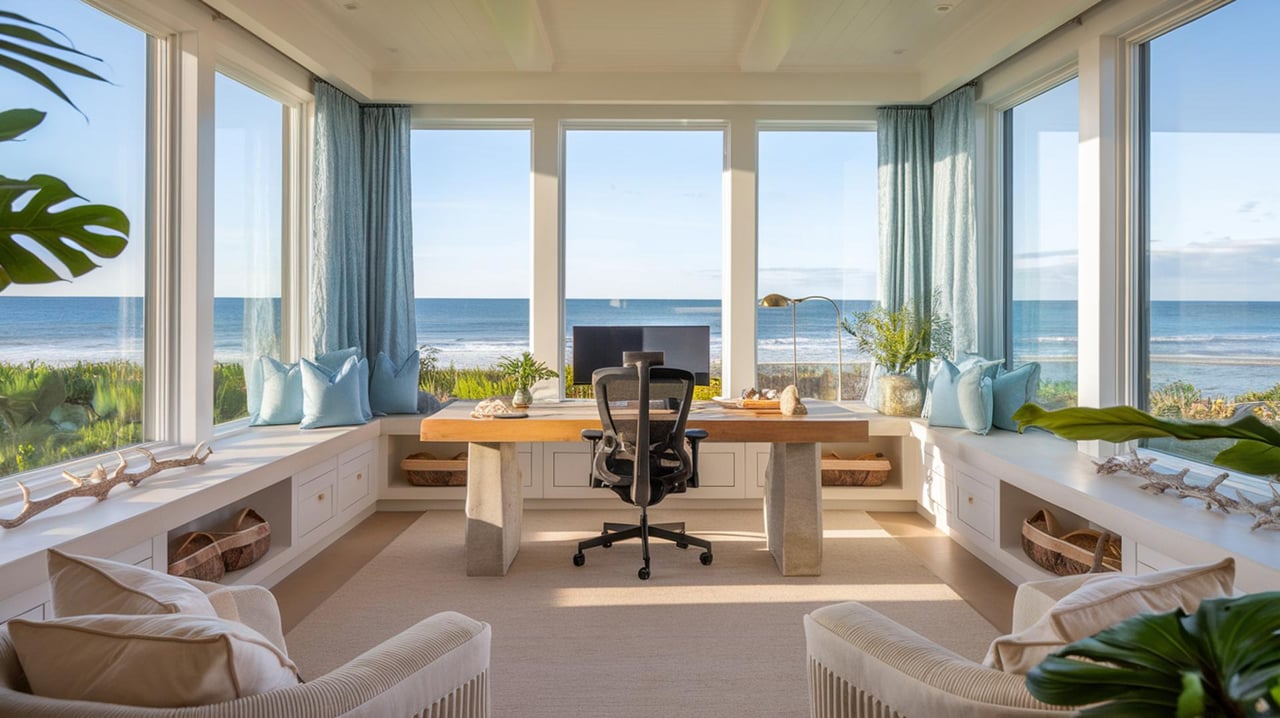
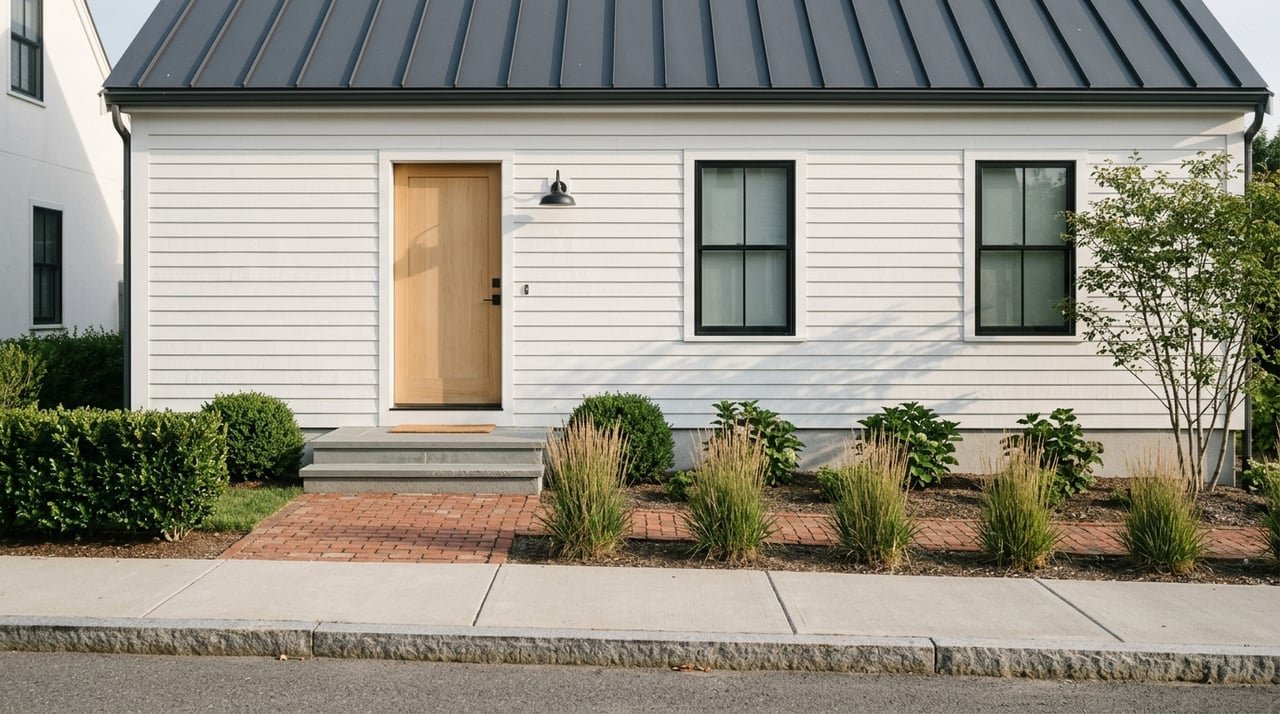
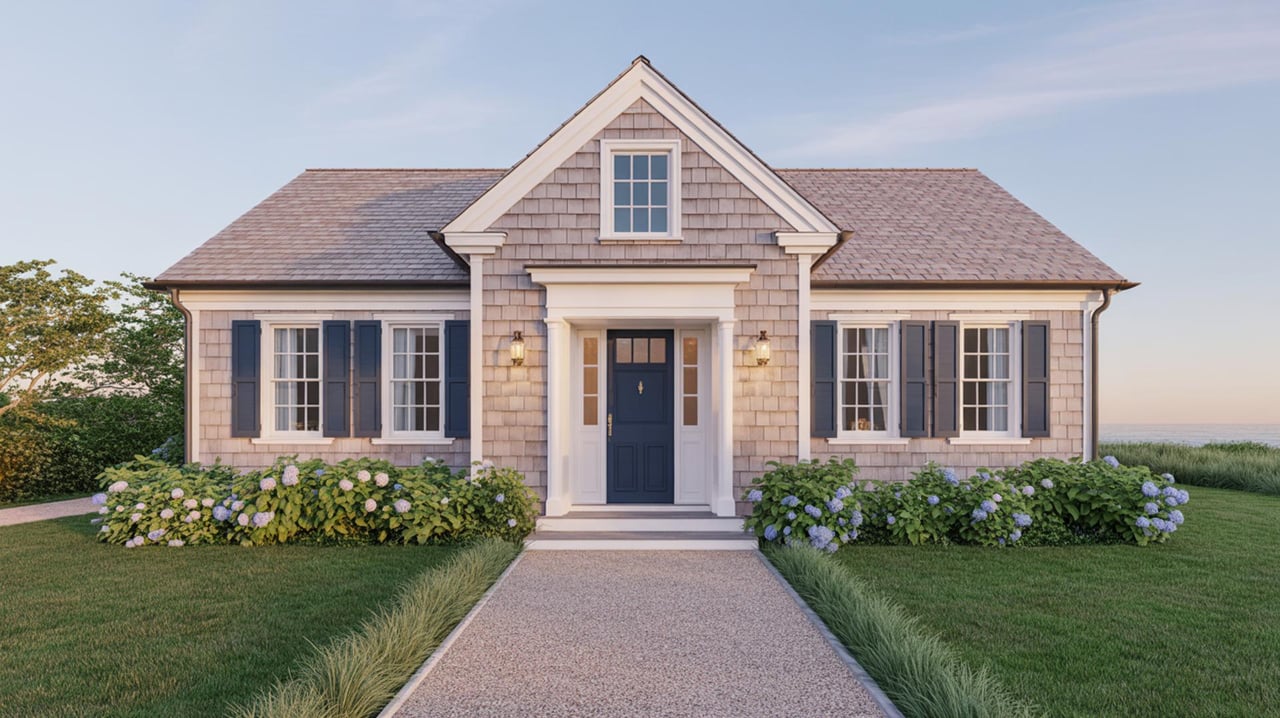
For a cottage owner, this creates a real opportunity. You do not always need to compete on square footage if you can compete on convenience, character, and access. A well-positioned cottage can appeal to renters who want a stay that feels simple to enjoy from the moment they arrive.
The village also sees a sharp rise in seasonal population from May through October. That seasonal rhythm supports the value of homes that are easy to use for summer living, whether that means walking into the village, spending time on the water, or coming back to a comfortable outdoor setup after dinner. In Sag Harbor, the rental story is often village-centered, not just oceanfront-centered.
What high-season renters are really paying for
High-season renters usually respond to a combination of usability, presentation, and timing. In Sag Harbor, current asking rents suggest that smaller cottages can perform well when they feel efficient, updated, and easy to occupy. The lesson is straightforward: renters want a home that lives well.
Recent active listings show that compact cottages are still drawing meaningful asking rents. Examples in the current market include a renovated 2-bedroom summer cottage asking $10,000 for June, a 3-bedroom cottage asking $15,000 for June, and a 2-bedroom coastal cottage asking $21,250 for June. Those figures suggest that polish and positioning can matter as much as size.
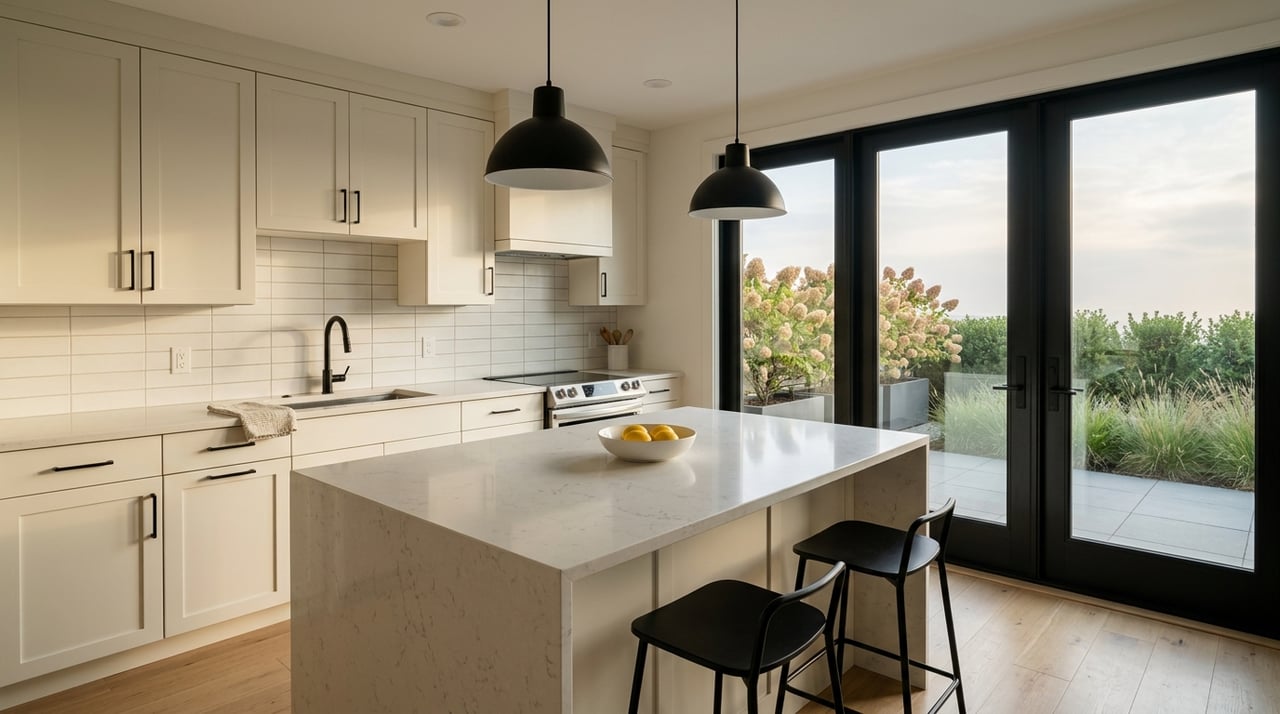
This is especially important if your property is not a trophy waterfront home. Your advantage may come from creating a stay that feels turnkey and relaxed. Clean furnishings, sensible layout, working summer amenities, and a clear lifestyle message can go a long way.
Focus on livability first
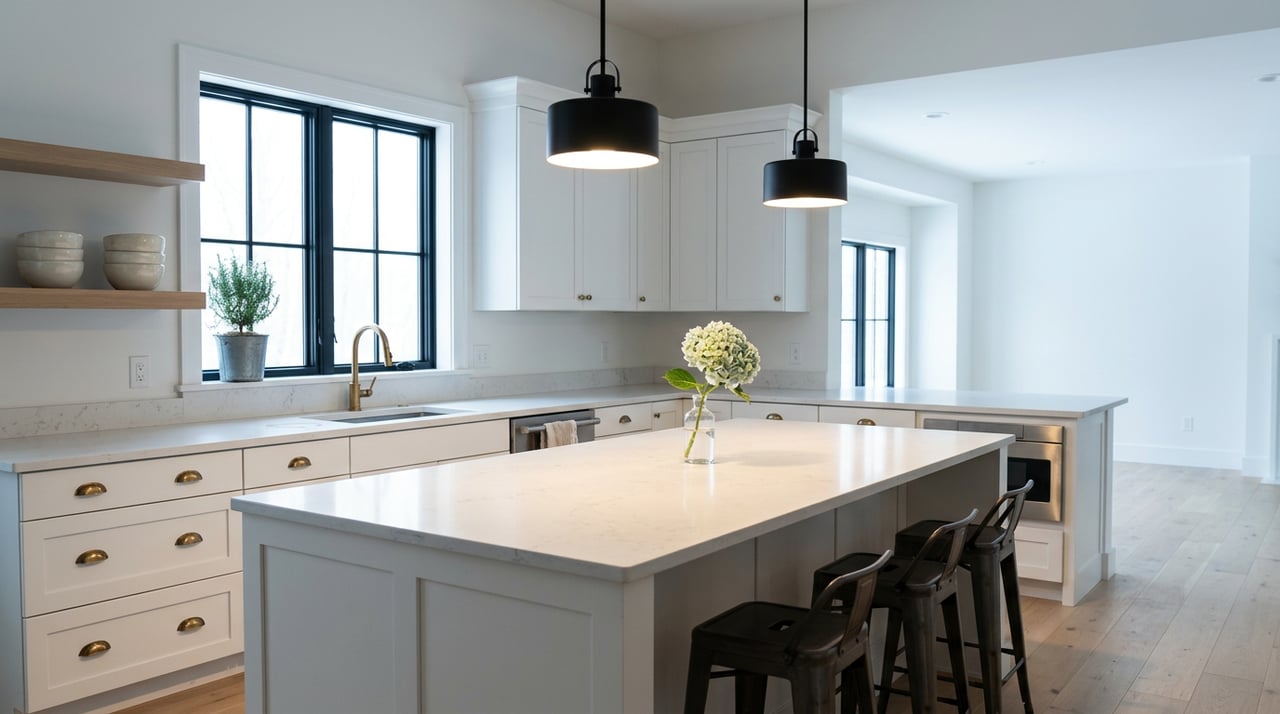
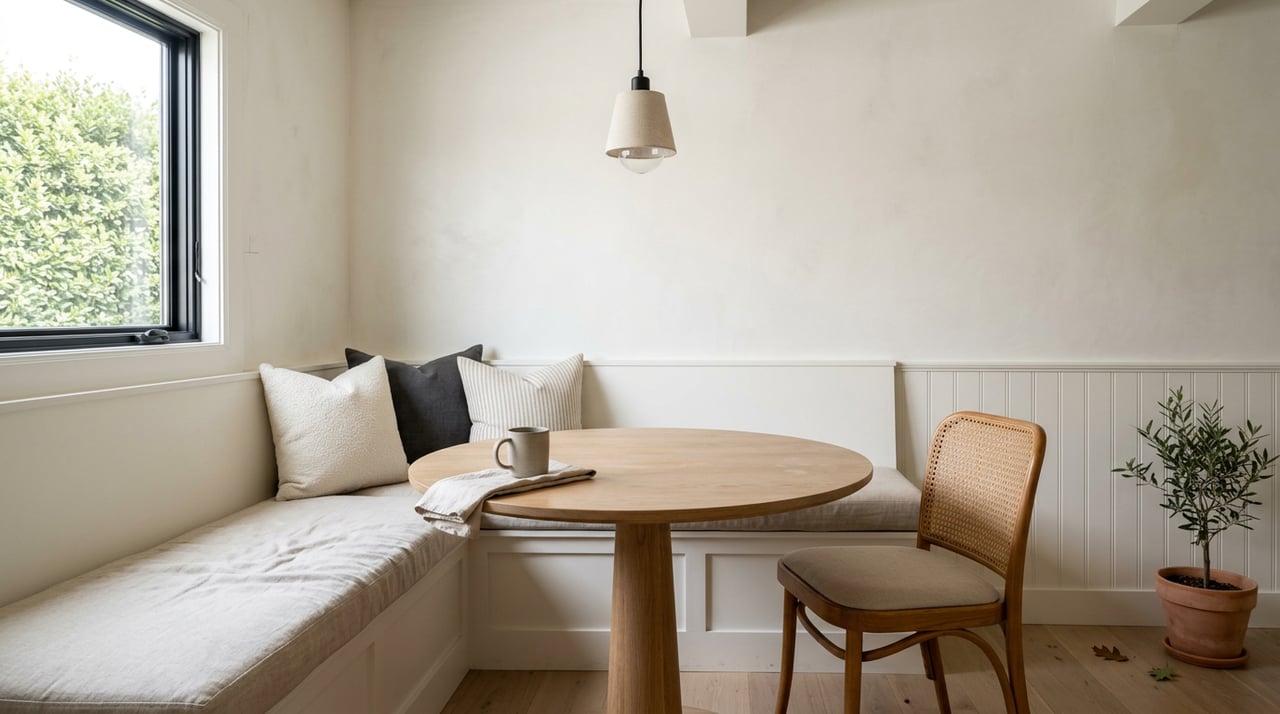
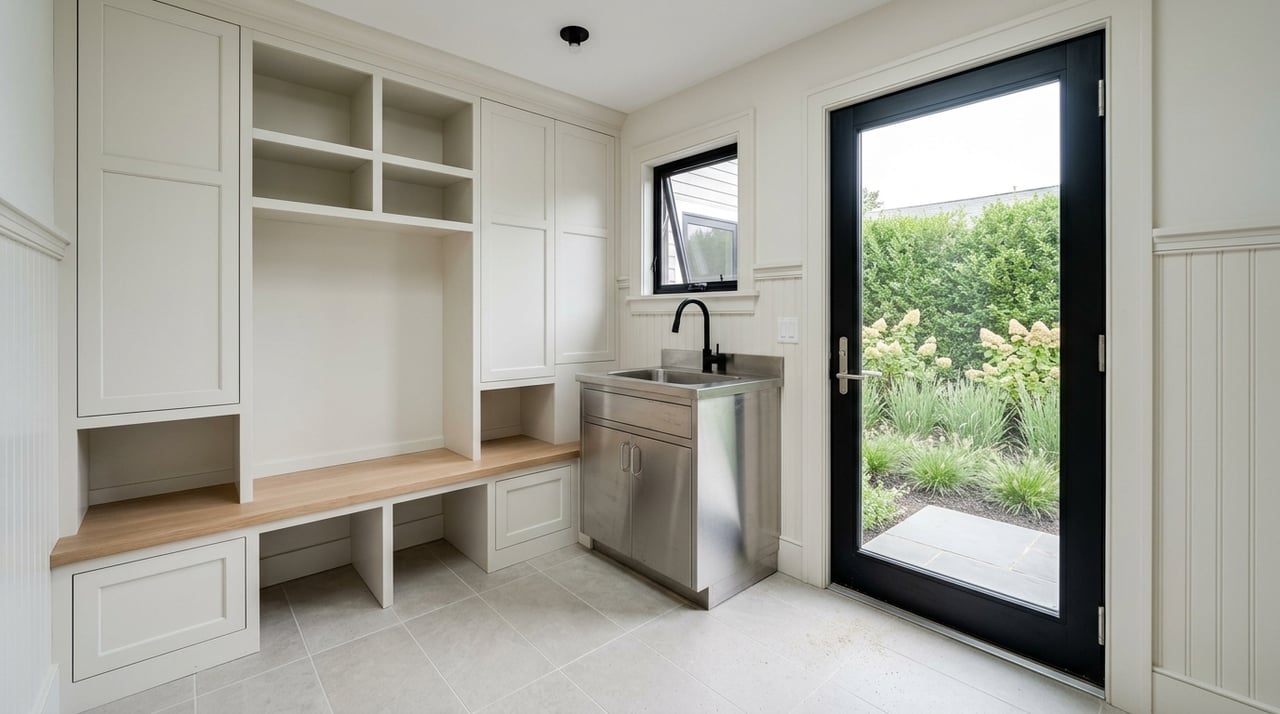
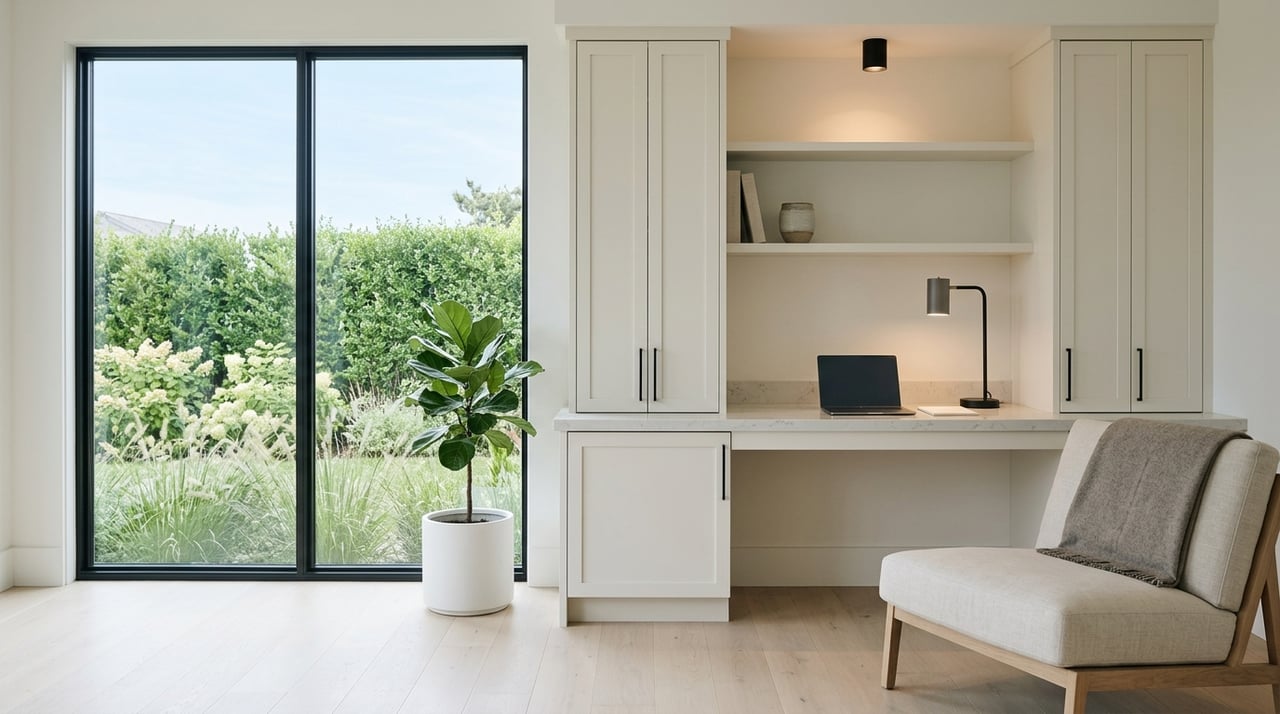
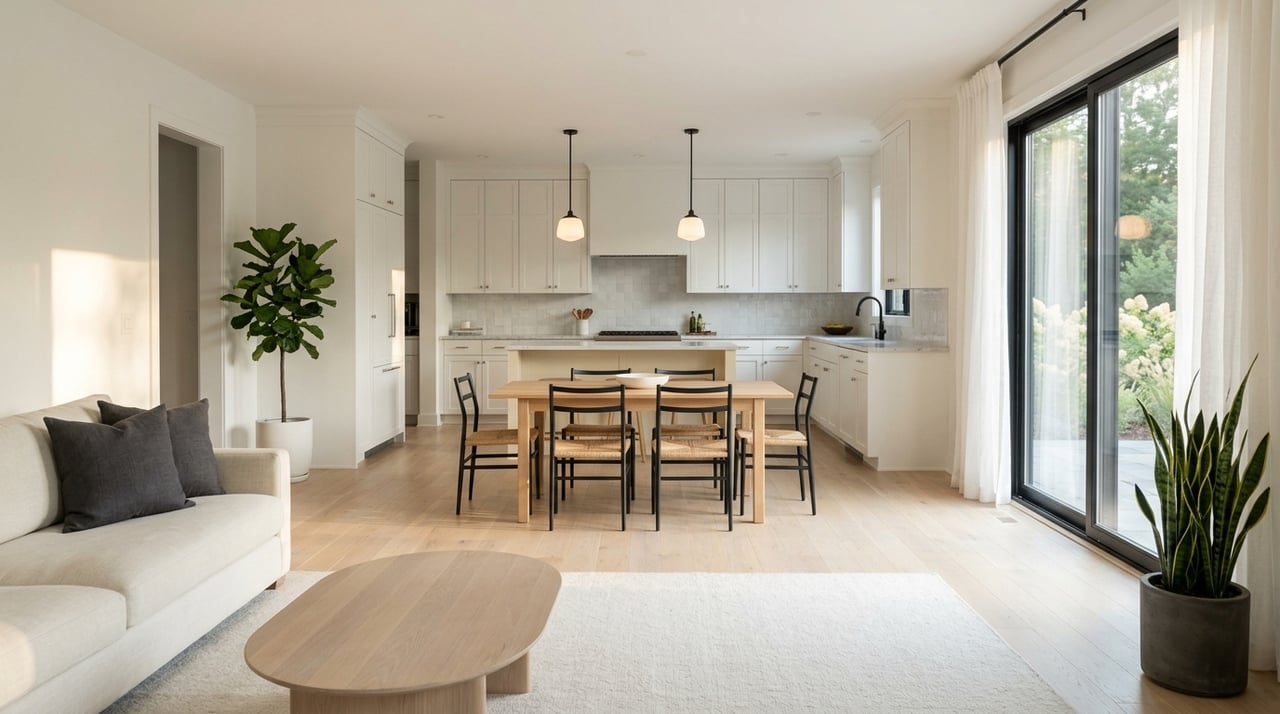
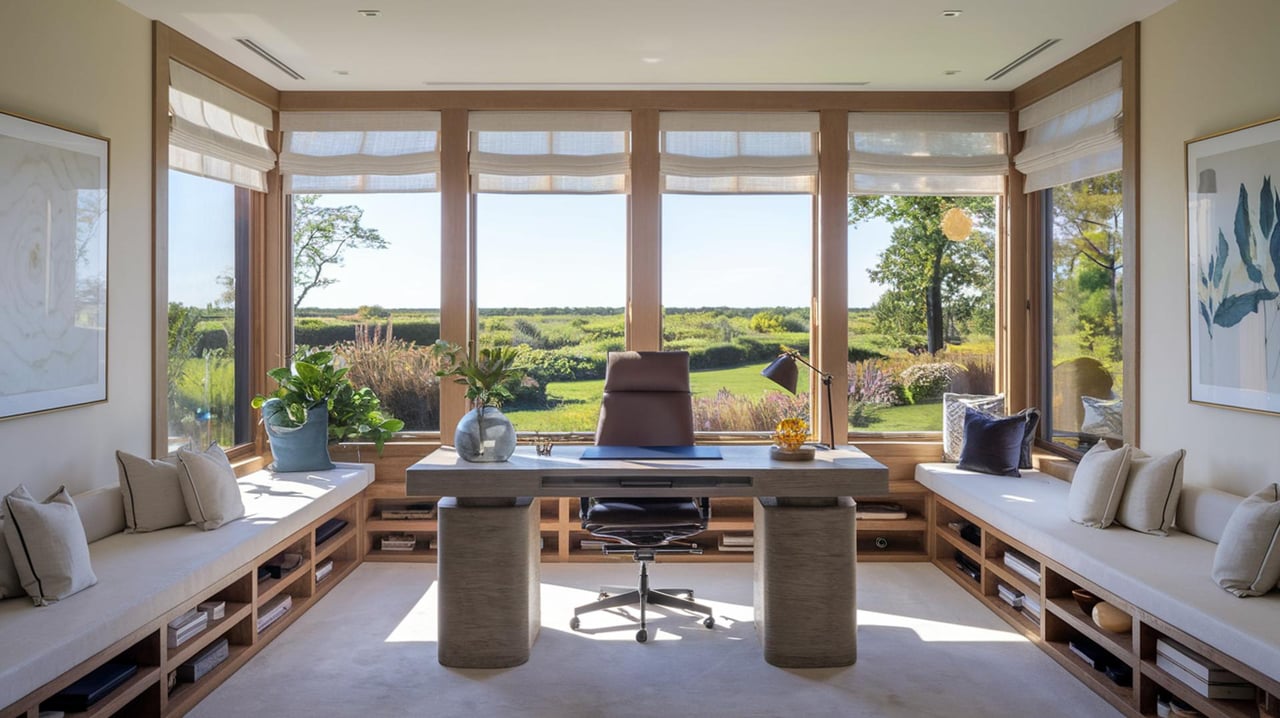
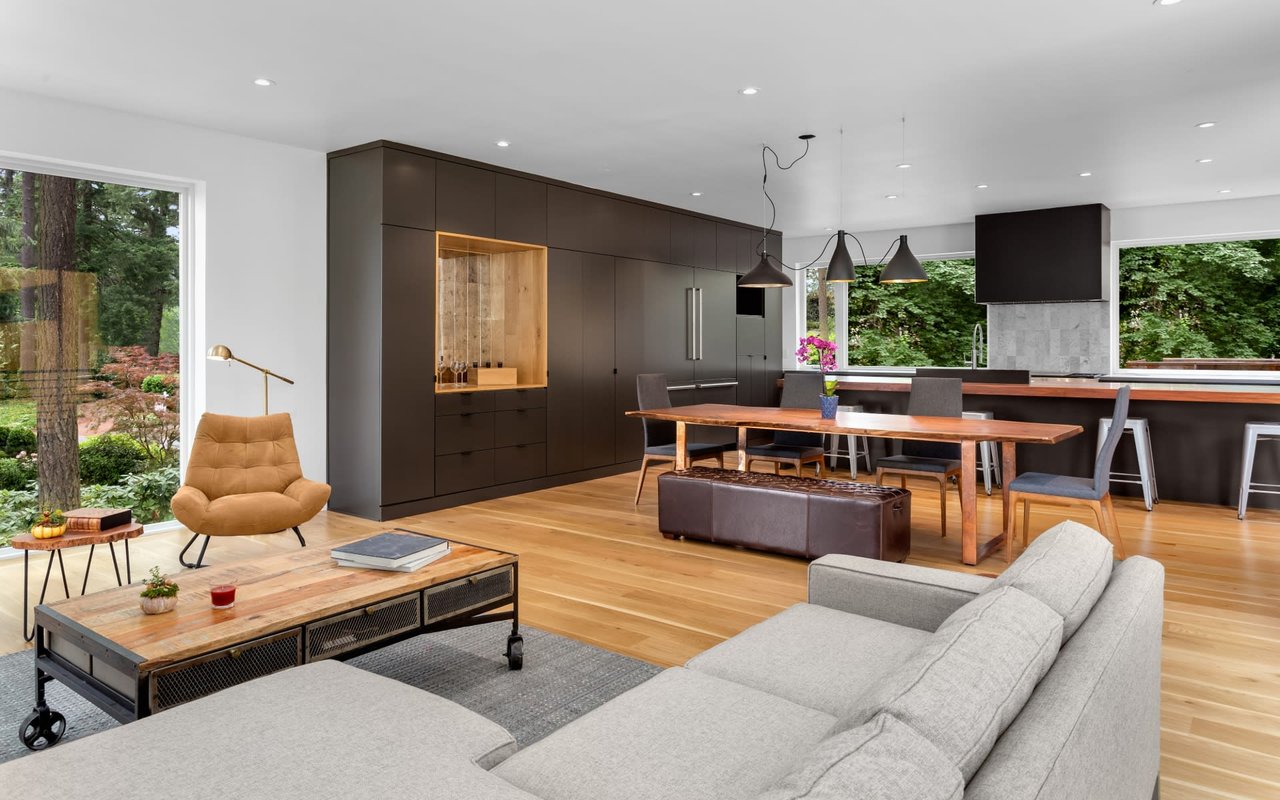
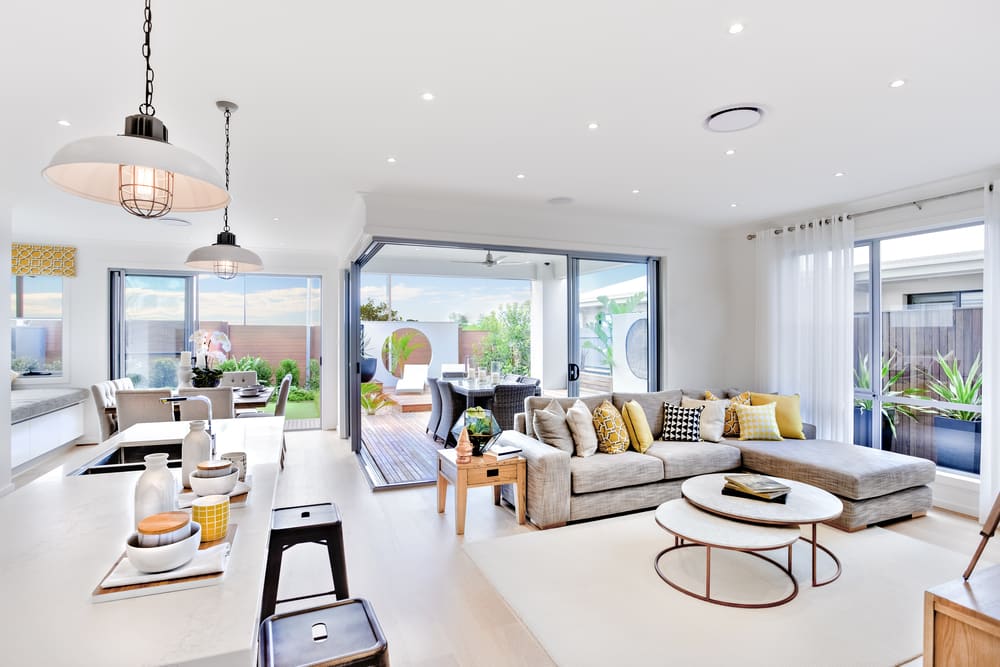
A cottage competes best when every space earns its keep. Renters want a home that feels intuitive, comfortable, and ready for immediate use. Even a smaller floor plan can feel premium when the layout is efficient and the home is thoughtfully furnished.
Start by looking at how the cottage functions during a summer stay. Can guests move easily from kitchen to living area to outdoor space? Is there enough seating for meals, reading, or casual entertaining? Does the home feel uncluttered and calm rather than overfilled?
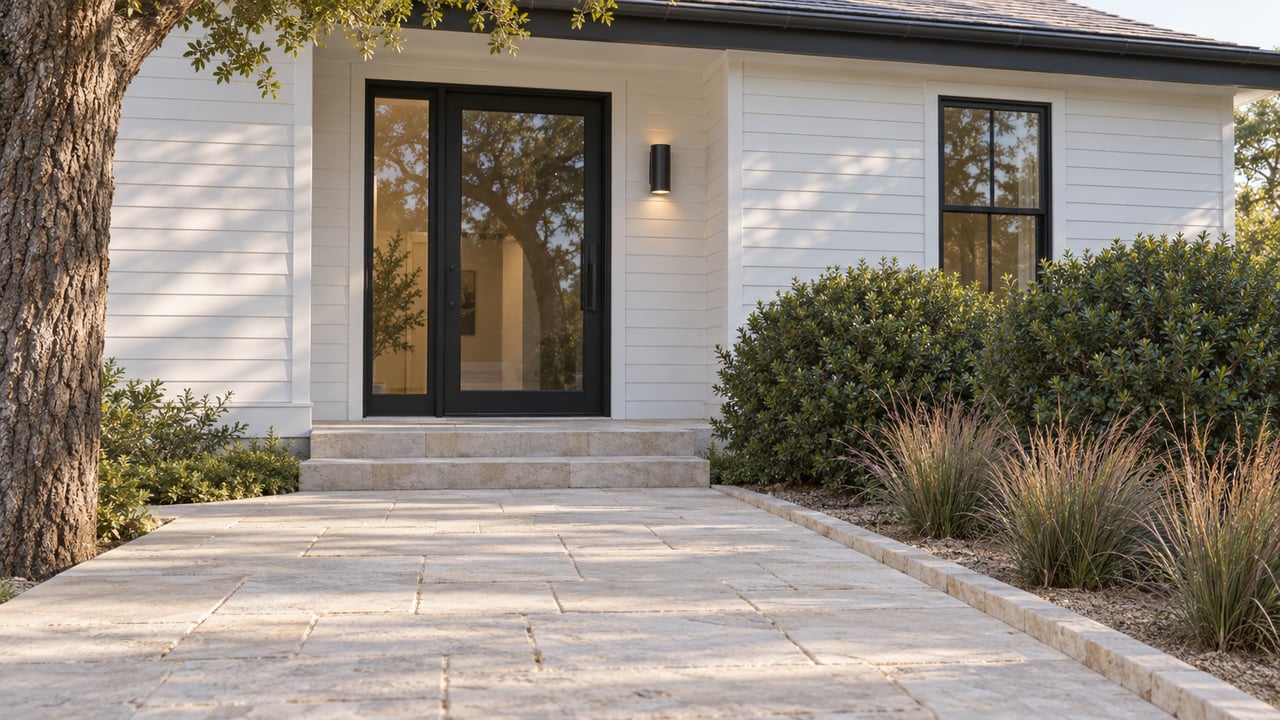
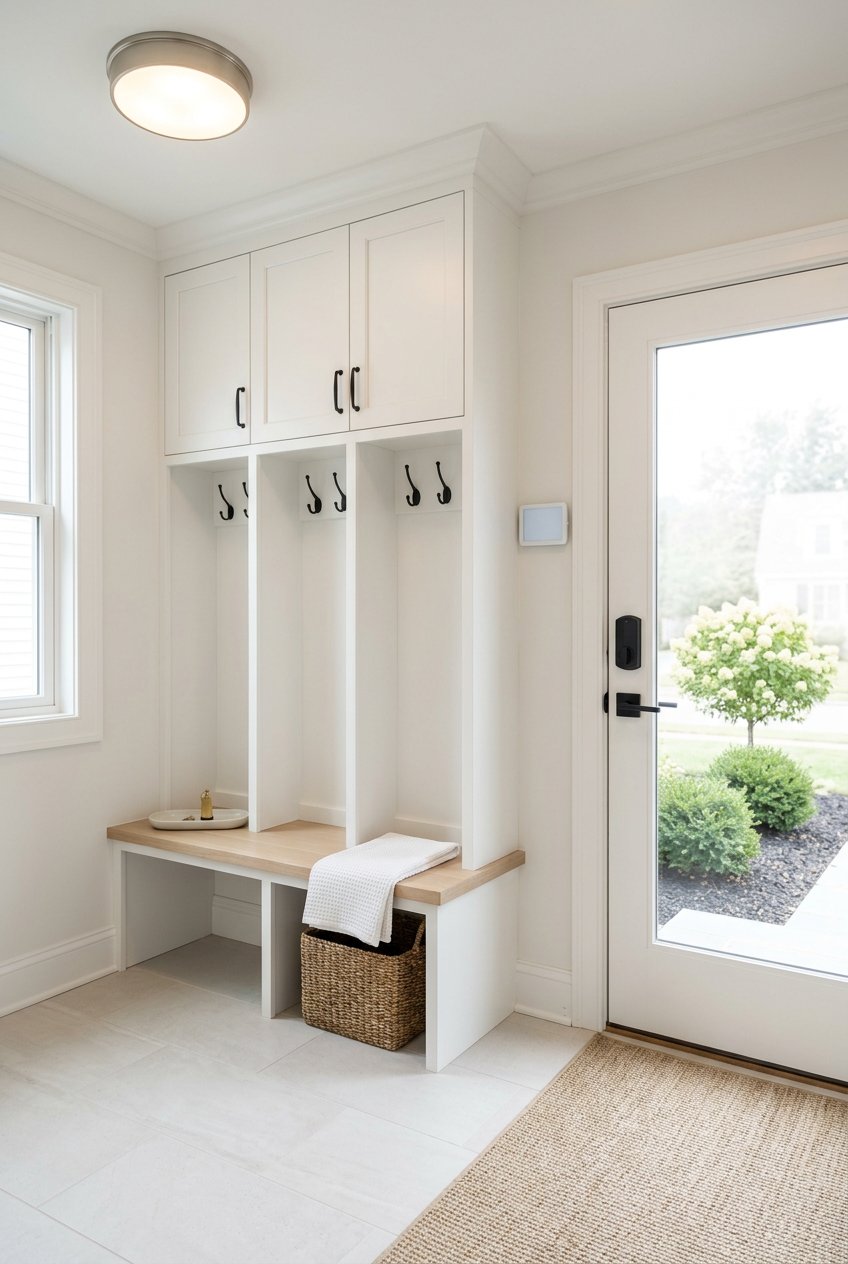
Turn-key presentation matters because seasonal renters often value convenience. They are not looking for a project. They are looking for a home that feels settled, maintained, and pleasant from day one.
Outdoor space can raise the appeal
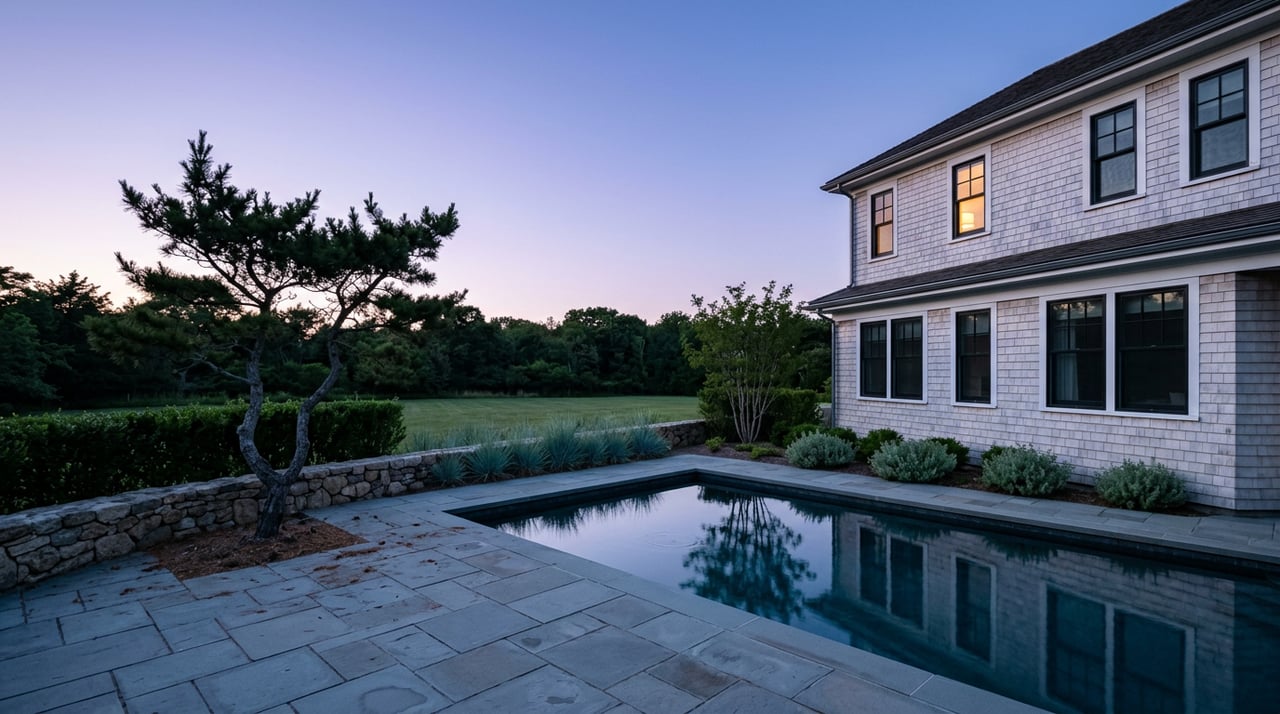
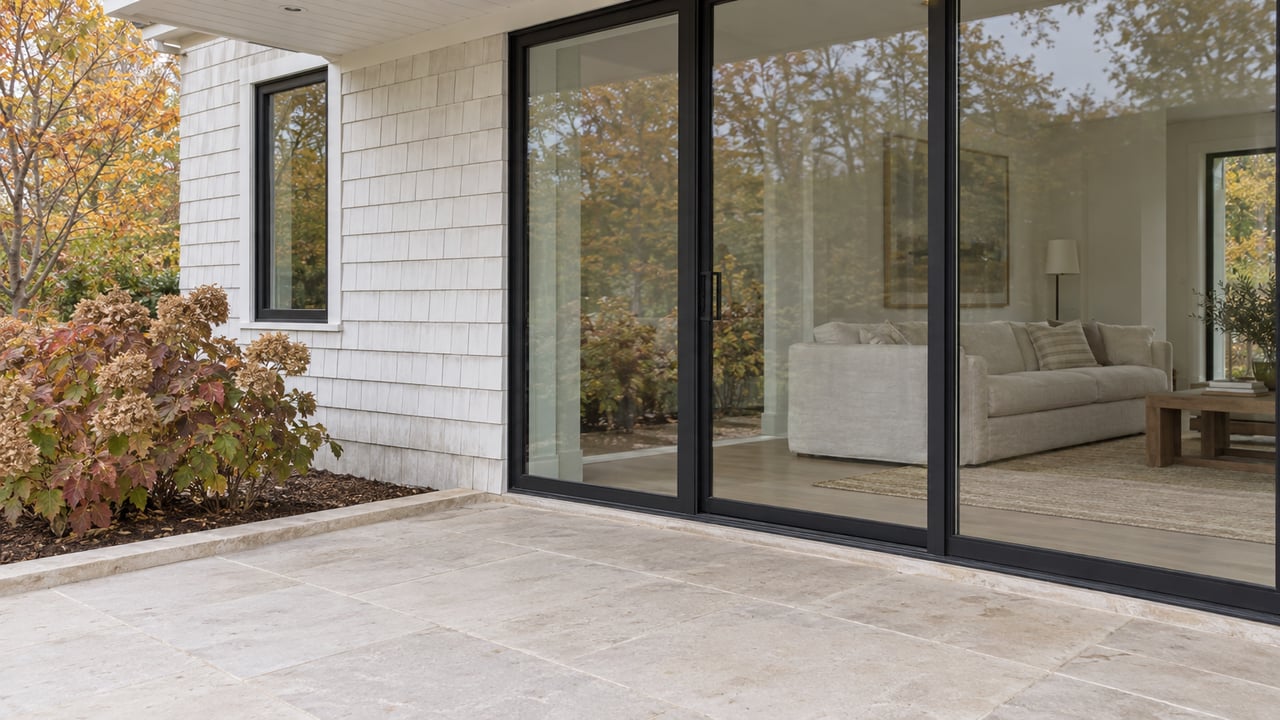
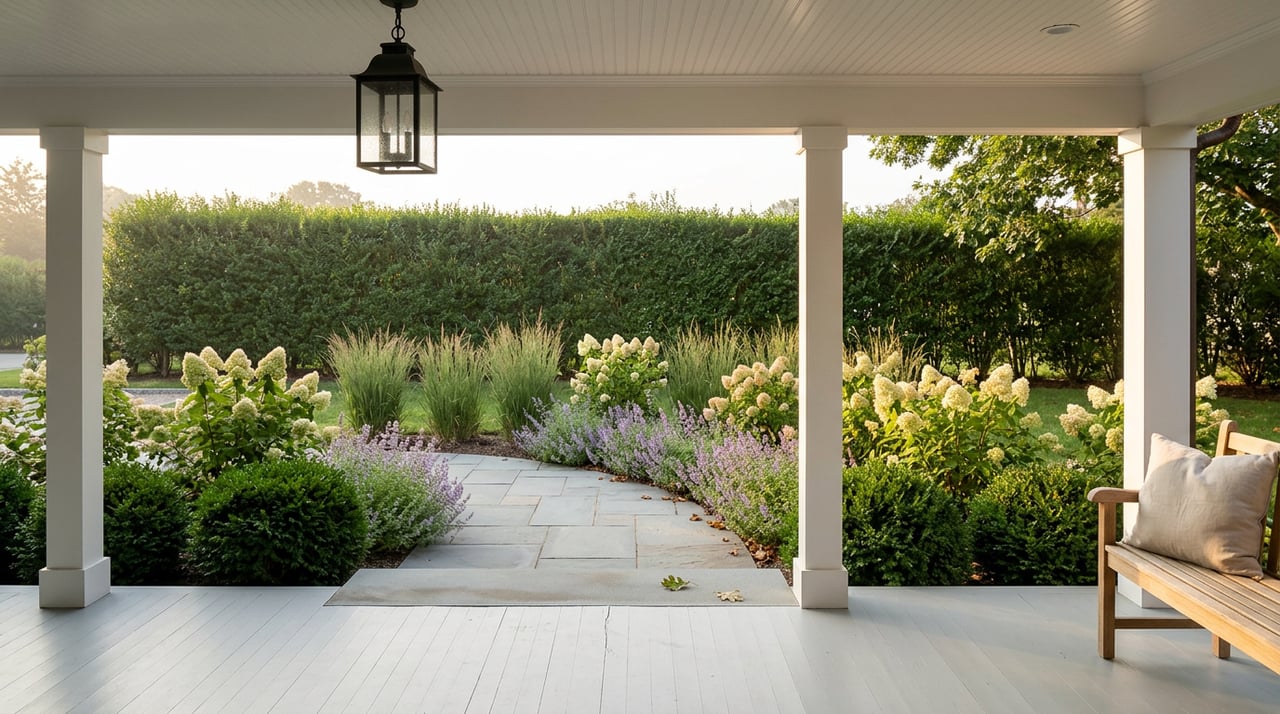
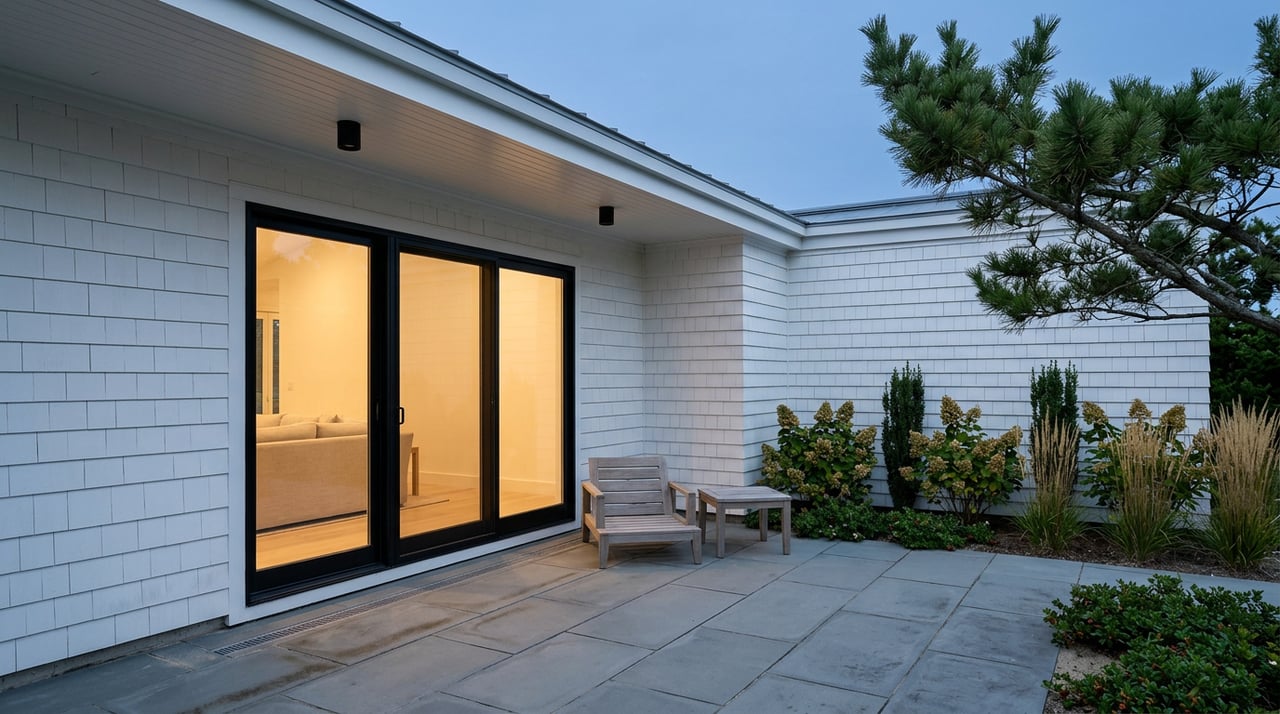
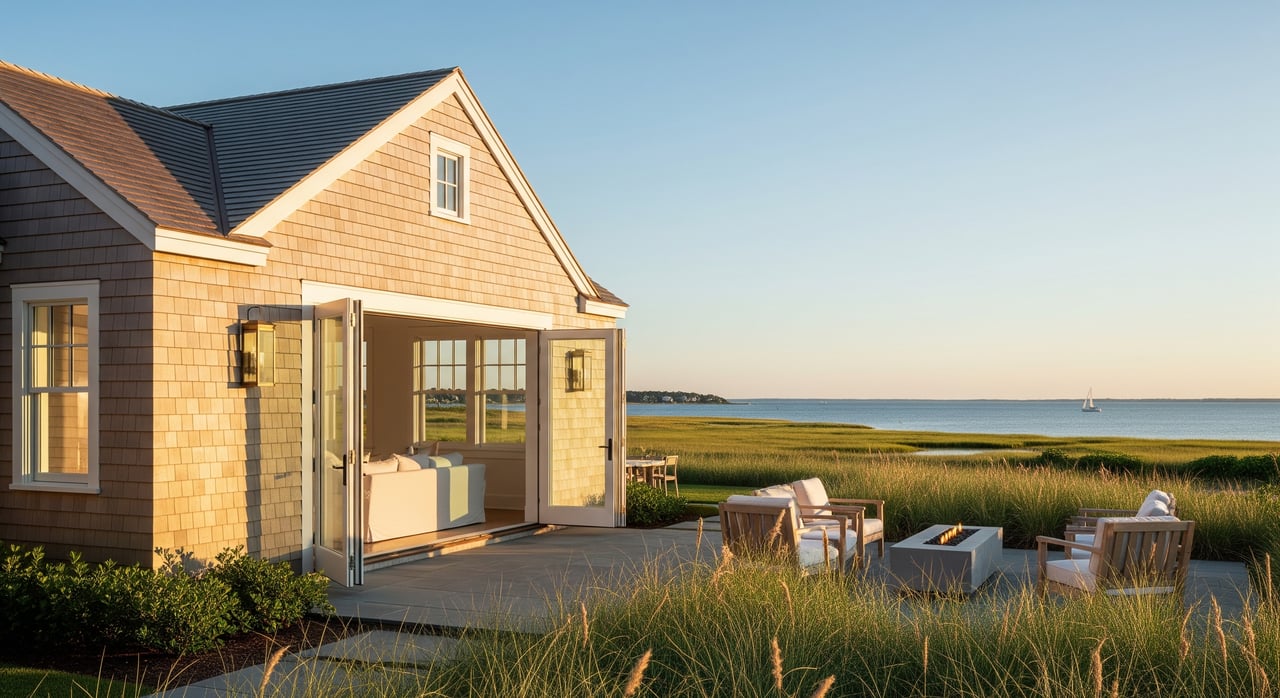
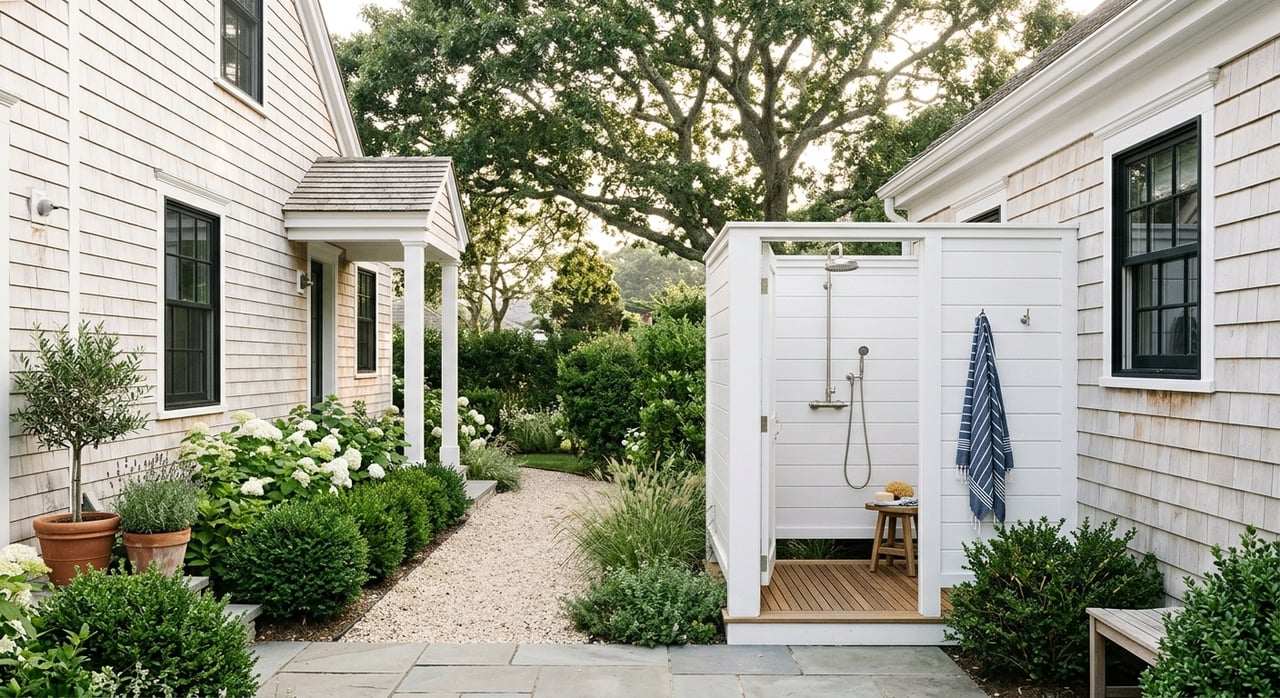
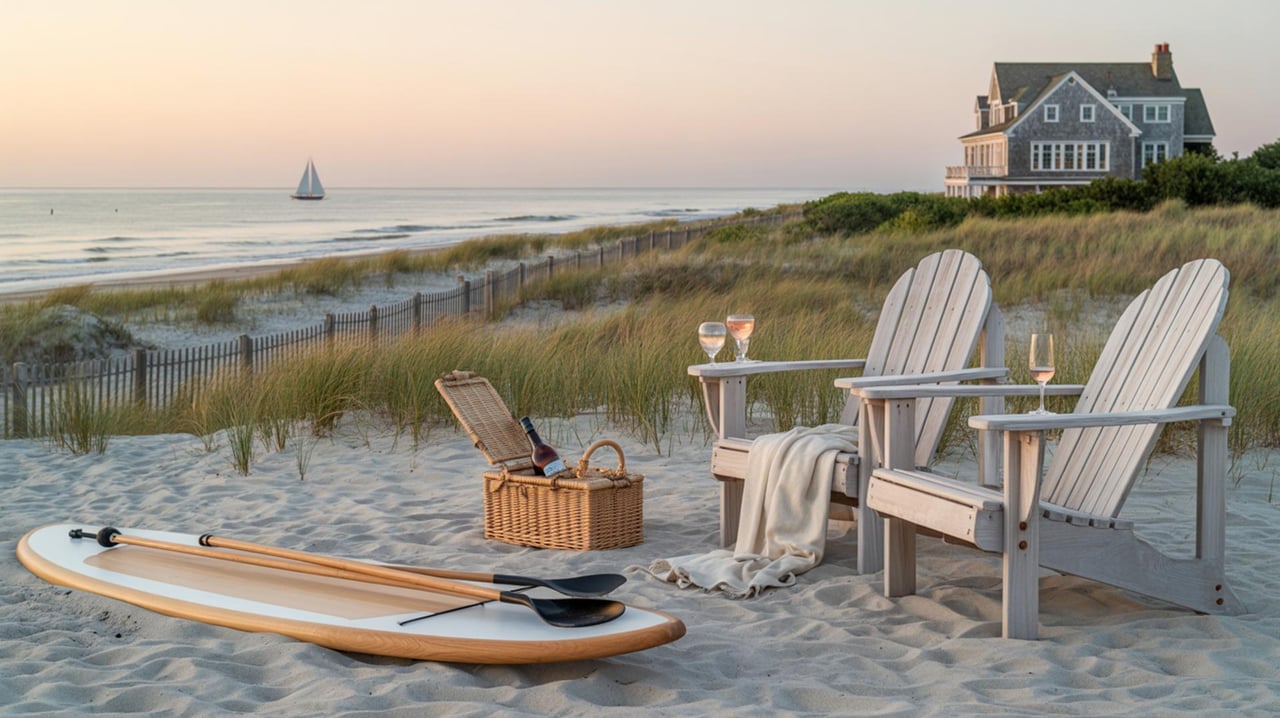
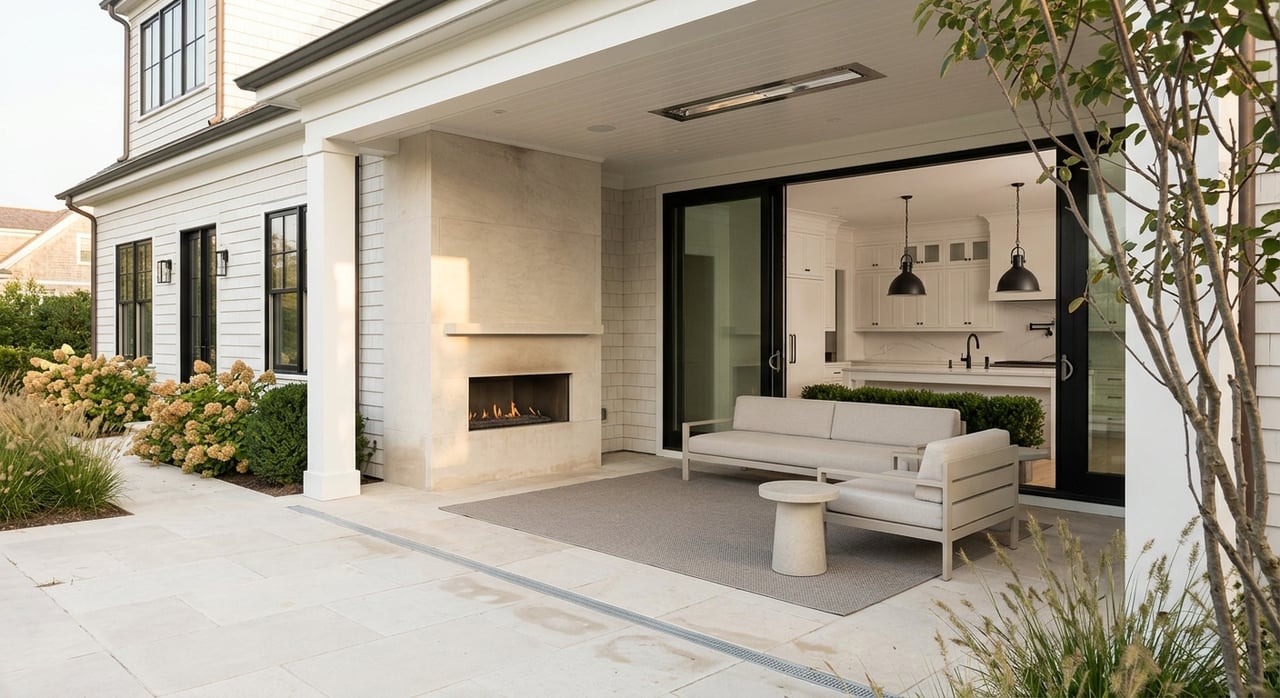
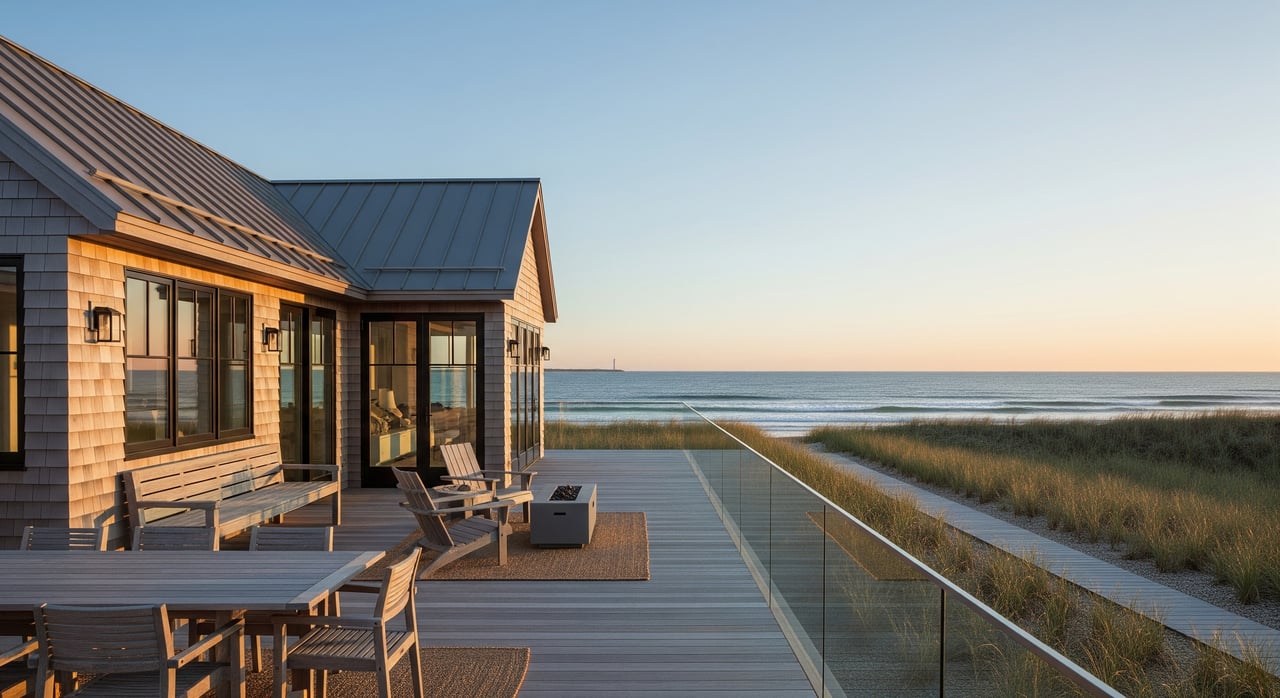
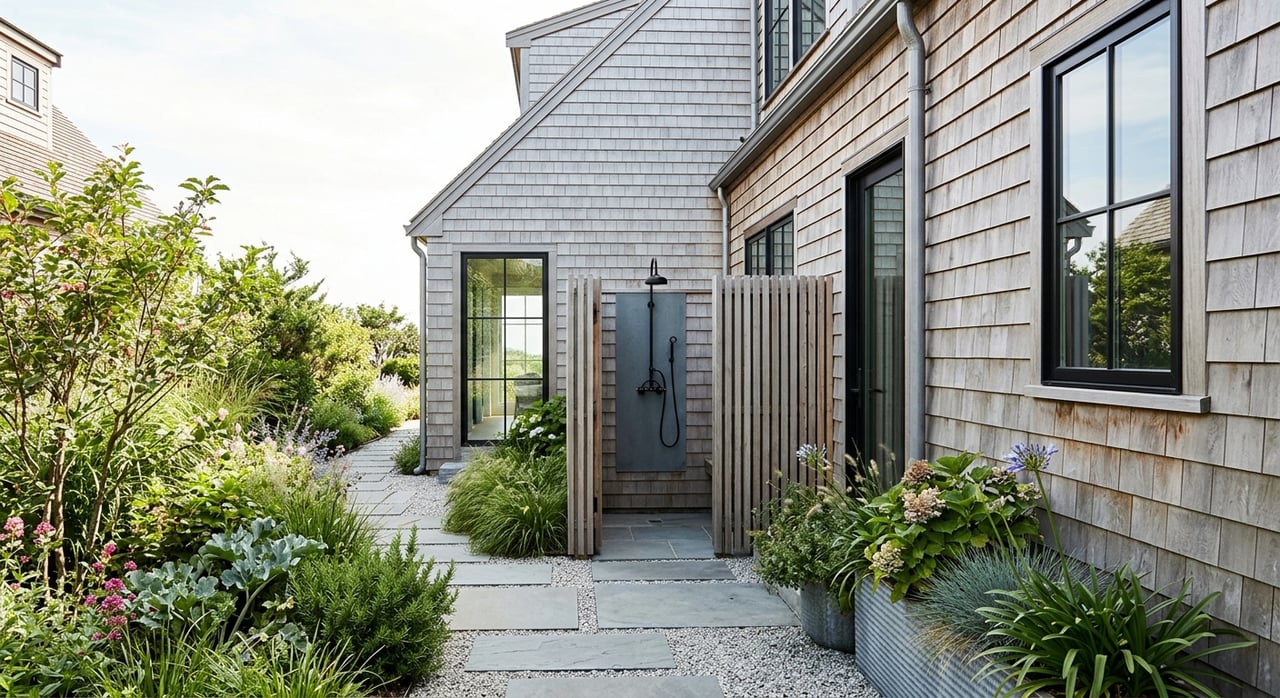
In Sag Harbor’s high season, outdoor usability is one of the strongest value drivers. Active listings repeatedly emphasize features such as outdoor dining, decks or terraces, fenced yards, outdoor showers, parking, and, when available, docks, pools, and water views. That pattern is hard to ignore.
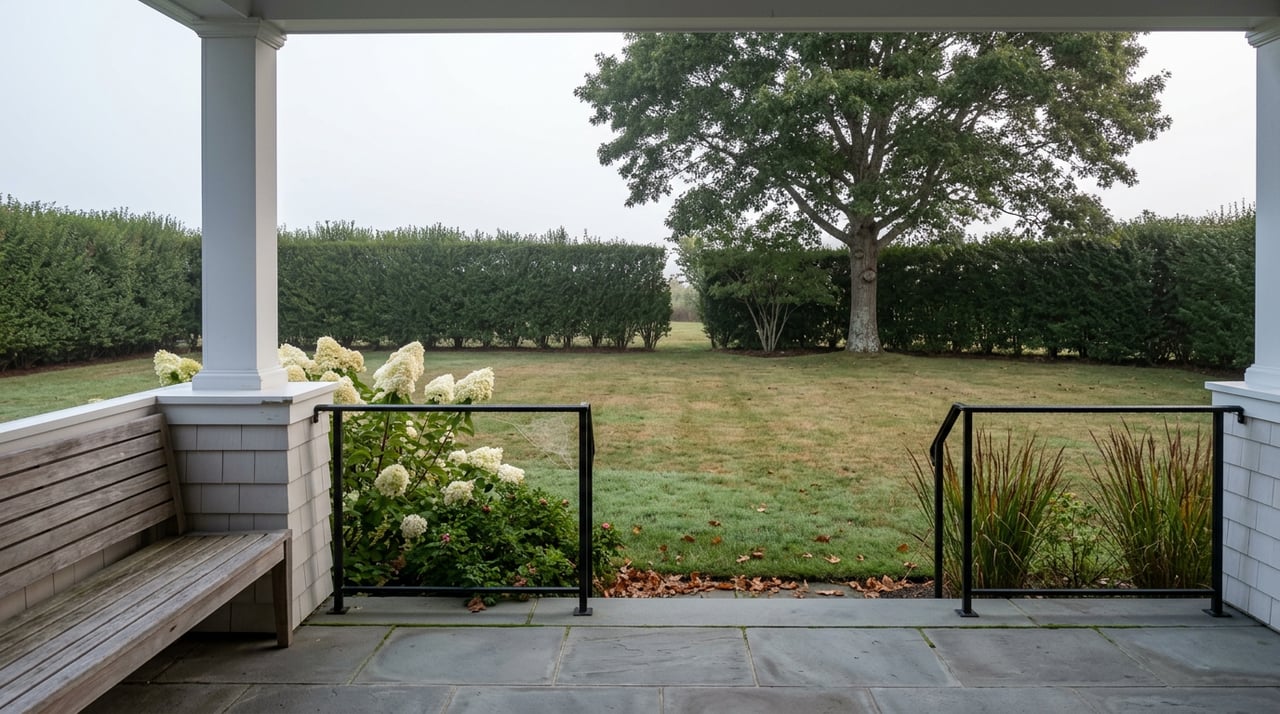
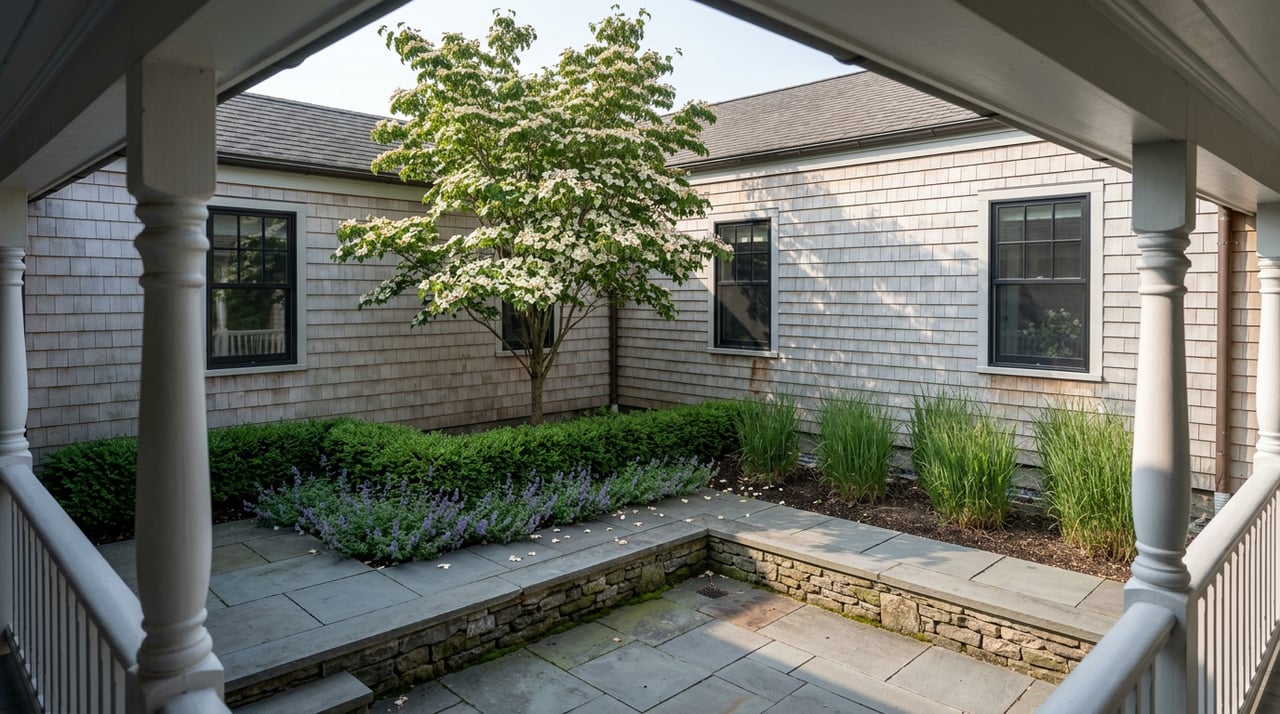
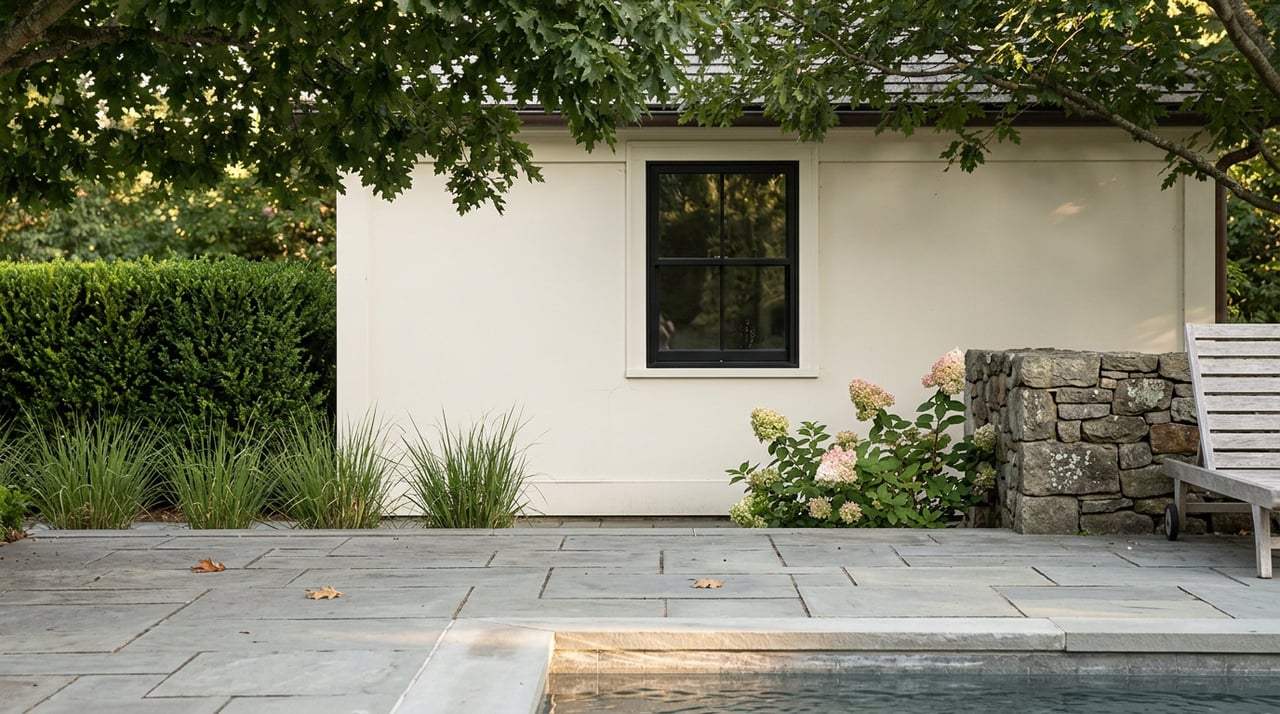
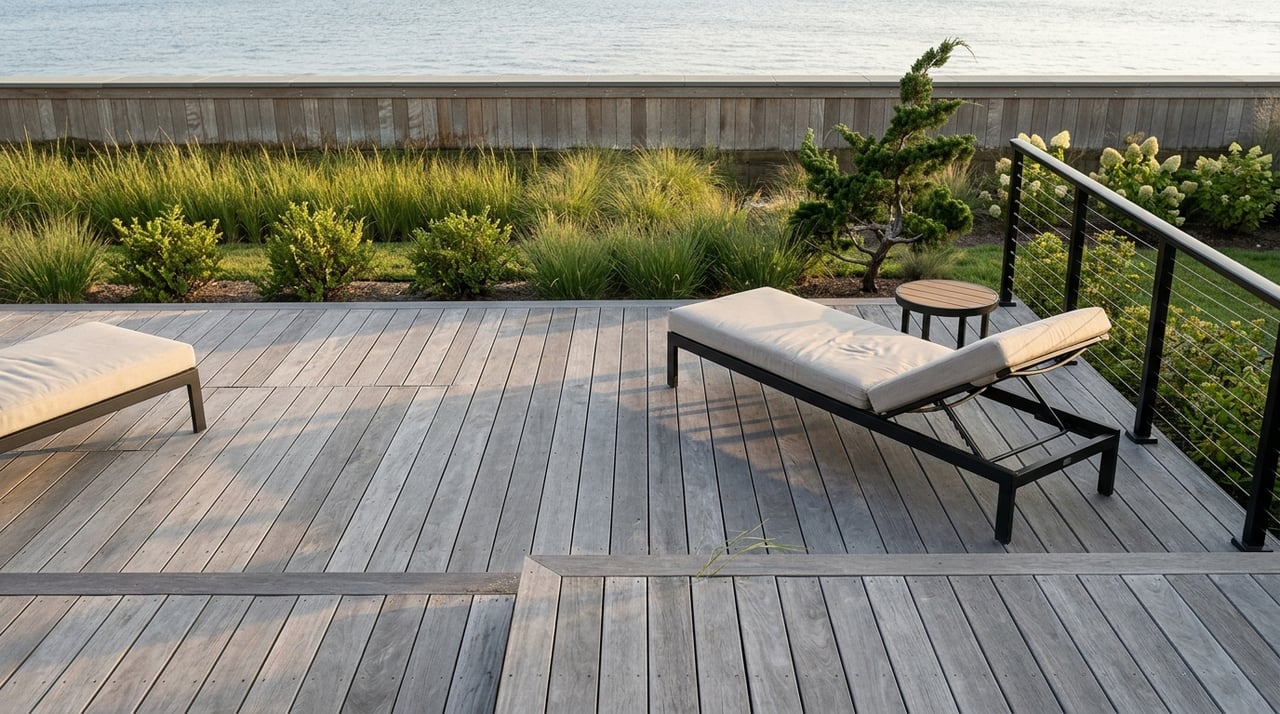
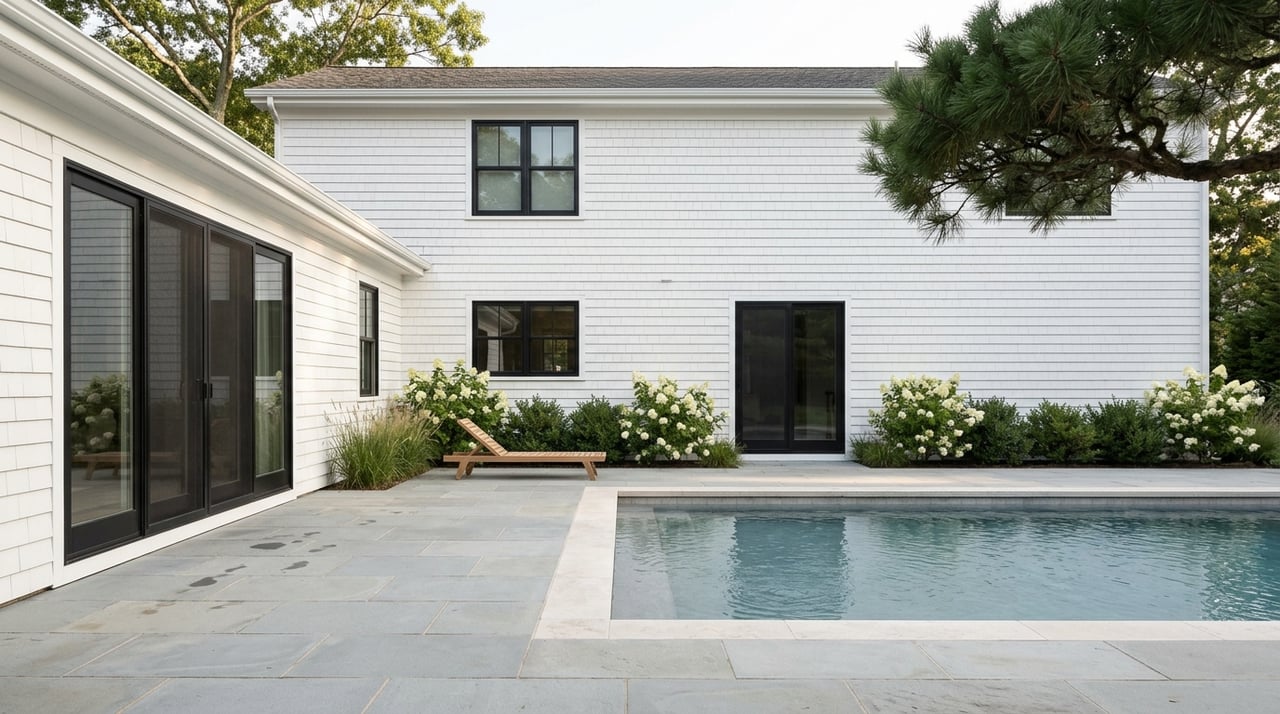
Even if your cottage is modest indoors, the exterior can do a great deal of the work. A clean deck with comfortable seating, a dining area that feels private, and an outdoor shower that is well maintained can materially improve the property’s rental positioning. Summer renters tend to use the outside space every day, so it should feel intentional, not secondary.
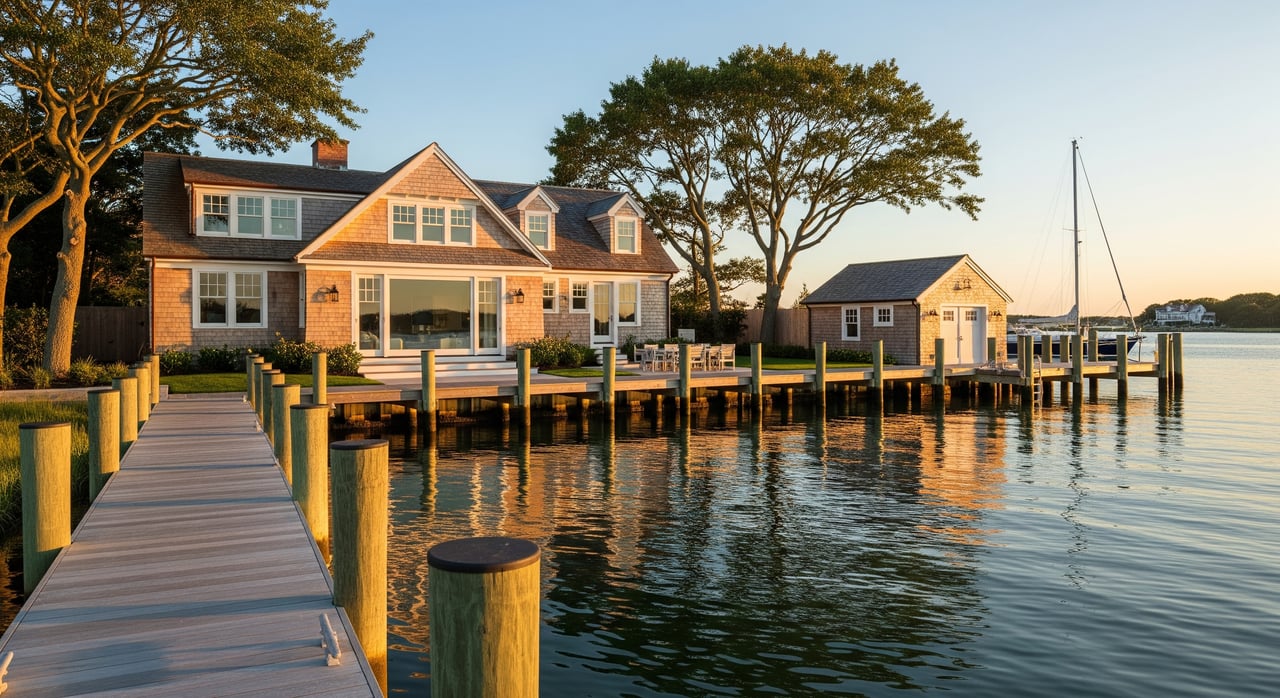
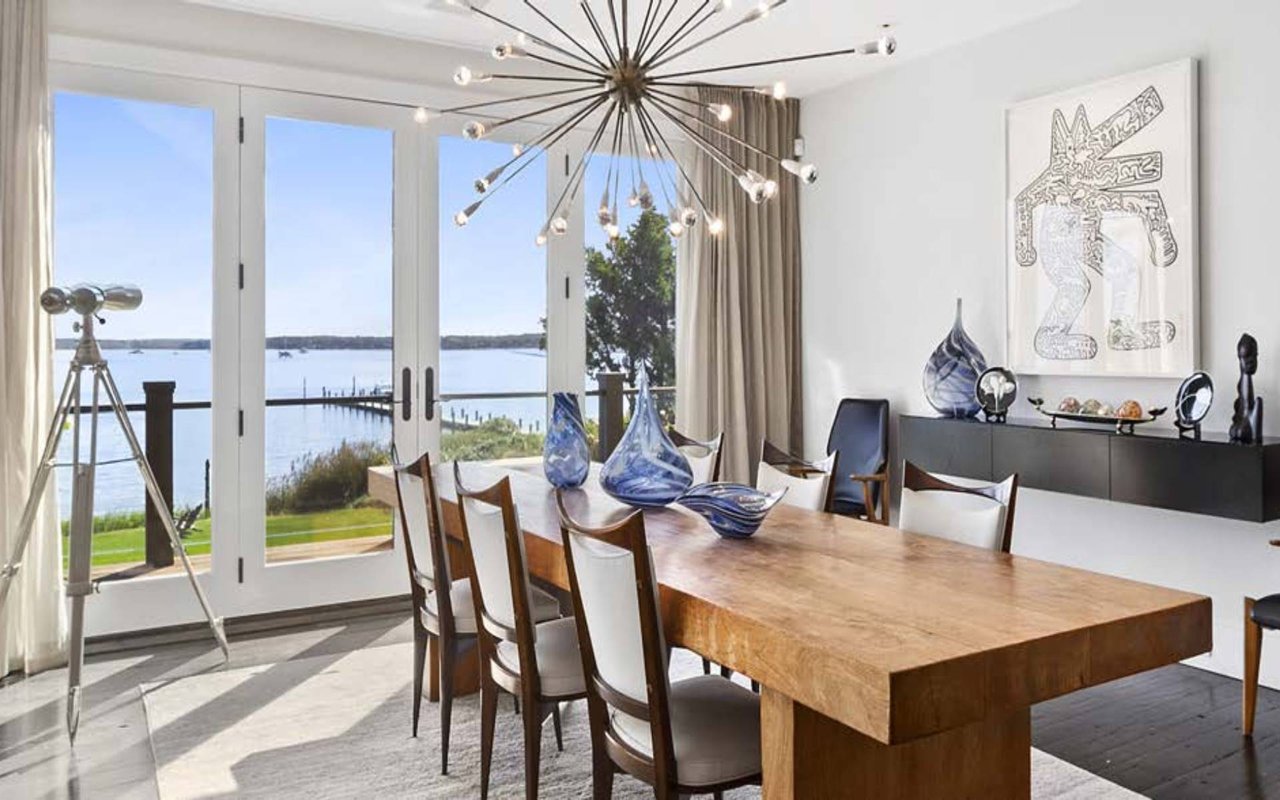
The asking-rent spread in the market also shows how much premium buyers place on standout outdoor assets. One waterfront cottage with its own dock is asking $15,000 for June and $55,000 for July through August, while a waterfront summer rental with a private deep-water dock and pool is asking $140,000 for June. Most cottages will not compete at that level, but the principle still applies: outdoor experience adds value.
Price by season, not by guesswork
One of the biggest mistakes owners make is treating summer as one pricing block. In Sag Harbor, current asking rents suggest that pricing is highly sensitive to rental period. June, July, August, Memorial Day to Labor Day, and full-season terms can all sit in very different ranges, even for the same property.
That makes timing part of the positioning strategy. Entry-level or lightly renovated cottages near village amenities are currently showing around $10,000 to $15,000 for a June stay. Better-located or more polished cottages are showing roughly $15,000 to $21,250 for June, while special properties with docks, waterfront frontage, pools, or especially strong village access can move far higher.
The practical takeaway is simple. You should not price a Sag Harbor cottage based only on annual averages or broad Hamptons comparisons. You need to position it around the exact lease window, the property’s level of finish, and the lifestyle features that matter most to high-season renters.
Compliance should shape your prep
In Sag Harbor, rent-ready presentation is not only about styling. It also includes local compliance. The village’s rental self-inspection checklist calls out visible house numbers, smoke and carbon monoxide detectors, pool fencing and gate alarms where applicable, and fireplace or wood-stove safety.
These details affect more than code readiness. They also influence whether a rental feels professionally prepared. A cottage that is visibly organized, clearly numbered, and safety-checked creates more confidence for both tenants and owners.
Local rules also matter before you market the home. Sag Harbor’s Village Code requires a rental occupancy permit before a dwelling unit can be used as a rental property, and the permit is issued to the owner. The code also states that no rental permit may be granted to a non-owner-occupied short-term rental property.
For seasonal rentals, the village requires registration with the Building Department before the rental term begins. The code defines a seasonal rental as not more than 120 days in a calendar year, and it says the lease must be at least 30 consecutive days, subject to a limited exception allowing two two-week rentals in a calendar year. Those are important rules to confirm before setting a marketing plan.
Confirm which jurisdiction applies
This is one of the most practical checks for any owner or buyer. The incorporated Village of Sag Harbor straddles Southampton and East Hampton, so a Sag Harbor mailing address alone does not necessarily confirm that village rental rules apply. Before positioning a cottage for high season, it is worth verifying the parcel’s exact jurisdiction.
That step can affect permitting, rental rules, and the way you plan your season. It is a simple piece of due diligence, but it can prevent confusion later. For landlords and investors, this is where local knowledge becomes especially valuable.
Historic district issues can affect upgrades
If your cottage is in the historic district, exterior changes may need added review. Village materials state that exterior work changing the visible appearance of the property requires a certificate of appropriateness. Pool construction or alteration can also require historic-board review where applicable.
That does not mean improvement is off the table. It means your rental preparation should be planned carefully. If you are considering exterior updates to improve summer appeal, it makes sense to factor approval timing into the strategy.
A smart positioning checklist for owners
Before bringing a Sag Harbor cottage to the high-season market, focus on the items that most directly affect performance:
- Clarify the property’s exact jurisdiction and applicable local rental rules
- Confirm rental occupancy permit and seasonal registration requirements
- Match pricing to the specific lease period, not a generic summer number
- Improve layout flow and remove visual clutter
- Prioritize outdoor dining, seating, and summer usability
- Make sure parking and arrival feel simple and clear
- Complete safety and self-inspection items, including detectors and visible numbering
- Review whether any exterior changes need historic district approval
Taken together, these steps help a cottage feel more competitive, more credible, and easier to market. In a location like Sag Harbor, that combination can make a meaningful difference.
The best rental story for a Sag Harbor cottage
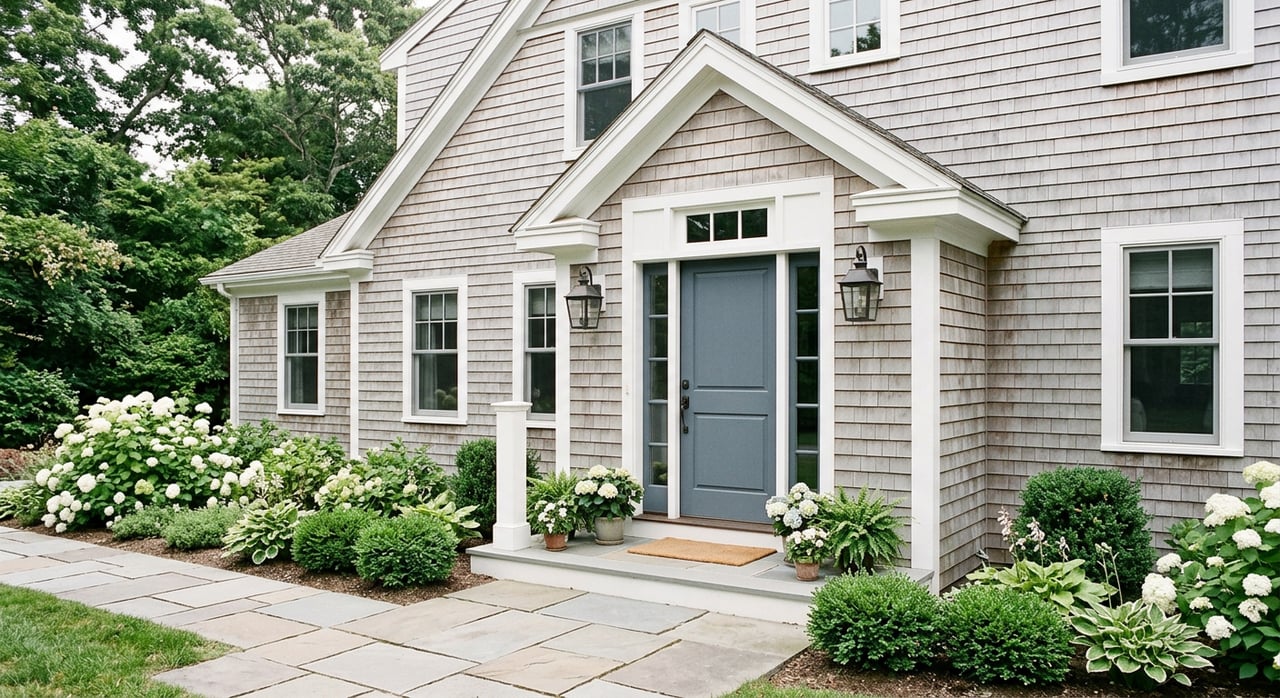
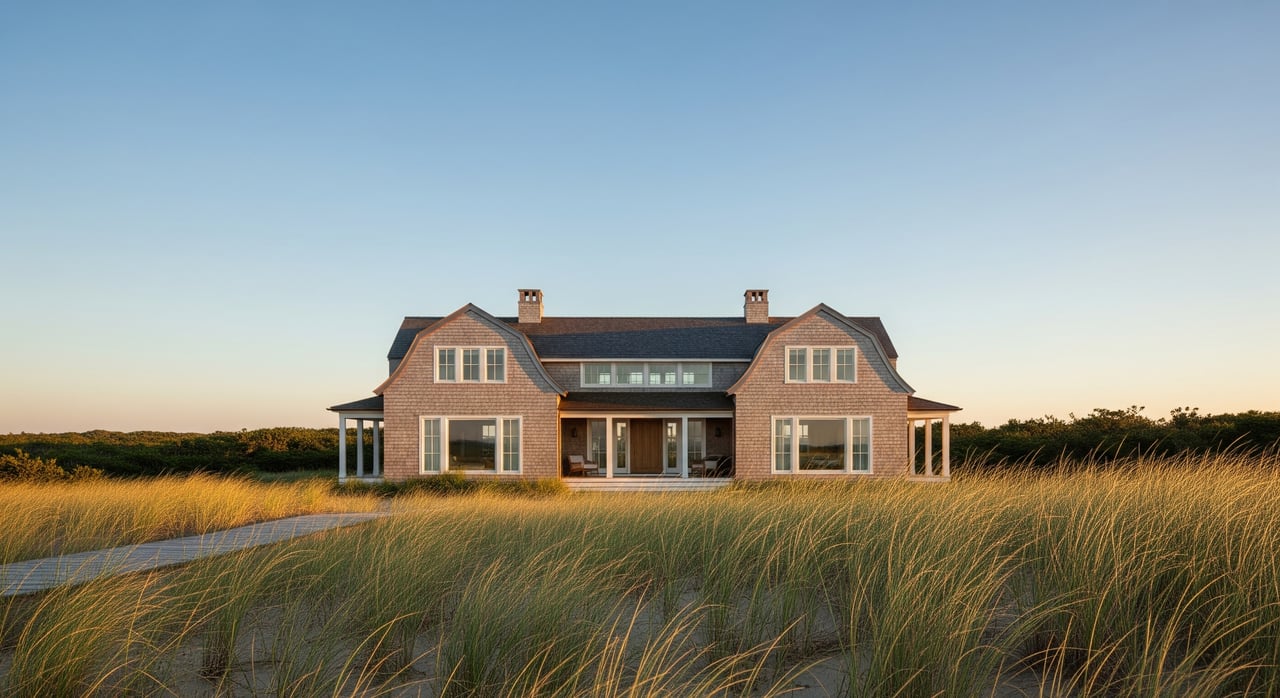
For many owners, the strongest story is not “small but charming.” It is “easy to enjoy.” A cottage positioned around village access, waterfront lifestyle, outdoor living, and polished summer functionality can speak directly to what high-season renters are actually seeking.
That approach fits Sag Harbor especially well. The village’s compact scale, harbor access, historic setting, and active summer season all support a rental strategy built on convenience and experience. When the home is properly prepared and correctly priced, a smaller property can perform far better than many owners expect.
If you are weighing improvements, pricing, or rental positioning for a Sag Harbor cottage, working from local data and local rules is the smartest place to start. For tailored guidance on how to prepare, price, and present your property for the season, contact Michael Petersohn.
FAQs
What makes a Sag Harbor cottage attractive to summer renters?
- In Sag Harbor, renters often respond to walkability, village access, outdoor living, parking, and a turn-key layout just as much as overall size.
What are current June asking rents for Sag Harbor cottages?
- Current active listings suggest a wide June range, with smaller or lightly renovated cottages around $10,000 to $15,000 and more polished cottages around $15,000 to $21,250.
How does timing affect Sag Harbor cottage rental pricing?
- Pricing can change significantly depending on whether you are offering June, July, August, a two-week exception, or a longer seasonal term, so the lease window should guide your strategy.
What rental rules apply to seasonal rentals in the Village of Sag Harbor?
- Village code states that a rental occupancy permit is required, seasonal rentals must be registered before the term begins, and a seasonal rental is generally limited to no more than 120 days per calendar year.
Do Sag Harbor rentals have a minimum lease term?
- In the Village of Sag Harbor, seasonal rentals generally require a lease of at least 30 consecutive days, with a limited exception allowing two two-week rentals in a calendar year.
When does Suffolk County occupancy tax apply to a Sag Harbor rental?
- Suffolk County states that short-term lodging of less than 30 days for a fee is subject to a 5.5% hotel and motel occupancy tax, with registration and quarterly remittance requirements for operators.