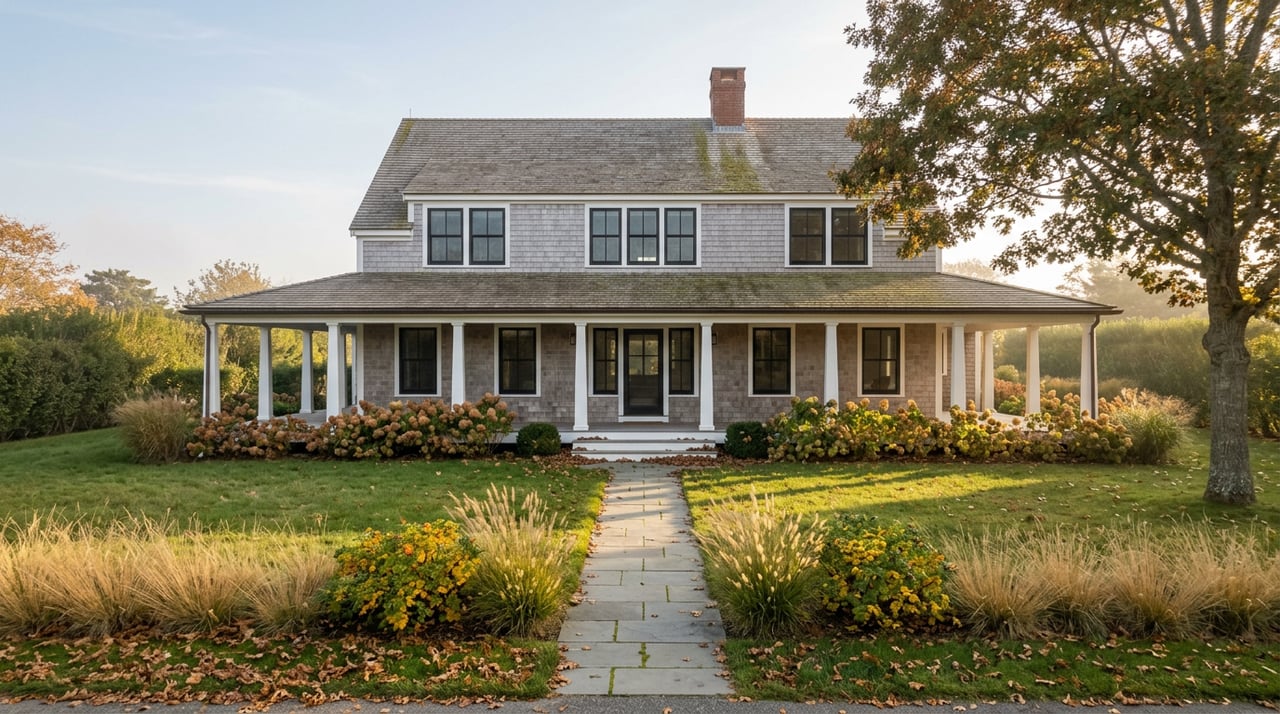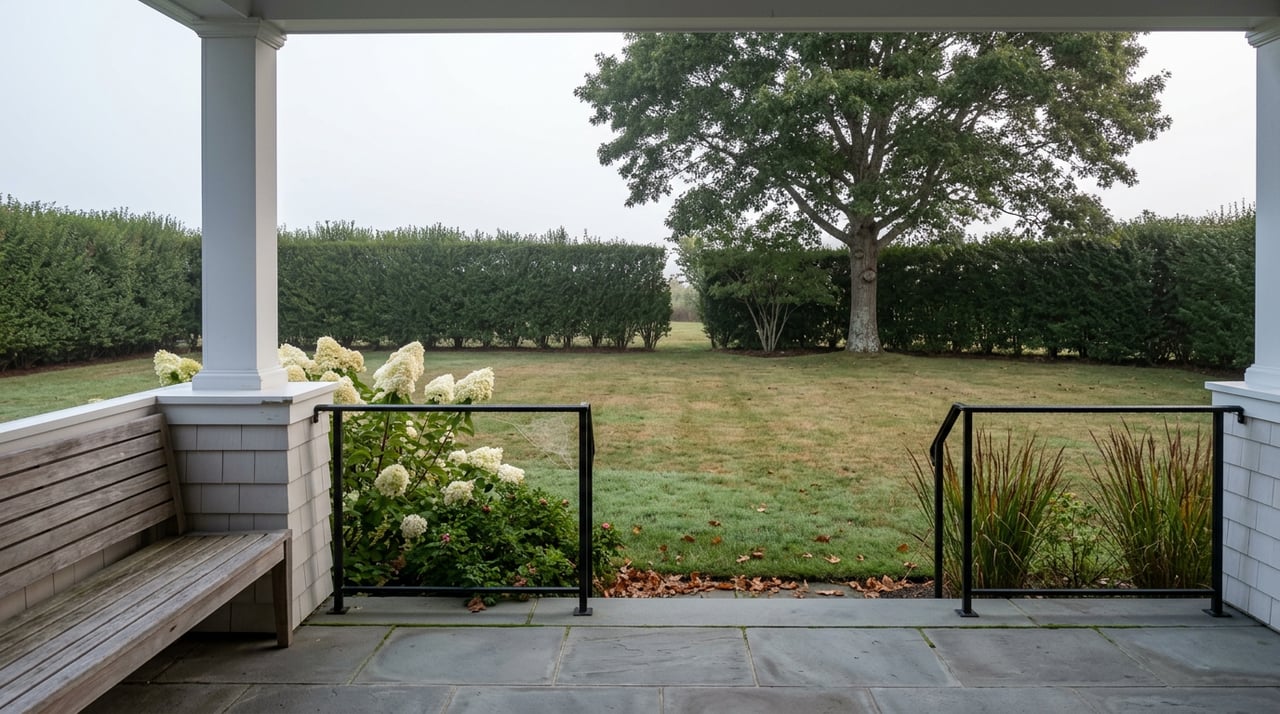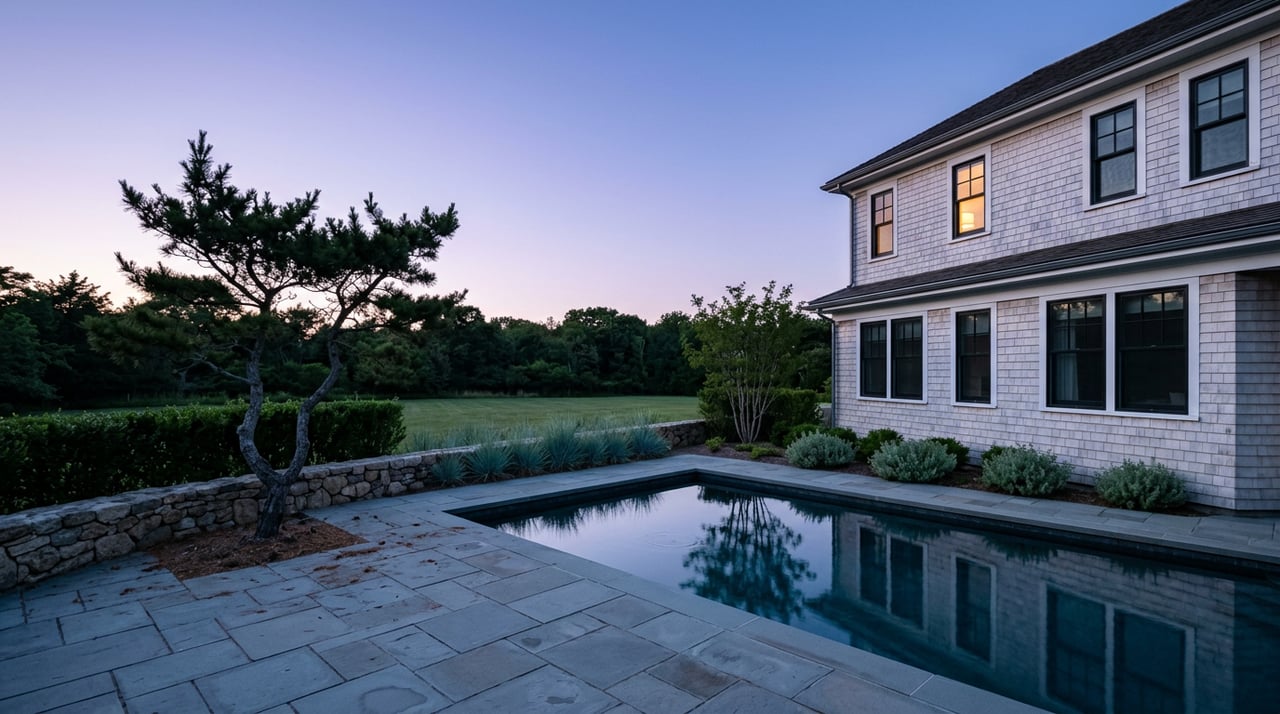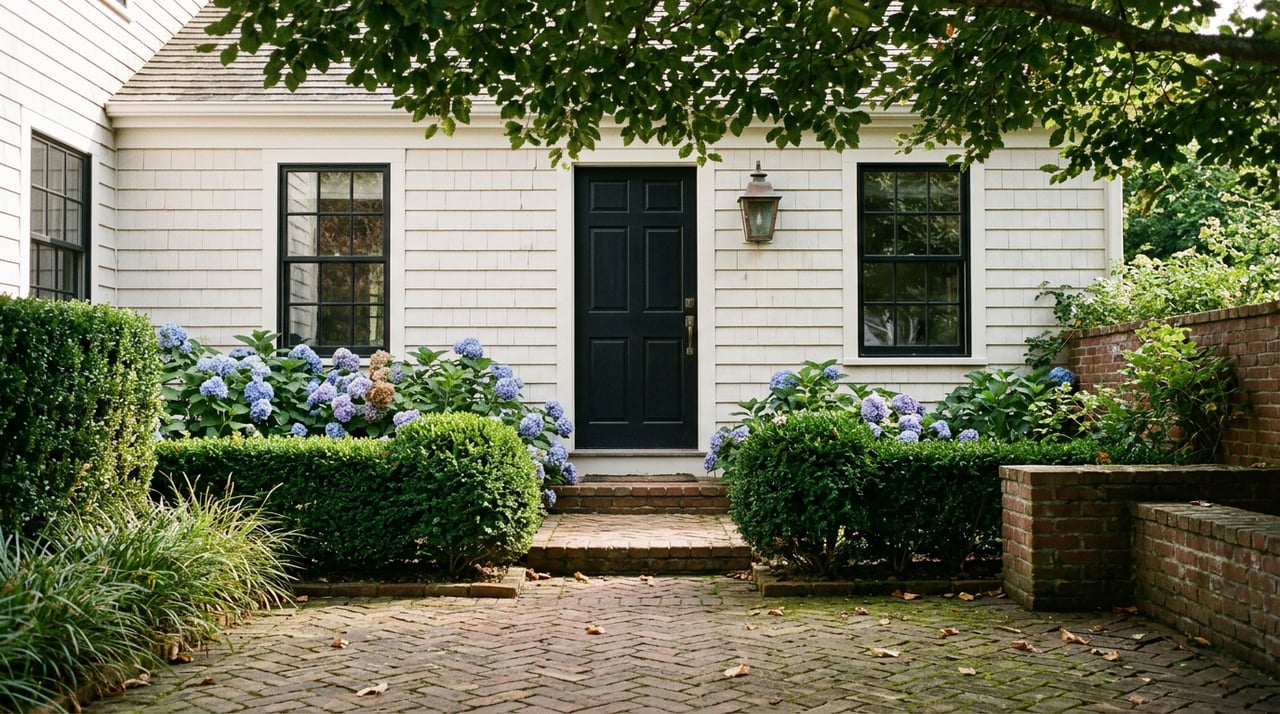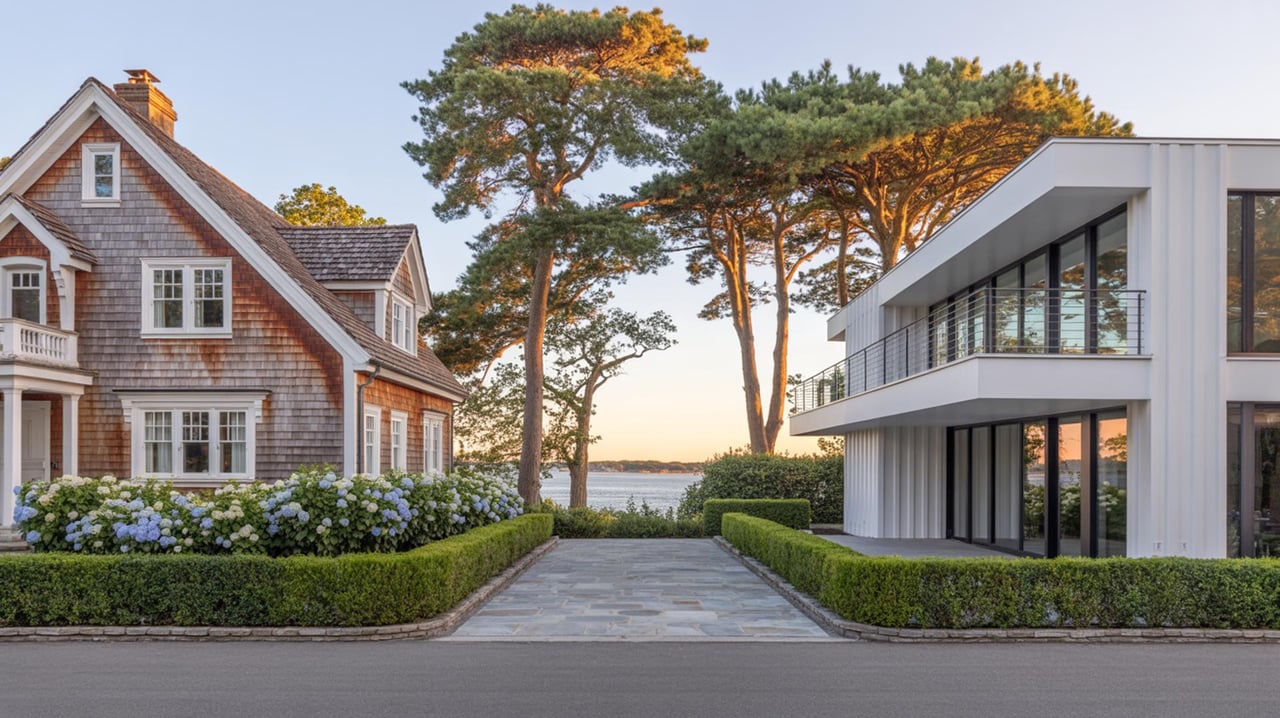
Trying to decide between waterfront living and a more in-town home in Hampton Bays? That choice can shape not just your daily routine, but also your budget, maintenance load, and long-term flexibility. If you are weighing beach access against year-round convenience, Hampton Bays gives you a rare chance to compare two very different lifestyles within the same hamlet. Let’s dive in.
Two Hampton Bays Lifestyles
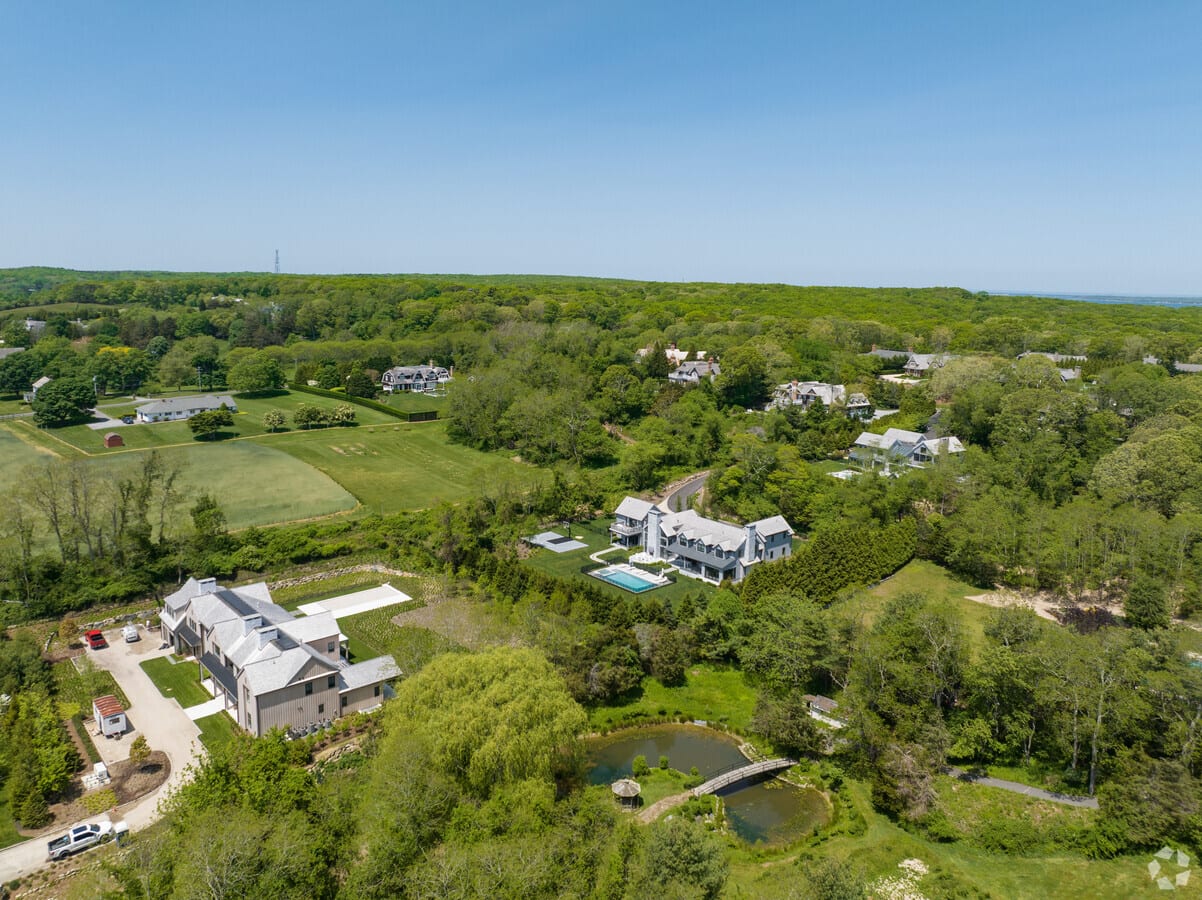
Hampton Bays stands out because it offers both a shoreline-driven lifestyle and a practical hamlet-center lifestyle. In May 2026, the median sale price was $973,168, up 18.3% year over year, with homes spending about 77 days on market. That places Hampton Bays in a part of the Hamptons market where buyers can still find a wide range of options.
What makes the area especially interesting is that it does not follow one simple value story. Some buyers come for boating, bay access, and ocean proximity. Others want a year-round base near Main Street, parks, and everyday services.
Why Waterfront Living Appeals
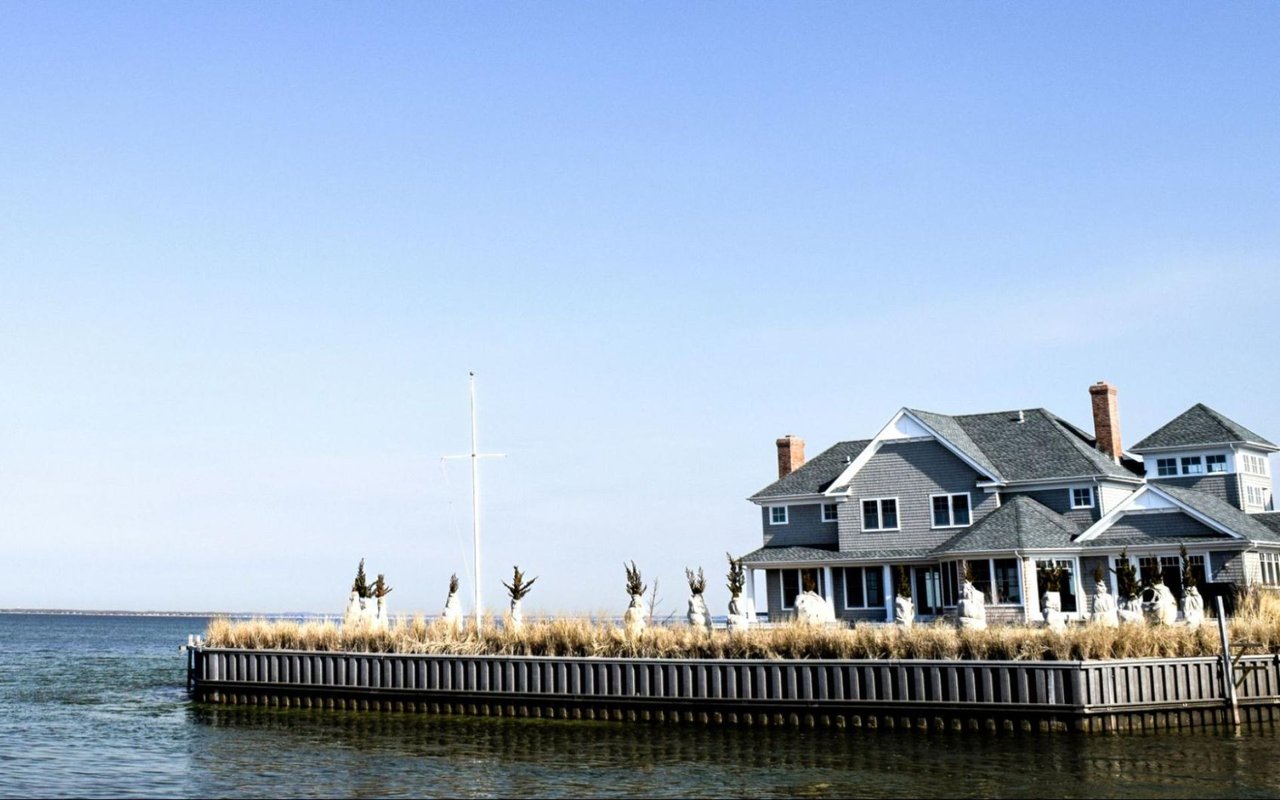
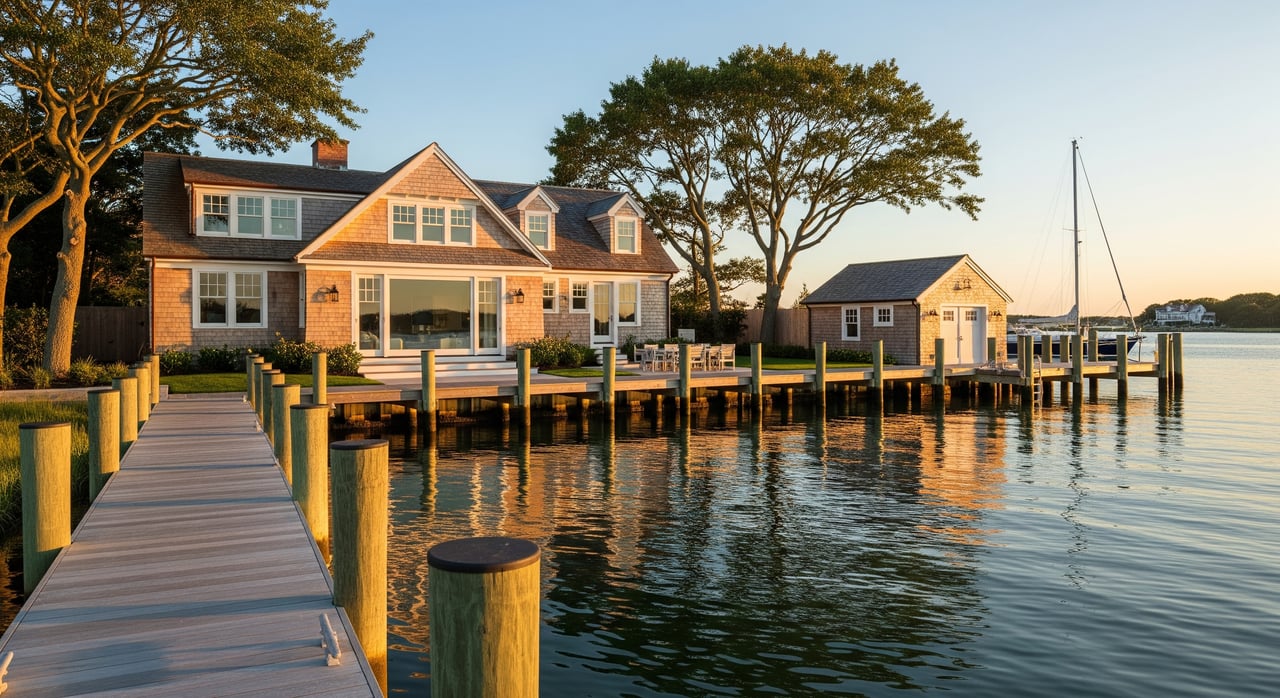
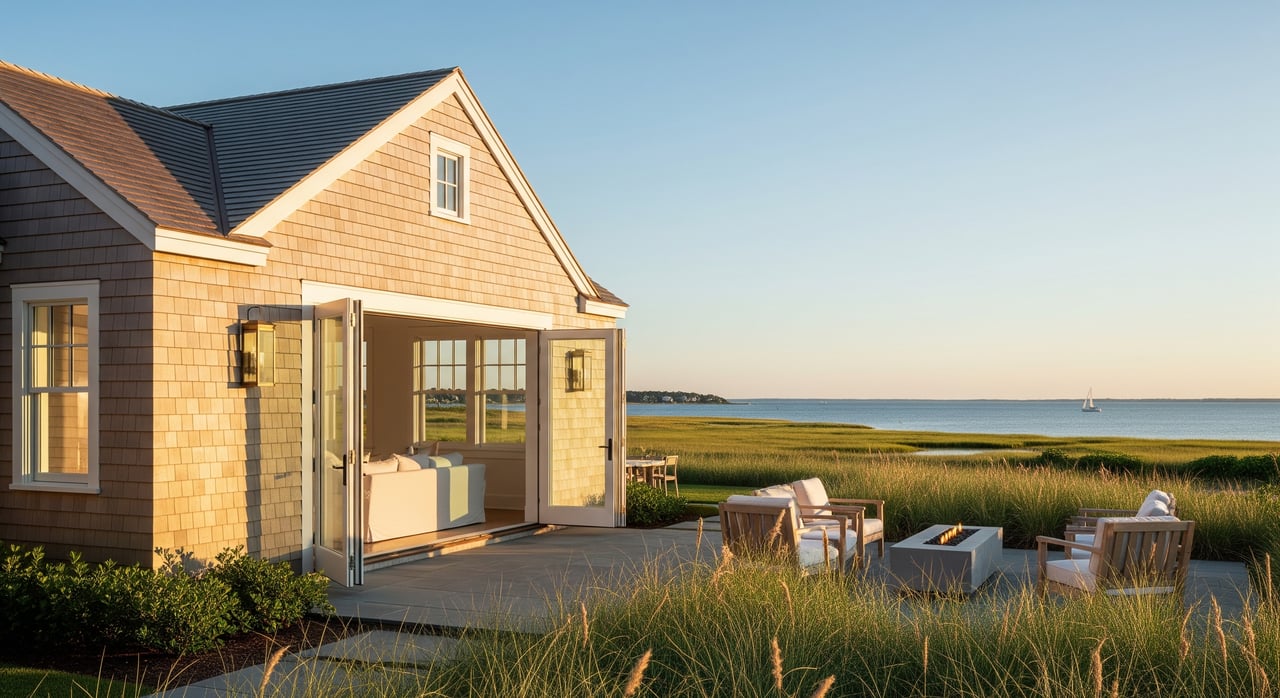
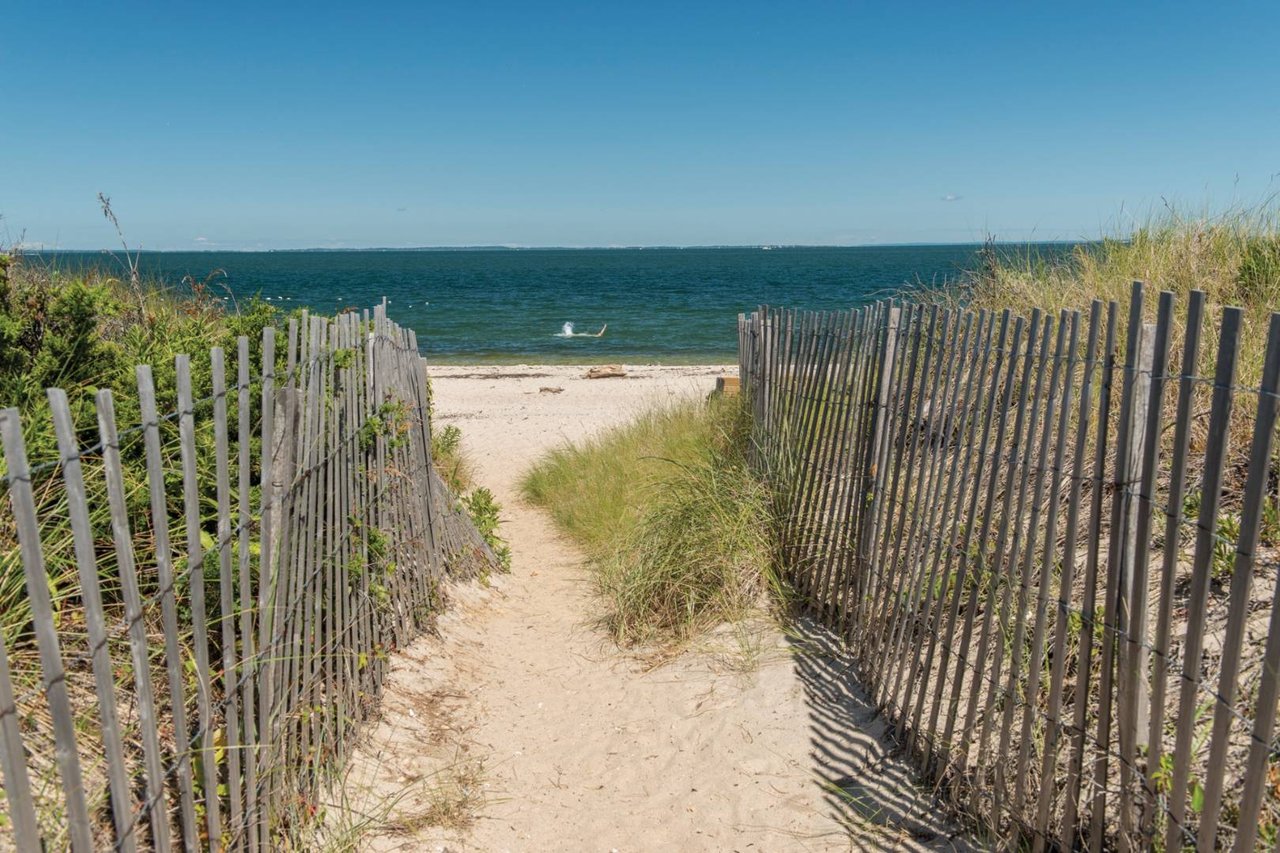
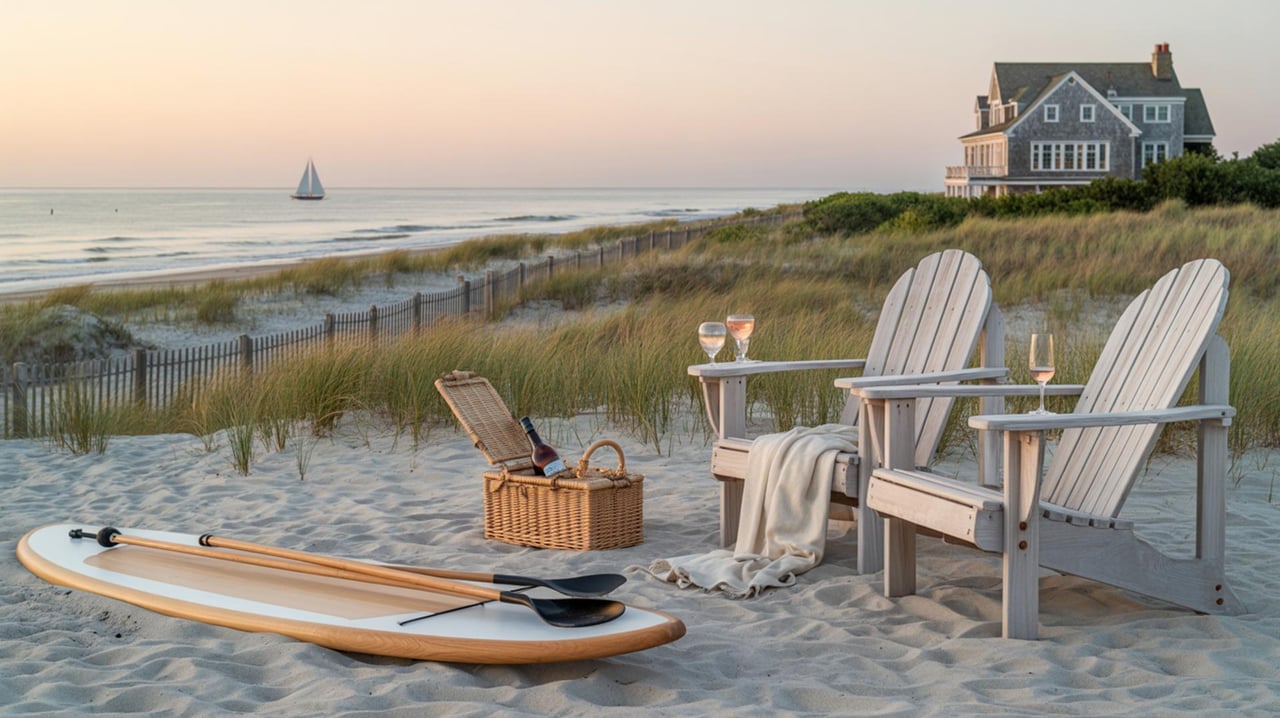
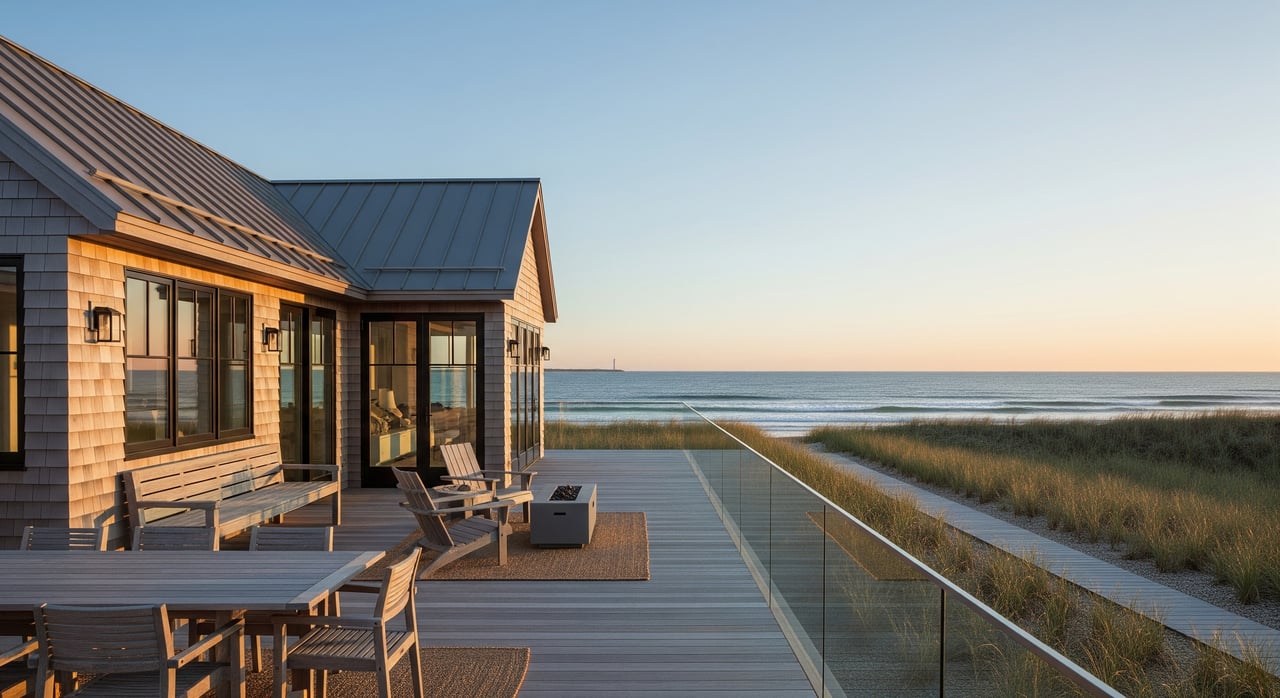
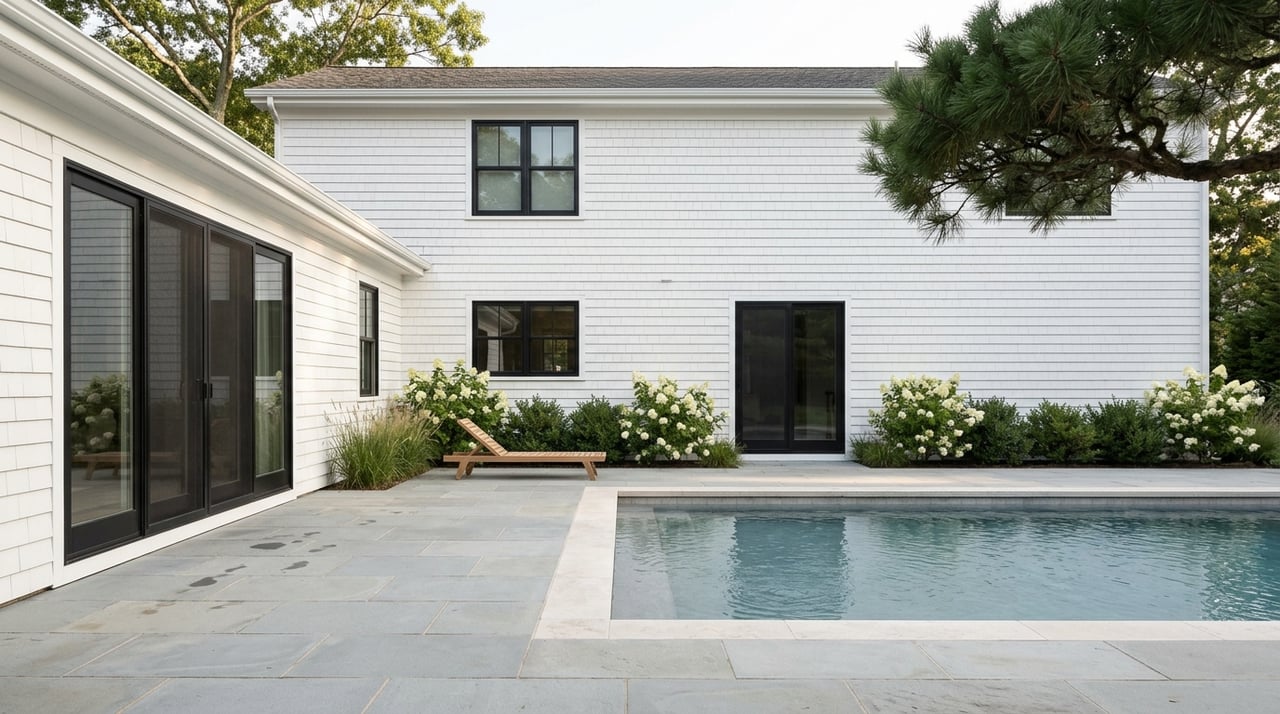
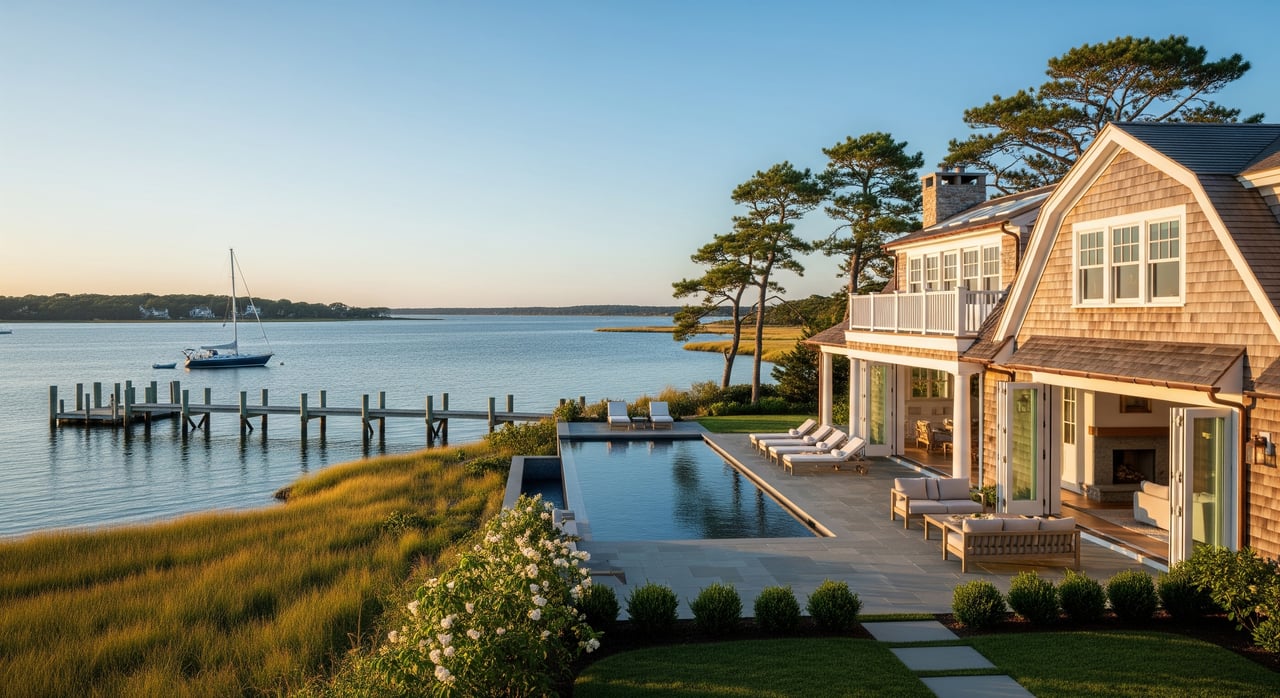
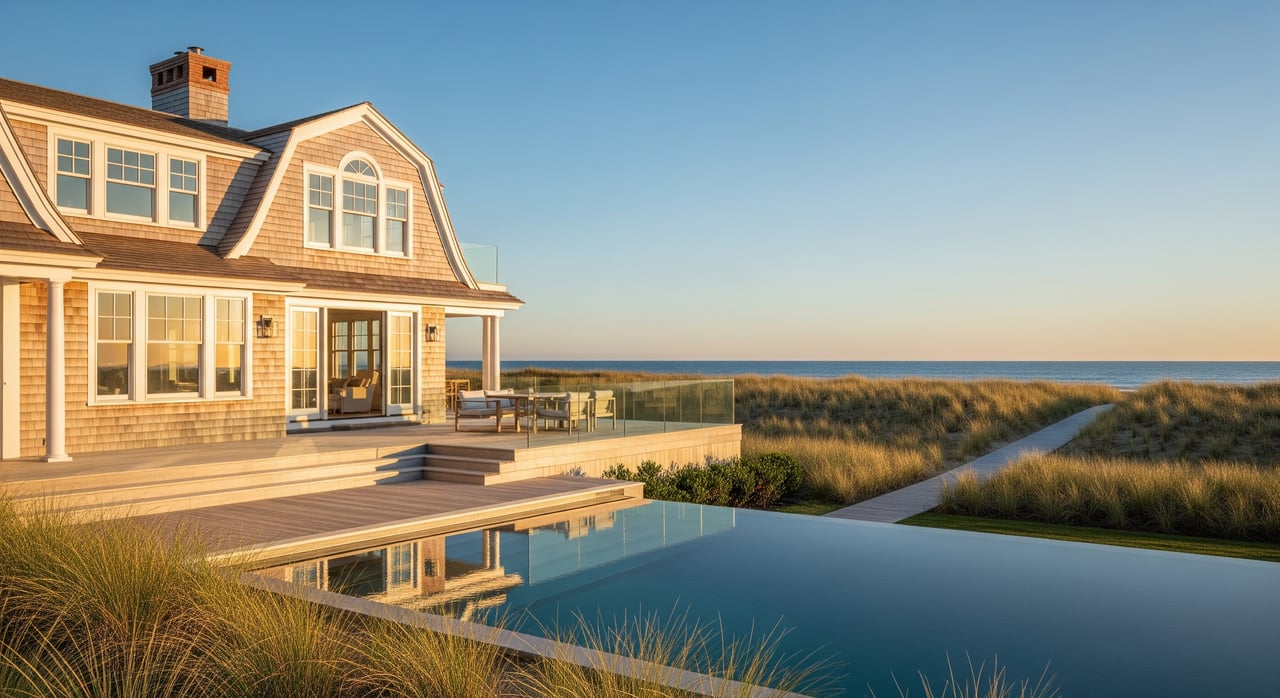
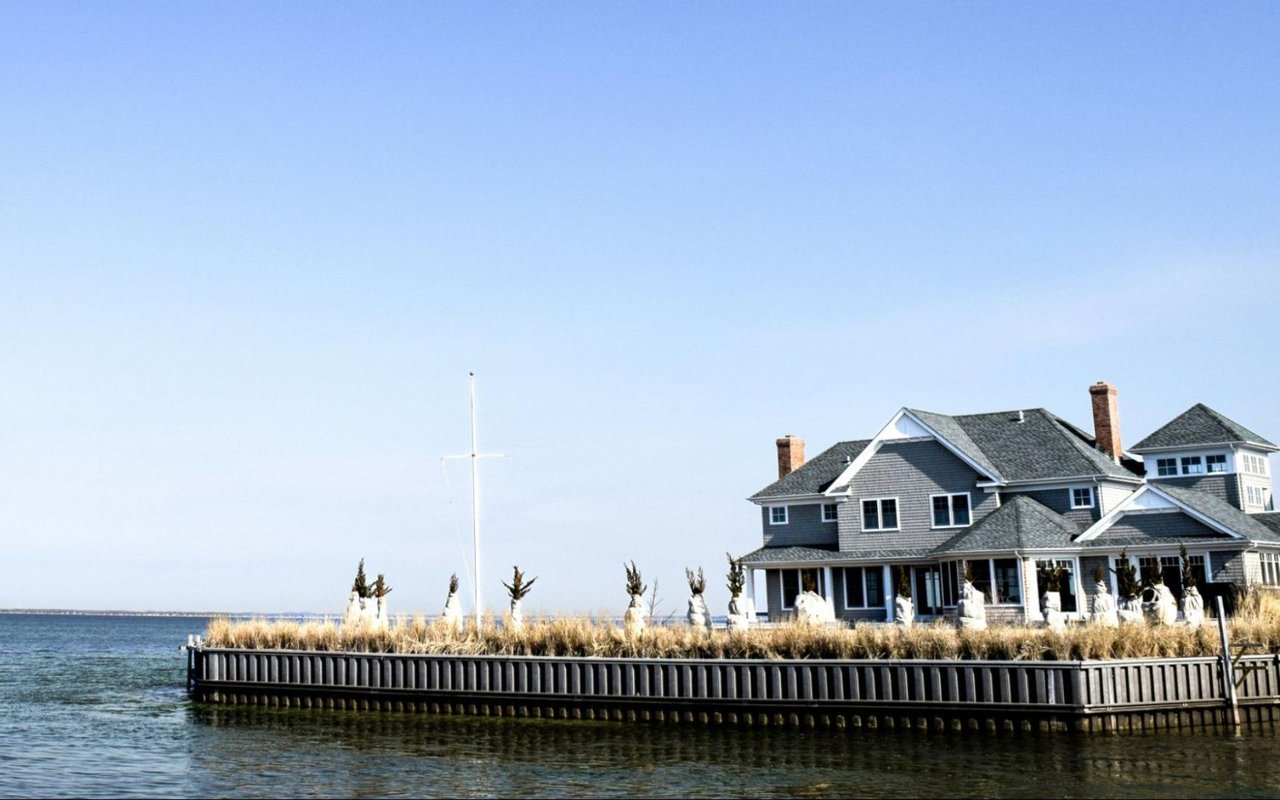
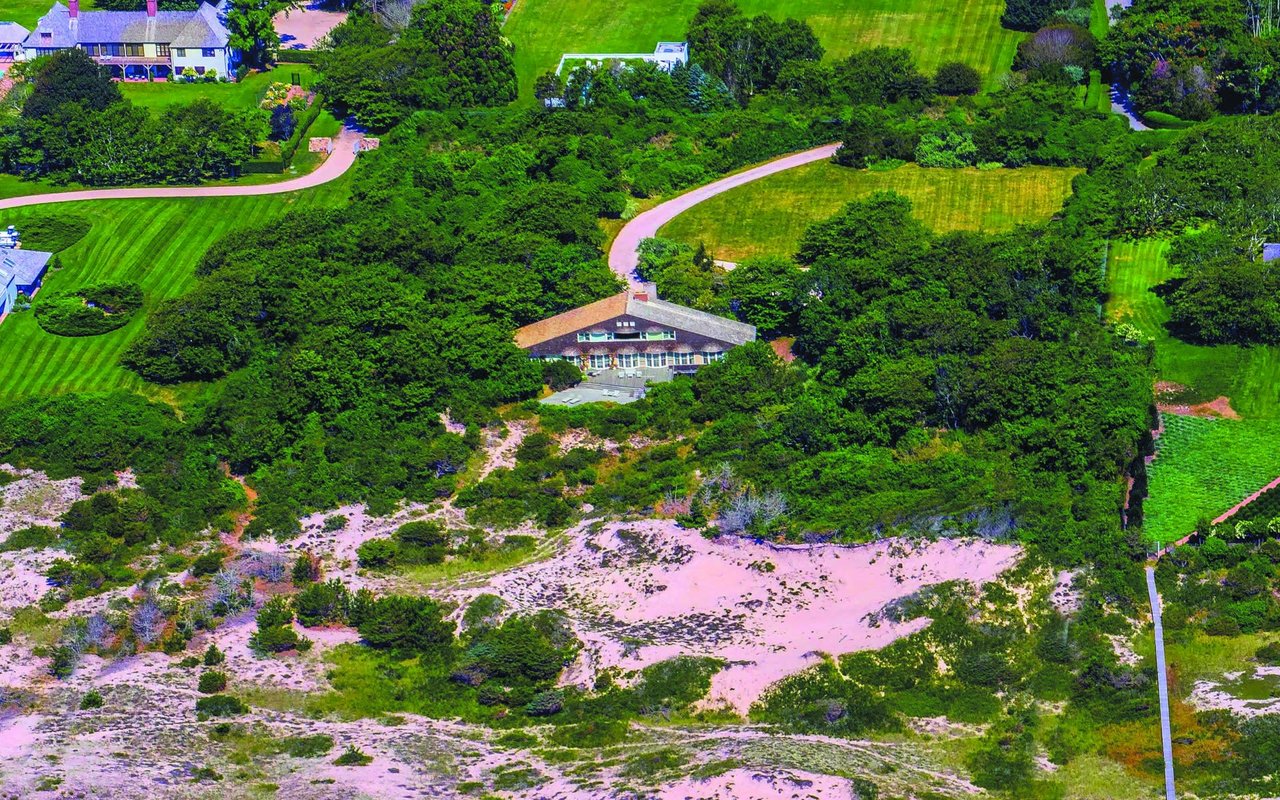
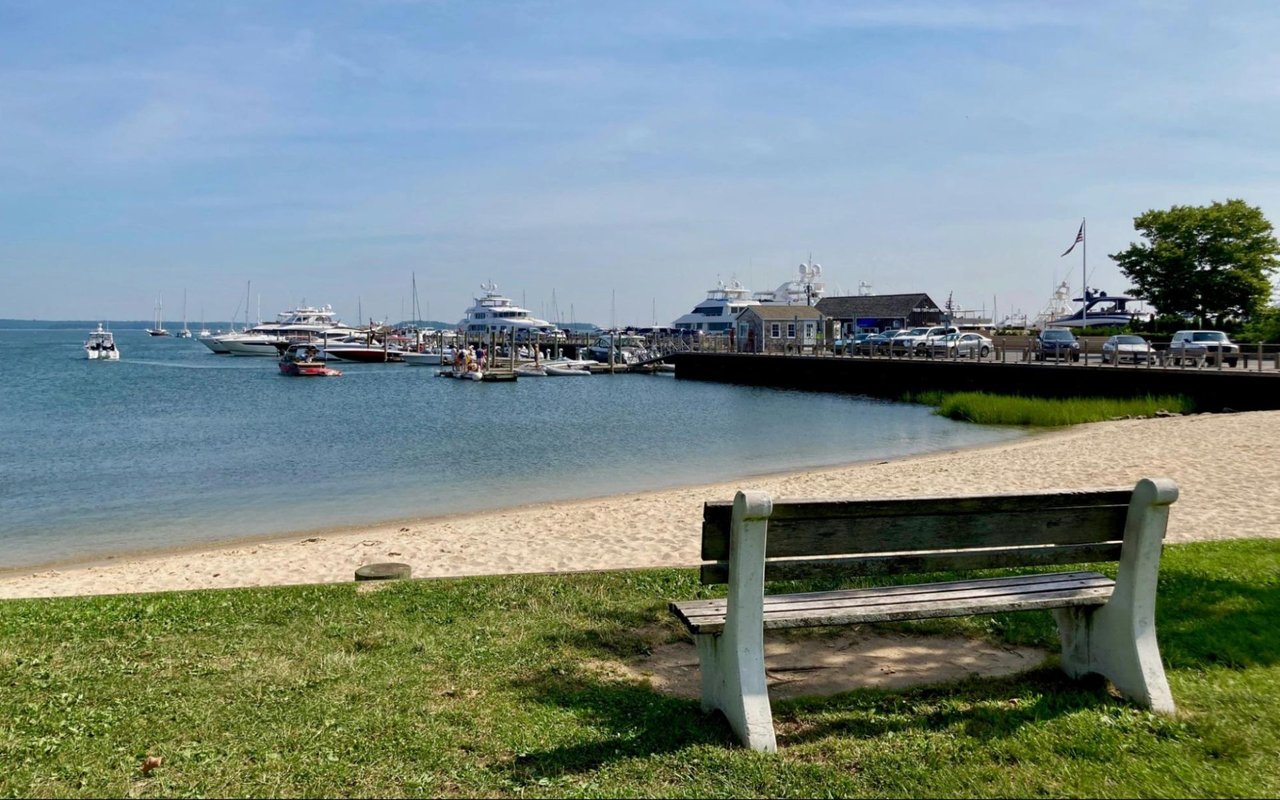
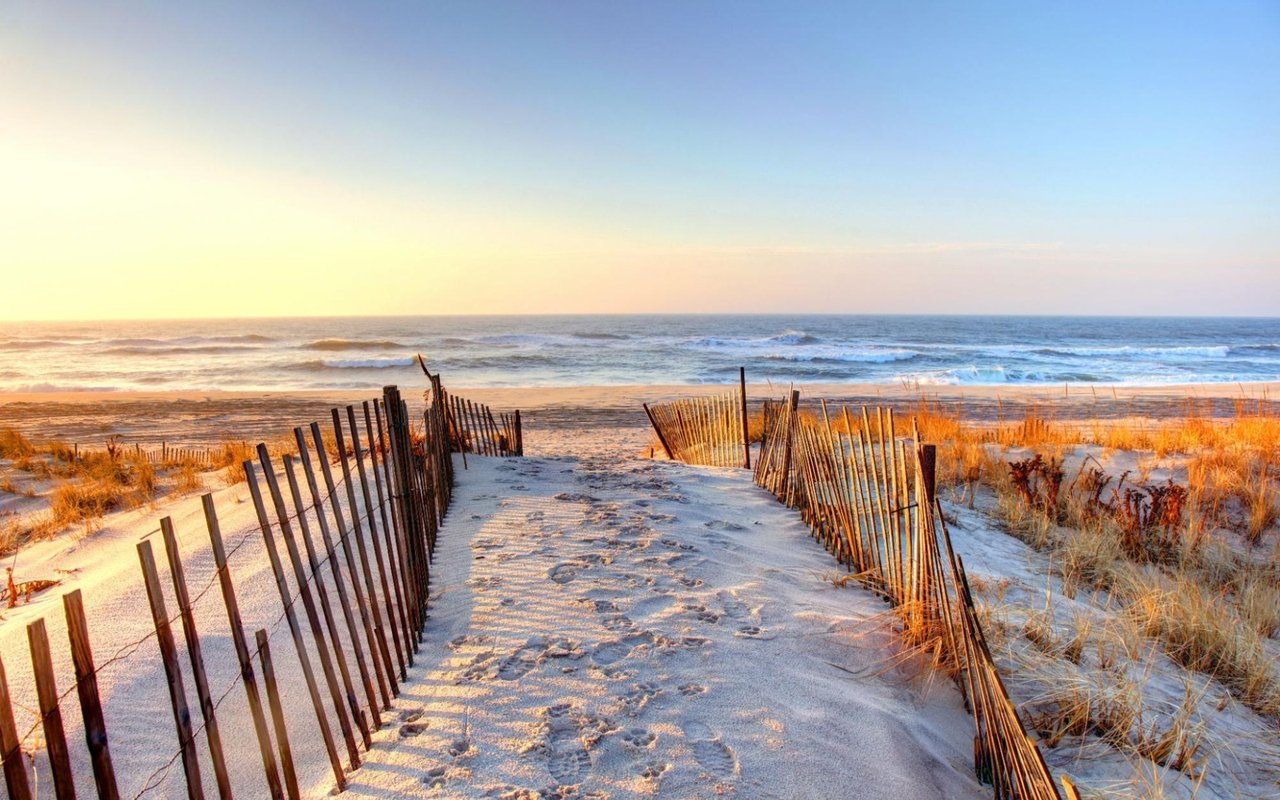
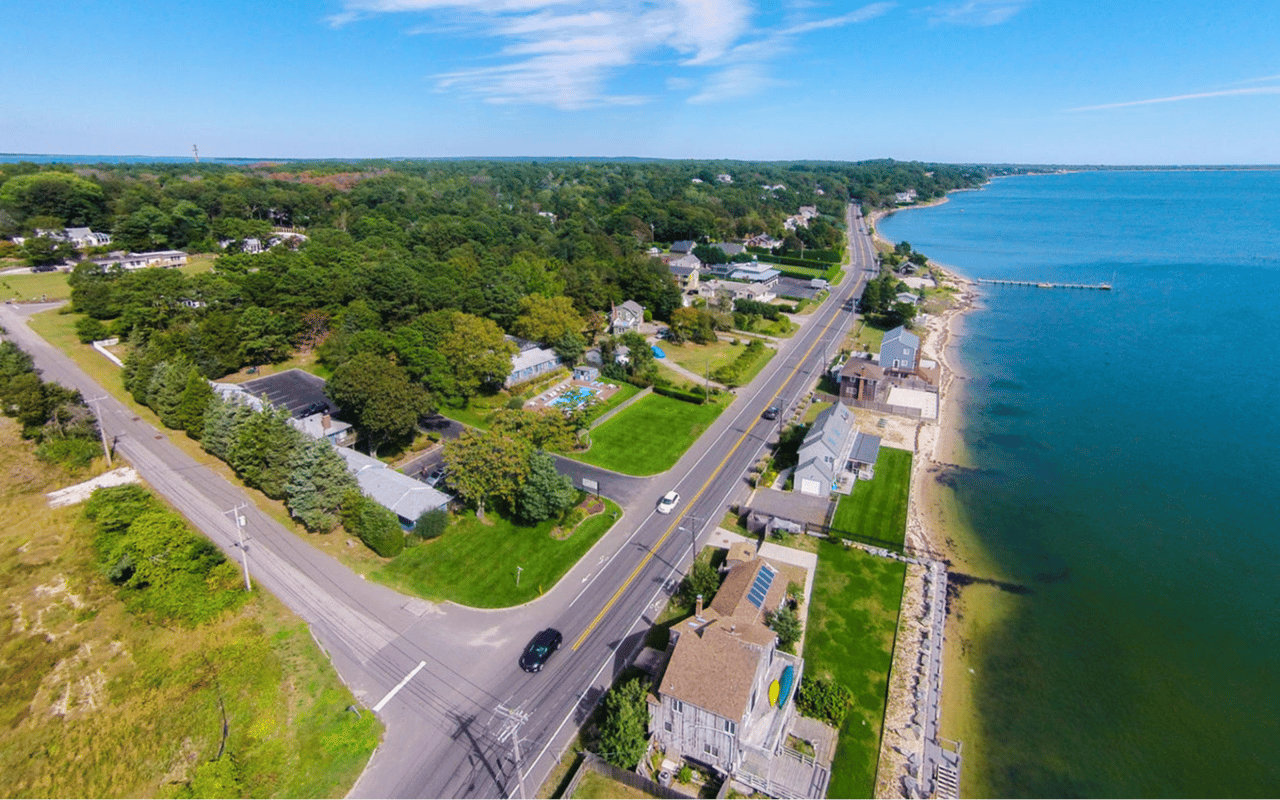
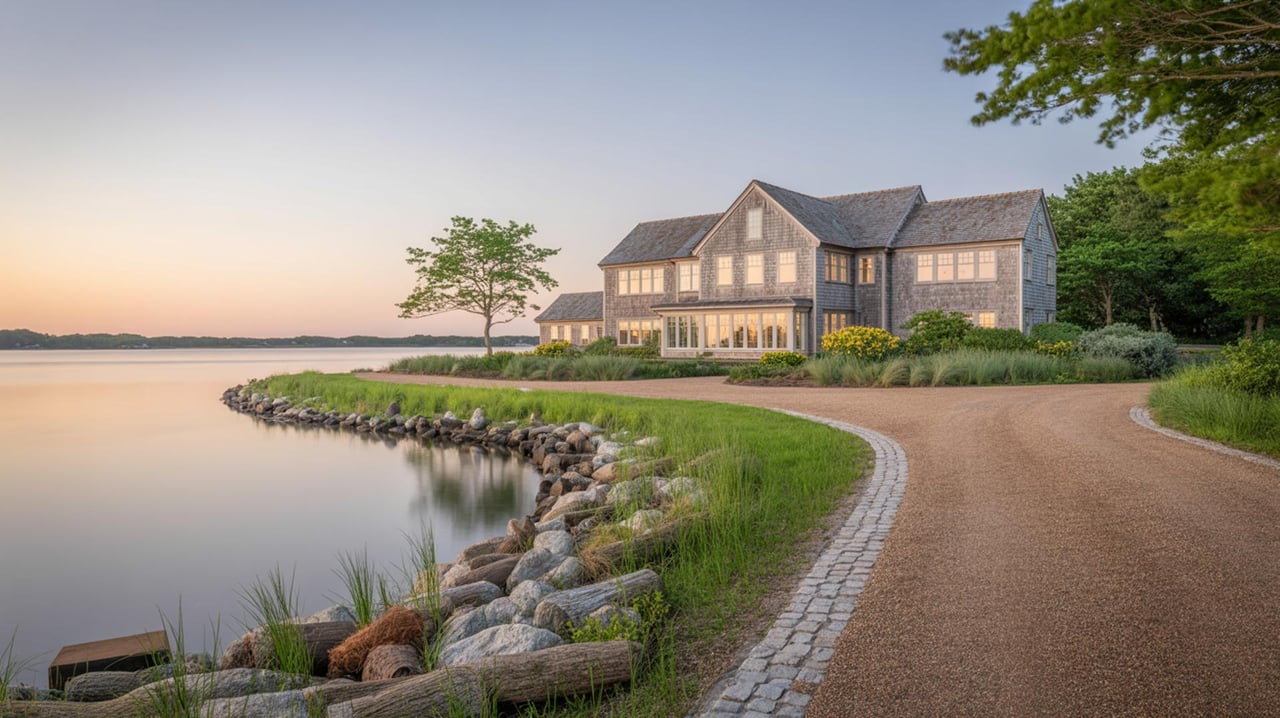
If your ideal Hamptons experience includes water views, beach days, and boating access, waterfront-adjacent living can be a strong fit. Hampton Bays offers notable public access to both the ocean and the bay, which adds to its appeal for second-home buyers and seasonal owners.
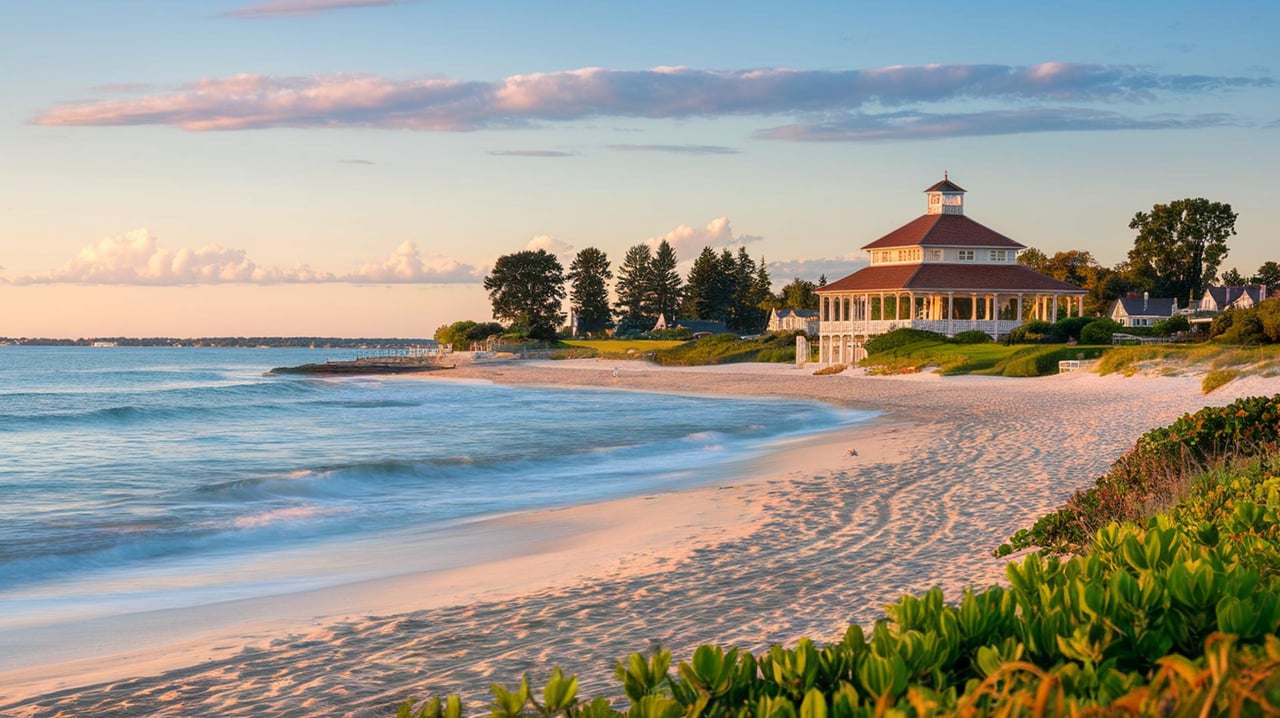
Ponquogue Beach Pavilion on Dune Road includes lifeguards, restrooms, showers, a concession stand, and 478 ocean-side parking spaces plus 84 overflow spaces on the bay side. Tiana Beach and Pavilion also offers lifeguards, restrooms, showers, a food concession, volleyball courts, and 847 parking spaces, with more than 1,000 feet of shorefront.
For boaters, Old Ponquogue Bridge Marine Park provides a year-round boat launch for boats up to 19 feet, along with fishing access to Shinnecock Bay and Shinnecock Inlet. Seasonal parking and launch use are permit-controlled from May 15 to September 15. For many buyers, that combination of beach and boating access is a major reason to prioritize the waterfront side of Hampton Bays.
What You Gain Near the Water
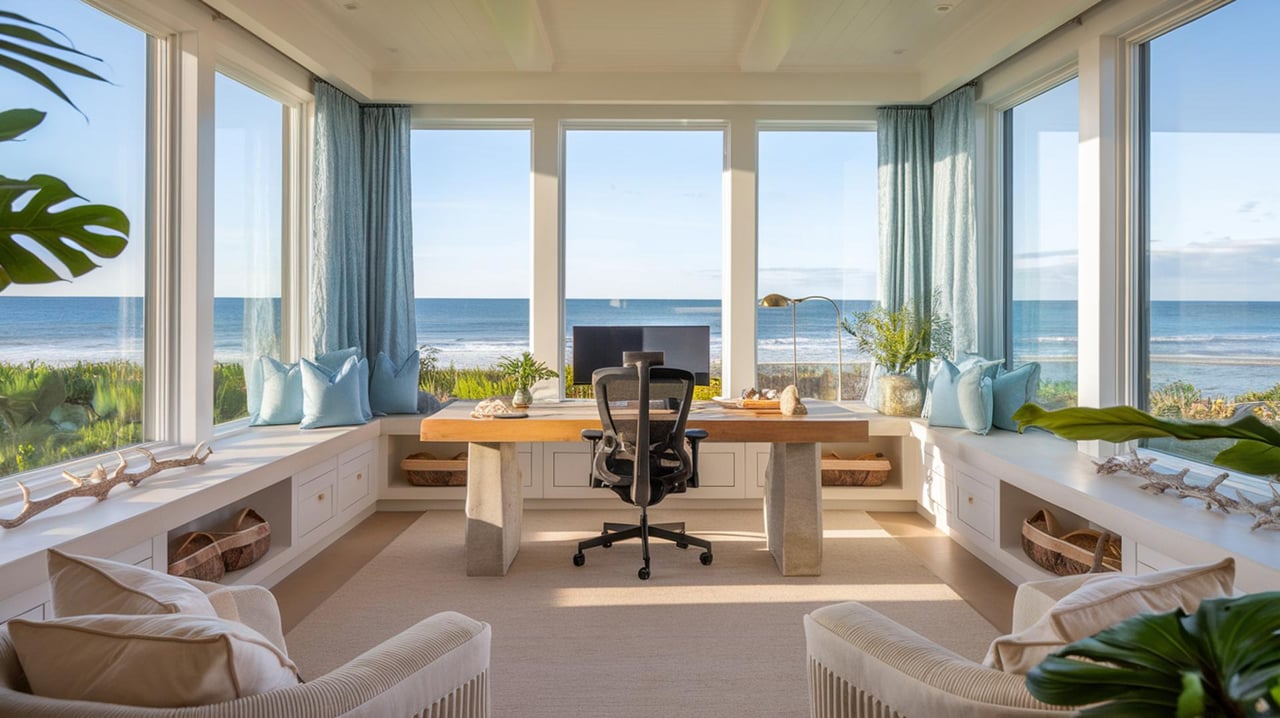
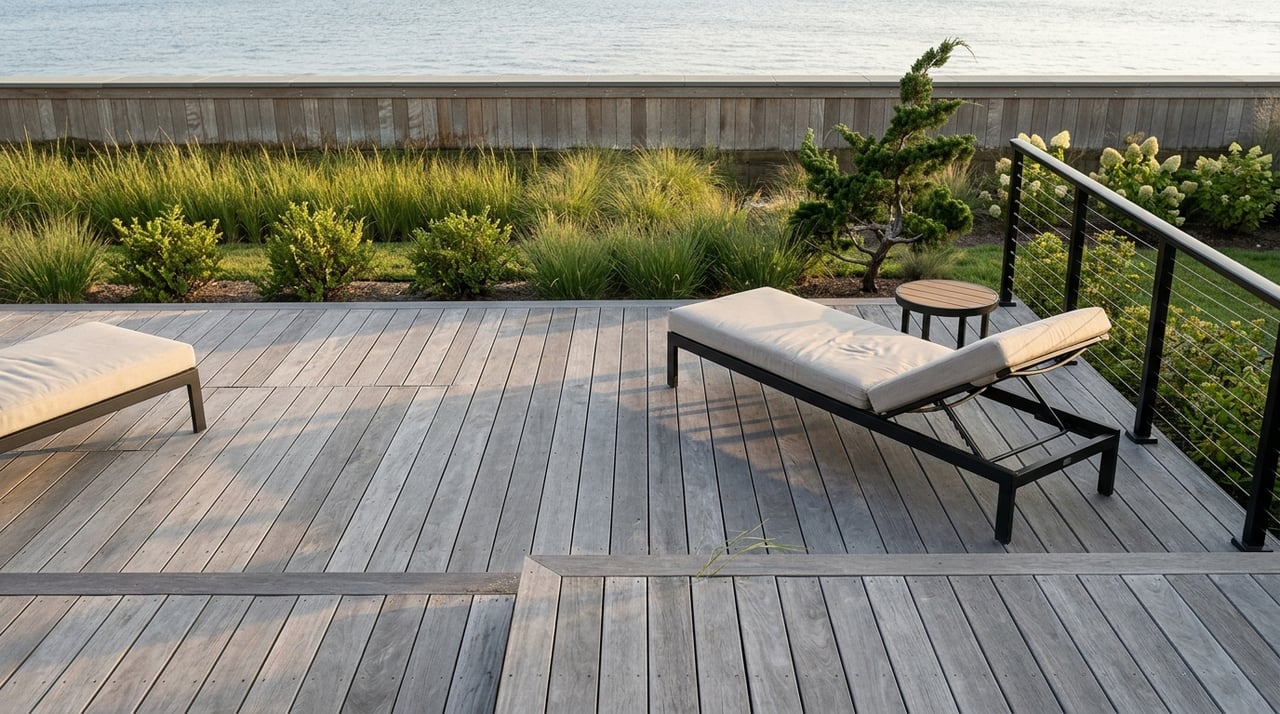
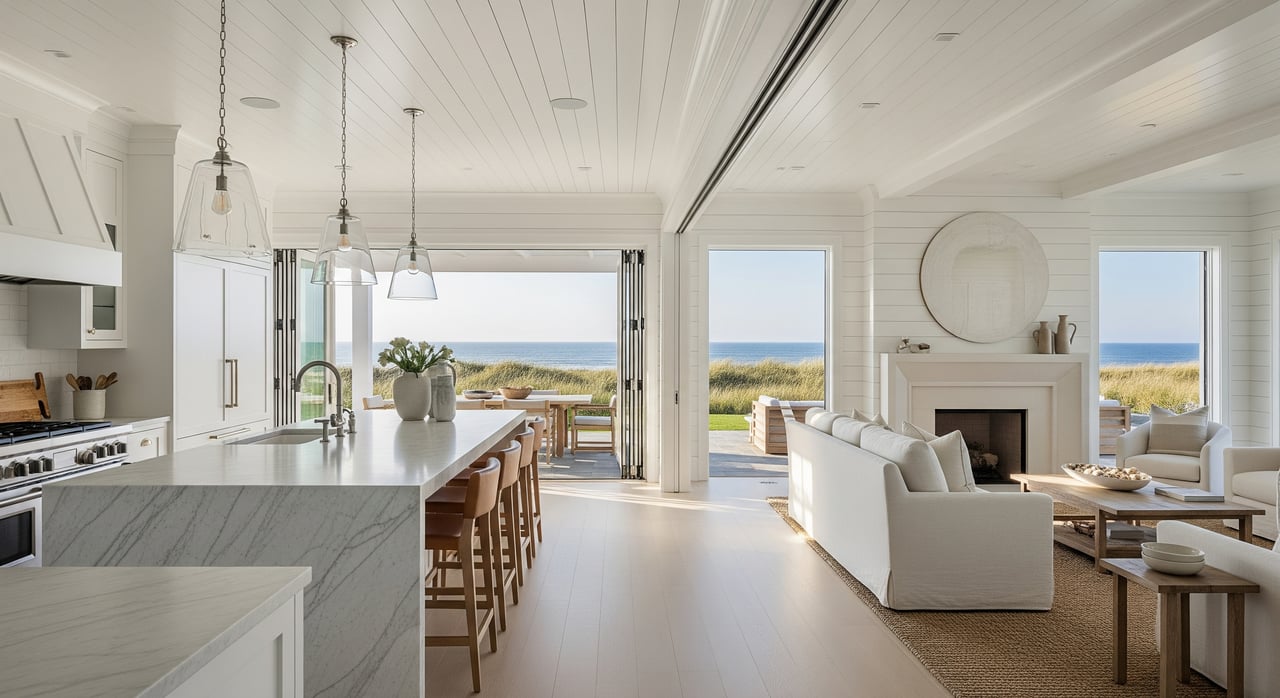
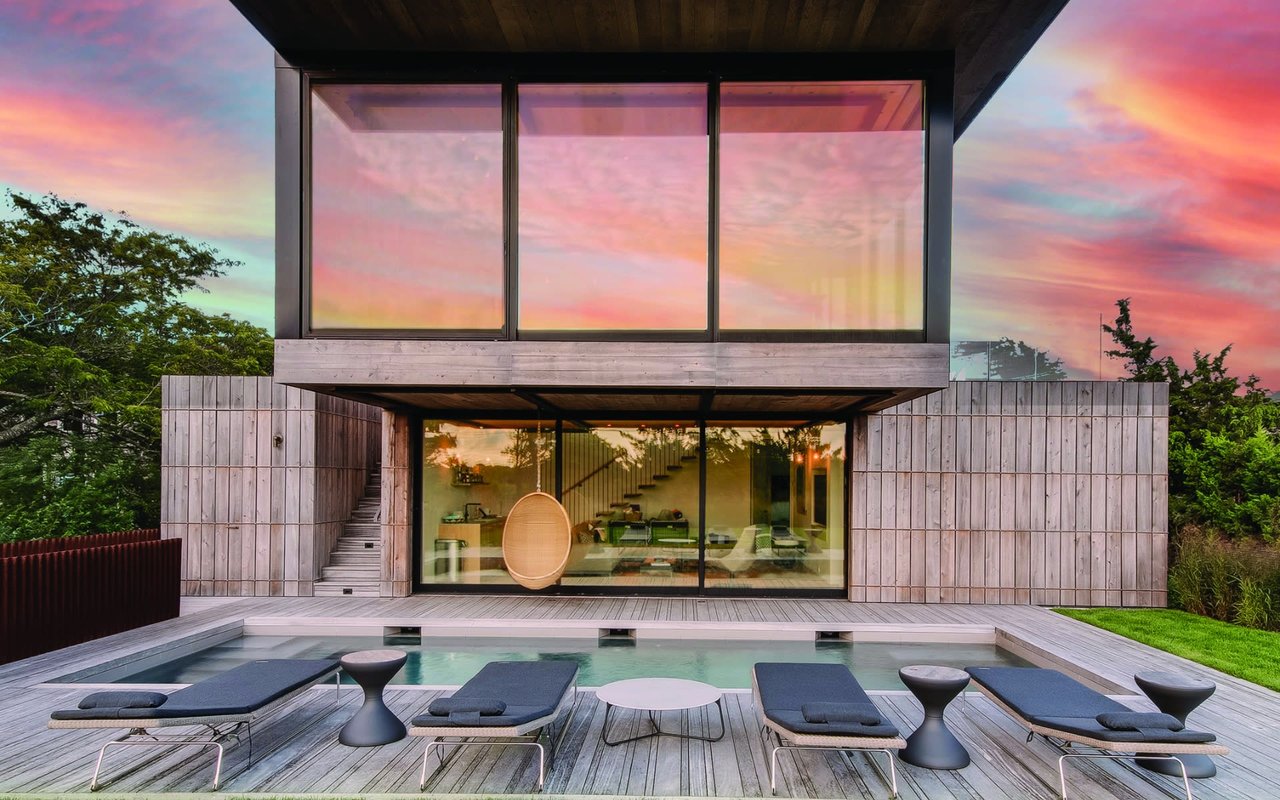
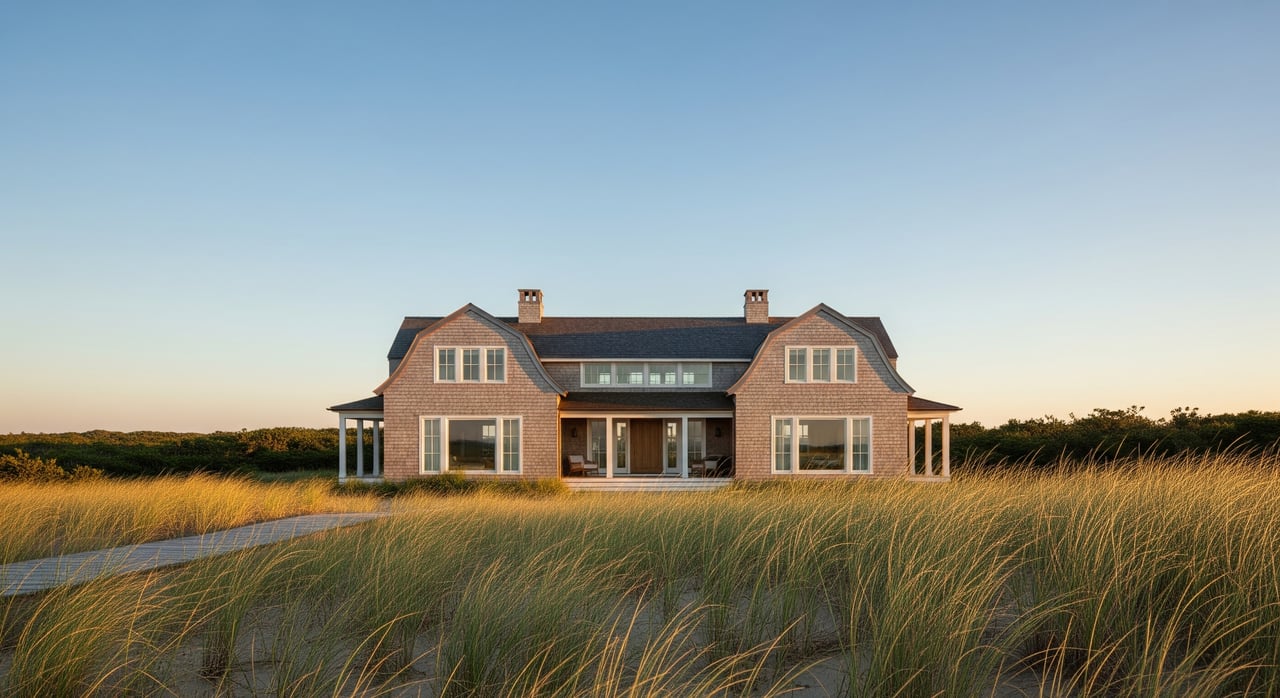
Waterfront-adjacent ownership often gives you a more vacation-like setting. Depending on the property, that may mean easier access to the beach, stronger water orientation, and a more classic coastal rhythm.
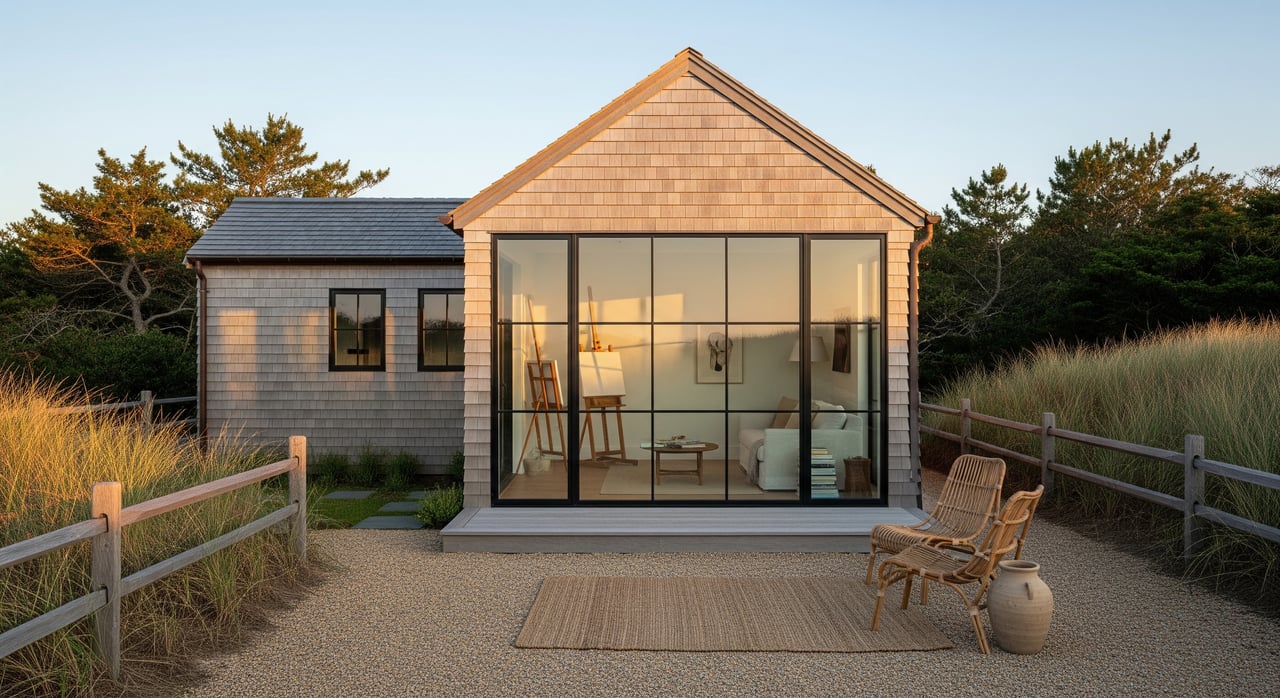
This lifestyle can also carry long-term appeal for buyers who want a Hamptons property that feels distinctly tied to the shoreline. For some owners, that emotional value matters just as much as square footage or proximity to shops.
What You Need to Watch
The tradeoff is that waterfront ownership often comes with more complexity. In Southampton Town, coastal erosion rules establish a coastal erosion hazard adjacent area that, west of the Shinnecock Inlet, reaches to the first inland street from the ocean, Dune Road.
In those areas, regulated activities require a coastal erosion management permit, and those shoreline rules can supersede underlying zoning where they conflict. The Town’s flood damage prevention rules also apply to special flood-hazard areas based on FEMA flood maps. In practical terms, buyers should expect more attention to compliance, siting, drainage, salt exposure, and structural upkeep.
Why In-Town Living Appeals
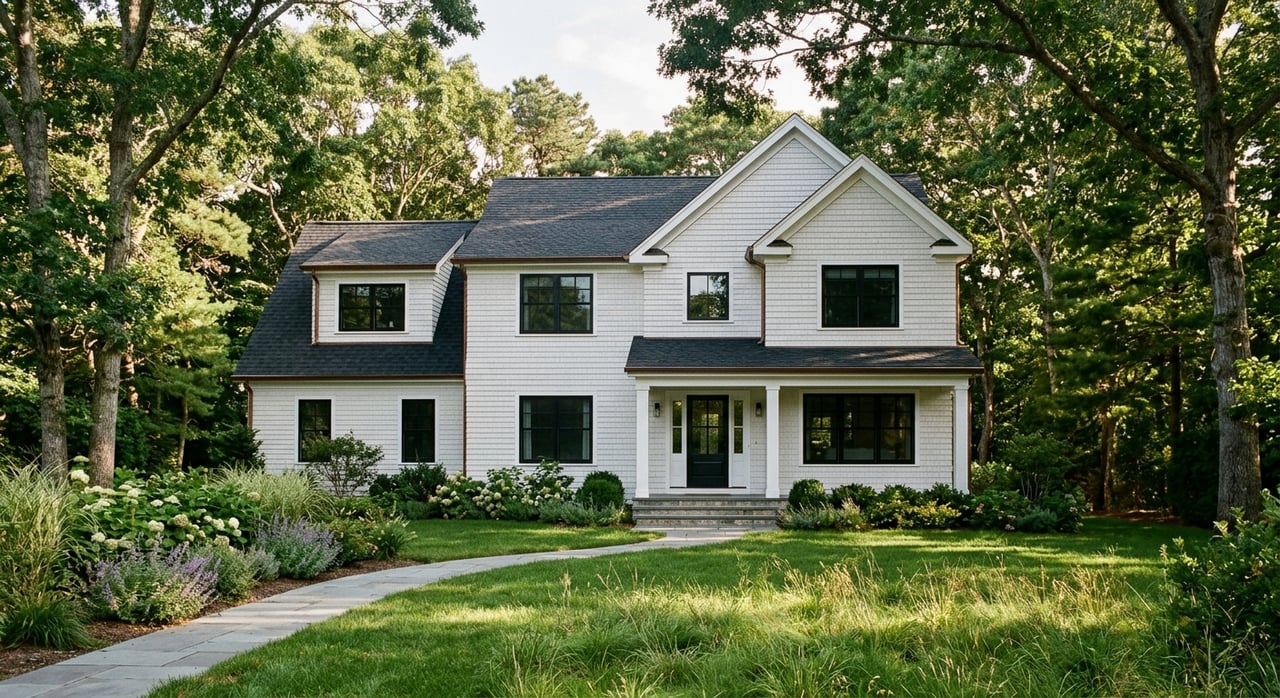
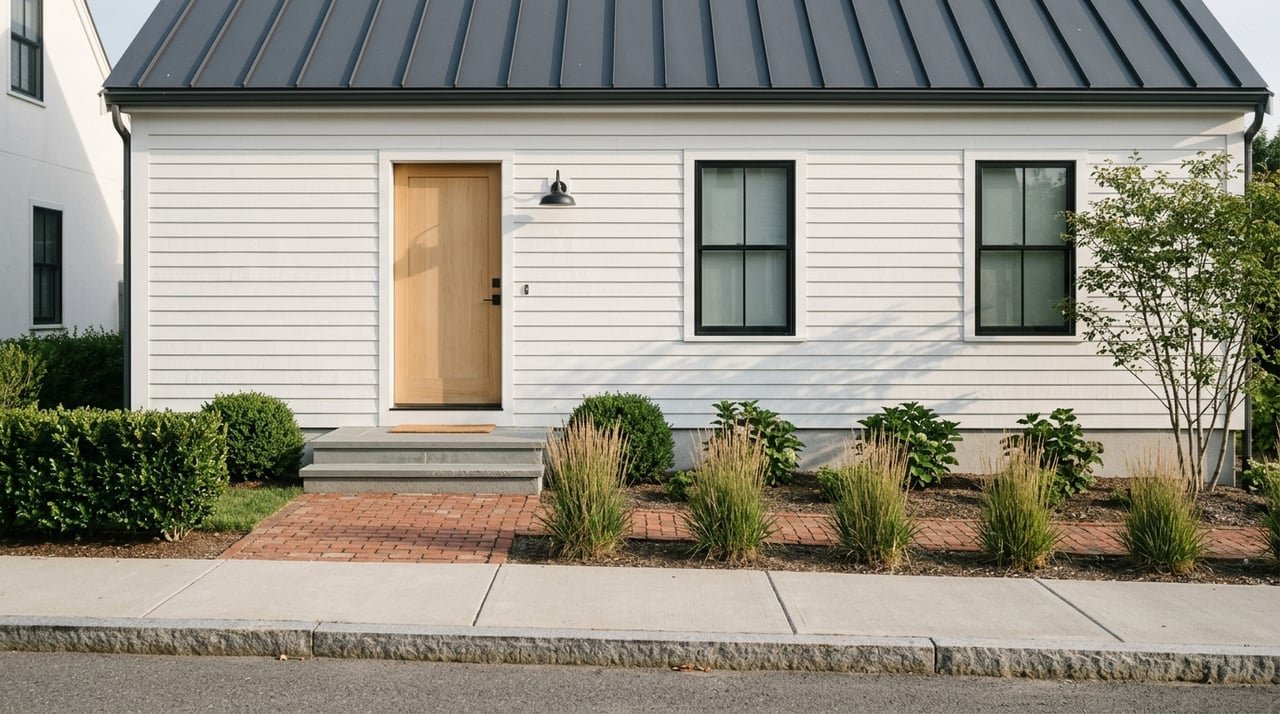
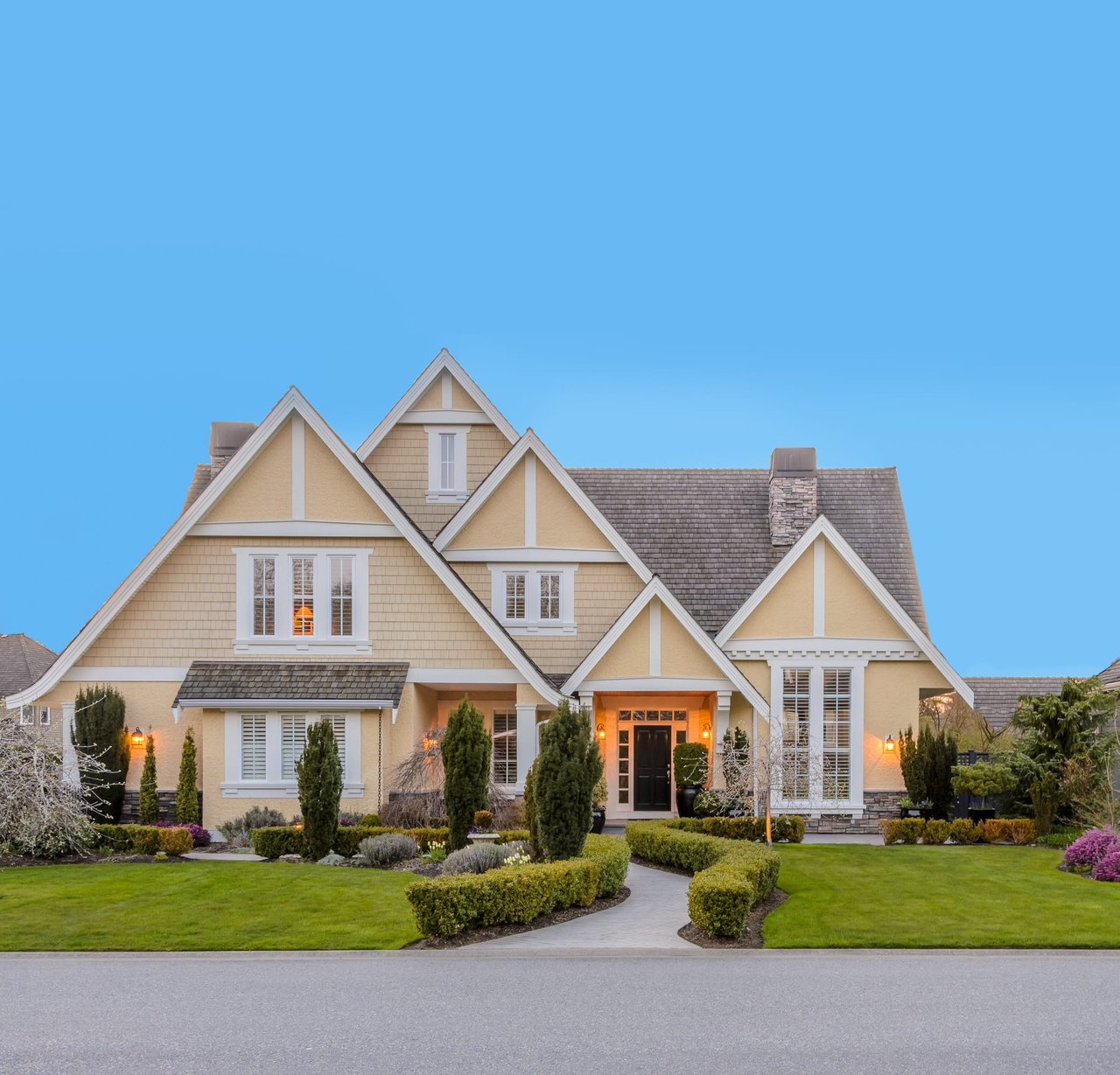
If you picture Hampton Bays as a place to use often, not just during peak summer weekends, in-town living may be the better match. The hamlet center has a different energy, with more focus on walkability, daily convenience, and year-round usability.
The Town of Southampton’s Hampton Bays Downtown Overlay District was adopted to strengthen the existing hamlet center. It emphasizes a core pedestrian shopping and mixed-use area, with wider sidewalks, street trees, storefronts close to the street, and a pedestrian-scaled Main Street environment.
That planning matters because it supports a more connected everyday experience. Instead of orienting your lifestyle around shoreline logistics, you may be closer to services, public spaces, and a more conventional residential routine.
Everyday Convenience Matters
Good Ground Park is a strong example of Hampton Bays’ in-town appeal. The Town describes it as a public park adjacent to Main Street with connections to the business district, plus amphitheater seating, trails, restrooms, playground space, and year-round access.
For buyers who value errands, events, and day-to-day practicality, that can be a meaningful advantage. The hamlet also includes civic uses such as the Hampton Bays Community Center, reinforcing the idea that this is not only a beach destination, but also a functioning year-round community.
A Lower-Friction Ownership Experience
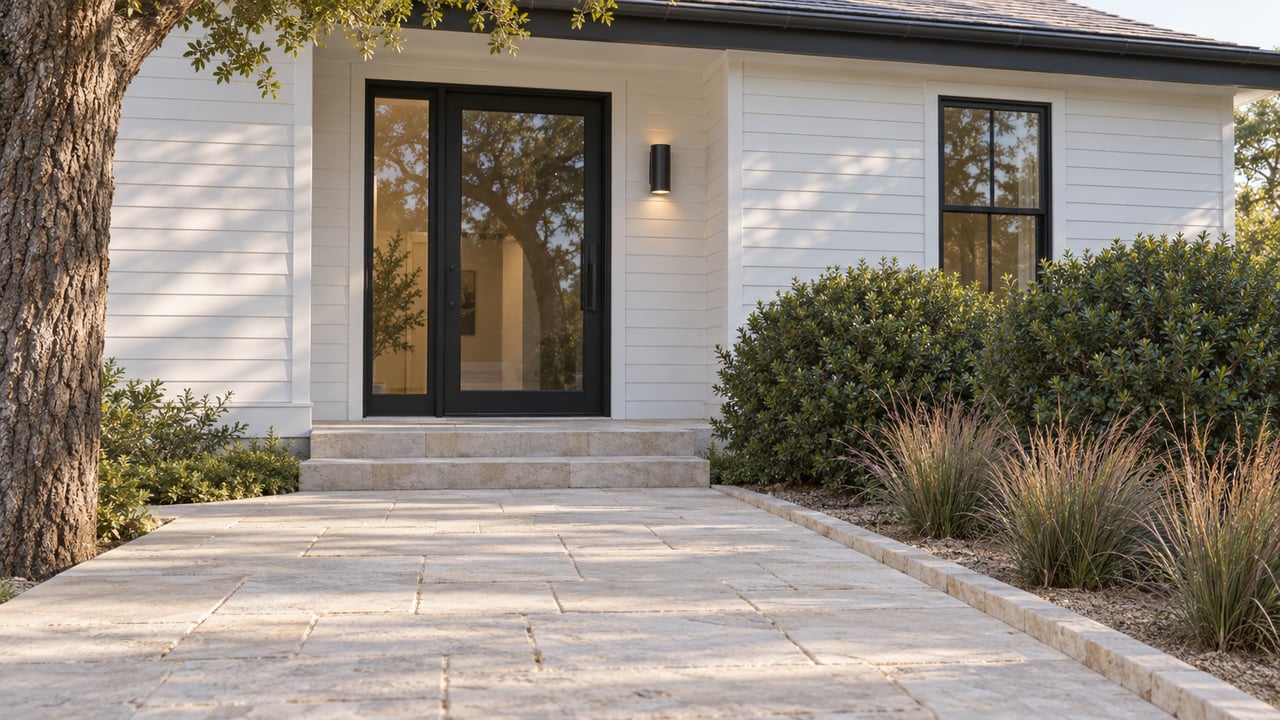
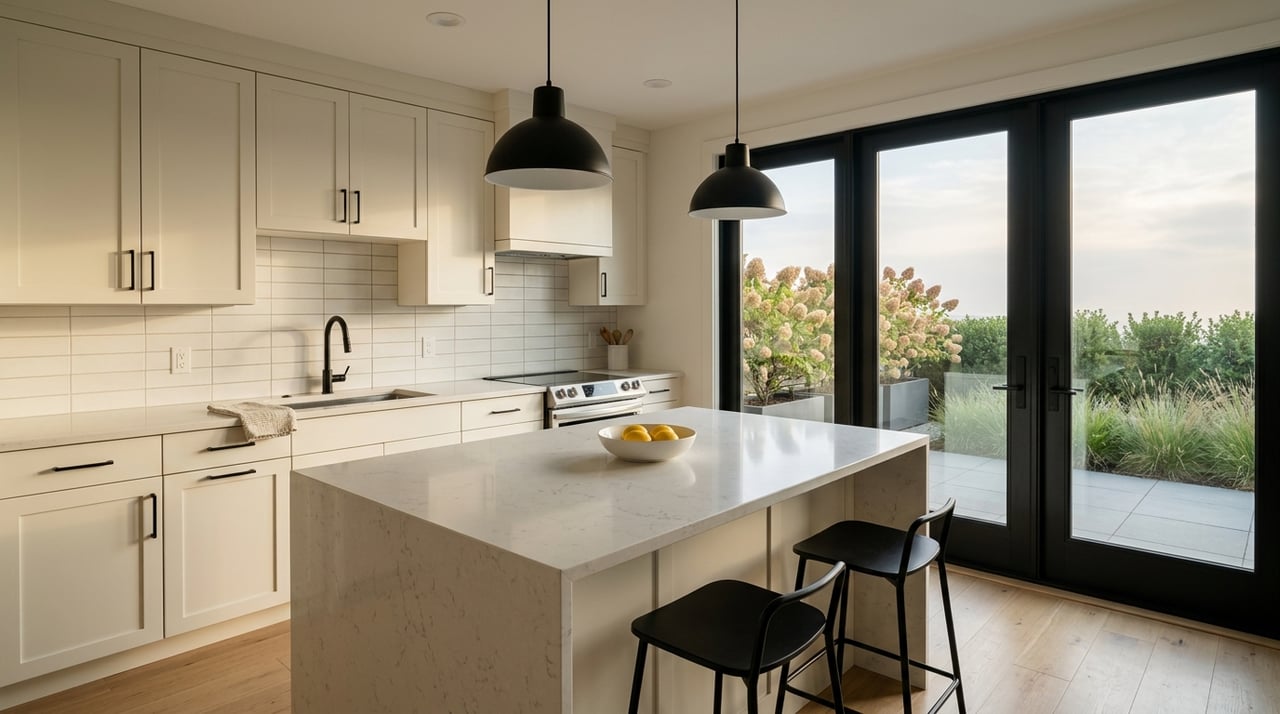
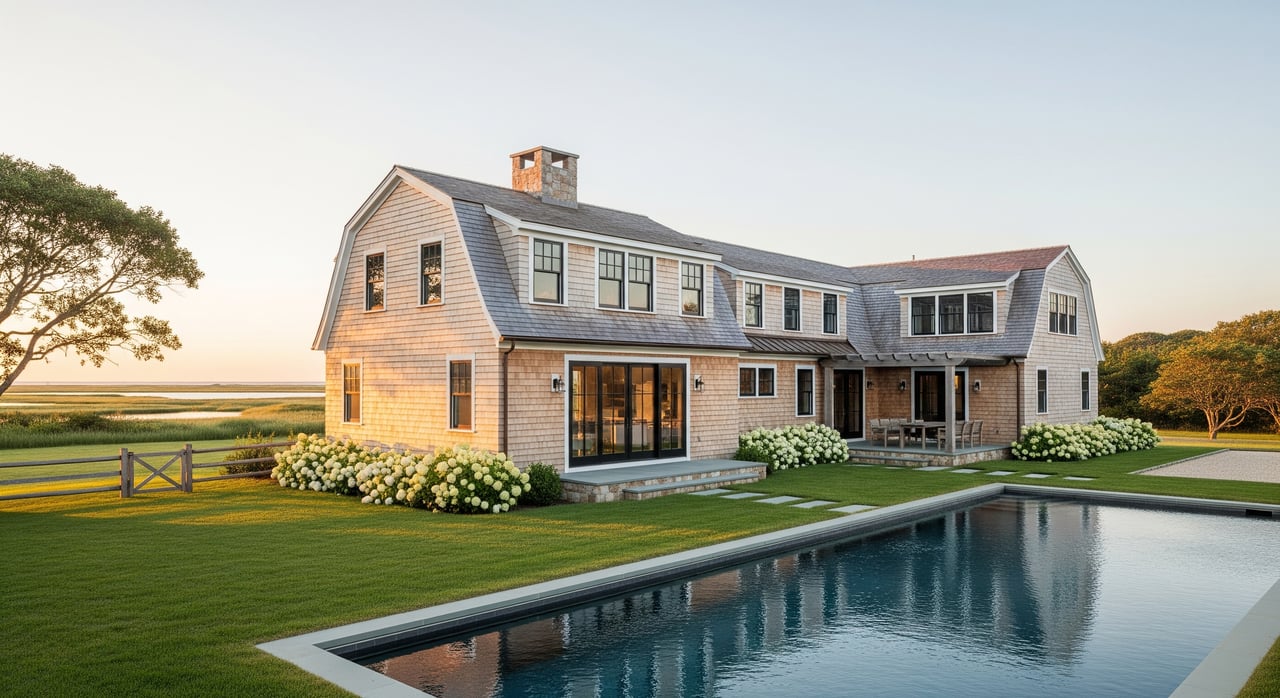
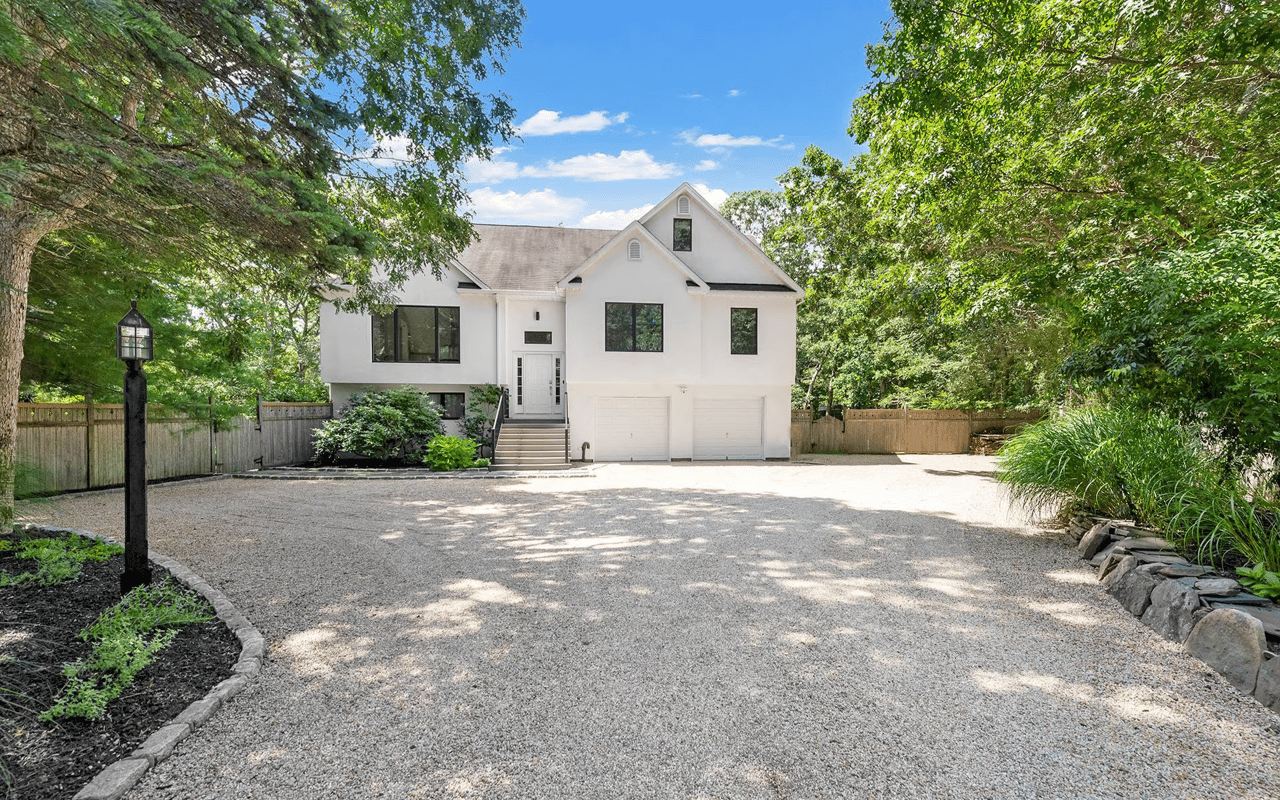
Homes closer to Main Street and the hamlet center will often involve fewer shoreline-specific issues than homes on or near Dune Road, the bay edge, or other erosion-managed areas. That does not mean every in-town property is simple, but it usually means fewer water-related layers to think through.
For many buyers, especially those who want a dependable second home or a full-time base, that lower-friction ownership experience can be a deciding factor. It is a different version of Hamptons living, but one that often fits real life very well.
Pricing Is More Nuanced Than It Looks
One of the biggest mistakes buyers make in Hampton Bays is assuming there is one standard waterfront premium. Public data suggests the market is much more segmented than that.
Recent examples show the spread clearly. A sale at 119 Ponquogue Ave closed in July 2024 for $480,000 and was described as a centrally located cottage needing substantial TLC. Another in-town sale, 10 Stonywell Ct, sold in July 2022 for $970,000, while 8 Ocean Ave closed in April 2026 for $898,000.
Water-adjacent inventory can move into a very different price band. Current public listings include 6 Mill Pond Rd at $2,399,000, 12 Red Creek Rd at $2,999,000, 68 Foster Ave #9 at $1,749,000, and 53 Shore Rd at $1,280,000.
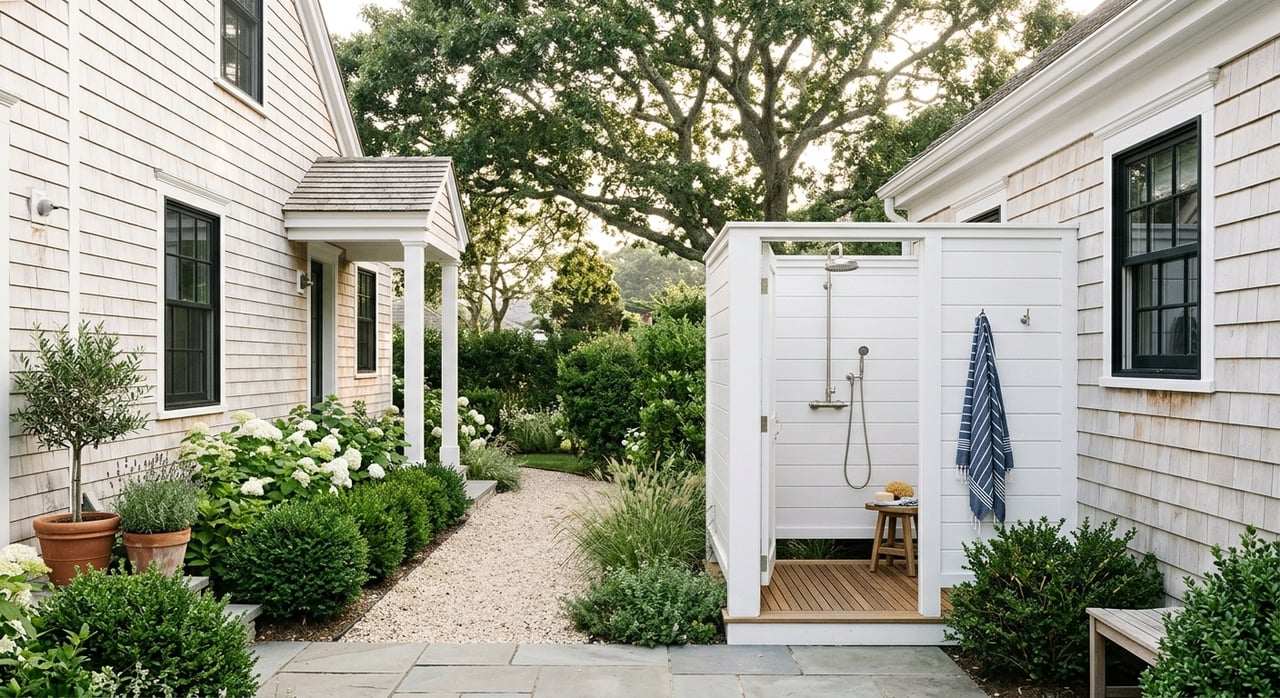
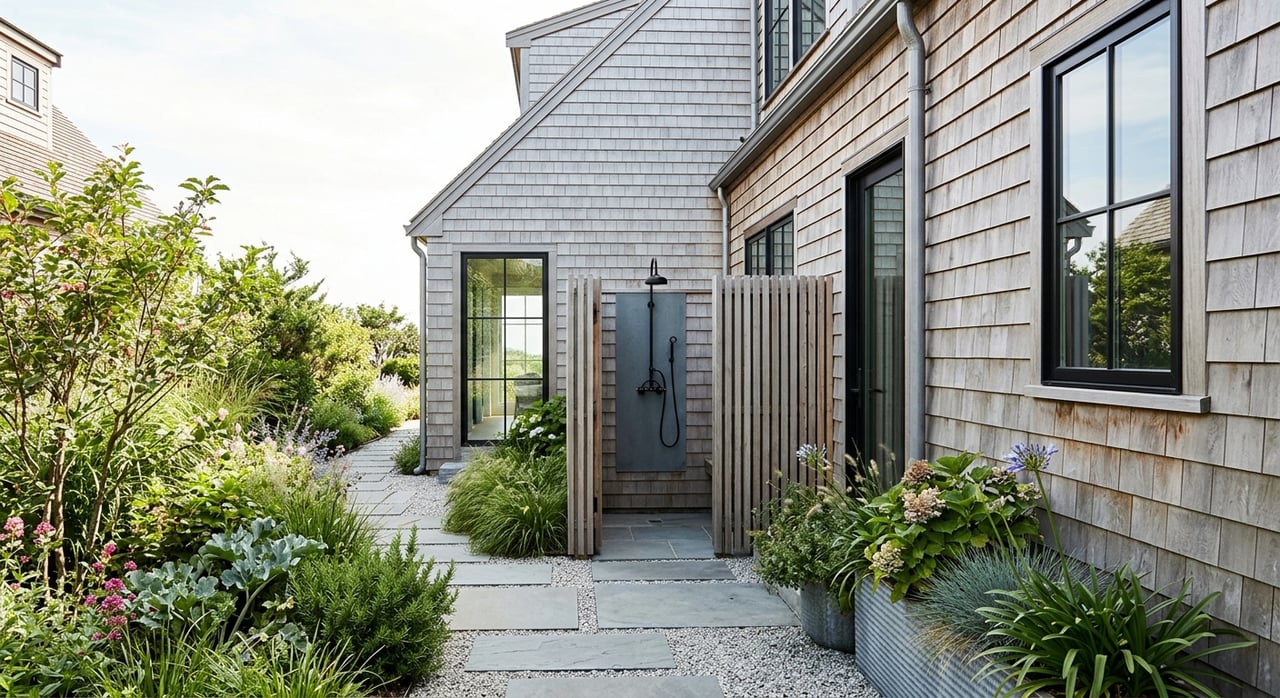
Dune Road shows an even wider range. Public data includes values of about $620,852 for 62 Dune Rd, $2.53 million for 58 Dune Rd, $3.05 million for 53 Dune Rd, and $5.29 million for 55 Dune Rd. A waterfront example at 47 Dune Rd sold for $725,000 in January 2017 and was described as open bay front with a bulkhead, outdoor shower, and boat-launch access.
What Drives the Price Gap
The clearest takeaway is that pricing is shaped by more than distance to the water. Condition, size, frontage, utility, and actual access all matter.
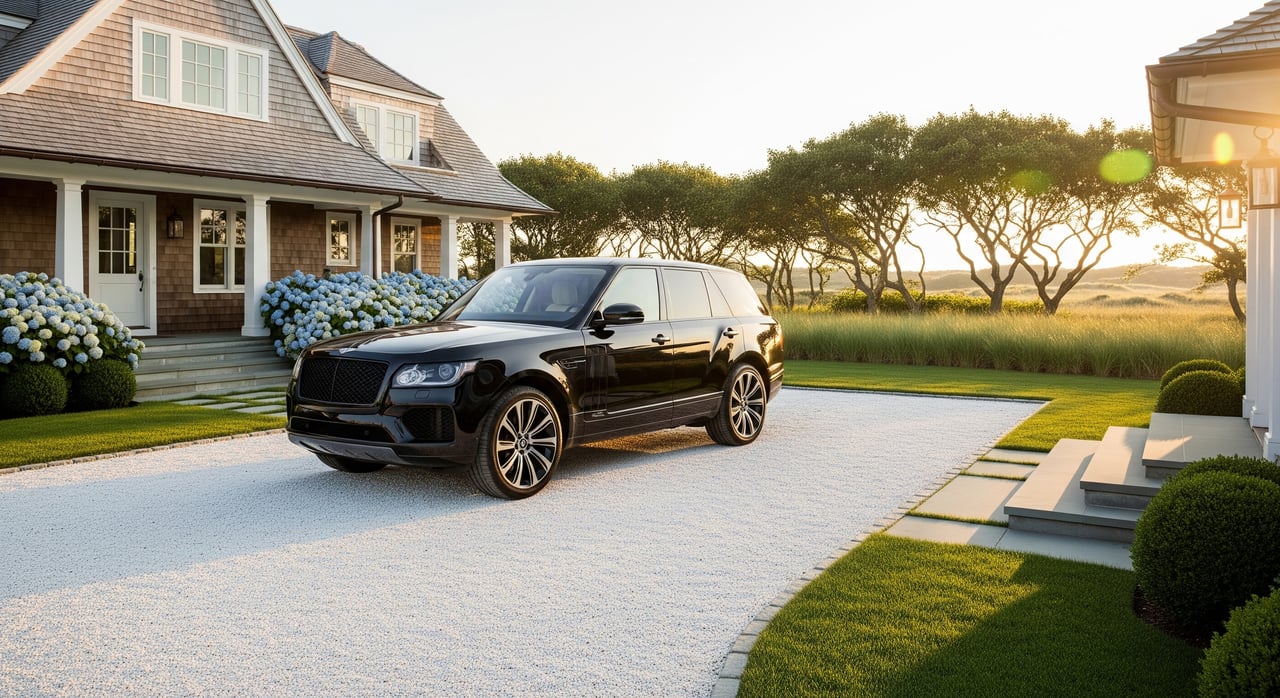
That is why a smaller or older shoreline home may trade below a larger in-town home, while a fully featured bayfront or Dune Road property can rise into the multimillion-dollar tier. If you are evaluating value in Hampton Bays, you need to look beyond the street name and focus on how the property actually functions.
Which Option Fits Your Goals?
The right choice comes down to how you plan to use the home and what tradeoffs feel acceptable to you. Hampton Bays works well because it can support both a lifestyle purchase and a practical ownership decision.
Waterfront May Fit You If
- You prioritize beach access, boating, and water views
- You want a stronger vacation-home feel
- You are comfortable with more maintenance and permit awareness
- You understand that storm exposure and salt-air wear may affect ownership costs over time
In-Town May Fit You If
- You want easier day-to-day logistics
- You value proximity to Main Street, parks, and services
- You expect to use the home year-round or more frequently
- You prefer a lower-friction ownership experience
Why Hampton Bays Is So Versatile
Hampton Bays is unusually flexible within the Hamptons market. It offers public beaches, a boat launch, a real downtown core, and a planning framework that supports both shoreline living and hamlet-center growth.
That versatility is part of its appeal for second-home buyers, year-round owners, and buyers thinking carefully about long-term value. Whether you lean toward a bayfront setting or an in-town home near Main Street, the better decision usually comes from matching the property type to your actual lifestyle, not just the dream version of it.
If you want help comparing specific Hampton Bays properties through both a lifestyle and market-value lens, Michael Petersohn can help you evaluate the tradeoffs with clear, local guidance.
FAQs
Is Hampton Bays better for waterfront or in-town living?
- It depends on your priorities. Waterfront living usually suits buyers who want beach access, boating, and a vacation-style setting, while in-town living tends to suit buyers who value walkability, services, and year-round convenience.
Are waterfront homes in Hampton Bays always more expensive?
- No. Public examples show a wide pricing range, and value depends on factors like condition, size, frontage, utility, and actual water access, not just whether a home is near the water.
What are the risks of buying near Dune Road in Hampton Bays?
- Homes near Dune Road may fall within coastal erosion and flood-regulated areas, which can mean added permit requirements and more attention to drainage, siting, and ongoing maintenance.
What makes in-town Hampton Bays attractive for year-round owners?
- The hamlet center offers a more practical daily routine, supported by Main Street planning, Good Ground Park, and access to local services and civic spaces.
Is Hampton Bays a good option for a second home in the Hamptons?
- Hampton Bays can be a strong option for a second home because it combines public beach access, boating amenities, and an in-town core with a broad range of pricing and ownership styles.