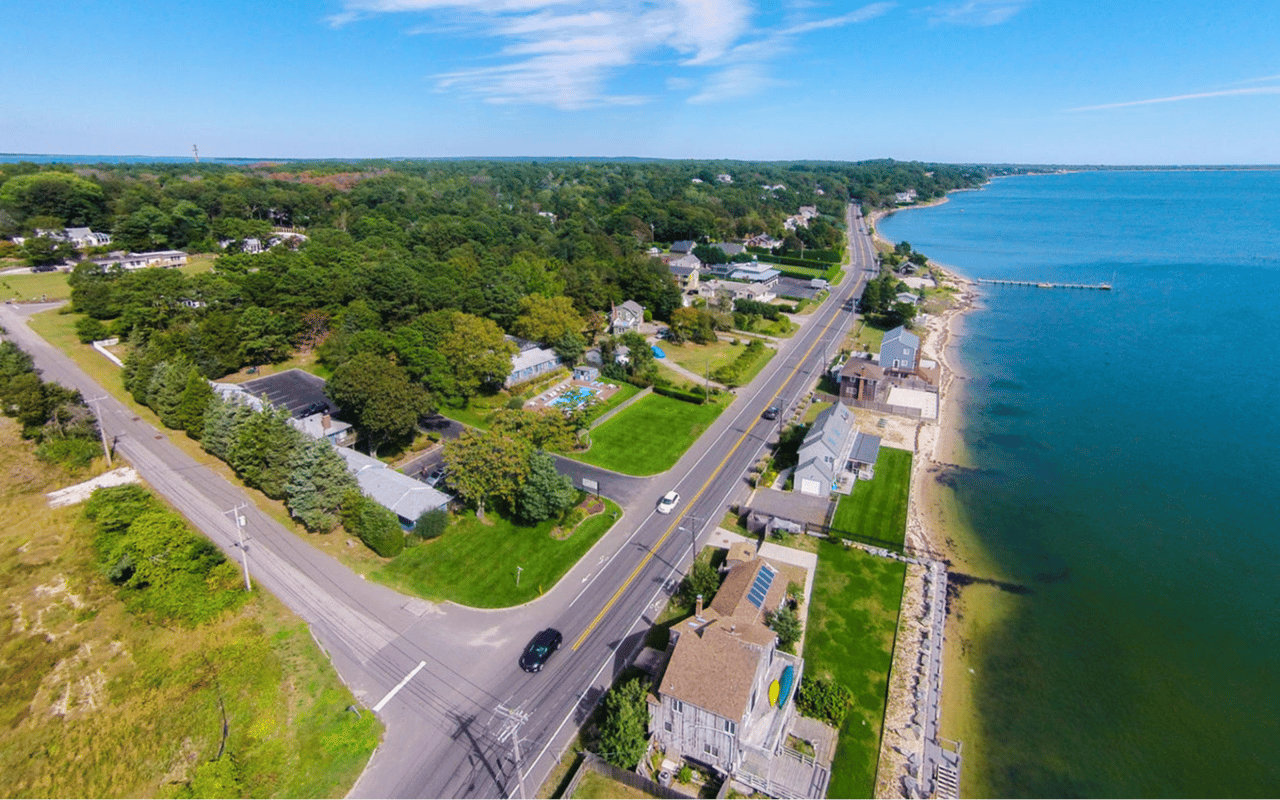
Thinking about buying in Montauk? The timeline matters just as much as the home itself. If you are balancing weekend travel, a fast-moving seasonal market, and the extra due diligence that comes with a coastal property, it helps to know what happens when. This step-by-step guide walks you through the buying process in Montauk so you can plan with more confidence and fewer surprises. Let’s dive in.
Start earlier than you think
Montauk is not a market where you want to make every decision on the fly. East Hampton planning documents describe Montauk as part of a tourism-driven, seasonal economy, and summer traffic on Montauk Highway can become especially difficult. That means your buying timeline should account for travel time, showing schedules, and slower logistics during peak season.
If you are coming from New York City or elsewhere in the region, planning your search around both driving and rail access can help. Montauk is served by the LIRR’s Montauk station, which can make some property tours easier to organize. Even so, it is smart to build in extra time for in-person visits, inspections, and closing-related appointments.
Step 1: Get lender-ready first
Before you seriously shop, get your financing lined up. Prequalification and preapproval can both help you understand your price range, but neither is a guaranteed loan offer. The real value of starting early is that you can uncover credit or documentation issues before you are trying to move quickly on a specific property.
Once you are serious, ask multiple lenders for official Loan Estimates. Lenders must provide a Loan Estimate within three business days after receiving a mortgage application, and you do not need a signed contract to request one. Comparing those estimates gives you a clearer picture of rates, fees, and monthly costs than relying on verbal quotes.
In Montauk, this early step can give you a real advantage. Because the market is seasonal and logistics can get harder in summer, being lender-ready before peak touring season may help you move with more confidence when the right listing appears.
What to do in this stage
- Review your budget and target monthly payment
- Gather income, asset, and tax documents for your lender
- Request Loan Estimates from more than one lender
- Compare loan terms, not just the interest rate
- Ask how long your preapproval is expected to remain valid
Step 2: House-hunt with Montauk logistics in mind
You can shop for homes while you are also comparing financing options. As you tour properties, remember that Montauk timing can be different from other markets because access itself can affect your schedule. Summer traffic, weekend demand, and distance from your primary residence can all influence how quickly you can see homes and make decisions.
This is also the point where local use questions should come up early. If you may want to use the property as a seasonal rental, or if you are thinking about future changes to the home, check permit history and local use requirements before you get too far into the process. East Hampton building resources include forms related to Certificate of Occupancy requests, sanitary system compliance, and rental registration, which makes early review especially important.
When you are ready to make an offer, consider protecting yourself with both financing and inspection contingencies. That way, you have room to step back if financing changes or the inspection reveals a serious issue.
What to look at before making an offer
- Travel time and access for your typical schedule
- Current property condition and visible maintenance needs
- Permit history if the home has been altered
- Whether the property’s intended use lines up with local requirements
- Whether your offer includes financing and inspection contingencies
Step 3: Move quickly after acceptance
Once your offer is accepted, the timeline becomes more detail-driven. This is usually when you will schedule the home inspection, move forward with the appraisal process for your lender, and start reviewing title and closing services. Each piece serves a different purpose, and none should be skipped.
A home inspection is not the same as an appraisal. The inspection helps you evaluate the property’s condition, while the appraisal helps the lender assess value. If your contract is contingent on a satisfactory inspection, you may be able to cancel without penalty if major problems are found.
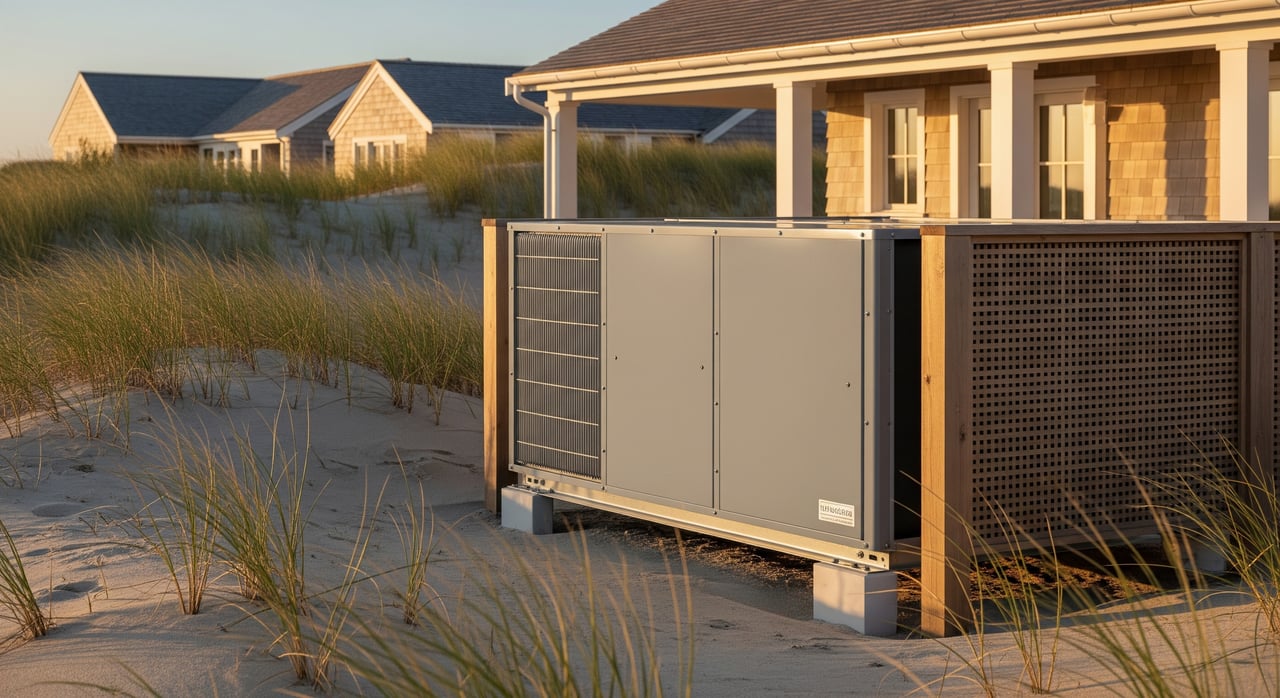
In a place like Montauk, this stage should also include coastal due diligence. East Hampton says the Montauk study area is vulnerable to sea level rise, erosion, storm surge, and flooding. That means your inspection period should include specific questions about flood exposure, storm history, and past repairs.
Coastal questions to ask during due diligence
- Has the property experienced prior flood damage?
- Have there been insurance claims related to storms or water intrusion?
- What repairs were made after major weather events?
- Is the property in a FEMA Special Flood Hazard Area?
- What insurance may be needed beyond a standard homeowners policy?
This matters because standard homeowners insurance typically does not cover flood damage. If the home is in a FEMA Special Flood Hazard Area, separate flood insurance is generally required. For many Montauk buyers, insurance review is not a side task. It is a core part of deciding whether the home fits your long-term budget.
Step 4: Review title and closing costs carefully
During the contract-to-closing period, you will also need to verify title and review settlement-related services. Title work helps confirm ownership history and identify issues that could affect your rights in the property. If you are getting a mortgage, lender’s title insurance is usually required, and owner’s title insurance can help protect your equity.
This is also when closing costs start to come into focus. In Suffolk County, the County Clerk records instruments and collects certain fees, mortgage taxes, and real estate transfer taxes. Suffolk County states that the mortgage tax due at recording equals 1.05% of the mortgage amount, and the property tax map number must be certified before the mortgage can be accepted for recording.
New York State transfer taxes are another line item to plan for early. The state imposes a real estate transfer tax when consideration exceeds $500, at a rate of $2 for each $500 of consideration. For residential purchases of $1 million or more, the 1% mansion tax applies and is paid by the buyer.
Why budgeting early helps
Montauk buyers are often balancing several major cost categories at once:
- Down payment and reserves
- Title and closing service fees
- Suffolk County mortgage tax
- New York transfer taxes and possible mansion tax
- Insurance costs, including possible flood insurance
Looking at these costs early can make your decision-making much clearer. It helps you understand not just whether you can buy, but whether the purchase still feels right once the full cost picture is on the table.
Step 5: Use closing week wisely
Closing week is not just a formality. By law, you must receive the Closing Disclosure at least three business days before closing. That window gives you time to review your final loan terms, cash-to-close amount, and closing details before you sign.
Read the Closing Disclosure carefully and compare it with what you expected. If the paperwork does not match the deal you agreed to, pause and ask questions. If the loan changes in a material way, you may receive a new Closing Disclosure and another three-business-day review period.
Before signing, do a final walk-through of the property. This is your chance to confirm the home is in the expected condition and that agreed-upon items are still in place. It is a simple step, but an important one.
A sample Montauk buying timeline
While every transaction is different, this is a practical way to think about the sequence:
| Stage | What happens |
|---|---|
| 2 to 6 weeks before touring seriously | Get preapproved, gather documents, compare Loan Estimates |
| During home search | Tour homes, evaluate access and timing, review intended use questions |
| When making an offer | Include financing and inspection contingencies when appropriate |
| After accepted offer | Schedule inspection, move through appraisal, review insurance and flood risk |
| Before closing | Confirm title work, review taxes and fees, prepare cash to close |
| Closing week | Review Closing Disclosure, complete final walk-through, sign documents |
Why Montauk buyers need a tailored plan
A Montauk purchase is rarely just a standard checklist. You may be buying a second home, planning for seasonal use, or evaluating a property as both a lifestyle purchase and a long-term asset. That makes the timeline more than a calendar. It becomes part of your strategy.
The strongest buying plans in Montauk account for local realities early. Seasonal congestion, travel coordination, coastal risk review, insurance planning, and permit-related questions all belong in the process from the start. When you build those pieces in early, you are better positioned to act decisively and protect your investment.
If you want a more tailored view of how timing, property type, and local due diligence may affect your search, Michael Petersohn can help you build a smart plan for buying in Montauk.
FAQs
What is the first step in buying a home in Montauk?
- The first step is usually getting lender-ready by reviewing your budget, gathering documents, and requesting Loan Estimates so you understand your financing options before touring seriously.
How long does the Montauk home buying process usually take?
- The timeline varies by property and financing, but buyers should build in extra time for travel, inspections, insurance review, and closing logistics because Montauk is a seasonal coastal market.
Why is flood insurance review important for Montauk home buyers?
- East Hampton says the Montauk study area is vulnerable to flooding, storm surge, erosion, and sea level rise, and standard homeowners insurance typically does not cover flood damage.
What local property checks matter before buying in Montauk?
- If you may rent the property seasonally or make changes after closing, it is wise to review permit history, Certificate of Occupancy records, sanitary system compliance, and rental registration requirements early.
What taxes should buyers budget for in Suffolk County and New York?
- Buyers should budget for Suffolk County mortgage tax at recording, New York State transfer tax, and the 1% mansion tax if the residential purchase price is $1 million or more.
What should buyers review during closing week in Montauk?
- You should review the Closing Disclosure at least three business days before closing, confirm your final numbers, and complete a final walk-through before signing.