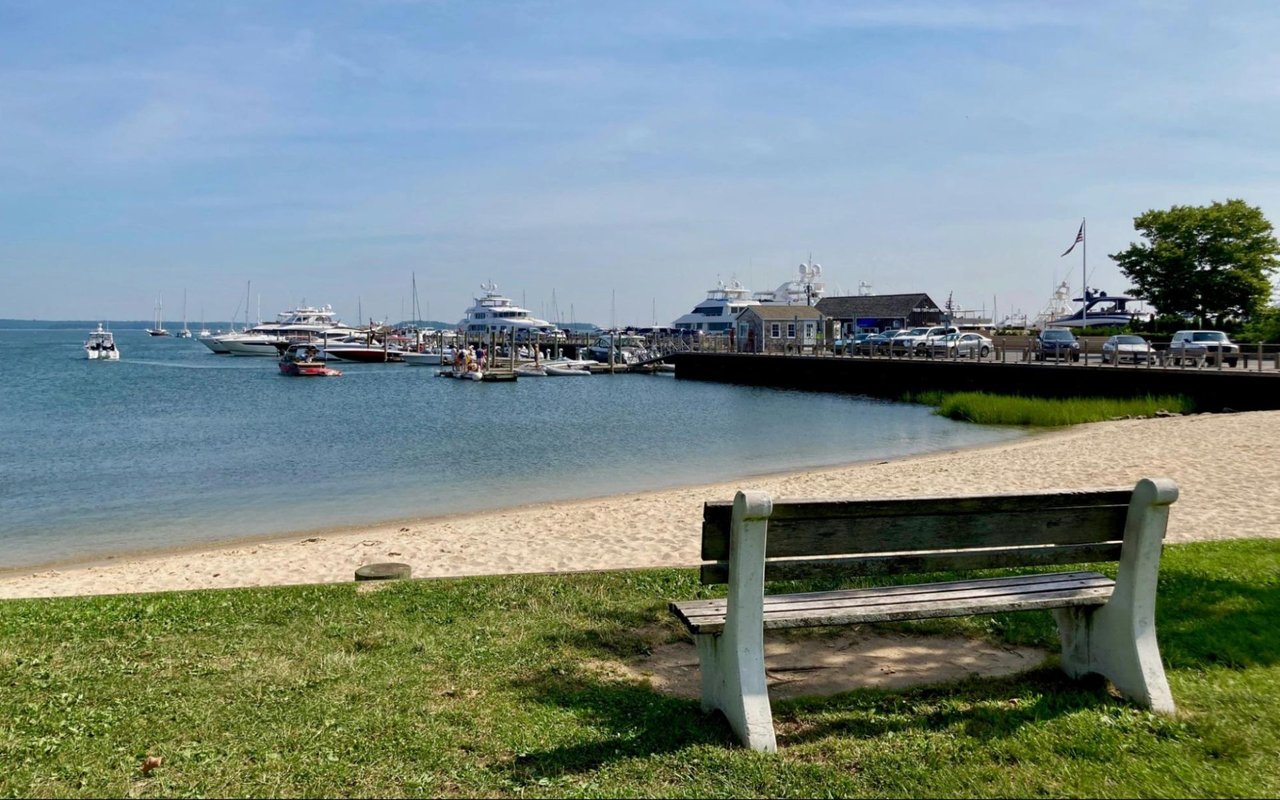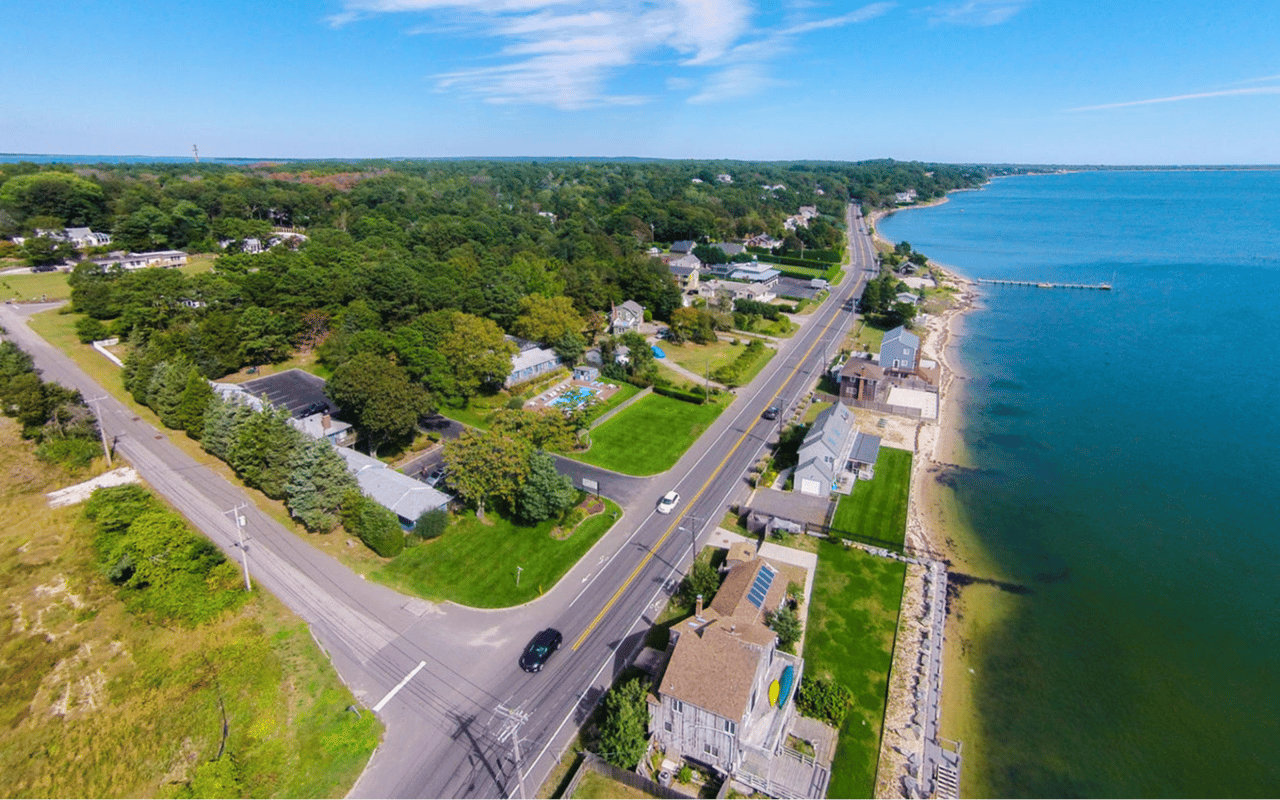
According to the Sag Harbor Express, on the morning of July 23, drivers pulling into the municipal lot at 5 Bridge Street found the gate locked. No notice on the village website, no sign taped to a post the week before, just a chain across the entrance in the middle of the busiest stretch of the season. Ninety-three spaces, the largest single parking lot serving downtown Sag Harbor, gone in an instant.
Most residents who use that lot, known around the village as the Gas Ball Lot for the light blue gas storage sphere that once stood there, think of it the way they think of Long Wharf or Havens Beach: as village property, part of the public commons. It isn't. The week it closed brought the lease arrangement into focus.
Who Owns the Gas Ball Lot
The village has never owned the land under that lot. For years it leased the parcel from KeySpan Gas East Corporation, the National Grid subsidiary that still holds the underlying title. In 2023, the New York State Public Service Commission ruled on a long-running dispute over who would control that lease going forward, and awarded a 99-year lease to 11 Bridge Street LLC, a company controlled by developer Adam Potter. The village pushed back, petitioned for a rehearing, and lost.
Since May 2024, Sag Harbor has been subleasing the same 93 spaces back from Potter's LLC under a three-year agreement, paying just over $52,000 a year for the right to keep charging the public to park there through the village's paid parking app. It is a workable arrangement, but the July closure disrupted public access.
The Closure and the Dispute
Potter's LLC cited maintenance concerns when it closed the gate, specifically the presence of concrete blocks with exposed, broken rebar left in the lot. The village disputes how urgent that problem actually was. What isn't in dispute is that nobody in village government got advance warning before the chain went up during the height of summer.
By July 30, the Sag Harbor Village Board had called a special meeting and passed a resolution authorizing the Department of Public Works to remove the concrete and reopen the lot, and Village Attorney Liz Vail forwarded that resolution to Potter's attorney, Alex Kriegsman. Mayor Tom Gardella said the village had a lease, had paid for it, and expected the lot open for the public and for the downtown employees who rely on it for daily parking. He also said that if Potter didn't unlock the gate, the village would likely be in court seeking a restraining order.
Kriegsman's response, relayed through email exchanges shared with the Sag Harbor Express, was that his client had been told the village couldn't do any maintenance work in the lot without approval from the state Department of Environmental Conservation, a claim the village's attorney flatly disputes. As of early August, the two sides were still trading emails about scheduling a call rather than a settlement.
How the Closure Affected Downtown
Lisa Field, owner of the Sag Harbor Variety Store, has been one of the more vocal critics of how parking gets managed downtown, and she was blunt about what the closure did to foot traffic during the height of the season. She has said the scarcity of parking, made worse by the shutdown, kept locals away from Main Street at exactly the time of year the village depends on them showing up alongside visitors. Her point wasn't that the lot itself was ever full. It was that the uncertainty of not knowing whether you'd find a spot at all was enough to keep regulars home.
That uncertainty landed at an inconvenient moment. This is the summer Sag Harbor's Main Street picked up three new anchors within a few blocks of each other: Michael Nolan's Miracle at 29 Main Street, Babe's Diner on Division Street, and the Corner Bar under new ownership by John and Kelly Piccinnini. Add the reopening of the harborfront hotel as Faraway Sag Harbor, with its restaurant Zagara pulling dinner traffic to West Water Street, and you have a village pulling more cars downtown at precisely the moment its largest lot went dark.
Parking Permits and Lot Rules This Season
Parking in the village is governed by several permit programs and lot-specific rules. As of this season, the rules include:
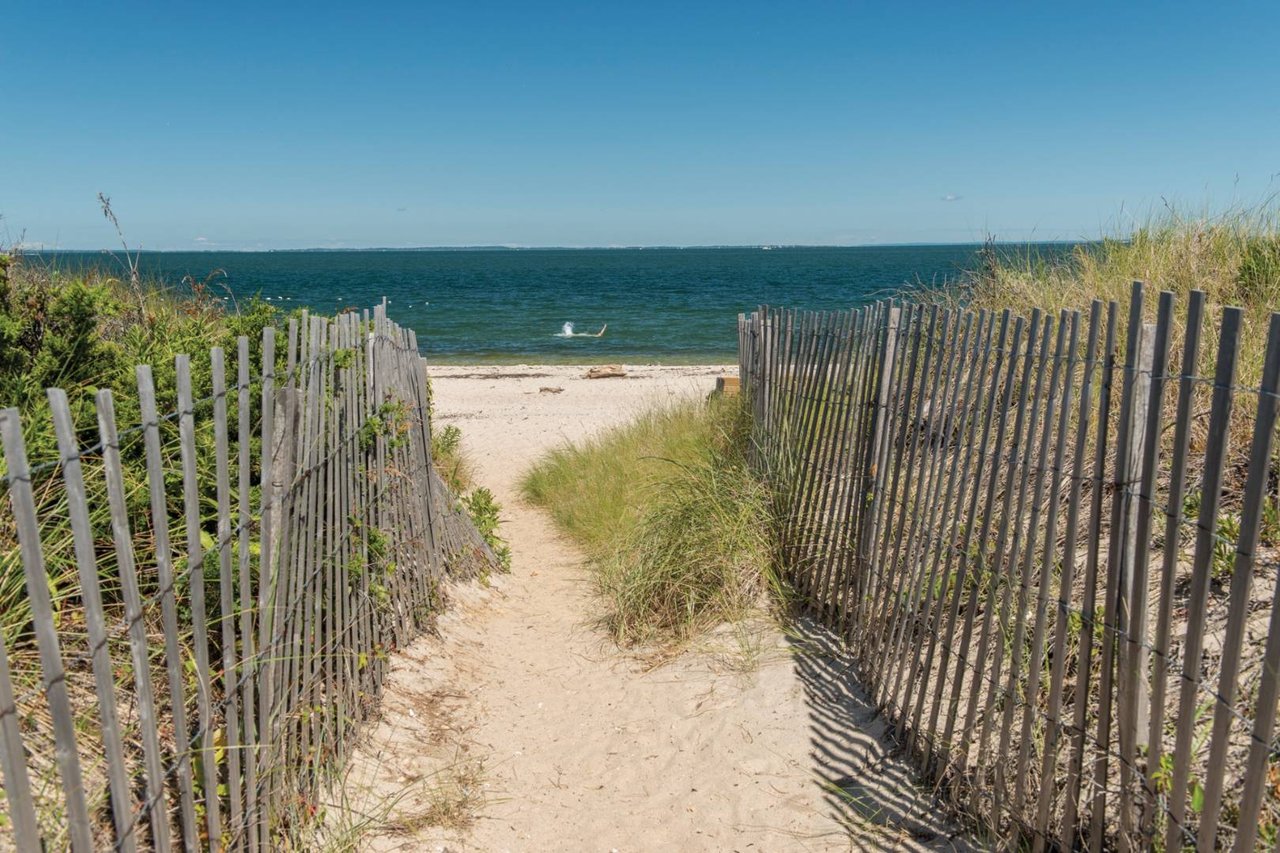
- A 2026 Resident Parking Permit, available since April 23 both online and in person at the Village Office on Main Street, allows up to four hours of parking at 5 Bridge Street when it is open and at 51 Meadow Street without needing to register in the ParkMobile app.
- The same permit allows all-day parking at Havens Beach, the village's only public bathing beach, which is otherwise metered.
- ParkMobile only comes into play if you're planning to stay past that four-hour window at either lot when available.
- Permits are tied to a vehicle registered to a Sag Harbor resident or property owner and are explicitly not issued for rental cars, no exceptions.
- Beyond the permit system, several lots run on their own separate rules: the Meadow Street lot and 31 Bay Street offer two-hour free parking from 6 a.m. to 6 p.m., the Washington Street lot allows three-hour timed parking from June 15 through September 15, and the Cross Street lot is designated for long-term parking.
Parking options vary by lot, and the Gas Ball Lot's 93 spaces had become part of many residents' routines. Its closure removed a familiar option for downtown parking.
The Other Experiment Working Quietly
Not every fix this year has been reactive. Away from Main Street, the village has been running a turn-restriction pilot on John Street, Columbia Street, and Jesse Halsey Lane aimed at cut-through traffic that had been using those residential blocks as a shortcut. Trustee Ed Haye reported that the restrictions worked in large part because navigation apps like Waze and Google Maps picked them up and stopped routing drivers through the neighborhood in the first place. The board voted to extend that pilot for another 120 days.
The village has also brought in L.K. McLean Associates to run a broader transportation study, with data collection along the Jermain Avenue corridor beginning September 6, timed to capture school-year traffic patterns around Pierson Middle-High School and Sag Harbor Elementary. It's a slower, less visible kind of fix than a locked gate making headlines, but it's one part of the village's longer-term transportation planning.
What This Means If You Live Here
As of the most recent reporting this summer, the gate was still locked and the underlying disagreement over who has the authority to fix the lot, the village or its landlord, remained unresolved. The sublease itself runs through a three-year term that started in 2024, and nothing about this summer suggests the relationship between the village and its landlord has gotten any smoother.
If you park downtown regularly, the practical takeaway isn't complicated: don't build your routine around any single lot the way so many residents built theirs around the Gas Ball Lot. Havens Beach access through the resident permit, the Meadow Street and Cross Street lots, and the seasonal rules on Washington Street are useful alternatives to the privately leased Gas Ball Lot.
If you're weighing what a summer like this one means for property values, rental demand, or the long-term feel of living in the village, that's a conversation worth having with someone who watches these patterns year over year. Michael Petersohn has spent more than three decades on the ground in the Hamptons, and welcomes a conversation with anyone looking to understand what's really shaping daily life in Sag Harbor. Request a Personal Market Consultation to talk through what you're seeing on Main Street and what it might mean for you.
This article is general information, not legal, tax or financial advice. Consult a qualified professional about your situation.