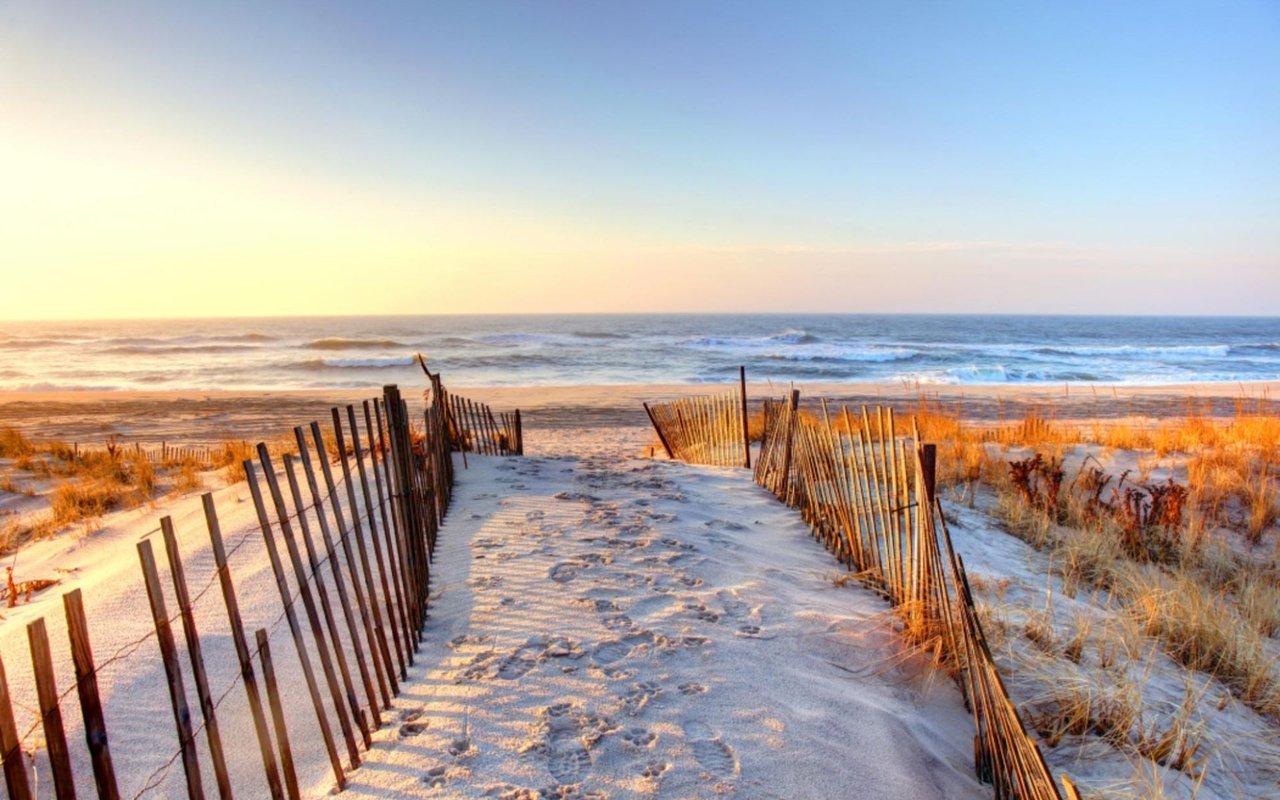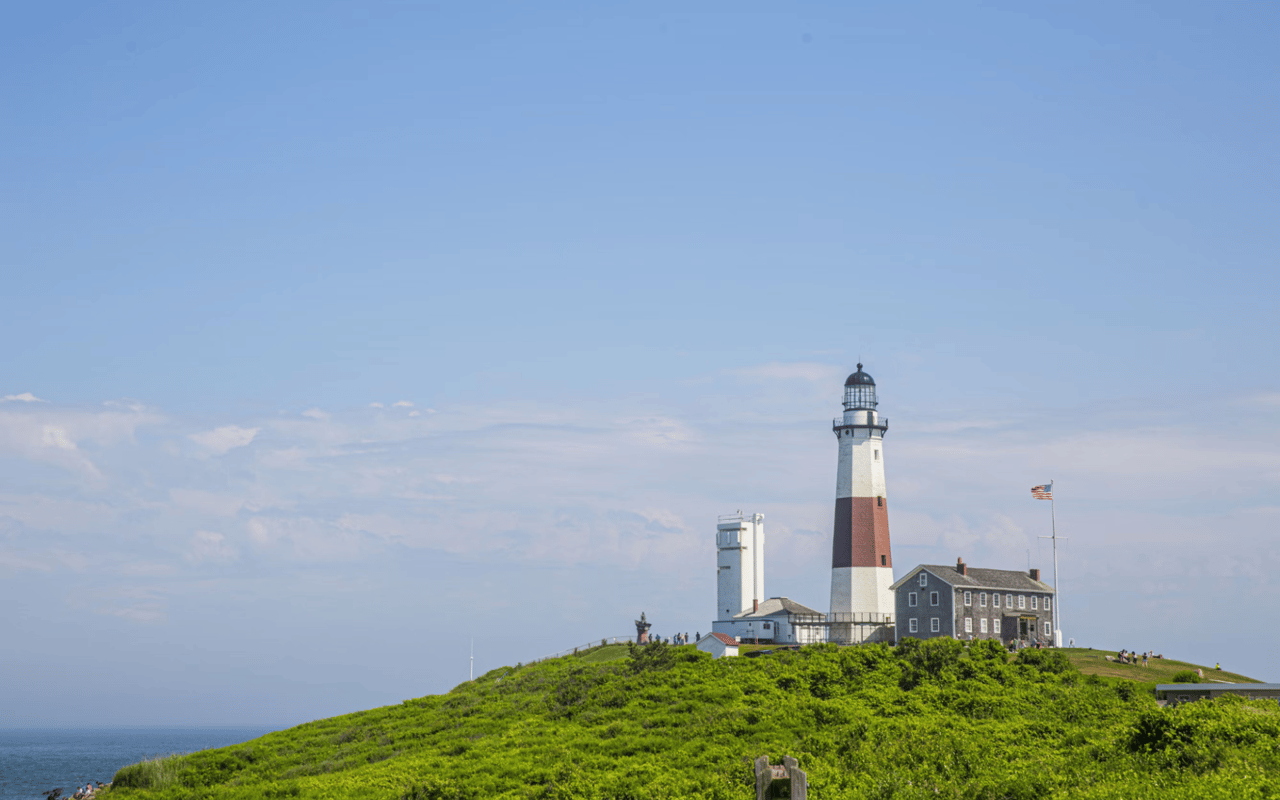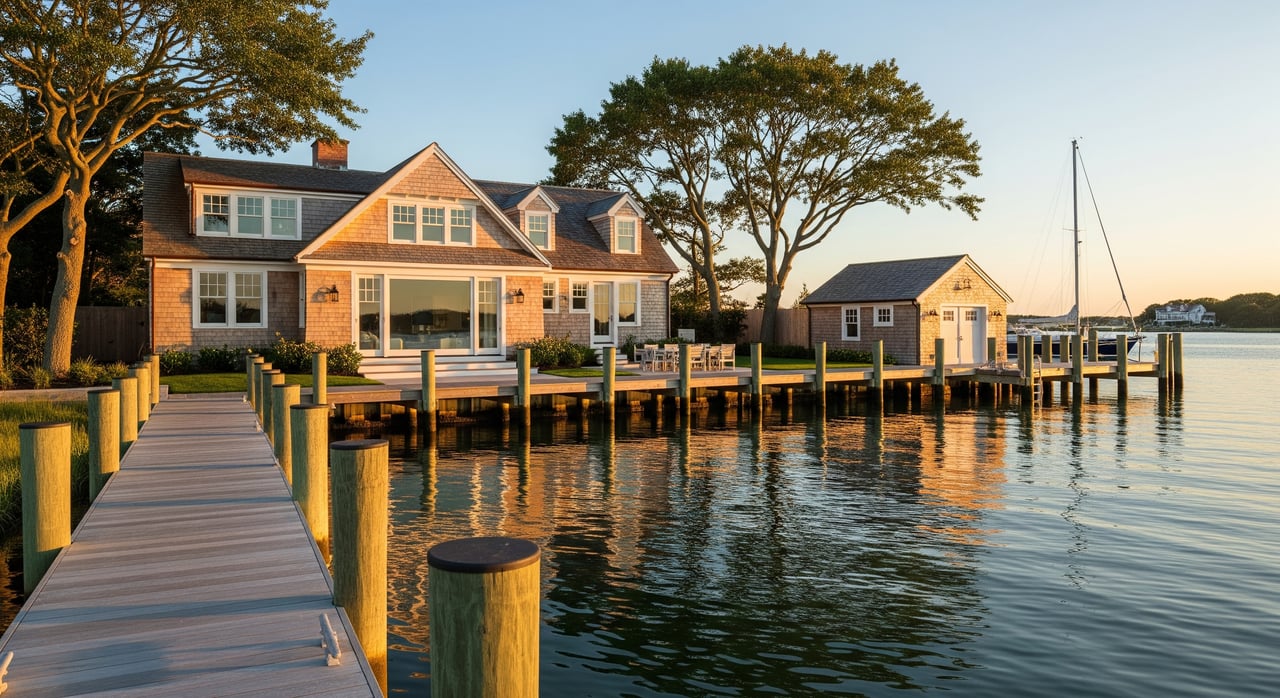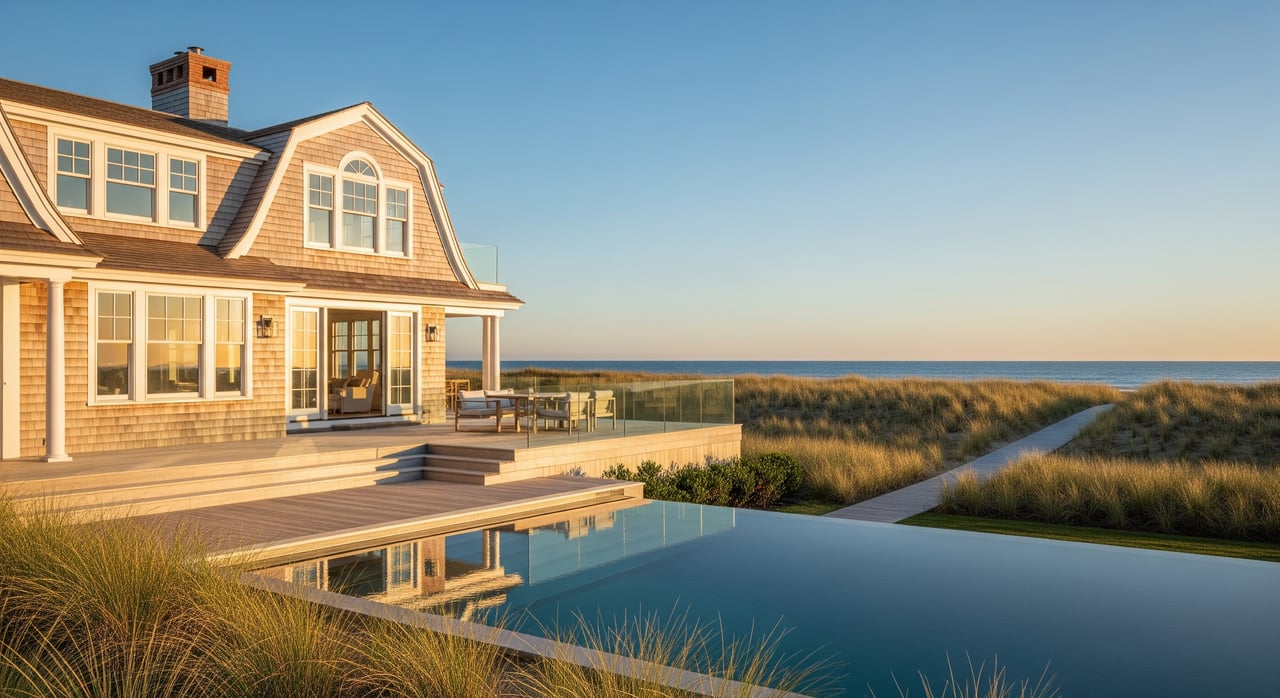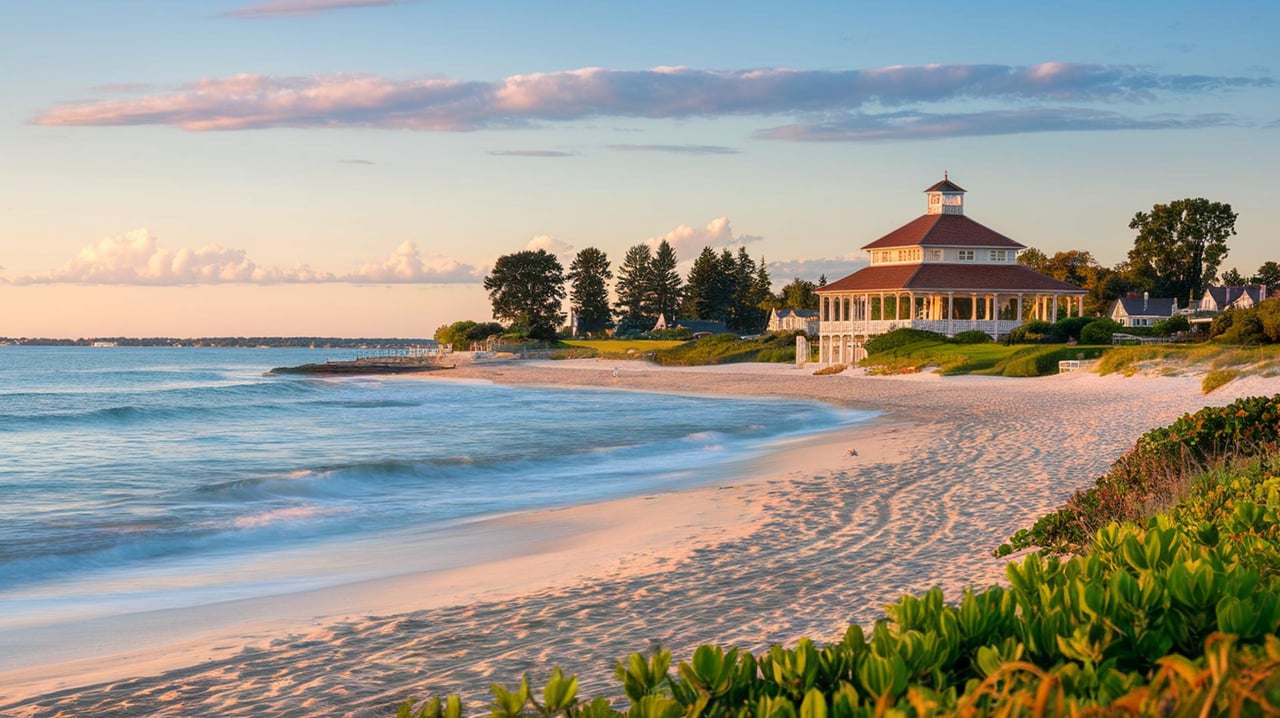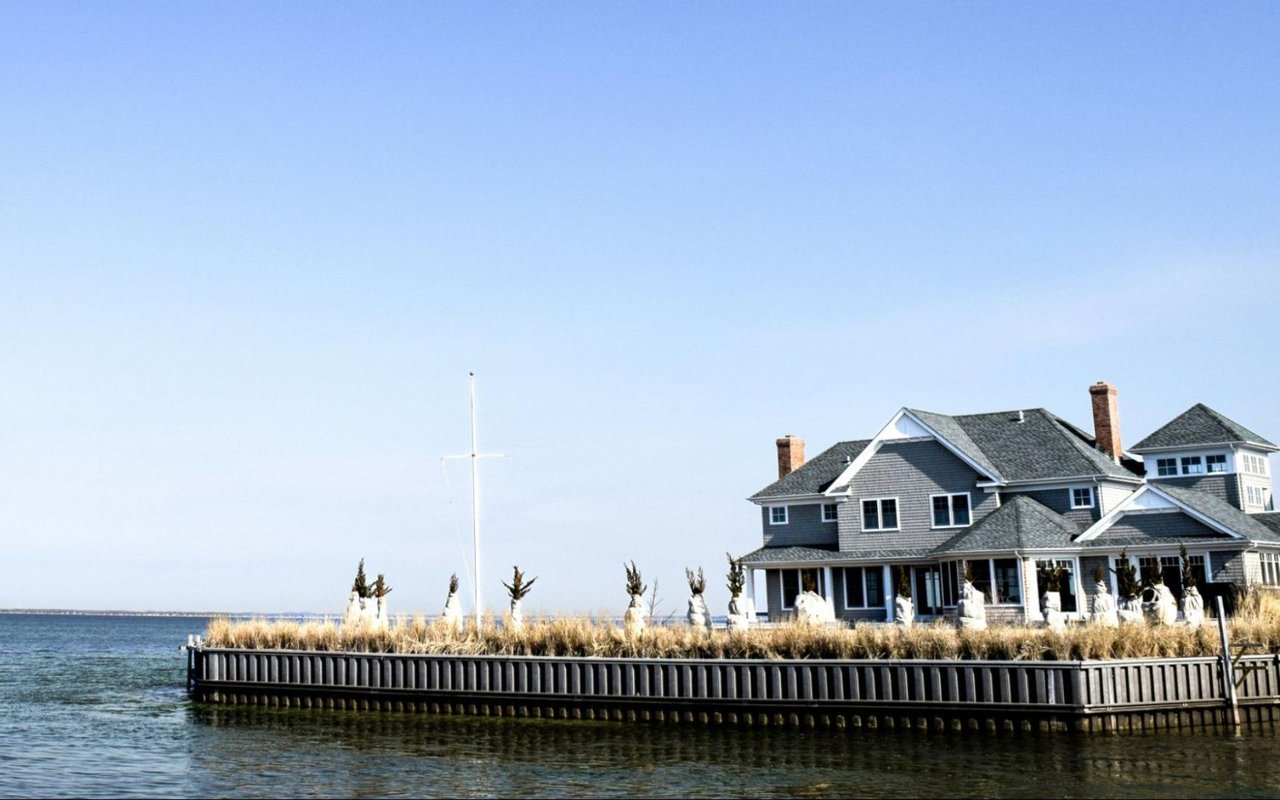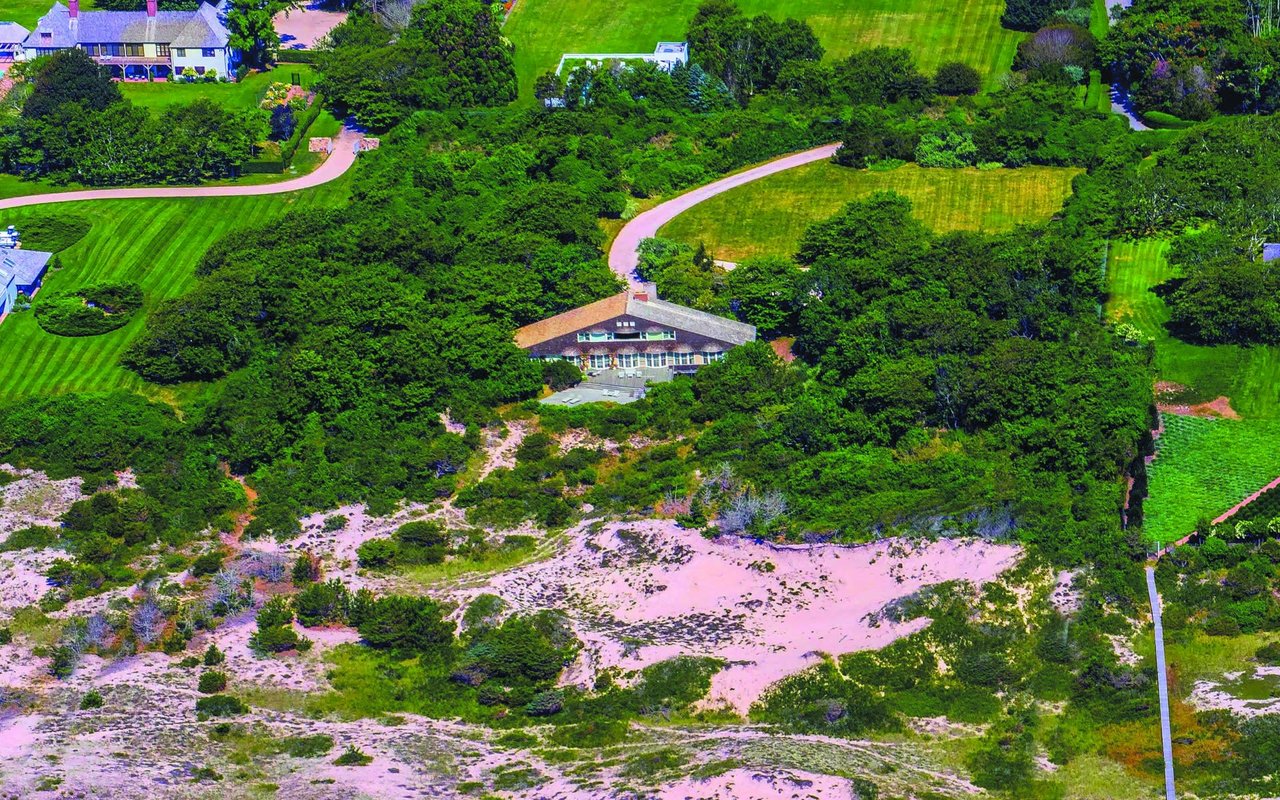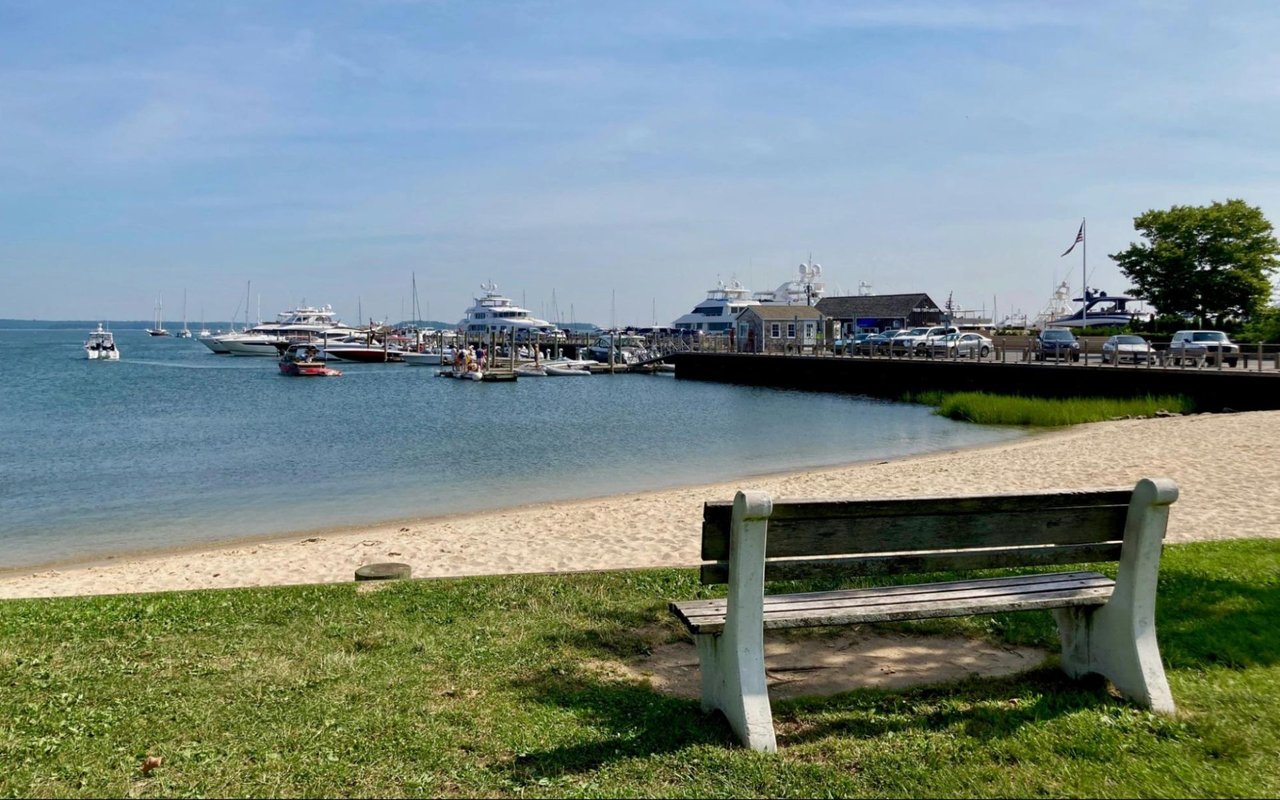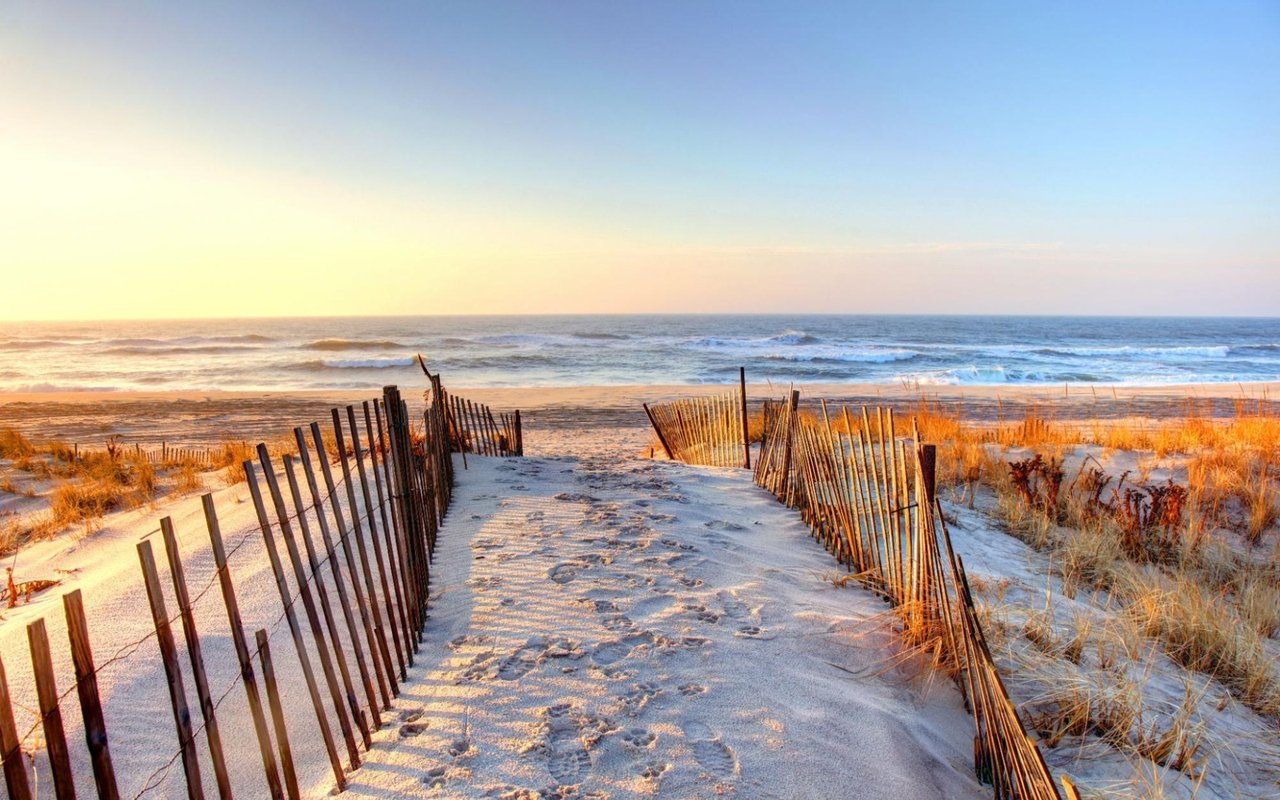
The sign at the Elizabeth A. Morton National Wildlife Refuge on Noyac Road says the place is open seven days a week, daylight hours only. That's true, and it's also not the whole story. What the sign doesn't tell you is that for five months of the year, the best part of the refuge, the walk out to the tip of Jessup's Neck, is locked behind a seasonal closure that has nothing to do with the calendar most residents live by and everything to do with a handful of birds that nest on the beach every spring.
That closure ran from April 1 through August 31 this year. It just ended. If you've been meaning to walk out to the point since the daffodils came up, this is the week that finally happened.
The Bird Closure Nobody Mentions Until It's Over
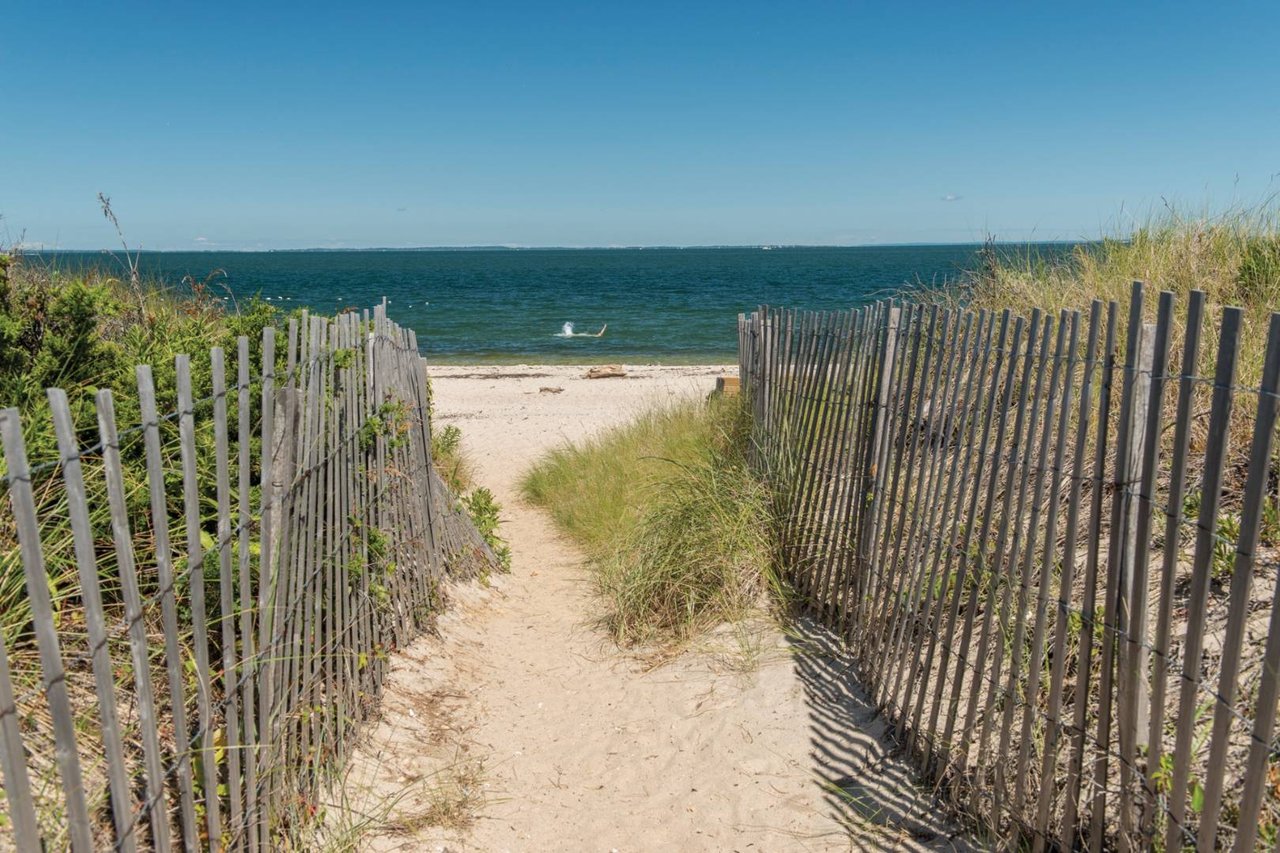
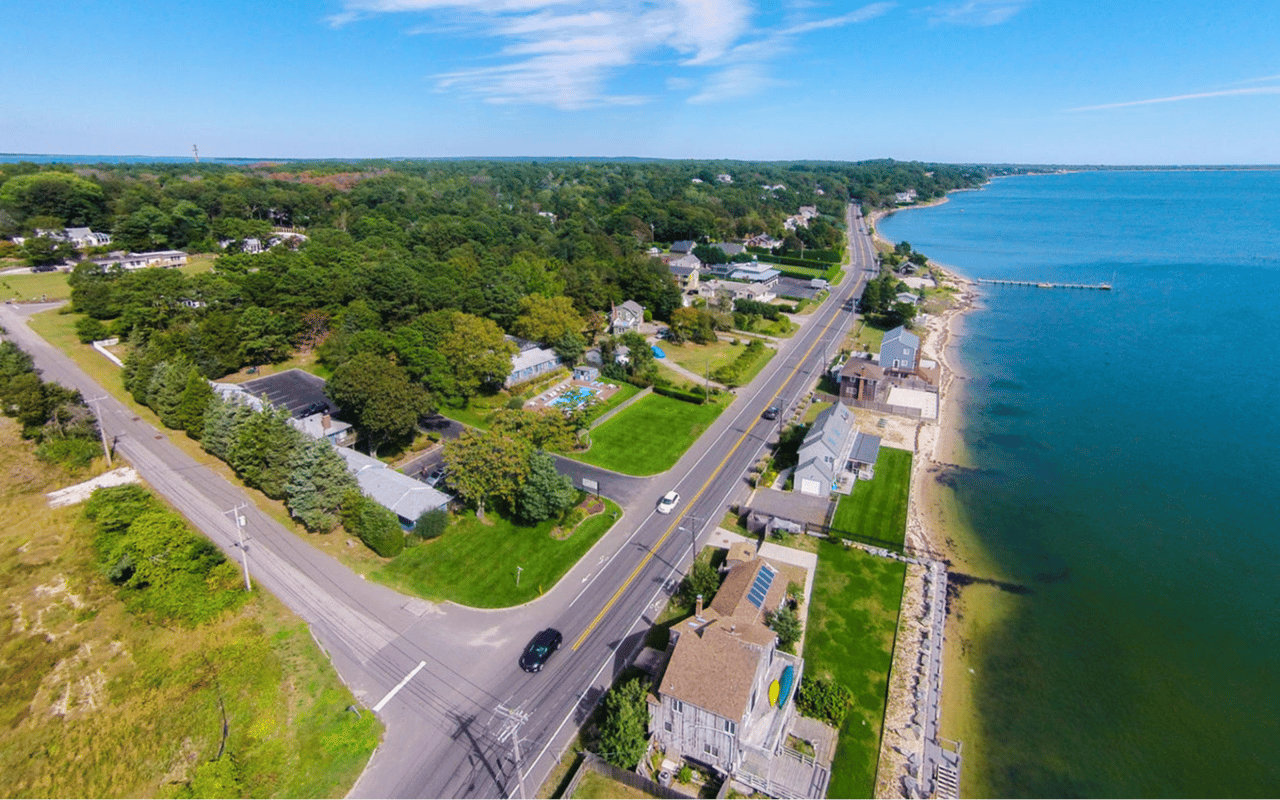
The Wild Birds Nature Trail, the wooded loop where visitors have spent decades hand-feeding chickadees and titmice from their palms, stays open year-round. That's the part everyone photographs. But the peninsula itself, the mile-and-a-half stretch locally known as Jessup's Neck that separates Little Peconic Bay from Noyack Bay, is a different piece of ground with a different set of rules. It's protected specifically because piping plovers, American oystercatchers, and least terns nest there, and refuge staff close the beach habitat every spring to keep those birds alive through hatching season.
That timing lands the closure squarely on top of the Hamptons' busiest stretch. April through August is exactly when Noyac and North Sea see their population swell with second-home owners and renters, which means the one trail that would draw the biggest crowds is unavailable precisely when the crowds are here. The walk reopens in September, right as the seasonal population thins back out. For anyone who lives here year-round, that's not a coincidence to shrug at. It's the mechanism behind why this stretch of Southampton feels calmer in the fall than the rest of the East End, even though nothing about the geography changes.
What You Can Actually Walk Now
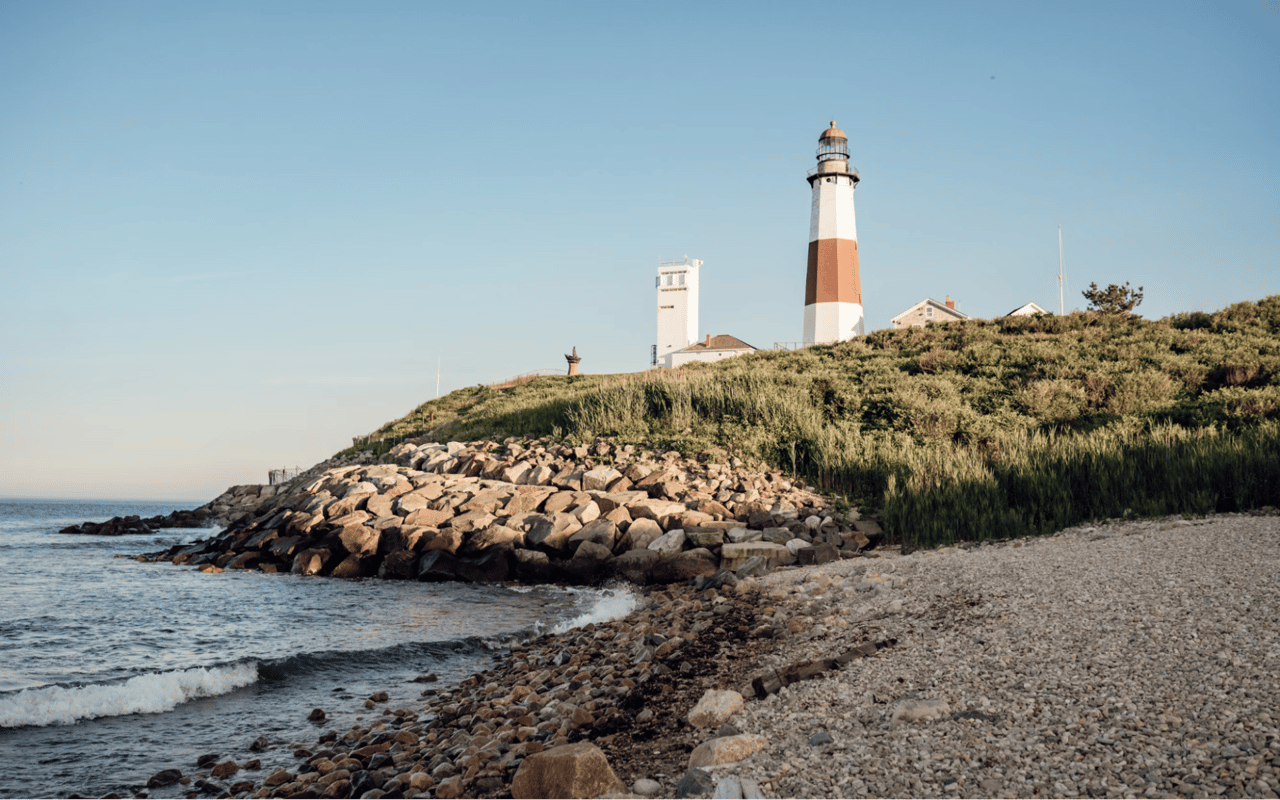
Past the woodland loop, the reopened trail continues out along the beach to the tip of the peninsula, a walk of roughly 1.75 miles one way that's only available from September through March. An elevated platform partway out gives a clear view across Little Peconic Bay, Noyack Bay, and Jessup's Neck itself, with sightlines toward the North Fork, Shelter Island, North Haven, and Robins Island on a clear day. The trail is flat and wooded with some sand underfoot, and refuge visitors regularly report ospreys overhead and wild turkeys in the tree line. Come winter, the bay side fills with rafts of black ducks, bufflehead, and common goldeneye.
None of that is available in July. It's available now.
A few practical notes before you drive out:
- The refuge charges a small entrance fee, payable at an on-site machine, or accepts a federal Duck Stamp valid July 1 through June 30
- The parking lot is small, so weekday mornings are the easier bet if you want the trail to yourself
- Refuge staff began limiting some trail access and facilities in mid-July for onsite work, including replacing the beach-facing overlook and the siding on several public buildings, so check conditions before you go if you're hoping to use the platform
- Feeding wild birds is discouraged, not because it isn't charming, but because seed left on the ground draws raccoons and rats that prey on the same endangered shorebirds the closure exists to protect
That last point matters more this year than most. The refuge has been explicit that the long-standing practice of hand-feeding, however photogenic, works against the exact conservation goal that keeps the peninsula worth walking in the first place.
The Rest of the Loop, Same Week
Locals who time their walk right tend to build a whole afternoon around it, and two fixed points on Noyac Road make that easy. North Sea Country Farms, a family-run stand at 1060 Noyac Road that's been raising vegetables and free-range eggs on the same land since 1945, sits close enough to the refuge to make a natural second stop. September is harvest season there, and the stand carries local produce alongside Tate's Bake Shop goods and Joe & Liza's ice cream, the kind of small-farm inventory that changes week to week rather than sitting on a shelf year-round.
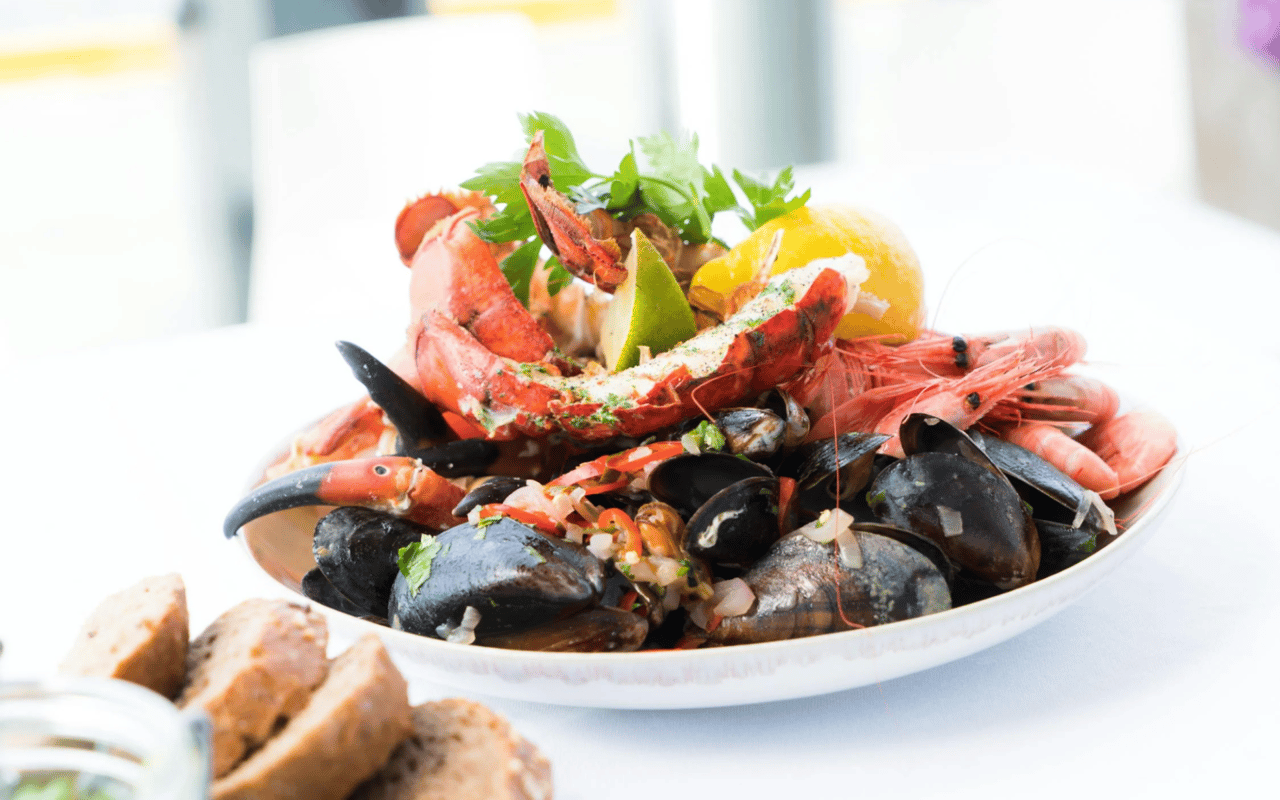
A few minutes further down Noyac Road, Captain Jack's on the Coast serves dinner Tuesday through Sunday, with a menu built around clam chowder, fish tacos, and a handful of dishes that lean into the water views out back. It's the kind of place that makes sense as the closing stop on a day that started with a bay walk and a farm stand, not a destination you'd drive out from Southampton village to find.
None of this is new information dressed up as a discovery. It's the same rotation Noyac residents have run for years. What changes in September is that the trail piece of it comes back online, which means the loop is complete again for the first time since spring.
The Civic Calendar Keeps a Different Schedule
The Noyac Civic Council runs its own set of fixed points, and they don't follow the refuge's nesting calendar at all. Late summer brings an informal gathering the council calls Celebrate Long Beach, where members bring chairs and refreshments down to the beach near the south lifeguard stand to watch the sunset together. The council also keeps a tent at HarborFest each year, using the afternoon to sign up new members and talk with neighbors about what's happening in the hamlet. Later in the season, the group's Polar Bear Plunge draws out the residents willing to start winter with a swim.
None of those events depend on whether a shorebird has finished nesting. They're a separate rhythm running in parallel with the refuge's, and together the two calendars are a decent proxy for how Noyac actually operates. The trail tells you when the water and the woods are ready for foot traffic. The council's events tell you when the neighbors are getting together anyway, closure or no closure.
Why the Closure Is Worth Knowing About
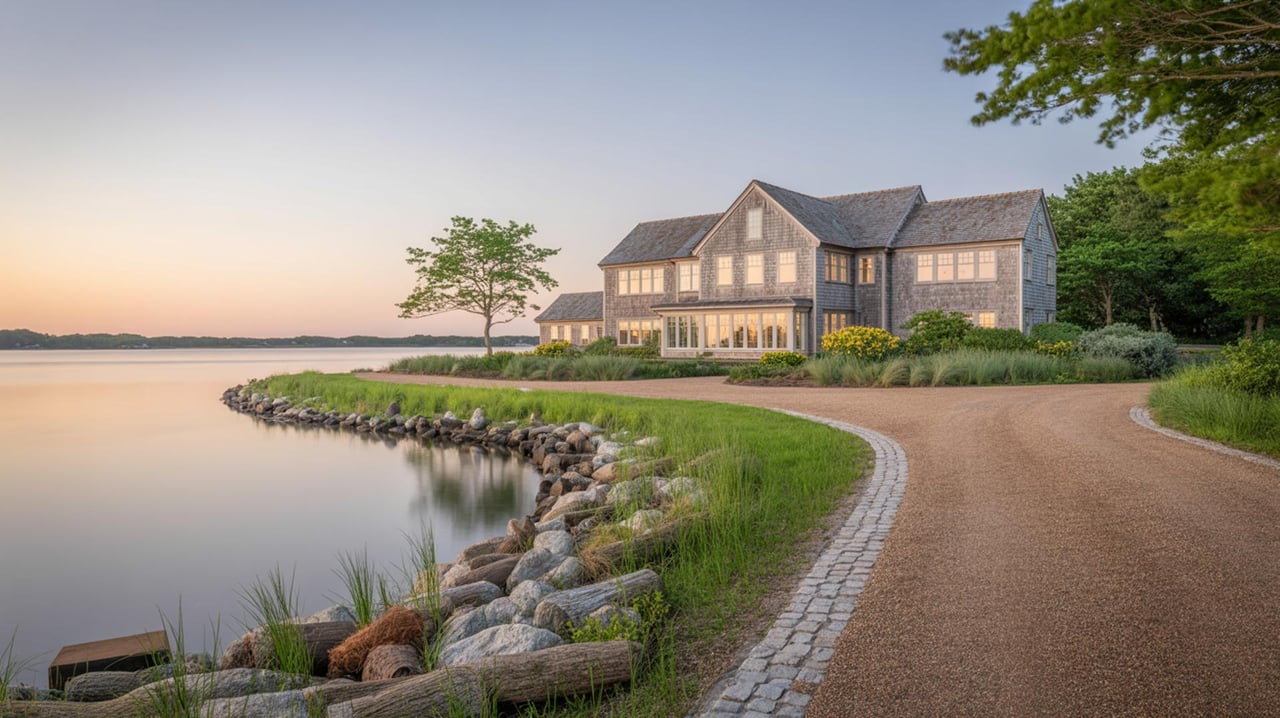
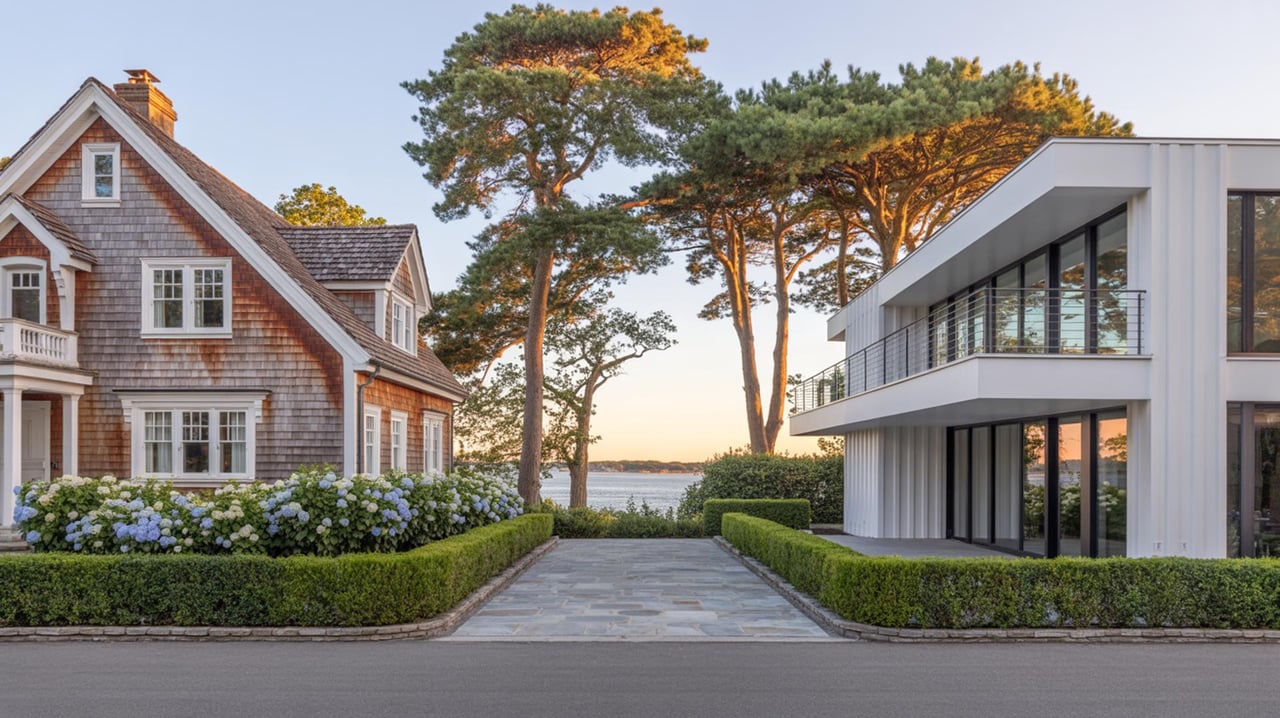
None of this changes what Noyac is on a map. It's still the northern edge of Southampton township, still built around bay beaches and a shoreline that Southampton's first settlers landed on at Conscience Point in 1640. What the closure calendar adds is a layer most visitors never notice: the neighborhood's best asset runs on a schedule that has nothing to do with when the Hamptons gets crowded, and that mismatch is part of what keeps this stretch of the North Sea and Noyac corridor feeling like a place people live rather than a place people pass through in August.
If you've walked the woodland loop a dozen times but never made it out to the tip of the Neck, this is the window. It closes again next April, right on schedule, whether anyone's paying attention or not.
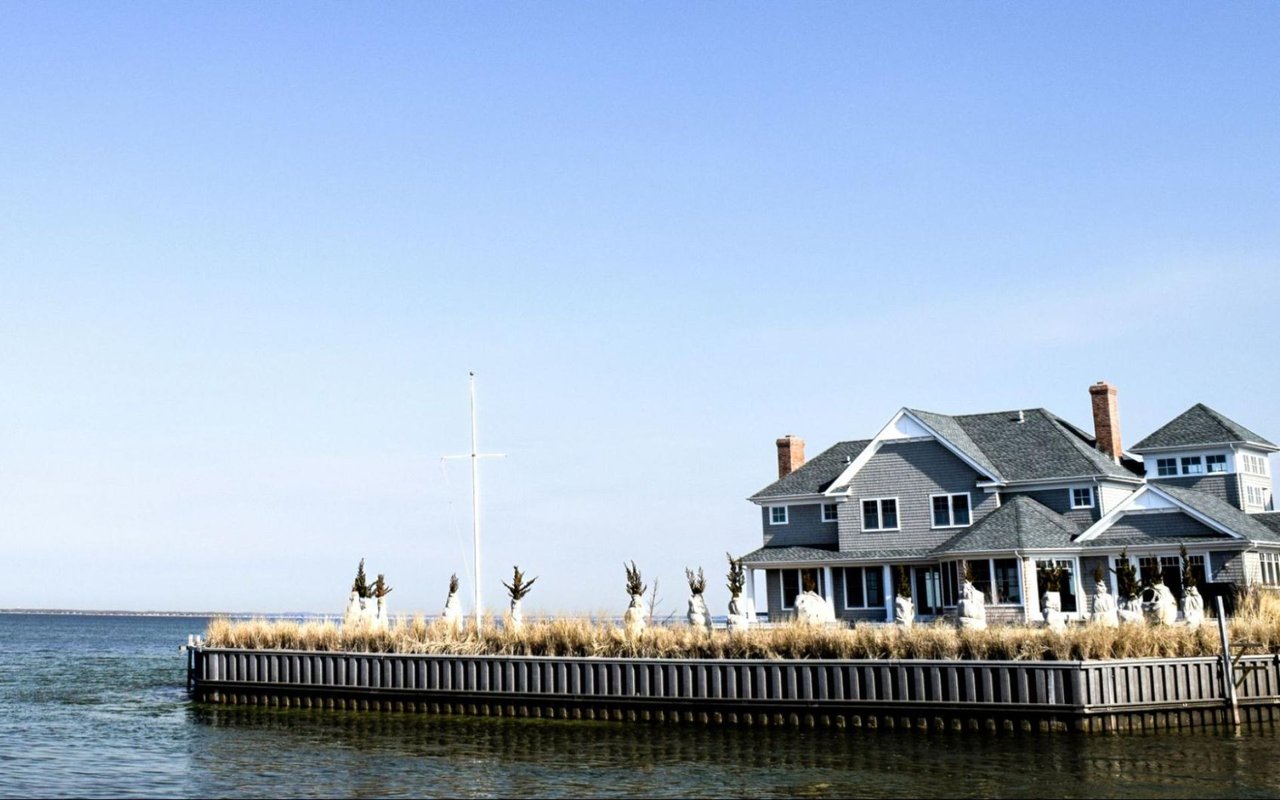
If you're weighing what life actually looks like in Noyac or North Sea, from the seasonal rhythms down to what a specific property on the bay side is worth, Michael Petersohn can walk you through it with the same data-first approach he brings to every corner of the East End. Request a Personal Market Consultation to talk through the neighborhood in more detail than a trail closure notice ever will.